When it comes to reliable backpacks, JanSport has become synonymous with durability and style, but have you ever wondered where these trusted products are actually made? Understanding the manufacturing origins of JanSport backpacks not only highlights the brand’s commitment to quality but also connects you with the ethical practices behind their production. In a world where consumers are increasingly concerned about sustainability and ethical sourcing, exploring the manufacturing secrets of JanSport can help you make informed choices about what you carry. From the labor practices to the materials used, unpacking these details not only builds trust in the brand but also enriches your appreciation for the gear you rely on every day. Dive in to learn more about where JanSport backpacks are made and what that means for their quality and impact!
Where Are Jansport Backpacks Manufactured?
Jansport backpacks are synonymous with both quality and reliability in the world of outdoor gear, but many consumers might wonder where these beloved products are actually made. The answer lies in a network of global manufacturing facilities that not only ensure sleek design but also maintain high standards of durability. Jansport, which has been producing backpacks since 1967, originally manufactured its products in the United States. However, as global trade dynamics evolved, production shifted to various countries to keep up with demand and cost efficiency.
Today, Jansport backpacks are primarily manufactured in Vietnam and other parts of Asia, where skilled labor and established supply chains allow for the efficient production of high-quality products. Manufacturing in these regions enables Jansport to leverage a blend of modern technology and traditional craftsmanship, resulting in backpacks that are both functional and stylish. The raw materials are often sourced from different parts of the world, ensuring that Jansport maintains a variety of options for styles, colors, and uses to cater to diverse consumer needs.
To ensure the highest standards, Jansport implements rigorous quality control measures throughout the production process. Factories must comply with specific industry standards, and inspections are performed regularly to guarantee that each backpack meets the brand’s quality benchmarks. This focus on quality is a contributing factor to Jansport’s reputation and consumer trust. Additionally, this commitment extends to sustainability practices in their manufacturing processes, as they strive to reduce environmental impact by adopting responsible sourcing and production practices.
The combination of these thoughtful manufacturing practices helps Jansport maintain its status as a leading brand in the competitive backpack market, appealing to a wide range of consumers who prioritize quality, style, and sustainability.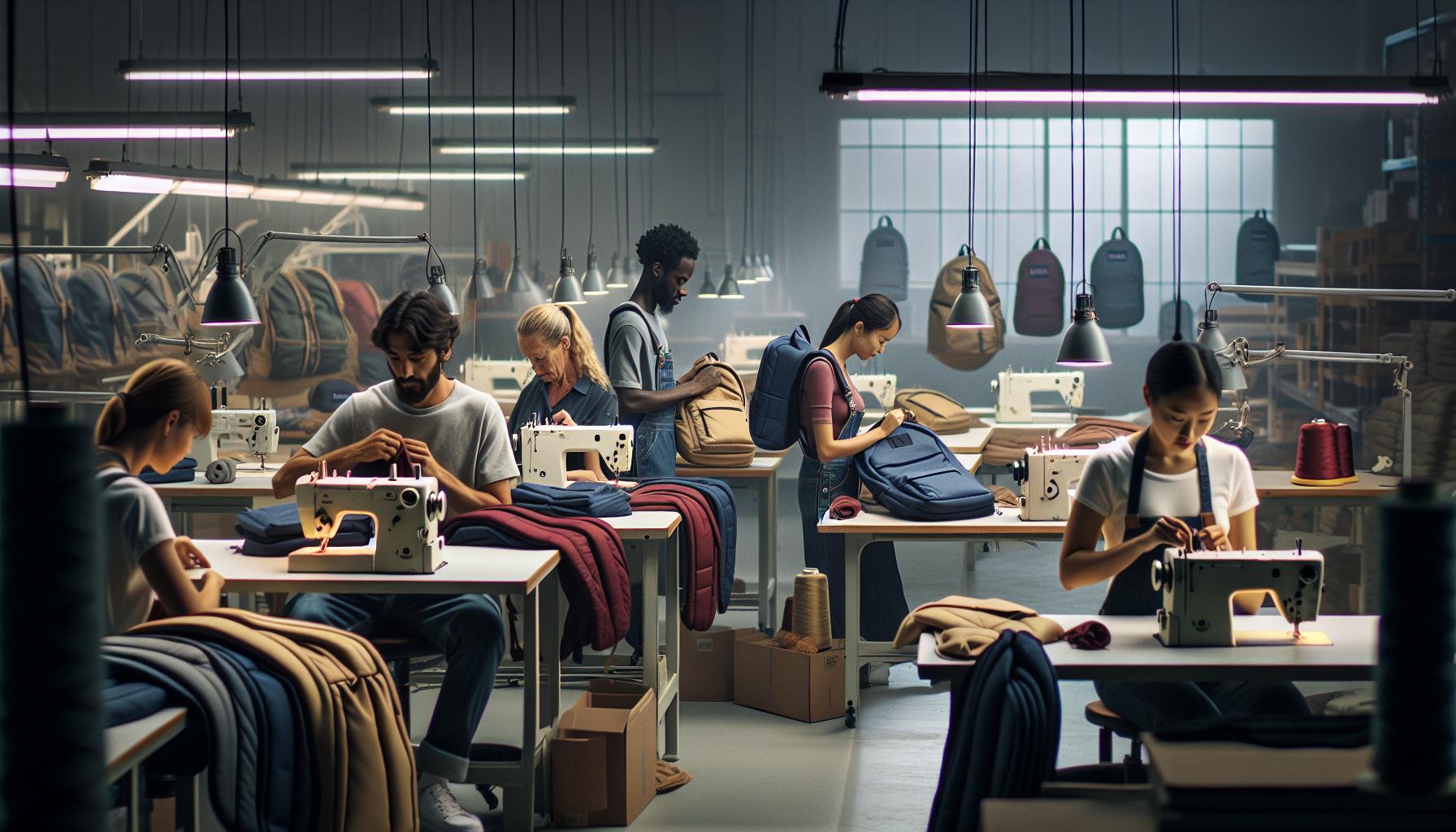
The History of Jansport Backpack Production
In 1967, JanSport debuted as a small backpack company in Seattle, Washington, setting the stage for a revolution in outdoor gear with their innovative designs and durable materials. Originally founded by a group of college friends, the brand quickly gained traction for its simple yet effective backpack structures that catered to the needs of students and adventure seekers alike. The early JanSport backpacks were made not only for practicality but also for a lifestyle that demanded reliability and style, setting a benchmark within the competitive landscape of outdoor gear.
Over the decades, JanSport expanded its manufacturing footprint, primarily shifting production from the U.S. to various countries in Asia. This move was driven by the need to streamline costs while maintaining quality, as well as to adapt to the increasing global demand for their popular products. By establishing partnerships with skilled labor markets in Vietnam and other parts of Asia, JanSport was able to leverage modern manufacturing techniques and economies of scale. This strategic shift ensured that their backpacks remained accessible to a wider audience without compromising the craftsmanship that had become synonymous with the brand.
Despite this transition, JanSport has not lost sight of its roots. The brand actively invests in sustainable practices within its production processes, reflecting a commitment to environmental stewardship that resonates with today’s consumers. From responsible sourcing of materials to efforts aimed at minimizing waste in its manufacturing facilities, JanSport exemplifies how a legacy brand can evolve while adhering to the values that initially propelled it to success.
With a rich history powering their evolution, JanSport stands as a testament to innovation in backpack design and manufacturing. By balancing the lessons of the past with the demands of the present, they continue to produce products that are celebrated for both their durability and performance in a variety of settings-be it on a college campus or a rugged trail.
Key Manufacturing Locations Around the World
JanSport backpacks are carefully crafted through a strategic global network of manufacturing locations, ensuring both quality and affordability for consumers. Over the years, the company has shifted much of its production to various countries in Asia, with prominent facilities in Vietnam, China, and Bangladesh. This shift was driven by a combination of economic factors, including lower manufacturing costs and access to skilled labor.
Major Manufacturing Locations
- Vietnam: A key player in JanSport’s manufacturing strategy, Vietnam boasts a robust textile industry and has become synonymous with quality production. The country’s skilled workforce and established supply chains enable JanSport to maintain high standards while increasing production efficiency.
- China: Traditionally, China has been a hub for many global brands, and JanSport is no exception. The extensive infrastructure and manufacturing capabilities in China allow for rapid production turnaround, meeting the demands of a global market.
- Bangladesh: Known for its large garment industry, Bangladesh is another important location for JanSport. The country has made significant strides in improving labor conditions and sustainability within its manufacturing processes, aligning with JanSport’s commitment to ethical production practices.
Considerations for Consumers
Understanding where JanSport backpacks are made can enhance your purchasing experience by offering insights into quality and sustainability. While the global manufacturing approach may raise questions about authenticity and craftsmanship, JanSport ensures that all its facilities comply with strict quality control standards. By investing in modern technology and maintaining rigorous oversight, the brand guarantees that each backpack upholds the durability and performance associated with its reputation.
As you shop for your next backpack, consider not only the design and size that fit your needs but also the brand’s manufacturing practices. Supporting companies that prioritize ethical production can contribute to a more responsible global economy, making your purchase feel even more rewarding.
Materials Used in Jansport Backpacks
The choice of materials in JanSport backpacks significantly influences their durability, functionality, and overall user experience. The brand is known for employing high-quality, reliable fabrics that withstand the rigors of daily use, whether for school, travel, or outdoor adventures. The primary materials used in these backpacks include synthetic fabrics such as 600 Denier Polyester and 420 Denier Nylon, both of which are popular for their resilience and lightweight properties.
Packed with features that cater to active lifestyles, JanSport backpacks often incorporate water-resistant coatings and durable zippers to ensure that your belongings remain protected from unexpected weather conditions. The use of reinforced stitching adds an extra layer of strength, minimizing the risk of seams tearing even under heavy loads. These materials are not just practical; they also contribute to the aesthetic appeal of the backpacks, coming in various vibrant colors and patterns that reflect individual tastes and styles.
In addition to the core fabrics, JanSport is keen on optimizing the materials used for comfort and support. For instance, padded shoulder straps and back panels are typically made from breathable mesh fabric to enhance comfort during long wear. Furthermore, many models feature additional padding in the laptop compartments, ensuring that electronic devices are safeguarded against bumps and drops.
With a growing focus on sustainability, JanSport has begun introducing eco-friendly materials in some of its backpack lines, incorporating recycled fabrics and materials that reduce the environmental impact of production. By choosing a JanSport backpack made from responsibly sourced materials, consumers not only benefit from high quality but also contribute to more sustainable practices in the textile industry. This blend of durability, style, and ethical consideration makes JanSport a preferred choice for many backpack users around the globe.
Understanding the Production Process
In the competitive world of backpack manufacturing, of JanSport backpacks sheds light on the craftsmanship and attention to detail that go into every product. The journey begins with design and innovation, where the company focuses on developing functional yet stylish backpacks that cater to various needs, whether for school, travel, or outdoor adventures. Collaborating with designers and engineers, JanSport creates prototypes that undergo rigorous testing to ensure they meet the brand’s standards for durability and usability.
Once designs are finalized, the production process is initiated. JanSport predominantly sources its materials from trusted suppliers, focusing on high-quality fabrics like synthetic polyester and nylon known for their resilience. These materials are then cut and sewn into the various components of the backpacks in specialized factories, often located in countries with established textile industries. This geographic strategy not only aids in cost-efficiency but also allows the company to tap into skilled labor pools, ensuring that experienced craftsmen are involved in the assembly of every backpack.
Quality checks are integral to this production process. Throughout different stages of manufacturing, JanSport implements various quality control measures to ensure that each backpack meets strict performance specifications. This includes inspecting materials for defects, monitoring stitching accuracy, and conducting functionality tests on zippers and other hardware. Ultimately, this commitment to quality helps to maintain a solid reputation and customer trust in JanSport products.
Sustainability practices are also gaining importance in JanSport’s production ethos. The company is increasingly incorporating eco-friendly materials and processes into its production lines. By utilizing recycled fabrics and reducing waste during manufacturing, JanSport aligns its production practices with contemporary consumer expectations and environmental responsibility. This dedication not only enhances the brand’s appeal but also reflects a broader industry trend toward sustainable practices in backpack manufacturing.
Quality Control Measures in Manufacturing
In the realm of backpack manufacturing, quality control is paramount, ensuring that every JanSport backpack not only meets but exceeds the expectations of consumers. Each bag goes through a rigorous verification process throughout various stages of production, helping to maintain JanSport’s reputation for durability and reliability. By focusing on detail-oriented inspections and tests, JanSport reinforces consumer trust, providing students and adventurers alike with products that stand up to the rigors of everyday use.
The first step in the quality control process occurs as soon as raw materials enter the factory. Each batch of fabric is meticulously inspected for defects such as color inconsistencies, frays, or tears that could affect overall quality. Once materials are cleared, the manufacturing team closely monitors the stitching process to ensure precision. Misaligned seams can compromise both the aesthetic and structural integrity of backpacks. Throughout this stage, teams are trained to notice minute details that might otherwise be overlooked.
Functionality Testing
After the assembly phase, JanSport backpacks undergo extensive functionality tests. These tests include:
- Durability Assessments: Load testing evaluates how well the straps and zippers can sustain weight and frequent use.
- Weather Resistance: Some models are subjected to water exposure to verify the effectiveness of any water-resistant treatments.
- Field Testing: Select prototypes may even be released to field testers who provide feedback on real-world performance in various environments.
This comprehensive approach to quality control is not a mere formality; it is essential to ensuring that JanSport products continue to deliver value to consumers. In an era where customers seek both style and functionality, JanSport’s commitment to excellence sets it apart in the competitive backpack market. By prioritizing quality at every step, the company not only assures the satisfaction of its customers but also focuses on maintaining a sustainable future.
Sustainability Practices in Jansport Production
JanSport is committed to sustainable practices in its manufacturing processes, recognizing the importance of preserving the environment while delivering quality products. By implementing eco-friendly initiatives, JanSport not only enhances its brand reputation but also appeals to environmentally conscious consumers. One notable aspect of their sustainability efforts is the use of recycled materials in the production of backpacks. This practice reduces the reliance on virgin resources and minimizes waste, making a tangible impact on the planet.
Additionally, JanSport prioritizes ethical production methods by partnering with manufacturers who adhere to strict labor standards. This ensures that workers involved in the production of backpacks are treated fairly and work in safe conditions. Transparency in supply chain operations allows consumers to feel confident in their purchasing decisions, knowing that they are supporting a brand that values social responsibility.
To further enhance their sustainability practices, JanSport focuses on reducing carbon emissions throughout its manufacturing processes. This includes optimizing energy use in factories and seeking renewable energy sources when possible. By actively pursuing these initiatives, JanSport aims to minimize its environmental footprint and contribute to a more sustainable future.
Incorporating these practices not only helps JanSport align with current consumer trends that prioritize eco-friendliness but also sets a standard in the backpack industry. As consumers increasingly seek products with sustainable credentials, JanSport’s commitment to these practices positions it as a leader in the field, demonstrating that it is possible to create stylish, durable backpacks while caring for the planet.
The Impact of Global Trade on Manufacturing
The intricate tapestry of global trade significantly influences how Jansport backpacks are manufactured, impacting not just the locations where they are produced, but also the materials selected and the overall cost structure of the products. In today’s interconnected economy, companies must navigate various challenges and advantages that come from sourcing materials and manufacturing across different regions. For Jansport, this means leveraging global supply chains to optimize production efficiency and adhere to consumer expectations regarding quality and sustainability.
When Jansport decides where to establish its manufacturing facilities, factors like labor costs, material availability, and regional regulations come into play. For example, producing backpacks in countries with robust textile industries allows Jansport to access high-quality materials at competitive prices. This not only enhances the backpack’s durability and design but also aids in meeting the increasing demand for eco-friendly products, as many manufacturers are transitioning towards sustainable practices in response to global market trends.
Moreover, global trade agreements and tariffs can substantially affect production costs and supply chain logistics. Fluctuating trade policies can prompt companies like Jansport to strategize their sourcing of materials or even relocate production to minimize costs. Understanding these dynamics helps consumers appreciate the value of their purchase, knowing it’s a product of complex international cooperation and trade.
Lastly, Jansport’s engagement in global trade contributes to its brand identity and market reach. By producing backpacks in various countries, the brand taps into local craftsmanship and design trends, allowing it to offer a diverse range of styles appealing to different audiences. As global markets evolve, the ability to adapt and respond to consumer needs through international manufacturing plays a pivotal role in Jansport’s ongoing success.
Comparing Jansport to Other Backpack Brands
When it comes to choosing a reliable backpack, Jansport stands out as a well-respected brand, but how does it measure up against its competitors? Brands like North Face, Patagonia, and Herschel Supply Co. offer strong alternatives, each with unique offerings and manufacturing practices that cater to different consumer needs.
Jansport, known for its durable and functional designs, often manufactures its products in various countries, utilizing a global supply chain that allows for cost-effective production. This enables Jansport to keep prices competitive while providing a wide range of styles aimed at students and casual users. In contrast, brands like North Face and Patagonia produce their products with a strong focus on the outdoor and adventure segments. These companies often emphasize sustainability in sourcing and manufacturing, which attracts environmentally conscious consumers willing to pay a premium for ethically produced items.
One significant differentiator is the materials used across brands. Jansport typically incorporates synthetic fabrics that balance durability with affordability, appealing to budget-conscious customers. However, Patagonia often opts for recycled materials, showcasing an intense commitment to sustainability, which may influence a buyer’s choice depending on personal values around environmental impact. Additionally, Herschel Supply Co. focuses on style as a primary selling point. Their products are trendy and often feature unique aesthetics that cater to a younger demographic.
While Jansport excels in providing practical backpacks for everyday use, North Face and Patagonia cater more to the technical needs of outdoor enthusiasts. For those who require features like weather resistance, specialized compartments, and advanced ergonomic designs for hiking or climbing, these brands may be more suitable choices.
Ultimately, involves evaluating personal needs-be it cost, style, environmental responsibility, or functional demands. Understanding these distinctions helps consumers make informed decisions when investing in a backpack that aligns with their lifestyle and values.
Consumer Perceptions of Made-in Locations
Consumer perceptions of where Jansport backpacks are made are deeply intertwined with broader discussions about quality, ethics, and consumer values. In an age where global trade has transformed manufacturing landscapes, shoppers often equate “made in” labels with product quality, durability, and ethical considerations. For many, the origin of a product can significantly influence purchasing decisions, particularly among environmentally conscious consumers seeking sustainability.
The manufacturing locations of Jansport products vary, as the brand utilizes a global supply chain to balance cost and quality. When consumers discover that Jansport backpacks are often manufactured in countries like Vietnam and China, opinions can be mixed. Some appreciate the affordability that these regions offer, believing it allows them to access quality products without breaking the bank. Others, however, might equate offshoring with lower quality or exploitative labor practices. This dichotomy reveals a common consumer concern: the desire for reasonably priced goods that also align with ethical manufacturing standards. Brands that transparently disclose their manufacturing processes and labor practices can cultivate trust, making consumers feel more connected to their purchases.
Furthermore, the materials used in the production of Jansport backpacks also play a significant role in shaping consumer perceptions. Many shoppers prioritize backpacks made from durable, non-toxic, and sustainable materials. As Jansport employs synthetic fabrics for their products, there can be apprehension about the environmental impact associated with such materials. In contrasting brands like Patagonia, which emphasizes recycled and eco-friendly materials, Jansport faces scrutiny from discerning customers who weigh sustainability heavily in their buying decisions.
To navigate these perceptions, prospective buyers should actively research not only where their backpacks are made but also the ethical values and sustainability practices of the brand. By fostering informed consumerism, shoppers can make choices that reflect their values while still enjoying the practical benefits that Jansport backpacks offer. This conscious approach not only benefits consumers but also encourages brands to prioritize ethical manufacturing and sustainability, ultimately shaping a better market landscape for all.
The Evolution of Jansport Backpack Designs
is a fascinating journey that reflects changing consumer needs, technological advancements, and cultural shifts. Since the brand’s inception in 1967, Jansport has continually adapted its product offerings to stay relevant in a dynamic market. Initially focused on outdoor enthusiasts, the designs have transformed to cater to the demands of students, urban dwellers, and travelers, becoming an iconic part of everyday life.
One of the most significant shifts in Jansport designs is the emphasis on functionality combined with style. Early backpacks were primarily utilitarian, featuring simple designs and limited color options. However, as students and young adults sought to express their individuality, Jansport responded by introducing vibrant colors, patterns, and limited editions. This change not only diversified their product line but also positioned Jansport as a fashion statement, encouraging users to mix and match with their personal styles.
In addition to aesthetics, the company has incorporated advanced materials and features that enhance durability and comfort. Today’s Jansport backpacks often include ergonomic straps, padded compartments for technology, and water-resistant fabrics-an essential evolution as digital devices have become an integral part of daily life. Moreover, the use of lightweight materials without compromising strength provides consumers with more options without the burden of extra weight.
- Diverse Styles: From classic silhouettes like the SuperBreak® to the more modern Right Pack, Jansport has maintained a strong connection to its roots while embracing new trends in design.
- Functional Features: Many backpacks now include specialized pockets for laptops, water bottles, and even USB charging capabilities, reflecting the needs of tech-savvy users.
- Sustainable Practices: As environmental consciousness grows, Jansport has begun to explore eco-friendly materials, aiming to reduce its carbon footprint while still delivering the quality consumers expect.
This combination of style, functionality, and an increasing focus on sustainability illustrates Jansport’s ability to evolve with time while considering consumer feedback and market trends. Whether you’re heading to school, work, or an outdoor adventure, Jansport backpacks continue to be a reliable choice that balances aesthetic appeal with practical needs, demonstrating the brand’s commitment to innovation and customer satisfaction.
How to Identify Authentic Jansport Products
To navigate the market and ensure you’re purchasing an authentic Jansport backpack, it’s essential to be equipped with knowledge about the brand’s hallmark features and potential red flags of counterfeit products. Jansport is known for its high-quality craftsmanship and durable materials, so genuine products are usually made with care and possess distinct characteristics that set them apart from imitations.
One of the first steps to identifying an authentic Jansport backpack is checking the logo. Genuine Jansport products feature a specific font and spacing in their logo-be wary of variations in size, color, or placement. Additionally, authentic backpacks often have stitching that is even and tight, with no loose threads or uneven seams. A quick inspection of the zippers can also provide clues; brands typically use high-quality zippers with the Jansport logo embossed.
Labels and Tags
An authentic Jansport backpack comes with specific labels and tags. Look for a care label inside the backpack that includes product information such as the model number, country of production, and care instructions. The country of manufacture can vary, as Jansport produces items in different locations, but if a backpack claims to be made in the United States while sporting a price that seems too good to be true, it is a red flag.
Retail Channels
Where you purchase your Jansport backpack also impacts its authenticity. Authorized retailers, such as official Jansport stores and well-known department stores, are reliable sources. Avoid buying from non-reputable online marketplaces where counterfeit products might be prevalent. If possible, buy directly from the Jansport website to ensure authenticity.
Price Points
Lastly, be cautious about pricing. While sales can happen, a significant discount could indicate that the product is not authentic. Jansport backpacks typically fall within a certain price range; if you see a deal that seems extraordinarily low, take a moment to question its validity.
By keeping these tips in mind, you can confidently distinguish authentic Jansport products from counterfeits, ensuring you invest in a quality backpack that will last through all of life’s adventures.
Faq
Q: Where are Jansport backpacks manufactured today?
A: Jansport backpacks are primarily manufactured in countries like Vietnam, China, and the Philippines. These locations are chosen for their established manufacturing infrastructure, which aids in producing high-quality products efficiently. For a deeper insight into Jansport’s manufacturing sites, check the section “Key Manufacturing Locations Around the World” in our article.
Q: What materials are used in Jansport backpack production?
A: Jansport backpacks are typically made from durable materials like polyester and nylon, which are designed to withstand wear and tear. These materials also contribute to their water-resistant features. Find more details in our section on “Materials Used in Jansport Backpacks.”
Q: How does Jansport ensure the quality of its backpacks?
A: Jansport maintains rigorous quality control measures throughout production, including material selection, manufacturing processes, and final inspections. Each backpack undergoes testing to ensure it meets the company’s high standards. Learn more about these practices in our article under “Quality Control Measures in Manufacturing.”
Q: What environmental practices does Jansport implement in their manufacturing?
A: Jansport incorporates several sustainability practices, such as using responsibly sourced materials and reducing waste during production. They aim to minimize their environmental footprint while maintaining product quality. Check out the section “Sustainability Practices in Jansport Production” for comprehensive information.
Q: How has the globalization of trade impacted Jansport’s manufacturing?
A: Global trade has significantly influenced Jansport’s manufacturing by enabling access to diverse materials and skilled labor in various countries. This allows for cost-effectiveness and increased production efficiency. For a closer look at these impacts, refer to the “The Impact of Global Trade on Manufacturing” section in our article.
Q: What is the history behind Jansport backpack manufacturing?
A: Jansport was founded in 1967 and initially focused on creating durable backpacks for outdoor enthusiasts. Over decades, the brand evolved, with manufacturing shifting locations to optimize production and meet global demand. Read more in the “The History of Jansport Backpack Production” section for a detailed timeline.
Q: How can consumers verify the authenticity of a Jansport backpack?
A: To identify an authentic Jansport product, check for specific branding details, labels, and stitching quality. Compare it with official images on the Jansport website. More tips on recognizing authentic products can be found in the “How to Identify Authentic Jansport Products” section of our article.
Q: What distinguishes Jansport backpacks from other brands?
A: Jansport backpacks are known for their durability, functionality, and classic designs, making them a preferred choice for students and outdoor enthusiasts alike. Their longstanding reputation and commitment to quality set them apart from competitors. For a comparative analysis, see our section on “Comparing Jansport to Other Backpack Brands.”
For further insights and tips about Jansport backpacks and their manufacturing secrets, explore the relevant sections in our article.
The Conclusion
As we’ve uncovered the fascinating manufacturing secrets behind Jansport backpacks, it’s clear that quality craftsmanship and thoughtful sourcing significantly contribute to their appeal. Understanding where these iconic backpacks are made not only enriches your purchasing knowledge but also allows you to align with a brand committed to durability and sustainability.
Don’t stop here-dive deeper into our comparison of the top backpack brands to see how Jansport stacks up against others, or explore our comprehensive guide on selecting the perfect backpack for your next adventure. If you’re keen on optimizing your everyday carry options, check out our beginner’s guide to essential outdoor gear.
Ready to make your next backpack purchase with confidence? Subscribe to our newsletter for the latest tips on gear maintenance, exclusive insights, and seasonal recommendations. Your journey into the world of backpacks and outdoor tools begins now, and we’re here to empower your choices every step of the way!