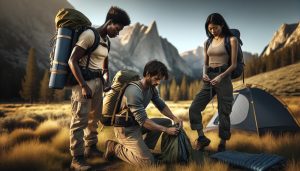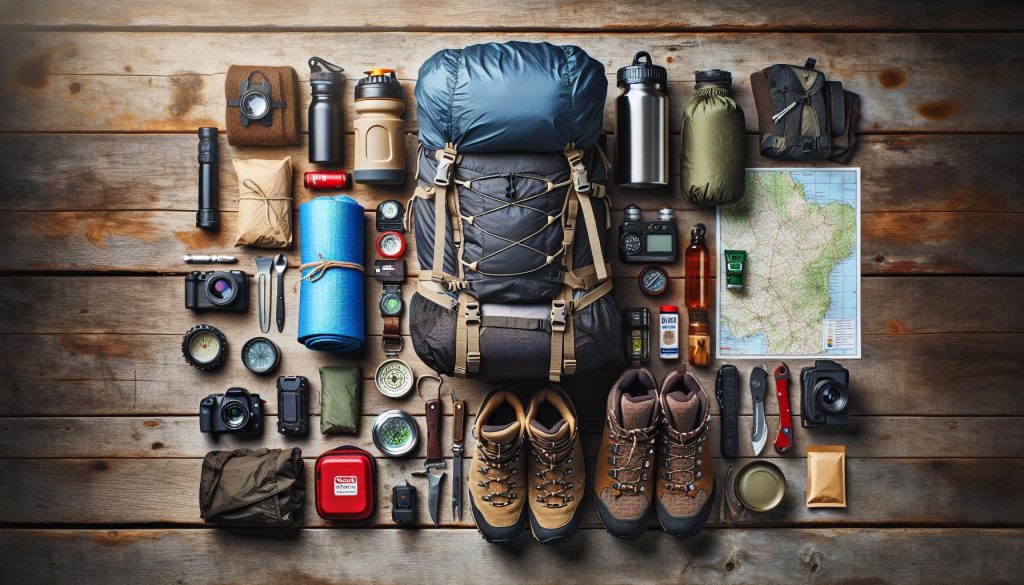
When venturing into the great outdoors, the right gear can make or break your backpacking experience. Did you know that over 70% of backpackers regret not packing more efficiently? Whether you’re a seasoned explorer or a curious beginner, understanding what to bring on a backpacking trip is essential for your safety, comfort, and enjoyment. From the critical essentials to clever multipurpose tools, every item in your pack can impact your adventure. As you prepare for your journey, consider not just the gear you need, but also how to pack wisely to stay light on your feet and ready for any challenge. Dive into this essential packing list to ensure you’re equipped for the trail ahead, optimizing your experience and allowing you to focus on the beauty of nature rather than logistical headaches.
Essential Items for Every Backpacking Trip
When heading out into the wilderness, being equipped with the right essentials can make or break your backpacking experience. Regardless of the length or difficulty of your trip, there are a few core items that should always find their way into your pack. These essentials not only ensure your safety and comfort but also enhance your overall experience in nature.
Start with a reliable shelter-a lightweight tent or a versatile tarp that can protect you from the elements. Make sure your sleeping system, including a sleeping bag suited for the temperatures you might encounter and a sleeping pad for insulation and comfort, is included in your gear. These items form your home base wherever you roam.
Another critical category is cooking gear. A compact stove, fuel canister, and a few cooking utensils can go a long way in providing warm meals and hydration. Don’t forget a potent multi-tool, which can be invaluable for food preparation and general tasks, adding versatility without much weight. Additionally, a water filtration system or purification tablets can ensure you have access to safe drinking water-an essential for any backpacking adventure.
Lastly, always include a first aid kit, tailored to your specific needs and potential hazards of the area you’ll be exploring. Equip it with items such as band-aids, antiseptic wipes, pain relievers, and any personal medications. A map and compass or a GPS device should be standard tools in your gear to prevent getting lost in unfamiliar terrain. Tailoring these essentials to your journey ensures preparedness and peace of mind, allowing you to enjoy the beauty of the outdoors fully.
How to Choose the Right Backpack
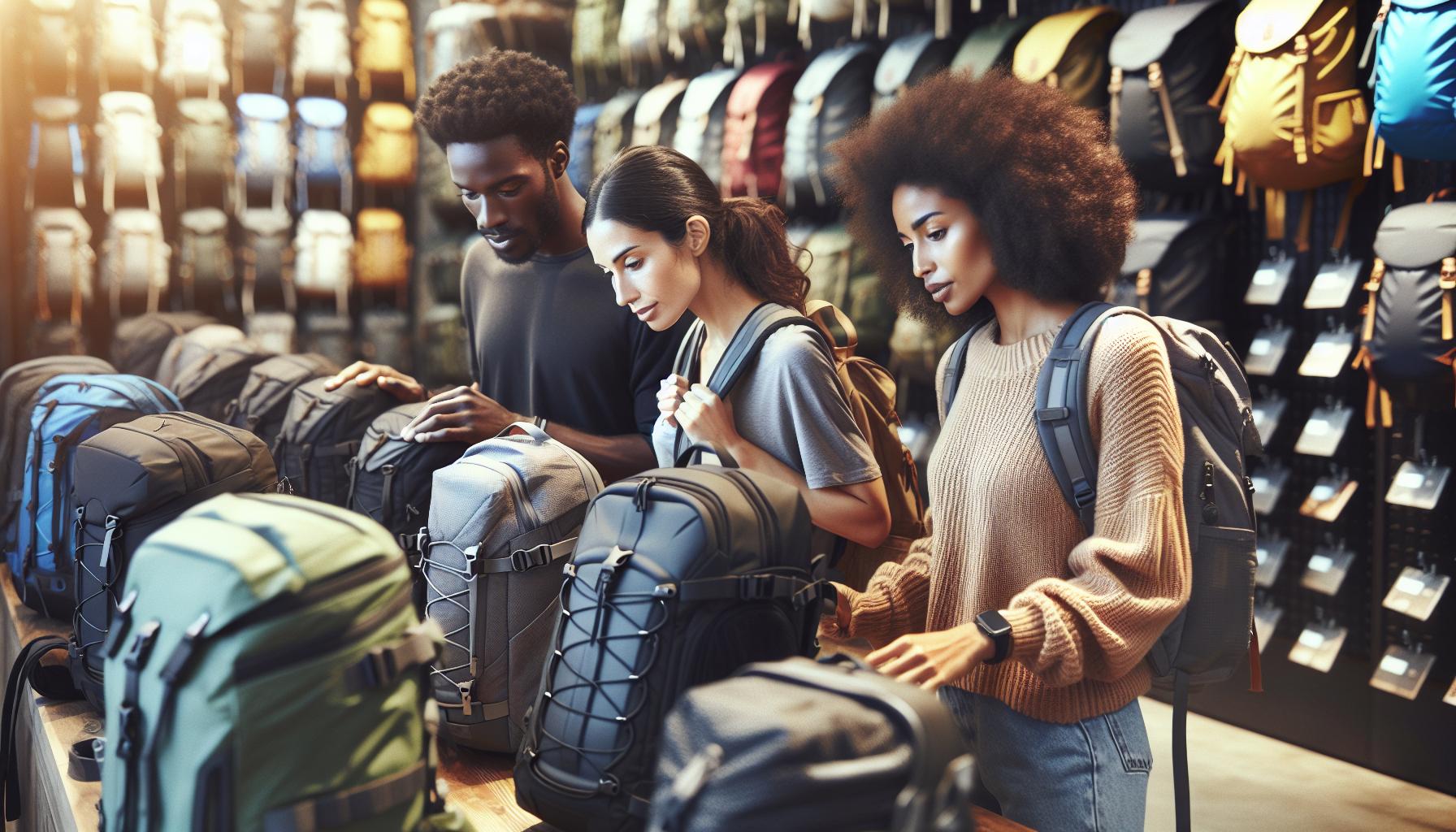
Choosing the right backpack can significantly enhance your backpacking experience and ensure you’re well-prepared for your adventure. With numerous styles, sizes, and features available, understanding how to select a backpack that fits your needs is crucial. One vital factor to consider is the backpack’s volume. This is usually measured in liters and indicates how much gear you can carry. A general rule is to choose a backpack based on the length of your trip: a small daypack (20-30 liters) is suitable for day hikes, while longer excursions may require a larger pack (50 liters and above) to accommodate extra gear and supplies.
Equally important is the fit of the backpack. A well-fitting backpack will hug your body and distribute weight evenly, enhancing comfort during strenuous hikes. Look for backpacks with adjustable straps and a hip belt, which helps transfer the weight from your shoulders to your hips. To find the right size, consider your torso length, which can usually be measured from the base of your neck to your hip bone. Many outdoor retailers offer fitting services, allowing you to try on different models and determine what feels best while loaded with gear.
Furthermore, pay attention to the backpack’s features. Features such as side pockets, hydration reservoirs, and gear loops can provide convenient access to essential items. Ventilation systems are also beneficial, particularly in warmer climates, as they help reduce sweating and increase comfort. Material and durability are crucial; look for packs made from water-resistant fabrics that can withstand rough terrain and weather conditions. Brands offering warranties on their gear can also provide peace of mind regarding your purchase.
Overall, selecting the right backpack involves balancing capacity, fit, and features to meet your specific needs. A thoughtful decision can make your journeys smoother, allowing you to focus on the experience rather than the discomfort of your gear. Whether you’re a novice or seasoned backpacker, finding a pack that feels just right will empower you to tackle the trails with confidence.
Clothing Essentials for Varying Weather

Crafting the right wardrobe for a backpacking trip can feel like an overwhelming endeavor, especially when Mother Nature is known for her capricious ways. A well-planned clothing selection can make the difference between an exhilarating adventure and a grueling ordeal. Understanding how to dress for varying weather conditions not only enhances your comfort but also ensures you remain safe throughout your journey.
When preparing your clothing essentials, it’s wise to embrace the principle of layering. This allows for flexible adjustments as temperatures fluctuate throughout the day. The three fundamental layers are:
Base Layer
The base layer is designed to wick moisture away from your skin, keeping you dry and comfortable. Look for materials such as merino wool or synthetic fabrics which offer great moisture management and insulation. Avoid cotton at all costs, as it holds moisture and can lead to chilling effects. Choose long-sleeve shirts and thermal leggings for colder conditions, and consider short-sleeve options for warmer weather.
Insulation Layer
The insulation layer traps heat and keeps you warm as temperatures drop. Fleece or down jackets are excellent choices; they are lightweight and packable but provide substantial warmth. If you’re hiking in extreme conditions, prioritize jackets with good wind resistance and water-repellency.
Outer Layer
Finally, the outer layer shields against wind and rain. Invest in a high-quality, breathable waterproof jacket and pants to keep the elements at bay. Look for features such as adjustable hoods and ventilation zips that allow moisture to escape while keeping you dry from the outside, creating a more comfortable environment.
Additionally, don’t forget about accessories such as hats, gloves, and scarves, which can significantly enhance your warmth in cold weather. If you’re traveling in sunny regions, ensure to pack a wide-brimmed hat and sunglasses for sun protection. Choosing shoes is equally critical; opt for breathable, durable hiking boots that are suitable for the terrain you’ll encounter, making sure to break them in before the trip to prevent blisters.
Lastly, adaptability is crucial. Check the weather forecast prior to your trip and pack accordingly, but always include a few additional layers or items to prepare for unexpected changes. With thoughtful preparation, you can navigate any weather conditions and fully immerse yourself in the wilderness experience.
Food Supplies: Nutrition and Packing Tips

When you’re out on the trail, the right food supplies can mean the difference between an invigorating adventure and a grueling experience. Proper nutrition not only fuels your body but also boosts your mood and mental clarity, which are essential for a successful backpacking trip. Understanding how to pack wisely and choose the right types of food will enhance your outdoor experience and ensure you are ready for whatever the wilderness throws your way.
Choosing Nutritional Options
Start by selecting foods that provide a good balance of carbohydrates, proteins, and fats. Carbohydrates will give you quick energy, while proteins are vital for muscle repair and fats provide long-lasting energy. Some excellent options include:
- Dehydrated Meals: Lightweight and easy to prepare, options like freeze-dried meals can simply be rehydrated with hot water.
- Trail Mix: A blend of nuts, seeds, dried fruits, and perhaps chocolate offers a satisfying snack that’s high in calories and great for energy on-the-go.
- Energy Bars: Compact and nutrient-dense, these are perfect for a quick energy boost between meals.
- Jerky: High in protein, jerky is a savory snack that packs well and requires no refrigeration.
Packing Tips for Freshness and Convenience
To maximize the shelf-life and quality of your food, consider vacuum-sealing individual portions. Using resealable bags can help minimize weight and keep your items organized. Here are additional packing tips:
Organizing Your Food
- Group Similar Items: Keep snacks, meals, and cooking supplies separated for easy access.
- Use a Bear-Resistant Container: If you’ll be in bear country, investing in a bear canister is essential for protecting your food and wildlife.
Hydration and Moisture Control
- Include a Hydration Strategy: Staying hydrated is critical. Consider pre-packaged electrolyte tablets to add to your water for an extra boost.
- Use Moisture Absorbers: Silica gel packets can help keep dried food from becoming soggy in humid conditions.
Consider Cooking Tools
Depending on the length of your trip and the type of food you bring, make sure to pack the right cooking gear. A lightweight stove, a pot for boiling water, and a small, portable utensil set are all fantastic additions. When packing these items, ensure that you balance practicality with weight, as every ounce counts on the trail.
Final Thoughts
By carefully selecting nutrient-rich foods and employing smart packing strategies, you can ensure that you are well-prepared for your backpacking adventure. Not only will you enjoy your meals more, but you’ll also sustain the energy needed to fully immerse yourself in the stunning landscapes of the outdoors. A little planning goes a long way-prepare to fuel your journey efficiently, allowing you to savor the experience without the hassle.
Camping Gear: What You Can’t Forget
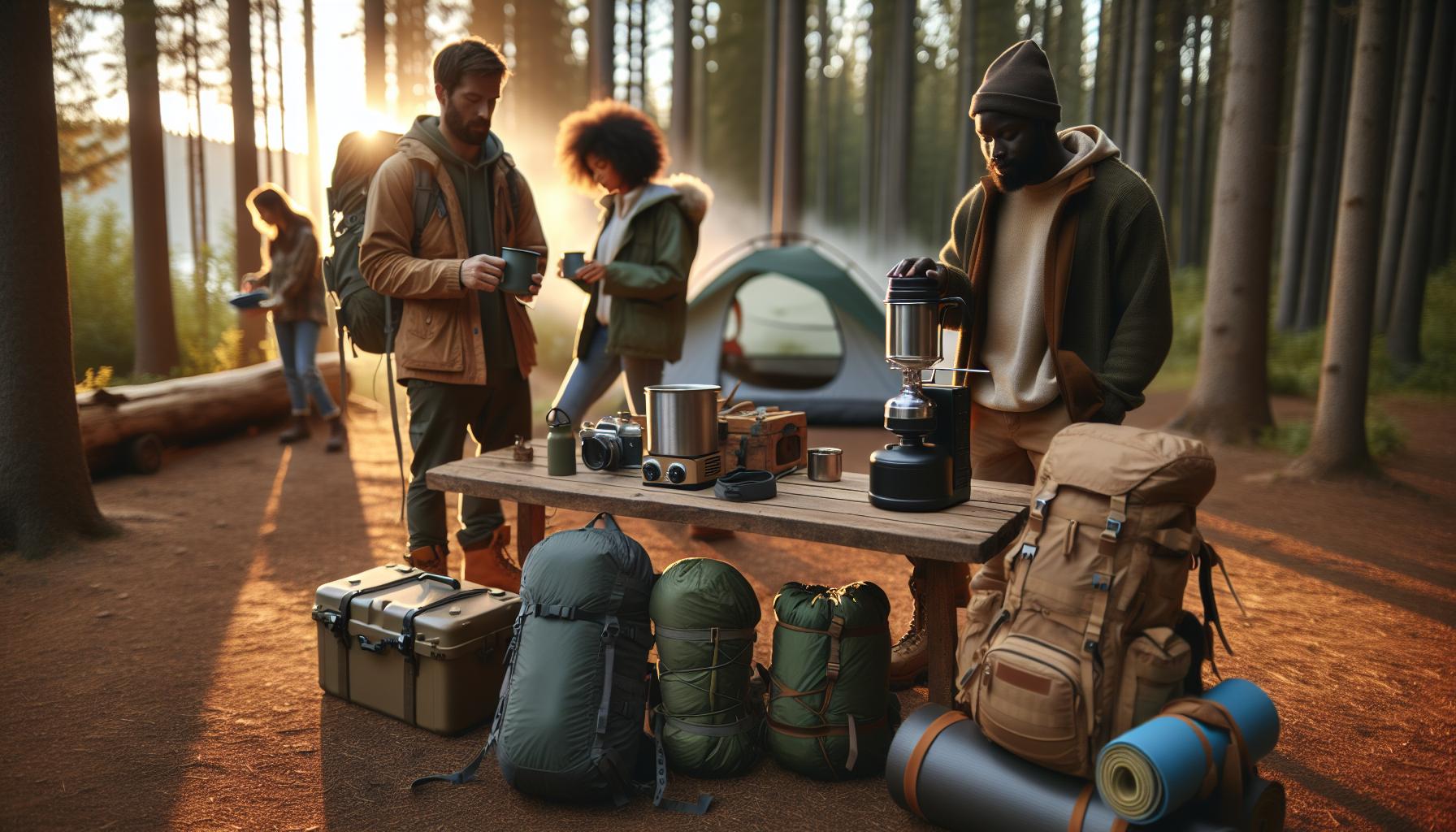
When embarking on a backpacking adventure, the right camping gear can significantly enhance your experience, ensuring comfort, safety, and the ability to face the elements. One of the most critical items is a reliable tent. Choose a lightweight and waterproof model that is easy to set up. Consider factors such as the number of occupants, local weather conditions, and the terrain you’ll encounter. Look for tents with good ventilation to prevent condensation, which can make your sleeping area damp.
In addition to your shelter, prioritize your sleeping system. A high-quality sleeping bag, rated appropriately for the temperatures you’ll be facing, will keep you warm and snug through the night. Pairing your bag with an insulating sleeping pad not only adds comfort but also provides necessary thermal protection from the cold ground. An inflatable sleeping pad can save you space and weight while delivering comfort, so look for options that balance both.
Cooking Essentials
Cooking outdoors can be a rewarding experience, but it requires the right tools. A lightweight camp stove is essential for boiling water and preparing meals, while a compact cooking pot allows for versatile meal prep. Remember to pack a lightweight, multi-use utensil, or a small cooking set that helps reduce the number of items in your pack. Don’t forget fuel canisters and lighter/matches for fire-starting; being able to cook and enjoy warm meals can make a significant difference in your mood after a long day on the trail.
Lighting and Safety Gear
Proper lighting is invaluable during nighttime hours. A reliable headlamp or flashlight, with extra batteries, ensures you can navigate your campsite safely after dark. Additionally, consider bringing along a multi-tool or a pocket knife for various tasks-from cutting rope to food prep. Having a multi-functional piece of gear can streamline your packing and preparation.
While enjoying the great outdoors, preparation for safety is paramount. Pack a compact first aid kit that includes essentials such as bandages, antiseptic wipes, and pain relievers tailored to your personal needs. Include a fire starter kit, a whistle, and a mirror for signalling in emergencies. Familiarize yourself with the local wildlife, and pack bear spray if you’re hiking in bear country.
Maintaining preparedness in terms of gear can significantly elevate your backpacking experience, allowing you to focus on the beauty of the natural world rather than the discomfort of unforeseen circumstances. By thoughtfully selecting tents, sleeping systems, cooking gear, and safety essentials, you can create a positive, memorable experience in the great outdoors.
Technology and Safety Gadgets for Backpackers
When it comes to backpacking, integrating technology and safety gadgets into your gear can be a game-changer, elevating your outdoor experience while enhancing your safety and convenience. In today’s age, having the right tools at your disposal not only ensures you’re equipped for emergencies but also connects you to resources that can enhance your adventure. The advancements in outdoor technology have made gear more accessible, lightweight, and user-friendly.
One essential category of gadgets is navigational tools. Traditional maps and compasses are invaluable, but complementing them with a GPS device or a smartphone app can provide ease and precision. Smartphones can function as multi-purpose tools, containing GPS mapping applications like GAIA GPS or AllTrails. Remember to bring a portable charger to keep your device powered throughout your journey. For those venturing into remote areas, consider a satellite messenger. This device allows you to maintain communication in areas without cellular reception, providing peace of mind to both you and your loved ones.
Another critical aspect of safety includes lighting and emergency gear. A high-quality headlamp offers hands-free illumination, perfect for navigating at night or setting up camp. Don’t forget to pack extra batteries. A multi-tool or a robust pocket knife can handle a variety of tasks-from food prep to gear repairs-making it an essential addition to your kit. Additionally, packing a first aid kit tailored to your needs, complete with essentials like antiseptics, bandages, and any necessary medications, ensures you’re prepared for common injuries.
Lastly, consider investing in a portable water filtration system. Clean drinking water is paramount, and a lightweight water filter or purification tablets can save you from carrying heavy water bottles across tough terrain. Coupled with a durable water tracker or a smart bottle that monitors hydration levels, you can optimize your hydration strategy while on the trail. The right combination of technology and safety gadgets not only fulfills your requirements for outdoor expeditions but also significantly boosts your confidence and enjoyment in the wild.
Hydration: Best Practices and Products
Staying properly hydrated can make the difference between an enjoyable backpacking experience and a potentially dangerous one. Dehydration can sneak up on you, especially when you’re sweating during strenuous hikes under the sun. Understanding the best practices for hydration and the right products to carry can keep your energy levels up and your body functioning smoothly throughout your adventure.
Start by assessing your hydration needs based on the nature of your hike-length, weather conditions, and personal sweat rate. On average, a hiker should aim for about half a liter of water for every hour of moderate activity. To make this easier, consider portable hydration systems like water bladders that fit snugly in your backpack or water bottles that can be clipped to the exterior for quick access. Having water easily accessible encourages regular sips, helping to maintain hydration levels without the need to wait until you’re thirsty.
Investing in a good water filtration system is crucial, especially for longer trips in remote areas where clean water sources may not be guaranteed. Options range from lightweight filters and purification tablets to portable UV purifiers. Filters that allow you to scoop water directly from streams or lakes can save you from carrying excess weight, as they enable you to refill as needed. Coupling this with a water tracker or a hydration bladder with built-in measurement can guide you on how much to drink throughout your hike, ensuring you’re hitting your hydration goals.
Lastly, always have an emergency hydration strategy. A small stash of electrolyte tablets or powders can replenish lost minerals and encourage fluid absorption, particularly useful after long hours of hiking or during warmer weather. These simple additions to your hydration kit can help combat fatigue and maintain stamina, allowing you to fully enjoy the beauty of the great outdoors without the negative effects of dehydration. Proper hydration planning is essential in ensuring that your backpacking trip is safe, enjoyable, and memorable.
First Aid Kits: What to Include
When you embark on a backpacking adventure, an adequate first aid kit can be a lifeline. Being in remote areas increases the likelihood of encountering unforeseen injuries, from minor scrapes to more serious conditions. Having the right medical supplies not only provides comfort but can be crucial in ensuring safety until professional help is available.
To prepare your first aid kit effectively, consider including the following essentials:
- Various sizes for cuts and blisters.
- For larger wounds requiring coverage.
- To clean cuts and scrapes, reducing the risk of infection.
- For applying on wounds after cleaning.
- Non-prescription options like ibuprofen or acetaminophen help manage pain and inflammation.
- For removing splinters or ticks.
- Useful for cutting tape or clothing away from a wound.
- To prevent infection when assisting others.
- For sprains or strains, providing support and compression.
- Lightweight and compact, it helps in case of shock or hypothermia.
- For performing CPR safely.
- Guides you on how to handle common injuries.
- Include personal prescriptions and essentials like antihistamines for allergies.
To tailor your first aid kit further, assess your hiking conditions and consider adding items specific to your group’s needs, such as EpiPens for severe allergies or specialized ointments for chronic skin conditions. Compact kits are available that can easily be stowed in your backpack, yet ensure the kit remains well-stocked and each item is easily accessible.
Building a capable first aid kit is about being prepared. The peace of mind that comes from knowing you’re ready for the unexpected allows you to enjoy your outdoor adventure with confidence, knowing that should an injury occur, you have the means to respond effectively.
Navigation Tools: Maps vs. Gadgets
When venturing into the wilderness, understanding your surroundings and knowing how to navigate them can be the difference between a delightful adventure and a frustrating ordeal. While modern technology offers a range of gadgets to aid in navigation, traditional maps still hold their ground as essential tools for any backpacker. Both options have their advantages, and knowing when and how to use each can significantly enhance your hiking experience.
Traditional Maps
Despite the increasing reliance on technology, a physical map is lightweight, portable, and does not rely on batteries or signal strength. Maps can depict a wealth of information, including terrain types, elevation gain, trails, water sources, and points of interest. They encourage you to engage with your surroundings and develop better spatial awareness. Before heading out, familiarize yourself with how to read topographic maps, including understanding contour lines and scale. This knowledge will better prepare you to navigate even the most rugged terrains. Keeping a laminated map in a small waterproof pouch ensures it remains intact, even in adverse weather conditions.
Digital Gadgets
On the other hand, digital navigation tools have increased in accessibility and functionality. GPS devices and smartphone apps like Gaia GPS or AllTrails provide real-time tracking and can show your current location on a digital map, making it easier to stay oriented. These devices often come with features that allow you to download maps offline, ensuring you’re never left without guidance in a remote area. However, they do require batteries and can be hampered by poor reception in dense forests or steep canyons. Carry a portable charger to maintain battery life, and always have a backup plan-whether that’s a map or a compass-just in case your gadgets fail.
Combining Both Approaches
For optimal navigation, combining both traditional and digital tools is a wise strategy. Start with a physical map for initial route planning and familiarize yourself with major landmarks and terrain features. As you hike, use your GPS or app to check your position and track your progress. This hybrid approach not only bolsters your navigation skills but also provides peace of mind. Should you find yourself in a situation where your devices fail, you’ll still have a reliable method to navigate your adventure.
- Always bring a paper map: Ensure you know how to read it and include important landmarks and trails.
- Install useful apps on your phone: Download offline maps to stay prepared in case you lose signal.
- Keep both tools accessible: Place your map in a waterproof pouch and ensure your gadgets are charged.
Navigating through the great outdoors can be fulfilling and exhilarating. By equipping yourself with both traditional skills and modern tools, you can confidently traverse unfamiliar territories while truly embracing the beauty of nature.
Packing Techniques for Optimal Space
When it comes to backpacking, efficient packing techniques can make all the difference between a comfortable trek and an arduous experience. Mastering the art of packing not only optimizes the space in your backpack but also enhances your overall hiking experience by ensuring that you can access your gear easily when needed.
One of the most effective strategies is to pack using the “top-down” method. Start by placing your heaviest items, such as your cooking gear or food supply, at the bottom of your pack. This method keeps your center of gravity low, which can improve stability while you hike. Mid-weight items like clothing should be packed next, followed by lighter essentials on top, such as your sleeping bag or a jacket. This organization allows for better weight distribution, minimizing strain on your back and shoulders.
It’s also beneficial to consider the use of packing cubes or compression sacks, which can significantly reduce the volume of your clothing and other soft goods. These tools help to keep your gear organized and make it easier to pull out what you need without rummaging through your backpack. For items like your sleeping bag, consider a compression sack to make it smaller and more manageable. Additionally, utilizing the exterior pockets for quick-access items like maps, snacks, or a water bottle keeps frequently needed gear at your fingertips.
Utilizing every inch of space in your backpack is key. Fill smaller bags within your main pack with smaller items, such as toiletries, first-aid kits, or cooking utensils. This technique not only helps to keep similar items together but also ensures that no valuable space goes to waste. Another tip is to use the “stuff sack” approach for your clothing, which allows you to fill voids in your pack while keeping everything compact.
Lastly, always remember to leave space for the inevitable. Whether it’s extra snacks picked up on the trail or layers you shed as the day warms up, packing with a little extra room will ensure you’re prepared for whatever your adventure throws at you. By focusing on dimensions, weight distribution, and organization, you can ensure a well-packed backpack that enhances your hiking experience, enabling you to enjoy the journey just as much as the destination.
Maximizing Comfort: Gear That Makes a Difference
To enhance comfort during your backpacking adventures, selecting the right gear can significantly improve your experience on the trail. Investing in high-quality, lightweight equipment not only lessens the load you carry but also contributes to your overall well-being throughout the journey. Comfortable footwear, properly fitted backpacks, and appropriate camping gear are pivotal in preventing fatigue and discomfort.
Footwear Matters
One critical area where comfort is essential is your footwear. A good pair of hiking boots or trail shoes can make a world of difference. Look for options that provide ample support and cushioning, as well as a sturdy sole for traction. Brands like Merrell and Salomon offer different models to suit various terrains and are widely praised for their comfort and durability. To ensure you’re selecting the best fit, consider wearing your hiking socks while trying on shoes, and walk around in them for a while. Properly fitting shoes can help reduce blisters and sore feet, ensuring you can keep moving on extended treks.
Backpack Fit and Features
A well-fitted backpack is another cornerstone of comfort. When selecting a backpack, pay attention to the suspension system and how it distributes weight. Look for adjustable straps, padded hip belts, and breathable materials. Many manufacturers, like Osprey and Deuter, provide different sizes and designs for various body types, making it crucial to test several models. Remember to adjust your pack according to your load; a properly loaded backpack, with heavier items closer to your back, helps maintain balance, reduces back strain, and enhances your overall trekking comfort.
Camping Gear Innovations
When it comes to camping gear, innovations like inflatable sleeping pads and compact sleeping bags have transformed the way backpackers rest. A quality sleeping pad not only insulates against cold ground but also adds cushioning, making for improved sleep quality. Look for options from brands like Therm-a-Rest or Sea to Summit, as they focus on lightweight designs without compromising comfort. Additionally, invest in a well-rated camping pillow to support your neck and head during sleep; your body will thank you when you wake up refreshed and ready for a new day on the trail.
Incorporating these elements into your backpacking preparations can lead to a more enjoyable experience, enabling you to tackle your adventures with energy and enthusiasm. Prioritize comfort through thoughtful gear selection, and you’ll notice the difference on those long hikes.
Leave No Trace: Packing Sustainably
Backpacking brings adventurers into some of the most stunning and pristine environments on the planet. However, with this great privilege comes an equally great responsibility to protect these natural spaces for future generations. Practicing sustainable packing techniques not only alleviates the impact on the environment but also enhances the overall experience on the trail. By embracing the principles of “Leave No Trace,” backpackers can ensure that their footprints are light and their impact minimal.
To start, it’s essential to choose products that prioritize sustainability. Opt for reusable items wherever possible, such as water bottles, utensils, and food containers. Single-use plastics contribute to pollution and waste, which can harm wildlife and ecosystems. Additionally, consider gear made from recycled or eco-friendly materials. Many outdoor brands now offer sustainable options, so you can enjoy your adventure while being environmentally conscious.
Planning meals ahead of time is another way to reduce waste. Dehydrated meals or bulk ingredients not only lighten your pack but also minimize packaging waste. Prepare snacks that come in biodegradable or compostable packaging, and always bring a bag for packing out any trash, leftover food, or waste. Moreover, always camp on durable surfaces, like established trails and campsites, to prevent damaging vegetation and soil erosion.
Lastly, understanding and respecting wildlife is crucial. Avoid feeding animals, which can disrupt their natural behaviors and place them at risk. Instead, store food securely and dispose of waste properly. Following these sustainable practices not only protects the environment but also deepens the appreciation for the beautiful landscapes that backpacking can reveal. By incorporating these strategies, you contribute positively to nature, ensuring that both you and future adventurers can continue to explore and enjoy the great outdoors with minimal impact.
Q&A
Q: What are the most essential items to include in a backpacking packing list?
A: The most essential items for a backpacking packing list include a durable backpack, shelter (tent or hammock), sleeping bag, cooking equipment, food supplies, first aid kit, hydration system, and appropriate clothing for varying weather conditions. For further details, refer to the sections on Essential Items for Every Backpacking Trip and Camping Gear in your article.
Q: How can I effectively pack my backpack to save space?
A: To save space when packing your backpack, roll your clothes instead of folding them, use compression bags for bulky items, and pack smaller items inside shoes. Position heavier items close to your back for better weight distribution. Check the Packing Techniques for Optimal Space section for more tips.
Q: What food should I bring on a backpacking trip?
A: Bring lightweight, high-calorie foods such as energy bars, nuts, dehydrated meals, and jerky. Ensure you include a mix of proteins, carbohydrates, and fats to maintain energy levels. Refer to the Food Supplies: Nutrition and Packing Tips section for more specific recommendations.
Q: How do I choose the right clothing for different weather conditions while backpacking?
A: Choose clothing made from moisture-wicking and quick-drying fabrics. Layering is key: use a base layer, insulating mid-layer, and waterproof outer layer for warmth and protection. See the Clothing Essentials for Varying Weather section for detailed advice on clothing choices.
Q: What should be included in a backpacking first aid kit?
A: A comprehensive first aid kit should include adhesive bandages, antiseptic wipes, gauze pads, tape, pain relievers, blister treatment, and any personal medications. Refer to the First Aid Kits: What to Include section for a complete checklist of supplies.
Q: Why is hydration important on a backpacking trip?
A: Hydration is crucial during backpacking to prevent dehydration, fatigue, and heat-related illnesses. Always carry sufficient water and consider water purification methods and filters. The Hydration: Best Practices and Products section offers practical hydration strategies.
Q: What navigation tools are essential for backpacking trips?
A: Essential navigation tools for backpacking include a map, compass, and GPS device. Familiarize yourself with how to use each tool before your trip. Visit the Navigation Tools: Maps vs. Gadgets section for further insights on effective navigation techniques.
Q: How can I pack sustainably for a backpacking trip?
A: To pack sustainably, choose eco-friendly gear, minimize packaging waste by opting for bulk food options, and always follow Leave No Trace principles. Consider the Leave No Trace: Packing Sustainably section for strategies to lessen your environmental impact while backpacking.
Concluding Remarks
As you prepare for your next adventure, remember that packing wisely can significantly enhance your experience. We’ve covered the essentials to ensure you’re equipped for any situation on the trail, from versatile gear to must-have tools. Don’t let uncertainty hold you back-review your packing list today and gear up for the great outdoors!
If you’re interested in elevating your outdoor skills further, check out our guides on choosing the best Swiss Army knives and mastering everyday carry essentials. And don’t forget to subscribe to our newsletter for tips and tricks that keep you informed and ready to explore. Share your favorite packing tips in the comments below, and let us know how we can support your next backpacking trip!