When it comes to choosing the perfect backpack, the options can be overwhelming. Did you know that the right backpack can enhance your daily routine, whether you’re a student, a commuter, or an outdoor enthusiast? A reliable backpack not only provides comfort and convenience but also protects your belongings and boosts your efficiency. In this guide, we’ll explore top picks that consistently deliver on quality and functionality, helping you make an informed decision. As we dive into various styles and features, you’ll find insights tailored to your specific needs, ensuring that you invest in a backpack that truly enhances your lifestyle. Let’s carry on and discover the best backpacks that are worth your attention!
What to Look for in a Quality Backpack
When it comes to selecting a backpack that not only meets your daily needs but also withstands the test of time, understanding what to look for is essential. The right backpack serves as more than just a carrier; it’s an extension of your lifestyle, whether you’re commuting, hiking, or traveling. Key factors to consider include the backpack’s size, organization options, comfort, material quality, and additional features that enhance functionality.
First, evaluate the size and capacity of the backpack. It should ideally match your intended use-whether for day trips, weekend getaways, or daily commuting. A common standard is to assess the volume in liters; a backpack between 20-30 liters is suitable for daily use, whereas larger capacities (40 liters and above) accommodate longer excursions or heavy gear.
Next, examine the organization features. Look for multiple compartments to easily separate your gear, as well as pockets for quick access to smaller items like your phone or wallet. Some backpacks even include dedicated laptop sleeves or hydration reservoirs, enhancing their versatility for both outdoor adventures and urban commuting.
Comfort is crucial, especially if you plan on wearing your backpack for extended periods. Pay attention to the straps and back panel-wide, padded shoulder straps and a breathable back panel can significantly improve comfort. Additionally, a waist belt can help distribute weight evenly, decreasing strain on your shoulders and back.
Finally, consider the materials used in the construction of the backpack. High-quality, durable materials such as rip-stop nylon or weather-resistant fabrics ensure longevity and protection against the elements. Water resistance is a significant advantage for those in rainy climates or participating in outdoor activities. Assessing these features will not only enhance your experience but also ensure that your investment in a quality backpack pays off over the long haul.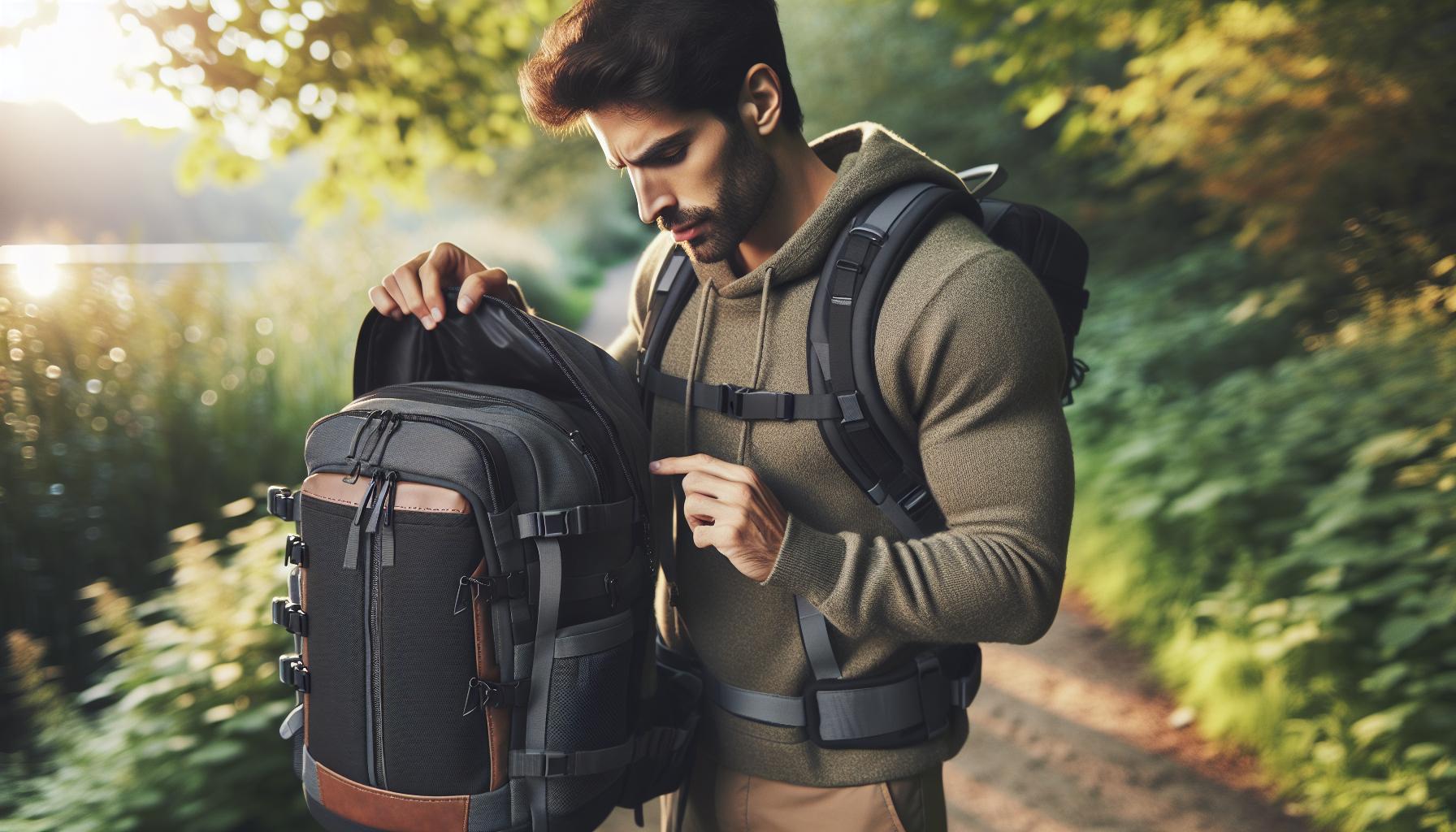
Top Backpack Brands You Can Trust
When it comes to investing in a backpack, choosing from the plethora of brands can seem overwhelming. However, certain brands have stood the test of time and consistently deliver high-quality products that meet various needs-from daily commuting to intense outdoor adventures. Trusted for their durability, comfort, and functional designs, these brands exemplify what to look for in a reliable backpack.
One of the standout names in the industry is The North Face, renowned for its rugged outdoor gear. Whether you are climbing a mountain or navigating city streets, their backpacks often feature weather-resistant materials and innovative designs. Popular models like the Recon and Horizon provide excellent organization and comfort, making them ideal for both adventure seekers and everyday commuters.
Another brand that warrants attention is Osprey, celebrated for its exceptional comfort and ergonomic designs. Osprey’s backpacks are meticulously constructed to fit various body types, ensuring you stay comfortable even during long treks. Models like the Osprey Atmos AG and Osprey Daylite are perfect examples of how they balance weight distribution and support, making them favorites among hikers and travelers alike.
For those who prioritize style alongside functionality, Herschel Supply Co. combines modern aesthetics with practicality. Their backpacks, like the Little America and Settlement, feature classic designs with contemporary colors and patterns. While they are perfect for urban environments and school settings, they also offer enough space and compartments for everyday essentials, effectively bridging the gap between fashion and function.
Lastly, Patagonia stands out not only for their commitment to sustainability but also for producing durable products. Their mission-driven approach ensures that models like the Black Hole series are not only versatile and robust but also environmentally conscious. These backpacks are designed to withstand the elements while promoting ethical consumerism, appealing to those who are environmentally aware.
Investing in a dependable backpack means supporting brands that prioritize quality, functionality, and sustainability. By choosing from these manufacturers, you’ll have peace of mind knowing your gear is built to last, no matter where your adventures take you.
Best Backpacks for Hiking Adventures
Choosing the right backpack for hiking adventures can significantly enhance your outdoor experience. With the right features tailored to your needs, a well-designed hiking backpack simplifies carrying your essentials without compromising comfort or durability. An ideal hiking backpack is lightweight yet sturdy, with an ergonomic fit that creates a stable center of gravity to minimize strain on your back and shoulders during long treks.
When evaluating the best options, consider elements such as capacity, fit, and supportive features. A backpack suited for hiking generally ranges from 20 to 70 liters in capacity, depending on the length of your excursions. Daypacks (20-30 liters) are perfect for short hikes, while multi-day packs (50-70 liters) cater to extended adventures. Look for adjustable straps and padded hip belts, which help distribute weight evenly, reducing fatigue. Brands such as Osprey and Deuter offer an array of models that include these essential features, making them favorites among seasoned hikers.
Consider additional features that can enhance your hiking experience, such as hydration reservoirs, rain covers, and multiple compartments for organization. A hydration reservoir system allows you to stay hydrated without fumbling with water bottles, while a rain cover protects your gear from sudden downpours. The Osprey Atmos AG is lauded for its Anti-Gravity suspension that provides fantastic comfort and ventilation, making it one of the top picks for serious trekkers.
Finally, prioritize durability and materials. A quality hiking backpack should be made from high-denier nylon or polyester, ensuring it withstands rough terrains and weather conditions. For eco-conscious consumers, brands like Patagonia offer sustainable options without sacrificing functionality. By carefully considering the features and quality of materials, you can select a backpack that not only meets your specific hiking needs but also stands the test of time on all your future adventures.
Everyday Carry: Choosing the Right Backpack
Choosing the right everyday carry backpack can make a significant difference in your daily routine. Whether you’re commuting to work, attending classes, or heading out for casual errands, the right backpack combines functionality with style, ensuring you can carry your essentials comfortably and efficiently. A quality everyday backpack should not only suit your aesthetic preferences but also accommodate your specific needs, such as organization, comfort, and durability.
When selecting a backpack for everyday use, start by considering the capacity and compartments. Backpacks typically range from 15 to 30 liters in capacity, providing enough space for items like a laptop, books, gym clothes, and personal essentials. Look for features such as multiple compartments or pockets that allow for organized storage. This can be especially useful for separating work items from personal belongings. For example, padded laptop sleeves are ideal for protecting your tech, while smaller pockets can keep your phone, wallet, and keys easily accessible.
Comfort is another key element; adjustable, padded shoulder straps and a breathable back panel enhance support and reduce fatigue during long periods of wear. Additionally, consider the material and weather-resistance of the backpack. Bags made from durable, water-resistant materials, such as nylon or polyester, will protect your belongings from unexpected spills or rain showers. Brands like Patagonia, North Face, and Herschel offer a variety of options known for their quality and design, appealing to both functionality and fashion-conscious individuals.
Lastly, pay attention to style and versatility. An everyday carry backpack should fit into multiple environments, from professional settings to casual outings. Neutral colors or classic patterns can complement various outfits, ensuring you look polished no matter the occasion. By carefully balancing functional features with style, you can find a backpack that becomes an integral part of your daily life, keeping you organized and prepared for whatever the day may bring.
Stylish Backpacks for Urban Commuting
In the bustling urban landscape, where style meets functionality, a stylish backpack does more than just carry your belongings-it makes a statement. Commuting through crowded streets, hopping on public transport, or cycling through the city demands a bag that not only accommodates your essentials but also enhances your personal style. The right backpack can reflect your personality, serve practical purposes, and adapt to various settings, whether you’re heading to work, school, or a weekend outing.
When choosing a stylish backpack for urban commuting, consider design elements that stand out without compromising practicality. Look for sleek silhouettes that can deftly transition from day to night. Materials like leather or high-quality nylon not only add a touch of sophistication but also offer durability against wear and tear often seen in city life. For instance, brands like Fjällräven and Matt & Nat provide sleek designs that are both chic and resilient. Functionality can also be stylish; features such as hidden pockets, magnetic closures, and integrated USB ports can elevate convenience without sacrificing on trendiness.
Moreover, comfort is paramount for those long hours spent on the move. Opt for backpacks equipped with padded straps and breathable back panels, ensuring comfort even when the bag is fully loaded. An excellent example is the Everlane Modern Backpack, which combines aesthetics with ergonomic support while maintaining a minimalist vibe. The versatility of these bags also comes down to color choices-neutral tones and classic patterns are perfect for blending into any urban environment while still allowing for individuality.
Ultimately, investing in a backpack that marries style and function is key to navigating city life confidently. A thoughtfully designed backpack can embody your personal style while providing the practical benefits required for urban commuting. This balance not only enhances your daily routine but also leaves a lasting impression-because in the city, your backpack is often the first reflection of who you are.
The Ultimate Guide to Backpack Features
When selecting the perfect backpack, understanding the features that can enhance functionality and comfort is crucial. With the right features, a backpack can transition from a simple carrying solution to a versatile companion for daily commutes, hiking adventures, or travel excursions. Let’s explore essential backpack features that contribute to optimal performance and user satisfaction.
Comfort and Fit
Comfort is paramount in any backpack, especially for those embarking on long journeys. Look for padded shoulder straps and a breathable back panel to reduce strain and increase airflow. Adjustable straps allow for a customized fit, while load-lifting straps can help distribute weight more evenly, making it easier to carry heavier loads without discomfort. The ability to try on a backpack while loaded is invaluable; always check how it feels in various positions, particularly when trying to reach for items inside.
Organization and Storage
Effective organization can make a significant difference in usability. Choose backpacks with multiple compartments to keep your gear easily accessible and tidy. Look for special pockets designed for laptops, tablets, and water bottles to ensure they remain secure and protected. A dedicated front pocket for smaller items like keys, phones, and snacks can also enhance your overall experience. Features such as zippered pockets or expandable compartments add extra flexibility when you need to pack more without losing track of your essentials.
Weather Resistance
In unpredictable environments, weather resistance becomes a non-negotiable feature. A waterproof or water-resistant backpack can protect your belongings from rain or spills. Look for high-quality zippers with water-resistant coatings or a rain cover that can be stowed away when not in use. Materials such as nylon or polyester with a durable water repellent (DWR) finish are excellent choices for backpack fabric, ensuring your gear stays dry even in challenging conditions.
Durability and Material Quality
Choosing a backpack made from durable materials ensures that it can withstand the rigors of everyday use and outdoor adventures. Fabrics like Cordura or ballistic nylon are known for their tear and abrasion resistance. Check the stitching quality and reinforcements in high-stress areas where wear and tear are likely to occur. Investing in a well-designed, robust backpack from reputable brands may cost more upfront, but it is crucial for long-term satisfaction.
These features-comfort, organization, weather resistance, and durability-combine to form the backbone of an effective backpack. Prioritizing these elements not only elevates your everyday carry experience but also ensures your backpack serves you well in various situations, whether it’s for work, school, or outdoor exploration.
Lightweight Backpacks for Travel and Minimalism
Traveling light is not just a trend; it’s a practical approach that enhances your mobility and reduces stress. When it comes to finding the perfect lightweight backpack for travel, users should focus on efficiency, organization, and comfort. Lightweight backpacks are designed to provide ample storage space without weighing you down, making them ideal for minimalist travelers who prioritize functionality over superfluous features.
A key element to consider is the material of the backpack. Look for options made from high-denier nylon or lightweight polyester; these materials are not only durable but also resistant to wear and tear. Additionally, many lightweight backpacks come with features like water-resistance to protect your belongings against unexpected weather conditions. The weight-saving design often includes streamlined compartments and pockets, ensuring you can organize essentials such as passports, chargers, and water bottles without excess bulk.
Comfort is equally important; lightweight backpacks should have ergonomic designs that support your back even when fully loaded. Padded shoulder straps, adjustable chest and hip belts can significantly improve comfort during long hauls. Some models feature ventilated backs to wick away moisture, perfect for those warmer destinations. When selecting your backpack, ensure that it fits well and feels balanced; a poorly fitting backpack can lead to fatigue and discomfort.
For true minimalist packing, consider packing cubes or compression sacks, which can maximize space within your lightweight backpack and help keep everything tidy. This system allows you to access your essentials quickly without having to dig through a jumbled mess. Specific models, like the Osprey Daylite or the REI Flash pack, are frequently recommended for their combination of lightweight design and robust features, providing you with the best experience whether trekking through a city or hiking a trail.
Choosing a lightweight backpack designed for travel and minimalism can truly transform your journey, allowing you to move freely, comfortably, and efficiently. Prioritizing these elements ensures that you’re not only well-organized but also ready for any adventure that comes your way.
Durability vs. Cost: Finding the Balance
When selecting a backpack, the intersection of durability and cost often becomes a crucial consideration for both casual users and outdoor enthusiasts. While it may be tempting to go for the cheapest option, investing in quality gear that can withstand the rigors of daily use and harsh conditions often pays off in the long run. A backpack that’s built to last can save you from frequent replacements and the frustration that comes with a poorly constructed product.
Many factors contribute to a backpack’s durability, including the materials, stitching, and design. High-quality backpacks typically use robust fabrics like Cordura or heavy-duty nylon, which resist abrasion and wear. Look for reinforced seams and quality hardware, such as zippers and buckles, as these components are often the first to fail. For example, a well-made backpack from brands like Patagonia or North Face may have a higher initial cost, but its durability can provide years of reliable use, making it a better investment than cheaper, flimsy alternatives.
When evaluating the cost, it’s essential to consider not just the item price but also the long-term value it brings. A slightly more expensive backpack that can handle the elements and endure extended use might ultimately save money by avoiding the need for replacements. Additionally, many brands offer warranties or guarantees, which can serve as a safety net for your investment. You can often find comparable features and designs in mid-range options, making it worthwhile to research and find a balance that meets both your durability needs and budget constraints.
Ultimately, choosing the right backpack involves weighing immediate costs against potential long-term benefits. Prioritizing durability ensures that your backpack can handle your lifestyle, whether you’re commuting to work, hiking in the wilderness, or traveling abroad. Consider both what you need from your backpack now and how the investment aligns with your future plans, enabling you to make a confident decision that suits your needs both economically and practically.
How to Properly Organize Your Backpack
One of the most common frustrations for backpack users is the chaotic jumble that occurs when organizing and storing gear. A well-organized backpack can significantly enhance your efficiency, whether you’re hiking, commuting, or simply carrying everyday essentials. By employing some strategic organization techniques, you can not only save time looking for items but also improve your overall experience with your backpack.
To start, it’s essential to identify compartments and pockets wisely based on item frequency and weight. Place heavy items, such as water bottles or laptops, closest to your back. This positioning helps distribute weight evenly, reducing strain on your shoulders. Consider using various compartments for specific categories of items. For example:
- Main compartment: Use for larger items like clothing, books, or gear.
- Front pocket: Store items you may need on-the-go, such as snacks or your phone.
- Side pockets: Ideal for water bottles or umbrellas.
- Internal organizers: Use small pouches or packing cubes for smaller essentials like chargers, cables, or first-aid kits.
Remember to consider accessibility as a primary factor when placing items inside your backpack. Easy-to-reach compartments are invaluable during an outdoor hike or a busy commute. Use elastic bands or organizational tools to keep smaller items in place and prevent them from floating to the bottom of the bag. Furthermore, implementing a color-coding system can help you quickly identify items within your pack, simplifying your processes.
Regularly reassess and declutter your backpack to prevent it from becoming a catch-all for non-essential items. At the end of each week, consider emptying your pack and removing anything you didn’t use. This habit aids in maintaining organization and ensures that your backpack remains lightweight. By following these guidelines and consistently evaluating your setup, you can ensure your backpack remains a trusted companion for all your adventures.
Innovative Backpack Technologies in 2023
In 2023, the evolution of backpack technology has reached astounding heights, transforming the way we carry our essentials. From smart fabrics that repel water and dirt to integrated charging systems that keep your devices powered on the go, these innovations cater to the modern user’s needs. One of the most notable advancements is the inclusion of built-in solar panels capable of harnessing sunlight to charge your devices, making it a game-changer for outdoor enthusiasts and travelers alike.
Another significant trend is the use of lightweight and durable materials such as ripstop nylon and enhanced polyesters that offer better resistance to wear and tear. These materials not only reduce the overall weight of the backpack but also improve its capacity to withstand harsh conditions, appealing particularly to those who enjoy hiking or outdoor activities. Additionally, some brands have rolled out backpacks equipped with intelligent organization systems, featuring movable dividers and compression straps that allow users to customize their packing as per the day’s activities.
Smart Features and Connectivity
The integration of technology has led to the development of backpacks equipped with smart features. Some models come with Bluetooth tracking, allowing users to monitor the location of their backpack via smartphone applications. This feature significantly enhances security, ensuring you never lose sight of your important gear. Furthermore, several backpacks now offer built-in LED lights for improved visibility during nighttime adventures, enhancing safety without sacrificing style.
More recently, environmental consciousness has led to innovations like backpacks made from recycled materials, showcasing brands’ commitment to sustainability while delivering enhanced usability. Using eco-friendly manufacturing processes, these backpacks not only help reduce waste but also appeal to consumers looking for responsible carrying options.
As you explore the range of backpacks available in 2023, it’s essential to consider these innovative features that not only add convenience and functionality but also align with your lifestyle and environmental values. Whether you are an urban commuter, a student, or an outdoor adventurer, the right backpack can offer much more than just storage-it can significantly enhance your everyday experience.
Backpack Maintenance: Tips for Longevity
Maintaining your backpack is crucial for ensuring it serves you well over the years, whether you use it for daily commuting, outdoor adventures, or travel. A well-cared-for backpack can withstand the rigors of daily use and prove to be a lasting companion. Here are some practical tips to help extend the life of your backpack and keep it in top shape.
Start with the basics: cleaning your backpack regularly. Dirt, grime, and even food particles can accumulate in the pockets and seams, leading to wear and tear. Depending on the material, you can often wipe down the exterior with a damp cloth and mild soap. For deeper cleaning, refer to the manufacturer’s care instructions, as some backpacks are machine washable while others are not. Remove all items, including detachable parts, and check for any loose threads or damage needing immediate attention.
Next, store your backpack properly when it’s not in use. Avoid leaving it in damp or excessively hot areas, as these conditions can deteriorate the materials. Instead, store it in a cool, dry place, away from direct sunlight, to prevent fading and degradation. If your backpack has a frame or similar structure, consider hanging it to retain its shape, rather than stuffing it into a cramped space.
Regularly inspect the zippers and straps, as these are often the first components to show signs of wear. Apply a lubricant to zippers to keep them running smoothly and check for any fraying. If a strap is damaged, consider repairing or replacing it rather than letting it deteriorate further. Many manufacturers offer replacement parts for common wear items, which can save you the cost of a new bag.
Finally, reinforcing the commitment to longevity, invest in protective gear. For outdoor backpacks, consider using rain covers or waterproof sprays to safeguard against moisture, which can lead to mold and mildew over time. For urban commuting, look into pads or protectors for the bottom of the bag to prevent scuffing and wear from sitting on hard surfaces.
By incorporating these maintenance practices into your routine, your backpack will not only perform better but also last longer, providing value and reliability in your daily life.
Eco-Friendly Backpacks for Conscious Consumers
In an era where sustainability is paramount, choosing an eco-friendly backpack is not just a trend; it’s a responsible choice for the environment-conscious consumer. Eco-friendly backpacks are crafted from sustainable materials and designed with longevity and recyclability in mind, helping to reduce the footprint of our daily carry items. As we increasingly recognize the impact of our purchasing decisions on the planet, selecting a backpack that aligns with eco-friendly principles has never been more essential.
When searching for an eco-friendly backpack, it’s important to consider the materials used. Look for options made from recycled plastics, organic cotton, hemp, or other sustainable fibers. Brands like Patagonia and The North Face are leading the charge in utilizing recycled materials, often turning waste into high-quality products. For example, Patagonia’s “Black Hole” series backpacks are made using 100% recycled fabric and feature an environmentally safe water-repellent finish.
Beyond materials, the production process also matters. Choose brands that prioritize ethical labor practices and environmentally friendly manufacturing processes. Transparency is key; many companies now provide information about their supply chains and the environmental impact of their production methods. Engaging with brands that support fair labor practices ensures you’re making an informed decision that aligns with your ethical standards.
Investing in an eco-friendly backpack often means considering durability and repairability. A backpack designed to withstand years of use and that can be mended or refurbished not only saves you money in the long run but also helps minimize waste. Brands such as Osprey offer robust lifetime warranties that demonstrate a commitment to durable design. Additionally, many eco-conscious brands encourage their customers to repair and recycle their products, further extending the lifecycle of the backpack.
Ultimately, selecting an eco-friendly backpack is an empowering choice that reflects your values of sustainability and conscious consumerism. By putting thought into what you carry, you contribute to a broader movement toward environmental responsibility while enjoying the practicality of a thoughtfully designed product. Investing in these backpacks not only benefits you but supports brands that prioritize the planet and its future.
Frequently asked questions
Q: What features should I consider when buying a backpack?
A: When buying a backpack, consider size, weight, durability, comfort, and storage options. Look for padded straps, breathable materials, and organizational compartments. For specific activities, choose features like hydration reservoirs for hiking or padded laptop sleeves for daily commutes.
Q: How do I choose the right backpack for hiking?
A: To choose a hiking backpack, focus on capacity (measured in liters), fit, and features like hydration compatibility and weather resistance. Aim for a fit that distributes weight evenly and choose a size based on the duration of your hike-daypacks for short trips, larger packs for overnights.
Q: What are the best brands for durable backpacks?
A: Top brands known for durable backpacks include Osprey, The North Face, Deuter, Patagonia, and REI. Each of these brands offers quality construction, excellent warranty options, and a range of styles to fit different needs and preferences.
Q: Are expensive backpacks worth the investment?
A: Expensive backpacks often offer better materials, ergonomic designs, and longer lifespan. They usually come with warranties and customer support that cheaper options lack. Assess your budget against how often you’ll use the backpack to see if the investment is justified.
Q: How can I maintain my backpack to ensure longevity?
A: To maintain your backpack, clean it regularly with mild soap and warm water, avoiding harsh detergents. Store it in a cool, dry place and check the zippers, straps, and seams routinely for any wear. Proper care can significantly extend its lifespan.
Q: What is the average weight for a comfortable backpack?
A: A comfortable backpack should generally weigh less than 3 pounds when empty. For larger packs intended for hiking or travel, look for options with a weight-to-capacity ratio that feels manageable, as heavier backpacks can lead to discomfort during use.
Q: How can I effectively organize my backpack?
A: Use packing cubes or pouches to keep items categorized-clothes, gear, and electronics should all have designated spaces. Utilize external pockets for frequently accessed items. Regularly reevaluate your packing method to enhance efficiency for different trips.
Q: What are some eco-friendly options for backpacks?
A: Eco-friendly backpack options include brands like Patagonia, Osprey, and TerraCycle, which use recycled or sustainably sourced materials. Look for backpacks with certifications like Global Recycle Standard (GRS) or Fair Trade to ensure responsible production practices.
Wrapping Up
As you consider the best backpack for your needs, remember that each of our top picks offers unique features tailored to different activities and preferences. Whether you’re trekking through the mountains or commuting to work, the right backpack can make all the difference. Don’t miss out on the latest recommendations-check out our guides on Swiss Army knives and pocket knives for essential outdoor gear that complements your adventures!
Ready to find your perfect match? Click here to explore our full range of backpacks, or join our newsletter for exclusive tips and product insights delivered directly to you. Have questions or want to share your backpack experience? We encourage you to leave a comment below! Your journey starts here-take the next step now and find the gear that supports your adventures.