
Backpacks are more than just a means to carry your belongings-they’re essential companions for students, travelers, and outdoor enthusiasts alike. Did you know that the average backpack size can significantly impact your comfort and organization? Understanding the typical dimensions of a backpack can help you make informed choices tailored to your daily needs, whether you’re heading to school, embarking on a hiking adventure, or simply managing your everyday commute. In this complete guide, we’ll explore the average sizes for various types of backpacks and provide valuable insights on how to choose the right one for your specific lifestyle. Get ready to discover the perfect fit that enhances your daily routine and supports your adventures!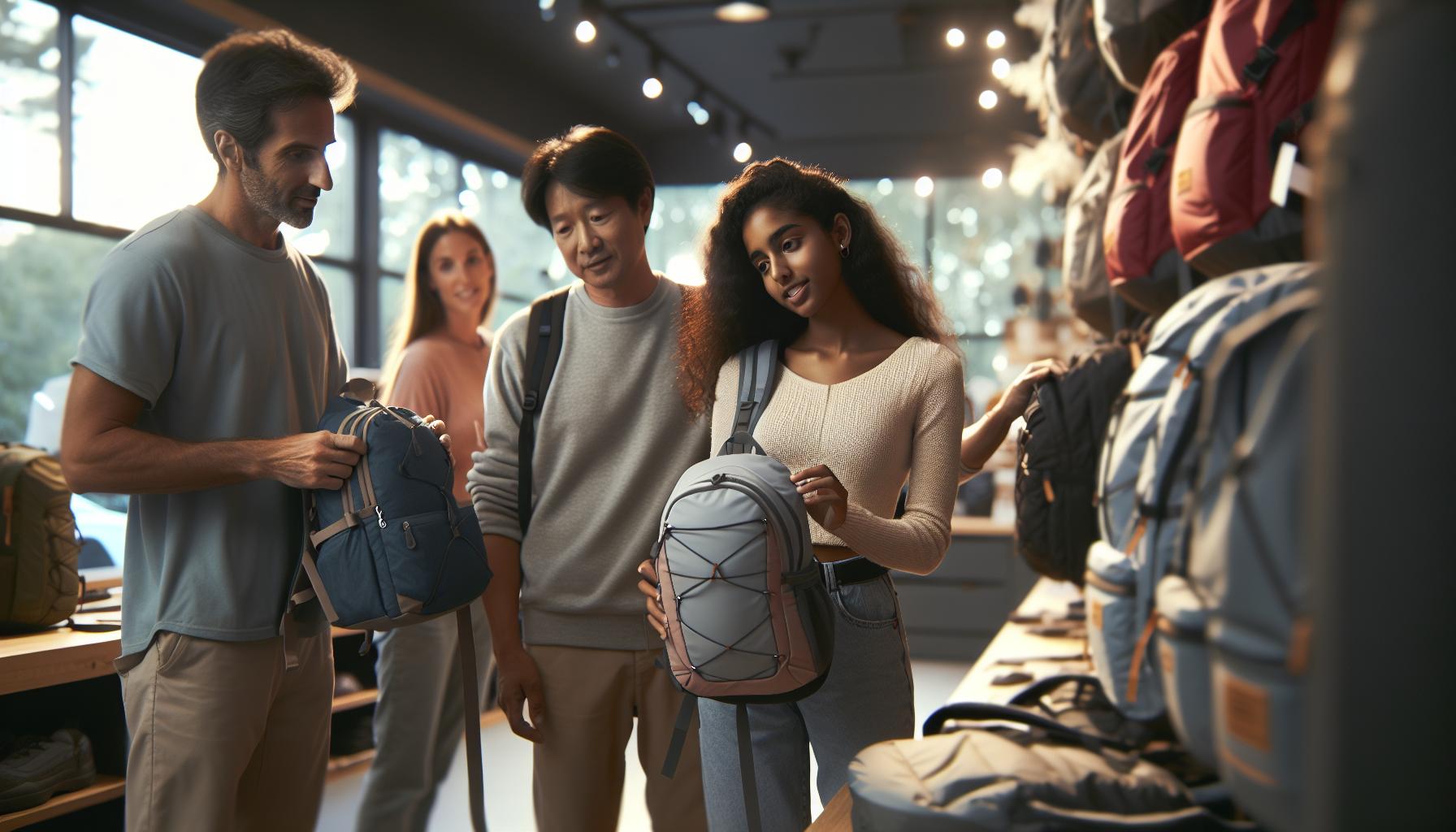
What Influences Backpack Size Choices?
Choosing the right backpack size often feels like a daunting task influenced by a myriad of factors. Whether you’re a student heading to classes, a traveler exploring new terrains, or a commuter navigating the daily grind, the size of your backpack can significantly impact your comfort and efficiency. Personal needs, intended use, and even trends play critical roles in determining which backpack will best suit your lifestyle.
The first major influence on backpack size is the intended purpose. For instance, students may benefit from larger backpacks that can accommodate textbooks, laptops, and essential supplies. On the other hand, travelers often look for backpacks that fit within airline carry-on dimensions, which may require a more compact design. Additionally, specific activities warrant different capacities; a day hike may require a smaller, lightweight pack, while extended camping trips demand larger backpacks with ample storage.
Another key consideration is body type and stature. A backpack that fits well on one person may be uncomfortable on another. Gender differences and individual physique can affect how weight is distributed and how comfortably a backpack sits on your body. It’s important for users to try different sizes and adjust straps appropriately to find the most comfortable fit.
Lifestyle and fashion trends also play a role in size selection. Recent patterns lean towards oversized backpacks that not only provide functional storage but also make a style statement. This means selecting a size that balances practicality with aesthetic appeal. Ultimately, understanding your unique needs and how they interplay with these various factors will guide your decision-making process when selecting that perfect backpack.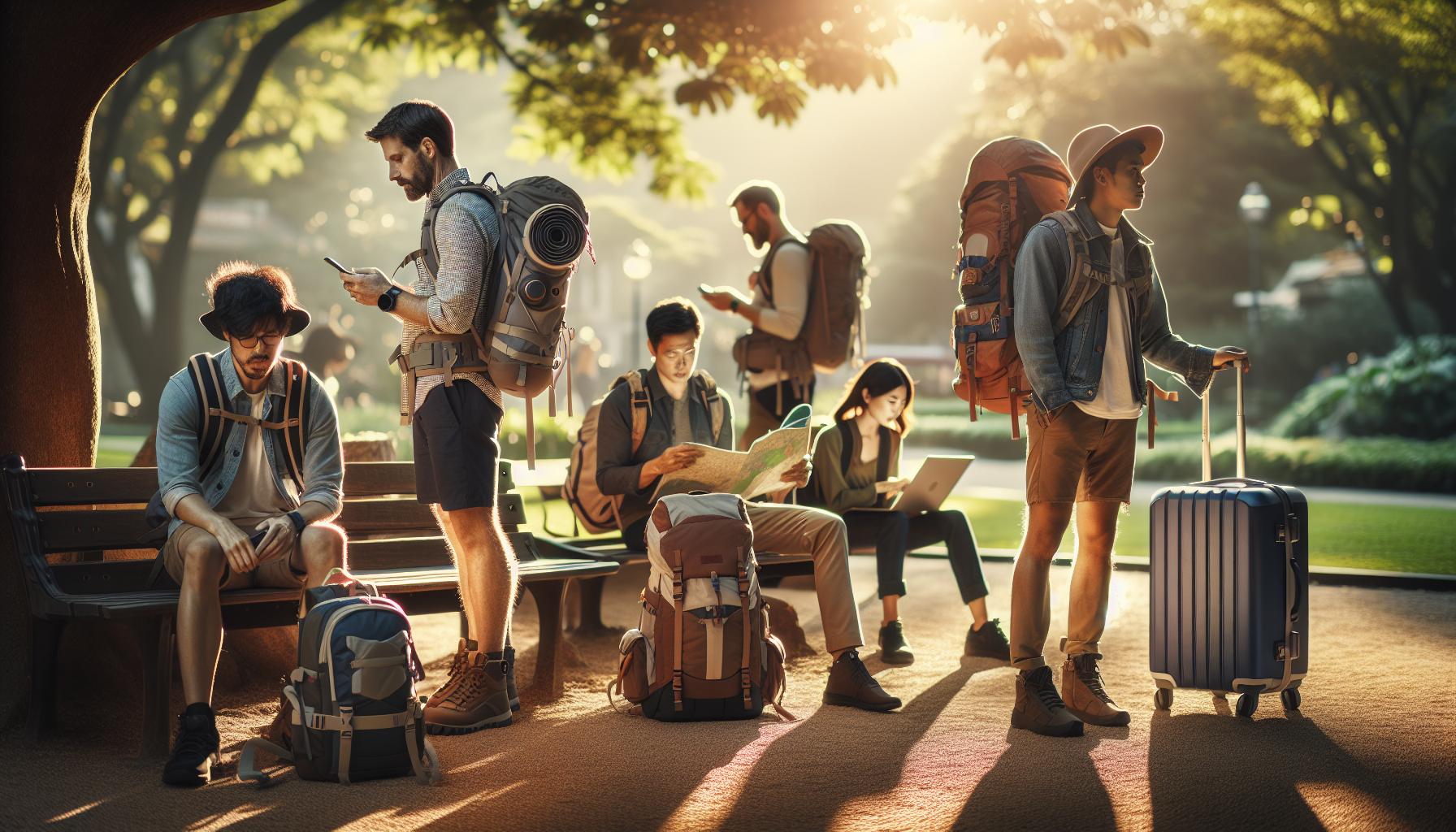
Understanding Common Backpack Categories
When selecting a backpack, understanding the various categories available can simplify the decision-making process and ensure you choose one that meets your specific needs. Backpacks are not one-size-fits-all; they come in a multitude of designs, each tailored for different activities, allowing users to maximize both functionality and comfort.
One of the most common categories is the daypack, which typically ranges from 20 to 30 liters in capacity. Ideal for short trips, school use, or daily commuting, daypacks feature simple compartments for essentials like books, a laptop, or snacks. Their lightweight design often includes adjustable straps for a customizable fit, making them a versatile option for both students and casual adventurers.
In contrast, hiking backpacks are designed for more extensive excursions and range from 30 to 80 liters. These larger packs often incorporate specific features such as hydration reservoirs, adjustable frames, and multiple compartments for organization. Hikers benefit from the reinforced materials and ergonomic straps that distribute weight evenly, enhancing comfort on longer treks. The choice of a hiking backpack depends largely on trip duration, with multi-day packs offering more storage and additional functionality compared to shorter trip options.
For travelers, travel backpacks present a hybrid solution, combining the convenience of wheeled luggage with the versatility of a backpack. These packs are generally between 40 and 70 liters and are equipped with features suitable for navigating airports and urban environments. Look for models with lockable zippers, padded straps, and hidden pockets for valuables, providing both security and comfort during transit.
Lastly, technical packs designed for specific activities-like climbing, skiing, or biking-bring unique design elements tailored to those sports. They often include gear loops, reinforced areas for carrying tools, and convenient access points for quick retrieval. When selecting a technical pack, consider the demands of your sport to ensure you choose one that meets both safety and performance requirements.
Each category of backpack serves its purpose, so understanding these differences empowers you to make an informed choice tailored to your activities, ensuring you carry your essentials comfortably and efficiently. Whether you’re trekking through the woods or navigating a busy city, the right backpack enhances your experience significantly.
Average Backpack Sizes by Activity Type
Backpacks come in various sizes, each tailored to specific activities, making it crucial to understand what the average size looks like for different purposes. Whether you are hiking, commuting, or traveling, knowing what size will suit your activities best can enhance your experience and meet your needs effectively. Here’s a breakdown of average backpack sizes categorized by activity type to help you make an informed decision.
Daypacks
Typically ranging from 20 to 30 liters, daypacks are the go-to solution for daily commuters, students, or those embarking on short trips. They are designed to carry essentials such as books, laptops, or snacks and usually feature simple compartments to keep items organized. With a lightweight build and adjustable straps, daypacks provide a comfortable fit and can be easily stowed under a desk or in an overhead compartment while traveling.
Hiking Backpacks
For those who venture into the great outdoors, hiking backpacks range from 30 to 80 liters. These larger packs are engineered for longer excursions and often come equipped with features such as hydration reservoirs, hip belts for weight distribution, and multiple compartments for easy organization. A typical day hike might require a 30 to 50-liter capacity, while multi-day treks would necessitate a 60 to 80-liter backpack, accommodating extra gear, food, and camping supplies.
Travel Backpacks
Travel backpacks are versatile, generally between 40 to 70 liters, making them suitable for travelers who need efficiency without compromising on space. They often incorporate features of wheeled luggage, such as lockable zippers and padded shoulder straps, allowing ease of transportation in airports or urban settings. These backpacks ensure you can carry enough supplies for weekend getaways or longer vacations without feeling overloaded.
Technical Packs
Designed for specific activities like climbing, skiing, or biking, technical packs vary significantly based on their intended use. Sizes generally fall between 30 to 50 liters, with designs incorporating features tailored to the sport-such as gear loops for climbing equipment or insulated compartments for hydration systems in skiing packs. Selecting the right technical pack size depends on your specific activity and the amount of gear you need to accommodate.
Understanding these average sizes helps you navigate through the myriad of options available, ensuring you select a backpack that complements your planned activities. By choosing the right size, you not only enhance your comfort but also improve your overall efficiency during your daily operations or adventures.
Key Measurements: Dimensions That Matter
When selecting a backpack, understanding specific measurements is critical to ensuring you choose one that meets your needs effectively. Key dimensions influence not only how much you can carry but also the comfort and functionality of the backpack. In fact, the right dimensions can make or break your experience, whether on a day hike or during long-term travel. Here’s what to keep in mind.
Backpack Dimensions
Backpacks come in various sizes, with the most common dimensions broadly categorized based on their intended use. Here are some important measurements to consider:
- Volume: Measured in liters, this indicates how much the backpack can hold. Most daypacks range from 20 to 30 liters, hiking backpacks vary from 30 to 80 liters, and travel backpacks typically fall between 40 to 70 liters.
- Height: The height of the backpack can impact how well it fits your torso. A general rule is that the shoulder straps should align with your shoulders, allowing the pack’s weight to sit on your back rather than your hips.
- Width and Depth: Ensuring optimal width and depth might prevent your backpack from being too bulky, which could limit mobility. Packs should be slim enough to allow for easy maneuvering yet spacious enough to hold your essentials.
Important Measurements
Beyond volume, several other measurements matter greatly:
- Torso Length: When adjusting packs, knowing your torso length can enhance fit. Most backpacks come with size ranges (small, medium, large). A properly fitted backpack will keep the load centered over your hips, which helps in distributing weight evenly.
- Strap Width: Wider shoulder straps can help distribute weight better than thinner straps, reducing pressure points during prolonged wear. Look for backpacks with padded straps that enhance comfort.
- Hip Belt Size: If the backpack includes a hip belt, it should fit snugly around your hips. This is essential for transferring some of the pack’s weight away from your shoulders, especially in heavier loads.
Taking the time to measure and understand the dimensions that matter will enable you to select a backpack that not only meets your needs but also enhances your overall experience. When these critical measurements align with your body and the intended use, the result is a comfortable, efficient, and enjoyable carrying experience, whether you’re navigating urban landscapes or trudging through mountain trails.
Interior Space: Calculating Storage Capacity
When it comes to selecting a backpack, understanding interior space is paramount for maximizing the utility of your pack. The ability to calculate storage capacity not only enhances your organization but also ensures that you have everything you need for your journey. Most backpacks come with a volume measurement typically indicated in liters, which serves as a basis for understanding how much gear you can realistically carry.
A useful metric to consider is the volume-to-weight ratio of your backpack. For example, a daypack ranging from 20 to 30 liters is often suitable for short outings and allows you to fit the essentials-water, food, a first-aid kit, and possibly a light jacket. However, if you plan on an overnight hike, a pack in the range of 50 to 70 liters would give you ample room for extra clothing, sleeping gear, and cooking equipment. It’s also beneficial to assess how the pack’s design influences storage. Some packs feature multiple compartments and pockets, which can help distribute weight effectively and provide easy access to items like snacks or maps without rummaging through the entire bag.
Consider making a checklist based on your activities. If you’re headed out for a day hike, consider what you’ll need: a water bottle, snacks, a small first-aid kit, and perhaps a camera. Lay these items out and see how they fit into your chosen backpack. This practical test can reveal if the pack’s internal layout supports your packing style, whether it’s a traditional, top-loading design or a more modern, panel-loading style that offers quick access. Remember that the ideal backpack will not just accommodate your items, but will also allow for optimal organization to streamline your experience outdoors.
As you assess your options, keep in mind the importance of efficiency. Choose backpacks that employ smart internal organization features, such as hydration reservoirs or designated pockets for electronics. This attention to detail can significantly enhance your overall experience, reducing the time spent digging around in your pack and allowing you to focus on enjoying your adventure.
Straps and Fit: How They Affect Comfort
When you’re out in the wilderness or commuting through the city, the comfort of your backpack can make or break your experience. Straps and fit are crucial factors that not only affect how the pack carries but can also prevent discomfort and potential injuries. More than just a design element, properly adjusted straps and a good fit distribute the weight of your load evenly across your body, minimizing strain and fatigue during use.
One of the key components to consider is the shoulder straps. These should ideally be padded and adjustable to fit your torso length, ensuring the weight rests comfortably on your shoulders rather than your neck. Look for backpacks with S-shaped or contoured straps that follow the natural curve of your shoulders; this design helps to reduce pressure points. Another important feature is the sternum strap, which helps stabilize the pack and prevent shifting while you’re on the move. Make sure your sternum strap is adjustable to accommodate different clothing layers and body types.
The hip belt is another critical area that often gets overlooked. Many people don’t realize that a well-padded hip belt can significantly reduce the load on your shoulders by transferring some of the weight to your hips, allowing for more comfortable long-distance carrying. Ensure that the hip belt fits snugly around your hips and is positioned above your iliac crest for maximum support. This can be especially beneficial during hikes or extended outings where comfort is paramount.
Adjustability is vital; packs that allow you to modify strap length and hip belt size can provide a custom fit that enhances comfort. As a general rule, test your pack while wearing your typical gear; this will ensure that the pack fits properly with everything you’ll have on your trip. Finally, do not hesitate to test different models and adjust all straps as needed. This personal touch can make a world of difference, leading you to find the perfect blend of comfort and performance in your backpack.
Trends in Backpack Sizes: What’s Popular Now?
The landscape of backpack sizes has evolved significantly in recent years, reflecting shifting lifestyles, technological advancements, and diverse consumer preferences. Today’s backpacks are designed not only for practicality but also for style and usability, feature a variety of sizes that cater to specific needs. Whether it’s a daypack for urban commuting, a specialized trekking pack for outdoor adventures, or an all-purpose bag for students, understanding the current trends can help consumers make informed choices.
In the recreational and outdoor sectors, larger backpacks of 50 to 70 liters remain popular among hikers and campers for longer trips. However, there’s been a notable shift towards smaller, minimalist packs, particularly in the urban environment. Packs ranging from 20 to 30 liters are favored for daily commuting, shopping, and casual outings, offering just enough space for essentials while maintaining a compact form. The rise of remote work has further driven demand for versatile bags that can transition smoothly from the office to the gym or a coffee shop, leading to an increase in designs that accommodate laptops and tech gear without compromising style.
Emerging materials and trends in sustainable sourcing have also impacted backpack sizes and designs. Brands are increasingly using recycled materials, which not only influence the overall weight of packs but also their capacity and functionality. Lightweight options are becoming increasingly popular as outdoor enthusiasts prioritize weight efficiency alongside size. Similarly, the demand for customization has led to adjustable, modular bags that allow users to expand or compress their packs based on differing needs, reflecting a trend towards multifunctional usage.
As we look to the future, it is clear that backpack sizes are influenced by broader lifestyle changes. Consumers are more conscious of sustainability, ergonomics, and tech integration in their everyday carry items. These considerations are setting the stage for innovative designs that merge performance with aesthetics, ensuring that packs are not only practical but also a reflection of personal style and values.
Customized Backpacks: Tailoring Your Perfect Fit
In a world where personalization is key, creating a customized backpack tailored to your specific needs can greatly enhance your daily experiences. With the vast array of options available, from materials and sizes to colors and organizational features, it’s now possible to craft a backpack that suits your lifestyle perfectly. Consider the fact that an estimated 70% of backpack users experience discomfort due to improper fit or inadequate design. Thus, investing time in customization not only elevates your style but also significantly improves your comfort and convenience.
Understanding Your Needs
Before diving into the customization process, assess what you truly need from your backpack. Consider factors such as the primary purpose-whether for school, commuting, travel, or outdoor activities. Knowing this will guide your choices in terms of size and features. For example, if you need a backpack for hiking, look for options that offer a hydration reservoir or specialized compartments for tools and snacks. Conversely, a commuter’s backpack might prioritize sections for a laptop, chargers, and quick-access pockets for travel documents.
Material and Design Choices
When customizing your backpack, start by selecting the right materials. Durable, lightweight fabrics like nylon or polyester are excellent for everyday use and outdoor adventures alike. If sustainability is an important factor for you, consider brands that offer recycled options. Furthermore, designs that feature modular components, such as removable pouches or attachable accessories, can provide flexibility and allow you to expand your storage when necessary.
Fit and Comfort
Another critical aspect to consider is the fit of the backpack. Adjustable straps, breathable back panels, and padded support can make a world of difference in comfort. Make sure to try on the backpack while loaded with weight similar to what you’d carry daily-this can help ensure that the fit is not only suitable but also supports proper posture during use. Furthermore, look for backpacks that come in various sizes to match your torso length and body type.
In conclusion, customizing a backpack to fit your unique requirements can transform it into an essential tool rather than just another item in your wardrobe. By prioritizing your specific needs in terms of functionality, comfort, and aesthetics, you not only save time and effort but also create a dependable companion for any activity.
Considerations for Kids vs. Adults
Choosing the right backpack is an essential aspect of ensuring comfort and support, particularly when considering the differing needs of kids and adults. One of the most significant factors to consider is body size and shape, as these play a crucial role in fit and functionality. While adults usually opt for backpacks designed for greater durability and heavier loads, children’s backpacks often prioritize ease of use and lighter materials. For instance, children’s backpacks should ideally be around 10-15% of their body weight to prevent any strain or injury, whereas adults might find comfort in larger packs that can accommodate up to 20-25% of their body weight during activities like hiking or traveling.
In addition to weight considerations, the design features between kids’ and adults’ backpacks often differ substantially. Kids’ backpacks are typically more colorful, featuring playful designs or themes that appeal to younger users. They often come equipped with simpler organizational compartments, making it easier for children to access their belongings. In contrast, adult backpacks might include more complex organizational systems tailored to specific activities, like travel or outdoor exploration, incorporating extra features such as hydration reservoirs, laptop sleeves, and more robust external pockets for gear.
When it comes to ergonomics, the adjustment features of backpacks for both demographics can vary significantly. For kids, backpacks should have padded shoulder straps and adjustable harnesses that cater to their growing bodies. Adult backpacks often have additional back support features, such as lumbar support or adjustable torso lengths, which allow users to fine-tune the fit based on individual preferences or activity needs. It’s crucial for both children and adults to try on backpacks while loaded with similar weights to guarantee proper fit, which can help avoid discomfort or potential back issues during use.
Ultimately, when selecting a backpack for a child or adult, it’s essential to consider what they will be using it for-school, travel, or recreational activities. Understanding these differing requirements can guide your choice in terms of style, size, and functionality, ensuring that the backpack is not only a tool for carrying items but also a comfortable companion for daily adventures.
How to Choose the Right Size for Your Needs
Choosing the right size backpack can make a significant difference in your comfort and efficiency, whether you’re heading to school, embarking on a hike, or traveling. One captivating fact to consider is that a well-fitted backpack can improve posture and even reduce strain on your back by up to 40%. Therefore, sizing isn’t just about how much space you have; it’s about how that space translates into actual comfort during use.
When selecting a backpack, start by evaluating the intended use. For daily school use, a backpack that typically ranges from 15 to 25 liters is sufficient, providing enough room for books, a laptop, and lunch. Conversely, for weekend hikes or camping trips, a size between 50 and 70 liters may be ideal, accommodating extra gear while maintaining structural support. Think about what you need to carry daily and match that with suitable dimensions.
Next, consider your body type. Larger frames often need larger backpacks to distribute weight properly, while smaller frames might do better with compact packs to avoid excess bulk. Features like adjustable straps and hip belts can also contribute to achieving the right fit, allowing you to mold the backpack to your body rather than the alternative.
Key Considerations:
- Body Weight: A good rule of thumb is to carry no more than 20% of your body weight.
- Size Range: Use backpacks between 15-25 liters for everyday tasks, and 50-70 liters for outdoor adventures.
- Adjustability: Seek backpacks with adjustable straps to customize the fit.
- Purpose: Consider if the backpack will accommodate larger items such as gear or clothing.
Finally, don’t underestimate the importance of trying before you buy. Load the backpack with similar weights to what you would typically carry and walk around to ensure that it feels comfortable and balanced. This hands-on approach will give you firsthand experience with how well the backpack fits and supports your activities, leading to a more informed decision. Selecting the right size backpack not only enhances your daily adventures but also promotes well-being in carrying your essentials.
Common Mistakes When Buying a Backpack
Buying a backpack might seem like a straightforward task, but many people trip up on common pitfalls that can lead to discomfort and disappointment. One major mistake is underestimating the importance of trying before you buy. Many shoppers simply grab the first backpack they see without ensuring it fits well with the intended load. It’s crucial to load the backpack with similar weights to what you typically carry. Walk around the store to gauge if it feels balanced and comfortable; no one wants to realize their new backpack is a strain on their back after they leave the store.
Another frequent error is neglecting to consider the backpack’s purpose. Different activities require different styles and sizes. A backpack meant for daily commuting will differ significantly from one intended for hiking or travel. Shoppers often opt for trendy designs without assessing functionality. Ask yourself questions like, “Will I need extra compartments for organization?” or “Am I carrying larger items like a laptop or hiking gear?”
Many buyers also overlook adjustability in their selections. Adjustable straps, hip belts, and sternum straps are often paramount for achieving a customized fit that distributes weight effectively. A beautiful backpack that doesn’t fit properly can create pressure points and lead to discomfort. Thus, it’s critical to explore options that allow for these adjustments to enhance the overall carrying experience.
Don’t forget to factor in the budget as well. Many individuals assume that higher prices guarantee better quality. While this can be true, it’s essential to find a backpack that meets your needs without breaking the bank. Evaluating user reviews and product performance can provide more insight than simply relying on price tags. By avoiding these common mistakes, you can select a backpack that not only meets your aesthetic desires but also supports you effectively in your daily activities or outdoor adventures.
Backpack Sizing for Travel: Tips & Tricks
Choosing the right size backpack for travel can make a significant difference in your comfort and overall experience, whether you’re embarking on a weekend trip or a month-long backpacking adventure. A key point to remember is that different travel styles demand different sizes; while a day pack might suffice for city sightseeing, a larger, more robust backpack is essential for longer excursions where you’ll need to carry more gear. Here are some tips and tricks to ensure you select the ideal backpack size for your travels.
First and foremost, consider the length of your trip and the type of items you need to carry. For short trips, a backpack in the range of 20 to 30 liters is typically sufficient, accommodating essentials like clothing, toiletries, and a laptop. For longer journeys, aim for a backpack between 40 to 70 liters, which offers the extra space needed for additional clothing, food, or camping gear. If you plan to engage in specific activities-like hiking or mountaineering-consider backpacks designed for those purposes, as they often include specialized compartments for hydration systems, gear storage, and other travel-oriented features.
Assessing Comfort and Fit
When travel packing, it’s vital to ensure your backpack is not only the right size but also comfortable. An ill-fitting backpack can lead to discomfort on long treks, hindering your ability to enjoy the journey. Focus on finding a backpack that matches your torso length and has adjustable straps. A well-fitted backpack should rest comfortably on your back without causing pressure points. Weight distribution is also critical; heavier items should be packed close to your back and at the center of the backpack to maintain balance.
Consider Packing Strategies
Efficient packing can also affect your choice of backpack size. Utilize packing cubes, compression bags, or zippered pouches to organize and compact your items, allowing you to maximize interior space. Remember that backpacks with external straps-like daisy chains-can help you attach additional gear, such as sleeping bags or trekking poles, freeing up interior space for other essentials. Always aim to pack as lightly as possible, focusing on versatile clothing and gear to reduce volume and weight.
In essence, selecting the perfect travel backpack involves a balance of size, comfort, and packing efficiency. By thoughtfully considering your travel needs and employing practical packing techniques, you can ensure that your backpack serves as a supportive companion for all your adventures. Whether you’re strolling through a bustling city or traversing remote trails, the right backpack will enhance your travel experience, keeping essential gear accessible while minimizing strain on your body.
FAQ
Q: What is the best size of a backpack for daily use?
A: The best size for a daily use backpack typically ranges from 20 to 30 liters. This size allows enough space for essentials like a laptop, books, and snacks without being too bulky. Consider your daily items and choose a size that accommodates them comfortably.
Q: How do you measure a backpack for fit?
A: To measure a backpack for fit, adjust the shoulder straps and hip belt to ensure they make contact with your body. The pack should sit comfortably against your back without sagging. Use a tape measure to check your torso length from the base of your neck to your hip.
Q: What measurements should I look for in a backpack?
A: Key measurements to consider in a backpack include overall volume (liters), height (inches or centimeters), and weight (pounds or kilograms). Volume indicates storage capacity while height ensures it fits your frame and intended use, especially for travel or hiking.
Q: Are there specific sizes for children’s backpacks?
A: Yes, children’s backpacks generally range from 10 to 20 liters, catering to their smaller frames and lighter needs. Look for adjustable straps and ergonomic designs to ensure comfort and support as they carry their school supplies or gear.
Q: How do average backpack sizes vary by activity?
A: Average backpack sizes vary significantly by activity:
- Day hikes usually require 20 to 30 liters.
- Weekend trips often need 40 to 60 liters.
- Longer treks may require packs exceeding 70 liters for ample storage and comfort [3[3].
Q: What factors influence backpack size preferences?
A: Factors influencing backpack size preferences include body size, the purpose of use (school, travel, hiking), and personal preferences for organization and accessibility. It’s essential to choose a size that fits your needs while ensuring good support [1[1].
Q: Can I use a backpack for both school and travel?
A: Yes, many backpacks are designed for dual use. Look for versatile designs such as those featuring multiple compartments for organization and durable materials to withstand travel. A 30 to 50-liter pack can usually serve both purposes well.
Q: What should I avoid when choosing a backpack size?
A: Avoid choosing a backpack size that is too large, which can lead to discomfort and difficulty in carrying it efficiently. Additionally, refrain from overloading your backpack beyond its weight capacity, as it can cause strain and affect posture.
To Conclude
Now that you’ve discovered the average size of a backpack and how it impacts your daily activities, it’s time to put your knowledge to use! Choosing the right backpack isn’t just about size; it’s about functionality and style that suits your needs. Whether you’re planning for a hiking trip, school, or everyday use, it’s essential to select the right fit for your journey ahead.
For further insights, check out our guides on “Choosing the Right Backpack for Travel” and “Essential Features of Daypacks.” Don’t miss out on updates; sign up for our newsletter for tips, promotions, and expert advice tailored just for you. Have questions or feedback? We’d love to hear your thoughts in the comments below! Remember, the right backpack is waiting for you-start your search today!