
Choosing the right size backpack is essential for any traveler, outdoor enthusiast, or student. Did you know that a standard backpack typically ranges from 15 to 50 liters in capacity? Understanding these dimensions is crucial for selecting a bag that best suits your needs, whether you’re hiking in the wilderness or heading to class. The right dimensions ensure that you can comfortably carry your essentials without sacrificing mobility or ease of access. In this guide, we’ll break down backpack sizes, helping you navigate the options available and match your lifestyle with the perfect fit. Read on to discover how to find the ideal backpack that balances practicality and style, setting you up for success in your adventures or daily routines.
What is a Standard Backpack Size?
Backpacks are essential tools for a variety of activities, from daily commuting to weekend hiking trips. The dimensions of a standard backpack can greatly influence how effectively it meets your needs. Generally, a typical backpack size ranges from 15 to 30 liters for day trips, while larger backpacks designed for multi-day excursions can reach upwards of 50 liters or more. This variance makes it critical to understand how backpack dimensions correlate to their intended use and the volume of items you plan to carry.
When evaluating a backpack, the height, width, and depth are crucial metrics. Most standard backpacks for school or casual use tend to have dimensions of approximately 18 to 20 inches in height and 12 to 14 inches in width. These sizes are practical for fitting comfortably behind a seat or in a locker while providing enough space for various items like books, a laptop, and personal essentials. For outdoor adventures, backpacks may feature dimensions that accommodate sleeping bags, tents, and additional gear; dimensions can vary significantly based on specific designs and intended activities.
Choosing the right size involves considering both the intended use and your personal build. A well-fitted backpack should not only provide adequate space but should also distribute weight comfortably. Adjustable straps and padding can enhance the experience, making it easier to carry heavier loads for extended periods. Whether you’re a casual user or a dedicated adventurer, understanding the dimensions and characteristics of a standard backpack will ensure you select the right one to suit your lifestyle.
Understanding Backpack Dimensions
Understanding the dimensions of a backpack is crucial for both comfort and functionality. Whether you’re commuting to work, heading to school, or embarking on an outdoor adventure, the right size can make all the difference. Generally, backpacks come in a range of sizes, and knowing how to interpret these dimensions helps you select the best fit for your needs.
The most common dimensions for standard backpacks vary based on their intended use. For everyday carry, look for dimensions around 18 to 20 inches in height and 12 to 14 inches in width, typically accommodating laptops, books, and personal items. Daypacks, which are designed for short trips, usually hold between 15 to 30 liters, providing ample space for essentials without being overly bulky. In contrast, larger backpacks intended for multi-day excursions can exceed 50 liters, allowing for camping gear and additional supplies.
When considering a backpack, importance lies not only in the volume but also in the shape and internal organization. Many backpacks provide specialized compartments, making it easier to stow and access items like hydration reservoirs, tools, or snacks with ease. Furthermore, think about the depth; a backpack with a greater depth can help distribute weight more effectively, ensuring a stable carry while reducing strain.
Ultimately, knowing how to interpret the dimensions and their implications on overall design can empower you to choose a backpack that meets your specific activities and personal stature. Pay attention to how the size corresponds to your body shape and how you plan to use the backpack to enhance your comfort and experience.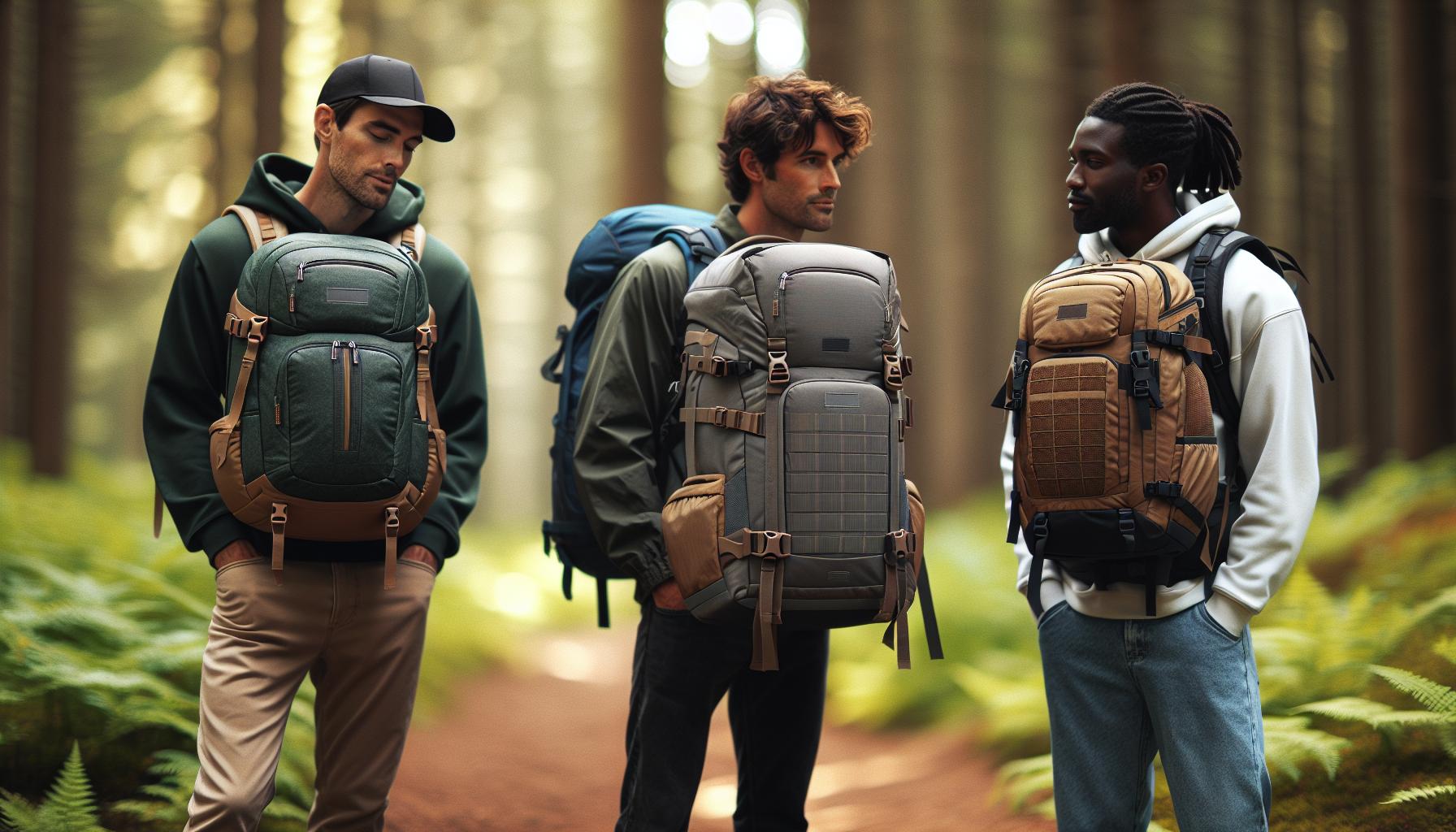
Common Sizes for Different Backpack Types
When selecting a backpack, it’s essential to understand that different types cater to various needs, significantly impacting their sizes and dimensions. Knowing the standard sizes for these diverse backpack types will help you make an informed choice based on your specific requirements, whether for daily use, travel, or outdoor adventures.
For students and everyday use, standard school backpacks generally range from 18 to 20 inches in height and 12 to 14 inches in width. These backpacks are designed to accommodate textbooks, notebooks, and laptops, balancing capacity with portability. A typical school backpack often has a volume of about 20 to 30 liters, providing sufficient space for school supplies and personal items without being unwieldy.
Daypacks
Daypacks, used for short trips or daily outings, usually fall within the 15 to 30 liters capacity range. While they’re compact, they often feature multiple compartments for organized packing of essentials like a water bottle, snacks, and a light jacket. The dimensions for daypacks typically span 18 to 22 inches in height and 10 to 12 inches in width, ensuring they can be comfortably worn during physical activities like hiking or biking.
Backpacking and Travel Packs
For more extended trips, larger backpacks are necessary. These multi-day backpacks can exceed 50 liters, with sizes often ranging from 65 to 80 liters for serious trekkers. Their dimensions are more variable, but they generally have a height of 24 to 30 inches and a width of around 12 to 14 inches. These packs are designed with ample space to carry camping gear, food, and other essentials while being equipped with features like ventilation, adjustability, and suspension systems for enhanced comfort on long journeys.
Urban Backpacks
Lastly, urban backpacks designed for commuters and city dwellers may vary widely in size but often hover in the 20 to 25 liters range. These bags usually feature a sleek design and may incorporate technology compartments for laptops or tablets, typically with dimensions around 16 to 18 inches in height and 10 to 12 inches in width, making them stylish yet functional for daily use.
Understanding these common sizes across various backpack types can empower you to select one that aligns best with your lifestyle and activities, ultimately enhancing comfort and functionality in your daily adventures.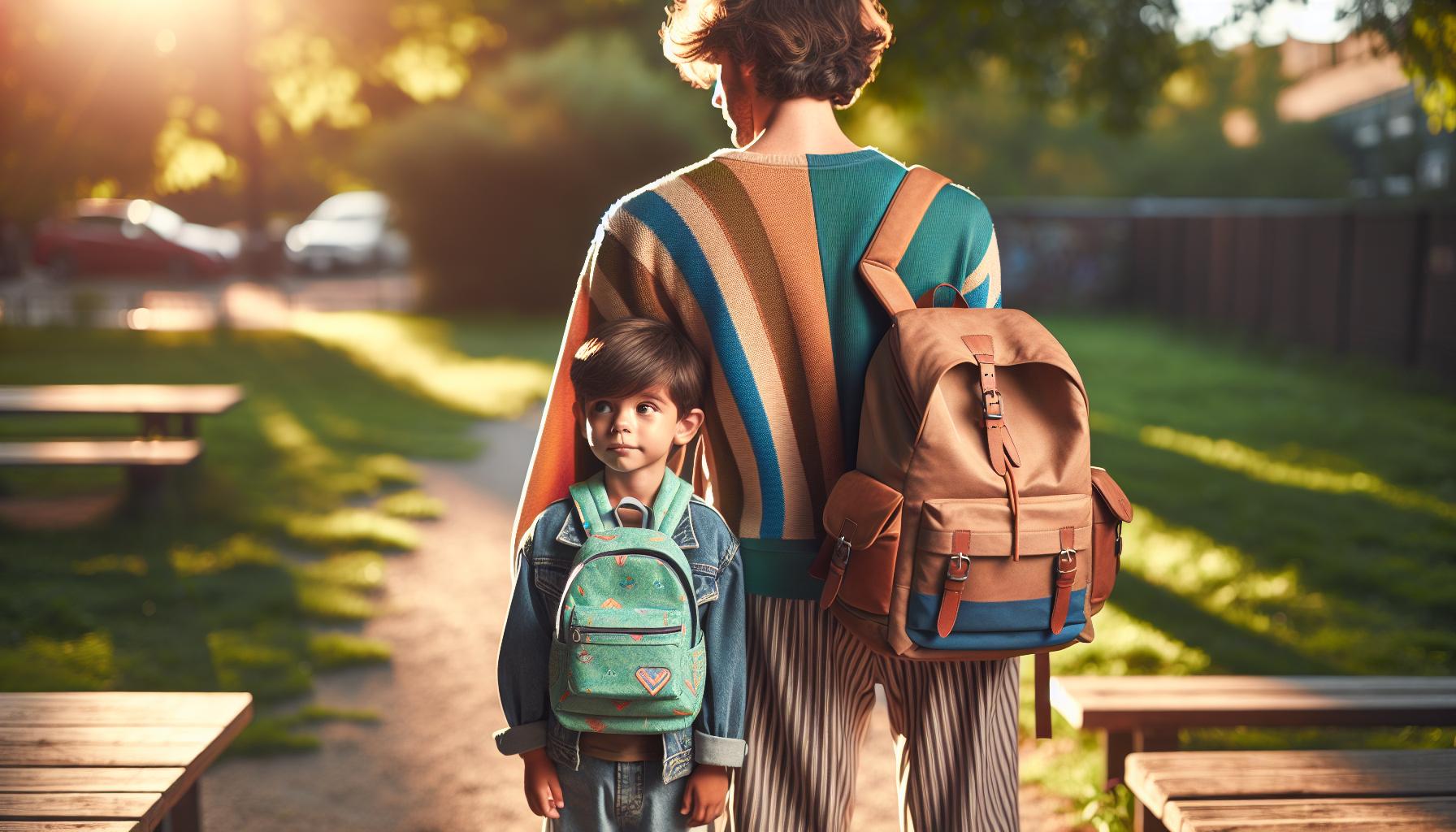
Comparing Kids’ and Adults’ Backpack Sizes
When it comes to selecting a backpack, understanding the differences in size between kids’ and adults’ models is crucial for ensuring comfort and functionality. Kids’ backpacks are specifically designed to suit the body proportions and usage patterns of younger users. Typically, children’s backpacks range in height from 12 to 18 inches and are often narrower than adult versions, making them easier for smaller frames to manage. A standard elementary school backpack usually has a capacity of about 15 to 25 liters, ensuring it holds essential supplies like lunch boxes, books, and art materials without being bulky.
Conversely, adult backpacks are built to accommodate larger loads and feature dimensions that range from 18 to 30 inches in height and widths of 12 to 16 inches. Their capacities can exceed 30 liters, designed to carry everything from laptops and work documents to outdoor gear. These backpacks often incorporate features such as padded compartments for electronics, which may not be present in kids’ models, additional pockets for organization, and more robust materials to withstand heavier use.
Another important factor to consider is the design and adjustability of the backs and straps. While kids’ backpacks often come with simpler, less adjustable harness systems, adult backpacks frequently have more complex adjustments, allowing a tailored fit that can improve comfort and ergonomics during extended wear. Features such as hip belts, sternum straps, and adjustable torso lengths are common in adult designs but rare in children’s backpacks, which are typically lighter and made with less intricate fittings.
Ultimately, selecting the right size backpack hinges on the intended use and the user’s size, ensuring that both children and adults can choose packs that enhance their daily activities, whether for school, travel, or outdoor adventures.
How to Choose the Right Backpack Size
Choosing the right backpack size can significantly enhance your comfort during everyday activities or outdoor adventures. A well-fitted backpack not only carries your essentials efficiently but also distributes weight evenly, reducing strain on your back and shoulders. The process begins with understanding your specific needs based on the intended use, whether for commuting, hiking, or travel.
Start by assessing the capacity you require. For daily use, a backpack with a capacity of 20 to 30 liters is generally sufficient, allowing room for a laptop, books, or gym clothes. If you’re planning a weekend trip, larger sizes ranging from 50 to 70 liters offer ample space for clothing and camping gear. Knowing the volume you need helps narrow down your options.
Next, consider your body type when selecting a backpack. Torso length is a critical measurement; most outdoor gear brands provide guidelines to match your torso size with specific backpack fits. This measurement ensures the hip belt sits comfortably on your hips, optimizing weight distribution. It’s also advisable to consider frame types. For instance, external frames may work for heavy loads in rugged terrains, while internal frames offer a sleeker profile, better suited for everyday use.
Finally, pay attention to the features that enhance comfort, such as adjustable padded straps, hip belts, and ventilation systems. These elements can make a substantial difference, especially if you plan on wearing your backpack for extended periods. Remember, the goal is to achieve a personalized fit that addresses both functionality and comfort. Prioritize trying on different models when possible, adjusting all straps to find the most comfortable setup for your adventures.
Essential Backpack Size Measurements
To ensure that you select a backpack that meets your needs, it’s essential to understand the various measurements that define its size. The dimensions can significantly impact the backpack’s functionality and your overall comfort. Standard backpack sizes typically range from small daypacks with a capacity of 15-20 liters to larger, multi-day backpacks ranging from 50-70 liters or more. Each size serves different purposes, ranging from school use to hiking excursions.
When measuring a backpack, consider the following key dimensions:
- Height: This measurement is crucial for ensuring that your backpack fits comfortably on your back. Typically, daypacks measure between 15-20 inches, while larger backpacks can be 25 inches and above.
- Width: A standard daypack width is around 10-12 inches, which provides ample space without being too bulky. Larger models can go up to 16-20 inches wide.
- Depth: This affects how much gear you can store. Daypacks usually have a depth of around 6-10 inches, while larger packs may extend to 12 inches or more.
- Capacity: Measured in liters, this indicates how much you can carry. Daypacks typically hold 15-30 liters, while travel and hiking backpacks can range from 40 liters for weekend trips to 70 liters or more for extended journeys.
Understanding the size of your torso is also vital in ensuring a proper fit. Most outdoor brands provide torso length guidelines to help match your dimensions with the right backpack. This measurement, along with hip size, is crucial for selecting a backpack with an appropriate torso length and hip belt placement, enhancing both comfort and load distribution.
Remember, while factory dimensions provide a baseline, the design and style of each backpack can influence how they fit and function in real-world scenarios. It’s beneficial to try on different models and sizes before making a purchase, checking how the weight sits on your hips and shoulders as you adjust the straps. This hands-on approach ensures that you select a backpack tailored to your specific activities, whether for casual outings, outdoor adventures, or daily commuting needs.
Impact of Backpack Dimensions on Comfort
Choosing the right backpack size can dramatically affect your comfort during daily commutes, outdoor adventures, or extensive travel. When dimensions do not match your body size and shape, discomfort and strain often result. A well-fitted backpack distributes weight evenly and allows for freedom of movement, making it essential to consider the key dimensions that influence comfort.
One of the most critical factors impacting comfort is torso length. A backpack that is too long or short can cause the weight to pull uncomfortably against your shoulders or slide down your back, leading to fatigue. Straps that are not adjusted according to your torso length can exacerbate pressure points, making it harder to carry your gear for extended periods. According to many outdoor brands, measuring your torso length is straightforward: simply measure from the base of your neck to the top of your hip bones and compare this measurement with the manufacturer’s sizing guide.
Additionally, other dimensions such as width and depth play significant roles. A narrower pack may reduce surface area pressure on your shoulders and back, but it might also limit storage capacity. For example, a pack that is too deep may result in awkward weight distribution, causing strain on your lower back. Instead, look for a design with a balanced profile, allowing you to carry necessary items comfortably without bulging or shifting as you move.
Adjustable features like sternum straps and hip belts can further tailor the fit, allowing for better load management. Using these features correctly not only stabilizes your load but also can adjust the weight to be carried by your hips rather than your shoulders, reducing strain on your upper body. Ultimately, a combination of understanding backpack dimensions and leveraging adjustable features will enhance your comfort and performance, no matter where your journey leads you.
Backpack Sizing for Specific Activities
Choosing the right backpack size for specific activities can significantly enhance your overall experience, whether you’re hiking a challenging trail, commuting to work, or traveling internationally. Each activity demands different features and capacities, making it essential to understand how to select a backpack tailored to your needs.
For day hikes, a backpack of around 20 to 30 liters typically suffices. This size allows for enough space to carry essentials such as water, snacks, a first aid kit, and layers of clothing without feeling cumbersome. Meanwhile, if you’re planning a multi-day adventure, opt for a larger pack-50 to 70 liters-to accommodate camping gear, food, and other essentials. These packs should also incorporate features such as external loops for attaching trekking poles or sleeping bags, plus additional compartments for organization.
When considering travel backpacks, versatility becomes a crucial factor. Travel packs often range from 40 to 60 liters, designed to meet airline carry-on requirements while providing enough room for all your essentials. Look for a pack with a clamshell opening that allows for easy access to items in the main compartment, as well as pockets for quick access to passports and electronic devices. Additionally, consider features like detachable daypacks for outings upon arrival at your destination.
For students or professionals, a backpack designed for daily use typically features a size of 15 to 30 liters. These packs should provide padded compartments for laptops and tablets along with pockets for organization. Ensure the pack includes shoulder straps with sufficient cushioning for comfort during prolonged wear, as they may experience frequent use throughout the day.
Regardless of the activity, keeping load distribution and comfort in mind is vital. Packs with adjustable straps and hip belts facilitate a better fit, allowing you to carry heavier loads without added strain. Make sure to prioritize specific design features that cater to your intended use, and you’ll find the perfect backpack for any situation.
Adjustable Features and Their Benefits
The importance of adjustable features in a backpack cannot be overstated, especially when considering comfort and proper load distribution during various activities. Having the ability to adjust the fit ensures that the backpack conforms to the unique shape of your body, reducing strain and enhancing your overall experience whether you’re hiking, commuting, or traveling.
One primary adjustable feature is the shoulder straps, which often come with padding for extra comfort. Look for straps that can be lengthened or shortened to prevent the backpack from shifting around as you move. A well-fitted shoulder strap not only alleviates pressure on the shoulders but also ensures that the weight is evenly distributed across your back. Many backpacks also include adjustable chest straps, which can help secure the shoulder straps in place and prevent them from sliding down, providing additional stability.
Additionally, hip belts are essential for those carrying heavier loads. An adjustable hip belt transfers some of the weight from your shoulders to your hips, enabling you to carry larger volumes with less effort. This feature is particularly beneficial for extended hikes or travel, as it helps maintain good posture and reduces fatigue. Brands often incorporate various types of open and closed hip belt systems, so consider your intended use and comfort preferences when selecting a backpack.
Finally, the torso length adjustment is a game-changer for those seeking a personalized fit. Many backpacks have an adjustable suspension system that allows users to modify the backpack’s height to better align with their torso length. This feature is especially critical for ensuring that the pack rests correctly on your back, thus preventing potential discomfort during long excursions.
In summary, when choosing a backpack, prioritize features that allow for adjustment. Whether it’s straps, hip belts, or torso sizing, these elements significantly enhance comfort and usability, ultimately contributing to a more enjoyable experience, regardless of the adventure ahead.
Travel Considerations for Backpack Size
When traveling, the size of your backpack plays a crucial role in enhancing comfort and functionality. A well-sized backpack not only accommodates your gear but also adheres to travel regulations, ensuring a hassle-free experience. For instance, many airlines enforce restrictions on carry-on bag dimensions, typically around 22 x 14 x 9 inches (56 x 36 x 23 cm). To avoid unexpected fees or check-in delays, it’s wise to select a backpack that fits within these limits, allowing you to keep essentials close at hand.
Consider the type of travel you’ll be undertaking. For weekend getaways, a smaller backpack-ranging between 30 to 50 liters-may suffice, providing ample space for clothing and personal items without adding unnecessary bulk. However, for multi-day hikes or extended travels, longer excursions necessitate a larger capacity, often 50 liters or more. This size allows you to carry sleeping gear, food supplies, and other must-haves without compromising on comfort. An important note is to ensure that larger backpacks include features like multiple compartments for organized packing and easy access.
Another factor to consider is the weight distribution and overall comfort, especially for longer treks. A larger backpack should ideally come with adjustable features, such as load lifters and hip belts, which enhance stability and balance while walking. Properly adjusting these components can help to reduce strain and enhance endurance during your journey. Aim for a backpack that distributes weight evenly across the hips and shoulders, minimizing fatigue.
Lastly, think about any additional features that could improve convenience while traveling. Hydration reservoir sleeves, external attachment points for gear, or even built-in rain covers can offer practical solutions to common traveler challenges. In essence, selecting the right backpack size tailored to your travel style and needs will not only improve your comfort but also enhance your overall experience.
Trends in Backpack Sizes and Designs
Backpacks have evolved significantly over the years, adapting not just to the needs of their users but also to changing fashion trends and technological advancements. Today, we see a variety of sizes and designs, reflecting diverse lifestyles, preferences, and practical requirements. As travel becomes more experiential, new trends are emerging that cater to minimalism, sustainability, and functionality.
One of the most notable trends is the shift towards smaller, more compact backpacks. Minimalist design philosophies have encouraged manufacturers to create backpacks that are lightweight yet efficiently organized. These often feature streamlined designs with fewer external pockets, making them less bulky and easier to carry. Brands are increasingly focusing on making compact packs that can effortlessly transition from urban environments to outdoor adventures. For instance, backpacks that can hold a laptop alongside essential hiking gear, while remaining aesthetically pleasing, have gained popularity among young professionals and outdoor enthusiasts alike.
Sustainability is another driving force in backpack design. Many companies are now prioritizing environmentally friendly materials and practices. Backpacks made from recycled fabrics, such as PET (plastic bottles), are becoming mainstream, appealing to consumers who want their purchases to align with their values. Additionally, brands are focusing on producing durable products that can withstand the test of time, reducing the need for frequent replacements. This trend supports the growing demand for ethical consumerism, as buyers are becoming more mindful of the environmental impact of their purchases.
Moreover, technological integration is prevalent in modern backpack designs. Features like USB charging ports, RFID-blocking pockets, and hidden compartments for tech gadgets are becoming standard. These innovations cater to a tech-savvy audience that requires convenience without compromising style. Additionally, backpacks with modular designs are emerging, allowing users to customize their packs according to specific activities or daily needs.
As you explore the ever-changing landscape of backpacks, consider how these trends align with your lifestyle. Whether you need a functional pack for hiking, a sleek option for daily commuting, or something that merges style with sustainability, the market today offers a wealth of options designed to meet contemporary demands.
Tips for Fitting Your Backpack Perfectly
When it comes to making the most of your backpack, finding the perfect fit is crucial for both comfort and functionality. A well-fitted backpack can help prevent discomfort, back pain, and even injury during extended use. To achieve this, consider the following tips that cater to both the pack’s design and your body type.
Start by adjusting the shoulder straps to ensure the backpack sits comfortably against your back without sagging or hanging too low. Ideally, the top of the shoulder straps should align with your shoulders and not extend beyond them. Additionally, if your backpack has a sternum strap, adjust it to stabilize the load across your chest, helping to distribute weight evenly. When loading your backpack, place heavier items closer to your back to maintain your center of gravity. This positioning allows for better balance and reduces strain on your shoulders and lower back.
Another key aspect to fitting your backpack is lumbar support. Many modern backpacks come with padded back panels that conform to the shape of your spine. Ensure that the lumbar support region aligns with your lower back’s natural curvature to provide adequate support and comfort during use. If your backpack doesn’t offer built-in lumbar support, consider using a small pillow or rolled-up towel in that area to minimize discomfort.
Lastly, don’t overlook the importance of adjusting hip and load-lifter straps if your backpack is equipped with them. The hip belt should rest on your hips, allowing the weight to transfer from your shoulders to your hips, which can help alleviate pressure during longer treks. Load-lifter straps, found near the top of the backpack, help bring the load closer to your shoulders, improving stability.
By methodically adjusting these components, you can enhance your comfort and ensure that your backpack functions as an extension of your body, rather than a cumbersome burden.
Frequently Asked Questions
Q: What are the typical dimensions of a standard backpack?
A: A standard backpack usually measures around 18 to 20 inches in height, 12 inches in width, and 6 to 10 inches in depth. This size accommodates most school and daily use, providing ample space for books, laptops, and other essentials.
Q: How do I measure my backpack for proper fit?
A: To measure your backpack, use a measuring tape to assess its height, width, and depth. Comfort is enhanced when the backpack aligns with your torso length; ensure the bottom of the bag rests around your lower back when worn.
Q: What size backpack is best for high school students?
A: High school students typically benefit from a medium-sized backpack, around 18 to 20 inches tall. This size offers enough room for textbooks and supplies while remaining easy to carry between classes.
Q: Are there different backpack sizes for specific activities?
A: Yes, different activities require specific backpack sizes. For example, day hiking backpacks range from 20 to 30 liters, while travel backpacks can be larger, around 40 to 70 liters, depending on the duration of travel. Refer to the “Backpack Sizing for Specific Activities” section in the main article for more details.
Q: How can I choose the right backpack size for my child?
A: To choose the right size backpack for your child, consider their height and the weight they can comfortably carry. It’s generally recommended that backpacks not exceed 10-20% of a child’s body weight. Consult the “Comparing Kids’ and Adults’ Backpack Sizes” section for further guidance.
Q: What is the difference between laptop and hiking backpacks in size?
A: Laptop backpacks usually feature a snug fit with padded compartments tailored to hold laptops, typically around 15 to 17 inches. Hiking backpacks, on the other hand, are larger and designed for carrying gear, often measuring 20 inches or more in height.
Q: What are the dimensions of a travel backpack?
A: Travel backpacks generally measure between 40 to 70 liters, translating to dimensions around 22-28 inches in height, making them suitable for longer trips. Check the “Travel Considerations for Backpack Size” section for packing tips and recommendations.
Q: How do adjustable features impact the fit of a backpack?
A: Adjustable features, such as straps and hip belts, allow you to customize the fit, enhancing comfort and stability. A well-fitted backpack can prevent back pain and improve weight distribution. Look into the “Adjustable Features and Their Benefits” in the article for more insights.
The Conclusion
As you explore the dimensions of standard backpacks, remember that choosing the right size is key to achieving comfort and functionality. Whether you’re packing for school, travel, or outdoor adventures, the perfect backpack fits your needs while allowing for easy organization. Don’t miss out on our in-depth guides on selecting the best gear for your next journey-check out our articles on Swiss Army knives, pocket knives, and outdoor gear essentials to enhance your experience.
Ready to make a decision? Visit our product pages for exclusive deals and subscribe to our newsletter for tips on gear maintenance and selection. If you have any questions, we’d love to hear your thoughts in the comments below! Together, let’s find the ideal backpack that fits your lifestyle and ensures you’re always prepared-because smart choices lead to great adventures!