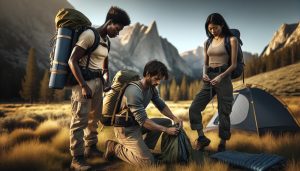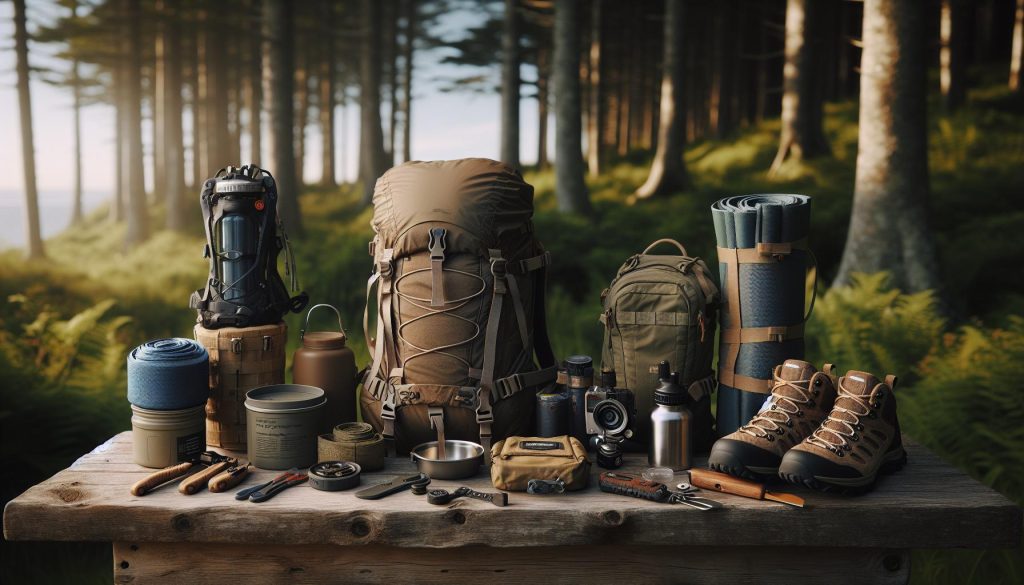
As you plan your next adventure into the great outdoors, understanding what gear is essential can make or break your experience. Did you know that the right backpacking items can not only enhance your comfort but also ensure your safety on the trail? In “Must Have Backpacking Items 2024: Essential Gear List,” we’ll explore critical gear that caters to both novice and seasoned backpackers alike. Navigating through the vast wilderness is exhilarating, yet it can present unexpected challenges. With the right tools, you can tackle those challenges with confidence and ease. Get ready to discover the must-have items that will elevate your backpacking experience and help you feel prepared and secure as you immerse yourself in nature. Your journey starts here-let’s unlock the essentials that will set you up for success on the trail!
Must-Have Backpacking Gear Essentials for 2024
Backpacking in 2024 requires a carefully curated selection of gear that meets both the demands of the wilderness and the needs of the modern adventurer. As you prepare for your journey, it’s essential to focus on quality, versatility, and weight-saving technologies. From innovative materials to multi-functional tools, the right gear can significantly enhance your experience in the great outdoors.
One key component of your backpacking arsenal should be a reliable and lightweight tent, ideally one made from ripstop nylon or similar breathable materials for optimal weather resistance. Look for models that feature easy setup designs, such as pop-up or quick-pitch options, which save time and effort at the campsite. Pair your tent with a high-quality sleeping bag, crafted from compressible down insulation – a choice that balances warmth with packability. It’s also wise to include a sleeping pad for added comfort and insulation from the ground.
For cooking and hydration, a portable camp stove is a must-have. Consider investing in a compact, gas-powered stove that allows you to boil water quickly and prepare meals whether you’re in a high-altitude environment or a temperate forest. Don’t overlook a durable water filtration system, too; a lightweight filter or purification tablets can ensure access to safe drinking water without the need to carry excess supplies.
Additionally, essential gear such as a multi-tool or a Swiss Army knife provides versatility for a range of outdoor tasks, from meal preparation to emergency situations. Combine this with a well-fitted backpack that features adequate support, pockets for organization, and hydration system compatibility. Remember, investing in lightweight yet durable gear is paramount – sacrifice bulk without compromising functionality, and you’ll find your outdoor excursions much more enjoyable.
Ultimately, the focus for 2024 should be on gear that enhances your backpacking experience, makes your journey more comfortable, and is easy to carry. By choosing gear that meets these guidelines, you will be well-prepared for the diverse challenges and beauty that nature presents.
Top 10 Backpacking Items You Can’t Live Without
Backpacking is as much about the journey as it is about the gear you choose to carry, and some items truly become indispensable companions on the trail. Whether you’re setting out for a weekend adventure or a longer expedition, having the right tools and equipment can enhance your experience and keep you safe. Below is a list of crucial backpacking items that ensure you’re well-equipped for any outdoor journey and that you can rely upon when it matters most.
1. Backpack
Your backpack is the heart of your outdoor kit. Opt for a comfortable, well-fitted pack that offers sufficient space and organization for your gear. Look for adjustable straps, a supportive hip belt, and features such as hydration reservoir compatibility. A capacity of 50-70 liters is typically ideal for multi-day trips, while smaller daypacks suffice for shorter excursions.
2. Tent
A reliable tent provides more than just shelter; it’s your home away from home. Choose a lightweight, weather-resistant model that’s easy to set up. Look for features like vestibules for gear storage, and consider the seasonality-3-season tents are versatile enough for most situations, while specialized 4-season tents are ideal for winter adventures.
3. Sleeping Bag
Selecting the right sleeping bag is crucial for a good night’s sleep in the wilderness. A down or synthetic fill bag rated for your expected temperatures will help maintain warmth and packability. Look for bags that can compress small for packing but still provide insulation you can rely on.
4. Sleeping Pad
A sleeping pad not only adds comfort but also insulates you from the cold ground. Self-inflating and air pads are both popular options. Choose one that balances weight and thickness based on the type of terrain you’ll be camping on.
5. Portable Camp Stove
Cooking on the trail doesn’t have to be complicated. A compact, lightweight camp stove allows you to prepare meals quickly and efficiently. Consider models with fuel canisters for spontaneity, and don’t forget a quality cook set that includes pots, utensils, and a lighter or matches.
6. Water Filtration System
Staying hydrated is vital. A portable water filter or purification tablets will ensure that you have access to clean drinking water while minimizing carried weight. Look for filters with a quick flow rate and easy maintenance.
7. Multi-Tool
A good multi-tool can serve numerous purposes-from meal prep to emergency repairs. Choose one that includes essential features like a blade, pliers, and screwdrivers, as it can replace several bulky items in your pack.
8. First Aid Kit
Safety should never be overlooked in the wilderness. A basic first aid kit tailored to your needs should include items like adhesive bandages, antiseptic wipes, gauze, and any personal medications. Be sure to familiarize yourself with its contents so you can use it effectively.
9. Navigation Tools
Even if you plan to use a GPS device or a smartphone app, having a physical map and compass can serve as a reliable backup. Knowledge of how to use these tools helps ensure you stay on course in unfamiliar terrain.
10. Weather-Appropriate Clothing
Dressing in layers is key for comfort while backpacking. Invest in moisture-wicking base layers, insulating mid-layers, and waterproof outer layers to adjust to weather changes. Don’t forget sun protection gear like a hat, sunglasses, and other accessories.
Incorporating these ten essential items into your backpacking gear will create a solid foundation for a successful outdoor adventure. They’ll provide comfort, prepare you for challenges, and ensure that you can enjoy the beauty of nature safely. As you gear up for your next journey, prioritize these tools for an enriching experience out on the trail.
Lightweight vs. Heavy-Duty Gear: What to Choose
Choosing the right gear for backpacking can be a game changer, influencing not only your comfort and efficiency on the trail but also your overall enjoyment of the adventure. The decision between lightweight and heavy-duty gear often boils down to the type of experiences you seek and how much you’re willing to carry. Lightweight gear is all about minimizing pack weight, which can be particularly advantageous for long-distance hikers or those tackling challenging terrain. This type of equipment typically emphasizes materials like nylon ripstop and are designed for portability, allowing you to travel faster and farther without the physical drain of heavy loads.
On the flip side, heavy-duty gear can provide increased durability and reliability, especially for those who plan on facing the harsher elements of nature. For example, a heavy-duty tent may stand up better against high winds and downpours compared to its lightweight counterparts. It is important to weigh the potential trade-offs: while a heavy-duty tent offers shelter, it may also contribute significantly to your pack’s weight. Similarly, heavier sleeping bags often provide better insulation for colder climates, but they can reduce your capacity for other essential items.
When determining what to choose for your next backpacking trip, it’s crucial to assess a few key factors, including the length of your journey, the terrain, the expected weather conditions, and your personal physical capabilities. Here are some practical considerations to keep in mind:
- Distance: For multi-day hikes, prioritize lightweight gear to avoid fatigue, while a base camp setup could allow for heavier, more durable options.
- Conditions: If facing unpredictable weather or rough environments, investing in heavy-duty gear may prove worthwhile for safety and reliability.
- Personal Comfort: Consider your own experience level and preferences-some seasoned backpackers thrive on the minimalist approach, while others may prefer the comforts heavier gear provides.
Ultimately, your gear should align with your backpacking goals and the type of experience you want to have in the great outdoors. As trends and innovations in materials continue to evolve, finding a balance between lightweight and heavy-duty options will empower you to tackle any adventure with confidence and preparedness.
Seasonal Backpacking Gear: Adjusting for Weather
When planning a backpacking trip, the importance of adjusting your gear to match the seasons cannot be overstated. Each season brings unique weather conditions that can significantly impact your comfort, safety, and overall experience on the trail. Being well-prepared means not only packing the right equipment but also understanding how to tailor it for temperature fluctuations, precipitation, and other environmental factors.
For summer hikes, lightweight and breathable clothing is essential. Choose moisture-wicking fabrics that facilitate sweat evaporation, helping to keep you cool. A good sun hat and sunscreen are also crucial, especially in open areas. Consider a lightweight, packable rain jacket to guard against sudden summer storms. For packing, prioritize compact options to maintain mobility, and don’t forget plenty of water and hydration solutions since summer hikes often involve longer stretches without natural water sources.
As fall approaches, the days grow shorter, and temperatures can drop significantly, especially at night. Layering becomes key; start with a moisture-wicking base layer and add insulating mid-layers like fleece or down jackets. A durable shell jacket will protect against wind and rain. This is also a good time to consider versatile gear, such as pants that can zip off into shorts or jackets with removable linings. The changing foliage can make for stunning views, but it’s wise to prepare for cooler nights and the potential for early snowfall.
Winter backpacking demands even more careful gear selection. Insulation becomes critical; invest in high-quality, warm sleeping bags rated for low temperatures and insulated pads for sleeping comfort. A four-season tent is advisable, as it is designed to withstand harsher conditions. Your clothing should include thermal layers, waterproof outer shells, and cold-weather accessories like gloves, hats, and gaiters to keep the elements at bay. Additionally, ensure you have reliable navigation tools, as trails may not be well-marked in winter conditions.
Spring can be a tricky time for backpacking due to unpredictable weather, ranging from sunny days to sudden downpours. An adaptable approach works best; pack a mix of lightweight gear that can be layered and easily stowed in your backpack. A waterproof pack cover or dry bags for your essentials can prevent wet gear. Pay particular attention to the condition of trails, as thawing snow can lead to muddy paths and potential flooding in low-lying areas.
By tailoring your backpacking gear to the seasons, you can enhance your experience immensely, ensuring that you are comfortable and protected, regardless of what nature throws your way. Prepare wisely and enjoy the beauty that each season has to offer!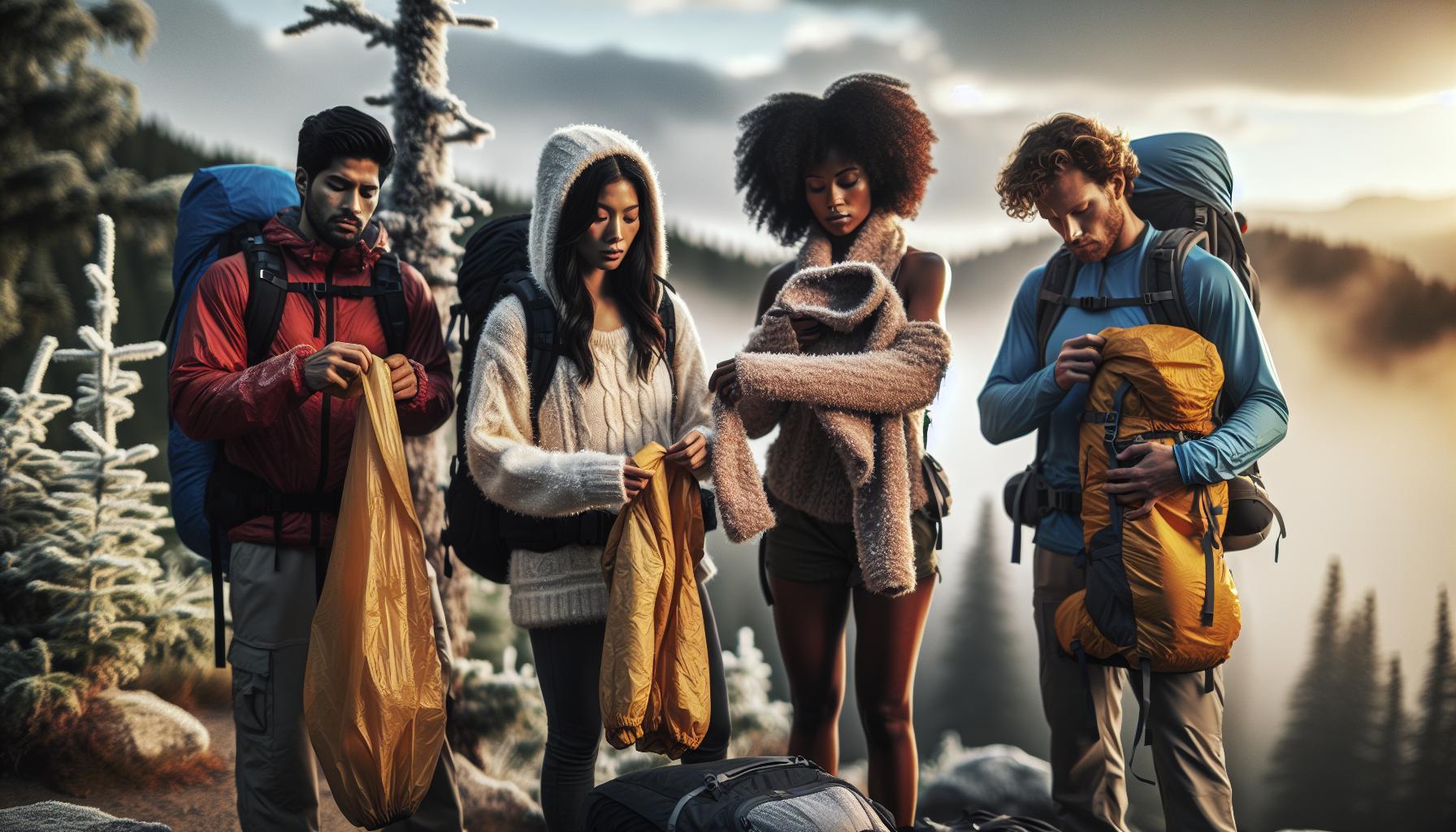
Budget-Friendly Backpacking Gear That Performs
When it comes to backpacking, the belief that quality gear must come with a hefty price tag is a misconception that can deter many adventurers. Budget-friendly options not only exist, but they can also perform effectively, ensuring you have a safe and enjoyable experience on the trails. With the right planning and knowledge, you can gear up without breaking the bank.
Quality Gear on a Budget
Start by prioritizing the essentials. Sleeping bags, tents, and backpacks are monumental to your comfort and safety, but you don’t need to invest in high-end brands right away. Look for reputable mid-range options or even quality second-hand equipment. Thrift shops, online marketplaces, and outdoor gear swaps can reveal hidden gems that are still functional. For instance, brands like REI and Columbia often have sales on last season’s gear, providing high-quality equipment at lower prices.
Multi-Purpose Tools
Investing in gear that can serve multiple functions is a smart way to save money. For example, a good multitool can handle various tasks, from cooking to gear repairs, reducing the need for multiple individual tools. Cooking gear can also be simplified: consider using a compact camp stove that can boil water and cook food with equal efficiency. Look for nesting cookware made from lightweight but durable materials that can serve multiple cooking styles.
Water Filtration and Storage
Having reliable water purification gear is essential, but you don’t need to splurge on expensive systems. Simple and effective water filtering systems, like those from Sawyer or Lifestraw, are budget-friendly and can be lightweight enough to carry on longer hikes. Additionally, a quality but inexpensive collapsible water bottle can save you space and money compared to traditional hard bottles while providing ease of use along the trail.
Thrifty Clothing Choices
While technical clothing is beneficial, you can often find adequate options for less. Look for moisture-wicking and quick-drying fabrics from outdoor outlets or even regular clothing retailers. Base layers can often be sourced from discount stores, and layering with quality fleece or inexpensive synthetic jackets can provide the insulation needed without the premium price tag.
By approaching your gear acquisitions strategically and being open to various sources and options, you can assemble a collection of backpacking tools that not only meets your needs but also respects your budget. Embrace the versatility of budget-friendly gear; with the right knowledge and preparation, you will be well-equipped for your adventures in 2024 and beyond.
Advanced Backpacking Equipment for Serious Adventurers
Advanced backpacking gear can drastically enhance your wilderness experience, providing the reliability, efficiency, and comfort needed for extended trips! As serious adventurers know, the right tools do more than make life easier; they enable you to tackle tougher challenges and enjoy the great outdoors without unnecessary risk or discomfort. Upgrading your gear to include advanced options can mean the difference between a memorable adventure and a strenuous ordeal.
High-Performance Shelter
Choosing the right tent is crucial, and for serious backpackers, lightweight and durable options like ultralight tents, bivy sacks, or hammocks should be considered. Brands like Big Agnes and Sea to Summit offer models that balance weight and strength, ensuring you stay protected without adding bulk. Look for tents that feature advanced materials, such as Dyneema, which are both waterproof and incredibly lightweight. Don’t overlook a quality footprint; it can extend the life of your tent by protecting it against wear and tear.
Advanced Cooking Systems
Food can make or break your trip, so investing in an efficient cooking system pays off. Portable systems like the Jetboil MiniMo or MSR Windburner combine a stove and a pot to save space while enhancing cooking speed. Consider adding a lightweight, compact cookware set and versatile utensils that can serve various cooking tasks without occupying excessive space in your pack. Lastly, consider a reusable bowl or mug that can double as storage for food, keeping your pack organized.
Precision Navigation Tools
While GPS devices can provide invaluable navigation support, having a backup is essential. A lightweight compass and topographic maps of your chosen route should never be overlooked, allowing you to retain your way even when technology fails. Modern options like the Garmin inReach Mini provide two-way satellite communication, enabling you to stay in touch even in remote areas, adding a layer of safety during your expeditions.
High-Tech Sleeping Gear
Quality sleep is essential for a successful backpacking trip. A high-quality sleeping bag rated for the conditions you’ll encounter, such as down or synthetic insulation, will keep you warm without adding bulk. Look for models with advanced materials that reduce weight while providing excellent thermal efficiency. Combine this with a lightweight sleeping pad featuring insulating properties to ensure comfort and warmth during chilly nights in the wilderness.
By equipping yourself with advanced backpacking gear, you can enhance not only your comfort but also your safety and efficiency in the great outdoors. Each piece of gear should be chosen carefully with an emphasis on versatility, weight, and durability to meet the demands of your adventurous lifestyle. Prioritize understanding how to best maintain and use your equipment for the best outcomes in every expedition.
Organizational Tips for Packing Your Backpack
Packing a backpack effectively can mean the difference between an enjoyable adventure and a stressful experience on the trail. A well-organized pack not only maximizes space but also enhances accessibility, making it easier to retrieve essential items without rummaging through your gear. To achieve this, consider the balance of weight distribution, ease of access, and the proper storage of various items tailored to your trip duration and environment.
To start, place heavier items, such as your food supply and cooking systems, close to your back and at the bottom of your pack to maintain stability and balance. This positioning lowers your center of gravity, making it easier to navigate uneven terrain. Next, keep frequently used items, like snacks, a first aid kit, and navigation tools, in outer pockets or at the top of your backpack. This strategic placement ensures you can access these essentials quickly without having to unpack everything.
Utilizing packing cubes or waterproof dry bags can further enhance your organization. Packing cubes allow you to categorize your gear-for instance, one for clothing, another for cooking supplies, and one for personal items-making it easy to find what you need at a glance. Waterproof bags are particularly useful for protecting sensitive gear, like electronics or extra clothing, from unexpected rain or stream crossings. Additionally, consider a checklist before you leave to ensure you have all your essentials packed and minimize last-minute additions, which can lead to chaos.
Lastly, keep in mind that the organization doesn’t stop when you’re on the trail. Regularly check the contents of your backpack and rearrange items as needed, especially after meals or breaks. Creating a habit of returning things to their designated spots will maintain order and save precious time and energy throughout your journey. By taking these organizational steps, you’ll set yourself up for a more successful and enjoyable backpacking experience.
Essential Clothing Items for Backpacking Comfort
When embarking on a backpacking adventure, the clothing you choose can significantly influence your comfort level and overall experience. Layering is key; it allows you to adapt to changing weather conditions, from chilly mornings to warmer afternoons. Consider investing in a blend of moisture-wicking base layers, insulating mid-layers, and waterproof outer layers. The right clothing will not only keep you comfortable but also protect you from the elements.
Must-Have Clothing Items
- Base Layer: Start with moisture-wicking materials, such as merino wool or synthetic fabrics, to keep sweat away from your skin. These lightweight layers help regulate your body temperature.
- Insulation Layer: A good fleece or down jacket is essential for retaining heat during cooler nights and early mornings. Look for options that are packable for easy carrying.
- Outer Layer: A waterproof and breathable jacket will shield you from rain and wind. Choose one with features like pit zips for ventilation during strenuous activities.
- Pants: Opt for lightweight, quick-drying pants that can double as shorts-many have zip-off legs for versatility. Consider those with stretch fabric for added mobility.
- Footwear: Invest in quality hiking boots or shoes that provide support and traction. Don’t forget moisture-wicking socks to prevent blisters and keep your feet comfortable.
- Accessories: Pack a wide-brimmed hat for sun protection, lightweight gloves for cold weather, and a beanie for warmth. Sunglasses with UV protection are also crucial.
Layering for Different Conditions
Understanding how to layer your clothing is pivotal. In warm climates, you might only need a base layer and a light shell. In contrast, high-altitude or colder environments require more insulation. When planning your outfit, consider factors such as elevation changes, time of year, and local weather patterns.
Incorporating these essential clothing items into your packing list ensures that you are well-equipped to face varying conditions on your journey. Remember, comfort on the trail contributes to your enjoyment and engagement with nature, so choose wisely and embrace the adventure ahead!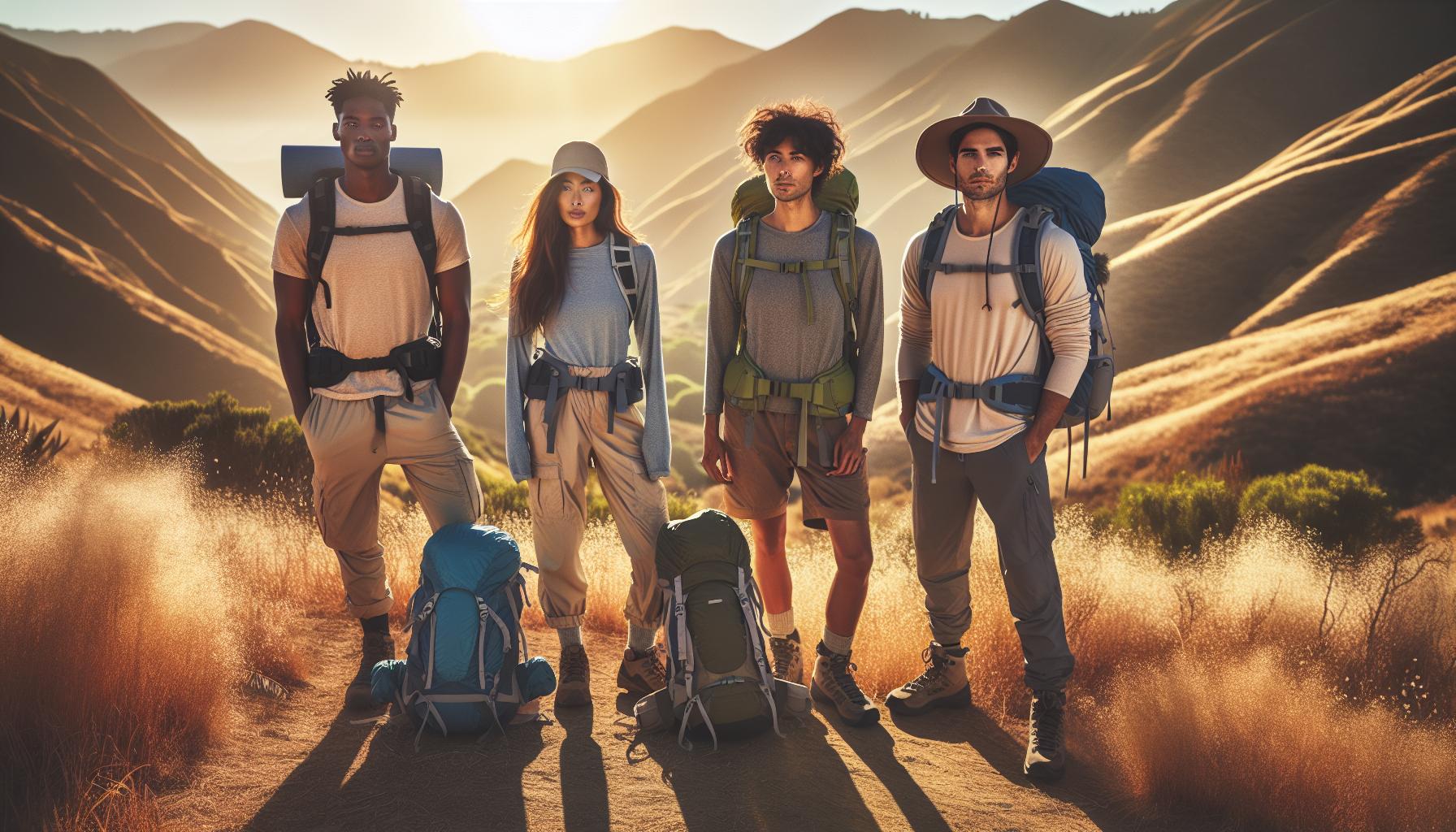
Safety Tools Every Backpacker Should Carry
Every backpacker knows that safety should be a top priority when hitting the trails. Carrying the right safety tools not only enhances your sense of security but can also prove essential in emergencies. As you prepare for your next adventure, consider packing the following essential tools that will keep you safe, informed, and ready for unexpected situations.
One invaluable tool is a multi-tool, such as a Swiss Army knife or a tactical karambit. These compact devices often combine functions like a knife, screwdriver, and can-opener, allowing you to address a wide range of situations-from repairing gear to preparing food. Look for models that are lightweight and have sturdy construction for durability in the outdoors.
Another critical item is a first aid kit. A well-stocked kit should include adhesive bandages, antiseptic wipes, gauze, and any personal medications you might need. It’s advisable to familiarize yourself with basic first aid procedures to maximize the utility of the items in your kit. Additionally, having tools like emergency whistles and reflective emergency blankets can be lifesavers if you become lost or injured.
Navigation Tools
In today’s tech-driven world, traditional navigation tools remain vital. While a smartphone loaded with a mapping app is useful, a compass and a physical map of the area can ensure you’re not left stranded if your device fails due to battery life or signal loss. Knowing how to read a map and use a compass is an essential skill for any backpacker.
Fire Starting Gear
A reliable fire starter is also crucial for warmth, cooking, and signaling for help. Consider carrying waterproof matches, a lighter, or a fire starter kit that includes tinder, allowing you to create a fire under various conditions. Fire not only provides warmth but can also elevate your morale during an unexpected overnight stay outdoors.
Personal Safety Devices
In recent years, personal safety devices like satellite communicators and personal locator beacons (PLBs) have become more accessible. These tools can send distress signals and provide your location to rescue teams, giving you peace of mind during your adventures. Additionally, a headlamp with extra batteries is not just necessary for visibility at night, but it can also assist in performing tasks or signaling in emergencies.
By equipping yourself with these fundamental safety tools, you are not just enhancing your backpacking experience, but also ensuring that you can face whatever challenges nature throws your way. As with any preparedness measures, practice using your safety tools regularly to familiarize yourself with their operation and ensure you’re ready when the time comes. Taking these precautions allows you to explore the great outdoors with confidence and security.
Eco-Friendly Gear Choices for Responsible Travelers
Choosing eco-friendly gear is essential for responsible travelers who want to minimize their impact on the environment while maximizing their outdoor experiences. With increasing awareness of environmental issues, more outdoor enthusiasts are seeking products that not only perform well but also contribute positively to nature. From sustainable materials to environmentally conscious brands, the options are vast, allowing you to backpack with both purpose and conscience.
One of the first steps in selecting eco-friendly gear is to look for products made from sustainable materials. For instance, backpacks constructed with recycled plastics or organic cotton are excellent choices. Brands such as Patagonia and Montbell are committed to using recycled materials in their products, reducing waste and promoting a circular economy. Additionally, opting for gear made from biodegradable materials, like natural fibers, ensures that your gear can break down more easily once it reaches the end of its life cycle.
When it comes to clothing, consider investing in items treated with non-toxic, environmentally friendly finishes, such as those using DWR (durable water repellent) technology derived from natural sources. Brands like Icebreaker and REI Co-op offer clothing made from merino wool and other natural fibers that have a lower environmental impact compared to synthetic alternatives. Furthermore, purchasing secondhand gear or participating in gear swaps can significantly reduce your carbon footprint, promoting a culture of reuse rather than new purchases.
Water and Cooking Gear
For essentials like water filtration systems and cooking gear, look for options that prioritize sustainability. Portable water filters, such as those from LifeStraw or Sawyer, help in reducing single-use plastic consumption by allowing you to refill your water supply from natural sources safely. For cooking, lightweight stoves designed to run on renewable resources, like wood-burning stoves from BioLite, are a more eco-friendly choice compared to those using fuel canisters.
As technology advances, innovative solutions like solar-powered chargers are becoming more available, allowing backpackers to harness renewable energy to keep devices charged on the go. Selecting multifunctional gear not only reduces the amount you carry but also emphasizes sustainability by minimizing material use.
By making conscious decisions when selecting your backpacking gear, you can enjoy nature while helping protect it. Adopting eco-friendly tools and practices not only enhances your experience but also sets an example for others, promoting a community of responsible adventurers committed to preserving the great outdoors.
Innovative Gadgets to Enhance Your Backpacking Experience
In the realm of backpacking, where innovation meets adventure, leveraging the latest gadgets can significantly enhance your outdoor experience, making each journey both easier and more enjoyable. From advanced navigation tools to multi-functional devices, the right technology can transform how you interact with the wilderness. Imagine having a compact solar charger powering your devices or a lightweight GPS unit guiding you through unmarked trails-these are just a few examples of how modern gadgets can elevate your backpacking outings.
Essential Innovative Gadgets
When it comes to packing gear that is a cut above the rest, consider these must-have gadgets for your next hike:
- Solar-Powered Charger: Solar chargers are excellent for keeping your electronics powered while on the go. Lightweight and portable, brands like Anker or Goal Zero offer models that can charge multiple devices from a sunny spot in the wilderness.
- Smart Water Bottles: Hydration is key, and smart water bottles can help you track water intake. Products like the Hidrate Spark sync with your smartphone to remind you when it’s time to drink, ensuring you stay properly hydrated on your adventures.
- Compact Cooking Systems: Portable cooking systems, such as the Jetboil MiniMo, allow you to boil water and cook meals with minimal fuss. These setups are perfect for those who appreciate a hot meal on the trail without the bulk of traditional cookware.
- Multi-Tool Gadgets: Tools like the Leatherman Signal not only serve as a traditional multi-tool but come equipped with essential features such as a fire starter and a whistle, making them invaluable for emergencies.
- Portable Water Filters: Devices such as the Sawyer Squeeze filter provide a lightweight and efficient way to make water safe from natural sources, which drastically cuts down the need for packing heavy water supplies.
Smart Technology Integration
With increasing advancements in smart technology, gadgets that connect and communicate can make your trail experience seamless. GPS devices, like the Garmin inReach Mini, provide not just navigation assistance but also satellite communication to stay in touch with loved ones in remote locations. This adds a layer of safety during your travels, especially in areas without cellular coverage.
Moreover, consider integrating apps into your backpacking toolkit. Apps like Gaia GPS or AllTrails can provide valuable trail information, maps, and reviews, allowing backpackers to plan and navigate effectively. They can even function offline, a handy feature for those expecting to disconnect during their trip.
By embracing these innovative gadgets, you’re not only enhancing your own experience but also outfitting yourself with tools that promote safety, convenience, and sustainability in the great outdoors. As you prepare for your next backpacking adventure, think about which of these advancements will complement your journey and help you create unforgettable memories in nature.
How to Maintain Your Backpacking Gear for Longevity
Maintaining your backpacking gear is vital for ensuring its longevity and performance, allowing you to enjoy the great outdoors without interruption. Proper care not only extends the life of your equipment but also ensures your safety and comfort on the trail. With regular maintenance and a few simple practices, you can keep your gear in excellent condition, ready for adventure whenever you are.
One essential tip is to clean your gear after every trip, especially if you’ve been out in wet or muddy conditions. For tents and tarps, air them out and brush off dirt before storing them dry. Use a mild soap to clean any stubborn stains, but avoid harsh detergents that can damage waterproof coatings. For sleeping bags, follow the manufacturer’s instructions for washing. Regularly fluff them up and store them in a breathable bag to maintain loft and insulation.
For cooking equipment like stoves and cookware, inspect for residue build-up that can affect performance. Wipe down surfaces with a damp cloth, and avoid submerging any sensitive electronics or gas components in water. Carry fuel canisters with care, and check for any leaks or damage before each trip to ensure safe cooking conditions.
Keep your knives and multi-tools in peak condition by regularly oiling hinges and checking for rust or wear. A good habit is to wipe down blades after use to prevent moisture accumulation. Backpack straps and belts should be checked for fraying, and buckles or clips should be cleaned to ensure a secure fit during use.
Finally, use proper storage techniques during off-seasons. Store your gear in a cool, dry place, and avoid long-term compression of backpacks and sleeping bags to prevent damage to their materials and shape. By adopting these practices, you’ll enhance your backpacking experience, ensuring that each piece of gear performs well when you need it most. Proper maintenance translates to peace of mind, letting you focus on the beauty of nature instead of gear failures.
Q&A
Q: What are the essential items for backpacking in 2024?
A: Essential items for backpacking in 2024 include a durable tent, lightweight sleeping bag, portable cooking equipment, hydration system, food supplies, first aid kit, and weather-appropriate clothing. Make sure to choose gear that balances weight and durability for an enjoyable experience.
Q: How do I choose the right backpack for my trip?
A: Choose a backpack based on your trip’s length and the weight you need to carry. Look for adjustable straps, adequate capacity (30-50 liters for overnight trips), and features like pockets for organization. Familiarize yourself with fit and comfort to enhance your hiking experience.
Q: What are some budget-friendly backpacking gear options?
A: Budget-friendly backpacking gear options include used or last-season tents, budget sleeping bags, and affordable cookware. Brands like REI Co-op and Decathlon offer great value without sacrificing quality. Check reviews and ratings to ensure reliability even when shopping on a budget.
Q: How should I pack my backpack for a multi-day hike?
A: Pack your backpack for a multi-day hike by placing heavy items at the bottom for stability, keeping frequently used items near the top or in side pockets, and ensuring even weight distribution. Roll clothing to save space and use packing cubes for organization.
Q: What should I consider for seasonal backpacking gear?
A: When preparing for seasonal backpacking, consider weather patterns, temperature fluctuations, and terrain. For winter, prioritize insulated gear and snow equipment; in summer, focus on lightweight and breathable fabrics. Always check the forecast and adjust equipment accordingly.
Q: Are there any innovative gadgets to enhance my backpacking experience?
A: Innovative gadgets for backpacking include portable solar chargers, compact water filters, and multi-tool gadgets. Look for gear that can serve multiple purposes to save space. Check the “Innovative Gadgets” section in the article for specific recommendations.
Q: How can I maintain my backpacking gear for longevity?
A: Maintain backpacking gear by cleaning it after each trip, inspecting for damages, and storing it in a cool, dry place. For tents, ensure they are dry before packing, and for sleeping bags, use a storage sack. Regular maintenance will extend the life of your equipment.
Q: What safety tools should every backpacker carry?
A: Essential safety tools for backpackers include a multi-tool, whistle, first aid kit, and a map or GPS device. Having a fire starter and headlamp is also crucial for emergencies. Always familiarize yourself with their usage before heading out.
Final Thoughts
Now that you’re equipped with the essential backpacking items for 2024, it’s time to take the first step toward your next adventure! Remember, having the right gear can significantly enhance your experience on the trails, so don’t delay-start preparing today. For more tips and detailed guides, be sure to check out our articles on choosing the best Swiss Army knives and pocket knives for outdoor use.
If you’re eager to stay updated with the latest backpacking gear and tips, sign up for our newsletter! Have any questions or need more advice? Feel free to drop a comment below; we love hearing from fellow adventurers. Your journey starts here-let’s make it unforgettable together!