When traveling, understanding your airline’s policies can make or break your experience, especially regarding baggage. If you’re considering Frontier Airlines, a common question arises: is a backpack classified as a personal item? With strict guidelines and fees associated with baggage, knowing the ins and outs of what qualifies as a personal item could save you money and hassle. In this article, we’ll explore Frontier’s specific rules, helping you navigate your travel with ease and confidence. Whether you’re a frequent flyer or planning your first trip, being informed about your packing options is essential for a smoother journey. Continue reading to uncover everything you need to know to travel smartly with Frontier Airlines.
Understanding Airline Definitions of Personal Items
Understanding what constitutes a personal item can often feel like navigating a labyrinth, especially when planning air travel. Airlines define a personal item as a smaller piece of luggage that can fit under the seat in front of you, allowing you to keep essential items within easy reach during your flight. Unlike a carry-on bag, which is typically larger and meant to be stored in the overhead bin, personal items are meant for bringing immediate necessities-think items like a purse, laptop bag, or, yes, a backpack.
When it comes to backpacks as personal items, the key is understanding each airline’s specific regulations. Some may allow a standard-sized backpack, while others might impose size limitations. For example, a backpack that fits comfortably under the seat could be classified as a personal item. This classification is crucial for travelers looking to maximize cabin space without incurring extra fees. Always check your specific airline’s website for exact dimensions and guidelines, as these can vary significantly from one carrier to another.
Additionally, keep in mind that a backpack may serve dual purposes. They aren’t just a means of carrying your belongings; they can also provide easy access to essentials like travel documents, snacks, and electronic devices. This versatility makes them an excellent choice for travelers aiming for convenience and efficiency. Packing strategically can enhance this advantage-prioritize items you’ll need during the flight to ensure a smoother experience.
In summary, understanding an airline’s definition of personal items, particularly pertaining to backpacks, is vital for seamless travel. Being informed ensures that you avoid unexpected fees and allows for a more enjoyable journey. Always remember to check the specific requirements of the airline you are flying with to make your travel experience as stress-free as possible.
Backpack vs. Personal Item: Key Differences
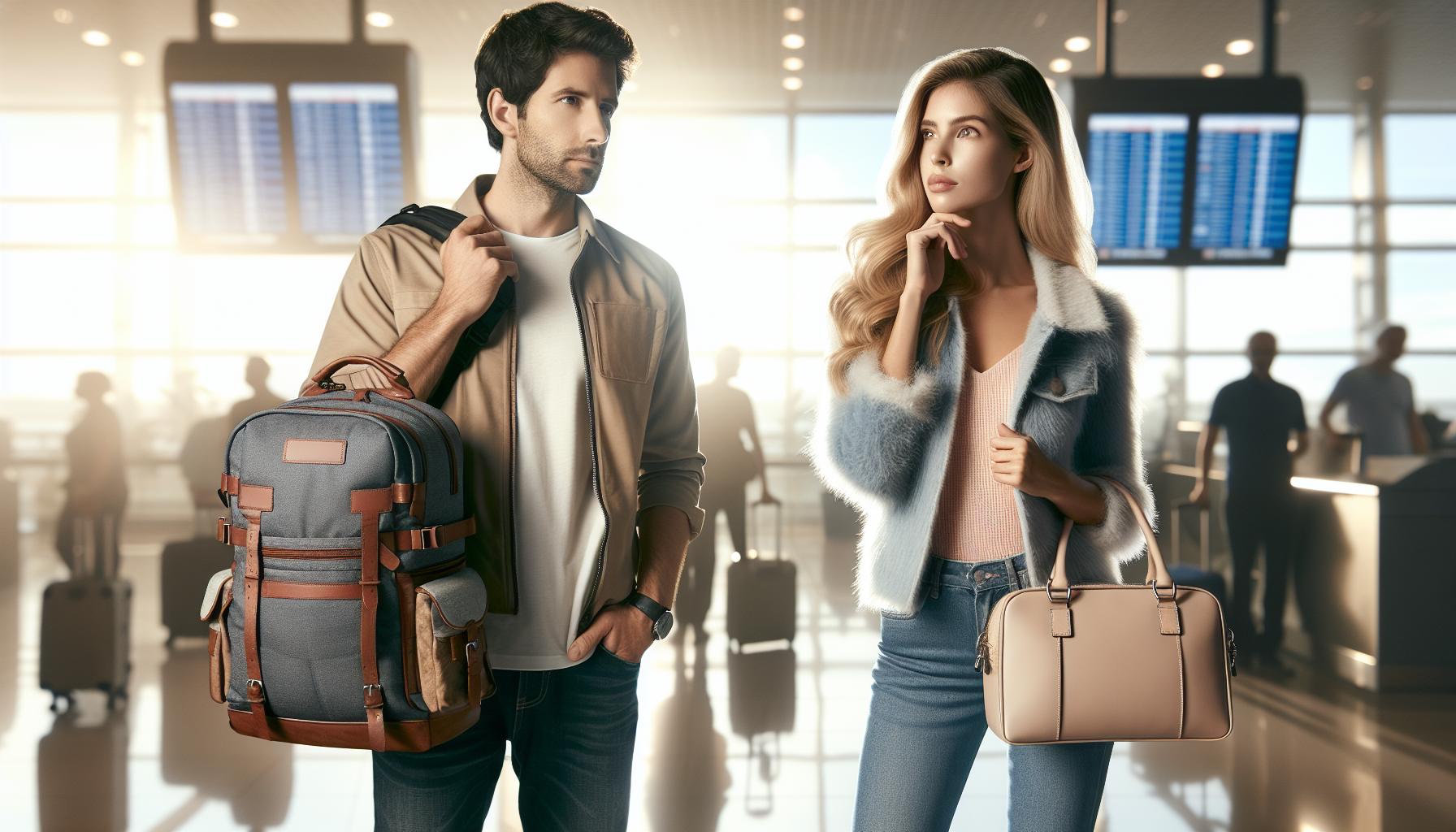
Understanding the distinction between a backpack and a personal item is crucial for travelers who wish to navigate airline policies efficiently. While many may think of any backpack as a personal item, the truth is much more nuanced. A personal item is defined as something that fits under the seat in front of you, which often includes a range of smaller bags-like purses or laptop cases-but whether a backpack qualifies depends on its size and dimensions.
Typically, backpacks are designed with varying capacities and can be either compact enough to serve as personal items or too large, thus categorizing them as carry-on luggage. For example, a small daypack or a standard school backpack might be within size limits, allowing it to slide under the seat. However, larger hiking backpacks or travel backpacks with extensive compartments usually exceed the standard dimensions set by airlines, pushing them into the carry-on category, leading to potential extra fees or complications at the gate.
When selecting a backpack for air travel, it’s essential to consider the airline’s specific policies. Most airlines outline the maximum dimensions allowed for personal items on their websites, which can differ significantly from one carrier to another. Therefore, carrying a backpack that meets these requirements not only helps avoid unexpected fees but also enhances convenience during the flight.
Moreover, the ability of a backpack to keep essential items readily accessible can make it a favored choice for many travelers. Strategically packing a backpack with travel necessities-such as passports, electronics, and snacks-ensures ease of access while also complying with airline regulations, providing a seamless travel experience.
Airline Regulations for Carry-On Luggage
Understanding airline regulations regarding carry-on luggage is essential for stress-free travel. Different airlines have unique policies that govern the size, weight, and number of carry-on bags you can bring aboard. Typically, you’ll find that most airlines allow at least one personal item and one carry-on bag, with the personal item intended to fit under the seat in front of you, while the carry-on goes in the overhead compartment. However, knowing the nuances can save you from potential headaches at the airport.
When it comes to carry-on luggage, dimensions matter significantly. Airlines such as Delta, American Airlines, and Southwest have specific size limits that typically range from 22 x 14 x 9 inches to 24 x 16 x 10 inches for carry-on bags. This doesn’t mean you can throw caution to the wind; exceeding these limits can result in hefty fees, especially on budget airlines. So, consult the airline’s website before packing to ensure your backpack or suitcase meets their requirements.
Finally, it’s worth noting that low-cost carriers like Spirit and Frontier often enforce stricter carry-on regulations. For instance, while they may allow a personal item for free, any additional luggage may incur additional charges, which can escalate based on the timing of your payment (checking online in advance is often cheaper than paying at the gate). Understanding these policies before you travel can help you choose the right gear and avoid unforeseen expenses, allowing for a smoother journey from the get-go.
Common Misconceptions About Personal Items

Many travelers mistakenly believe that any bag they carry can be classified as a personal item, but this is not always the case, particularly with budget airlines like Frontier. A personal item is typically defined as a smaller bag meant to fit under the seat in front of you, contrasting with a carry-on that is stored in the overhead bin. One of the most common misconceptions is that larger backpacks automatically qualify as personal items. However, airline policies, especially for low-cost carriers, often specify strict dimensions for personal items, usually around 18 x 14 x 8 inches. This variance can lead to confusion and potential fees if your backpack exceeds these limits.
Another misconception is that personal items can be packed as densely as a carry-on. Many travelers believe that as long as the backpack fits under the seat, it can be filled to the brim without consequence. However, airlines may enforce weight restrictions on personal items too. Overstuffing a bag can lead you to be asked at the gate to check it, often for a fee, especially if the boarding crew deems it larger than allowed. Therefore, it is crucial to understand that a personal item should not only fit within the size limits but also remain manageable in weight.
Additionally, some travelers assume that personal items can include additional necessities like jackets, blankets, or reading materials without affecting their allowance. However, items like these often count against your personal item limit, leading to confusion during check-in or boarding. Understanding what constitutes a personal item can help you make smarter packing decisions, ensuring you comply with the regulations.
Ultimately, to stay informed and avoid disappointments, always check the specific airline’s policies regarding personal items before traveling. Knowing the difference between a personal item and a carry-on, along with the associated restrictions, can simplify your travel experience and save you from incurring unexpected fees. By being proactive and knowledgeable, you can ensure your packing is well within the guidelines, allowing for a smoother journey from the start.
Packing Tips for Maximizing Backpack Space
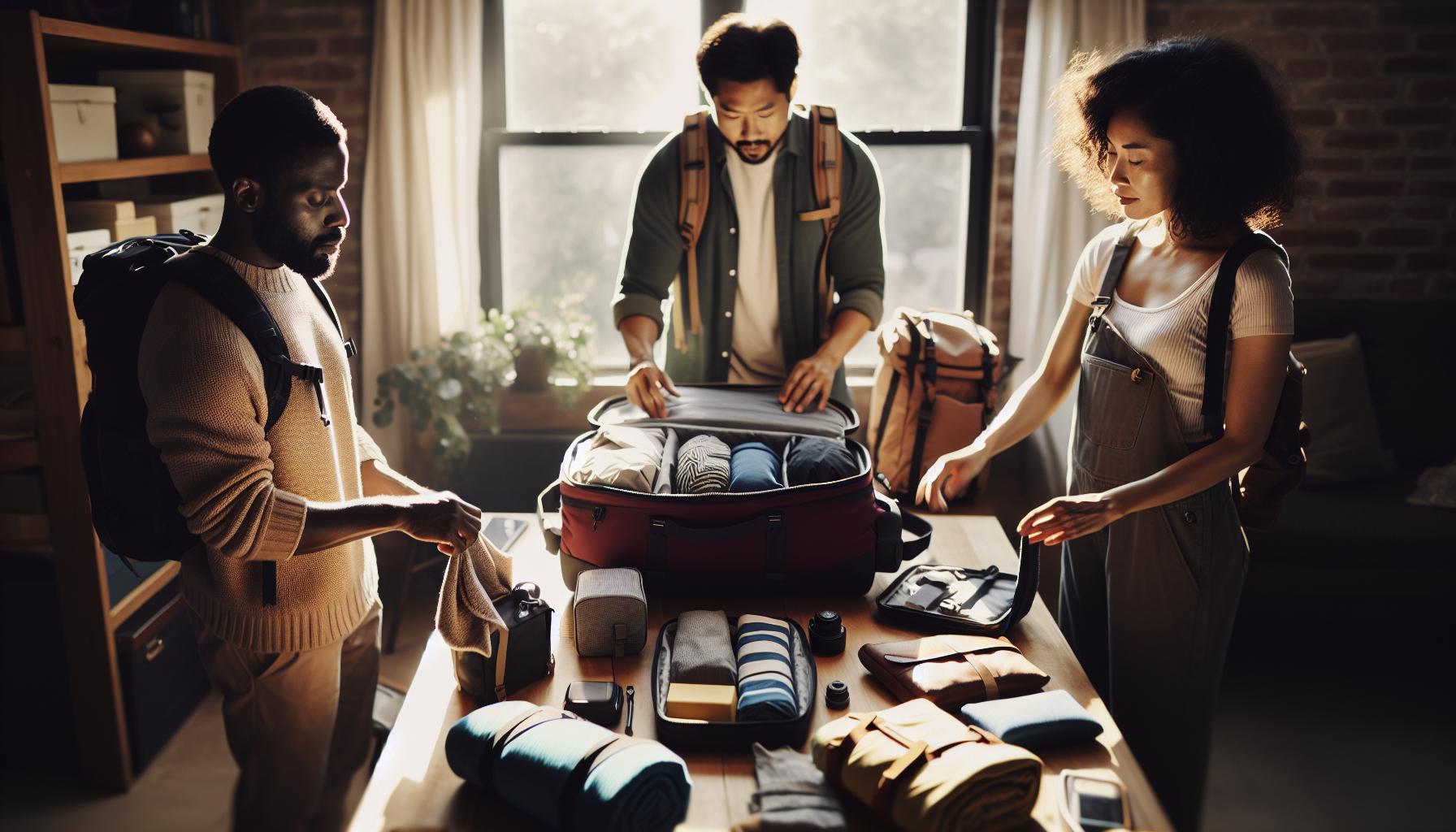
Traveling with a backpack as your personal item can be a game changer, especially when airlines impose strict carry-on rules. To maximize space and make the most of your backpack, start by selecting the right backpack that meets the airline’s dimensions-typically around 18 x 14 x 8 inches for personal items. This foundation gives you a good starting point to work with as you prepare for your journey.
To efficiently pack your backpack, consider the following tips:
- Use Packing Cubes: These handy organizers allow you to compartmentalize your items. By grouping similar items together, such as clothing or toiletries, you can save time when searching for specific items and utilize every inch of space.
- Roll Your Clothes: Rolling rather than folding can help minimize wrinkles and maximize space. It allows you to fit more into the same area and keeps your clothes neatly packed.
- Prioritize Heavy Items: Place heavier items, like shoes, at the bottom of your backpack for better weight distribution. This helps in making your pack easier to carry and ensures a more balanced load.
- Fill Every Pocket: Make good use of your backpack’s pockets-both inside and out. Store smaller items like chargers and snacks in outer pockets, while keeping essential items, such as travel documents, easily accessible.
Consider your itinerary and gear needs when choosing the right backpack. Opt for a lightweight design with adjustable straps; this will not only enhance comfort but also help with weight distribution, particularly over long travels. By balancing what you pack and how you arrange your items, you’ll find that traveling with a backpack can be both practical and efficient, fitting comfortably under the seat in front of you while navigating varied airline policies.
Restrictions on Size and Weight Limits
Airlines are known for their strict regulations regarding carry-on luggage, and understanding the for personal items is essential for hassle-free travel. Most airlines define personal items, like backpacks, as smaller bags that fit under the seat in front of you. However, the specific dimensions can vary, so it’s crucial to check your airline’s guidelines before packing. A common standard for personal items is approximately 18 x 14 x 8 inches, but some airlines may have different restrictions, so always refer to your airline’s official website for the exact measurements.
In addition to size, weight limits are also a concern. While many airlines do not impose strict weight restrictions for personal items, your backpack should still be manageable for you to carry. A good rule of thumb is to keep it under 15 pounds to ensure you can comfortably lift it into the overhead bin if necessary. Heavier items, like laptops or shoes, should be packed in a way that distributes weight evenly, which not only makes it easier to carry but also complies with airline expectations.
- Research Airline Policies: Prior to your trip, checking the official website of the airline you’re flying with for specific carry-on rules can save you time and frustration at the airport.
- Use a Measuring Tape: Ensure your backpack adheres to airline dimensions by measuring it. Don’t forget to account for protruding items that could cause it to exceed size restrictions.
- Practice Packing Light: Streamline your packing by only taking essentials, which not only makes your backpack lighter but can also help you avoid checked baggage fees.
Lastly, it’s worth noting that low-cost airlines often have stricter regulations than more traditional carriers. As part of their business model, these airlines may charge additional fees for items that exceed the personal item size or weight limits. Thus, carefully reviewing their specific rules and planning your packing strategy ahead of time can help prevent unexpected costs and ensure a smooth journey.
How to Choose the Right Backpack for Travel
Choosing the right backpack for travel can be the key to a more enjoyable and efficient journey, especially when navigating airline regulations regarding personal items. A well-designed travel backpack not only complies with size restrictions but also caters to your specific needs, whether you’re a casual traveler, an adventurer, or a frequent flyer. One essential rule of thumb is to consider the dimensions specified by the airline you’re flying with; backpacks that fit under the seat in front of you typically have a maximum size around 18 x 14 x 8 inches. However, it’s wise to check the airline’s website as these measurements can vary significantly.
When evaluating backpacks, prioritize both functionality and comfort. Look for adjustable straps and padded backs to ease the strain during longer carries. Multiple compartments can significantly enhance organization, allowing you to separate essentials like your laptop, travel documents, and personal items. Consider materials that are both lightweight and durable, ensuring your backpack can withstand the rigors of travel while remaining easy to carry. Waterproof options can also be valuable, particularly if you plan on traveling in varying weather conditions.
Key Features to Consider:
- Capacity: Assess how much space you realistically need. A 20-30 liter capacity is often sufficient for short trips, while larger capacities work better for extended journeys.
- Weight: Opt for lightweight packs to ensure you can maximize your packing without exceeding weight limits.
- Accessibility: Top-loading designs can be limiting, so consider a backpack with side or front access to easily reach your items.
- Security: Look for features like lockable zippers or hidden pockets to safeguard your valuables.
Finally, it’s useful to test how your chosen backpack feels when loaded. Fill it with items similar to what you’ll be carrying during your trip and take a brief walk. If it doesn’t feel comfortable or balanced, it may not be the right choice. By focusing on these factors, you can select a backpack that minimizes hassle while maximizing comfort, making it a true companion on your travels.
Strategies for Navigating Airline Policies
Navigating the complex landscape of airline policies regarding personal items, such as backpacks, requires both preparation and smart strategies. With every airline setting its own rules, becoming familiar with these regulations can make the difference between a smooth journey and a frustrating experience at the gate. For example, understanding definitions and dimensions for personal items can save you from unpleasant surprises when boarding.
First, always check the specific airline’s website for the most up-to-date policies on personal item dimensions and weight restrictions. Many major carriers allow a personal item-typically larger than a small handbag but smaller than a carry-on-that fits under the seat in front of you. Knowing these dimensions, which often hover around 18 x 14 x 8 inches, helps you select a properly sized backpack that meets these standards. Additionally, purchasing a backpack backpack with a compressed design can enhance your chances of fitting it under the seat, even when loaded.
Planning ahead means you should be aware of boarding times and how luggage may be managed. Airlines often board by zone, and understanding your zone can help you position yourself for a hassle-free boarding process. If you bring a smaller backpack as your personal item, consider placing any valuable items, like electronics or documents, in an accessible compartment to facilitate a quick entry at security checkpoints.
Lastly, don’t hesitate to reach out to the airline if you have specific questions or concerns regarding your personal item. Customer service representatives are typically well-informed about policies and can provide guidance or clarification tailored to your travel needs. Keeping a copy of the airline’s rules on hand, either in print or digitally, can serve as a helpful reference and may empower you to confidently address any issues that arise. By equipping yourself with the right knowledge and strategies, you’ll be well-prepared to navigate airline policies effectively, making your travel experience far more enjoyable.
Preparing for Different Airline Experiences
In today’s travel landscape, understanding airline policies has never been more crucial, especially when it comes to personal items like backpacks. Many low-cost airlines, including Frontier, have specific regulations that can significantly affect your journey. Often, personal items are defined as smaller bags that fit under the seat in front of you, which can vary by airline. Frontier’s guidelines specify that your backpack must adhere to their size limits-typically around 18 x 14 x 8 inches-to qualify as a personal item. Knowing these dimensions can help you select a suitable backpack that not only meets requirements but also makes your travel experience smoother.
Packing efficiently is crucial, especially since airlines sometimes impose tighter restrictions compared to traditional carriers. To maximize space in your backpack, consider utilizing packing cubes or compression bags to organize your belongings. This not only helps in fitting within size limits but also facilitates quick access to essentials during your travels. Additionally, it’s advisable to keep important items, such as medications or travel documents, in outer pockets for easy access during security checks. A well-organized backpack can save you precious time and reduce the likelihood of stress while navigating various airport security procedures.
When preparing for diverse airline experiences, think about flexibility and adaptability. Different airlines may have unique boarding procedures, such as zone-based boarding or priority loading. Familiarize yourself with these policies ahead of time and arrive early to secure your place in line, especially if traveling with a larger carry-on bag. If it’s a bustling tourist season, be prepared for longer lines and potential delays at security checks-patience is key. Somewhere in your setup, having a travel-friendly backpack that blends style with functionality can be an asset, making it easier to embark on new adventures without unnecessary hassle.
Always keep an eye on any changes in airline policies related to personal items. Following major news outlets or travel advisories can provide real-time updates that affect your travel plans. Sometimes, airlines will adjust their rules based on operational needs or safety protocols. A backpack that can transition from personal item to an outdoor daypack can be a versatile travel companion, giving you the freedom to explore without being weighed down by excessive baggage. With proper preparation and an adaptable mindset, you can navigate through various airline experiences confidently.
Tips for Traveling with Multiple Bags
Traveling with multiple bags can be a daunting task, especially when trying to navigate the restrictions set by airlines like Frontier. Understanding how to efficiently manage your carry-ons can not only ease your travel experience but also help you stay within the stringent guidelines of personal item dimensions. For instance, while Frontier allows a personal item like a small backpack to fit under the seat, it’s essential to consider the total number of bags you will have on hand.
To maximize convenience and minimize hassle, begin by planning what you will carry with you. Group items according to usage and accessibility. For instance, carry essentials-such as travel documents, snacks, and electronics-in your personal item, which should be a backpack that fits Frontier’s size requirements. Meanwhile, pack your larger carry-on with clothing and other items you might not need immediate access to. This organization allows you to streamline your boarding process.
Another practical tip for traveling with multiple bags is to invest in bags designed to nest or add extra functionality. Many backpacks and carry-ons come with features like external straps for attaching additional items or pockets designed specifically for quick access to your most important belongings. When one bag is designated as your personal item, ensure that it is easily reachable and stable enough to stay secure underneath the seat throughout your flight.
Lastly, familiarize yourself with the unique policies of your airline regarding multiple bags. For example, some airlines allow a personal item and a carry-on bag, while others might include strict weight regulations that apply to each individual item. Having all this information at your fingertips not only enhances your travel experience but ultimately provides you with peace of mind, allowing you to focus on enjoying your journey rather than worrying about your luggage.
Impact of Low-Cost Airlines on Carry-On Rules
Low-cost airlines have revolutionized the travel industry by offering budget-friendly options, but understanding their carry-on rules can be challenging. Many leisure travelers find themselves caught off-guard by the stringent regulations regarding personal items and carry-on luggage. For instance, while a standard suitcase might be allowed on traditional airlines, low-cost carriers often impose restrictions that define personal items narrowly and charge fees for additional baggage.
When traveling on airlines like Frontier or Spirit, it’s crucial to recognize that a personal item typically needs to fit under the seat in front of you, limiting its dimensions. This often necessitates a careful selection of bags, such as a compact backpack, which is deemed acceptable for personal use. Additionally, airlines may offer a competitive advantage by providing lower base fares but subsequently generating revenue through fees associated with larger carry-on bags. Thus, the overall cost of travel can spike if passengers are unaware of these added charges.
To navigate the nuances of low-cost airline policies, passengers should thoroughly research the specific guidelines for each airline. Significant differences may exist between carriers regarding size, weight limits, and what constitutes a personal item. For those traveling with multiple bags, packing strategically is essential. Keeping crucial items in the personal item and ensuring that it adheres to the airline’s size requirements can help avoid extra fees while allowing for a smoother boarding process.
In summary, while low-cost airlines make travel accessible, they come with a unique set of carry-on rules that require awareness and planning. Travelers can optimize their experience by choosing the right type of bag, understanding the fees associated with additional items, and meticulously adhering to size regulations to ensure a hassle-free trip.
Faq
Q: What defines a personal item on Frontier Airlines?
A: A personal item on Frontier Airlines is defined as any small bag that fits under the seat in front of you. The maximum dimensions are typically 18″ x 14″ x 8″. Common examples include backpacks, purses, and laptop bags. Check specific airline policies for updates.
Q: Can I use a backpack as a personal item on Frontier Airlines?
A: Yes, a backpack can be used as a personal item on Frontier Airlines, as long as it meets the size requirements. Ensure your backpack fits comfortably under the seat in front of you to avoid any additional fees or complications at the gate.
Q: Are there size restrictions for backpacks on Frontier?
A: Yes, the size restriction for personal items, including backpacks, on Frontier Airlines is 18″ x 14″ x 8″. If your backpack exceeds these dimensions, it may need to be checked, incurring extra costs. Refer to Frontier’s website for further details.
Q: How do I avoid extra fees for my backpack on Frontier Airlines?
A: To avoid extra fees, ensure your backpack fits the personal item dimensions of 18″ x 14″ x 8″. Consider packing efficiently and checking Frontier’s guidelines to confirm compliance before your flight.
Q: What is the difference between a carry-on and a personal item on Frontier?
A: A carry-on bag on Frontier Airlines must fit in the overhead bin and has a size limit of 24″ x 10″ x 16″. In contrast, a personal item, like a backpack, must fit under the seat. Understanding these distinctions can help you pack appropriately.
Q: Can I bring a laptop backpack as a personal item?
A: Yes, you can bring a laptop backpack as a personal item on Frontier Airlines, provided it meets the size requirements. Many travelers choose laptop backpacks for convenience, as they fit under the seat while providing easy access to electronics.
Q: Are weight limits enforced on personal items with Frontier Airlines?
A: Frontier Airlines does not enforce a strict weight limit on personal items; however, passengers must be able to lift and store their bags independently. Choose a lightweight backpack for ease and compliance with size restrictions.
Q: What should I do if my backpack exceeds the personal item size limit?
A: If your backpack exceeds Frontier’s personal item size limit, you may need to check it or upgrade to a carry-on. Consider packing a smaller bag or removing unnecessary items to comply with airline regulations and avoid fees.
To Conclude
Understanding airline rules regarding personal item allowances, such as backpacks, is crucial for a hassle-free travel experience. If you’re still uncertain about what qualifies as a personal item or how to optimize your packing, we have resources to help: check out our detailed guides on travel essentials and packing strategies.
Act now to ensure your next journey is smooth! Subscribe to our newsletter for the latest updates on travel tips, or explore our articles on Swiss Army knives and everyday carry gear to enhance your trips further. Don’t let confusion hold you back-equip yourself with the knowledge and tools you need for stress-free travel.
Share your experiences or questions in the comments below; we love hearing from fellow travelers! Your next adventure awaits, and we’re here to support you every step of the way.