Traveling can be a balancing act between convenience and adherence to airline policies, especially when it comes to what you can bring onboard. Understanding Delta’s rules regarding personal items, particularly backpacks, is crucial for avoiding last-minute hassles at the airport. In this article, we will decode whether a backpack qualifies as a personal item on Delta flights, examining size limits and what you need to know for a smooth boarding experience. By getting these details right, you can pack smartly, focus on your journey, and minimize stress. Join us as we explore everything you need to know about navigating Delta’s personal item policy, ensuring that your travel plans go off without a hitch.
Understanding Delta’s Personal Item Policy
Navigating airline policies can be confusing, especially when it comes to personal items. With Delta Air Lines, understanding what constitutes a personal item is crucial for travelers looking to maximize their carry-on capacity without incurring extra fees. A personal item is defined as an item that fits under the seat in front of you, and while many travelers opt for backpacks, not every backpack qualifies. According to Delta’s policy, personal items must adhere to certain size limitations and guidelines, which helps streamline boarding processes and ensure passenger comfort.
To help you pack efficiently, it’s essential to be aware of the specific dimensions Delta enforces for personal items, which typically measure 18 x 14 x 8 inches. Backpacks are often conducive to these measurements, but size alone isn’t the only factor; the way items are packed can also impact whether your backpack fits as a personal item. For example, compressing bulky items down can create more space, making it easier to stow your backpack under the seat.
When packing your backpack for a flight, consider using packing cubes or compression bags to organize your essentials, maximizing space and accessibility. Keep in mind that your personal item should not contain valuables or essential items that you might need during the flight, such as medications or travel documents, as these should be easily accessible.
Travelers should be aware of common misconceptions regarding Delta’s policy, such as the belief that any size of backpack can be considered a personal item. To avoid surprises at the gate, it’s wise to double-check the dimensions of your backpack and carefully review Delta’s official guidelines prior to travel. Ultimately, being informed and prepared can enhance your travel experience, ensuring that you pack effectively and stay within Delta’s policies.
What Counts as a Personal Item with Delta?
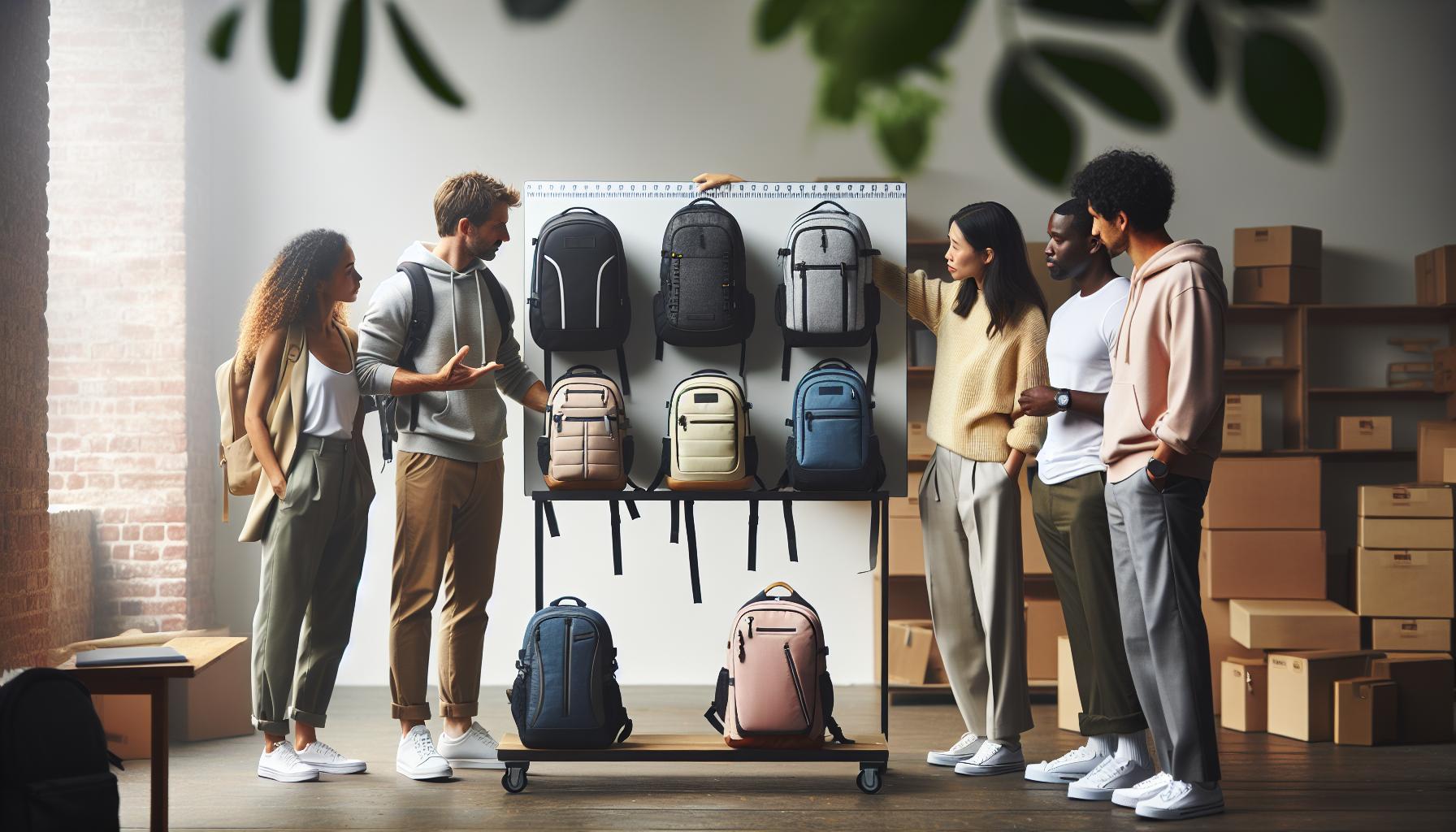
Traveling with a backpack is a common choice among passengers looking for convenience and freedom. However, when flying with Delta Air Lines, the question of what counts as a personal item becomes crucial for ensuring a smooth journey. A personal item, as defined by Delta, is designed to fit under the seat in front of you. This means that while a backpack can qualify as a personal item, it must meet specific size requirements and packing considerations to comply with Delta’s policies.
Delta’s personal item dimensions typically measure 18 x 14 x 8 inches. To maximize your chances of successfully stowing your backpack, consider both its external dimensions and its contents. For example, a bulky bag that exceeds the height limit due to rigid items or poor packing may not fit under the seat, thus disqualifying it as a personal item. When choosing a backpack, aim for one that is structured enough to maintain its shape while also being flexible enough to compress down when packed correctly.
Moreover, it’s essential to strategically organize your belongings within the backpack. Packing cubes and compression bags can aid in maximizing space and keeping your items easily accessible. Prioritize placing items you’ll need during the flight-like medications, travel documents, and electronic devices-at the top or in outer pockets of your backpack. This way, you won’t have to rummage through your pack during the flight, which can be not only inconvenient but can also draw unnecessary attention during security checks.
In summary, if you intend to use a backpack as your personal item on Delta flights, understanding size limitations and effective packing strategies will help you navigate the boarding process with ease. Just remember to measure your backpack before heading to the terminal and keep it organized to ensure compliance with Delta’s personal item policy.
Backpack Size Limits and Dimensions Explained
When it comes to air travel, mastering the intricacies of personal item policies can significantly enhance your travel experience. Delta Air Lines has specific dimensions that your backpack must adhere to in order to qualify as a personal item: 18 x 14 x 8 inches. This guideline is particularly crucial for travelers who prefer the convenience of having their belongings within reach rather than stowed in the overhead compartment. Understanding these size limits can help you avoid the hassle of unexpected baggage fees or the inconvenience of needing to check your bag at the gate.
To ensure your backpack meets Delta’s requirements, measuring it accurately is essential. Keep in mind that a poorly packed or overly rigid backpack may exceed these dimensions even if its empty state does not. Consider the types of items you’ll be carrying. A backpack that is slightly larger but constructed with flexible materials can compress down, ensuring it fits under the seat while still providing ample space for your essentials. Utilizing packing aids like compression bags can help you maximize the internal space without sacrificing compliance with Delta’s size limits.
Further, be strategic in how you pack your backpack. Organizing your belongings effectively not only helps you fit everything you need but also enhances accessibility during the flight. Place frequently accessed items, such as a charging cable, snacks, or a book, in outer pockets or at the top of your bag. This organization minimizes the need to dig through the backpack during the flight, fostering a smoother travel experience and keeping you compliant with Delta’s requirements. By following these guidelines and incorporating thoughtful packing strategies, you can travel confidently with your backpack as a personal item aboard Delta flights.
Tips for Packing Your Backpack for Flights
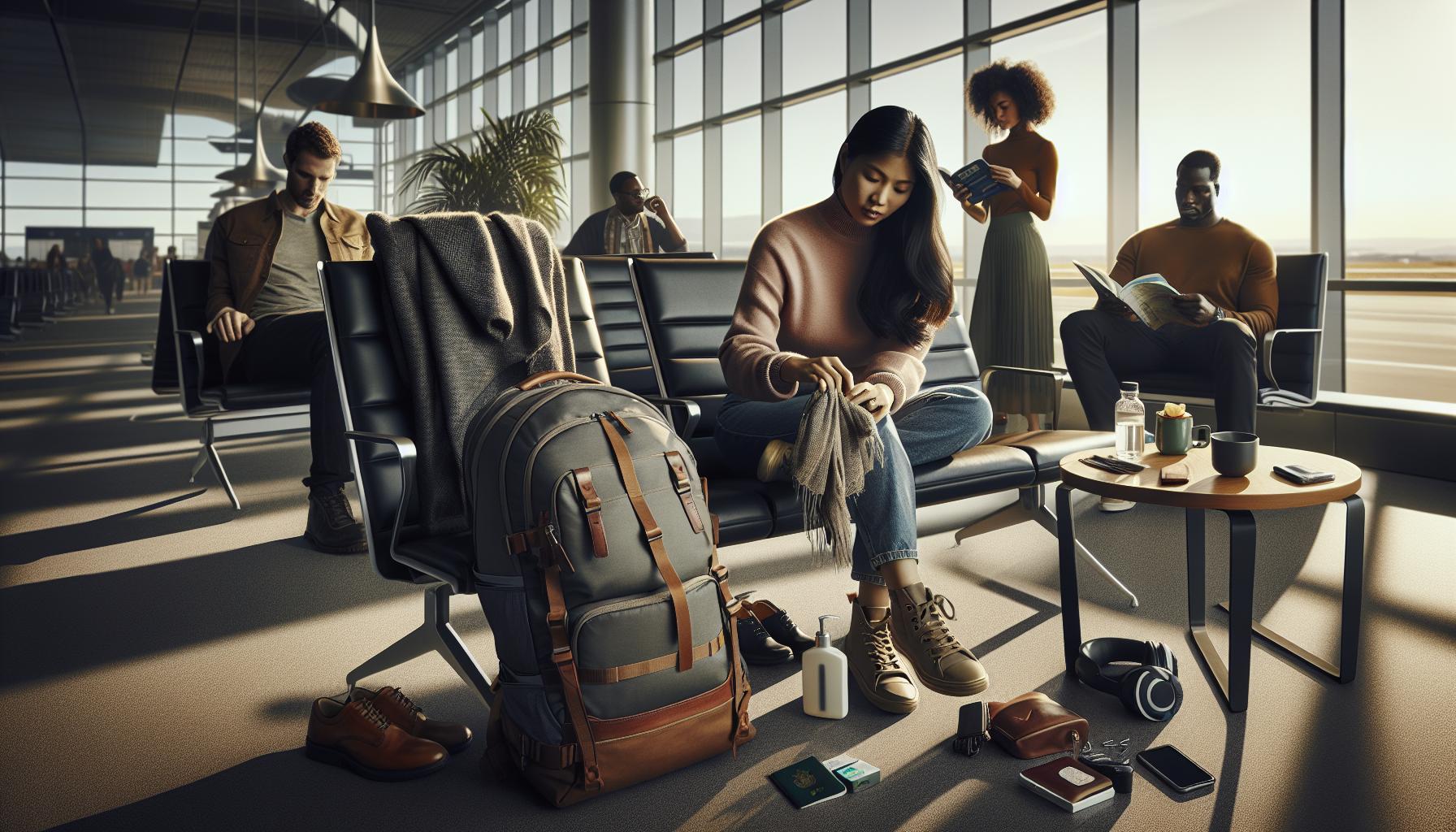
Packing a backpack efficiently can make all the difference when it comes to air travel. With Delta Air Lines’ personal item policy allowing for a backpack size of 18 x 14 x 8 inches, knowing how to pack wisely is essential. Beyond merely fitting your items into this space, effective packing ensures that you have quick access to essentials during your flight, enhancing your overall travel experience.
To begin, aim to organize your items by frequency of use. Keep immediate needs in the outer pockets-think snacks, travel documents, or headphones-so you can reach them without rummaging through the main compartment. Utilize small packing cubes to categorize items; for example, one cube can hold your electronics, while another can store toiletries. This technique not only maximizes space but also keeps your backpack tidy and helps facilitate airport security checks.
Another smart strategy involves using the “layering” technique. Place heavier items like books or a laptop at the bottom to create a solid base. Follow this with lighter, bulkier items that don’t need to remain rigid, like clothing or a travel jacket. This layering not only distributes weight evenly, which is important for comfort during travel but also ensures that the structure of your backpack does not exceed the specified dimensions when packed.
Additional Tips
- Be mindful of bag flexibility: Soft-sided backpacks can be manipulated to fit under the seat more easily than rigid backpacks, even if they are slightly larger.
- Utilize compression bags: These are especially useful for clothing as they reduce bulk and allow more room for other essentials.
- Consider your tech: If you’re bringing a laptop or camera, invest in protective sleeves that fit snugly within your bag. This not only safeguards your electronics but also helps maximize the use of space.
By implementing these packing strategies, you’ll not only comply with Delta’s dimensions but also ensure a smooth and organized travel experience. With careful consideration and a little creativity in your packing approach, your backpack can effectively function as your personal item, keeping essentials readily accessible when you need them most.
Best Backpack Choices for Delta Travelers
Selecting the right backpack can dramatically enhance your air travel experience, especially with Delta’s personal item policy in mind. A well-chosen backpack not only meets the 18 x 14 x 8 inches size requirement but also carries your essentials efficiently and comfortably. When looking for the perfect carry-on companion, consider options that prioritize organization, comfort, and durability to facilitate a seamless journey.
One standout choice is the Osprey Daylite Plus, celebrated for its versatile design and spacious compartments. This backpack features a large main compartment capable of accommodating books, clothing, and travel necessities while multiple pockets ensure that smaller items like passports or chargers are easily accessible. Another great option is the Patagonia Black Hole Mini MLC, which showcases a sleek, lightweight build and a clamshell opening for quick packing and unpacking. Its weather-resistant material also means your belongings are safe from unexpected splashes during travel.
For tech-savvy travelers, a laptop-friendly backpack like the Thule EnRoute Backpack provides dedicated compartments for electronics without sacrificing space for other items. Its padded section secures your laptop while offering additional storage for cables and documents. If you prefer something more minimalistic, the North Face Borealis combines style with functionality, featuring a laptop sleeve and ample pocket space, all within a durable and comfortable frame.
No matter which backpack you decide to carry, ensure your selection maintains a low profile while maximizing organization. Look for flexible and soft-sided materials that can easily conform to the space under the seat, minimizing hassle during boarding and disembarking. With the right choice, traveling with a backpack can not only meet Delta’s personal item requirements but also streamline your journey, keeping your essentials within easy reach and your travel stress-free.
Common Myths About Delta’s Personal Item Policy
Common misconceptions surrounding Delta’s personal item policy can often lead to confusion for travelers. One prevalent myth is that all backpacks, regardless of their size, are acceptable as personal items. In reality, Delta’s guidelines specify that a personal item must not exceed 18 x 14 x 8 inches. Travelers might assume that larger backpacks can also qualify, but sticking to these dimensions ensures compliance and avoids potential fees or the inconvenience of checking and retrieving oversized bags at the airport.
Another common misunderstanding involves categorizing personal items. Many people think that anything that fits under the seat in front of them is acceptable, but Delta clearly delineates that items like shopping bags, large purses, or expandable tote bags might not meet the personal item criteria if they exceed the size restrictions. To clarify, a properly sized backpack is an excellent choice, but it must also be packed intelligently-a bulging bag may not fit under the seat, risking additional scrutiny from gate agents.
Many travelers also believe that personal items are interchangeable with carry-on bags. This idea can lead to mishaps during boarding. While Delta allows one personal item and one larger carry-on bag, it’s crucial to remember that the personal item is specifically designed to be smaller and more portable, making it easier to stow away and access during the flight. A good rule of thumb is that if it looks like a full-sized bag, it’s probably too big to be classified as a personal item.
In navigating Delta’s policies, misinformation about packing techniques can also be an issue. Some passengers think they can carry on multiple small items and still classify them as one personal item, but each bag must independently comply with size regulations. Instead of trying to stack multiple small bags, travelers should choose a well-structured backpack that promotes organization without exceeding the limits. Opting for a single, appropriately-sized backpack not only conforms to Delta’s rules but also simplifies the travel experience by consolidating essentials into one manageable item.
How to Handle Oversized or Extra Items
When it comes to air travel, navigating the rules surrounding oversized or extra items can be a daunting task for many passengers. Understanding how to manage items that exceed the standard personal item limits set by Delta is essential to ensure a smooth boarding experience. If you find yourself with luggage that doesn’t conform to the guidelines, there are actionable strategies to consider.
First and foremost, when faced with oversized items, assess whether these items are absolutely necessary for your trip. Often, you can minimize the size of the items you bring by opting for more compact alternatives. For example, if you’re carrying a full-sized backpack and a larger bag, consider consolidating your belongings into just one versatile backpack that remains within Delta’s personal item dimensions of 18 x 14 x 8 inches. This approach not only helps you comply with the rules but also simplifies your travel experience.
If eliminating or downsizing items isn’t feasible, you may need to prepare to check in additional bags. Delta allows one personal item and one carry-on, but if your gear exceeds these allowances, you’ll likely have to pay for checked luggage. It’s wise to familiarize yourself with Delta’s baggage fees in advance; this information is readily available on their website. Additionally, consider using packing cubes or compression bags to optimize the capacity and organization of your larger bags to minimize potential costs.
For travelers carrying special items, such as sports equipment or larger electronic devices, it’s crucial to understand Delta’s policy on these matters. Checking whether these items can be classified under the carry-on exemption or if they require separate handling is vital. Always inform gate agents of any oversized items that you need to board with, as prior communication can save you time and stress at the airport.
Lastly, think strategically about your arrival at the airport. Being slightly ahead of your typical schedule can provide you ample opportunity to address any last-minute issues with your baggage. When in doubt, reach out to Delta’s customer service for clarification regarding any oversized or extra items; they can provide guidance that helps you avoid unnecessary fees or complications.
In summary, handling oversized or extra items requires forethought, strategic packing, and a good understanding of Delta’s policies. By planning accordingly and utilizing available resources, travelers can ensure a smoother journey without unexpected surprises.
Comparing Delta’s Policy to Other Airlines
Many travelers often wonder how Delta’s personal item policy stacks up against those of other airlines. Knowing these differences can help you plan your packing and avoid any last-minute surprises at the airport. Most major U.S. airlines have adopted a similar standard when it comes to personal items, typically allowing bags that fit under the seat in front of you. However, dimensions and limits can vary significantly.
Delta Airlines permits personal items with a maximum size of 18 x 14 x 8 inches. This is fairly standard compared to competitors like American Airlines and Southwest, which have similar measurements. However, airlines like JetBlue and Spirit have a bit more flexibility and may allow slightly larger dimensions or specific categories of bags. Understanding these differences is crucial-you may find that what counts as a personal item on Delta could be classified differently on another airline based on their definitions or exceptions.
When comparing Delta’s policies to low-cost carriers such as Spirit or Frontier, one notable aspect is the additional fees these airlines charge for carry-on bags. Delta includes one personal item and one carry-on for free, while budget airlines may charge extra for anything beyond a small personal item, or even have strict size limits that can lead to additional fees if you don’t comply. Therefore, if you’re considering switching airlines, be mindful of these potential costs and how they align with your needs.
For travelers with specific items-like camera gear or outdoor equipment-it’s also important to note that some airlines have unique rules regarding these items. Delta is known for being more accommodating in allowing personal items classified under exemptions, whereas others, particularly budget airlines, may not offer the same leniency. Being informed about these variations can help ensure a smoother journey.
Traveling with Special Items: Laptops, Cameras, and More
Traveling with valuable electronics like laptops and cameras can pose unique challenges, especially when it comes to understanding and adhering to Delta’s personal item policy. Notably, Delta allows you to bring a personal item free of charge, which can include a laptop, camera, or similar gear, as long as it fits within the size dimensions of 18 x 14 x 8 inches. This makes it essential to choose a backpack that not only meets these requirements but also provides adequate protection and organization for your gadgets.
When selecting a backpack for travel, consider designs that prioritize padded compartments specifically made to secure electronics. Look for features like adjustable dividers and dedicated pockets for accessories, ensuring that sensitive items are cushioned and easily accessible during security checks. An ideal option could be a backpack designed for tech enthusiasts that accommodates a laptop, camera, and other gadgets without compromising space for personal items like clothing or snacks.
It’s also wise to familiarize yourself with the airport security protocols concerning electronic devices. Laptops and large cameras typically need to be removed from your bag and placed in separate bins during the screening process. Therefore, having a backpack that allows for quick access to these items can save time and reduce stress as you navigate security. Additionally, using a bag with external pockets can offer a practical solution for storing essentials that need to be quickly accessed, such as ID or boarding passes.
In summary, choosing the right backpack to travel with special items not only safeguards your valuable electronics but also enhances your overall travel experience by aligning with Delta’s policies. By selecting a well-structured, size-compliant bag, you’ll stay organized and prepared, making your journey smoother from check-in to landing.
Recent Changes to Delta’s Personal Item Rules
Delta has made several significant updates to its personal item policy in recent years, reflecting evolving travel trends and customer needs. These changes are aimed at enhancing the travel experience while ensuring that airlines accommodate the increasing number of personal items travelers wish to bring aboard.
One of the most notable adjustments has been the clarification of size limits for personal items. Delta continues to allow a personal item free of charge, but it must comply with the strict dimensions of 18 x 14 x 8 inches. Ensuring your backpack adheres to these limits has never been more crucial, as compliance will help avoid additional fees and simplify boarding. As airlines place greater emphasis on security and space management, travelers may notice that gates are more closely monitoring the size of carry-on items, including backpacks.
Additionally, Delta has refined its approach to special items, like laptops and cameras, which are particularly vital for many travelers. Although these electronics can still be counted as personal items, travelers are encouraged to ensure easy access to such equipment during security screenings. This means that selecting a backpack with external access pockets or compartments specifically designed for tech gear can significantly reduce wait times at security. Increased awareness of these priority items by the cabin crew can lead to a smoother boarding process.
Lastly, it’s important to consider how traveling with additional personal items, such as clothing, snacks, or documents, fits within these rules. As more airlines, including Delta, encourage the use of digital boarding passes and mobile documents, having a well-organized and size-compliant backpack can help streamline your travel, making it easier to find essentials quickly. This focus on organization not only aids in personal efficiency but can also enhance the experience for others traveling with you.
In essence, keeping up-to-date with Delta’s personal item policy changes will empower travelers to optimize their packing strategies, thus facilitating a hassle-free journey.
Navigating Delta’s Customer Service for Policy Questions
When navigating Delta’s customer service for inquiries about personal item policies, having a game plan can make all the difference. Whether you’re confused about what constitutes a personal item, need clarification on size limits, or have questions about special gear like cameras and laptops, reaching out to customer service efficiently can lead to quick answers and peace of mind.
One effective way to engage with Delta’s customer service is through their official website or mobile app, where you can find a comprehensive list of FAQs. For specific inquiries, utilizing their live chat feature often yields faster responses than waiting on the phone. When speaking with customer service, be clear about your questions. For instance, if you’re inquiring whether your backpack fits the personal item policy, provide its dimensions right away. This straightforward approach helps representatives give you the most accurate information quickly.
Additional Tips:
- Keep your travel itinerary handy, as agents may ask for your flight number or destination.
- Consider reaching out through social media; Delta is quite responsive on platforms like Twitter.
- For recurring issues or detailed policy inquiries, documenting your conversations can help if further clarification is needed down the line.
Understanding that customer service representatives frequently receive similar questions can also work to your advantage. This commonality means they are well-equipped to guide you regarding personal items, ensuring you’re well-prepared for your journey. Remember, being informed not only assists you but can contribute to a smoother experience for those traveling alongside you.
Frequently Asked Questions
Q: Is a backpack considered a personal item on Delta flights?
A: Yes, Delta Airlines recognizes a backpack as a personal item as long as it meets their size requirements. Personal items must fit under the seat in front of you, allowing you to keep essential items easily accessible during your flight.
Q: What are the size limits for a personal item like a backpack on Delta?
A: Delta’s personal item size limit is 18 x 14 x 8 inches. Be sure to measure your backpack to ensure it complies with these dimensions to avoid any issues at the airport.
Q: Can I carry additional items in my backpack on a Delta flight?
A: Yes, you can pack several items in your backpack, but keep in mind that the total weight and dimensions must still adhere to Delta’s personal item policies. This typically includes personal electronics, books, or travel essentials.
Q: Are there fees associated with carrying a personal item like a backpack on Delta?
A: No, there are no fees for carrying a personal item as long as it conforms to Delta’s size guidelines. However, if your backpack exceeds the allowed size, you may incur additional charges.
Q: How does Delta’s personal item policy compare to other airlines?
A: Delta’s personal item policy is quite competitive, with dimensions similar to those of other major airlines. However, some airlines may have different allowances, so it’s wise to check each airline’s guidelines before your flight.
Q: Can I use a larger backpack if I pay for an upgraded seat on Delta?
A: Even if you purchase a higher fare class, Delta’s personal item restrictions still apply. Upgrading your seat does not increase the allowable size for personal items.
Q: What should I pack in my backpack to comply with Delta’s policy?
A: When packing your backpack for a Delta flight, prioritize essentials like travel documents, medications, and personal electronics. Ensure that all items fit within the backpack’s size limits to avoid complications at the gate.
Q: How can I check if my backpack complies with Delta’s personal item policy before flying?
A: You can check your backpack’s dimensions by using a measuring tape or a ruler. Additionally, many airports have sizing templates at check-in that you can use to verify compliance with Delta’s personal item regulations.
Key Takeaways
As we wrap up our exploration of Delta’s airline policy on personal items, remember that understanding their requirements can save you time and hassle at the airport. If you’re still uncertain about how to pack efficiently or have lingering questions about luggage and travel essentials, check out our detailed guides on selecting the right backpack and maximizing your carry-on space.
Don’t miss out on our expert tips for traveling smart-sign up for our newsletter for the latest insights and updates! Whether you’re preparing for a weekend getaway or planning a longer journey, being well-informed is key to a stress-free travel experience. Share your thoughts in the comments below or explore related articles that will keep you prepared for your adventures. Safe travels, and thank you for joining us today!