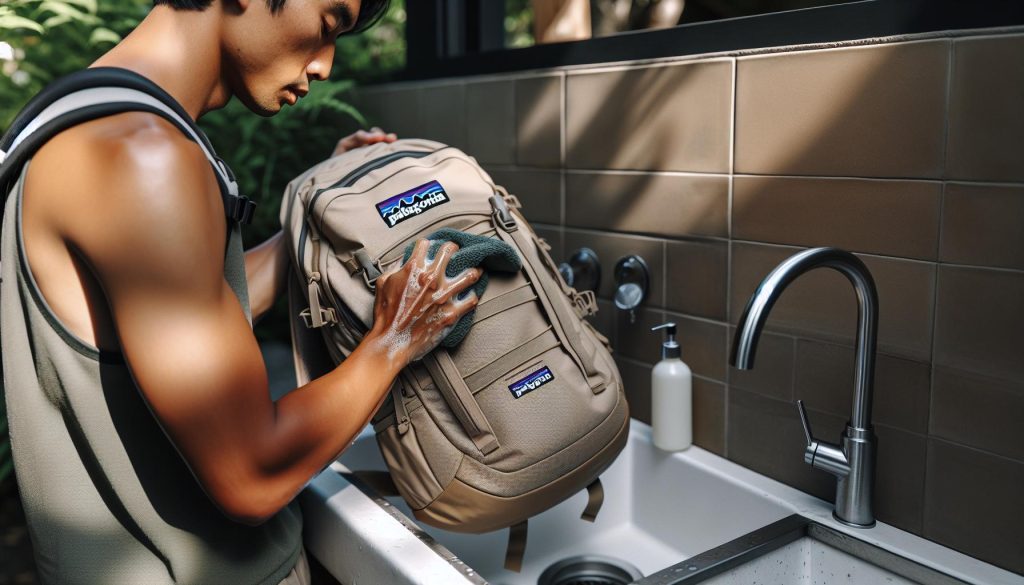
When it comes to outdoor adventures, a Patagonia backpack is more than just gear; it’s a trusted companion that withstands the elements and carries your essentials. However, keeping it clean and in top condition is crucial for maximizing its lifespan and performance. Proper washing not only enhances its durability but also ensures that you maintain the integrity of its materials and waterproof features. In this guide, we’ll explore brand-specific care tips that will help you effectively wash your Patagonia backpack, addressing common concerns and empowering you with the knowledge to care for your gear responsibly. So, let’s dive in and discover how to keep your trusty backpack ready for your next adventure!
Understanding the Materials Used in Patagonia Backpacks
To truly appreciate the care needed for your Patagonia backpack, it’s essential to understand the high-quality materials that go into their construction. Patagonia is renowned for using advanced synthetic fabrics and thoughtful designs that prioritize durability, comfort, and environmental responsibility. Most backpacks feature materials such as recycled nylon and polyester, which are not only resilient against the rigors of outdoor adventures but also contribute to reducing environmental impact.
These materials undergo rigorous testing to ensure they meet Patagonia’s performance standards. The brand often incorporates weather-resistant coatings that repel water while maintaining breathability, allowing you to tackle various weather conditions without compromise. For instance, their use of durable water repellent (DWR) finishes helps keep the contents of your backpack dry, proving especially useful during unexpected rain.
Moreover, Patagonia is committed to transparency in sourcing these materials. They use fabric technologies like 100% recycled materials, which reflect their dedication to sustainability. By being aware of the components that make your backpack protective and enduring, you’ll not only feel more empowered during outdoor activities but also appreciate the importance of proper maintenance and washing techniques to prolong the lifespan of your gear. Understanding these features lays the groundwork for effective care routines, ensuring your backpack continues to perform at its best.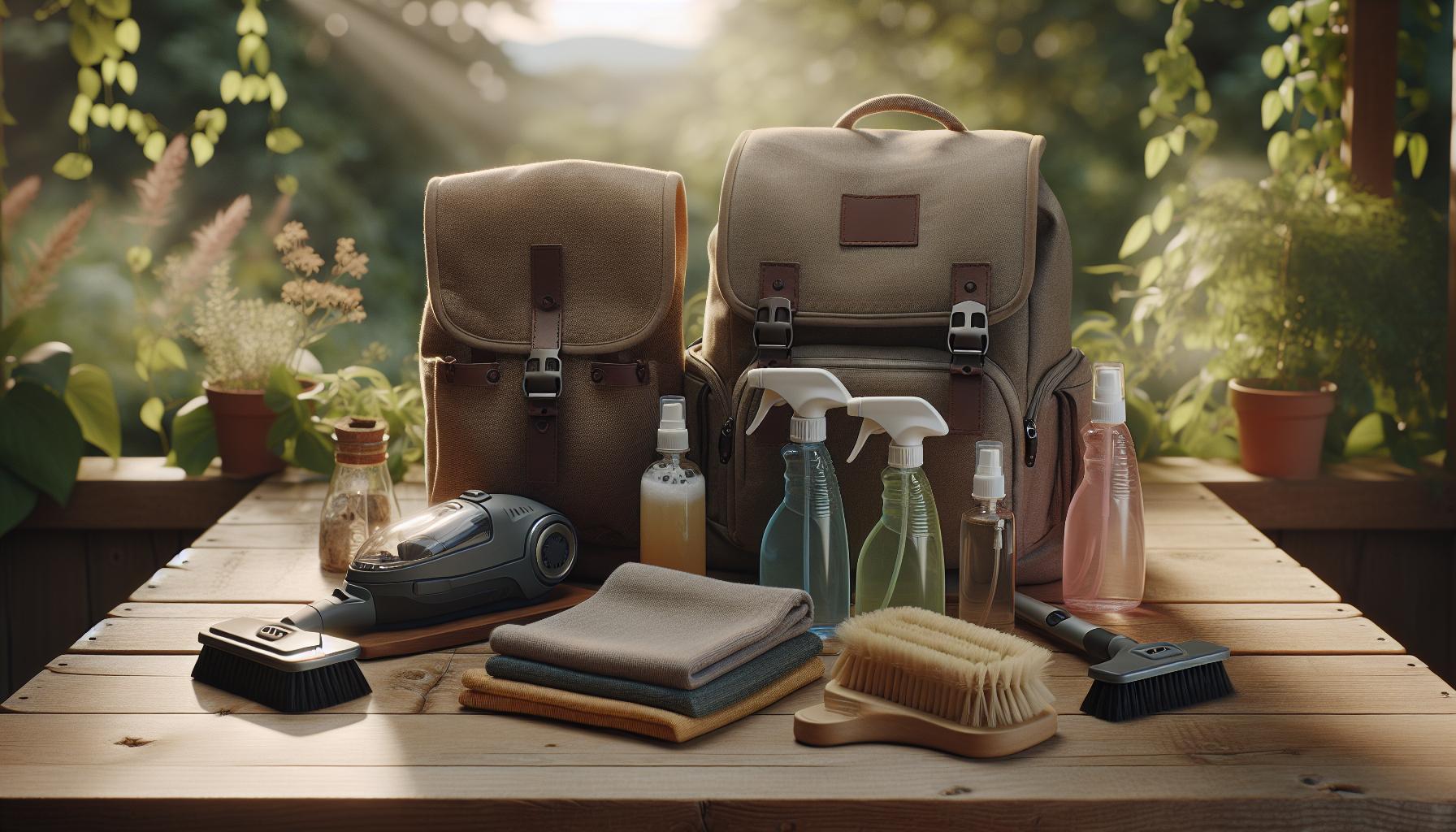
Essential Tools for Backpack Cleaning
To maintain the longevity and performance of your Patagonia backpack, using the right tools for cleaning is crucial. The challenge many enthusiasts face is not just knowing how to clean their gear, but understanding what tools will make the process easier and more effective. From brushes to cleaners, selecting the right equipment can elevate your cleaning routine and ensure your outdoor companion remains in top shape for every adventure.
Start your backpack cleaning toolkit with a soft-bristle brush. This tool is essential for removing dirt and debris from the exterior of your backpack without risking damage to the fabric. A gentle brush can effectively dislodge stuck particles, especially in crevices and seams that may collect grime over time. Pair this with a mild detergent designed for technical fabrics, as it helps to clean without compromising the durable water repellent (DWR) finish that Patagonia gear is known for. Avoid harsh chemicals or bleach, which can break down the materials.
Next, having a clean sponge or cloth on hand will be helpful for spot cleaning and wiping down areas that may require a more delicate touch. For interior cleaning, consider using a vacuum with a brush attachment to remove dirt and small particles that accumulate inside pockets and compartments. Lastly, a waterproof storage bag can provide a safe and organized space post-cleaning, allowing your backpack to dry without dust or other contaminants settling on it.
By equipping yourself with these essential tools, not only do you set yourself up for successful cleaning sessions, but you also reinforce the maintenance rituals that help protect your investment. Remember, a clean backpack is not just about aesthetics; it plays a significant role in its functionality and your overall outdoor experience.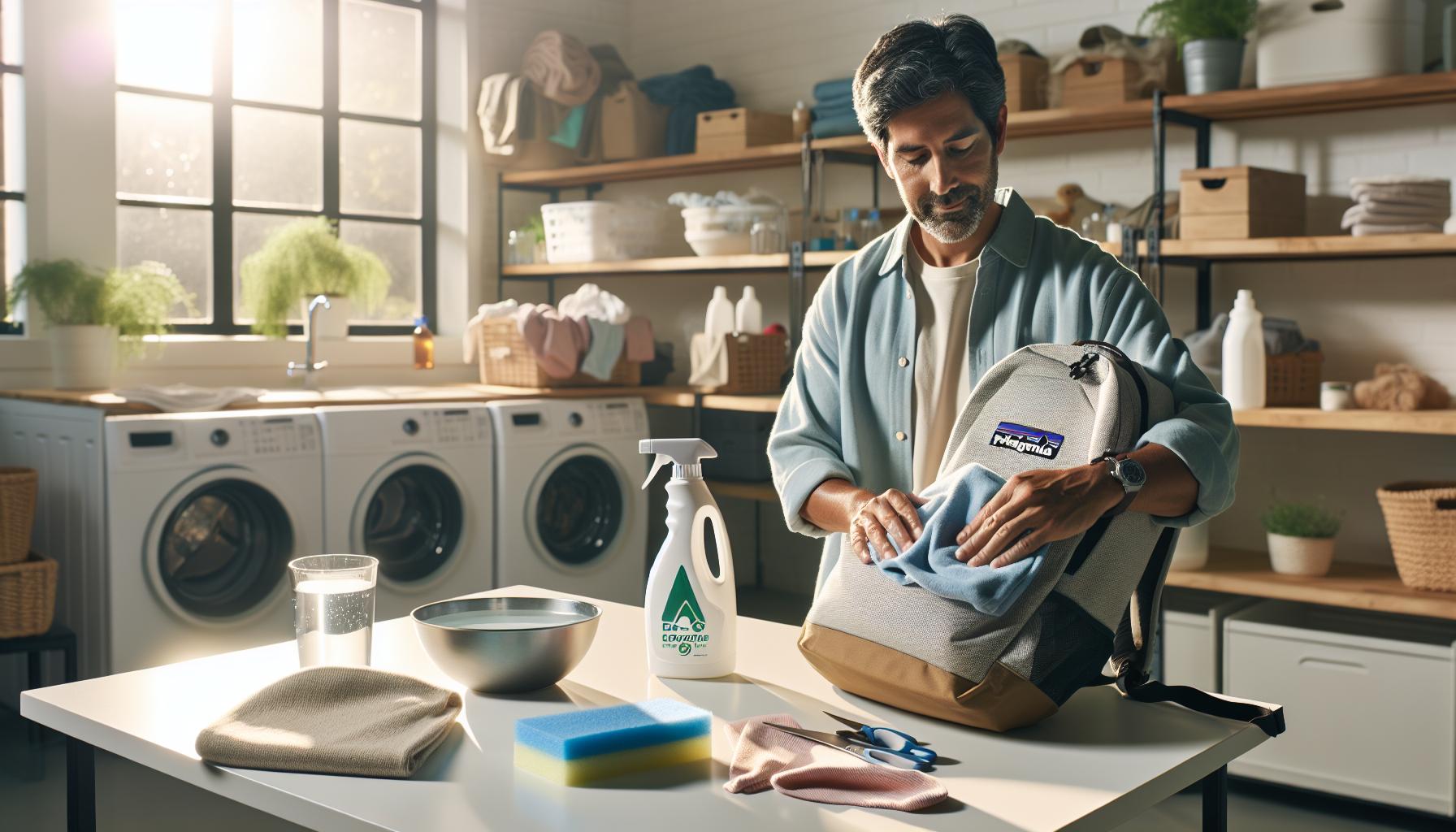
Step-by-Step Washing Instructions for Patagonia Backpacks
When it comes to maintaining the performance and appearance of your Patagonia backpack, knowing the right washing procedures can significantly extend its life while ensuring it remains functional for your outdoor adventures. Patagonia’s backpacks are crafted using advanced materials that require specific care to preserve their integrity. Here’s how to wash your Patagonia backpack step-by-step.
Start by emptying all the compartments of your backpack. Be thorough; check pockets for hidden items like snacks, loose change, or gear. Once you’re certain it’s empty, give the backpack a good shake outdoors to dislodge any dirt or debris. Next, create a mixture of warm water and a gentle, technical fabric cleaner. Avoid regular detergents or bleach, as these can degrade the fabric and its DWR (Durable Water Repellent) finish.
Using a soft-bristle brush or a sponge, gently scrub the exterior of the backpack. Pay extra attention to the seams and any areas that may have accumulated stubborn grime. For the interior, a damp sponge will suffice to wipe away dust and crumbs. Once you’ve cleaned the entire backpack, rinse it thoroughly with cool water to remove all soap residues. It’s essential to be thorough, as leftover soap can attract dirt after the cleaning process.
After rinsing, hang the backpack upside down in a well-ventilated area away from direct sunlight to dry. Avoid using a dryer or other direct heat sources; these can warp or damage the materials. By following these steps, you not only keep your backpack visually appealing but also ensure its longevity and effectiveness for your next outdoor adventure.
How to Spot Clean Stains Effectively
Spot cleaning your Patagonia backpack promptly can save you from permanent stains and maintain its performance. Accidental spills or marks from outdoor adventures are inevitable, but with the right approach, you can tackle these stains effectively. Having a plan can make all the difference, so read on for practical tips tailored specifically for your backpack care.
Begin by gathering your materials: a gentle technical fabric cleaner, a soft cloth or sponge, and a bowl of warm water. It’s crucial to use a cleaner that’s designed for technical fabrics to avoid damaging the Durable Water Repellent (DWR) finish that Patagonia backpacks often feature. For localized stains, apply a small amount of the cleaner directly to the fabric using your fingertip or a soft cloth. Being mindful of the type of stain will help determine your technique. For example, a mud stain can often be lifted by allowing it to dry fully before gently brushing off the crust with a dry cloth before applying cleaner.
Once you’ve applied the cleaner, allow it to sit for a few minutes to break down the stain. After this, dampen your cloth or sponge with warm water and gently scrub the affected area in small circular motions. After you see improvement, take a separate damp cloth with only water to wipe away any excess cleaner and debris. This ensures you’re not leaving residue that can attract more dirt. For tougher stains, consider using a soft-bristle toothbrush to get into seams or textured areas without being too aggressive on the fabric.
After you’ve treated the stain, allow the backpack to air dry in a well-ventilated area, avoiding direct sunlight to prevent fading or heat damage. Regular spot cleaning not only helps maintain the backpack’s appearance but also prolongs its lifespan, ensuring it remains a trusted companion on your outdoor adventures. By making spot cleaning a quick routine, you empower yourself to keep your gear in top shape, ready for your next exploration.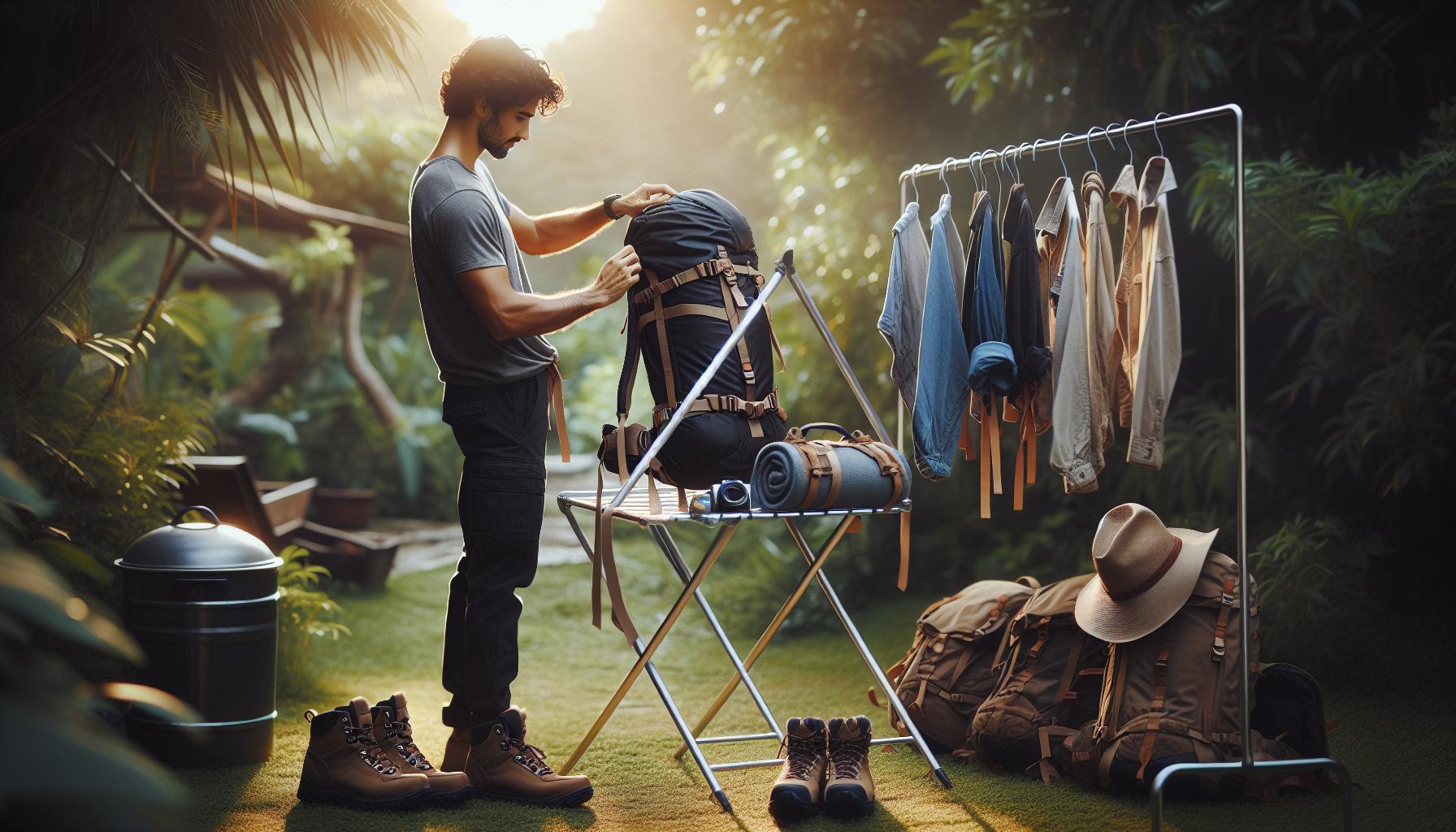
Drying and Maintaining Your Backpack’s Shape
After cleaning your Patagonia backpack, the way you dry and maintain its shape is crucial to ensure its longevity and performance. Proper drying techniques not only prevent damage from heat but also help retain the backpack’s form, allowing it to serve you well in your outdoor adventures.
When it’s time to dry your backpack, avoid using a dryer as the high heat can warp or damage the materials, especially the waterproof coatings. Instead, hang your backpack upside down in a well-ventilated area. This position allows any residual water to escape from the pockets and crevices, preventing mildew or mold growth. If your backpack has a frame or rigid structure, ensure it is fully dry to avoid bending or compromising its intended shape. For quicker drying, you can also open all compartments and pockets to facilitate airflow, speeding up the process.
Maintaining the shape of your backpack also involves periodic adjustments. After drying, gently reshape any areas that may have crumpled during washing. Keep in mind the internal compartments; if they’ve distorted, you can fill them with packing paper or towels to help them regain their form. Also, store your backpack in a cool, dry place when not in use-avoid areas with high heat or humidity, as these can lead to material degradation over time.
Implementing these drying and maintenance methods not only keeps your Patagonia backpack in optimal condition but also acknowledges the brand’s commitment to durability and sustainability. By taking the time to care for your gear, you not only extend its lifecycle but also enhance your outdoor experiences, knowing that your equipment is ready for whatever adventure awaits.
Best Practices for Storing Your Cleaned Backpack
Storing your Patagonia backpack properly after cleaning is crucial for prolonging its life and maintaining its performance. A well-stored backpack ensures that it remains in top condition, ready for your next journey into the great outdoors. First and foremost, ensure that your backpack is completely dry before storing it. Residual moisture can lead to mold and mildew, compromising both the materials and your health.
When it comes to the actual storage space, choose a cool, dry area that is free from direct sunlight and excessive humidity. Prolonged exposure to sunlight can fade colors and degrade materials, especially if your backpack features technical fabrics. Using a breathable storage bag can also protect it from dust and physical damage. Avoid cramming your backpack into tight spaces or stacking heavy items on top, as this can distort its shape and affect its structural integrity.
To further maintain its shape, consider using packing cubes or crumpled packing paper to fill out the compartments of your backpack. This helps prevent unsightly creases and ensures that zippers and straps don’t become twisted or stressed when not in use. Additionally, placing a silica gel sachet inside can help absorb any moisture, providing extra protection against dampness and mildew.
Lastly, make a habit of checking on your stored backpack periodically. This allows you to catch any potential issues early, such as signs of mildew or material degradation. By following these practices, you will ensure that your Patagonia backpack is not only clean but also ready for countless adventures ahead.
Preventive Care Tips for Patagonia Bags
Maintaining your Patagonia bag is not just about washing it; it’s about adopting preventive practices that can greatly extend its life and enhance its performance on your outdoor adventures. By being proactive, you can save yourself time and money in the long run, avoiding unnecessary repairs or replacements. With thoughtful care and appropriate handling, your backpack can serve you faithfully for years.
One effective preventive measure is regular inspection. Take time to check for any signs of wear and tear such as fraying straps, worn zippers, or weak seams. Addressing minor issues early can prevent them from escalating into major problems. Keep an eye out for dirt or moisture accumulation. If you notice any of these during your inspections, proceed with cleaning as soon as possible to avoid mold or permanent stains.
Another crucial preventive practice is to keep your gear organized and properly packed. Overstuffing your backpack can lead to stress on the seams and zippers. Instead, use packing cubes to distribute weight evenly and maintain shape. Additionally, consider the types of items you carry; avoid sharp objects that could puncture the fabric and opt for padded pouches if you need to carry electronics.
When not in use, store your backpack in a cool, dry place away from direct sunlight. Incorporate moisture-absorbing sachets or anti-mold pouches to inhibit growth. Furthermore, check your storage area periodically to ensure no unexpected pests or moisture have invaded.
Ultimately, preventive care is about fostering a routine that respects the integrity of your gear. By integrating these tips into your backpack management strategy, you elevate the longevity and functionality of your Patagonia bag, ensuring it’s ready for every adventure you take.
Addressing Common Issues: Repairs and Maintenance
Every adventurer understands that no gear lasts forever, but swift action can significantly prolong the life of your Patagonia backpack. From small tears to malfunctioning zippers, it’s essential to identify common issues and tackle repairs promptly to maintain your gear’s performance on the trails. Investing a little time in upkeep not only enhances your gear’s longevity but also protects your wallet from the cost of premature replacements.
One frequent concern is the wear and tear of straps and seams. A simple stitch can make all the difference. Keep a needle and strong thread handy to perform quick repairs on frayed straps or small seam separations. For a more durable fix, consider using fabric adhesive or a patch specifically designed for outdoor gear. Alternatively, Patagonia provides repair services and resources, which can be invaluable for those rare cases where damage is beyond a DIY fix. Utilizing these services ensures that the integrity of your backpack is upheld without compromising on quality.
Zippers may also experience issues, often due to dirt buildup or misalignment. Regularly cleaning your zippers with a toothbrush can help prevent jams. If your zipper is stuck or comes off the track, gently realign it or replace it if necessary. Replacement zippers can often be found online or, for more complicated fixes, visit a local tailor or outdoor repair shop.
Additionally, if you notice that the waterproof coating on your backpack has degraded, it’s a good idea to reapply a DWR (Durable Water Repellent) treatment. Over time, exposure to water and dirt can break down this coating, leading to moisture penetration. Follow up by washing your backpack properly to remove any contaminants that may hinder the re-treatment and restore its water-resistant properties.
Taking care of your Patagonia backpack involves being proactive about minor repairs and maintenance. Remember to regularly inspect your gear, handle cleaning with care, and address any issues as soon as they arise. By doing so, you ensure that your gear is always adventure-ready and capable of withstanding the elements-and perhaps even your most rugged escapades.
Eco-Friendly Washing Techniques for Outdoor Gear
When it comes to washing your outdoor gear, particularly Patagonia backpacks, using eco-friendly techniques not only preserves the integrity of the materials but also minimizes your environmental footprint. With the outdoor industry increasingly focused on sustainability, knowing how to properly care for your gear in a responsible manner has never been more critical.
One effective strategy for eco-friendly washing is to use cold water and eco-friendly detergents. Traditional laundry detergents often contain harsh chemicals that can harm the environment when washed away into waterways. Instead, opt for biodegradable detergents that are designed with outdoor enthusiasts in mind. Look for products that are free from phosphates, dyes, and synthetic scents. Cold water not only conserves energy compared to warm washing but is also gentler on the fabric, helping maintain your backpack’s durability and finish.
Washing Techniques
For the actual washing process, consider these eco-conscious tips:
- Gentle Cycle and Short Wash Settings: Use a washing machine with a gentle cycle and select short wash times to reduce water usage and lessen wear on your backpack.
- Wash Full Loads: Always wash full loads to maximize efficiency and conserve water.
- Air Dry: After washing, avoid the dryer. Instead, air dry your backpack in a well-ventilated area. This method is not only eco-friendly but helps maintain its shape and prevent any fabric shrinkage.
If you encounter stubborn stains, consider pre-treating them with a mixture of baking soda and water instead of relying on chemical stain removers. This natural solution can lift stains effectively without introducing harmful substances into the environment.
In addition to these washing techniques, there are preventive measures you can take to reduce the need for frequent cleanings. Regularly brushing off dirt and debris after each use will keep your backpack in good shape longer. Remember, maintaining your gear is about respecting both the products you rely on for adventure and the environment we all share. Taking these steps ensures that your Patagonia backpack remains in excellent condition while aligning with eco-friendly practices.
How to Extend the Life of Your Patagonia Backpack
To ensure your Patagonia backpack serves you well for years, integrating a few proactive maintenance practices can make a significant difference. Much like caring for your favorite outdoor gear, a little attentiveness goes a long way in preserving the quality and longevity of your backpack. Recognizing the investment you’ve made in your gear is the first step; your backpack is not just an accessory but a reliable companion for many adventures ahead.
Begin by routinely cleaning your backpack to prevent dirt and grime from building up. A simple post-adventure care routine-rinsing it with water and allowing it to dry properly-can ward off stains and odors. When you notice dirt, consider spot cleaning instead of waiting for a full wash. Use a soft brush or cloth dampened with a mild solution (like a mix of gentle soap and water); this approach is generally less abrasive and prolongs the life of the fabric and seams.
For travelers, be mindful of how you treat your backpack when navigating environments like airports or busy trails. Avoid tossing it around or placing it in areas where it could be crushed underweight, as structural integrity is vital. When storing your backpack, opt for a cool, dry place and avoid compressing it with heavy objects. You might even consider using packing cubes or smaller bags to organize contents within, thus minimizing the risk of wear on the internal fabric.
Lastly, take advantage of Patagonia’s commitment to sustainability and durability. They offer repair services for their products, which is a fantastic option for addressing any damage. Seeking professional repairs or learning some basic sew techniques can extend your backpack’s life significantly. With regular care, mindful usage, and a willingness to maintain, your Patagonia backpack can be a durable, dependable part of your outdoor gear collection for many adventures to come.
Backpack Care Myths: Debunking Common Misconceptions
While many outdoor enthusiasts cherish their Patagonia backpacks for their durability and functionality, a number of misconceptions surround their care and maintenance. Understanding these myths can enhance the longevity and performance of your gear, allowing you to enjoy your adventures without worry.
One prevalent myth is that cleaning a backpack will damage its waterproofing or treatment capabilities. In reality, washing a Patagonia backpack does not necessarily compromise its integrity, provided you follow the manufacturer’s guidelines. Patagonia’s materials are engineered to withstand cleaning, and washing can actually help refresh the surface treatments that repel water and dirt. Additionally, using a gentle detergent and avoiding fabric softeners will keep the fabric effective against the elements.
Another common belief is that you should always machine wash your backpack for a thorough clean. However, this isn’t always the best method. Many Patagonia backpacks contain specialized materials that can wear prematurely in a washing machine. Instead, it’s wise to opt for hand washing whenever possible. This approach not only allows for more controlled cleaning but also minimizes stress on the fabric and seams. To effectively clean your backpack without a machine, use lukewarm water and a soft brush, gently scrubbing the soiled areas and then rinsing thoroughly.
Lastly, some people assume that since Patagonia backpacks are made from high-quality materials, they require little to no care. While it’s true that they are built to last, neglecting regular maintenance can lead to premature wear and tear. Implementing a basic cleaning routine, promptly addressing stains, and storing the backpack properly can greatly extend its lifespan. Additionally, taking advantage of Patagonia’s repair services is a practical way to address damage that might occur over time, reinforcing the notion that even the best gear benefits from ongoing care.
By debunking these myths and understanding the realities of caring for your Patagonia backpack, you can ensure it remains a reliable companion on every adventure.
FAQs About Caring for Your Patagonia Backpack
When it comes to caring for your Patagonia backpack, many users find themselves grappling with questions about maintenance and longevity. Ensuring that your backpack serves you well on countless adventures involves understanding its care requirements. Here are some common inquiries that can guide you in effectively maintaining your gear.
One frequent question is whether it’s safe to machine wash a Patagonia backpack. While some users fear that this may damage the structure or waterproofing, the reality is more nuanced. If you must machine wash, use a front-loading washer on a gentle cycle, and ensure that all pockets are emptied. However, hand washing is always the safest option. Use lukewarm water and mild soap, taking care to scrub gently with a soft brush for the best results.
Another common concern is about drying methods. After washing, can you tumble dry your backpack? The answer is a resounding no. High heat can damage the fabrics and diminish their water-resistant qualities. Instead, hang your backpack in a well-ventilated area away from direct sunlight, allowing it to air dry naturally. This helps maintain the shape of the backpack while preserving its materials.
Lastly, many users want to know how often they should clean their backpack. The frequency largely depends on usage. If you frequently hike in muddy conditions or carry heavy gear, a routine cleaning after every few trips is advisable. For lighter use, a deep clean every few months is sufficient. Always remember that regular maintenance, such as wiping down dirty areas after each use, can significantly prolong the life of your backpack and keep it looking fresh for your next journey.
By addressing these FAQs, you can approach the care of your Patagonia backpack with confidence, ensuring it remains a dependable companion for all your outdoor pursuits.
Frequently asked questions
Q: How often should I wash my Patagonia backpack?
A: You should wash your Patagonia backpack about once a season or whenever it looks dirty. Frequent exposure to dirt, sweat, and moisture can cause wear, so regular cleaning helps maintain its integrity and appearance. For specific washing instructions, refer to the “Step-by-Step Washing Instructions for Patagonia Backpacks” section.
Q: Can I put my Patagonia backpack in the washing machine?
A: Yes, most Patagonia backpacks can be machine washed. Use a front-loading machine, cold water, and a mild detergent to prevent damage. Always check the care tag for specific guidelines. This can be found in the “Step-by-Step Washing Instructions for Patagonia Backpacks” section of the guide.
Q: What detergent is recommended for washing Patagonia backpacks?
A: Use a mild, eco-friendly detergent when washing your Patagonia backpack to avoid damaging the materials. Avoid fabric softeners, bleach, and harsh chemicals as they can break down the water-resistant coatings. For more details on care products, see the “Essential Tools for Backpack Cleaning” section.
Q: How should I dry my Patagonia backpack after washing?
A: Air drying is recommended for Patagonia backpacks. Lay the backpack flat in a well-ventilated area and avoid direct sunlight or heat sources, which can warp its shape. Refer to the “Drying and Maintaining Your Backpack’s Shape” section for more drying tips.
Q: What should I do if my Patagonia backpack has a strong odor?
A: To eliminate odors, spot clean with a mixture of water and a mild detergent and allow it to air dry completely. If odors persist, a full wash might be necessary. Check the “How to Spot Clean Stains Effectively” for specific cleaning methods.
Q: Are there any special considerations for washing insulated Patagonia backpacks?
A: Yes, when washing insulated backpacks, follow the manufacturer’s instructions and avoid submersion in water. Hand wash and rinse gently to maintain insulation integrity. Visit the “Understanding the Materials Used in Patagonia Backpacks” section for further information.
Q: Can I use fabric softener on my Patagonia backpack?
A: No, fabric softeners should not be used on Patagonia backpacks as they can deteriorate water-repellent finishes and affect the fabric’s breathability. For suitable care methods, refer to the “Eco-Friendly Washing Techniques for Outdoor Gear” section.
Q: How do I prevent mildew on my Patagonia backpack?
A: To prevent mildew, always ensure your backpack is dry before storage. If it gets wet, dry it immediately in a cool, dry place. For additional preventive measures, refer to the “Preventive Care Tips for Patagonia Bags” section of the guide.
To Conclude
Now that you’re equipped with the best practices for washing your Patagonia backpack, don’t let dirt and grime diminish your outdoor adventures. Implement these care tips today to ensure your gear remains in top shape for years to come. If you’re curious about more gear maintenance, check out our guides on Swiss Army knives, pocket knives, and outdoor gear essentials to keep all your favorite tools functioning like new.
Feel free to drop a comment below if you have any questions or want to share your own tips! Interested in staying updated with the latest gear advice? Subscribe to our newsletter for exclusive insights and product recommendations tailored just for you. Remember, a well-maintained backpack not only enhances your experience but also contributes to sustainable outdoor practices. Happy adventuring!