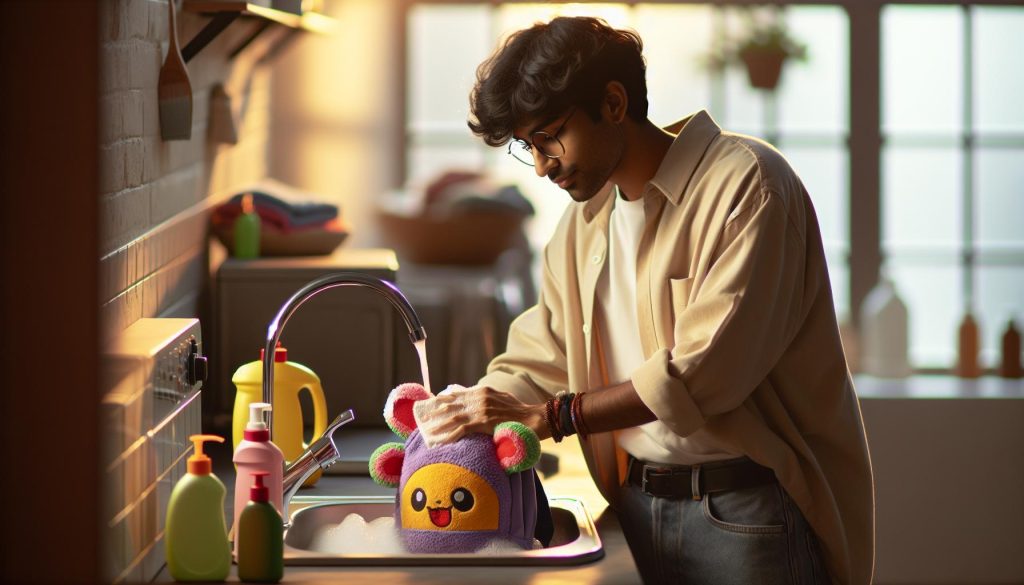
Did you know that plush toys can harbor dust mites and allergens just like any other fabric item in your home? If you have a beloved backpack plushie, keeping it clean is essential for both hygiene and longevity. Not only do these toys provide comfort and companionship, but they also accumulate dirt and grime over time, especially if they accompany your child on countless adventures. In this guide, we’ll explore gentle care instructions to wash your backpack plushies effectively. With the right approach, you can ensure your plush friends remain safe and cuddly while looking their best. Whether you’re a parent wanting to provide a fresh, clean toy for your little one, or a collector preserving a cherished item, these tips will help maintain the charm and softness of your plush toys. Let’s dive into the best practices for washing and caring for your backpack plushies!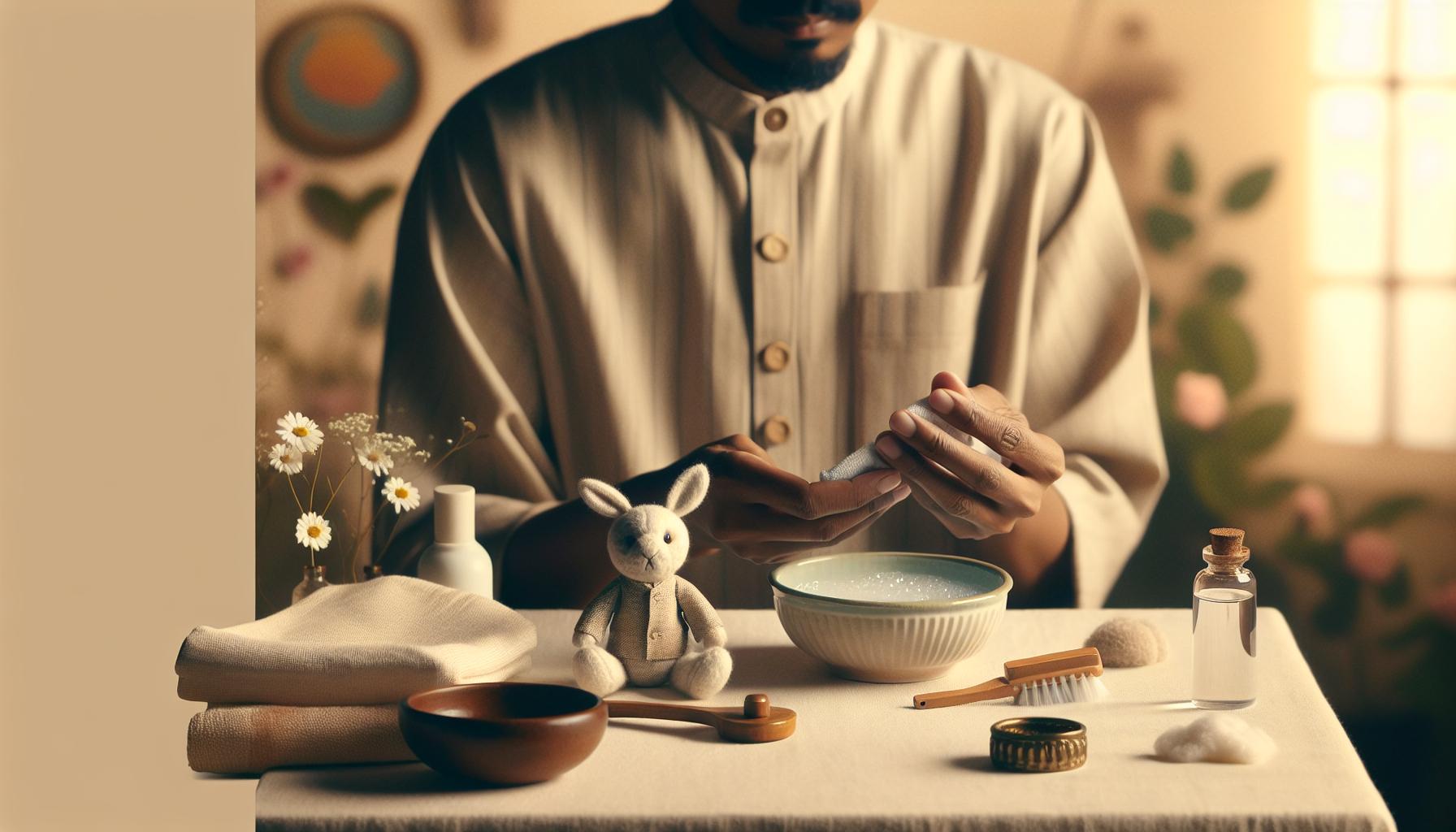
Gentle Cleaning Techniques for Plushies
Cleaning plushies, especially those that double as comforting backpack companions, requires a gentle approach to maintain their softness and integrity. Many plush toys come into contact with dirt and grime, so knowing how to clean them without causing damage is paramount. Utilizing techniques that prevent excessive wear and tear while still achieving cleanliness will help extend the life of these cherished items.
The first step in the cleaning process is to inspect the plush toy for any visible dirt or stains. For minor spots, a damp cloth or a soft sponge lightly dipped in a gentle detergent can be applied directly to the affected area. Always dab, rather than rub, to avoid damaging the fabric or causing pilling. It’s also beneficial to conduct a test on a small, inconspicuous area to ensure that no colors will bleed or fabrics will react poorly.
When the plushie requires a more thorough wash, consider using a mesh laundry bag to protect it during machine washing. Choose a mild detergent, as harsher chemicals can strip away softness and cause fabric to fray. Set the washing machine to a delicate cycle with cold water to minimize agitation. If the plushie has embellishments or electronic components, it may be safer to opt for hand washing in a sink filled with cool water and gentle soap. This method allows for greater control and gentler treatment.
Lastly, always remember that drying techniques play a crucial role in preserving plush toys. Avoid using a dryer, as the heat can deform shapes and cause fading. Instead, lay the plushie flat on a clean towel or hang it in a well-ventilated area to air dry. This not only protects the toy but also helps maintain its plush feel. Checking the plushie periodically while drying will ensure it is not exposed for too long, which can help retain its original texture and shape.
Choosing the Right Cleaning Products
Selecting the right cleaning products for your plush toys is a crucial step in maintaining their cuddle-worthy softness while ensuring they remain in top condition. With so many options available, it’s tempting to reach for whatever detergent is handy. However, using harsh chemicals can strip the plush of its fabric quality and lead to unfortunate fading or pilling. Instead, focus on gentle, eco-friendly alternatives that effectively clean without compromising integrity.
When browsing for cleaning solutions, look for mild detergents that are free from dyes and fragrances, which are common irritants in more aggressive products. Baby-safe or hypoallergenic detergents are often excellent choices, as they’re formulated to be gentle yet effective for delicate materials. For those who prefer an added layer of safety, consider using products designed specifically for plush toys, as these usually aim to cater to their specific care requirements. Always check the labels to ensure they specify suitability for soft fabrics.
Testing Products
Before applying any cleaning product broadly, it’s wise to perform a patch test. Choose a hidden area on your plushie and apply a small amount of the detergent mixed with water. Allow it to sit briefly and then blot it with a clean cloth. If discoloration or damage occurs, seek an alternative product. This small step can save you from a potential disaster, ensuring that your beloved plushie maintains its vibrant appearance and texture for years to come.
In addition to conventional detergents, consider natural cleaning alternatives. Ingredients like baking soda and white vinegar can be effective for spot cleaning and deodorizing. Just mix one part water with one part white vinegar in a spray bottle, lightly mist the stained area, and gently scrub with a soft cloth. This method is not just gentle and effective but also environmentally friendly, aligning with sustainable cleaning practices.
By prioritizing the right cleaning products, you ensure that your plush toys remain cherished companions, retaining their softness and charm while navigating the inevitable messes that come with belonging to little ones or accompanying outdoor adventures.
Step-by-Step Washing Process
To effectively wash your backpack plushies while preserving their beloved features, following a well-defined process is essential. Start by preparing your washing environment: gather your mild detergent, a soft brush, a basin or bathtub, and separate any accessories such as buttons or scarves that could be damaged or lost during washing. With plushies often designed for cuddling, treating them gently throughout the washing process is key to maintaining their softness and character.
Begin by checking the care label on your plushie for specific washing instructions. If it’s machine washable, you can opt for the washing machine method, but always place your plushie inside a laundry bag to protect it from friction and damage. Set your machine to a gentle cycle with cold water to prevent shrinkage and color fading. For hand washing, fill a basin with lukewarm water and add a small amount of your mild detergent. Gently submerge the plush toy, ensuring the water penetrates the fabric without rubbing too harshly, which could distort its shape.
After a meticulous wash, it’s time for rinsing. If you used a washing machine, allow the plushie to spin out excess water on a low setting. For hand washing, drain the soapy water and refill the basin with clean water to rinse thoroughly, ensuring no detergent residue remains. Be careful not to wring or twist the plush toy; instead, press it gently against the side of the basin to squeeze out the water without altering its form.
The final step is essential: ensure an adequate drying method. Never place your plushie in a tumble dryer as the heat can damage the fabric and inner stuffing. Instead, lay it flat on a clean, dry towel to absorb excess moisture, then reshape it gently. Allow it to air dry completely away from direct sunlight, which can cause colors to fade. Following these straightforward steps will help maintain the integrity and charm of your backpack plushies, ensuring they remain treasured companions for years to come.
Drying Methods: What to Avoid
The drying phase is crucial in maintaining the cuddly charm of your plushies. While washing them with care is important, how you dry them can make or break their longevity. One common pitfall to avoid is using a tumble dryer. The heat and tumbling action can severely damage the delicate fabric and stuffing, leading to misshapen bodies and frayed seams. Instead, opt for gentler methods to preserve their original form and texture.
Direct sunlight can be equally detrimental. While it might seem like a quick solution to speed up the drying process, exposing your plush toys to the sun can cause colors to fade and fabrics to weaken over time. Ultraviolet rays can degrade fibers, making them less soft and more prone to wear. It’s best to find a shaded, well-ventilated area where your plushies can air dry naturally.
Another mistake to avoid is hanging plushies by their limbs or features while drying. This can put unnecessary stress on the stitching and lead to deformation. Instead, lay them flat on a clean, dry towel, reshaping their bodies gently as they dry. This way, you ensure even drying without compromising their structure. Be patient, as plush toys often need several hours to fully air dry, but the maintenance of their quality will be worth the wait.
In summary, the key to drying your plushies lies in gentle, unhurried care. By steering clear of heat sources, direct sunlight, and improper hanging methods, you’ll keep your plush companions soft, vibrant, and ready for many more hugs ahead.
Regular Maintenance Tips for Plushies
To keep your plushies in tip-top condition, regular maintenance is key, especially for those frequently used in backpacks or outdoor adventures. Just like any cherished item, plush toys require consistent care to maintain their softness, shape, and vibrant colors. Here are some effective tips to ensure your plush companions stay cuddly and clean throughout their journey.
First, make it a habit to periodically inspect your plushies for signs of wear and tear. Look for loose threads, fraying seams, or any discoloration. If you notice any minor issues, address them immediately with simple repairs, such as resewing loose stitches or spot cleaning stubborn stains. Regular small maintenance can prevent bigger problems down the road and prolong the life of your plushies.
Regular Spot Cleaning
Instead of waiting for a full wash, consider spot cleaning your plushies regularly. Use a damp cloth with mild soap or fabric cleaner to gently dab any dirty spots. This quick method helps maintain the look of the plushie and minimizes the need for more intensive washing that could wear them down faster. Always be sure to test any cleaning product on an inconspicuous area first to avoid unwanted discoloration or damage.
Storage Considerations
When it comes to storing plushies, avoid tossing them into the back of a closet or into a bag without consideration. Proper storage helps prevent matted fur and maintains their shape. Use a breathable fabric bag or a dedicated plushie storage bin to keep them safe from dust and potential crushing. Additionally, ensure they are kept in a cool, dry place away from direct sunlight, which can fade colors over time.
Embracing the Wash Cycle
Lastly, while it’s important to wash plushies gently, consider incorporating a routine washing schedule that aligns with their exposure to dirt and grime. For plushies that frequently accompany outdoor activities, a wash every few weeks may be beneficial. However, for those kept mostly indoors, a wash once a season may suffice. Always follow specific washing instructions based on the plushie’s material, as some may be machine washable while others require hand washing.
By maintaining a consistent care routine, your plushies will continue to provide comfort and joy, reflecting their initial charm and soft texture despite frequent adventures.
Fixing Common Problems After Washing
After washing your beloved plushies, you may encounter a few issues that can detract from their cuddly charm. Whether it’s a loss of shape, stubborn smells, or an unkempt appearance, knowing how to address these common problems is essential for restoring your plush friend to its former glory.
A frequent concern after washing plush toys is the flattening of the stuffing, which can happen if they are not dried properly. To rejuvenate your plushie’s fluffiness, gently reshape the stuffed areas by hand while the toy is still damp. For an even better outcome, you can also toss the plushie in the dryer on a low-heat setting for 10-15 minutes, accompanied by a couple of clean tennis balls. This helps to break up clumps of stuffing and restore its original shape.
Sometimes, your plushies might still carry an odor post-washing, especially if they were heavily soiled prior. In such cases, a mixture of baking soda and water can be effective. Prepare a paste and gently rub it into the plush surface. Let it sit for a few hours before vacuuming the excess baking soda. This not only eliminates odors but also helps to refresh the fabric’s appearance. If the smell persists, consider sprinkling additional baking soda inside the plush toy and allowing it to sit overnight before vacuuming again.
If washing led to pilling or matted fur, don’t worry-this can be fixed too! Use a fabric shaver or a fine-tooth comb to carefully remove the pills and untangle the fur. Always ensure you’re gentle to avoid pulling or damaging the plush material. Regular grooming can also help maintain the plushie’s texture over time, preventing future issues.
Lastly, ensure that any added elements, like stitched eyes or clothing, remain intact. If you find anything has come loose after washing, sew those pieces back on securely with needle and thread before your plushie embarks on any new adventures. With these simple troubleshooting tips, you can keep your plush companions looking as good as new, ready for countless more cuddles.
Storing Plushies for Longevity
Proper storage of plushies not only enhances their longevity but also preserves the intricate details and charm that make them beloved companions. Did you know that the way you store these soft friends can impact their overall appearance and feel? Whether your plushies are everyday toys or special keepsakes, follow these guidelines to keep them in pristine condition.
To start, it’s essential to choose the right environment for storage. Keep plushies in a cool, dry place away from direct sunlight, as this can fade colors and damage fabric over time. Utilize storage bins or containers made of breathable materials to prevent moisture build-up, which can lead to mold or mildew. Avoid plastic bags or containers that don’t allow for air circulation. Ideally, plushies should be stored upright or laid flat, depending on their size and shape. For smaller toys, a shelf or a decorative box could do wonders. Larger plushies might benefit from being placed on a bed or in a dedicated area that prevents unnecessary squishing.
Another tip is to occasionally fluff and reshape your plushies, even when stored. This simple act helps maintain their shape and prevents stuffing from clumping. You can also use cedar blocks or lavender sachets inside the storage bins to deter dust mites and keep things smelling fresh. Keep track of seasonal cleaning to make this part of your routine-give your plushies a gentle shake or fluff every few months to keep them vibrant and cuddly.
When it comes to plushies gifted to children or that are used frequently, consider using a special storage system that encourages kids to engage with their toys. Clear bins or wall-mounted organizers encourage children to pick their favorites while making it easy to return them post-play. Moreover, teach kids to be mindful when storing their plush toys; gently placing them back instead of tossing them can create a habit that helps maintain cleanliness and order.
Lastly, always check on your stored plushies periodically to ensure they remain in good shape. Signs of wear, such as dust accumulation or loss of fluffiness, are telltale indicators they need some TLC. Being proactive about storage not only extends the life of these cherished items but also keeps them ready for new adventures whenever you’re ready to cuddle.
Child Safety Considerations When Washing
Washing plush toys, particularly those designed for children, poses unique challenges that demand careful consideration to ensure safety. When preparing to clean your child’s plush backpack toy, it’s vital to keep in mind that certain cleaning products and methods can be harmful or irritating. Many children have sensitive skin, and exposure to harsh chemicals can lead to rashes or allergic reactions. Thus, opting for gentle, hypoallergenic cleaning solutions is crucial. These can often be found in natural or eco-friendly product lines and are typically formulated to be less irritating while still effective at removing dirt and odors.
Before diving into the washing process, always examine the plushie for any detachable parts, like buttons or accessories, which could pose a choking hazard if they come loose during cleaning. If you plan to machine wash the plush toy, securing small parts with a mesh laundry bag can prevent them from being lost. Furthermore, ensuring that the plushie is securely closed-zippers and seams intact-will help avoid potential damage and keep stuffing from escaping.
Washing Considerations
When it comes to the washing process itself, consider using cold water settings on your washing machine to minimize any risk of shrinkage or damage to the fabric. Additionally, always refer to the care label on the plushie for specific washing instructions. Hand washing can be a safer alternative and allows for more control, especially for delicate designs. Use a soft sponge or cloth to gently scrub areas that require focused attention, ensuring that you don’t compromise the toy’s structure.
After washing, it’s essential to thoroughly rinse the plush toy to remove any soap residue, which could irritate your child’s skin. If your child has allergies, rinse an additional time to ensure complete cleanliness.
Post-Wash Safety
Finally, consider the drying method. Avoid using a tumble dryer unless specifically stated as safe on the care label; high heat can ruin delicate fabrics. Instead, gently press out excess water and lay the plushie flat on a clean towel in a well-ventilated area. This method not only safeguards the integrity of the toy but also allows you to keep an eye on it while it dries, ensuring that it retains its original shape and safety for your child. Regularly checking your plush toys, especially those used frequently, ensures they are clean, safe, and ready for cuddles whenever needed.
Eco-Friendly Cleaning Alternatives
Using eco-friendly cleaning methods not only helps preserve the environment but also ensures the safety of your child’s beloved plush toys. Traditional cleaning products can contain harsh chemicals that may irritate sensitive skin or contribute to indoor air pollution. Instead, consider these gentle, natural alternatives that are both effective and safe for your plush backpack toys.
One of the most accessible options is a simple solution of white vinegar and water. Mix equal parts of each in a spray bottle and lightly mist the plushie. Vinegar acts as a natural deodorizer and can help eliminate bacteria without harmful chemicals. For a more thorough cleaning, you can soak a sponge in the solution and carefully scrub the plush toy, paying close attention to any stained areas. Ensure you rinse thoroughly with water afterward to remove any vinegar residue.
Another excellent alternative is using baking soda. This common kitchen staple can absorb odors and help lift dirt without damage. Sprinkle a generous amount of baking soda over the plush toy and let it sit for about 15-20 minutes before brushing it off with a soft brush or vacuuming it gently. This method is particularly helpful for regular maintenance between washes, keeping the plushie fresh without excessive washing.
Plant-Based Soap Solutions
If you prefer a washing solution, opt for plant-based dish soap or laundry detergent. Look for unscented or hypoallergenic options to ensure they are gentle on skin. When using soap, dilute it in warm water and use a soft cloth to gently scrub the surface. This approach helps maintain the plushie’s integrity while still getting the job done. Always remember to rinse thoroughly to prevent any soap residue from lingering.
Adopting these eco-friendly cleaning practices not only keeps your child’s plush toys clean and safe but also instills a sense of environmental responsibility. By choosing natural solutions, you contribute to a healthier home and planet, ensuring that every cuddle is as safe as it is comforting.
Identifying Material-Specific Care Requirements
Understanding the specific care requirements for different plush materials is vital to keeping your backpack plushies looking vibrant and feeling cuddly. Plush toys come in a variety of fabrics, each with its own maintenance needs. For instance, common materials include polyester, cotton, and velour, each possessing unique properties that influence their cleaning process.
When dealing with polyester plush toys, which are widely popular due to their durability and ease of cleaning, you can typically machine wash them on a gentle cycle. However, to avoid matting the fibers, it’s advisable to use a laundry bag. Ensure that you choose cold water and a mild detergent to protect the fabric’s color and integrity. For plushies with embellishments like sequins or beadwork, hand washing is often preferred to prevent damage.
Cotton plush toys, on the other hand, may be more prone to shrinking. It’s best to wash these items in cold water and air dry them to maintain their shape and size. If the plush toy is particularly dirty, a scrub with a soft brush and a mild soap solution can help lift stains while avoiding aggressive agitation that could alter its structure.
For specialty materials such as velour, which has a luxurious feel but requires gentle care, spot cleaning is often the best approach. Use a damp cloth and a gentle soap to clean small areas. This helps maintain the plushies’ soft texture without the risks associated with full washing. Always avoid harsh chemicals or abrasive tools, as they can ruin the plush’s feel and appearance.
In addition to understanding how to wash them, it’s important to consult the care labels, as many plush toys come with specific instructions from the manufacturer. This will provide tailored guidance based on the materials used, ensuring that your well-loved companions remain as fresh and appealing as the day you bought them.
Signs Your Plushie Needs a Wash
Recognizing when your plushie needs a wash can be crucial for maintaining its softness and appearance, ensuring it remains a beloved companion rather than a source of allergens or unpleasant odors. Over time, dirt, dust, and spills can accumulate on plush toys, particularly those that accompany children on daily adventures or adorn various corners of your home. By observing a few clear signs, you can determine when it’s time to give these cuddly friends a refreshing clean.
One of the most noticeable indicators that your plushie requires washing is discoloration. If you notice that the once vibrant colors have dulled or uneven patches appear, it’s likely due to dirt and grime buildup. Additionally, if your plushie emits an unpleasant smell or has absorbed odors from its surroundings-perhaps after being left in a sunny spot too long or after a trip to the park-this signals it’s time for a wash.
Another telltale sign is the accumulation of visible stains or sticky spots, which can happen if food or drink is spilled during snack time. Regular handling can also lead to a plushie developing a noticeable texture that feels grimy. If the fur feels stiff, matted, or otherwise uninviting, it’s certainly time to consider cleaning.
Lastly, consider the plushie’s role in your child’s life. If your little one depends on it for comfort during nap time or has been dragging it on outdoor adventures, washing it regularly is not just a preference but a necessity to maintain hygiene. By routinely checking for these signs, you ensure that your plushie remains safe for cuddles and play, supporting both its appeal and your child’s well-being.
When to Seek Professional Cleaning Services
When your plush backpack buddy has seen better days, knowing when to call in the professionals can save you from potential mishaps during washing. Although many plushies are designed to withstand gentle cleaning at home, some situations call for expert attention, especially if the underlying material is delicate or contains electronic components. If your beloved plushie has major sentimental value or has been stained by something especially unforgiving-like paint, ink, or a sticky beverage-it may be time to enlist specialized cleaning services that can tackle these tough cleaning challenges without risking damage.
Some plush toys, especially those with intricate designs or detailed embellishments, can easily lose their charm if mishandled. If your plush backpack features unique fabrics, mixed materials, or sensitive electronics (like sound elements or lights), these may not respond well to conventional washing methods. In these cases, a professional service can provide specialized cleaning tailored to maintain their integrity. Additionally, if you have an older plush toy that’s vintage or collectible, relying on an expert’s knowledge can help preserve its condition and value for years to come.
Before you decide to reach out to professionals, consider these factors:
- If the plushie is heavily soiled and home remedies haven’t worked
- The plushie’s manufacturer recommends professional cleaning
- If you’re unsure about the fabric content or care instructions
- For plush items that might require repairs or refurbishing
Hiring a professional to clean your plush backpack can often be worth the investment, allowing you to maintain its cuteness and functionality without risking damage that could render it irreparable.
Frequently Asked Questions
Q: How often should I wash my plush backpack?
A: You should wash your plush backpack every few months or whenever it shows signs of dirt or odors. Regular maintenance can help keep it clean and extend its lifespan. Refer to the “Signs Your Plushie Needs a Wash” section for specific indicators.
Q: Can I machine wash plush backpacks?
A: Yes, many plush backpacks can be machine washed, but it’s crucial to check the care label first. Use a gentle cycle and cold water to avoid damage. For detailed washing processes, refer to the “Step-by-Step Washing Process” section in our article.
Q: What products are safe for cleaning plush backpacks?
A: Use mild detergents or specially formulated plush toy cleaners to avoid damaging the fabric. Always test on a small area first. For cleaner recommendations, see the “Choosing the Right Cleaning Products” section for more information.
Q: How do I remove tough stains from my plush backpack?
A: Treat tough stains with a mixture of mild soap and water. Dab the solution gently with a cloth and avoid scrubbing, which can damage the fabric. For comprehensive stain removal techniques, check the “Fixing Common Problems After Washing” section.
Q: Is it safe to dry a plush backpack in the dryer?
A: No, it’s not recommended to use a dryer as high heat can ruin the material. Instead, air dry the plush backpack by laying it flat in a well-ventilated area. For drying tips, refer to the “Drying Methods: What to Avoid” section of our article.
Q: How can I freshen up my plush backpack without washing it?
A: You can freshen your plush backpack by sprinkling baking soda inside, letting it sit for a few hours, and then shaking it out. This method absorbs odors without a full wash. More maintenance tips can be found in the “Regular Maintenance Tips for Plushies” section.
Q: What should I do if my plush backpack loses its shape after washing?
A: If your plush backpack loses its shape, reshape it while damp and let it air dry to restore its form. For more tips on restoring plushies, see the “Fixing Common Problems After Washing” section of our article.
Q: Are there eco-friendly options for washing plush backpacks?
A: Yes, eco-friendly options include using biodegradable detergents or DIY cleaners like vinegar and baking soda. These alternatives are safe for both your plush backpack and the environment. Refer to the “Eco-Friendly Cleaning Alternatives” section for more options.
Closing Remarks
Congratulations on learning how to properly care for your backpack plushies! By following these gentle washing instructions, you can ensure your beloved companions stay fresh and vibrant for years to come. Ready to dive deeper into plushie care? Check out our articles on “The Best Cleaning Tools for Plushies” and “How to Store Plushies Properly” for more tips!
Act now-don’t let dirt and stains diminish their charm. If you have questions or need further assistance, leave a comment below, and we’ll help you out! Remember, each plushie has its own unique story; caring for them enhances that journey. Explore more of our guides, and join our newsletter for exclusive content and expert advice on all things plushies and backpacks. Your plushies deserve the best care possible, and you’re just a few clicks away from becoming an expert!