Every backpack tells a story, especially your North Face model, which has likely accompanied you on countless adventures. However, with all those journeys come dirt, stains, and odors that can tarnish its appeal. Knowing how to wash your backpack without causing damage is essential for maintaining its functionality and longevity. In this guide, we’ll uncover effective methods tailored specifically for North Face products, ensuring they remain both stylish and practical for your next excursion. Dive in as we explore simple, yet impactful techniques that will keep your gear looking fresh and ready for the trail!
Caring for Your North Face Backpack: Essential Tips
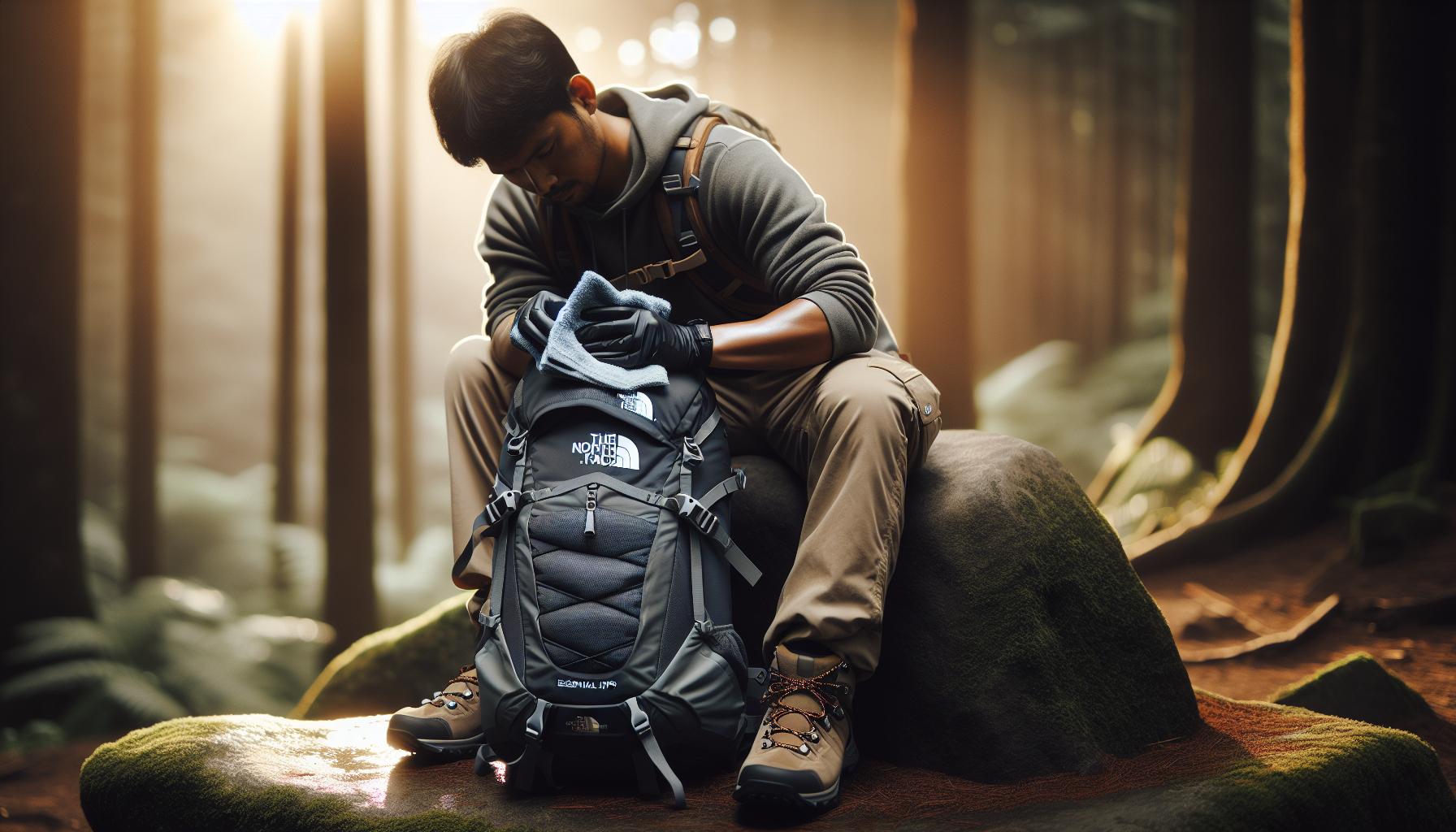
Caring for your North Face backpack is essential not just for cleanliness, but also for ensuring its durability and performance over time. With outdoor gear often exposed to harsh environments, regular maintenance can significantly prolong the life of your backpack and keep it looking great. Adopting simple habits can help you avoid the hassles of deep cleaning too frequently.
First and foremost, always empty your backpack after each use. This can prevent residue buildup and keep your interior compartments neat. For dirt and stains, a soft brush or cloth can go a long way; simply brushing off dirt or wiping down surfaces encourages cleanliness without excessive wear. It’s also important to treat any stains promptly before they set, as fresh stains are far easier to remove. For general upkeep, consider doing a light cleaning every couple of weeks, especially if you’ve been adventuring in mud or dust.
Storage is equally important. When not in use, store your North Face backpack in a cool, dry place, away from direct sunlight, which can fade and damage materials. Make use of packing cubes or stuff sacks to maintain its shape, and occasionally, check for any signs of wear or potential repairs needed. By keeping your backpack clean and organized, you’ll not only enjoy its performance, but you’ll also increase its lifespan.
Remember, proper care can turn a favorite backpack into a lifelong companion, ready to join you on every adventure. Regular attention-through cleaning, proper storage, and prompt damage control-creates a reliable piece of gear that will serve you well.
Understanding Materials Used in North Face Backpacks
North Face backpacks are renowned for their durability and performance in outdoor environments, largely due to the high-quality materials used in their construction. Understanding these materials can help you take proper care of your backpack, especially when it comes to washing and maintenance without causing damage.
One of the primary materials used in North Face backpacks is nylon, which offers a fantastic balance of strength and lightweight design. Nylon is exceptionally resistant to tearing and abrasion, making it ideal for rugged adventures. However, it’s essential to note that nylon can be sensitive to high heat; thus, washing in cool water and avoiding tumble drying are critical steps to maintain the integrity of the fabric.
In addition to nylon, many North Face backpacks incorporate waterproof coatings such as polyurethane (PU) or DWR (Durable Water Repellent) treatments. These coatings help keep your gear dry during unexpected rain, but they can degrade over time if not properly maintained. It’s crucial to follow washing and drying guidelines that preserve these waterproof features. Special care should be given to ensuring that any detergent used does not strip away these protective coatings.
Lastly, pay attention to hardware components, like zippers and straps, which can be made from a mix of plastic and metal. Cleaning dirt or debris from these areas with a soft brush can prevent them from getting jammed or corroding. Regular inspection for wear and tear helps you identify any potential issues before they become significant problems.
By understanding the specific materials in your North Face backpack, you can adopt cleaning methods that are tailored to maintain its functionality and appearance, ensuring it remains a reliable companion for years to come.
Preparing Your Backpack for Washing: Step-by-Step

To ensure your North Face backpack retains its functionality and appearance, preparing it for washing is a crucial first step. Neglecting this phase can lead to damage or ineffective cleaning, which is the opposite of your goal. By following a systematic approach, you can effectively clean your backpack without compromising its materials or waterproof features.
Start by emptying all compartments of the backpack. Remove any items, including water bottles, snacks, and personal belongings. This will not only help reduce the weight but also prevent any residual debris from causing stains or scratches during the cleaning process. Next, check all pockets and hidden compartments to ensure nothing is left behind.
Once your backpack is emptied, take a moment to assess its condition. Look for any visible stains, wear, or damage. For any spots showing stubborn dirt or grime, pre-treat them using a mild stain remover or a mixture of water and a gentle detergent. Apply the solution to the affected areas and gently rub it in with a soft cloth or sponge. This pre-treatment will help lift dirt, making the overall wash more effective.
After pre-treating, be sure to secure or remove any detachable components, such as straps and buckles, which could snag during washing. Turn the backpack inside out to expose the lining, especially if it has accumulated moisture or odors from previous adventures. Finally, buckle up and secure all flaps and zippers to prevent them from catching or getting damaged in the wash. With proper preparation, your North Face backpack will be ready for a thorough yet gentle cleaning, ensuring it remains your trusted companion for years to come.
Best Practices for Hand Washing Your Backpack

When it comes to caring for your North Face backpack, hand washing is often the safest method to preserve its integrity while ensuring that it remains clean and functional. A gentle wash can effectively remove dirt and grime without causing wear to the materials. Here are some essential practices to follow for a hassle-free hand-washing experience.
Begin by filling a large basin or bathtub with lukewarm water and adding a small amount of gentle detergent that’s suitable for technical fabrics. It’s crucial to avoid harsh detergents or bleach, as these can degrade the materials and affect waterproofing. Once the soapy water is ready, submerge your backpack completely, allowing it to soak for a few minutes to loosen dirt.
Using a soft sponge or cloth, gently scrub the fabric, paying close attention to areas that tend to accumulate grime, like the bottom or seams. Always use light pressure; vigorous scrubbing can cause fabric fraying or damage to any coatings. For stubborn stains, creating a paste from the detergent and a little water can help-apply it directly to the spot and let it sit for a few minutes before rinsing gently.
After the washing process, thoroughly rinse your backpack with clean, cold water to remove any soap residue, as leftover detergent can attract dirt and impact the fabric’s breathability. Turn the backpack inside out to ensure that all parts are rinsed adequately, especially the lining. Once rinsed, gently press the fabric to remove excess water-do not wring or twist as this can distort its shape or structure.
By following these careful hand-washing practices, your North Face backpack can maintain its look, functionality, and longevity, making it an enduring partner for your outdoor adventures.
Using a Washing Machine: Do’s and Don’ts

When it comes to cleaning your North Face backpack, using a washing machine can be a convenient option, but it requires careful consideration to avoid damaging the materials. Understanding what to do and what to avoid can make all the difference. One of the most crucial steps is to check the care label attached to your backpack. This label contains specific instructions that should guide your cleaning process, as some models may not be machine washable at all.
To ensure a safe wash, start by removing all the contents of your backpack, including any detachable parts such as straps and pockets. It’s essential to close all zippers and Velcro to prevent snagging on other items in the machine. Additionally, place the backpack inside a laundry bag or a pillowcase to provide an extra layer of protection during the wash cycle. This simple step can prevent excess friction against the drum and mitigate potential wear.
When setting your washing machine, opt for a gentle cycle with cold water. High temperatures can compromise the integrity of the fabric and may dismantle any waterproof coatings. Choose a mild detergent that’s free of harsh chemicals, as these can be detrimental to the materials of your North Face backpack. Avoid fabric softeners entirely-these can leave residues that diminish your backpack’s breathable quality and overall effectiveness.
After the washing cycle is complete, hang your backpack to air dry rather than placing it in the dryer, which can warp its shape and weaken its structure over time. Make sure to dry it away from direct sunlight, as UV rays can also degrade the materials. By following these do’s and don’ts, you can effectively clean your North Face backpack while preserving its functionality and appearance for many adventures to come.
Choosing the Right Detergent for North Face Gear
Choosing the correct detergent for your North Face backpack can significantly enhance its longevity and performance, especially if you’re frequently exposing it to the elements. Not all detergents are created equal, and using the wrong type can compromise the effectiveness of the backpack’s materials, including its waterproof features. To maintain the integrity of your gear, opt for a mild detergent specifically formulated for technical fabrics or outdoor equipment. These products are designed to clean without breaking down the fabric’s protective coatings.
When selecting a detergent, look for options that are free from harsh chemicals, fragrances, and brighteners. Such additives can degrade the waterproof properties of your North Face backpack and cause irritations for sensitive skin. A few reputable brands are dedicated to producing cleaning products specifically for outdoor gear and technical fabrics. These include brands like Nikwax and Grangers, which offer environmentally friendly solutions that help restore and maintain the properties of your backpack after washing.
In preparation for cleaning, always refer to the care label on your backpack. Some models may have unique material characteristics that necessitate specific cleaning methods or special detergents. Additionally, it’s wise to perform a patch test with any new detergent on a hidden area to ensure there’s no adverse reaction. By following these guidelines, you’ll not only keep your North Face backpack looking great but also extend its performance life for all your outdoor adventures.
In summary, prioritize the right kind of detergent, remain mindful of the care instructions, and you will preserve the functionality and aesthetic of your North Face backpack, making it ready for years of exploration.
Drying Techniques to Avoid Damage
After a thorough cleaning, properly drying your North Face backpack is crucial to maintaining its durability and functionality. One of the most common mistakes is putting the backpack in a dryer. High heat can damage the materials, warp any structural components, and compromise the effectiveness of waterproofing treatments. Instead, it’s best to follow natural drying techniques that preserve the integrity of the fabric and stitching.
Lay the backpack flat on a clean, dry towel to absorb excess water. If you have a large enough space, consider hanging it upside down in a well-ventilated area. This positioning allows the water to drain away from critical areas like the zippers and pockets while ensuring that air can circulate effectively. If conditions permit, placing it outside in the shade can help speed up the drying process without exposing it to direct sunlight, which can fade colors and degrade fabric over time.
Moreover, consider using a fan to enhance airflow around the backpack if you’re drying it indoors. Position the fan to blow air across the fabric; this helps wick away moisture and reduces the risk of mildew growth. Always ensure that the bag is completely dry before storing it to prevent any lingering dampness that could lead to unpleasant odors or mold. Regularly checking your backpack and employing these drying methods will dramatically extend its lifespan and keep it ready for your next adventure.
Addressing Common Stains on Backpacks
Tackling stains on your North Face backpack can seem daunting, but with the right approach, you can effectively restore its appearance without causing damage. One of the first steps in addressing stains is identifying their source. Common culprits include mud, food, or even ink, and addressing them promptly will yield the best results.
For mud, let it dry completely before brushing off the excess with a soft-bristled brush. Once most of the mud is removed, dab the remaining stain with a cloth soaked in a mixture of mild detergent and water. Rinse gently with a damp cloth to avoid soaking the fabric. When it comes to food stains, it’s crucial to act quickly. Scrape off any residue with a plastic utensil, then treat the area with soapy water using a cloth. For tougher stains such as grease or oil, sprinkle baking soda on the affected area to absorb the oil before using soapy water to clean it.
Dealing with Ink and Other Tough Spots
Ink stains can be particularly tricky. To treat these, apply rubbing alcohol to a cotton ball and gently blot the affected area, avoiding a vigorous scrub that could spread the stain. Absorb as much of the ink as possible, then rinse with cold water and pat dry. For water-based stains, such as those from beverages, simply dab the area with a cloth soaked in soapy water, rinse, and dry.
In all situations, it’s essential to allow the backpack to air dry thoroughly before storing it. If the stain persists after your initial attempt, you might consider repeating the process or seeking professional cleaning services. Regular maintenance, such as spot cleaning after outings, can prevent stains from setting in and keep your backpack looking fresh for years of adventures to come.
Maintaining Waterproof Features After Washing
Maintaining the waterproof features of your North Face backpack after washing is crucial for ensuring your gear remains effective in the elements. Whether you’re trekking through rain or navigating wet conditions, keeping your backpack’s water-resistant properties intact can make all the difference. Washing can inadvertently compromise these features, so following a few key steps helps you preserve the integrity of your bag.
After washing your backpack, it’s vital to apply a suitable water repellent treatment designed for technical fabrics. Choose a product that is specifically recommended for use on nylon or polyester, as these materials are commonly used in North Face backpacks. After your backpack has dried completely, spray the repellent evenly over the exterior, ensuring complete coverage, especially in high-impact areas like the seams and bottom. This not only restores the waterproof barrier but also creates a protective layer against future grime and stains.
Besides the application of repellent treatments, regular maintenance plays an essential role in keeping the waterproof features functioning well. Make it a habit to clean your backpack periodically and check for any potential wear and tear. Address minor repairs, like re-sealing seams or re-applying waterproof coatings, immediately to prevent moisture penetration. Additionally, when storing your backpack, avoid areas with excessive humidity or direct sunlight, as these conditions can degrade the materials over time.
It’s also worthwhile to remember that some North Face models come with factory-applied DWR (Durable Water Repellent) finishes. If you notice water no longer beads on the surface during use, it may be time to reapply a DWR treatment. This proactive approach will ensure your backpack remains a reliable companion on wet adventures, giving you peace of mind knowing your gear is ready for any challenge nature presents.
Regular Maintenance Tips for Longevity
To keep your North Face backpack in top-notch condition, regular maintenance is key. By dedicating a bit of time to your gear, you can significantly extend its lifespan and ensure it performs well in every adventure. Not only does routine care enhance functionality, but it also preserves the aesthetics of your backpack, allowing you to display your trusted companion with pride.
One of the simplest yet most effective maintenance practices is to routinely check for any signs of wear and tear. After each trip, inspect seams, zippers, and straps for fraying or damage. Addressing minor issues immediately can prevent them from becoming major problems down the line. A small stitch or a patch can save you from needing a full replacement, which is particularly important when it comes to gear that sees heavy use.
Additionally, remember that the internal cleanliness of your backpack is equally important. Empty your backpack after each use and shake out debris; this helps in removing dirt and crumbs that can accumulate over time. For stubborn stains, a mixture of mild detergent and water can be used to spot clean the interior surfaces without compromising the materials. Regular inspections and cleanings can prevent odors and keep your backpack fresh.
Lastly, proper storage of your North Face backpack is essential for longevity. Store it in a cool, dry place to avoid mold and degradation caused by moisture. Avoid cramming your backpack into tight spaces; instead, consider hanging it or placing it in a breathable bag. This enhances airflow, which can deter mold and aromas from developing. By integrating these practices into your routine, your North Face backpack will remain a reliable companion on your outdoor journeys for years to come.
When to Seek Professional Cleaning Services
When your North Face backpack has seen better days, and home cleaning methods aren’t delivering the results you need, it may be time to consider professional cleaning services. This is particularly crucial for high-quality gear like North Face backpacks, which can be dogged by deep stains, stubborn odors, or lingering debris that regular washing just can’t handle. Professional cleaners have the expertise and specialized equipment to restore your backpack without risking damage.
It’s advisable to seek professional help if you notice any signs of significant wear, such as fraying seams, loss of waterproofing, or damaged hardware that may require more than just basic repairs. Additionally, if your backpack has absorbed unpleasant odors, perhaps from carrying food or damp clothing, a professional clean can neutralize these without compromising the fabric’s integrity. Many outdoor and adventure gear stores offer laundry services specifically for technical fabrics and high-performance gear, ensuring that your backpack is treated with the care it deserves.
Another clear indicator that it might be time to enlist the help of professionals is when you’ve attempted spot cleaning or home washing multiple times without seeing improvement. Do not let stubborn stains linger, as they can set over time and become increasingly difficult to remove. If a stain remains after several cleaning attempts, professional services can assess the fabric’s condition and determine the best cleaning methods.
Lastly, don’t underestimate the value of professional maintenance if your backpack is used frequently for outdoor activities. Regular cleaning by experts can help maintain the backpack’s waterproof features and overall functionality, ensuring it’s always ready for your next adventure. When in doubt, investing in professional care can extend your backpack’s life and keep it performing at its best for years to come.
FAQ
Q: How often should I wash my North Face backpack?
A: You should wash your North Face backpack as needed, typically every few months or after intense use. Frequent exposure to dirt or odors may require more regular cleaning. Refer to the “Regular Maintenance Tips for Longevity” section for more detailed guidance.
Q: Can I use fabric softener when washing my North Face backpack?
A: It’s best to avoid using fabric softener when washing your North Face backpack, as it can impair the water-repellent features. Stick to detergent specifically recommended for technical fabrics to maintain both cleanliness and functionality.
Q: What temperature should I wash my North Face backpack on?
A: Always wash your North Face backpack in cold water to prevent damage to the fabric and color fading. Cold water is effective and safe for most materials. Refer to the “Using a Washing Machine: Do’s and Don’ts” section for more details.
Q: How can I properly dry my North Face backpack after washing?
A: To dry your North Face backpack, air dry it in a well-ventilated area away from direct sunlight. Avoid using heat sources like dryers, which can damage the material. For tips, check the “Drying Techniques to Avoid Damage” section.
Q: What should I do if my backpack has a lingering odor after washing?
A: If your North Face backpack retains an odor post-washing, try sprinkling baking soda inside and letting it sit overnight before vacuuming it out. Refer to the “Addressing Common Stains on Backpacks” section for more troubleshooting tips.
Q: How do I clean the straps and buckles on my North Face backpack?
A: For straps and buckles, use a damp cloth and mild detergent to wipe them clean. If necessary, utilize a soft brush for stubborn dirt. This falls under the “Caring for Your North Face Backpack: Essential Tips.”
Q: Can I wash the waterproof lining of my North Face backpack?
A: You should avoid washing the waterproof lining with harsh detergents. Handwashing with a gentle soap and a soft sponge is recommended to preserve its integrity. Check the “Maintaining Waterproof Features After Washing” section for more advice.
Q: Is it safe to submerge my North Face backpack in water?
A: Submerging your North Face backpack is not recommended, as it can damage the materials and waterproof features. Instead, opt for gentle handwashing techniques as outlined in the “Best Practices for Hand Washing Your Backpack” section.
In Conclusion
Now that you’re armed with the best practices for washing North Face backpacks without causing any damage, it’s time to take action! Keeping your gear clean not only enhances its lifespan but also ensures you’re prepared for your next adventure. If you found this guide helpful, consider checking out our articles on backpack maintenance tips and gear care essentials for further insights.
Don’t hesitate to share your thoughts or ask any questions in the comments below-your experiences can help others in the community! And for even more expert advice, subscribe to our newsletter to stay updated on the latest tips and product reviews. Remember, maintaining your gear is key to enjoying the great outdoors, so start today and keep your North Face backpack in top shape!