Upgrading your traveler’s backpack through mod installation can transform your outdoor adventures, making your gear more functional and tailored to your needs. Did you know that even small modifications can enhance comfort and accessibility, ensuring that every hike or journey is efficient and enjoyable? As outdoor gear becomes more sophisticated, many travelers find themselves navigating the complexities of customization. Whether you’re looking to add extra storage, improve support, or integrate tech features, understanding how to effectively modify your backpack is crucial. This guide will empower you with practical tips and insights, making it simpler to enhance your setup and elevate your travel experience. Let’s dive into the world of backpack modification and discover how you can optimize your gear for every adventure!
How to Choose the Right Upgrades for Your Backpack
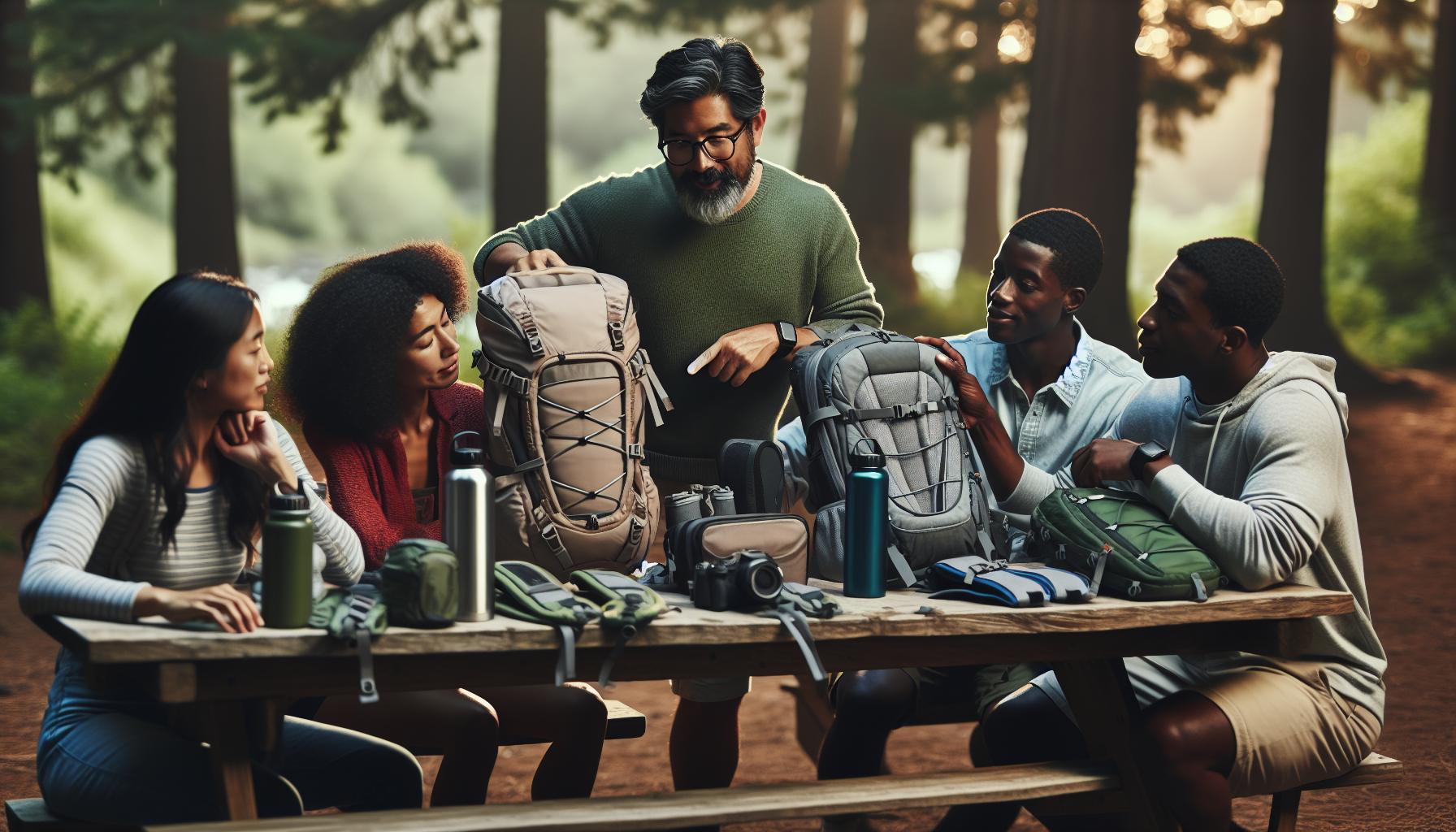
Upgrading your backpack can significantly enhance your travel experience, making it more functional, comfortable, and personalized to your needs. One key to selecting the right upgrades is to assess your primary use for the backpack. Consider factors like the environment you’ll be in, the types of items you’ll carry, and how long your trips will last. Each of these elements will guide you to appropriate upgrades, ensuring that they add genuine value rather than just new features.
Start by determining the capacity you need. If you frequently carry heavier loads, consider higher-tier options that increase storage and upgrade slots, similar to tier upgrades in sophisticated backpack mods such as those available for Minecraft, where each tier-from Leather to Netherite-offers more functionality and space [2[2]. Look for enhancements such as extra compartments or modular attachments that allow for easy organization of gear. Furthermore, integrating features like rain covers, hydration systems, or removable pockets can make your backpack adaptable for various outdoor adventures.
Comfort should also be a deciding factor. If you find yourself carrying your backpack for long periods, consider upgrading the straps and back support. Padded straps can alleviate shoulder strain, while an ergonomic back panel can improve airflow and comfort during extended wear. Many outdoor enthusiasts recommend testing different ergonomic solutions to find what works best for you.
Finally, think about durability. Investing in high-quality materials for zippers, fabric, and stitching can prolong the life of your backpack significantly. Upgrades such as reinforced bottoms, weather-resistant materials, or even repair kits for quick fixes can ensure your backpack remains reliable over time. By meticulously selecting upgrades based on these factors, your backpack can transform into an incredibly effective tool tailored to your specific adventure needs.
Essential Tools for Backpack Modifications
When it comes to upgrading your travel backpack, the right tools can make all the difference in ensuring that your modifications are effective and durable. Having a well-equipped toolkit not only simplifies the process but also empowers you to customize your backpack to fit your unique needs. This approach ensures that every upgrade you make enhances both functionality and comfort, tailoring your backpack to your adventures.
Start with the basics: a good set of tools for carrying out modifications. You’ll want to have a variety of screwdrivers, pliers, and scissors on hand. Because many backpacks feature zippers that can be replaced or repaired, a specialized zipper repair kit can be invaluable. It usually contains replacement sliders, stops, and even extra zipper tape that can save your gear from becoming unusable. A sewing kit with heavy-duty needles and a variety of strong threads is essential for those DIY stitching upgrades or repairs that may come up during your modifications.
In addition, consider tools that improve your ability to add modular components. For instance, if you’re installing extra pockets or straps, a heat sealing tool can help attach them securely, while a strong adhesive can assist with fabric integrations. A cutting mat is also recommended if you plan on trimming down materials or creating custom components, ensuring that your workspace is protected and that you achieve clean, precise cuts.
Lastly, don’t underestimate the importance of a good workspace and safety gear. A clean, well-lit area allows for better attention to detail while wearing gloves can protect your hands from punctures and cuts during the modification process. With the right tools and setup, you’ll be well-prepared to create a personalized backpack that serves you perfectly on all your journeys.
Step-by-Step Guide to Backpack Mod Installation
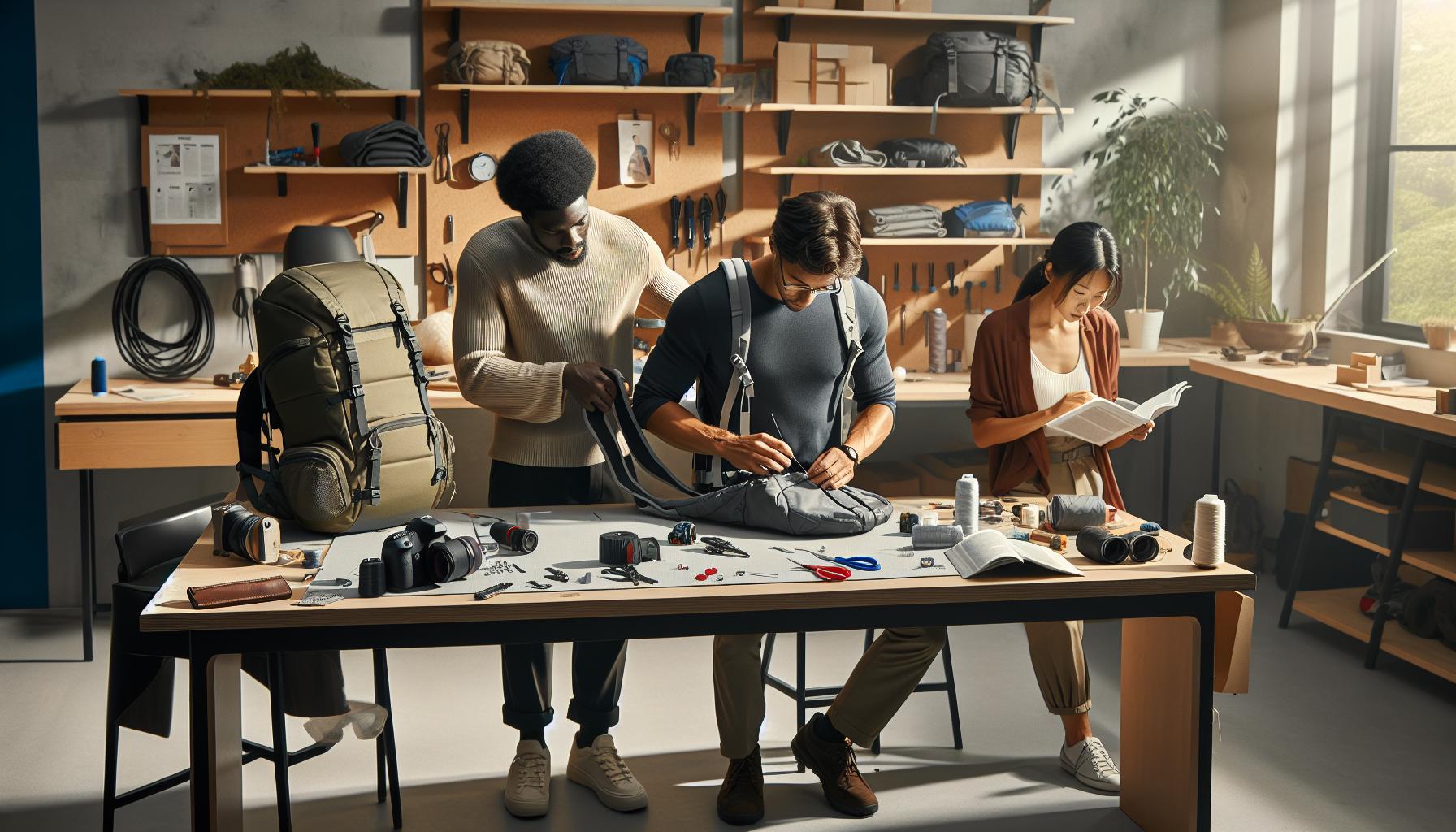
To achieve a successful modification to your travel backpack, following a structured installation process simplifies the task and enhances the overall outcome. Preparing your backpack beforehand enables you to tailor it not only to your aesthetic preferences but also to your specific uses, whether you’re hiking, commuting, or traveling.
Start by laying out all your tools and materials within a well-lit workspace. Gather items like extra fabric, modular components (pockets or straps), zippers, sewing supplies, and adhesive as needed. Once you’ve set the stage, inspect your backpack for any wear or damage that may need repair before modification. This ensures a solid foundation for your upgrades.
Next, draft a plan for your modifications. Identify the sections of the backpack where you’ll be making changes. For instance, if you’re adding a pocket, think about its placement for ease of access. Pin or mark these areas lightly to guide your installation process. Begin by carefully removing or altering existing features with tools like seam rippers for stitching or pliers for hardware. When installing new components, secure them firmly, using strong stitches or adhesives, keeping in mind that durability is key.
Once your modifications are complete and secure, take a moment to review your work. Check that all added features function well and the structural integrity of the backpack remains intact. Test zippers, straps, and any new additions to ensure they meet your performance expectations. This final quality check not only fosters confidence in your upgraded travel companion but also reinforces your commitment to thoughtful customization.
Transform Your Backpack for Outdoor Adventures
To optimize your backpack for outdoor adventures, consider not only its current features but also how to enhance functionality through thoughtful modifications. A well-upgraded backpack can greatly influence your performance, comfort, and overall experience when exploring the great outdoors. You can transform a basic travel pack into a versatile companion for hiking, camping, and other adventures by adding specific features that cater to your needs.
Start by reinforcing the structure of your backpack to withstand rugged conditions. Incorporating additional padding or using heavier-duty materials in high-wear areas can significantly increase durability. For instance, if you’re planning long hikes, adding reinforced stitching along the seams or extra layers at the bottom can help protect against abrasions and tears. Using waterproof materials or applying a durable water repellent (DWR) finish can also keep your gear dry during unexpected rain showers.
Next, focus on enhancing accessibility and organization. Adding modular attachments, such as exterior pockets or hydration reservoirs, can make a world of difference. Consider installing side pockets for water bottles or a front pouch for quick access to essentials like snacks or maps. You can also integrate a hydration system; many modern backpacks come with a sleeve to accommodate bladders and tubing, allowing you to stay hydrated without needing to stop frequently.
Lastly, comfort plays a critical role in how effectively you can enjoy your outdoor adventures. Upgrading your backpack with padded shoulder straps, a ventilated back panel, and waist belts can distribute weight more evenly and reduce fatigue during long treks. Look for adjustable components that enable you to customize the fit, ensuring you can carry heavy loads without discomfort. Experimenting with load lifters and sternum straps can help you find the perfect balance for your unique body shape.
By strategically upgrading your backpack with these features, you will create an adventure-ready tool that marries utility with comfort, allowing you to focus on the thrill of exploring rather than the challenges of carrying your gear.
Must-Have Accessories for Enhanced Functionality
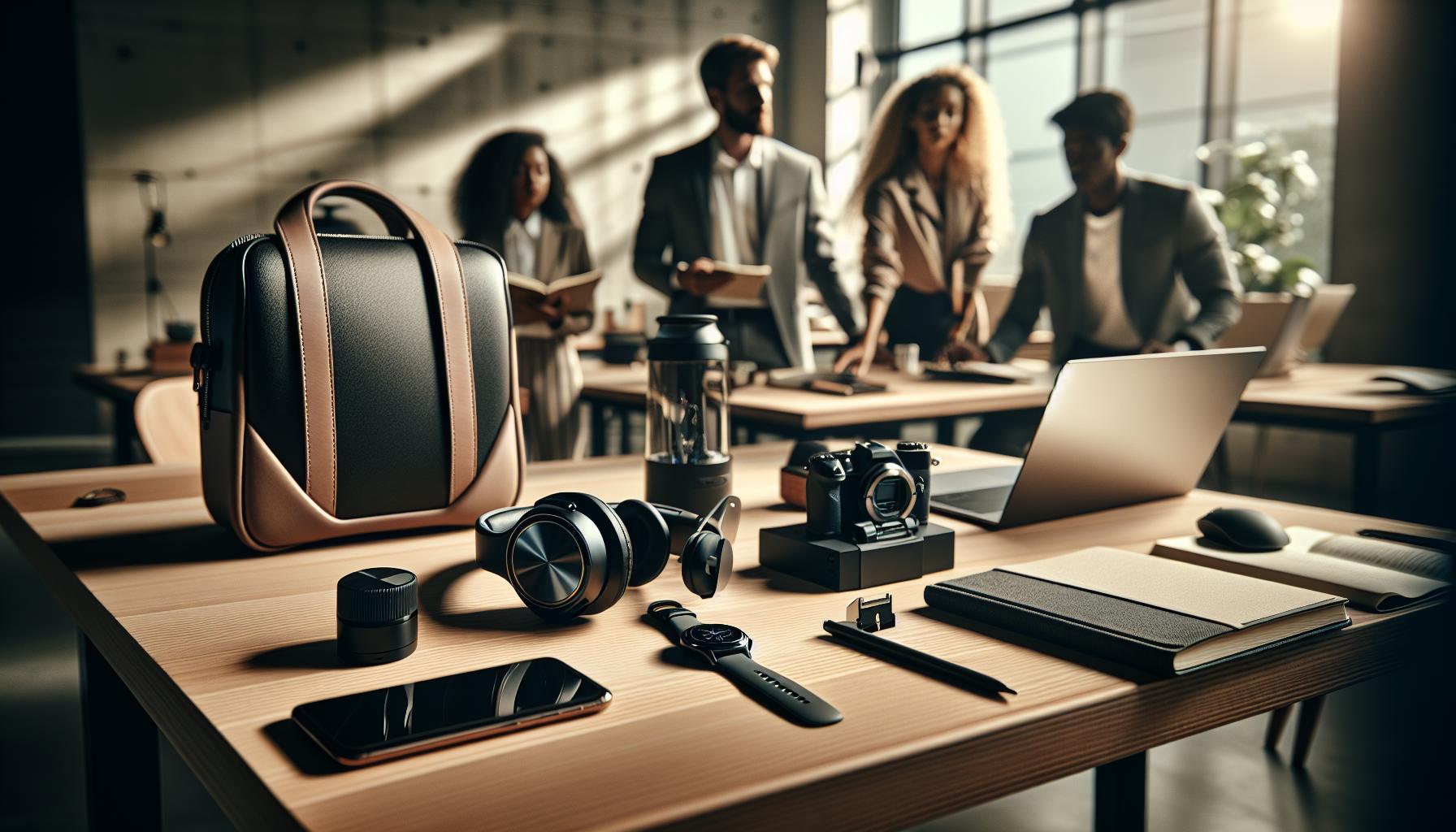
When it comes to enhancing a travel backpack, the right accessories can make all the difference in both functionality and user experience. These must-have additions help you effectively organize your gear, prepare for various activities, and ensure that you always have what you need at your fingertips. By strategically selecting accessories that align with your travel habits and adventure plans, you can elevate your everyday carry to a level that rivals even the most sophisticated outdoor gear.
One of the essential accessories for any upgraded backpack is a modular attachment system. These can include removable pockets, pouches, and cargo nets that allow you to easily customize your backpack’s layout based on your specific trip requirements. For instance, a small external pocket can be a great addition for quick access to items like snacks, chargers, or travel documents, while larger pouches can hold extra clothing or gear securely. This adaptability not only keeps your items organized but also reduces the time spent searching for necessities.
Hydration Systems
Staying hydrated is paramount, especially during outdoor excursions. Integrating a hydration bladder into your backpack can significantly enhance your travel experience by allowing you to sip water hands-free through a tube while on the move. Many modern backpacks feature a compartment specifically designed for these bladders, so you can easily refill and stay hydrated without having to stop and rummage through your bag.
Protective Gear and Rain Covers
Weather can be unpredictable, making it wise to include a rain cover in your backpack arsenal. These lightweight, waterproof shells slip over your pack and guard against moisture, keeping both your backpack and its contents dry. Additionally, consider incorporating frame pads or protective sleeves to shield electronics like laptops or cameras from bumps and scrapes, ensuring your valuable gear remains intact throughout your travels.
In addition to modular attachments and weather protection, packing cubes provide an excellent organizational solution. These compact, zippered containers fit neatly within your backpack, allowing you to categorize your clothing and gear by type or activity. This means no more digging through a jumbled mess to find that one shirt or tool you need. Packing cubes can also double as compression sacks, squeezing your gear down to minimize space and weight.
By thoughtfully selecting these must-have accessories, you can dramatically improve the functionality and efficiency of your backpack. In essence, the right enhancements not only simplify your packing process but also enhance your overall travel and outdoor experience, empowering you to focus on what truly matters-enjoying your adventure.
Customizing Organizational Features of Your Backpack

When you’re on the move-whether hiking through the mountains or navigating crowded airports-having a backpack that features well-thought-out organizational structures can make a world of difference. A customized organizational system allows for quick access to necessities, reducing stress and keeping you focused on your adventure. Here are some practical approaches to optimize the organizational features of your backpack.
Modular Pocket Systems
One of the most effective ways to enhance organization within your backpack is by incorporating a modular pocket system. Consider attaching various sizes of removable pouches and pockets that can be tailored to your journey. Small pockets are perfect for essentials like snacks, medications, or chargers, allowing for quick retrieval without the hassle of digging through your main compartment. Larger pouches can help store extra layers of clothing or gear, keeping your essentials tidy and easily accessible.
Color-Coded Packing Cubes
Utilizing packing cubes can also revolutionize your packing strategy. Opt for a set that comes in multiple colors and sizes. Assign different colors to different categories-like clothing, toiletries, or tech gear. This color-coding system not only adds efficiency but also makes it visually easier to locate specific items at a glance. Packing cubes can be compressed to minimize space, allowing you to maximize every inch of your backpack while also keeping items well-organized.
Attachment Points and Straps
Another smart way to customize your backpack organization is by using additional attachment points and straps. These allow you to secure larger items, such as sleeping bags or jackets, externally while keeping your main compartment free for other necessities. Attachable gear loops can also hold hydration systems, ensuring that your water source is both easily accessible and securely fastened.
Incorporating Tech-Friendly Features
With the rise of technology, many backpacks now offer built-in tech solutions. Look for options that include dedicated compartments for laptops or tablets, complete with padded protection and cable management systems. This feature not only keeps your tech safe but also organizes cables, ensuring you have everything you need for remote work or entertainment during travels.
By adopting these organizational enhancements, you can transform your travel backpack into a highly functional companion. Whether you prefer a minimalist approach or need ample space for gear, customizing the features of your backpack will empower you to optimize your experience and focus on your adventures.
Adding Comfort: Padded Straps and Back Support
A backpack can often feel like an anchor when you’re on the move, especially if you don’t consider comfort in its design. Adding padded straps and back support can revolutionize your hiking or travel experience, turning a cumbersome load into a more manageable companion. For example, the right padding can significantly reduce strain on your shoulders and lower back, making long treks feel effortless rather than torturous.
When selecting padding for your straps, look for materials that combine durability with cushioning. High-density foam is an excellent choice, providing support without adding excessive weight. Ergonomic designs can also play a vital role; curved and contoured straps that mimic the shape of your shoulders allow for a more natural fit that helps distribute weight more evenly. Many outdoor retailers now offer adjustable straps that enable you to find the perfect fit based on your height and body type.
Equally important is the addition of back support. To enhance comfort, consider installing a lumbar pad on the interior of your backpack. This feature helps to maintain the natural curve of your spine, reducing fatigue during long periods of wear. Similar to the straps, select a lumbar pad made from breathable materials to promote airflow and reduce sweat build-up. Ensure that the placement allows it to contour well to your lower back, providing both stability and comfort.
Lastly, don’t underestimate the importance of testing your upgraded backpack. Once you’ve attached padded straps and back support, load your backpack with your usual gear and take it for a trial run. Pay close attention to any pressure points or discomfort, as minor adjustments can make a world of difference in overall comfort. With the right modifications, your upgraded backpack will serve as a reliable ally on all your adventures, allowing you to focus on exploration rather than discomfort.
Durability Enhancements for Long-Term Use
To extend the lifespan of your travel backpack, durability enhancements are essential. Not only do these modifications protect your gear, but they also ensure your backpack can withstand the rigors of various environments. One of the most impactful upgrades you can implement is reinforcing high-wear areas, such as the bottom and corners, which are prone to abrasion and damage. Consider applying additional layers of durable materials like reinforced fabric or synthetic leather. These materials not only improve longevity but also offer water resistance, which can be vital in unpredictable weather.
Another consideration is upgrading zippers and buckles. Stock closures may not always be the most reliable over time. Opt for heavy-duty zippers made from high-quality metals or robust synthetic materials that resist corrosion and breaking. Likewise, replace plastic buckles with those made of aluminum or high-grade nylon to ensure they can endure repeated use without failure. This simple switch can dramatically improve the overall durability of your backpack and protect your contents from accidental spills and environmental elements.
Regular maintenance is also a key aspect of durability. Keeping your backpack clean and free from dirt and grime can prevent fabric degradation. Make sure to closely follow the manufacturer’s cleaning instructions, often involving gentle hand washing or specific machine settings. Additionally, check for loose threads and signs of wear, repairing them promptly to avoid larger issues. By committing to a proactive maintenance routine, you’ll help your backpack remain a reliable companion through all your adventures.
Incorporating additional features like waterproof liners or rain covers can further enhance usability and longevity. These additions make your backpack not only more enjoyable to use but also more functional in wet and rugged conditions. For example, if you frequently hike in damp areas or travel during the rainy season, a rain cover can protect your gear from moisture, extending the life of both your backpack and its contents. By combining strategic modifications, high-quality materials, and regular maintenance, you can ensure your backpack serves you well for years to come.
Creative Upcycling Ideas for Old Backpacks
Transforming an old backpack into something unique and functional allows not only for creativity but also for sustainability in the world of gear. With just a bit of imagination and some basic crafting skills, you can repurpose your used backpacks into useful items or stylish accessories that align with your lifestyle. Here are some innovative ideas to get you started.
Upcycled Backpack Projects
- Travel Bag to Everyday Tote: Convert your travel backpack into a chic tote bag. Remove the straps and add shorter handles from the existing material or repurpose them from another bag. This is a practical solution for running errands or heading to the beach.
- Fanny Pack from Old Pockets: If your old backpack has pockets in decent condition, cut them out and sew them together to create a functional fanny pack. Add a belt strap for easy wear, turning unused space into a trendy accessory.
- Camping Hammock: Transform a sturdy, larger backpack into a lightweight camping hammock. Ensure the material is durable, and follow simple sewing patterns to create a hammock that can be easily packed and transported-perfect for your next outdoor adventure.
- Shoe Storage Organizer: Repurpose smaller compartments into an organizer that can hold shoes or gear in your closet. Simply attach it to a hanger or mount it on a wall, effectively utilizing leftover pockets while keeping your space tidy.
- Dog Travel Bag: If you have a pet, consider upcycling your backpack into a dog travel bag. Cut it down for just the essential compartments, and fill it with doggy essentials like food, toys, and waste bags for easy outings.
These projects not only breathe new life into your worn-out backpack but also reduce waste, showcasing how functional creativity can meet environmental responsibility. Engage in these upcycling activities, and you may find yourself empowered and inspired to tackle even larger projects in your home! Whether you’re a seasoned DIYer or just starting, each modification provides an opportunity to express your personal style while benefiting your everyday life.
Troubleshooting Common Backpack Modification Issues
When transforming a backpack into a more functional piece of gear, encountering issues along the way is not uncommon. Whether you’re sewing on new straps, adding pockets, or reinforcing seams, problems can arise that may deter even the most enthusiastic DIYer. To ensure your modifications go smoothly, here are some common issues you might face and tips on how to troubleshoot them effectively.
One frequent dilemma is fabric fraying or tearing, especially if your backpack consists of lightweight materials. To prevent this, always use a seam sealant on raw edges after cutting. Additionally, consider reinforcing the areas around zippers or high-stress points with extra stitching or a patch of stronger fabric. If you encounter a tear during your modification, use a fabric adhesive or patch to hold it together before stitching, ensuring the area is secured and doesn’t worsen during use.
Another challenge can be ensuring that newly added components, such as straps or pockets, are securely attached and functional. Often, modifications can add weight or change the balance of the backpack, making it uncomfortable to carry. To troubleshoot this, meticulously measure and test your additions before making them permanent. After completing a modification, load your backpack as you would for an outing and take it for a short trial run to confirm that everything aligns properly and is comfortable. If you notice any discomfort or shifting, evaluate the locations of your modifications and adjust as necessary.
Lastly, compatibility issues may arise when mixing different materials or components in your upgrades. If you find that your new straps don’t match up with the existing ones in terms of width or attachment style, don’t hesitate to source compatible parts or adjust the design. Keep in mind that not all materials behave the same-synthetic fabrics may require specific adhesives or methods for sewing. Familiarize yourself with the materials you’re working with, and consult resources for specific techniques relevant to each one.
By anticipating these common issues during your backpack modifications, you can enhance your problem-solving skills and increase the functionality of your gear. Embrace the challenges as learning opportunities, and ensure your upgraded backpack not only looks great but performs exceptionally in the field.
Successful Backpack Modifications: User Experiences
When it comes to personalizing and upgrading your travel backpack, real-world experiences from fellow users can provide invaluable insights. Modifications not only enhance functionality but also allow you to express your style and meet specific needs. For instance, many travelers have shared their success stories about adding extra compartments and pockets to organize gear effectively. A user in the hiking community reported that incorporating a hydration reservoir pocket changed the way they carried water on treks, allowing for more efficient hydration without compromising space for other essentials.
Another popular modification involves reinforcing the backpack’s structure. A frequent traveler noted that sewing in a lightweight frame improved their backpack’s load distribution, which was especially beneficial during long trips. By utilizing a lightweight aluminum frame and adjusting the suspension system, they could carry significant weight comfortably over distances. This kind of modification not only prevents fatigue but also enhances overall stability, making it a favorite among frequent flyers and trekkers alike.
Moreover, many users have found creative ways to enhance comfort through modification. For example, the addition of padded shoulder straps and back support can dramatically improve carrying comfort. One user shared how they replaced thin straps with wider, padded alternatives, which significantly reduced shoulder pressure during their day hikes. This simple upgrade led to a more enjoyable experience, showcasing the importance of comfort in backpack modifications.
Lastly, the spirit of upcycling has inspired many backpack enthusiasts to transform older packs into something new and functional. Travelers have shared their experiences of converting vintage backpacks into stylish city bags or efficient day packs by adding modern features like USB charging ports or reflective strips for better visibility. These modifications not only breathe new life into old gear but also contribute to sustainable practices by reducing waste. By learning from user experiences, you too can make informed decisions about which modifications may be right for your backpack needs, creating a unique and functional travel companion tailored just for you.
Maintaining Your Upgraded Backpack for Longevity
To ensure that your upgraded backpack remains a reliable travel companion for years to come, proper maintenance is key. Regular care not only extends the life of your modifications but also preserves the overall functionality of the pack. Each trip can introduce wear and tear, so establishing a maintenance routine will benefit both the backpack and your travel experience. For instance, cleaning your backpack after every adventure can prevent dirt and grime from embedding into the fabric, which could weaken it over time.
Cleaning and Care
One of the simplest ways to maintain your backpack is through regular cleaning. Start by emptying all compartments and shaking out any debris. Follow these steps for effective care:
- Hand Wash: Use warm water and a gentle soap. Avoid harsh chemicals that could damage the fabric or coatings.
- Spot Cleaning: For stubborn stains, apply a mixture of soap and water directly to the affected area and gently scrub with a soft brush.
- Air Dry: Always air dry your backpack by hanging it upside down, which helps prevent mold growth in damp areas.
Inspecting Modifications
Frequent inspections of your upgrades, such as padded straps or added compartments, can reveal any issues before they escalate. Look for signs of wear, loose stitching, or fraying material, especially in modified areas. Regularly tighten screws or fasteners on any added frames or structures to ensure they remain secure during your travels. This proactive approach can help you avoid more extensive repairs or replacements later.
Storage Tips
When your backpack is not in use, proper storage can lead to a longer lifespan. Avoid cramming your pack into tight spaces which can distort its shape. Instead, store it in a cool, dry place, away from direct sunlight, to prevent fading and material degradation. If you have removable inserts or frames, consider taking them out to maintain the backpack’s intended structure.
Incorporating these regular maintenance practices will not only keep your backpack in top shape but also enhance your overall travel experience. By committing to care for your upgraded gear, you ensure that it will serve you faithfully on all your adventures, providing comfort and functionality for countless journeys ahead.
FAQ
Q: How do I choose the right upgrades for my travel backpack?
A: To choose the right upgrades, consider your travel style and needs such as weight, storage capacity, and comfort. Assess key features like durability, customization options, and organization. Refer to the section “How to Choose the Right Upgrades for Your Backpack” in your article for detailed guidance.
Q: What essential tools do I need for modifying my backpack?
A: Essential tools for backpack modifications include a seam ripper, sewing kit, adhesive tape, and utility scissors. These tools will help you make precise changes effectively. You can find more detailed information in the “Essential Tools for Backpack Modifications” section of your article.
Q: How can I make my backpack more comfortable for long hikes?
A: To enhance comfort on long hikes, add padded straps and back support. Consider ergonomic designs and adjustable features. The section “Adding Comfort: Padded Straps and Back Support” offers more insights on optimal adjustments for comfort.
Q: What are some common issues when modifying a backpack, and how can I troubleshoot them?
A: Common issues include misalignment of straps and improper fit after modifications. To troubleshoot, check the tightness of straps and adjust or resew as necessary. The “Troubleshooting Common Backpack Modification Issues” section in your article provides detailed solutions.
Q: Are there specific accessories that enhance backpack functionality?
A: Yes, must-have accessories include detachable pockets, hydration reservoirs, and rain covers to improve functionality. These tools can help keep your gear organized and accessible. Refer to the section “Must-Have Accessories for Enhanced Functionality” for more recommendations.
Q: When is the best time to upgrade my travel backpack?
A: The best time to upgrade your backpack is before a major trip or adventure, allowing you time to test modifications. Additionally, consider upgrading when your current backpack shows wear, ensuring you maintain functionality and comfort for your travels.
Q: Why should I consider creative upcycling for old backpacks?
A: Creative upcycling allows you to transform old backpacks into unique pieces while promoting sustainability. It can include adding new compartments or repurposing materials for new uses. Explore the “Creative Upcycling Ideas for Old Backpacks” section for inspiration.
Q: How can I maintain my upgraded backpack for longevity?
A: To maintain your upgraded backpack, regularly clean it according to the manufacturer’s instructions, check for wear and tear, and store it in a dry place. The “Maintaining Your Upgraded Backpack for Longevity” section provides additional tips for sustaining its functionality.
In Conclusion
Thank you for joining us on this journey to upgrade your Traveler’s Backpack through mod installation! Remember, these enhancements can significantly boost your carrying capacity and comfort for your next adventure. If you still have questions or want to dive deeper into the customization options, check out our related guides on backpack maintenance and travel tips to make every trip enjoyable.
Ready to take your gear to the next level? Don’t forget to subscribe to our newsletter for the latest tips and exclusive content on outdoor gear evolution. Join the conversation in the comments below-share your own backpack modifications or ask how to tackle any challenges you’re facing. Explore more to unlock your potential with the right tools; your ultimate adventure awaits!
Investing in your travel gear is just the beginning. Explore our articles on Swiss Army knives and karambits for even more ways to equip yourself for any scenario. Happy traveling!