
Zippers are often the unsung heroes of our backpacks, yet they can also be a source of frustration when they fail. Did you know that a broken zipper doesn’t have to mean the end of your favorite bag? Repairing a zipper is a simple DIY solution that can save you both time and money. Whether it’s a stuck slider, missing teeth, or a separated zipper, learning how to fix these common issues empowers you to extend the life of your gear and keep your belongings secure. Not only does this skill come in handy for everyday carry, but it also fosters a sense of independence, especially for outdoor enthusiasts who rely on their backpacks during adventures. As we delve into practical techniques and materials to tackle zipper repairs, you’ll discover that with just a little patience and the right approach, you can restore your backpack to its full function. Keep reading to unlock these valuable solutions and take charge of your gear maintenance!
Understanding Different Types of Backpack Zippers
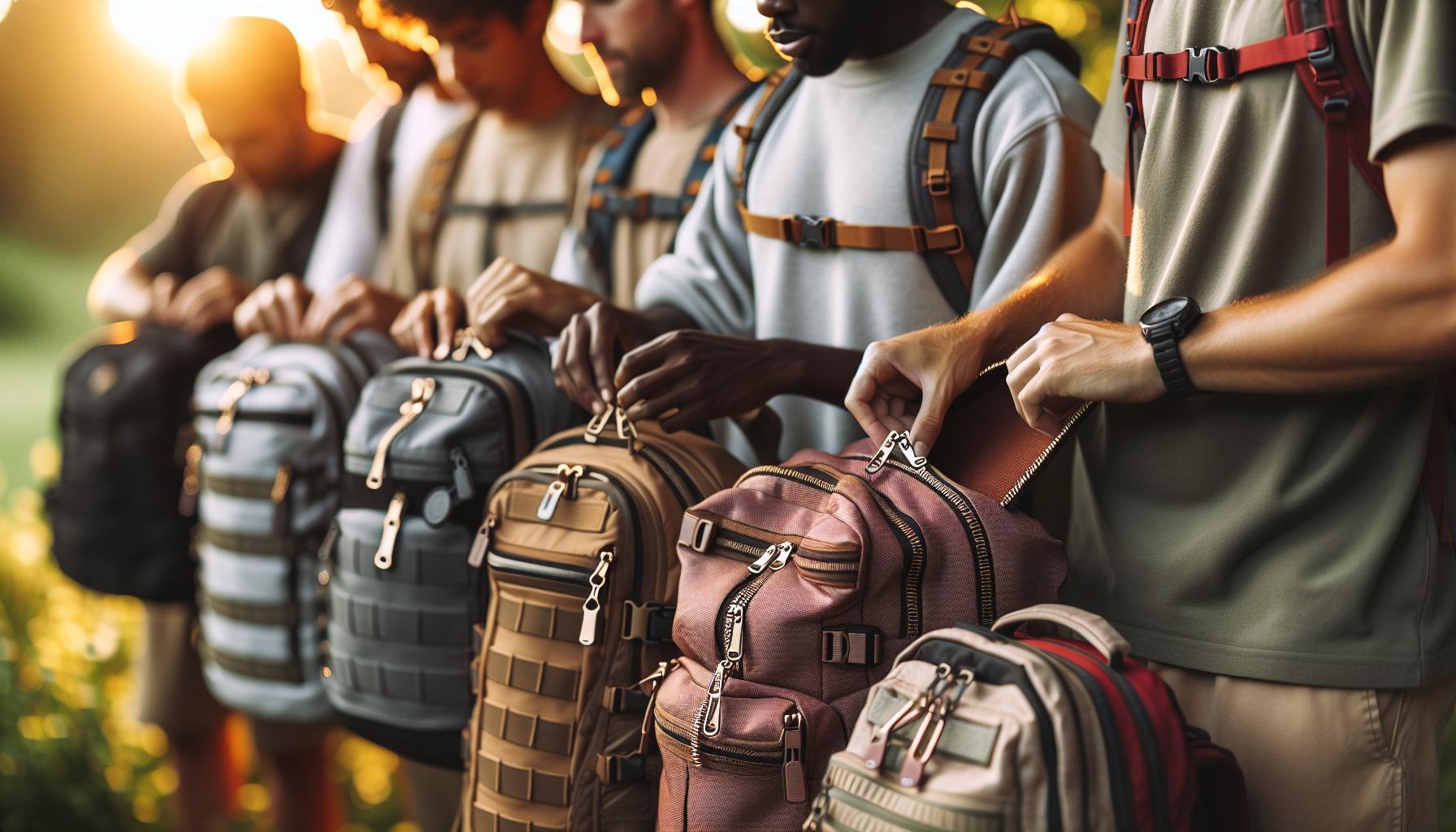
Backpack zippers are often the unsung heroes of outdoor adventures and everyday commutes, serving as crucial components that ensure easy access to your gear. Understanding the different types of zippers used in backpacks can empower you to make informed decisions when it comes to repairs or replacements. Generally, there are two primary types of zippers: coil zippers and tooth zippers.
Coil zippers feature interlocking plastic or nylon teeth that form a continuous coil when zipped. This type of zipper is lightweight, flexible, and highly resistant to snagging, making it ideal for a variety of packs, especially those designed for outdoor activities. On the other hand, tooth zippers, which can be made from metal or molded plastic, offer a more robust and durable option, often favored in heavy-duty backpacks that require added strength and reliability. Understanding these distinctions not only helps in recognizing potential weaknesses but also guides you in selecting suitable repair materials or techniques.
When it comes to repairs, knowing the zipper type can also impact your approach. For instance, coil zippers are often easier to fix as the individual coils can be replaced if they become damaged. However, metal tooth zippers might require more intricate repair methods or professional help due to their complexity. Having a clear understanding of your backpack’s zipper type will enable you to troubleshoot common issues more effectively and maintain its functionality over time. This knowledge contributes significantly to the longevity of your backpack, ensuring it serves you well on every journey.
Common Zipper Problems: Quick Identification Guide
Zippers can be pivotal elements of convenience in your backpack, yet they can also be the source of frustration when they malfunction. Identifying common zipper problems quickly can prevent minor issues from escalating into more significant repairs or replacements. Here’s a guide to help you recognize these problems early on and take appropriate action.
Common Zipper Issues
When dealing with zippers, look out for these frequent issues:
- Stuck Zipper: A zipper may get stuck due to fabric caught in the teeth or dirt accumulation. You might notice it doesn’t move smoothly when you try to zip it up or down.
- Split Zipper: If the zipper separates while being pulled, this indicates a problem often caused by worn-out or damaged teeth. It can create an annoying situation, especially when you’re on the go.
- Broken Zipper Slider: If the slider, the component that moves up and down the zipper track, is missing, broken, or not engaging properly, it will hinder your ability to close or open the zipper effectively.
- Damaged Zipper Teeth: Zipper teeth can become bent or misaligned over time, leading to malfunction. Missing or broken teeth can also cause gaps or complete separation.
- Unraveling Zipper Tape: This occurs when the fabric surrounding the zipper begins to fray or detach, which can interfere with the entire zipper function.
Diagnosis and Next Steps
To address these problems, start by observing the exact nature of the issue. For instance, if the zipper is stuck, try gently moving the slider back and forth to realign it; if fabric is caught, carefully remove it while holding the zipper taut. Should you encounter a split zipper, a quick fix might involve realigning the teeth properly, whereas a broken slider may require replacement.
By familiarizing yourself with these common zipper problems and their symptoms, you’ll be better prepared to handle repairs quickly. This preventative approach not only saves you time but also extends the life of your backpack, allowing you to focus more on your adventures rather than equipment issues.
Essential Tools for Backpack Zipper Repair
When preparing to tackle zipper repairs on your backpack, having the right tools at your disposal can make the process not only smoother but also more effective. Many of these tools are common household items, making them easily accessible for quick fixes. Knowing which tools you’ll need can empower you to address zipper issues promptly, extending the life of your backpack and keeping it functional during all your adventures.
A good pair of pliers is essential for manipulating the zipper slider and teeth. They give you the leverage needed to tweak misaligned parts or to pull the slider back into place. It’s also helpful to have a seam ripper or small scissors handy, as these can assist in removing fabric that may be caught in the zipper teeth. If you encounter a stuck zipper, you might also find a lubricant like zipper wax or even a bar of soap useful. Applying a small amount can alleviate friction, allowing the slider to move smoothly.
Another useful item is a needle and thread for those situations where the zipper teeth or tape might need some sewing. Opt for a strong, durable thread that matches the material of your backpack for a seamless repair. And if you’re dealing with a broken zipper slider, having a replacement slider on hand is a must-these can often be purchased in bulk or found in emergency sewing kits.
Lastly, a safety pin can serve as a temporary fix if your zipper pulls come off. Simply attach the safety pin to the slider and use it to zip up your backpack until you can obtain a proper replacement. By keeping this toolkit ready, you can confidently navigate zipper repairs and ensure your backpack remains in tip-top shape for all your excursions.
Step-by-Step Guide to Fixing a Stuck Zipper
When faced with a stuck zipper on your backpack, the situation can be quite frustrating, especially when you’re in a hurry. Fortunately, with a bit of patience and some handy techniques, you can resolve the issue effectively without needing to replace the entire zipper. Here’s a straightforward approach to freeing that stubborn zipper.
Start by assessing the situation. Carefully examine the zipper to identify any fabric caught in the teeth or misalignment. If you spot any obstructing fabric, gently pull it away with your fingers, or use a seam ripper to free it without damaging the zipper. If the zipper teeth are aligned but the slider is stuck, proceed with some lubrication. Applying a small amount of zipper wax, soap, or even oil can greatly reduce friction. Rub the lubricant along the teeth and around the slider, then gently wiggle the slider back and forth to encourage movement.
In cases where the slider won’t budge after lubrication, you might need to adjust it. Grab a pair of pliers and carefully squeeze the slider to close it slightly-this should create a tighter grip on the teeth, which often helps in moving it. Be cautious not to apply too much force, as this could damage the zipper further. If the zipper is still resistant, consider using a firm yet gentle force to pull the slider down while maintaining the alignment of the teeth.
Lastly, if the zipper remains stuck despite your efforts, there may be physical damage to the zipper teeth. In such cases, you can either replace the slider or the entire zipper. For slider replacement, remove the old one by gently prying it off with pliers and sliding on a new one. If you have to replace the entire zipper, it may be more complex, and you might want to consult a professional or follow a detailed guide specific to your backpack’s model.
By following these steps, you can confidently tackle a stuck zipper, ensuring your backpack remains functional and ready for your next adventure.
How to Replace a Broken Zipper Slider
Replacing a broken zipper slider can seem daunting, but with the right approach and a few basic tools, you can revive your backpack and extend its life. A zipper slider can break due to wear, stress, or damage, but a timely replacement can save you the hassle of buying a new backpack. Understanding the process is key to ensuring successful repairs.
First, gather your essential tools: a replacement slider (you can find these at craft or fabric stores), pliers, scissors, and a needle and thread if necessary. Before starting, identify the type of zipper your backpack uses, as sliders come in various sizes and styles. The most common types include plastic coil zippers and metal zippers. Once you have the correct slider, you can proceed with the replacement.
Steps to Replace the Slider
- Remove the Old Slider: Begin by carefully separating the zipper at the end using scissors to cut off the stop (the small piece at the end of the zipper). Next, gently pry off the old slider using pliers, taking care not to damage the zipper teeth or the surrounding fabric.
- Install the New Slider: Align the new slider with the zipper teeth, ensuring that it’s oriented correctly (the pull tab should face the outside of the bag). Slide the bottom of the zipper teeth into the new slider and push until it reaches the top.
- Secure the New Slider: After the new slider is in place, you’ll need to replace the stop. You can use a small piece of fabric or a new zipper stop to ensure the slider doesn’t come off during use. Pinch the bottom of the zipper to reattach the stop by clamping it securely with pliers.
- Test the Zipper: Finally, zip and unzip a few times to ensure everything works smoothly. This will help confirm that the slider is positioned correctly and operating without any jams or snags.
Taking the time to replace a broken slider not only restores functionality to your backpack but also enhances your DIY skills, empowering you to tackle similar repairs in the future. By following these straightforward steps, you can save time and money while ensuring your gear remains reliable for all those adventures ahead.
Repairing Zipper Teeth: Techniques That Work
When a zipper on your backpack starts to fail, it’s often the teeth that are the culprit. Whether they’re bent, misaligned, or missing altogether, dealing with zipper teeth issues can seem overwhelming. However, many common problems can be addressed with some straightforward techniques that empower you to extend the life of your backpack.
Identifying the Issue
Start by closely inspecting the zipper. If the zipper is jamming but the slider is functional, the issue may be due to misaligned or damaged teeth. Look for any bent teeth that may be preventing the slider from moving smoothly. For zippers with missing teeth, the game changes slightly, as a simple fix might not suffice.
Techniques for Repairing Zipper Teeth
- Bending Teeth Back into Shape: If you notice any bent teeth, gently use pliers to realign them. Be careful not to apply too much pressure, as this can cause breakage. Make small adjustments to restore their original position.
- Using a Drop of Lubricant: Occasionally, a little lubrication can help teeth mesh together more easily. Apply a drop of zipper lubricant or even a small amount of petroleum jelly to the affected area.
- Replacing Missing Teeth: This process is more complicated. You can sew in new teeth with a needle and specialized heavy-duty thread. Cut a small piece of fabric to attach to the zipper and create new anchor points for the replacement teeth.
- Using a New Stop: If a tooth is broken and it’s preventing the zipper from functioning, remove the stop on the end of the zipper, replace the missing teeth, and then add a new stop to secure the slider.
Final Touch
After any repair, make sure to run the zipper several times to ensure everything is working as intended. Identification and addressing issues like bent or missing teeth early can prevent the need for more significant repairs down the line. With these techniques at your disposal, you can tackle zipper problems head-on and keep your backpack functional for all your adventures.
Temporary Fixes for Backpack Zipper Issues

When you find yourself in a bind with a malfunctioning zipper, it can lead to frustration and the possibility of abandoning your favorite backpack. Fortunately, there are several quick and effective temporary fixes to get you back on the road, trail, or wherever your adventures take you. Whether you’re dealing with a sticky zipper, a slider that won’t move, or even a broken pull tab, these solutions can keep your backpack functional until you can perform a more permanent repair.
One of the simplest and most common issues is a stuck zipper. In many cases, this is caused by dirt or debris lodged in the teeth. A quick fix is to gently tug on the fabric near the zipper while attempting to pull the slider up and down. If it remains stuck, you can use a soft brush to clean the zipper teeth. Applying a drop of zipper lubricant or even household items like soap can help it glide more smoothly.
If your zipper slider has come off the track but the teeth are intact, you can create a temporary fix by attaching a paperclip or a keyring to the slider’s bottom. This can act as a makeshift pull tab, allowing you to zip and unzip the backpack more easily until you can replace the slider. Another effective method for mobile adventurers is to use a safety pin to keep the zipper closed; simply insert the safety pin through the fabric adjacent to the zipper to hold it in place.
For zippers with broken or missing pull tabs, a piece of string, shoelace, or even a zipper tab replacement kit can be a quick solution. Simply thread the string through the small hole left by the pull tab or make a quick knot, and you’ll have a functional way to pull the zipper up and down.
Lastly, if you find yourself facing an irreparable situation, an alternative is to use adhesive tape-like duct tape or packing tape-to temporarily secure the zipper in the closed position. While this won’t provide a perfect seal, it can keep your items from falling out during your travels until you can address the issue more thoroughly.
Making these temporary repairs can save you from the hassle of replacing your entire backpack, allowing you to continue your adventure with minimal disruption. Just remember, these fixes are meant to be short-term solutions; plan to follow up with a more durable repair when possible.
Preventive Maintenance Tips for Long-lasting Zippers
Keeping zippers in good condition can extend their lifespan and prevent frustrating malfunctions during your outdoor adventures. Regular attention and a few simple maintenance habits can make a significant difference in the functionality of backpack zippers. Zippers often fail due to neglect, but with some proactive care, you can avoid common issues.
One effective strategy for maintaining zippers is to regularly clean them. Over time, dirt, dust, and debris can collect in the zipper teeth, leading to jamming and sticking. To clean, use a soft brush or a microfiber cloth to gently wipe away any particles. For a deeper clean, consider a mild soapy solution, rinsing thoroughly and ensuring all soap is removed before drying the zipper completely.
Additionally, applying a lubricant specifically designed for zippers can enhance their movement. A small drop of zipper wax or silicone spray can be applied to the teeth; just ensure you wipe off any excess to prevent attracting more dirt. Regular lubrication-especially if you frequently expose your backpack to harsh environments-can keep the zipper functioning smoothly.
Lastly, be mindful of how you use your zipper. Avoid overstuffing your backpack, which can put unnecessary strain on the zipper and its components. Whenever possible, start zipping from the bottom to the top and gently guide the fabric as you move the slider to prevent it from catching. If you feel resistance, stop and check for obstructions. Treating your zippers with care and respect will foster longevity and save you from unexpected surprises on your journeys.
Insider Hacks: Using Household Items for Zipper Repairs
Repairing a zipper doesn’t always require specialized tools or professional services; often, common household items can serve as effective solutions. Whether you’re facing a stuck zipper slider, a broken tooth, or just minor jamming, these everyday items can come to your rescue and save the day.
One of the most effective household remedies for a stuck zipper is soap or lip balm. Applying a small amount of soap to the zipper teeth can act as a lubricant, allowing the slider to glide smoothly. If soap isn’t handy, lip balm serves a similar purpose. Simply rub a bit directly onto the teeth and slide the zipper up and down gently to spread it around. This method often resolves the frustration of a stuck zipper with little effort.
For minor zipper alignment issues, a toothpick or sewing needle can help reposition misaligned teeth. Carefully use the pointed end to nudge the zipper back into place without forcing it, which could cause further damage. Also, a paper clip can temporarily substitute a missing zipper pull; just slide it through the hole and use it to zip up your bag.
If your zipper is getting stuck due to dirt or grime buildup, try using a cotton swab dipped in rubbing alcohol to clean the zipper teeth. This can help remove debris that may hinder smooth operation. Additionally, keeping some candle wax handy can act as a quick fix; rub a small piece on the zipper teeth, allowing it to reduce friction as you zip.
Keeping these household hacks in mind can empower you to address common zipper issues quickly and efficiently, ensuring your trusty backpack remains functional for all your adventures.
When to Seek Professional Zipper Repair Services
Unforeseen circumstances with backpack zippers can turn an adventurous day into a logistical nightmare. While many zipper issues can be tackled through DIY efforts, certain situations call for the expertise of professionals. The decision to seek professional repair services often hinges on the severity of the problem and your personal comfort with repair attempts. Understanding when it’s time to turn to the experts can save you both time and heartache.
When zippers become irreparably damaged-such as missing or broken teeth that cannot be realigned-a professional repair is often the best option. Attempting to fix severe damage without the proper tools or experience can lead to further complications, resulting in higher costs down the line. Moreover, if a zipper’s slider is bent beyond easy adjustment or replacement, a skilled technician can often provide a more lasting solution, ensuring the entire mechanism functions properly.
Additionally, intricate zipper systems, such as those found in high-quality outdoor gear or designer backpacks, may require specialized knowledge to avoid compromising the accessory’s integrity. If the zipper is part of a waterproof or insulated section, such as a thermal backpack, an experienced repair professional can remedy the issue without risking the equipment’s intended use.
Finally, if your DIY repair attempts have fallen short, it may be time to take a step back. Persisting with ineffective repairs can exacerbate the problem. In instances where you find yourself unsure about the functionality of the zipper after a few tries, consulting a professional not only saves your backpack but also gives you confidence that the repair will withstand the test of time, allowing you to focus on your next adventure.
Exploring Alternative Solutions for Non-repairable Zippers
In some cases, a backpack zipper may become so damaged that traditional repair techniques just won’t cut it. When confronted with non-repairable zippers, it’s crucial to explore alternative solutions that can either salvage your favorite backpack or transform it into something new and useful. Understanding that a broken zipper doesn’t necessarily spell the end can empower you to think creatively and resourcefully.
One promising approach is to consider the zipperless option. Many manufacturers now design bags that use alternative closures like magnets, Velcro, or even roll-top designs, which can provide similar functionality without the reliance on traditional zippers. If your old backpack simply can’t be saved, you could repurpose it by transforming it into a handy tote or a cosmetic bag by sewing or attaching a different closure method.
Another innovative solution is upcycling-turning the old fabric and components of your damaged backpack into something entirely new. For instance, if the main compartment is inaccessible due to a broken zipper, consider removing the unrepairable parts and crafting a new bag or organizer pouch. Tutorials on sewing decoupage styles or simple fabric repurposing can help guide you through this creative recycling process.
Finally, don’t underestimate the value of accessories. If you frequently encounter zipper troubles, consider investing in zipper pull replacements or zipper-zipper buddies-small tools designed to assist users with stubborn zippers. These handy gadgets can sometimes make working with a problematic zipper a lot easier if you’re intent on keeping your old gear out of the landfill.
By embracing these alternatives, you not only save your bag but also contribute positively to your outdoor gear sustainability efforts. Whether through upcycling or investing in innovative closures, a broken zipper can lead to new possibilities rather than just being an end.
Faq
Q: How can I fix a zipper that keeps separating on my backpack?
A: To fix a zipper that keeps separating, ensure the slider is tightly gripping the teeth. You can gently pinch the slider with pliers to improve its grip. If this doesn’t work, replace the zipper slider for a more permanent solution. Refer to the section on “How to Replace a Broken Zipper Slider” for detailed guidance.
Q: What household items can I use for a quick zipper repair on a backpack?
A: Household items like soap, lip balm, or graphite from a pencil can help lubricate a stiff zipper. Apply a small amount to the zipper teeth to ease movement. For more creative fixes, check the “Insider Hacks” section for alternative solutions using common items around your home.
Q: Why does my backpack zipper keep getting stuck?
A: A zipper may get stuck due to dirt, debris, or misaligned teeth. Clean the zipper with a soft brush and lubricate it with zipper wax or a silicone spray. If issues persist, consult the “Step-by-Step Guide to Fixing a Stuck Zipper” in the main article for further troubleshooting.
Q: When should I consider replacing the entire zipper on my backpack?
A: Consider replacing the entire zipper if there are extensive teeth damages or if the slider is irreparable. If temporary fixes fail, follow the “How to Replace a Broken Zipper Slider” section in the article for a straightforward guide to replacement.
Q: What should I do if a zipper pull tab breaks off?
A: If a zipper pull tab breaks off, you can use a safety pin or a paperclip as a temporary pull. For a more permanent solution, replace the pull tab or slider. Detailed instructions can be found in the “How to Replace a Broken Zipper Slider” section.
Q: Can I repair a zipper on a waterproof backpack?
A: Yes, you can repair a zipper on a waterproof backpack. Follow similar steps as you would for regular zippers, but ensure that any lubricant used is compatible with waterproof materials. Check the entire zipper for signs of wear or damage to maintain waterproof functionality.
Q: How can I prevent my backpack zipper from breaking in the future?
A: To prevent zipper breakage, regularly clean the zipper, avoid overloading your backpack, and ensure you gently handle the zipper when opening or closing. Incorporate preventive maintenance tips found in the article to enhance zipper longevity.
Q: What is the best way to maintain zippers on my backpack?
A: The best way to maintain zippers is to keep them clean and lubricated. Regularly inspect for dirt and debris, and use zipper-specific lubricant to ensure smooth operation. For more preventive care tips, refer to “Preventive Maintenance Tips for Long-lasting Zippers.”
To Conclude
Now that you have the know-how to repair a zipper on your backpack, it’s time to take action and breathe new life into your gear! Remember, a functional zipper can make all the difference in preserving the usability of your favorite backpack. If you found this guide helpful, explore our other resources on backpack maintenance for even more tips, or dive into our comprehensive guides on everyday carry gear and outdoor essentials.
Don’t let a minor zipper malfunction hold you back-share your experiences in the comments below, and let us know how our tips worked for you! By subscribing to our newsletter, you’ll stay updated on the latest DIY solutions and gear reviews. You’ve got the tools and knowledge, so why not tackle that zipper repair today? Happy repairing!