Have you ever experienced the frustration of a zipper malfunction on your favorite backpack? You’re not alone-this common issue can put a damper on your outdoor adventures or daily commute. Learning how to put a zipper back on a backpack is a valuable skill that can extend the life of your gear and save you money. Whether you’re a seasoned adventurer or a casual user, taking the time to master this simple repair allows you to tackle unexpected challenges with confidence. In this guide, we’ll walk you through easy steps to fix that zipper quickly and effectively, ensuring you’re always ready for your next journey. Dive in and empower yourself with the knowledge to keep your backpack functional and reliable!
Understanding Backpack Zipper Components and Mechanisms
The functionality of a backpack often hinges on the simplicity of its zipper, a mechanism that plays a pivotal role in keeping your belongings secure and easily accessible. Understanding the components and mechanisms of a zipper can empower you to perform effective repairs when issues arise. At its core, a zipper consists of four main parts: the teeth, the slider, the pull tab, and the tape. The teeth can either be metal or plastic, interlocking to close the opening of your backpack securely. The slider is the moving part that engages and disengages the teeth when you pull it up or down, while the pull tab allows for easy handling of the slider. The tape is the fabric portion to which the teeth are attached and acts as the foundation for the zipper’s alignment and strength.
When zippers malfunction, understanding their mechanisms can also shed light on common problems and their causes. A frequently encountered issue is a stuck zipper, often caused by dirt or fabric caught in the teeth, leading to frustration when trying to open or close the backpack. Misalignment of the zipper can occur due to damaged teeth or improper sliding motion, making it essential to regularly inspect these components. For example, if you notice a loose pull tab, it may be time to reattach or replace it, ensuring your zipper remains functional and user-friendly.
To effectively maintain your backpack’s zipper, prioritize regular cleaning and lubrication. Removing debris and applying a zipper-specific lubricant can prolong its lifespan, helping it function smoothly. In the event of a malfunction, identifying whether the issue lies with the zipper slider, pull tab, or teeth can guide you to the right repair method, making the difference between a quick fix and a complete replacement. Thus, being well-informed about these zipper components not only enhances your repair skills but also bolsters your confidence in maintaining your gear effectively.
Common Backpack Zipper Problems and Their Causes
The reliability of your backpack often hinges on the function of its zipper, a small component that can cause significant frustration when it fails. Common problems with backpack zippers can range from simple annoyances to repair challenges. Understanding these issues and their causes is crucial for maintaining your backpack and ensuring it serves you well over time.
One frequent problem is a stuck zipper, which can arise due to debris caught in the teeth. This debris may include dirt, thread, or even fabric that has been incorrectly aligned during use. A quick inspection can often reveal the culprit-removing any trapped items may resolve the issue without needing further intervention. However, if dirt accumulation becomes a recurring issue, consider implementing a routine cleaning schedule for your zipper.
Another common issue is misalignment. This typically occurs when the teeth become damaged, preventing the slider from engaging properly. If the zipper does not pull smoothly, carefully examine the teeth for bends or damages. In many cases, realigning the zipper or gently straightening the bent teeth can restore functionality. Regular use can also cause wear and tear on the slider, leading it to slip over the teeth rather than interlocking smoothly. In such instances, lubrication might do the trick, or, if the problem persists, replacing the slider could be necessary.
Lastly, missing or broken pull tabs can lead to usability challenges, making it hard to operate the zipper without additional tools. This issue is especially common in backpacks that experience heavy use or during outdoor activities with frequent zipping and unzipping. If the pull tab is lost or damaged, consider attaching a temporary substitute, like a string or paper clip, until a proper replacement can be made.
By familiarizing yourself with these common zipper problems and their causes, you can take proactive steps to maintain your backpack’s functionality. Regular checks and prompt repairs will help keep your gear reliable on all your adventures.
Step-by-Step Guide to Replacing a Zipper Pull
When the pull tab on your backpack zipper breaks or goes missing, it can turn what should be a quick access point into a frustrating experience. Fortunately, replacing the zipper pull is a straightforward task that requires minimal tools and a little patience. Understanding how to perform this repair will not only get your backpack back into action but can also save you money on costly repairs or replacements.
Start by gathering your materials: you’ll need a replacement zipper pull (available at most craft or outdoor stores), a pair of needle-nose pliers, and perhaps a lighter (if you need to seal any frayed ends). To begin, carefully inspect your zipper to determine where the pull has detached. If it’s completely missing, look for the slider (the part that moves up and down the teeth) and make sure it’s functioning correctly; a broken slider will need replacement too.
Next, thread the new pull through the hole at the end of the zipper slider. Depending on the type of pull you have (some are looped, others have a flat design), you may need to thread it differently. Once the new pull is attached, gently tug on it to ensure it’s secure. If it’s a loop-style pull, you might have to use the pliers to crimp it down slightly for a firmer grip. Be careful not to apply too much pressure; you only want it snug to the slider.
After confirming the pull is in place, test your zipper several times to ensure that it glides smoothly and engages the teeth correctly. If you encounter any stiffness or misalignment, double-check that the slider is seated properly and that the zipper teeth are free of debris. You can enhance the longevity of your repair by applying a small amount of zipper lubricant or wax to the teeth. With these steps, your backpack zipper is once again functional, ready for all your adventures!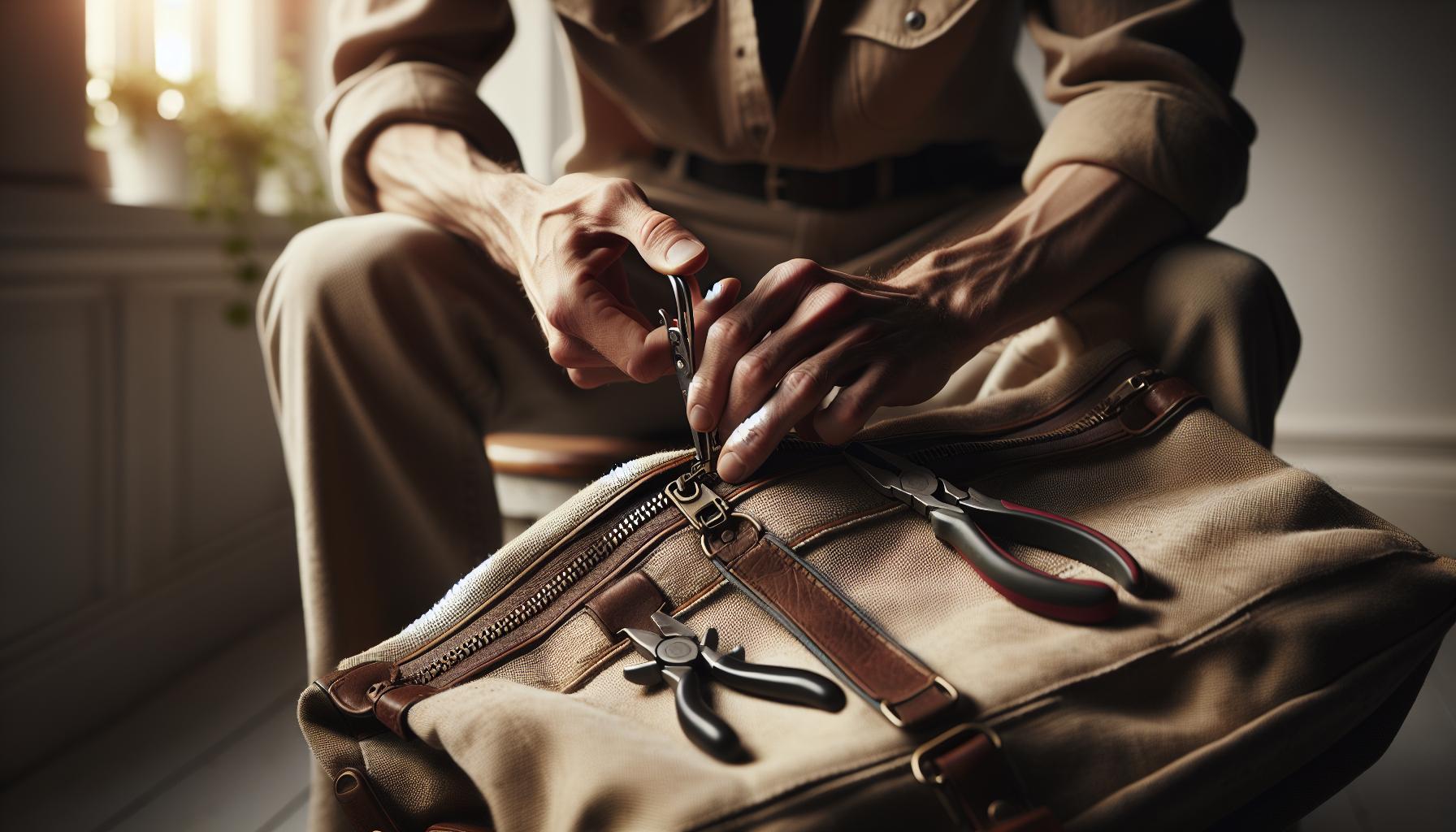
Reattaching a Zipper Slider: A Simple Fix
Experiencing a zipper slider that has come off your backpack can be surprisingly common, yet frustrating. The slider is the component that moves up and down the zipper teeth, allowing you to easily open and close compartments. Fortunately, getting the slider back on track is a simple fix that can prolong the life of your backpack.
To reattach a zipper slider, you’ll first need to ensure you have the right tools on hand. A pair of needle-nose pliers and a replacement zipper slider are essential, especially if the original slider has been damaged or lost. Begin by carefully inspecting the zipper track for any debris or misalignment. Clear away anything that could hinder the slider’s operation. If the teeth are misaligned, gently realign them using the pliers.
Next, position the slider at the top of the zipper where the fabric meets the teeth. It’s vital to ensure the slider is oriented correctly, with the opening facing the pull direction. Insert the slider onto the teeth, making sure it captures the first set of teeth between the two sides. This is where attention to detail matters; if you push it too far or not enough, it won’t function properly. Once the slider is positioned, gently pull it down to engage the teeth. You should feel it catch and glide smoothly if it is correctly reattached.
After you’ve ensured the slider is operating smoothly, it’s advisable to test it several times. Opening and closing the zipper in a controlled manner will confirm that the slider is working as it should. If you find any resistance or sticking, double-check the alignment and that all teeth are engaged properly. Applying a small amount of lubricant or wax along the zipper teeth can also enhance the operation of your zipper, providing an extra layer of protection against future issues. With these straightforward steps, your backpack can be restored to its full functionality, ready for your next adventure.
How to Fix a Separating Zipper on Your Backpack
One of the most frustrating issues a backpack owner can face is a zipper that starts to separate. This issue not only compromises the security of your belongings but can also render your backpack almost unusable. However, fixing a separating zipper is not as daunting as it may seem; with a few simple steps, you can restore it to working order.
Start by examining the zipper to determine the extent of the separation. Often, zippers separate due to a misaligned slider or damage to the teeth. If the separation begins at the bottom, it is typically a simple fix. First, ensure the zipper teeth are clean and free of debris. A small brush or cloth can help clear away any lint or dirt. Next, gently pinch the slider together using a pair of pliers. Be cautious not to apply too much pressure, as this could damage the slider or the zipper teeth. The goal is to create a tighter grip on the teeth, which can help prevent further separation when you zip.
If the zipper continues to separate after realigning the slider, consider applying a small amount of lubricant, such as zipper wax or even bar soap, along the teeth. This can help improve the movement of the slider and reduce wear on the zipper. After applying the lubricant, pull the zipper up and down a few times to distribute it evenly. If the slider is damaged or doesn’t engage properly with the teeth, it may need to be replaced completely. Replacement sliders can be found at most craft stores or online.
Once you’ve made the repairs, always test the zipper multiple times to ensure it functions smoothly and securely. Regular maintenance, like cleaning the zipper and lubricating it at intervals, can help prevent future issues. Knowing how to address a separating zipper can save you time and money, keeping your backpack in prime condition for all your adventures.
DIY Methods for Repairing a Backpack Zipper
Repairing a broken zipper on your backpack can feel daunting, but with a few simple DIY methods, you can restore functionality without needing to purchase a new pack. Often, the most common issues can be fixed using items you already have at home, making it an accessible and cost-effective solution.
One effective method for common zipper issues, such as a stuck or misaligned slider, involves using a pair of pliers. If the zipper is stuck, first inspect it for any dirt or debris that might be obstructing its movement. Cleaning the teeth can often resolve a simple issue. However, if the slider appears loose or misaligned, you can gently pinch it using pliers to create a tighter grip on the zipper teeth. Be careful not to apply excessive force; the goal is to allow it to hold securely without causing damage.
For sliders that have separated completely from the zipper teeth, reattaching it can often be accomplished in a few easy steps. Start by aligning the teeth of the zipper where you want to reattach the slider. Insert the slider at the top of the zipper path and pull it down while pushing against the opposite side of the zipper to help it engage with the teeth. If this isn’t successful, a little wax or soap on the teeth can help ease the process. Lubricating the zipper can significantly improve its function, allowing the slider to glide smoothly.
Additionally, if the zipper pull is broken, you can create a makeshift pull using a variety of objects. A keyring, paperclip, or even a piece of string can serve this purpose until you can replace the actual zipper pull. For a more permanent solution, considering replacement pulls available at craft or sewing stores can restore the zipper’s functionality while keeping your gear intact and reliable.
Regular maintenance can extend the life of your backpack zipper. Cleaning it periodically and using lubricant will help prevent common issues from arising. By familiarizing yourself with these DIY methods, you’ll feel empowered to tackle zipper repairs with confidence, ensuring your adventures can continue uninterrupted.
When to Replace vs. Repair Your Backpack Zipper
When faced with a malfunctioning zipper on your backpack, it’s essential to evaluate whether repair or replacement is the more viable option. In many cases, a simple fix can extend the life of your gear, saving you money and reducing waste. However, there are instances where a zipper has reached the end of its lifespan and requires replacement. Understanding these scenarios can help you make an informed decision.
Start by assessing the extent of the issue. Common problems such as a jammed slider, misaligned teeth, or a broken zipper pull often lend themselves to straightforward repair methods. For example, applying lubricant can resolve sticking sliders, while a pliers’ grip can tighten a loose slider. In many cases, if the zipper teeth are intact and only the slider or pull is damaged, a quick repair is all you need, which typically involves minimal tools and time.
On the other hand, if the zipper has multiple broken teeth or a significant amount of damage, it may be time to consider a full zipper replacement. Signs of wear, such as fraying or severe bending, indicate that the integrity of the zipper is compromised, making it less functional and trustworthy for everyday use. Additionally, if your zipper frequently separates or fails to stay closed despite repairs, replacement is often the best course of action to ensure everything in your backpack remains secure.
Ultimately, the decision to repair or replace your backpack zipper should consider factors like the severity of the damage, the value of the backpack, and your willingness to invest time in repairs. If the backpack is relatively inexpensive or has other signs of wear, it might be more practical to invest in a new one. However, if it’s a beloved, high-quality backpack, diving into repair options can be a rewarding endeavor, allowing you to revive what could be many more years of use. Taking the time to properly diagnose the issue and explore repair methods can not only enhance your gear’s longevity but also instill a sense of accomplishment.
Choosing the Right Replacement Zipper for Your Backpack
Choosing the right replacement zipper can significantly impact the functionality and longevity of your backpack. Given that zippers are the primary closure mechanism for nearly all types of backpacks, selecting a suitable replacement involves careful consideration of several factors. First and foremost, you’ll want to match the zipper size and type to your backpack’s existing design. Backpack zippers typically fall into categories based on their size, ranging from #3 for smaller bags to #10 for larger backpacks. This measurement refers to the width of the zipper teeth, with larger numbers indicating wider teeth and a sturdier construction.
When assessing the right replacement zipper, consider materials as well. Most zippers are made of either plastic or metal, with each having unique benefits. Plastic zippers tend to be lighter and rust-resistant, making them ideal for outdoor gear exposed to the elements. On the other hand, metal zippers offer a sturdier and more durable option, but they can be heavier and susceptible to corrosion if not properly maintained. Assessing your backpack’s typical usage will guide your choice; for instance, an adventure backpack subjected to rain and rough conditions would benefit from a plastic zipper, while a travel backpack designed for routine use might do well with a metal zipper.
Finding a reputable source for replacement zippers is crucial. Hardware stores, craft shops, and online retailers often carry a range of zippers, but specialized outdoor or sewing supply stores might offer the best selection tailored to your needs. When shopping, look for zippers that include the necessary components-such as sliders and stoppers-to ensure a complete replacement solution. It’s also wise to read product reviews and verify the return policy, as ensuring the right fit is essential for a successful replacement.
Lastly, don’t hesitate to consider a zipper repair kit, which often comes with multiple zipper types and attachments, giving you flexibility for future repairs. Investing a bit of time in selecting the right zipper can make all the difference in keeping your gear functional and reliable for years to come.
Best Tools for Backpack Zipper Repair
Repairing a backpack zipper can often be accomplished with just a few handy tools, bringing your favorite gear back to functional status without requiring professional help. Having the right tools on hand not only simplifies the repair process but also enhances your confidence in tackling various zipper issues as they arise. Whether you’re a seasoned camper or a casual day-hiker, equipping yourself with essential repair tools can make all the difference when you’re out on the trail or simply managing everyday carry.
To get started, here’s a list of essential tools for repairing zippers on your backpack:
- Pliers: Use needle-nose pliers to manipulate zipper parts gently, especially when reattaching sliders or adjusting teeth.
- Safety Pins or Paper Clips: Handy as temporary fixes, they can be used to secure a zipper pull or keep a zipper closed in emergencies.
- Replacement Zipper Pulls: Having a variety of zipper pulls on hand can save you time and frustration if you need to replace a broken pull during a trip.
- Scissors: For trimming or removing frayed zipper ends or thread, a good pair of scissors is indispensable.
- Sewing Kit: Keep a small sewing kit handy for any quick stitches that may be needed to reinforce the area around a zipper.
- Fabric Glue: This can be useful for minor fixes, particularly when a quick repair is necessary without sewing.
Bonus Tools for Specialized Issues
For more complex repairs, consider these specialized tools:
- Seam Ripper: Perfect for removing damaged zippers or threads carefully without causing further damage to the fabric.
- Multi-tool or Swiss Army Knife: These handy gadgets often come with scissors, pliers, and even small screwdrivers, making them versatile for on-the-go repairs.
With these tools in your repair kit, you’ll be better prepared to address common zipper issues such as broken pulls, misaligned tracks, and separating zippers. Regularly checking your gear and knowing how to perform simple repairs can significantly extend the lifespan of your backpack, ensuring that it remains reliable throughout your adventures. The right tools empower you to take control of your gear’s maintenance, allowing you to focus on outdoor exploration instead of gear struggles.
Preventative Tips to Maintain Your Backpack Zipper
Maintaining a smooth-functioning zipper on your backpack can significantly enhance the lifespan and usability of your gear. Regular preventative care is key to avoiding nuisance repairs and frustrations during your adventures. A well-maintained zipper not only ensures that your belongings are secure but also helps you avoid emergency fixes when you’re out in the wild or on the go.
Start by keeping the zipper clean. Debris, dirt, and lint can accumulate in the zipper track, leading to jams and other operational issues. Regularly inspecting your zippers and wiping them down with a damp cloth can remove these nuisances. For deeper cleaning, a soft brush can help dislodge stubborn particles. Additionally, after cleaning, apply a zipper lubricant – such as silicone spray or paraffin wax. This helps to further reduce friction and ensures that the zipper glides smoothly.
It’s also essential to check for signs of wear and tear. Look out for frayed fabric near the zipper or bent teeth that could cause snagging. Regularly inspect the zipper pull; if the pull starts feeling loose or shaky, consider replacing it immediately to avoid losing it altogether. A simple visual check can catch potential problems before they escalate into more severe damage.
When packing your backpack, be mindful of how you zip it up. Avoid overstuffing compartments, as this can strain the zipper and lead to malfunction over time. Additionally, ensure that nothing is caught in the zipper when closing it. A quick glance can often prevent a lot of inconveniences. By implementing these preventative measures, you can keep your backpack zippers in excellent condition, allowing you to focus on your outdoor explorations rather than dealing with malfunctioning gear.
Alternative Solutions: Zipperless Backpack Options
For outdoor enthusiasts and daily commuters alike, the reliability and functionality of a backpack can make all the difference. However, the traditional zipper can be a source of frustration when it malfunctions, leading to a search for alternatives that eliminate this common problem. Zipperless backpacks offer innovative designs that replace traditional closures with other methods, providing both style and practicality for those looking to minimize potential gear failures.
One popular zipperless option employs magnetic closures or buckles, making it easy to access your belongings while ensuring a secure fit. These systems often allow for quick adjustments and provide a modern aesthetic, perfect for urban environments or outdoor adventures. Other models utilize roll-top designs, commonly seen in waterproof backpacks, which fold over to create a tight seal. This not only enhances water resistance but also prevents dirt and debris from entering, making them ideal for hiking or biking in rugged terrains.
Outdoor brands have also begun experimenting with Velcro and hook-and-loop fasteners, offering another practical alternative to zippers. These materials can adjust easily to varying loads and allow for silent openings-perfect for stealthy trips in wildlife areas. Consider backpacks that provide multiple pockets and compartments with these closures; they can help you organize your gear effectively without the risk of a zipper snagging or breaking.
When considering a zipperless backpack, it’s crucial to assess your personal needs and the type of activities you’ll engage in. While they offer exciting alternatives, not every zipperless design is created equal. Ensure the materials are durable and that the closure systems are versatile enough for your gear. By making an informed choice, you can enjoy the reliability of a zipperless design, enhancing your outdoor experiences without compromising on functionality or style.
Q&A
Q: How can I fix a jammed zipper on my backpack?
A: To fix a jammed zipper, start by gently wiggling the zipper slider back and forth. If it’s stuck due to fabric caught in the teeth, use a pair of pliers to pull the fabric away. Applying lubricant like WD-40 or soap can also help it glide smoothly.
Q: Why is my backpack zipper not closing properly?
A: A zipper may not close due to misaligned teeth or a damaged slider. Check the teeth closely; if they are bent or not lining up, carefully realign or replace the slider. Refer to the “How to Fix a Separating Zipper” section in the article for detailed steps.
Q: What should I do if my zipper pull breaks off?
A: If your zipper pull breaks, you can easily replace it with a new one or use a paper clip as a temporary solution. Just thread the clip through the slider hole. For complete instructions, check the “Step-by-Step Guide to Replacing a Zipper Pull” in the article.
Q: Can I use a different type of zipper on my backpack?
A: Yes, you can use a different type of zipper, but ensure it matches the size and style of your backpack. Check the “Choosing the Right Replacement Zipper for Your Backpack” section for compatibility tips and recommendations.
Q: How do I prevent my backpack zippers from breaking?
A: To prevent zipper damage, avoid overloading your backpack and regularly clean the zipper track to remove dirt and debris. Refer to the “Preventative Tips to Maintain Your Backpack Zipper” section for more maintenance advice.
Q: What tools do I need for backpack zipper repair?
A: Essential tools for zipper repair include pliers, a sewing kit, replacement zippers, and lubricants like zipper wax. For a detailed list, visit the “Best Tools for Backpack Zipper Repair” section of the article.
Q: Is it worth repairing a zipper instead of replacing the backpack?
A: Yes, repairing a zipper is often more economical and sustainable than replacing the entire backpack. If the rest of the backpack is in good condition, follow the guidance in the article on when to repair versus replace.
Q: How can I temporarily fix a zipper on my backpack when on the go?
A: For a temporary fix, use a safety pin or duct tape to hold the zipper in place. This quick solution allows you to continue using your backpack until you can implement a more permanent repair. For detailed repairs, refer to the article sections.
To Wrap It Up
Now that you’ve learned how to put a zipper back on your backpack, you can keep your gear in top shape and ready for your next adventure. Remember, a functioning zipper not only helps maintain the integrity of your bag but also ensures you can access your essentials without hassle. If you found this guide useful, check out our articles on backpack care and gear maintenance tips for more insights.
Don’t let a small repair slow you down-start fixing that zipper today! For further updates on backpack care and repair techniques, consider signing up for our newsletter. Your backpack deserves the best, and so do you! Have questions or need assistance? Drop a comment below; we love hearing from you!