Packing a hiking backpack effectively can transform your outdoor experience, ensuring you’re prepared for whatever nature throws your way. Did you know that an organized backpack not only lightens your load but also enhances your comfort and efficiency on the trail? Whether you’re a seasoned hiker or just starting out, knowing how to strategically pack your gear can help you avoid common pitfalls like forgetting essential items or struggling with cumbersome access during your adventure. This guide will explore essential organization tips, allowing you to optimize space, keep your belongings secure, and focus on enjoying the great outdoors. So, let’s delve into the art of backpack packing and turn your next hike into a seamless journey!
Choosing the Right Hiking Backpack for Your Needs
Choosing the right hiking backpack can significantly enhance your outdoor experience, ensuring you stay comfortable and efficient on the trail. With countless options available, it’s crucial to consider factors such as backpack size, capacity, and features tailored to your intended use. Generally, hiking backpacks fall into categories based on their size: daypacks (up to 20 liters), weekend packs (20-50 liters), and multi-day packs (50+ liters). For a short day hike, a smaller pack will suffice, while longer trips require a more spacious option to accommodate additional gear and food.
When selecting a backpack, fit is paramount. Ensure the backpack properly fits your torso length and hip size, as a well-fitted pack helps distribute weight evenly, reducing strain during your hike. Look for adjustable straps, padded hip belts, and a suspension system that allows for movement and airflow. Backpack material is another vital consideration; lightweight fabrics are great for casual hikes, while durable, waterproof materials are suitable for rigorous treks in varying weather conditions.
Additionally, features such as hydration reservoir sleeves, ample pockets for organization, and gear loops can make a difference. If you’re a frequent hiker, investing in a quality backpack with these features can enhance your comfort and accessibility on the trail. Ultimately, understanding your hiking style and personal needs will guide you in making the best choice, ensuring you have a reliable companion for all your adventures.
Essential Packing Techniques for Maximum Space
Packing efficiently not only makes your hiking backpack lighter but also allows for easier access to your gear on the trail. Understanding how to maximize space can transform your outdoor experience, enabling you to carry all the essentials without feeling overwhelmed. Start by utilizing the internal space of your backpack wisely. Rolling your clothing instead of folding it can save a significant amount of space while reducing creases. Additionally, stow items vertically when possible; this method enables you to pack smaller items inside larger ones and minimizes air pockets.
Another effective technique is to use packing cubes or compression sacks. These tools can help you categorize and compress your gear, making it easier to organize and access. For example, you might store a sleeping bag in a compression sack to minimize its size, while a packing cube could contain your first-aid kit and toiletries. When organizing your items, place heavier gear closer to your back and lighter items at the top and edges, which not only maximizes space but also improves balance.
Don’t overlook the outside of your backpack; utilizing external pockets or straps can provide additional space for smaller items such as snacks, water bottles, or trekking poles. For particularly inaccessible items, using carabiners to clip them onto your pack can offer quick access while saving interior space. It’s also crucial to keep frequently used items like maps, snacks, or layers accessible. Consider designating a specific pocket for these essentials to avoid digging through the entire bag during a rest stop.
Finally, practice makes perfect. Before your hiking adventure, take the time to pack and repack your backpack. This exercise will help you identify the most effective packing strategies for your specific gear and give you the opportunity to make adjustments as needed. Whether you’re heading out for a day hike or a longer expedition, employing these packing techniques will ensure you maximize space effectively and enhance your overall hiking experience.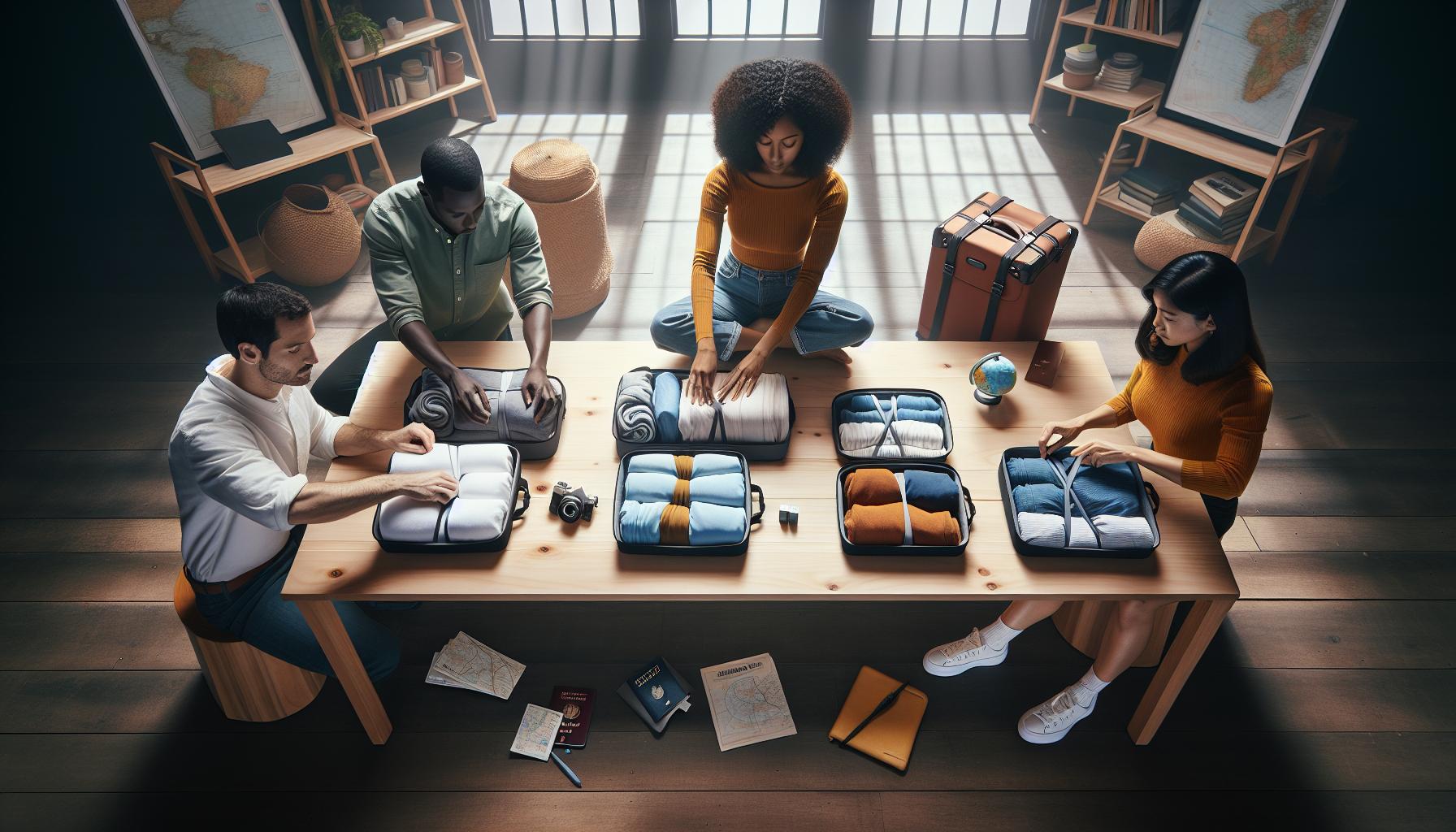
Organizing Gear: The Top Three Packing Methods
The right packing method can significantly enhance your hiking experience, helping you stay organized, efficient, and ready for any situation on the trail. Here are three effective approaches to organizing your gear, ensuring that you have quick access to your essentials while maximizing space in your backpack.
Utilizing Packing Cubes
Packing cubes are a game changer for organizing gear in a hiking backpack. By compartmentalizing your items, you can keep similar gear together, making it easy to locate what you need without rummaging through your entire pack. For instance, use one cube for clothing, another for your first aid kit, and a third for cooking utensils. This segregation not only helps in finding items swiftly but also provides structure, preventing a chaotic mess at the bottom of your bag. When packing, choose lightweight, compressible cubes to save space and keep everything organized.
The Layering Technique
Layering your gear is another strategic method to maintain organization and balance in your pack. Start by placing heavier items like cooking gear and food towards the bottom of your backpack to create a stable base. Next, add lighter items such as clothing and sleeping bags on top. This technique improves weight distribution, enhancing your comfort while hiking. Additionally, consider separating layers based on use-keep daily essentials like snacks and water bottles readily accessible in outside pockets while stowing less frequently used items deeper in the pack.
Vertical Packing
Vertical packing takes advantage of the natural orientation of your backpack, allowing you to utilize space more efficiently. This method involves storing items upright, resembling a filing cabinet’s structure. For example, stow your tent poles vertically alongside your sleeping bag, while keeping clothing and other soft items packed around them. This approach not only conserves space but also provides easier access to gear during your hike, as you can simply pull out what you need without disturbing everything else.
By adapting these packing methods-utilizing packing cubes, employing the layering technique, and packing vertically-you will enhance your organization and efficiency on every hike. Experiment with these strategies to discover what works best for your gear and hiking style, ensuring that every adventure is a well-prepared one.
Weight Distribution: How to Balance Your Backpack
To ensure a comfortable hiking experience, effective weight distribution in your backpack is essential. Properly balancing the load not only alleviates physical strain but also enhances stability, allowing you to navigate varying terrains with ease. The way you pack can significantly influence how your body feels during long hikes. When your pack is unevenly weighted, you risk developing pain in your shoulders, back, and knees, which can hinder your performance and enjoyment on the trail.
Start by placing the heavier items at the bottom of your backpack, near your spine. This positioning creates a solid base that helps keep your center of gravity low, making it easier to balance. For instance, items such as your cooking gear, food, and tent should be stowed at the bottom. Next, distribute medium-weight items-like your sleeping bag and clothing-above the heavy ones. Finally, lighter and frequently used items such as snacks, water, and a first aid kit should be easily accessible in top compartments or side pockets. This method not only keeps your backpack balanced but also ensures that essential items can be retrieved quickly without digging through your pack.
It’s also crucial to consider the side-to-side balance of your backpack. Strive for an even load by placing similar-weight items on each side. If one side is significantly heavier than the other, you could experience discomfort and instability, especially on uneven ground. Using compressible gear can help fill gaps and stabilize your load, preventing items from shifting while you hike. Remember to periodically assess the fit of your backpack and adjust the straps to distribute weight evenly across your shoulders and hips, enhancing comfort and reducing fatigue throughout your journey. By mastering weight distribution, you empower yourself to enjoy the beauty of nature without the burden of discomfort.
Packing Essentials: What to Bring on Your Hike
For an enjoyable and safe hiking experience, the right gear can make all the difference, but knowing what to bring is just as important as how you pack. Before heading out, consider your planned hike’s duration, terrain, and weather conditions. Generally, there are essential items every hiker should carry to ensure preparedness.
Start with the basics: a reliable map or GPS device, a fully charged phone, and a first aid kit should be at the top of your list. It’s critical to navigate confidently and to be ready for any minor accidents. Food and water are vital, so pack ample hydration solutions and high-energy snacks like nuts or granola bars. For multi-day hikes, dehydrated meals can save time and space while providing the necessary nutrients.
Another important category consists of clothing and protective gear. Dress appropriately for changing weather conditions-think breathable materials and layers that can keep you warm or cool as needed. A lightweight rain jacket and a sturdy pair of hiking boots will enhance comfort and safety on the trail. Don’t forget a sun hat and sunscreen for sunny days, while a headlamp or flashlight can be critical for hikes extending into the evening.
Lastly, consider packing items that enhance your outdoor experience, such as a compact camping stove if you plan to cook, or a lightweight backpacking chair for breaks. A multi-tool can be invaluable for various needs, from food preparation to gear repairs. When assembling your hiking pack, it’s vital to customize your gear based on personal preferences, ensuring you have a well-rounded set of essentials that will keep you safe and comfortable in the great outdoors.
Layering Your Gear: Clothing and Equipment Placement
When preparing for a hike, how you layer your clothing and gear inside your backpack can greatly influence your comfort and accessibility on the trail. The goal is to achieve an organized setup that allows you to quickly reach what you need while minimizing wear on your equipment. Proper layering also allows for efficient use of space, which is essential whether you’re embarking on a day hike or a multi-day wilderness adventure.
A practical approach to layering involves prioritizing items based on how frequently you will need to access them. Place heavier, less frequently used gear such as your sleeping bag or minimal cooking equipment at the bottom of the pack. Next, fill in the midsection with clothing and essentials such as extra layers or rain gear that you may need if the weather changes unexpectedly. Packing these items in a compression bag can save significant space and keep them dry.
Your top layer should consist of quick-access items, including snacks, first aid supplies, and navigation tools. By storing frequently needed items at the top or in external pockets, you can avoid digging through your entire pack each time you need something. Consider keeping your water reservoir or water bottles in a side pocket, making hydration easy without the need to stop and unpack. A good rule of thumb is to organize your gear by weight, with heavier items at the bottom and lighter items above, ensuring stability when carrying the pack.
Lastly, think about using packing cubes or dry bags to keep your gear organized. You can dedicate one cube for clothing, another for cooking supplies, and so on. This not only streamlines the packing process but also makes it easier to locate specific items when you reach your campsite or need something mid-hike. By layering effectively, you can enhance your hiking experience, keeping yourself comfortable and ensuring that every piece of gear is accessible when it matters most.
Quick Access Items: How to Pack for Convenience
When you’re on the trail, the last thing you want to deal with is fumbling through your backpack for essential items. Having your quick-access gear organized can make all the difference between an enjoyable hike and a frustrating scramble. Prioritizing convenience will not only enhance your experience but also ensure that you are well-prepared for whatever the outdoors may throw at you.
To optimize your quick-access items, start by designating specific compartments in your backpack. Most backpacks come with front pockets or belt pouches that are perfect for storing items you need right away. Place your map, compass, or GPS device in an easily reachable pocket, as navigating can be critical, especially in unfamiliar territory. Similarly, a small first aid kit should be at the top of your bag or in a side pocket so that it’s readily available in case of emergencies. Consider organizing these items into smaller, labeled bags for easy identification.
Water is essential, and how you store it matters. Keep your water bottles or hydration reservoir in a side pocket designed for this purpose. This allows you to hydrate on-the-go without needing to stop and unpack. Additionally, snacks are vital for maintaining energy levels. Store easy-to-reach food items, such as energy bars or trail mix, at the top of your backpack or in a front pocket. This way, you can grab a quick bite without hindrance, ensuring that you keep your energy levels steady throughout your hike.
Lastly, think about personal comfort when accessing essentials. Sunscreen, lip balm, and insect repellent are often required throughout the hike, so keeping them in a designated pocket can save time. If you like to listen to music or use your phone for navigation, having your headphones or phone easily accessible will keep your hands free, allowing you to be more present in your natural surroundings. Organizing for convenience not only optimizes your time but also enhances your overall safety, ensuring that everything you need is tightly within reach.
Tips for Packing Food and Water Efficiently
Properly packing food and water for your hike can significantly enhance your experience. A well-planned strategy not only keeps your energy levels high but also ensures hydration is readily accessible when you need it the most.
Start by choosing the right containers for your food and water. Lightweight, durable options such as collapsible silicone containers or resealable bags are ideal for snacks, as they save space and prevent leaks. For hydration, consider a hydration bladder system that fits in your backpack, allowing you to drink hands-free through a tube. Alternatively, store water bottles in designated side pockets, making them easy to grab on the go.
When it comes to food, opt for high-energy, low-weight options. Dehydrated meals, energy bars, and trail mix are excellent choices. For a multi-day hike, vacuum-sealed meals can minimize space and maintain freshness. Be sure to pack more than you think you’ll need; it’s better to have extra snacks for a surprise detour than to run low on energy. Use small, labeled bags to categorize snacks by type-like sweet, savory, or salty-so you can easily find what you’re looking for without rummaging through your bag.
Additionally, consider the layout of your packed food and water. Store heavier items, such as water and hearty meals, closer to your back to maintain an even weight distribution. Snacks should be placed in outer pockets for quick access, while any trash should go into a designated bag to keep your hiking environment clean. Planning for efficient food and water packing can transform not only your hike but also your overall enjoyment of the great outdoors.
Protecting Your Gear: Waterproofing and Packing Methods
When setting out on a hiking adventure, protecting your gear from the elements is crucial, as it can mean the difference between a pleasant experience and a potentially disastrous one. Wet weather or unexpected spills can ruin your gear, but with the right waterproofing techniques and packing methods, you can keep everything dry and functional throughout your journey. Ensuring your gear remains protected requires a combination of appropriate materials, clever packing strategies, and regular maintenance.
Start by investing in high-quality waterproof bags or liners for critical items such as clothing, food, and electronics. Dry bags are designed specifically for this purpose and come in various sizes, from small pouches for delicate items to large bags for bulkier gear. For items that need double protection, consider using resealable plastic bags or packing cubes within your dry bags. This extra layer can be particularly useful for separating different types of gear while also providing additional waterproofing.
In addition to using waterproof containers, it’s important to pay attention to how you pack your gear. Place your heaviest and most commonly needed items towards the back of the backpack, while lighter items can fill the gaps. Keep sensitive items, like your phone or a camera, in padded compartments or dedicated sections to minimize the risk of damage from impacts as well as moisture. Remember to utilize external pockets for quick access, but always ensure that items stored there are also water-resistant or are in waterproof containers.
After returning from your hike, maintaining your gear is essential for its longevity and effectiveness. Clean your pack according to the manufacturer’s guidelines, checking for any wear or tear in the waterproofing. If you notice any issues, consider reapplying a waterproofing spray to keep your gear in top shape. This proactive approach not only enhances your outdoor experience but ensures that your gear is ready to face whatever challenges your next hike might bring.
Maintaining Your Backpack: Cleaning and Care Tips
Maintaining your hiking backpack is not just about prolonging its life; it’s about ensuring that you have a reliable companion for every adventure. A well-cared-for backpack can make all the difference when you’re on the trail, as it allows you to focus on enjoying nature rather than worrying about equipment failures. Just like any piece of outdoor gear, your backpack requires regular attention to keep it functioning at its best.
Start with the basics: cleaning. After each hike, it’s wise to inspect your backpack for dirt, mud, or stains. Most packs can be spot-cleaned with a damp cloth and a gentle soap. For tougher stains, a mixture of water and mild detergent works well. Make sure to rinse thoroughly and avoid machine washing, as this can cause damage to the stitching and fabric. For internal cleaning, consider using a vacuum with an upholstery attachment to remove any debris that may have become lodged in pockets or compartments.
Next, pay attention to the zippers, buckles, and straps-these are critical components that can easily wear out. Regularly check for any signs of fraying or damage and apply a zipper lubricant if you notice stiffness. A small amount of silicone spray can help keep the buckles working smoothly as well. When it comes to storing your backpack, ensure it’s kept in a cool, dry place to prevent mold and mildew. Stuff it with crumpled paper or use a bag to help maintain its shape.
Annual maintenance should also include a thorough inspection of the waterproofing capabilities. If your backpack is designed to be waterproof, test it periodically. For items that are not inherently waterproof, consider reapplying a water-repellent spray to restore its protective qualities. Additionally, familiarize yourself with your backpack’s care instructions, as different materials might require specific cleaning or treatments.
Finally, consider keeping a small repair kit handy. This can include patches for tears, spare buckles, and spare straps that can save your hike if something goes wrong. By giving your backpack the care it deserves, you ensure that it’s always ready for your next adventure, making it a truly great hiking companion.
Packing for Specific Hikes: Day Trips vs. Multi-Day Adventures
When preparing for a hike, the approach you take can drastically change based on whether you’re heading out for a day trip or embarking on a multi-day adventure. Understanding these differences can not only aid in your comfort but also ensure that you have everything you need while preventing unnecessary gear overload.
For day hikes, simplicity is key. Your pack should be light and compact, focusing primarily on essentials. Consider including the following items:
- Water: Aim for at least 2 liters, depending on the climate and duration.
- Snacks: Energy-dense options like granola bars or trail mix will keep you fueled.
- Navigation tools: A map and compass or GPS device are crucial, even for well-marked trails.
- First aid kit: A small kit with basic supplies can be a lifesaver.
- Weather gear: Pack a lightweight rain jacket or extra layer, as conditions can change rapidly.
- Multi-tool: Handy for unexpected repairs or tasks.
When venturing out for multi-day hikes, your packing strategy should shift towards a more comprehensive setup. You will need to consider not only daily comforts but also essentials for overnight survival. Here are the crucial items to incorporate into your backpack:
- Sleeping arrangement: A lightweight tent or tarp, and a sleeping bag suitable for the expected temperatures.
- Cooking equipment: A portable stove, fuel, and cooking utensils can enhance your meals.
- Extended food supply: Freeze-dried meals and snacks that can sustain you over several days.
- Hydration systems: A filter or purification tablets for refillable water sources.
- In-depth first aid kit: More comprehensive supplies are necessary for extended trips.
- Extra layers: Add more thermal layers to ensure you’re prepared for colder nights.
In both cases, the proper organization within your backpack is essential. For shorter trips, pack items you need often in easily accessible pockets. For longer treks, use packing cubes or dry bags to categorize gear-put cooking equipment in one, clothing in another, and create a dedicated food bag. This not only maximizes space but simplifies access, allowing you to enjoy the journey without digging endlessly through your pack. Balancing lightweight with comprehensive gear is fundamental, ensuring your adventures are both enjoyable and safe, regardless of the duration.
Common Packing Mistakes and How to Avoid Them
One of the most common challenges hikers face is inefficient packing, which can lead to discomfort and even jeopardize the safety of your trip. Packing mistakes can stem from misunderstanding your needs or simply being unprepared for the unexpected. By recognizing these pitfalls before hitting the trail, you can enhance your hiking experience significantly.
A frequent error is overpacking, where hikers carry unnecessary items that add weight without adding value. This often occurs when one is unsure about what essentials to pack or feels compelled to bring comfort items they might rarely use. To avoid this, consider creating a checklist tailored to your hike’s length and location. For example, if you’re heading out for a single day hike, focus on essentials like water, snacks, and a first aid kit. Conversely, when planning for multi-day outings, prioritize gear that serves multiple functions, such as a Swiss Army knife that can handle various tasks.
Another common mistake is poor weight distribution, which can lead to back pain and fatigue on the trail. Many hikers simply toss their belongings into their packs without considering how they fit together. It’s crucial to place heavier items close to your back and higher up in the backpack to maintain stability. Lighter items can be packed towards the outer pockets for easy accessibility. Practicing this technique not only improves your balance but makes moving through various terrains more manageable.
Lastly, packing in a hurry can lead to overlooked items, particularly critical gear like navigation tools and weather protection. It’s important to check the weather forecast and assess the trail conditions before starting your hike. Make this a part of your pre-hike routine by setting aside time to double-check your gear. Using packing cubes or dry bags can also streamline the process, allowing you to quickly find what you need without searching through a disorganized pack.
By being mindful of these common packing mistakes, you can ensure your hiking experience is enjoyable and safe, allowing you to focus on the beauty of your surroundings rather than worrying about whether you’ve forgotten something important.
Frequently asked questions
Q: What is the best way to organize a hiking backpack?
A: The best way to organize a hiking backpack is by using a layering method. Place heavier items at the bottom and close to your back for better weight distribution, while keeping lighter, frequently accessed items like snacks and maps at the top or in side pockets. This enhances balance and accessibility during your hike.
Q: How can I maximize space in my hiking backpack?
A: To maximize space in your hiking backpack, roll your clothing instead of folding it, use compression bags for bulkier items, and pack items into gaps to utilize every inch. Additionally, choose multi-functional gear to reduce the number of items you carry. Check the section on Essential Packing Techniques for more tips.
Q: What should I avoid packing in my hiking backpack?
A: Avoid packing unnecessary items that add weight without providing value, such as excessive clothing, heavy tools, or non-essential electronics. Stick to your packing essentials to maintain efficiency. This helps streamline your hike and prevents discomfort caused by an overloaded backpack.
Q: How do I ensure my gear stays dry while hiking?
A: To keep your gear dry, use waterproof stuff sacks for essential items and a rain cover for your backpack. You can also pack your backpack in a way that keeps delicate electronics in waterproof bags. Refer to the section on Protecting Your Gear for detailed methods.
Q: How can I tell if I’ve packed too much in my hiking backpack?
A: You may have packed too much if your backpack feels excessively heavy or uncomfortable when worn. As a guideline, aim for your pack to weigh no more than 20% of your body weight. If you struggle to lift it or have trouble balancing, it’s time to reassess your packing choices.
Q: What are some common mistakes when packing a hiking backpack?
A: Common mistakes include overpacking, not distributing weight correctly, and failing to ensure quick access to essential items. Review the section on Common Packing Mistakes to learn how to avoid these pitfalls and optimize your packing strategy.
Q: Should I pack my water on the outside of my backpack or inside?
A: It’s best to pack your water inside your backpack to maintain stability and prevent it from shifting while you walk. Using a hydration reservoir or water bottles in the side pockets allows for easy access without compromising your pack’s balance.
Q: When should I repack my backpack during a hike?
A: Repack your backpack during breaks, especially after consuming snacks or water. This allows you to adjust the weight distribution and ensure that your frequently used items are easily accessible. Staying organized throughout your hike helps improve your overall experience.
Future Outlook
Now that you’re equipped with essential organization tips for packing your hiking backpack, it’s time to put this knowledge into action! Remember, effective packing not only enhances your hiking experience but also ensures you’re prepared for any adventure. Don’t miss out on making your next trip memorable-start organizing your gear today!
For additional insights, check out our guides on Choosing the Right Hiking Gear and Essential Safety Tips for Outdoor Adventures. These resources will further empower your journey into the great outdoors. If you have questions or want to share your packing strategies, drop a comment below or connect with us on social media!
Stay informed and inspired by subscribing to our newsletter for more tips and tricks to enhance your hiking skills. Your next adventure awaits-let’s get you ready!