Packing a backpack efficiently can transform your travel experience, turning cumbersome chaos into seamless adventure. Did you know that effective packing can save you time at security checks and give you more freedom to explore? Whether you’re heading for a weekend getaway or a long trek, mastering space-saving hacks is crucial to maximizing what you can carry while minimizing the bulk. You want to keep essentials easily accessible, maintain organized compartments, and avoid the frustration of rummaging through your bag. In this guide, we’ll share practical tips and techniques to help you pack smarter, ensuring you’re prepared for anything your journey may throw at you. Dive in and discover how to optimize your backpacking skills for a stress-free travel experience.
Choosing the Right Backpack for Travel Adventures
Choosing the right backpack can make or break your travel experience. With the vast array of options available, it’s essential to select one that suits your specific needs. Comfort, capacity, and functionality should be your primary considerations. As a general rule, weekends or short trips might warrant a smaller daypack, while a longer trek may require a larger backpack with more gear storage and support features.
When deciding on a backpack, consider your travel style and destination. For instance, if you plan to hike mountainous terrains, look for a pack with a robust suspension system, padded hip belt, and built-in hydration reservoirs. Conversely, if you’re navigating urban landscapes, opt for a sleek, stylish design that provides organization for electronics and travel documents while blending in with your surroundings. An ideal pack will help you stay organized, reduce strain on your back, and maintain a professional appearance even in transit.
Key Features to Look For:
- Size and Capacity: Choose based on trip duration and personal packing habits.
- Comfort: Seek adjustable straps, breathable materials, and padded support areas for ease during long trips.
- Durability: Look for water-resistant fabrics and reinforced stitching to endure different weather conditions.
- Accessibility: Consider side pockets, compartments, and external attachment points for easy access to essentials.
Ultimately, the best backpack is one that provides the right balance of comfort and organization tailored to your travel plans. Take the time to try on several models, adjust the straps, and assess how they feel with weight. This can save you from discomfort down the line and ensure you’re well-prepared for the adventures that await.
Essential Packing Strategies for Backpackers

Packing a backpack effectively can elevate your travel experience, making it not only more organized but also more enjoyable. When embarking on a journey, understanding how to optimize your pack can save you stress and time. One crucial tactic is to prioritize weight distribution. Heavy items should always be packed towards your back and near your center of gravity. This positioning minimizes strain on your shoulders and back, allowing for better balance and easier maneuvering.
A common dilemma for backpackers is the dilemma of how to keep items accessible. To solve this, consider utilizing compartments and pockets strategically. Place frequently used items-like maps, snacks, and your water bottle-in outer pockets for quick access, while reserving the inner compartments for less-accessed supplies. Additionally, think about layering your clothing. Roll your clothes to maximize space and minimize wrinkles while keeping heavier or bulkier items at the bottom of your pack. This method not only saves space but also helps you quickly grab what you need without disrupting the entire pack.
Another essential strategy is to use compression bags for your clothing and gear. These handy tools can significantly reduce the bulk of your packed items, allowing more room for essentials. For instance, if you’re hiking in unpredictable weather, packing waterproof compression bags for your layers will keep them dry while also compressing the space they occupy. Lastly, don’t overlook the often underutilized life-saving packing hacks. Consider packing your socks inside your shoes, which not only saves space but also helps maintain the shape of your footwear.
By employing these practical packing strategies, you’ll not only save space but also enhance your overall efficiency on the road, allowing you to focus more on your adventures rather than your luggage.
Maximizing Space: Compression Techniques That Work

Packing efficiently is crucial for any traveler, and mastering compression techniques can take your packing game to a whole new level. Compression not only maximizes space but also reduces the overall bulk of your backpack, allowing you to carry more without adding extra weight. This process involves strategically squeezing air out of your items to create a more streamlined fit. Whether you’re an avid backpacker or just setting out on a weekend trip, implementing these techniques can greatly ease your travel experience.
One of the simplest and most effective methods is the use of compression bags. These are specially designed to remove excess air from clothing and gear, which significantly reduces their size. Look for durable, waterproof options to keep your items protected in inclement weather, particularly if you’re hiking or traveling to unpredictable locales. When packing, lay your clothes flat, roll them tightly, and place them into these bags before sealing. A good tip is to pack your heaviest and bulkiest items, like jackets or hiking pants, into these bags first, so they take up the least amount of space.
Another effective technique involves the use of packing cubes, which keep your items organized while also allowing for efficient compression. When packing, start by filling the cubes until they are full; then, use the compression zipper to tighten them further. This method not only compresses the cube’s contents but also prevents shifting during travel, ensuring that everything stays in place. Some brands even offer flexible packing solutions, where you can mix and match different sizes of cubes to fit your specific needs, making them highly versatile for any type of travel.
In addition to packing cubes and bags, consider the technique of layering your clothing inside the backpack. This is particularly useful for bulky items. Start with the heaviest layers at the bottom of your backpack, working your way up to lighter pieces. Tighten the straps of your pack to further consolidate everything, keeping the weight distributed towards the center. Remember to utilize every inch of space; pack smaller items like socks or chargers in your shoes or gaps within your packing cubes. This not only maximizes your space but also ensures that every item is easily accessible when you need it.
By employing these compression techniques, you’ll find that your pack can fit more than you initially thought possible, leading to a smoother and more enjoyable travel experience. With the right methods, you can prioritize space without sacrificing the essentials, making your travels lighter and more efficient.
Must-Have Packing Cubes for Organizational Success
The right organization tools can transform your packing experience, and packing cubes are among the most effective solutions for keeping your backpack tidy. Not only do these versatile bags help maintain order during your travels, but they also elevate your efficiency by allowing you to access items quickly. Imagine reaching into your pack and immediately finding your favorite shirt tucked away in a bright cube, rather than rummaging through a jumbled mess of clothing. With packing cubes, you can categorize your belongings, making it easier to grab what you need on the go.
One of the key advantages of using packing cubes is their ability to compress your clothing and gear without much effort. Most packing cubes feature zippers that allow you to compact their contents snugly, thereby reducing volume and making more room in your backpack. By combining compression with organization, you can pack even more items while keeping everything accessible. This dual function is a game-changer when you’re maneuvering through airport security, hopping on public transport, or setting up camp after a long hike.
When selecting packing cubes, consider the size and style that will best suit your travel needs. Ranging from small sizes for undergarments and accessories to larger ones for bulkier items like jackets or shoes, the right set can be customized based on your trip length. Some models come with transparent panels for easy visibility, while others feature thoughtful designs like mesh ventilation for breathability. A well-thought-out assortment can align perfectly with your travel style, whether you’re planning a hiking trip or a city getaway.
Incorporating packing cubes into your routine can also promote better packing habits. By categorizing clothing by type-such as tops, bottoms, and sleepwear-you’re less likely to overpack or forget essentials. It encourages mindful packing, allowing you to focus on packing only what you truly need. Additionally, when returning from a trip, packing cubes can be flipped inside out to quickly store dirty laundry away from clean clothes. With these organizational marvels at your disposal, you’ll approach your travels with greater confidence and less stress.
Packing for Multi-Destination Travel: Tips and Tricks
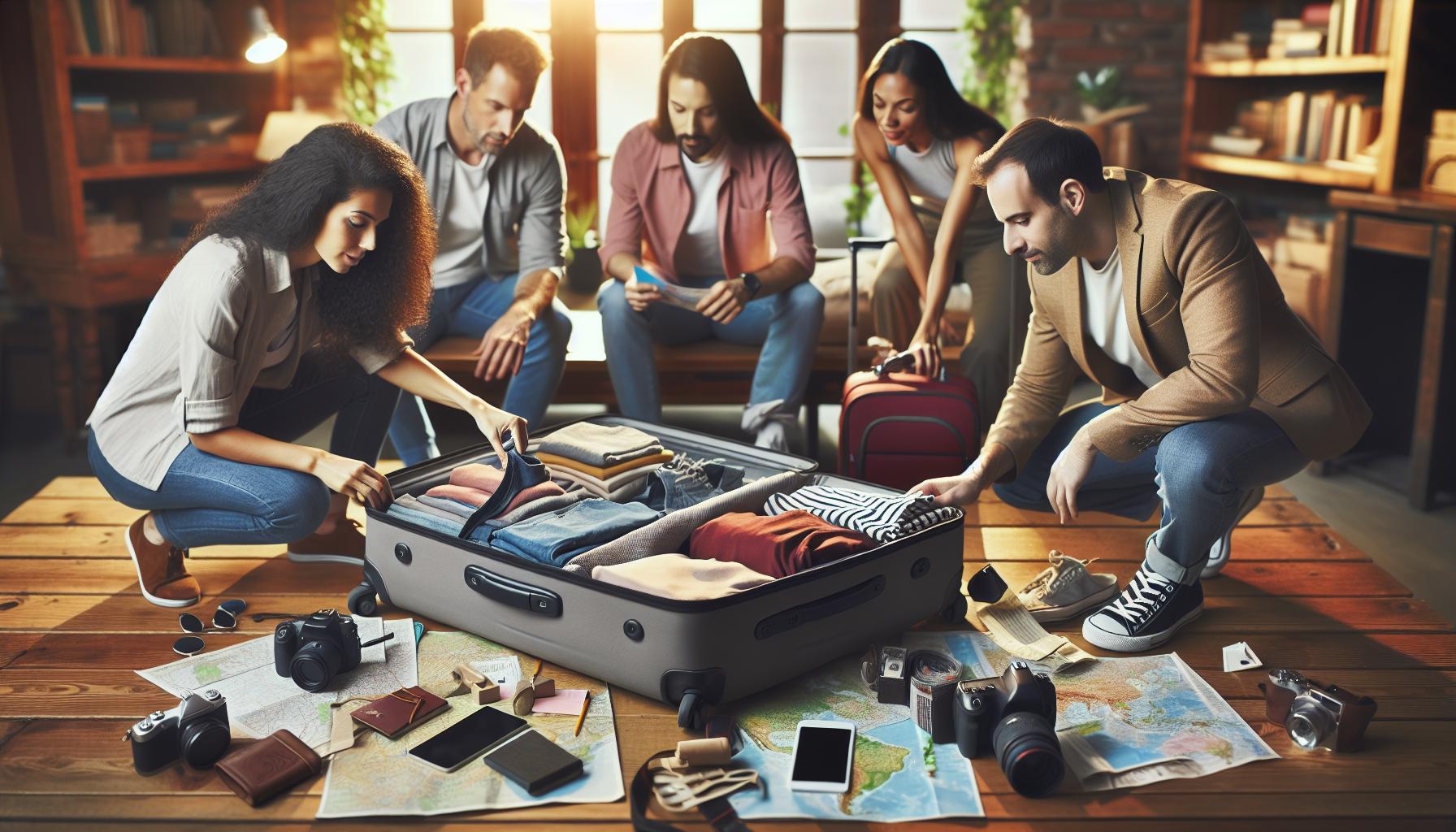
When tackling multi-destination travels, efficient packing becomes not just a convenience but a necessity. The key to managing diverse locations lies in versatility and adaptability. Begin your packing strategy by thinking modularly: each piece of gear and clothing should serve multiple functions. For example, a lightweight jacket can work for both chilly evenings and unexpected rain, while quick-dry clothing can transition from day activities to casual nights out.
Experiencing various climates and activities throughout your journey requires strategic clothing choices. Layering is essential-choose breathable fabrics as your base layer and pack a few versatile layering items that can be easily added or removed. Additionally, consider packing a portable garment steamer, which can help you look polished without the bulk of multiple outfits. Speaking of bulk, rolling your clothes instead of folding can save valuable space and reduce wrinkles, allowing you to maximize your pack with these space-saving techniques.
Plan for Every Leg of the Journey
Adapt your packing list based on each destination. Create a separate list for each place you’ll visit, identifying specific needs-whether that’s swim gear for coastal stops or hiking boots for mountainous areas. Use packing cubes to keep these items organized: designate colors for regions or activities, ensuring quick access when transitioning between destinations. This way, you won’t find yourself digging through your bag for a swimsuit while in transit.
To facilitate smooth transfers, prioritize easily accessible pocket placement in your backpack. Use outer compartments for travel documents and items you’ll need on the go-such as snacks, maps, or chargers-as this will streamline airport or bus station transitions. Furthermore, invest in a lightweight day pack that can be compacted within your larger backpack, providing an easily transportable option for day trips or spontaneous adventures at each stop.
Ultimately, mastering the art of packing for multi-destination travel revolves around strategic selections and thoughtful organization. By emphasizing multi-functionality, staying organized with packing cubes, and planning with flexibility in mind, you’ll not only save space but also enhance your travel experience, allowing you more freedom to enjoy each new adventure.
Utilizing Every Pocket: Hidden Storage Solutions
When traveling, one of the most significant challenges can be effectively utilizing the often-overlooked pockets and compartments of your backpack. A well-structured backpack can offer a plethora of hidden storage solutions that allow you to keep your essentials accessible and organized. Not only does this maximize your packing efficiency, but it also helps in balancing the weight distribution, making your journey more comfortable and enjoyable. Let’s dive into some strategies to unlock the full potential of your backpack’s pockets.
Smartly Use External Pockets
External pockets are a traveler’s best friend. They provide quick access to items you may need on the go, saving you the hassle of rummaging through your entire pack. Use these pockets for storing your travel documents, such as your passport, boarding passes, and itineraries, along with snacks and water bottles. This way, you can easily grab what you need at security checkpoints or during transit. Consider investing in a backpack with water bottle compartments on both sides; this not only keeps hydration within reach but also helps maintain balance by distributing weight evenly.
Hidden Compartments for Valuables
Many modern backpacks come with secret compartments, cleverly designed to keep your belongings safe from theft. Utilize these hidden storage areas for your valuables, including wallets, electronics, and keys. Look for features like anti-theft zippers or RFID-blocking pockets if security is a concern. For even more security, consider using a travel-safe pouch that you can wear under your clothes. This extra measure keeps your essentials close and reduces the risk of loss or pickpocketing while navigating busy tourist areas.
Internal Organization and Compression
Inside your backpack, use internal pockets and dividers to compartmentalize items based on their category or frequency of use. Packing cubes are particularly effective for this; designate one for clothes, another for toiletries, and a third for electronics. Remember to compress items where possible. Use roll-top or compression bags for clothes to save space and reduce bulk, allowing you to fit more into your bag without sacrificing organization.
- Electronics pocket: Designate a padded area for chargers, headphones, and gadgets.
- Toiletry pouch: Opt for a removable pouch that keeps liquids separate from your clothes.
- Quick-access sleeve: Keep your map or notebook in a quick-access sleeve to avoid delays while navigating.
By understanding and leveraging the various pockets designed into your backpack, you can transform a chaotic packing experience into an organized, stress-free journey. Make the most of these hidden storage solutions to ensure every item has its place, leaving you free to focus on enjoying your travels.
The Role of Lightweight Gear in Space-Saving
Selecting the right lightweight gear is crucial for maximizing space in your backpack, allowing you to carry more without compromising on convenience or comfort. Modern advancements in materials and design have given rise to a variety of gear that emphasizes both functionality and portability. For example, many outdoor brands now offer ultralight tents and sleeping bags that weigh significantly less than traditional options, freeing up valuable space for other essentials. Investing in lightweight gear means not only a lighter load but also the ability to pack efficiently and precisely, resulting in a more enjoyable travel experience.
When choosing lightweight items, look for products constructed with high-quality synthetic materials or advanced composites that provide durability without the bulk. Clothing made from merino wool or quick-dry synthetic fabrics can reduce weight while offering versatility in various weather conditions. For instance, a packable rain jacket or multi-purpose clothing can replace several heavier layers, helping you maintain warmth without taking up extra space. Additionally, using compressed packing cubes further streams your packing process-choose cubes made from lightweight materials to keep your items organized and easily accessible while maximizing the use of every inch in your backpack.
It’s also essential to assess the necessity of each piece of gear you pack. Adopting a minimalist approach encourages you to select multifunctional items that serve more than one purpose. A travel towel that is compact and quick-drying can double as a blanket or wrap on colder nights. Similarly, collapsible cookware or multi-tools equipped with various functionalities can save weight and space, allowing you to bring essential cooking equipment without the extra heft.
Overall, embracing lightweight gear and thoughtful packing practices helps streamline your travel experience, allowing you to navigate through your journey with ease. By prioritizing lightweight options and being mindful of what goes into your backpack, you’ll not only make room for all your travel essentials but also enhance your overall comfort and mobility on your adventures.
Roll vs. Fold: Best Techniques for Clothes
The choice between rolling and folding clothes for packing can significantly influence how much you can fit into your backpack and how wrinkled your garments will be upon arrival. Both methods have their advocates, but understanding the strengths of each can help you tailor your approach to your specific travel needs.
Rolling clothes is often celebrated for its space-saving qualities. When you roll items tightly, they take up less space than traditional folding, allowing you to maximize the use of every crevice in your backpack. It’s particularly effective for softer fabrics that can compress easily, such as t-shirts, leggings, and casual shorts. Additionally, rolling reduces creasing because the clothes are less likely to shift around during travel. Travelers often find that rolled clothes can also act as padding for more fragile items, like electronics, especially in the main compartment of the backpack.
On the other hand, folding can be advantageous for stiffer fabrics, such as dress shirts or jackets, where maintaining a certain shape is desirable. When folding, be sure to use the “proper folding techniques.” For example, lay the shirt face down, tuck in the sleeves, and fold the bottom up to reduce bulk. This approach preserves the garment’s structure, preventing it from becoming misshapen or excessively wrinkled. For travel outfits that require a polished look, folding ensures that your clothes arrive in ready-to-wear condition.
To make the most of both techniques, consider a hybrid approach: roll casual clothes and fold dressier items. This way, you can enjoy the benefits of space-saving without sacrificing the appearance of your formal wear. Also, don’t forget to utilize packing cubes for separate categories; they help keep clothes organized while providing additional compression.
In summary, choosing between rolling and folding clothes will depend on the types of garments you’re packing and the kind of travel you’re undertaking. For a balanced packing strategy, assess your wardrobe’s materials and decide which method best suits each item, ensuring that your adventures are supported by efficient and thoughtful packing habits.
Packing Electronics Efficiently: Cables and Devices
Packing your electronic devices efficiently for travel can significantly streamline your journey and help avoid those frustrating moments when you’re digging through your backpack for cables or chargers. With the right strategies, you can save space, protect your gear, and ensure that everything you need is readily accessible.
One effective method to keep your electronics organized is to use a dedicated electronic organizer bag. These compact pouches come with various compartments and elastic straps to keep items like chargers, cables, and small devices neatly arranged. By storing your cables in an organized manner, you reduce the risk of tangling and damage, which often leads to malfunction. When packing your electronics, consider grouping similar items together. For instance, keep all your charging cables in one section and your headphones in another, making it easier to find what you need quickly.
Maximizing Space with Smart Folding
Instead of haphazardly placing items in your backpack, practice the art of smart folding for cables. Use a technique often referred to as “the over-under method” where you twist the cable gently to create loops and secure them with a Velcro tie or rubber band. This prevents knots and takes up less space compared to just stuffing them into your bag. Additionally, consider using cable wraps or ties to keep each cable separate, which makes for easy access and helps maintain a tidy backpack.
When it comes to devices, think compact. If you carry a laptop, consider a slim laptop sleeve that doesn’t add bulk and offers protection. For photographers, a small and lightweight camera bag that fits into your main backpack can help. Nest devices where possible; for example, the charger can be slipped into the pocket of your laptop sleeve. It’s also wise to remove unnecessary accessories to save weight and space; often, you might find you don’t need that older power bank or extra adapter for this trip.
Lastly, *don’t forget about power options.* Investing in a multi-device charging hub can be a game-changer, allowing you to consolidate multiple cords into one charging solution. This not only simplifies your setup but also helps minimize the number of individual cables you need to pack. Similarly, portable battery packs can ensure your devices stay charged while reducing the need for additional chargers throughout your travels.
By using these strategies, you can pack your electronics efficiently and effectively, ensuring they remain organized and secure during your travels while maximizing space in your backpack for other essentials.
Travel Essentials: First Aid and Safety Gear
Packing a well-thought-out first aid kit for travel can be a lifesaver, transforming your journey from an adventure into a safe and enjoyable experience. Whether you are hiking up mountains or exploring urban landscapes, having essential first aid and safety gear on hand not only prepares you for the unexpected but also frees your mind to enjoy your surroundings fully. Consider this: a traveler not prepared for minor injuries might face significant inconveniences, but with the right gear, you can confidently tackle small nuisances, allowing you to keep your focus on the adventure ahead.
Start with the basics: a compact, organized first aid kit that you can easily pack into your backpack. Include essential items such as adhesive bandages, antiseptic wipes, sterile gauze pads, and medical tape. Additionally, consider packing a small bottle of over-the-counter pain relievers, such as acetaminophen or ibuprofen, which can be crucial for managing headaches or muscle soreness after a long day of exploring. For those adventurous souls, don’t forget to pack insect bite cream and anti-allergies; you never know when an unexpected bee sting or sneeze could occur!
Organizing Your First Aid Supplies
To maximize space, use small, resealable bags to categorize your supplies. For example, keep all your burn treatment items in one bag and your wound care items in another. By keeping similar items together, you’ll find what you need quickly, allowing for efficient care in the event of an emergency. You can also take advantage of the pockets in your backpack to store these bags, keeping your first aid kit accessible but also organized.
Additional Safety Gear
Apart from first aid supplies, consider other safety essentials that could enhance your travel experience. A compact emergency blanket can be invaluable in case of unexpected weather changes or when you need warmth. A whistle is a simple yet effective tool for signaling for help, while a small flashlight or headlamp ensures you can navigate in low light conditions. Don’t forget to have a multi-tool handy; this can serve various purposes, from opening a bottle to making minor repairs. By thoughtfully incorporating these items into your packing strategy, you’ll not only save space but also bolster your preparedness for any situation.
In essence, having a well-prepared first aid and safety gear package allows you to focus on enjoying each moment of your trip while being ready to handle minor medical issues swiftly. With careful planning and organization, your travel essentials will weigh little in your pack, but their benefits will be immeasurable on the road.
Packing Snacks and Food: Keeping It Light and Convenient
To fuel your adventures while keeping your pack light and manageable, selecting the right snacks and food options is crucial. Properly chosen, lightweight food not only helps maintain your energy levels throughout the day, but it can also minimize the space and weight in your backpack. Nutrition is key for maintaining stamina during your travels; think about packing items that are not only tasty but also calorie-dense and easy to prepare.
Focus on non-perishable items that can withstand varying conditions and are easy to pack. Here are some great choices to consider:
- Dried fruits and nuts: These provide essential nutrients and healthy fats, making them excellent fuel sources. Options like almonds, cashews, or trail mix with dried cranberries or banana chips can keep your energy up.
- Granola or energy bars: Compact and calorie-rich, these make for quick snacks on the go. Look for options that are high in protein to keep you feeling full.
- Jerky: Whether beef, turkey, or plant-based, jerky is a fantastic source of protein that requires no refrigeration and packs easily.
- Instant oats or couscous: Just add hot water for a quick meal. They’re lightweight and can be flavored with dried fruits or nuts.
- Dehydrated meals: If you’re out for longer stretches, consider investing in high-quality dehydrated meals. They’re compact and only require water to rehydrate.
When packing these snacks, utilize small, resealable bags to divide different types of food. This method helps you minimize waste, control portions, and keep your food fresh. Opt for a compact food organizer or even packing cubes designated for food items to further maximize space and ease of access.
Lastly, don’t overlook the importance of hydration. Consider carrying lightweight hydration packs or collapsible water bottles to save on space and weight while ensuring you have enough water during your travels. A well-nourished body is a happy body, and with the right planning, your snacks can support both your adventure and your packing strategy.
Avoiding Common Backpack Packing Mistakes
When embarking on a travel adventure, the last thing you want to experience is the frustration of packing mistakes that can turn your journey into a hassle. A well-packed backpack is crucial not only for comfort but also for efficiency and accessibility. One common mistake to avoid is overpacking. Many travelers underestimate how much they actually need versus what they think they might use. To combat this, assess your itinerary carefully and prioritize versatile clothing and gear. For example, opt for lightweight, moisture-wicking fabrics that can be layered for various temperatures.
Another frequent error is neglecting to distribute weight evenly. If your backpack feels unbalanced, it can lead to discomfort and fatigue. Place heavier items like your sleeping bag or cooking gear at the bottom and close to your back, while lighter items such as clothes and snacks should be positioned at the top or distributed around the sides. Use packing cubes or stuff sacks to keep things organized, making it easier to find within your pack without having to unpack entirely.
Additionally, failing to utilize external pockets and compartments is a missed opportunity for organization. Often, quick-access areas at the front or side of your backpack can hold items like water bottles, maps, or snacks that you want on hand without digging deep into your main compartment. Be sure to familiarize yourself with all pockets and plan their use to keep essential items easily accessible.
Finally, a serious oversight many make is not planning for emergencies or contingencies. Packing a well-stocked first aid kit and having a few extra snacks can save you in unforeseen circumstances like delays or detours. Furthermore, keep in mind charging solutions for electronics-having a portable charger packed can prevent you from finding yourself out of power at a crucial moment. By avoiding these common pitfalls, you can ensure that your backpacking experience remains enjoyable and hassle-free.
Frequently asked questions
Q: What are the best methods for compressing clothes in a backpack?
A: The best methods for compressing clothes include using packing cubes, rolling clothes instead of folding, and squeezing air out of bags. These techniques not only save space but also keep your items organized. For detailed compression techniques, refer to the “Maximizing Space: Compression Techniques That Work” section.
Q: How can I maximize storage space in my backpack?
A: Maximize storage space by utilizing all compartments and pockets, packing lightweight items first, and filling gaps with smaller items. Strategic placement of heavier items closer to your back will also enhance comfort. Check the “Utilizing Every Pocket: Hidden Storage Solutions” section for more tips.
Q: What type of packing cubes should I use for travel?
A: When selecting packing cubes, choose those made from lightweight, durable materials with mesh panels for visibility. Organize them by category (clothes, electronics, toiletries) for easy access while traveling. Explore the “Must-Have Packing Cubes for Organizational Success” section for recommendations.
Q: How do I pack fragile items safely in my backpack?
A: To pack fragile items safely, wrap them in soft clothing or use bubble wrap, and place them in the center of your backpack surrounded by cushioned items. This prevents impact during travel. For further guidance, refer to the “Packing Electronics Efficiently: Cables and Devices” section.
Q: What should I consider when packing shoes in a backpack?
A: When packing shoes, use shoe bags to keep them clean and separate from clothes. Place them at the bottom of your pack to distribute weight evenly. Consider packing shoes that double as casual wear or are lightweight. More tips are available in the “Essential Packing Strategies for Backpackers” section.
Q: How can I manage dirty laundry while traveling?
A: Manage dirty laundry by using a separate, breathable laundry bag within your backpack. This keeps it isolated from clean items and helps control odors. For organization strategies, see the “Packing for Multi-Destination Travel: Tips and Tricks” section.
Q: What are the benefits of lightweight gear for backpackers?
A: Lightweight gear significantly reduces the overall weight of your pack, allowing for easier mobility and less strain on your body. It can enhance your endurance during lengthy trips. Visit the “The Role of Lightweight Gear in Space-Saving” section for further insights on selecting gear.
Q: What are some common mistakes to avoid when packing a backpack?
A: Common mistakes include overpacking, neglecting to plan for access to essentials, and not distributing weight properly. Always prioritize items you’ll need frequently and pack efficiently to avoid discomfort. Check the “Avoiding Common Backpack Packing Mistakes” section for more detailed advice.
Future Outlook
Now that you’ve learned essential space-saving hacks for packing your backpack, it’s time to take action and optimize your travel experience. Don’t let packing stress overshadow your adventure-start implementing these tips today! For more travel insights, explore our guides on efficient packing techniques and must-have travel gear.
If you have questions or want to share your own packing tips, drop a comment below! And remember, subscribing to our newsletter keeps you updated with the latest travel hacks and gear recommendations. We’re here to empower you for your next journey. Happy travels!