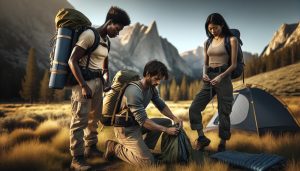
Packing a backpack for camping might seem straightforward, but an organized approach can make all the difference in your outdoor adventure. Did you know that a well-packed bag can enhance comfort and accessibility, ensuring you spend less time rummaging for essentials and more time enjoying nature? Whether you’re a seasoned backpacker or embarking on your first trip, mastering the art of packing will elevate your experience. This guide offers expert tips on efficiently arranging your gear, maximizing space, and prioritizing items based on your needs, ensuring you’re prepared for any adventure. Dive in to discover how a little preparation can lead to a more enjoyable and stress-free camping experience!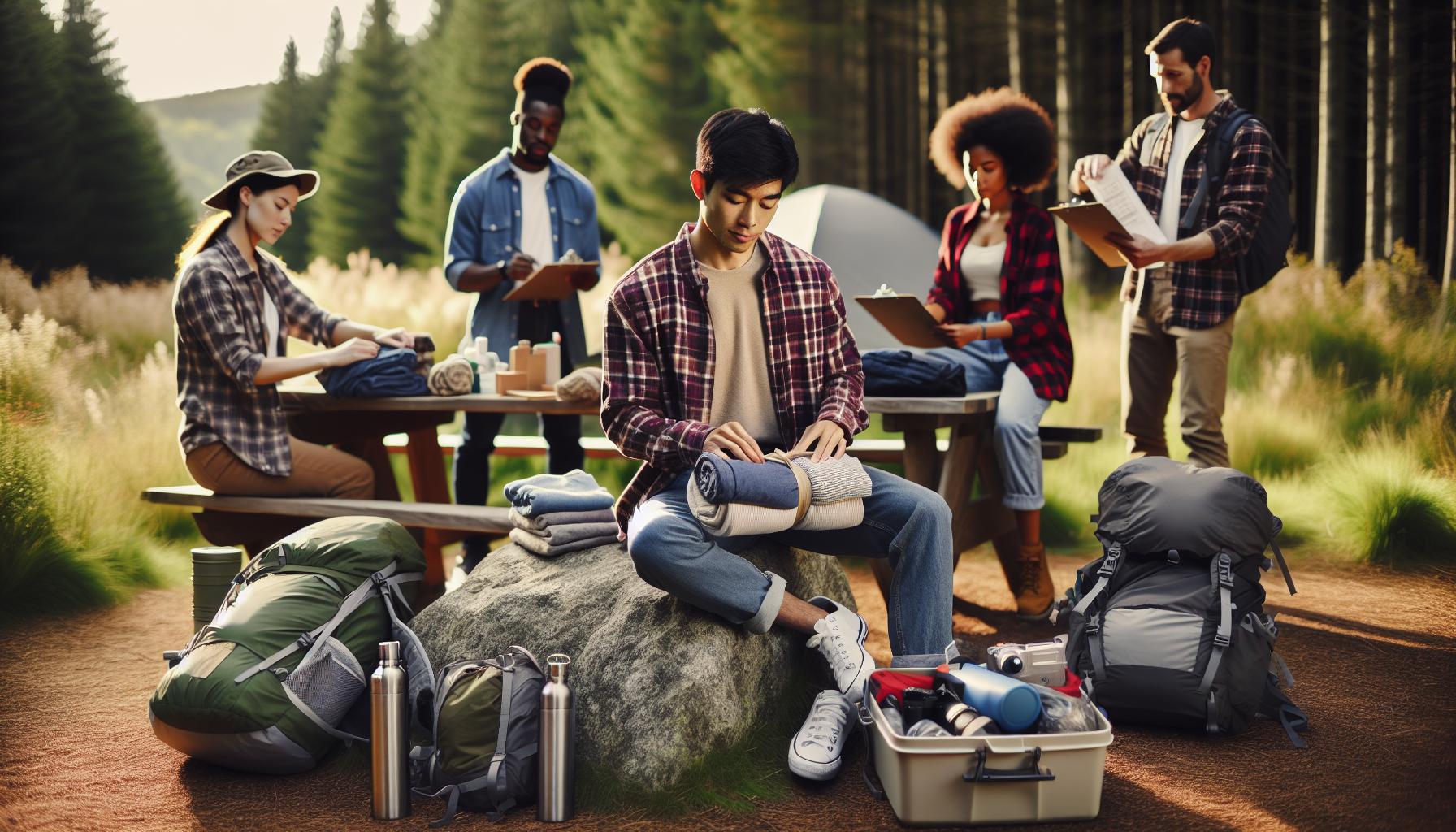
Choosing the Right Backpack for Your Camping Trip
Choosing the right backpack can significantly enhance your camping experience, making it more enjoyable and efficient. A well-chosen backpack not only holds all your gear securely but also distributes weight evenly, allowing for comfortable hiking over varied terrains. When considering a backpack, start by identifying the type of camping you’ll be doing-whether it’s day hikes, weekend trips, or week-long adventures-as this will influence the size and features you need.
Key Factors to Consider
First, capacity is crucial. Daypacks typically range from 15 to 30 liters, suitable for short hikes, while weekend backpacks may range from 30 to 50 liters, accommodating more gear for extended stays. For longer trips, consider packs with 50 liters or more, allowing space for additional items like sleeping bags and cooking equipment. Alongside capacity, pay attention to the fit: a well-fitted backpack hugs your body, reducing strain. When trying on packs, adjust the straps and walk around to ensure it feels snug but comfortable.
In addition to size and fit, look for features that facilitate organization and accessibility. Multiple compartments, hydration reservoir sleeves, and external pockets for snacks or quick-access items are beneficial. Consider packs with adjustable straps and padded hip belts for added comfort during long treks. Lastly, assess materials used in the construction-water-resistant fabrics and durable zippers can protect your gear in varying weather conditions and ensure longevity.
- Capacity: Choose based on trip length (day, weekend, week-long).
- Fit: Ensure the pack contours to your body and supports weight evenly.
- Features: Look for compartments, external pockets, and hydration options.
- Durability: Opt for weather-resistant materials for protection.
Ultimately, selecting the right backpack involves balancing your specific camping needs with your personal comfort preferences. Whether you’re a seasoned camper or a newcomer, investing time in choosing the right pack will lead to greater enjoyment and less hassle on your outdoor adventures.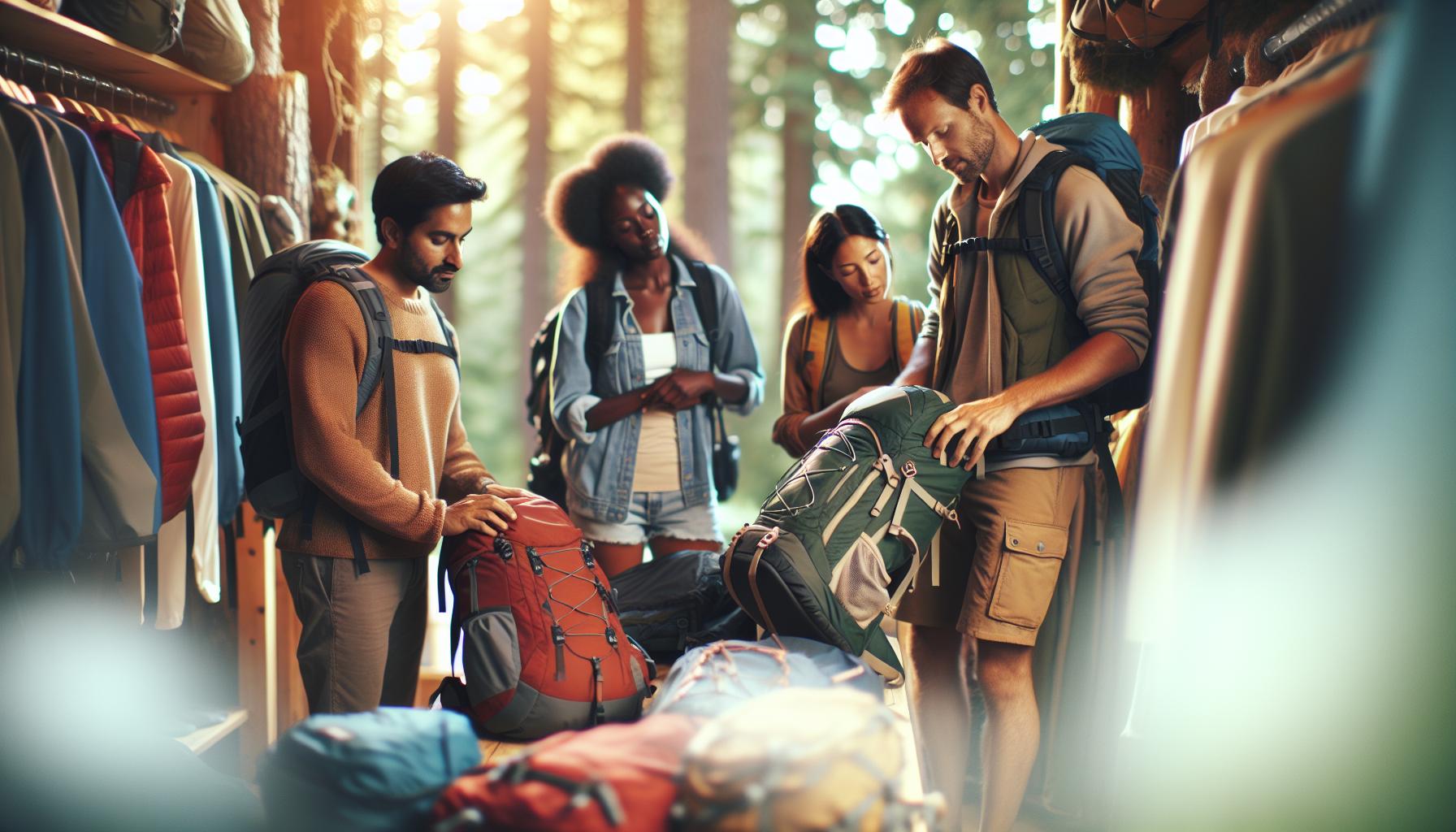
Essential Packing Techniques for Outdoor Adventures
The key to a successful camping trip often lies in your packing techniques. Packing your backpack efficiently not only maximizes space but also ensures that every piece of gear is easily accessible, allowing you to focus on enjoying your adventure rather than fumbling through your bag. A common approach that seasoned campers recommend is to categorize items based on their use and frequency. Essentials that you may need on the trail, such as water bottles, snacks, maps, or first-aid kits, should be stored in external pockets or at the top of your pack for quick access.
When organizing the interior of your backpack, consider using the “stuff sack” method for larger items like sleeping bags and clothes. This technique allows for compact storage, reducing wasted space. For smaller items, packing cubes or zip-lock bags can keep similar items together and promote organization. Divide your gear into categories-clothing, cooking equipment, food, etc.-and store them strategically. For instance, place heavier items like cooking gear closer to your back for better weight distribution and keep lighter items, such as sleeping bags or clothing, towards the top or bottom of the pack.
Another essential packing strategy involves utilizing all available space, including the corners and the areas near the frame of the backpack. Roll your clothes tightly to create less bulk, and fill in gaps with small items to ensure nothing shifts during transit. Additionally, be mindful of the layout of your pack; if you’re bringing multiple cooking supplies, for instance, stack them together to avoid rummaging through your entire backpack at meal times.
Lastly, it’s crucial to maintain an organized system throughout your trip. When setting up camp, distribute your gear methodically, using your system to ensure everything goes back into your pack efficiently. Incorporate a checklist to track your items both pre- and post-trip, which will not only streamline your packing process but also minimize the chances of leaving essential gear behind. By adopting these packing techniques, you can enhance your outdoor experience, making it more enjoyable and hassle-free.
Must-Have Camping Gear for Your Backpack
One of the most vital aspects of enjoying a hassle-free camping trip is ensuring you have the right gear on hand. Packing must-have items can make a significant difference in your overall experience, allowing you to focus on the beauty of nature rather than worrying about missing essentials. To help you prepare effectively, here’s a comprehensive guide to what your backpack should absolutely include.
Key Camping Gear Essentials
When gearing up for your outdoor adventure, consider packing these essentials:
- Sleeping System: A quality sleeping bag suited for the season and a lightweight sleeping pad are crucial for a good night’s rest. Look for bags that are compact and easy to compress, allowing for better space management in your backpack.
- Cooking Equipment: A portable stove, cookware, and utensils are necessary for meal prep. Don’t forget a reliable fuel source and a lighter or waterproof matches. Durable pots and pans can nest together, saving valuable space.
- Water Filtration System: Staying hydrated is essential. Carry a lightweight water filter or purification tablets. A collapsible water bottle or hydration reservoir can save on bulk and will keep you hydrated on the move.
- Clothing Layers: Opt for moisture-wicking base layers, insulating mid-layers, and a waterproof outer shell. Be sure to pack an extra pair of socks and a beanie, as maintaining warmth can be paramount during chilly nights.
- Navigation Tools: A map and compass, or a GPS device, are important even if you rely on your phone. Having a physical backup can be a lifesaver in areas with poor reception.
- Emergency Gear: Always pack a first-aid kit, a whistle, and a multi-tool. Items like a headlamp with extra batteries will help you navigate your campsite after dark.
- Food Supplies: Bring lightweight, non-perishable food items, such as trail mix, energy bars, and dehydrated meals. Organizing your food in separate bags can help prevent a mess and makes meal prep more efficient.
By packing these essential items strategically, you can optimize the space in your backpack while ensuring you’re prepared for a variety of situations. Consider the weight and size of each item, as well as your anticipated needs based on the length and nature of your camping trip. Striking the right balance between utility and efficiency will significantly enhance your outdoor experience, allowing you to reconnect with nature effortlessly.
How to Organize Your Backpack Like a Pro
One of the most crucial skills you can develop for a successful camping trip is mastering the art of backpack organization. A well-organized backpack not only maximizes space but also makes it easier to access your gear when you need it. This will help you minimize stress and enhance the overall enjoyment of your outdoor adventure. Whether you’re a seasoned camper or just starting out, implementing these practical strategies can elevate your packing game.
Start by categorizing your items into specific groups such as cooking gear, clothing, sleeping supplies, and emergency tools. Once grouped, use packing cubes or resealable bags to segregate these categories within your backpack. This approach allows for a tidy space and ensures that you can quickly find what you need without having to dig through everything. When using packing cubes, choose different colors for each category to add a visual cue, which can spare you precious minutes during setup or meal preparation.
Next, consider the layout of your backpack itself. Place heavier items, like your sleeping bag or cooking equipment, close to your back for better weight distribution. Lighter items, such as clothes or non-urgent gear, can be placed further from your back, toward the top or front of the pack. This not only distributes weight evenly but also contributes to improved stability and comfort while you hike. Remember, accessing frequently used items, like snacks or your first-aid kit, is easier when they are at the top or in external pockets.
Additionally, take advantage of any external features your backpack may offer. Loops and attachment points can be used for items like trekking poles or a sleeping pad, freeing up more internal space for your other gear. An external pocket is perfect for holding your water bottle or other items for quick access while on the move. By organizing both inside and outside of your pack effectively, you’ll find yourself more prepared and confident as you tackle the trails.
Smart Weight Distribution: Tips for an Easy Carry
Mastering the art of weight distribution in your backpack is essential for a comfortable and enjoyable camping experience. An improperly packed bag can lead to fatigue or even injury, making those long hikes more challenging than they should be. By focusing on how you place your gear within your pack, you can enhance both your stability and endurance on the trail.
Start by placing your heaviest items-such as your cooking gear or water supply-closest to your back, ideally at the center of your pack’s weight. This positioning helps maintain your center of gravity and makes it easier to carry your load. If your pack has a frame, this technique is even more important, as it utilizes the pack’s support structure to help distribute the weight evenly across your back and hips. On the other hand, lighter items, like clothes and sleeping bags, should be stashed toward the top or outside of your pack, as this allows for a balanced load while making it easier to access these necessary items quickly.
Consider the effects of every item you pack. For instance, stowing items that you need frequent access to-like snacks, a flashlight, or your first-aid kit-in external pockets can significantly reduce the time you spend rummaging through your pack during breaks. Furthermore, ensure your pack’s straps are adjusted correctly so that they hold the load snugly against your body. Loose straps can lead to bouncing, which increases fatigue and makes hiking less enjoyable.
To sum it up, effective weight distribution isn’t just about packing strategically; it’s about creating a setup that enhances your comfort while navigating the great outdoors. Keep these tips in mind during your next packing session and witness the transformation in your hiking experience, allowing you to focus more on enjoying nature rather than wrestling with your load.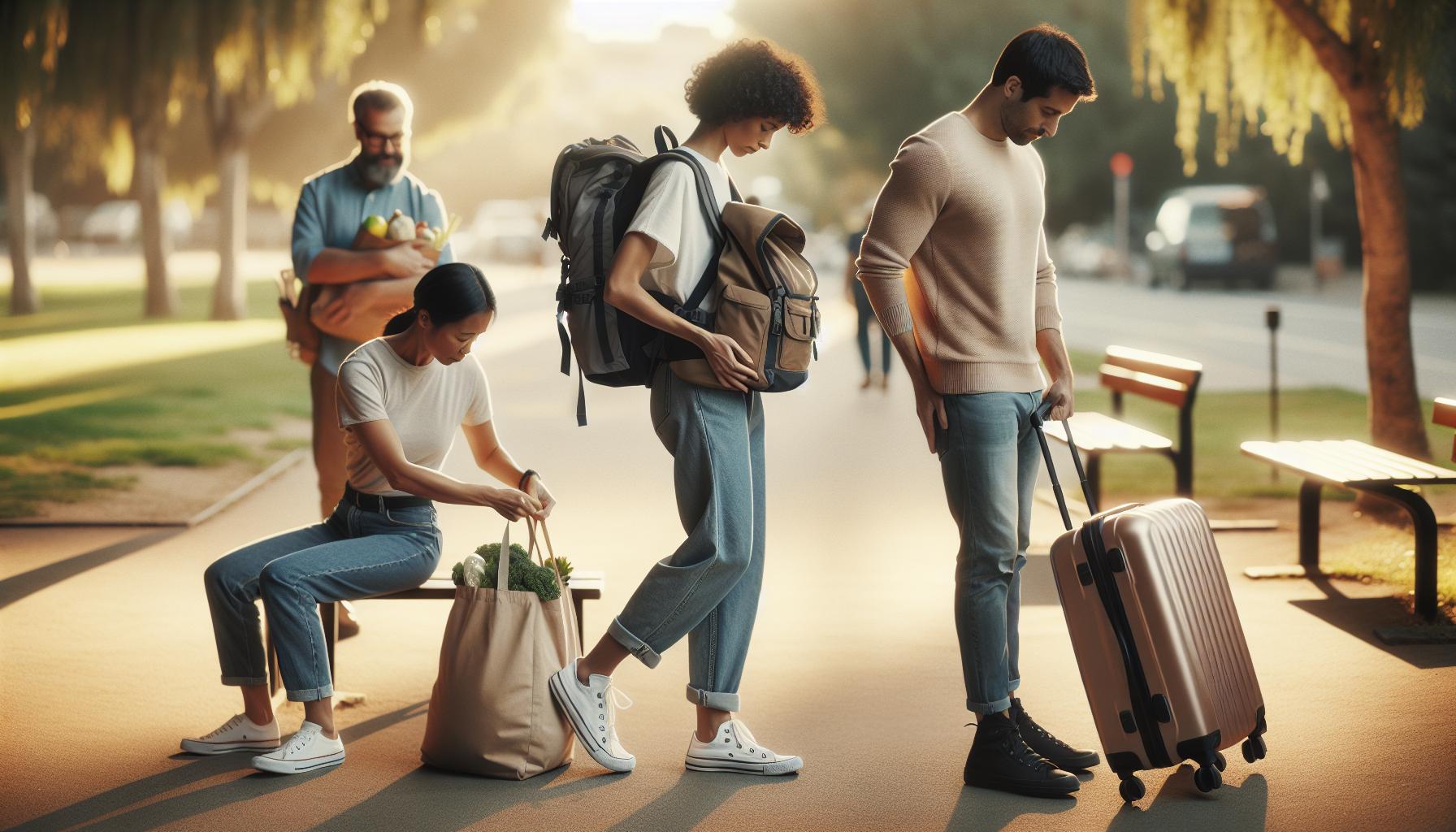
Maximizing Space: Packing Cubes and Compression Bags
When it comes to backpacking, space maximization can make a world of difference in both comfort and convenience. Packing cubes and compression bags are essential tools that not only help in organizing your gear but also enhance the use of the available space in your backpack. By categorizing and compressing your items, you can eliminate excess bulk and streamline your packing process.
Packing Cubes: These are simple fabric containers that allow you to group similar items together. For example, you can dedicate one cube for clothing, another for toiletries, and a third for electronics. The beauty of packing cubes lies in their ability to create a structured layout within your backpack, making it easy to find what you need without having to dig through the entire bag. When selecting packing cubes, opt for those that are lightweight and come with mesh panels, which enhance ventilation and visibility of contents.
Compression Bags: These bags take organization a step further by significantly reducing the volume of bulkier items like jackets and sleeping bags. After placing your items inside a compression bag, you can remove excess air, which shrinks the bag down to a fraction of its original size. This method not only frees up valuable space in your pack but also minimizes the risk of items shifting during your hike. While using compression bags, be careful not to over-compress fragile items, as this can lead to damage.
Tips for Efficient Use
To get the most out of your packing cubes and compression bags, consider the following tips:
- Color Coding: Use different colors for different categories to quickly identify contents at a glance.
- Layering: Place heavier cubes at the bottom of your backpack and lighter ones on top to maintain a balanced load.
- Access Points: Keep frequently used items, such as snacks or a first-aid kit, easily accessible in external pockets or quickly reachable packing cubes.
Utilizing packing cubes and compression bags will not only streamline your packing process but also transform the way you approach organizing your gear. By taking the time to implement these strategies, you can enjoy a more efficient and pleasant camping experience, focusing on the adventure rather than the organization.
Handling Food and Cooking Supplies Effectively
When hitting the trails, your food and cooking supplies are essential for a fulfilling outdoor experience. Not only do they fuel your adventures, but they also create an opportunity for camaraderie and comfort, even in the wild. Properly handling these supplies is crucial to ensure that you can efficiently prepare meals and minimize waste, while also keeping your backpack organized and your load manageable.
Begin with selecting lightweight and compact cooking gear that fits within your backpack without taking up excessive space. A versatile camp stove-such as a portable gas burner-can make cooking fast and effortless, allowing you to prepare quick meals before heading back on the trail. Opt for nested cookware sets, which minimize bulk by stacking together; these can often include pots, pans, and even a lid that doubles as a frying pan. To streamline meal prep, consider pre-packaging your meals in resealable bags or using meal kits that come with everything needed, reducing the mess and time required to cook at camp.
Food Storage Strategies
Proper food storage is vital to prevent spoilage and manage weight. Here are effective strategies to handle your food supplies:
- Use Airtight Containers: Seal your food in airtight containers or resealable bags to preserve freshness and avoid contamination. Label bags with meal names and cooking instructions for easy access.
- Separate Meals: Pack meals in units so that each meal is ready to go. Group by breakfast, lunch, dinner, and snacks, then store these together to simplify access during meal times.
- Consider Lightweight Options: Dehydrated and freeze-dried meals can be great alternatives to bulky ingredients, as they save space and weight. Just add water to rehydrate and cook.
Cooking Supplies and Utensils
Don’t forget the utensils! Bring a lightweight spork, multi-tool, or compact knife to save space. Having a small cutting board can also be beneficial for meal prep, especially if you’re cooking fresh ingredients. Pack along a small sponge, a cloth for drying, and a biodegradable soap for cleaning dishes to avoid attracting wildlife.
Finally, protect your food from wildlife by storing it in a bear-proof container or hanging it away from your campsite in areas where animals can’t reach. This precaution ensures that your food supplies remain safe and that your camping experience allows for more exploration and less worry about critters sharing your meal.
By following these tips, you can effectively handle food and cooking supplies in your backpack, enhancing your camping adventure and keeping meals enjoyable, convenient, and safe.
Gear for Different Weather Conditions: What to Include
Weather can be unpredictable, and when venturing into the great outdoors, being prepared for a range of conditions is essential for a safe and enjoyable trip. Packing the right gear not only keeps you comfortable but also ensures you’re equipped to face any challenges nature throws at you. Whether you’re braving the heat of summer or the chill of winter, understanding what to include in your arsenal is key to a successful camping experience.
For warm weather, lightweight and breathable clothing can enhance your comfort. Look for moisture-wicking fabrics and UV-protective gear to keep you cool and shielded from the sun. A wide-brimmed hat and polarized sunglasses can further protect you from harmful rays. Don’t forget a good-quality rain jacket that is easy to pack and can help shield you in sudden showers. Consider also compact, quick-drying towels and a breathable hammock for relaxation during warm afternoons.
As temperatures drop, layering becomes your best friend. Start with a moisture-wicking base layer to keep sweat away from your skin, followed by an insulating mid-layer like fleece for added warmth. A waterproof and windproof outer shell is crucial to block out harsh elements. For particularly cold climates, investing in thermal socks, gloves, and a warm hat is advisable. Remember, packable down jackets will provide significant warmth without taking up much space in your bag.
Essential Gear for Various Conditions
When preparing for different weather scenarios, consider including these essential items:
- Sun Protection: Sunscreen, lip balm with SPF, and sun hats.
- Rain Protection: Lightweight ponchos or jackets, waterproof bags for gear.
- Cold Weather Gear: Thermal layers, insulated sleeping bags rated for colder temperatures, and hot water bottles.
- First Aid Supplies: Always include a well-stocked first aid kit that accounts for potential weather-related injuries like sunburn or frostbite.
No matter the season, packing a versatile multi-tool, such as a Swiss Army knife, can also be invaluable for unexpected weather challenges. These capable tools enable you to adapt your gear on the fly or handle any minor repairs or adjustments easily.
Being proactive about the weather can transform your camping experience from uncomfortable to enjoyable, allowing you to truly appreciate the wonders of the outdoors. Ensure your gear checklist reflects the climate, and you’ll be ready to navigate the elements with confidence.
Essential Safety Gear for Camping Trips
When you’re out in the wild, safety should always top your packing list. Equipment that ensures your well-being can make a world of difference between a memorable adventure and a dire situation. Essential safety gear not only protects you from environmental hazards but also enhances your preparedness for unexpected incidents. Consider it your safety net, allowing you to confidently explore the great outdoors while being ready for anything.
One of the most crucial components to include is a well-stocked first aid kit. Along with standard items like adhesive bandages, antiseptic wipes, and gauze pads, tailor your kit to address the specific risks of your environment. For instance, if you’re hiking in a region with poisonous plants or insect encounters, include remedies for allergic reactions or insect stings. An emergency blanket, which is lightweight and compact, can provide warmth if you experience an unexpected drop in temperature or need to wait for help.
Another key element is a reliable navigation tool. Although GPS devices are popular, carrying a traditional map and compass can be a lifesaver if technology fails. Knowing how to use these tools can also boost your confidence in navigating unfamiliar terrains. Don’t forget to pack a whistle; it’s a simple yet effective way to signal for help if you find yourself lost or in distress. Additionally, a portable multi-tool can handle a variety of emergencies, from quick repairs to food preparation, without taking up significant space in your backpack.
Lastly, consider personal safety items such as a headlamp or flashlight with extra batteries, as visibility can turn treacherous during dusk or in dense foliage. A small, portable fire starter is invaluable too, and being able to create warmth and cook food can dramatically increase your survival chances in a challenging situation. By prioritizing safety gear in your packing process, you not only ensure your own well-being but also foster a greater sense of adventure equipped with the knowledge that you’re prepared for whatever nature throws your way.
Choosing the Best Backpack Size and Features
Choosing the right backpack for your camping adventure is a pivotal first step that can significantly influence your experience in the great outdoors. An ill-suited backpack can lead to discomfort, fatigue, and disorganization, while the perfect fit can ensure that you are both comfortable and well-prepared for your journey. One fundamental aspect to consider is the size of the backpack, which typically correlates with the length of your trip. For a day hike, a smaller backpack with a capacity of 15 to 30 liters is usually sufficient, while weekend outings may require 30 to 50 liters, and longer excursions necessitate backpacks that hold 50 liters or more.
When assessing features, look for adjustable straps, hip belts, and padding, as these elements enhance comfort and stability. A proper fit is essential; many brands offer different sizes or adjustable models to accommodate various body types. Additionally, consider backpacks with multiple compartments. This feature aids in organization, allowing easier access to your gear and minimizing the time spent rummaging for essentials. A removable lid or a front pocket can be particularly helpful for storing frequently used items like snacks or maps.
Another vital feature is weather resistance. Depending on where you plan to camp, investing in a waterproof or water-resistant backpack can protect your gear from unexpected showers. Some backpacks come with a built-in rain cover, adding a layer of functionality. Lastly, look for attachment points for extra gear, such as trekking poles or sleeping bags. This allows you to maximize space efficiency and balance weight distribution, ensuring a comfortable carry throughout your journey.
In summary, the best backpack is one that harmonizes well with your trip’s duration, your body type, and your personal preferences. By evaluating size, comfort features, and organization capabilities thoughtfully, you can choose a backpack that not only meets your needs but also enhances your overall camping experience.
Packing for Family vs. Solo Camping Trips
When it comes to packing for camping trips, the approach can differ significantly depending on whether you’re venturing out solo or with family. Each setting presents unique challenges and opportunities that can greatly influence your packing strategy and the overall enjoyment of your outdoor adventure.
For solo trips, efficiency and minimalism are often key. A solo camper can pack lighter, focusing on essential gear and personal comfort. When packing, consider using a lightweight backpack, emphasizing multi-functionality within your gear. For instance, opt for a tent that is easy to set up and take down by yourself, and prioritize compact cooking equipment that doesn’t compromise on meal quality. Organization is paramount; utilizing packing cubes can help keep your limited space well-ordered while allowing for easy access to items during your journey. Remember to account for personal entertainment or self-care items, such as a good book or a journal, to enrich your solitary experience.
In contrast, family camping trips require a more extensive approach to packing, as you’ll need to accommodate various needs and preferences. Consider dividing group gear from personal items to streamline the packing process. Each family member can have designated roles for packing specific items; for example, one person might handle food while another focuses on sleeping equipment. This not only makes packing more efficient but also instills a sense of teamwork. Additionally, be mindful of packing extra comfort items such as games or larger cooking equipment to facilitate group meals, allowing for a more enjoyable and shared experience. Weight distribution becomes particularly important here; a well-packed backpack not only minimizes strain but also keeps essentials readily accessible, whether it’s snacks for the kids or emergency supplies.
To maximize space and comfort during family outings, consider bringing along collapsible or inflatable items like chairs and tables, which can significantly reduce bulk while providing comfort. Moreover, utilizing compression bags for clothes and bedding can help you save valuable space within your backpacks, making it easier to store and carry the gear.
In summary, packing strategies for camping trips can be tailored based on whether you’re going solo or with family. Focusing on efficiency, organization, and appropriate gear becomes essential for solo adventurers, while teamwork, comfort, and adaptability take precedence for families. By thoughtfully considering these differences, you can ensure a successful and enjoyable experience whether it’s just you or your loved ones exploring the great outdoors.
Tips for Easy Access and Quick Setup
When heading into the great outdoors, the difference between a pleasurable experience and a frustrating one often hinges on how easy it is to access your gear and set it up. Quick access to important items can save time and energy, allowing you to focus on enjoying nature rather than fumbling through layers of packed items. This is where strategic packing comes into play.
To ensure seamless accessibility, start by placing the items you use most often-such as water bottles, snacks, and first-aid kits-in exterior pockets or at the top of your backpack. This allows you to grab what you need without digging through the main compartment. Additionally, consider color-coding or using bright pouches for smaller items like toiletries or electronic accessories, making them easier to spot at a glance.
When it comes to setup, think about the order of your gear as well. For example, if you’re camping overnight, put your tent near the top or in an easily accessible pocket for quick deployment upon arrival. If you’re using multiple sleeping bags or pads, roll and pack them in a way that allows you to unroll and spread them out quickly. A well-planned packing strategy not only enhances your ability to quickly establish camp but can significantly streamline your overall camping experience.
While on the trail, utilize quick-release straps for larger items such as sleeping pads and chairs. This can be particularly useful during breaks when you want to access your gear quickly without fully unpacking your bag. Think of your backpack like a mobile command center-your ability to navigate through it efficiently can enhance not only your setup time but your overall enjoyment of the adventure ahead.
Frequently asked questions
Q: What are the best tips for organizing a backpack for camping?
A: To effectively organize a camping backpack, group items by category (clothing, cooking gear, etc.), utilize packing cubes for easy access, and place frequently used items near the top. This approach not only maximizes space but also enhances efficiency during setup and packing.
Q: How do you pack a backpack for a long hike?
A: For a long hike, prioritize weight distribution by placing heavier items in the center of your pack and close to your back. Use compression bags to minimize bulk and pack food and water where they’re easily accessible. This setup prevents fatigue and optimizes balance on the trail.
Q: Can I pack my sleeping bag outside my backpack?
A: Yes, many backpacks have external straps or compartments designed for sleeping bags. Securing your sleeping bag outside can save space and keep your pack organized. Ensure it’s tightly rolled and secured to prevent movement during hiking.
Q: What should I pack for first aid when camping?
A: Essential first aid items include adhesive bandages, antiseptic wipes, gauze pads, and pain relievers. Consider adding specific items like a snake bite kit or allergy meds based on your destination. Organize these in a waterproof pouch for easy access [1].
Q: How do I ensure my electronics stay charged while camping?
A: Bring a portable power bank and pack solar chargers if you’ll be off-grid. Store electronics in waterproof bags or pouches to protect them from moisture, and keep them at the top of your backpack for easy access during breaks.
Q: What is the best way to pack food for a camping trip?
A: Use durable, airtight containers to pack food, separating meals for easy access. Include a cooler for perishables and snacks for quick bites on the go. Organize cooking supplies in a designated section to streamline meal prep [1].
Q: Should I use packing cubes for my camping backpack?
A: Yes, packing cubes are ideal for organizing clothing and gear by type. They help maximize space and make finding items easier, which is especially useful when time is limited during hikes or campsite setups [1].
Q: How can I maximize space in my camping backpack?
A: To maximize space, roll clothing instead of folding it, use compression bags for bulkier items, and fit smaller gear in shoes or gaps. This smart packing technique helps ensure everything fits while allowing for more efficient use of your backpack’s capacity.
In Retrospect
Now that you’ve mastered how to pack your backpack for camping with pro organization tips, it’s time to put your skills to the test! Remember, the way you pack can significantly impact your experience out in the wild. For more essential tips, check out our guides on the best pocket knives and maintaining your gear for optimal performance. Don’t forget to sign up for our newsletter to receive exclusive content and be the first to know about our latest resources.
Have questions or tips of your own? We’d love to hear from you in the comments below! Your feedback not only helps us improve but also creates a community of outdoor enthusiasts eager to share their experiences. As you prepare for your next adventure, be sure to explore our articles on safety tips and gear comparisons that can further enhance your outdoor experience. Happy camping!