Choosing the right size backpack is essential for comfort and functionality, whether you’re hiking in the mountains, commuting to work, or packing for a weekend getaway. Did you know that a poorly fitted backpack can lead to discomfort or even injury? With so many styles and sizes available, understanding how to measure a backpack to fit your unique needs is crucial. This guide will walk you through the measuring process so you can find a backpack that not only accommodates your gear but also ensures ease of carrying. Join us as we explore tips and techniques that will help you select the perfect size, ensuring every adventure is enjoyable and pain-free. Don’t let another outing be hindered by an ill-fitting pack-discover how to choose wisely and travel confidently!
Understanding Different Backpack Types and Sizes
Choosing the right backpack can significantly enhance your comfort and efficiency, whether you’re hiking in the mountains or commuting to work. The variety of backpack types available today reflects the diverse needs of users, making it essential to understand these differences when selecting one. Backpacks can broadly be classified into categories based on their intended use, size, and features. For instance, daypacks are great for short excursions, usually with capacities ranging from 15 to 30 liters, while larger backpacks, like hiking or travel packs, might range from 50 to 80 liters, designed to carry heavier loads over longer distances.
When analyzing sizes, it’s crucial to consider the fit and how the backpack distributes weight. This lets you avoid discomfort or injury during extended use. Many backpacks come with adjustable straps, padded backs, and hip belts that can help customize the fit to your body. An important factor is torso length; a backpack that is too short or too long can affect your posture and overall comfort. To find the correct size, measure from the top of your shoulder to the top of your hip bone, ensuring a snug fit against your back while still allowing for movement.
Here are a few common types of backpacks and their typical uses:
- Daypacks: Ideal for daily use or short hikes, typically holding essentials for just a day.
- Hiking Backpacks: Designed for multi-day treks, often featuring compartments for hydration and gear.
- Travel Backpacks: Larger packs with multiple compartments, often including a laptop sleeve and designed for ease during airport security checks.
- Children’s Backpacks: Smaller in size, these are tailored for young users and might feature fun designs.
Ultimately, understanding various backpack types and sizes is pivotal for selecting the right one for your needs. By taking the time to assess your intended use, the size and fit of the backpack, and any specific features you may require, you can ensure you invest in a backpack that will serve you well on all your adventures.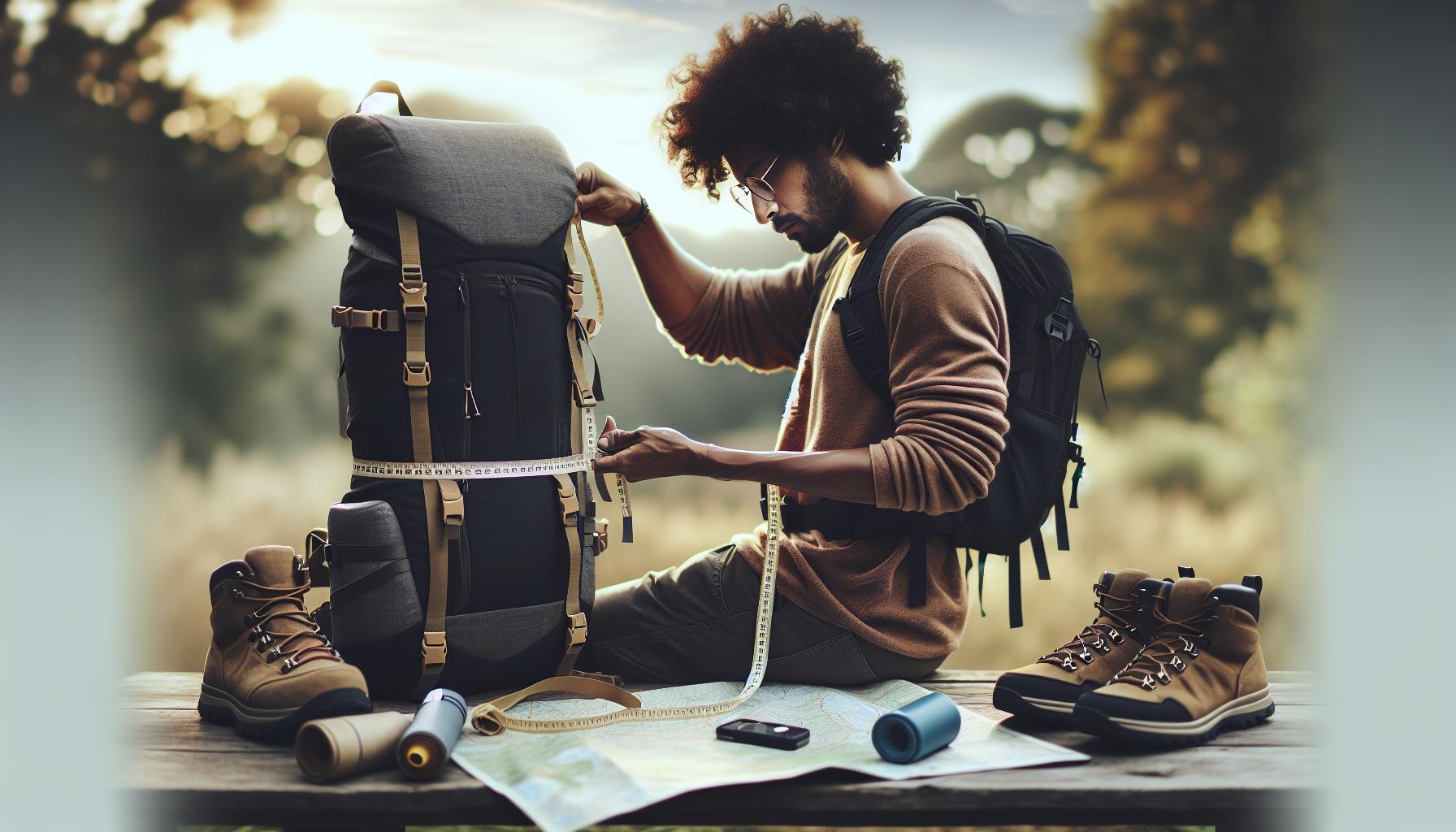
Essential Measurements for Selecting a Backpack
Selecting the right backpack starts with understanding the essential measurements that ensure a proper fit and comfort. A poorly sized backpack can lead to discomfort, an uneven weight distribution, and even long-term posture issues. Knowing how to accurately measure yourself and a backpack enhances your experience, whether you’re embarking on a long hike, tackling a day trip, or just navigating through your daily commute.
One of the most critical measurements is torso length, which directly impacts how the backpack sits on your body. To measure your torso, stand up straight and find the bony protrusion at the base of your neck (the C7 vertebra). Then, measure down to the top of your hip bone; this distance is your torso length. When choosing a backpack, make sure its size aligns with this measurement-most backpacks will list torso size ranges to help you find the right fit. For instance, a backpack labeled for a torso length of 15 to 18 inches should be suitable for someone whose measurement falls within that range.
In addition to torso length, you should consider hip size if you’re opting for a larger pack. A backpack with a hip belt is designed to transfer some of the weight from your shoulders to your hips, promoting better balance and comfort. To find your hip size, measure around the widest part of your hips while standing naturally. Knowing this measurement will ensure the hip belt fits snugly, allowing the backpack to carry most of its weight on your hips rather than your shoulders.
When assessing the volume of a backpack, think about what you need to carry and for how long. Backpack volume is typically measured in liters, and different activities require different sizes. For short day hikes, a pack with a volume of 15-30 liters may suffice, while extended camping trips might require 50 liters or more. As a rule of thumb, consider packing your gear into your chosen backpack and ensuring you have enough space without overly compressing items, which can lead to discomfort.
Finally, always check the adjustable features of a backpack. Well-designed backpacks offer adjustable straps, load lifters, and sternum straps to help customize the fit for your body. These features allow you to easily fine-tune the fit, promoting comfort and efficiency in carrying your gear. Before committing to a backpack, take the time to try it on with a weighted load and walk around the store to assess its comfort level. A proper fitting and well-measured backpack will enhance your mobility and overall experience, letting you embark on your adventures with confidence.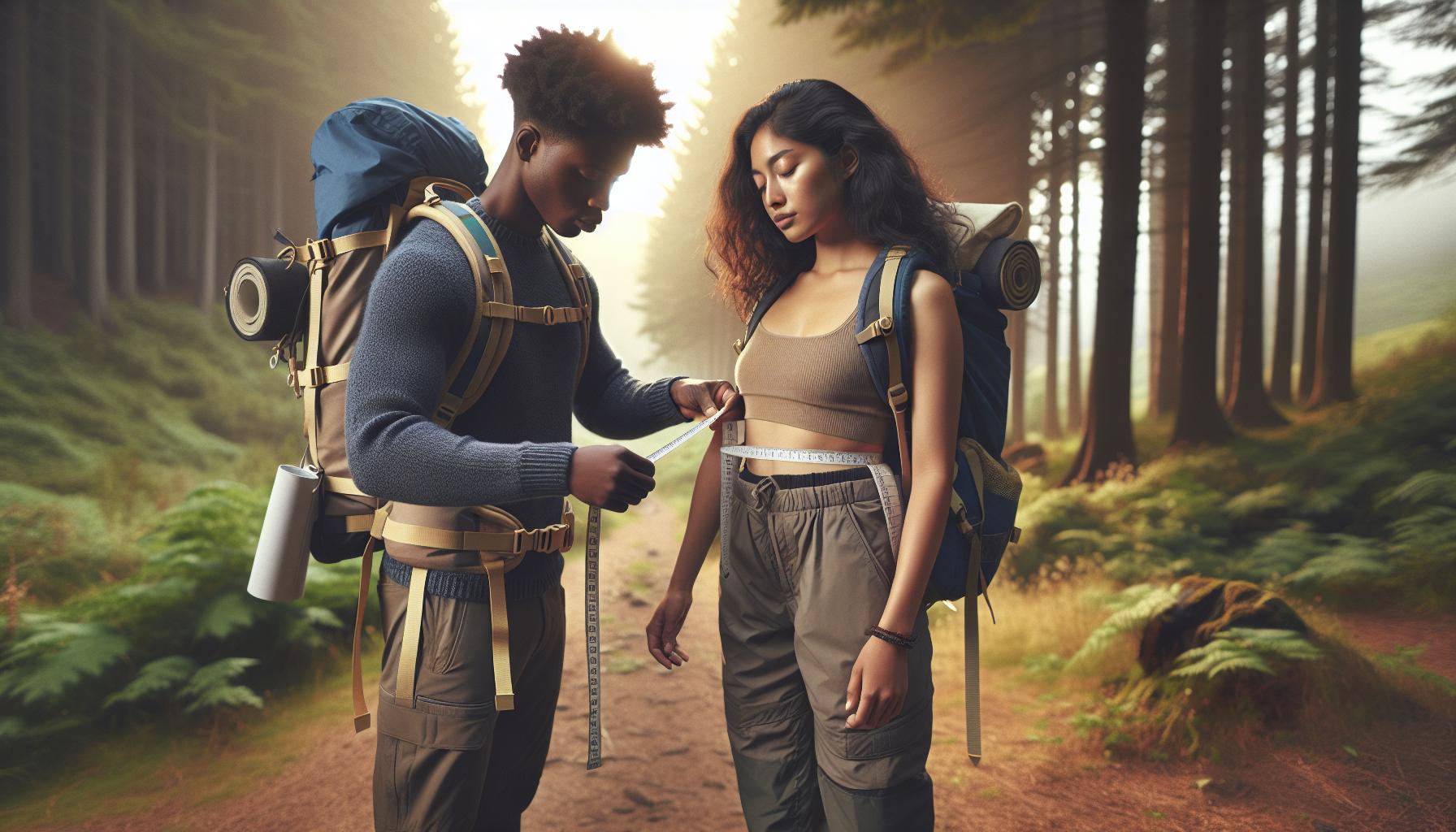
How to Measure Backpack Straps and Torso Length
To achieve the ideal fit for your backpack, measuring both the torso length and the shoulder straps is essential. This process not only enhances comfort but also ensures that you can carry your gear efficiently, regardless of the adventure you’re embarking on. Many outdoor enthusiasts overlook the importance of proper measurements, which can lead to discomfort or injury during long treks.
Begin by determining your torso length, which is the distance from the base of your neck to your hip bone. Stand straight and locate the C7 vertebra-this is the bony protrusion at the nape of your neck. To measure, use a soft measuring tape; place one end at the C7 and extend it down to the top of your hip bone. This measurement is critical as backpacks are often sized according to torso length. For example, if your torso measures 17 inches, look for backpacks that accommodate torso lengths of 16-18 inches.
Next, when you measure the backpack straps, you should pay attention to both the length and width. The shoulder straps should rest comfortably on your shoulders without digging in or causing pressure points. To check this, wear a backpack with adjustable straps and load it with an appropriate weight. Adjust each strap so that the pack sits snugly against your back without shifting too much when you move. The ideal position for the straps is one where they are neither too loose nor too tight, allowing for some range of motion while maintaining support.
When assessing the shoulder straps’ fit, also consider how they contour to your shoulders. Well-padded straps can make a significant difference, especially on long hikes. Straps that are too short may force the pack to sit too high, placing unnecessary strain on your neck, while overly long straps can lead to a sagging backpack that causes instability. Always test the backpack by walking around the store or during a trial hike, ensuring that the straps and torso length work harmoniously together.
In summary, accurate measurements can transform your outdoor experience from uncomfortable to enjoyable. Taking the time to measure your torso and adjust your straps correctly will help prevent back pain and improve your overall carrying experience, allowing you to focus on the journey ahead.
Choosing the Right Volume for Your Needs
Selecting the right backpack volume is crucial for ensuring you have enough space for all your gear while maintaining comfort and balance. An ill-fitted pack can lead to exhaustion or even injury, so it’s essential to match the backpack size to your specific needs. Consider the length of your trips, the type of gear you’ll be carrying, and your packing style. A volumetric approach can simplify this process, ensuring your adventure is not just manageable but enjoyable.
To assess the volume you’ll require, begin by categorizing your trips. For a day hike, a backpack between 20 to 30 liters should suffice, allowing enough space for essentials such as water, snacks, a first aid kit, and an extra layer. If you’re planning an overnight trip, opt for packs in the 40 to 60 liters range, which can accommodate sleeping bags, a tent, cooking supplies, and food for several meals. For extended travels, such as week-long expeditions, look for packs exceeding 70 liters to comfortably fit all your equipment. It’s important to note that many manufacturers suggest volume ranges for specific activities, making it easier for you to choose the right backpack.
Assessing Carrying Style
Another factor impacting your choice is your carrying style. Some prefer to pack light, focusing on minimalism, while others may need to carry extra gear for various conditions or activities. When considering volume, think about whether you’ll need additional space for layers, cooking systems, or bulky items such as climbing gear or photography equipment. A backpack with adjustable compartments can provide flexible options for those who need to adapt their load depending on the terrain and length of their trip.
When exploring different options, be sure to try on several backpacks in various volumes to determine what feels most comfortable. The fit is often what makes or breaks a backpack experience. Take the time to adjust the straps and load your chosen pack with weight similar to what you’ll carry on adventures. This hands-on approach will lead to a more accurate understanding of how much volume you really need, ensuring that you don’t overpack or underpack for your journey. Ultimately, making informed choices about backpack volume can enhance your outdoor experience, allowing you to focus on enjoying your adventures rather than wrestling with an ill-fitted pack.
Tips for Measuring a Backpack for Children
When selecting a backpack for children, it’s essential to ensure a proper fit to promote comfort and support their growing bodies. Did you know that a backpack that is too large or improperly adjusted can lead to poor posture and even physical discomfort? To avoid these issues, taking the time to measure the child accurately will provide them not only with the right size backpack but also with the confidence that comes from carrying a bag that fits well.
Start by measuring your child’s torso length. Have them stand straight with their eyes looking forward. Using a measuring tape, measure from the prominent bone at the base of their neck (the cervical spine) down to the top of their hip bone. This measurement will help you find a backpack that doesn’t hang too low on their back, which can cause strain. Next, consider the width of their shoulders; a backpack that is too wide can create an awkward carrying experience, while one that is too narrow may not accommodate their essentials properly.
It’s also crucial to evaluate the weight of the loaded backpack. A general guideline is that the total weight of a child’s backpack should not exceed 10-20% of their body weight. Therefore, weigh the bag after packing it with everything the child needs for school or a day out. You can adjust the contents to stay within this safe weight limit, ensuring that your child can carry it comfortably without risking injury.
Lastly, involve your child in the process of choosing their backpack. Encourage them to try it on with weight before purchasing and make adjustments to the straps. The straps should ideally be padded and adjustable, allowing for a snug fit that keeps the backpack close to the body. Balancing the load and ensuring that the weight is distributed evenly can make a significant difference in how the backpack feels while being worn. By following these tips, you’re setting your child up for a more enjoyable experience, whether at school or on outdoor adventures.
Common Sizing Mistakes to Avoid
When it comes to choosing the right backpack, avoiding common sizing mistakes can make all the difference in comfort and functionality. Many individuals underestimate the importance of proper measurements, leading to selections that may not suit their needs. A backpack that is too large can swing around and lead to poor posture, while one that is too small may not provide adequate space for essentials. To ensure a successful purchase, it’s critical to recognize and rectify these pitfalls.
One frequent mistake is relying solely on the label size, which can vary significantly between brands and styles. Instead, focus on specific measurements such as torso length and shoulder width. When fitting a backpack, ensure that the top of the bag rests approximately one to two inches below the base of the neck and that the bottom aligns with the top of the hip bone. This positioning keeps the weight centered and helps maintain posture. Additionally, be cautious of overly broad shoulder straps; they should not extend beyond the width of your shoulders, as this can cause discomfort and hinder movement.
Another common error is neglecting to account for the load that will be carried. Many people forget to test the backpack with weight before purchasing or adjusting the straps, which is essential for evaluating comfort and fit. Always pack the bag as it would be used during a typical day, and then wear it to check that the weight distribution feels right. Straps should be snug but not restrictive; they should allow for adjustment based on the weight being carried. Remember that even a well-sized backpack can cause strain if it’s overloaded.
Involving children in the selection process is crucial, yet parents often overlook this step. Allowing kids to choose their backpacks can lead to better compliance and satisfaction, but it’s essential that kids also learn the importance of fit. Guide children in adjusting their packs and encourage them to express any discomfort they might feel. This not only empowers them but also places the emphasis on comfort, warning them against the adverse effects of ill-fitting gear.
By being mindful of these common mistakes, you can ensure you choose a backpack that not only meets your needs but also supports a healthy posture, allowing for comfortable and confident carrying in various activities.
Adjusting Backpack Size for Comfort and Balance
Adjusting your backpack for optimal comfort and balance is crucial for a successful carrying experience, whether you’re on a hike, commuting to school, or traveling. A well-adjusted backpack can reduce strain on your body and enhance mobility, allowing you to focus on your activities rather than discomfort. The key to achieving this is understanding how to properly adjust the straps and the fit to your frame.
Start by ensuring that the shoulder straps are adequately adjusted. When wearing the backpack, the shoulder straps should feel snug against your shoulders without digging in or causing discomfort. Ideally, they should rest about one to two inches below the base of your neck, allowing the weight to be distributed evenly across your shoulders. Use the sternum strap if your backpack has one; this additional component helps in stabilizing the pack and preventing it from swaying as you move.
Next, consider the hip belt, if available. While many overlook its importance, a properly fitted hip belt can transfer much of the load from your shoulders to your hips, where you can support it better. Adjust the belt so that it sits comfortably on your hip bones, allowing minimal movement when walking or running. This adjustment helps maintain balance and reduces the fatigue that can accumulate during long periods of wear.
Finally, once you’ve made these adjustments, perform a load test. Pack your backpack as you would for a regular day and take a short walk or stand for a few minutes. Pay attention to how the backpack feels. Is it stable and balanced? Do you feel any pressure points or discomfort? Make small adjustments as necessary-tighten or loosen straps based on your feedback. This real-time evaluation is essential for finding that sweet spot where comfort and functionality meet, ensuring your backpack is an asset, not a hindrance.
Incorporating these steps into your fitting process can lead to a more enjoyable experience, allowing you to carry your possessions with confidence and ease.
Comparing Sizes: How to Try Before You Buy
When shopping for a backpack, the adage “try before you buy” is particularly crucial, as the perfect fit can make all the difference in comfort and functionality. Ensuring that you select the right size involves more than just picking a bag that looks attractive; it’s about assessing fit and capacity to suit your unique needs. A well-fitted backpack can enhance your overall experience, whether you are embarking on a hike, heading to class, or simply commuting to work.
One effective approach is to visit a physical store where you can interact with various models. Begin by lifting the backpack with the intended weight you plan to carry. Take a moment to adjust the straps while wearing it, as this gives you a sense of how it will feel in real scenarios. Pay attention to how the shoulder straps sit on your shoulders and whether the load feels evenly distributed. The hip belt, if available, should align comfortably with your hips. Experimenting with different adjustments will help you determine which combination provides the best support and stability.
Additionally, consider your activity level when trying on backpacks. If you’re seeking an everyday backpack, you might prioritize comfort and organization features. In contrast, for hiking or travel, focus on stability, weight distribution, and the presence of compartments for gear management. Utilize in-store staff to get expert opinions on sizing based on your specific activities. They can also provide insights into the bag’s intended use, ensuring you select one that aligns with your lifestyle.
Finally, remember that just because a backpack fits well while standing still doesn’t mean it will feel comfortable during movement. Walk around the store for a few minutes with the backpack on; this real-world test can reveal any potential discomfort or instability. Whether you’re drawn to a sleek design or a utilitarian style, committing this time to compare sizes can significantly enhance your choice and lead to a more enjoyable carrying experience.
The Impact of Backpack Fit on Your Posture
A well-fitting backpack doesn’t just make carrying belongings easier; it can significantly influence your posture over time. When the backpack you choose is proportionate to your body’s dimensions, it allows for an ergonomic fit that supports both your spine and overall posture. Conversely, an ill-fitting backpack can lead to misalignments and discomfort, manifesting not only in your shoulders but also affecting your neck and back health.
Wearing a backpack that is too heavy or improperly adjusted can cause you to lean forward, pushing your spine into an unnatural position. This forward posture can lead to muscle fatigue and long-term consequences, such as chronic back pain or even postural deformities. It’s crucial to ensure the backpack’s weight is distributed evenly across your body. Use a hip belt if available and adjust the shoulder straps to help shift some weight to your hips rather than relying solely on your shoulders.
Key Factors Impacting Posture
- Adjustable Straps: Ensure the shoulder straps can be modified easily to fit snugly but comfortably over your shoulders.
- Weight Distribution: Place heavier items closer to your back and lighter objects towards the front for better balance.
- Torso Length: Selecting a backpack that correctly fits your torso length is essential for proper alignment.
Ultimately, the right backpack size and fit contribute to a more natural posture, allowing you to move comfortably and without strain. When testing backpacks, think about how they make you feel not just when standing still but also when you’re walking or bending. Taking the time to find the perfect fit is an investment not only in your gear but also in your long-term health and comfort.
Backpack Sizing for Different Activities
Selecting the right backpack for different activities can profoundly impact your comfort and efficiency, whether you’re hiking, commuting, or traveling. Each activity demands specific features and sizing considerations to ensure you’re well-equipped for the task at hand. For instance, a hiking backpack needs ample support, robust straps, and a design that accommodates various terrains and weather conditions, while a school or work backpack may prioritize organization and portability over extreme weight distribution.
When choosing a backpack for hiking, consider models that range from 20L to 70L capacity depending on the length of your trek. A shorter day hike may require a smaller pack, where essentials such as a water bottle, snacks, and a first-aid kit can comfortably fit. Look for features like ventilated back panels, adjustable straps, and the ability to secure trekking poles or hydration systems. It’s important that the weight is distributed correctly, so try on different sizes to find the right fit against your torso length.
On the other hand, if your primary need is for daily commuting, a backpack designed for this purpose should emphasize organization and ease of access. Look for padded compartments for laptops and tablets, multiple pockets for quick item retrieval, and weather-resistant materials. A slim profile and adjustable straps enhance comfort as you navigate crowded public transportation or walk longer distances. Size can range from 15L to 30L, depending on how much gear you typically carry.
Travel backpacks cater to the jetsetter, prioritizing convenience and versatility. Features like easy-access zippers, pockets for travel documents, and lightweight designs are crucial. Opt for backpacks in the range of 40L to 65L if you’re embarking on multi-day trips, ensuring they include a comfortable harness system and ample compartments for organized packing. This makes it easier to transition from airport terminals to city streets without compromising on comfort.
In summary, understanding the dimensions and specific needs of backpacks for varied activities will empower you to select the perfect one for any adventure. Testing out various styles and sizes can help you find the ideal fit that not only accommodates your belongings but also enhances your overall experience-be it leisure hiking, daily activities, or extensive travel.
Choosing the Right Backpack for Travel Needs
Selecting the ideal backpack for your travel adventures can make all the difference between a smooth journey and an uncomfortable experience. Whether you’re heading off on a weekend getaway or a month-long excursion, understanding how to choose a backpack that suits your unique needs ensures you carry your essentials comfortably and efficiently. One essential consideration is the backpack’s volume; for multi-day trips, a robust pack with a capacity ranging from 40L to 65L is recommended. This range allows for ample room for clothes, gear, and personal items while still being manageable for airport navigation and city exploration.
When evaluating the features of a travel backpack, focus on comfort and accessibility. Look for a padded back panel and shoulder straps to help distribute weight evenly across your back and shoulders. Additionally, adjustable and breathable straps can prevent discomfort during long periods of wear. For convenience, choose a backpack with multiple compartments. This makes it easy to separate items, such as clothing, toiletries, and electronics, ensuring you can find what you need quickly without rummaging through everything.
Lightweight designs are particularly advantageous when traveling, as they lighten the load you need to carry while providing adequate support. Furthermore, consider options with lockable zippers and anti-theft features, especially if you’ll be in crowded areas. This adds an extra layer of security for your belongings.
Finally, trying on various sizes and styles is crucial to finding the perfect fit. Many outdoor equipment stores allow you to load the backpack with weight and test it on your back. Pay attention to how it feels when you adjust the straps; it should sit snugly against your back without causing any strain. By following these guidelines, you can confidently choose a travel backpack that meets your needs and enhances your travel experience.
Customizing Your Backpack for Optimal Fit
One of the most important aspects of maximizing your backpack’s performance lies in its fit. A well-fitted backpack not only enhances your comfort but also promotes better posture, allowing you to carry your gear efficiently and effectively. To achieve this optimal fit, several customizable features and adjustments can be made throughout the process of selecting and using your backpack.
To begin with, focus on the shoulder straps. Most backpacks come with adjustable straps that can be altered to suit your body type. Make sure the straps sit snugly on your shoulders without digging in-this reduces pressure points and enhances comfort. Many advanced models offer dual adjustment points; utilize both the top and bottom adjustments for a tailored fit. Consider padded straps as well, since they distribute weight more evenly and further mitigate discomfort during prolonged use.
The torso length is another critical component of backpack customization. If your backpack features an adjustable torso length, make the necessary alterations before heading out. This often involves moving the harness system up or down to ensure the pack sits correctly on your back, directly aligning your center of gravity with the pack’s weight. Testing this should be straightforward-once adjusted, wear the backpack with a bit of weight to see how it feels during movement. If it slides or shifts around, it may need further adjustments.
Another feature worth exploring is the hip belt. A well-fitted hip belt takes a lot of the weight off your shoulders and redistributes it to your hips, which is much better equipped to handle heavier loads. Like the shoulder straps, hip belts should be adjustable; ensure that it hugs your hips comfortably without being too tight. Some backpacks even offer adjustable load lifters that can help pull the pack closer to your back, further enhancing stability and balance.
Finally, consider adding accessories that enhance fit and comfort. For instance, using sternum straps can offer additional stability, especially for outdoor activities like hiking or climbing. Some models permit the attachment of extra gear around the exterior, so make use of these connections for smaller items that you may need access to without opening the backpack. Ultimately, taking the time to adjust and customize your backpack according to your needs will significantly impact your overall experience while carrying it. With the right fit, not only will you enjoy your adventures more, but you will also reduce the risk of injury and fatigue.
Frequently Asked Questions
Q: How do I find the right backpack size for my body type?
A: To find the right backpack size for your body type, consider your torso length and hip size. Measure from the base of your neck to your lower back for torso length. A properly fitted backpack should sit comfortably against your back and distribute weight evenly on your hips, preventing strain.
Q: What is the best way to measure my torso for a backpack?
A: The best way to measure your torso is by standing straight and finding the bony protrusion at the base of your neck. Use a measuring tape to measure down to the top of your hip bone. This measurement will help you choose a backpack that fits your torso length effectively.
Q: How can I ensure my backpack has a comfortable fit for hiking?
A: To ensure a comfortable fit for hiking, adjust the shoulder straps, hip belt, and load lifters according to your body shape. Aim to have the weight of the backpack resting on your hips, not solely on your shoulders. Trying before you buy can also be beneficial.
Q: Why should I measure my backpack for children differently?
A: Measuring a backpack for children requires special attention to their growth and mobility needs. Choose a lightweight design and adjust the straps to fit snugly on their back, allowing for movement without restriction. Regularly check the fit as they grow to ensure comfort.
Q: What mistakes do people commonly make when measuring a backpack?
A: Common mistakes include neglecting torso length, overlooking proper load distribution, and choosing a backpack based on aesthetics rather than fit. Always prioritize comfort and adjust the straps and hip belt accordingly for optimal support during use.
Q: When is the best time to fit a backpack?
A: The best time to fit a backpack is later in the day when your body is naturally fatigued. This reflects how it will feel during use, allowing you to better gauge the comfort level and adjust properly for daily activities.
Q: How can I tell if my backpack fits properly?
A: A properly fitting backpack should sit against your back without gaps, with shoulder straps snug but not constricting. The hip belt should feel secure and carry most of the pack’s weight. Check that the pack is well-adjusted to avoid shifting while moving.
Q: Should I adjust the backpack fit for different activities?
A: Yes, adjusting the backpack fit for different activities is crucial. For hiking, ensure the fit is snug and the load is balanced, while for travel, consider adjusting for ease of access and weight distribution to accommodate varying loads throughout the day.
Insights and Conclusions
Now that you know how to measure a backpack for the perfect fit, take the next step towards your ideal outdoor adventure! Remember, choosing the right size can greatly enhance your experience, whether you’re hiking, traveling, or just going about your daily routine. Don’t just stop here-explore our guides on selecting the best Swiss Army knife and mastering karambit and pocket knife techniques to further equip yourself for any scenario.
Got any questions or concerns about your backpack selection? We’d love to hear from you! Leave a comment below or share your thoughts with fellow adventurers. For more tips, tricks, and gear recommendations, check out our articles on travel safety tips and gear maintenance best practices. Your journey towards the right backpack doesn’t end here; dive deeper and empower your outdoor knowledge. Join our newsletter for exclusive content and special offers so you never miss out on what could make your adventures even better!