Crafting your own rucksack backpack, especially in the rugged military style, is both a practical skill and a rewarding project. Did you know that a well-made backpack can significantly enhance your outdoor experiences by providing durability and ample storage for your gear? Whether you’re an adventure enthusiast, a student, or simply someone who enjoys handcrafted items, learning to create your own backpack allows for custom features tailored to your needs, ensuring comfort and convenience. This guide will walk you through the materials and steps necessary to build a rucksack that stands up to tough conditions while reflecting your personal style. Embrace the satisfaction of crafting a piece of functional gear that not only serves you well in daily life but also connects you with the traditions of military craftsmanship. Ready to dive into this DIY adventure? Let’s get started!
Choosing the Right Materials for Your Rucksack Backpack

Choosing the right materials for your rucksack is crucial for both functionality and durability, especially if you’re aiming for a military-style design that can withstand rugged use. The materials you select will directly impact the weight, weather resistance, and longevity of your backpack. For instance, high-denier nylon or Cordura fabrics offer excellent tear resistance and are often water-resistant, making them ideal choices for the outer layers of your rucksack. These materials can handle heavy loads and rough terrains, essential for any adventurer.
When considering insulation and padding, use materials like closed-cell foam or polyethylene for the straps and back panel. These materials provide comfort and breathability, allowing for extended wear without discomfort. Additionally, look into reinforced stitching techniques and heavy-duty zippers, as these details can significantly enhance the overall durability of your rucksack, ensuring that it stands up to the wear and tear of daily use.
For a truly personalized touch, you might want to explore the use of upcycled materials. Old tents, military surplus gear, or even durable clothing can be transformed into unique components of your rucksack. Not only does this approach give your pack a distinct character, but it can also be a more sustainable option, reducing waste. Just be cautious to properly clean and reinforce any recycled elements to maintain the integrity of the final product.
In summary, selecting the right materials involves a careful balance of durability, comfort, and personal expression. Take the time to research and gather samples to see how different fabrics feel and perform. This thoughtful approach will ensure that your DIY military-style rucksack not only meets your practical needs but also reflects your personal style and creativity.
Essential Tools for DIY Military-Style Backpacks
Creating a military-style rucksack is an exciting project that combines both functionality and creativity. However, having the right tools on hand can significantly influence the outcome of your design. Whether you’re a seasoned DIYer or a novice looking to craft a durable backpack, understanding the essential tools required for the job will set you up for success.
To begin with, a quality sewing machine is a must-have. Opt for a heavy-duty model that can handle thick fabrics like Cordura or nylon without skipping stitches. Look for features like adjustable presser foot pressure and speed control, which can help you navigate various materials easily. Alongside your machine, invest in a sharp set of high-quality needles specifically designed for heavy-duty sewing. This will ensure clean punctures in thick materials, preventing breakage and frustration.
In addition to your sewing machine, a rotary cutter and cutting mat will significantly ease the fabric cutting process. These tools allow for precise, straight cuts that are crucial for making clean seams in your rucksack. Pair these with a set of fabric scissors for small adjustments and threading. A ruler or quilting ruler is also recommended to measure and align your fabric pieces accurately, ensuring every component of your rucksack fits together seamlessly.
Essential Notions and Accessories
Don’t overlook the importance of various notions and accessories; they can enhance the durability and functionality of your rucksack. Consider acquiring the following:
- Heavy-Duty Thread: Use polyester or nylon thread to ensure your seams hold up under tension.
- Webbing and Straps: These are crucial for creating adjustable straps and handles. Make sure they’re strong enough to bear significant weight.
- Grommets and Rivets: For attaching straps and creating drainage points, these fasteners add both structural integrity and a professional touch.
- Fabric Glue: Useful for holding pieces in place before sewing or for quick repairs.
Lastly, tools like pliers (for setting grommets) and a seam ripper (for corrections during the sewing process) are invaluable in ensuring a smooth workflow. Organizing your workspace efficiently with storage solutions for your tools will help maintain focus and streamline your project. With these essential tools at your disposal, you’ll be well-equipped to bring your vision of a military-style rucksack to life while ensuring it stands the test of time on your adventures.
Step-by-Step Guide to Sewing Your Rucksack

To create a sturdy and functional military-style rucksack, following a precise sewing process is essential. Each step builds on the previous one, ensuring that your rucksack not only looks great but can withstand the rigors of outdoor use. Begin by carefully laying out your fabric pieces according to your pattern, ensuring that all components, such as the body, pockets, straps, and lining, are accurately cut. It’s a good practice to label each piece, which will help you keep track of everything during the sewing process.
Once your pieces are prepared, you’ll want to start with the main body of the rucksack. First, pin the side panels to the back panel, making sure that the right sides of the fabric are facing each other. Use a straight stitch on your sewing machine to sew the panels together, backstitching at the start and end to secure the seam. After that, it’s crucial to press the seams open with an iron. This helps maintain a neat appearance and will be important when you attach the lining later on.
Next, turn your attention to the pockets. Position them on the front of the rucksack, ensuring they are evenly spaced and aligned. Sew the pockets in place using a straight stitch, again backstitching to reinforce the corners. For functional and aesthetic flair, consider adding a top stitch along the edges of each pocket. This not only adds durability but also offers a polished, professional look.
Now that the outer shell of the rucksack is complete, it’s time for the lining. Sew it in a similar fashion, making sure to leave an opening at the bottom so you can turn the rucksack right-side out later. Once the lining is sewn, carefully place it inside the outer fabric, right sides together. Stitch along the top edge, securing both layers. When you turn the rucksack right-side out, use a seam ripper for any corrections or adjustments, ensuring that everything lays flat and finishes cleanly. Finally, close up the opening in the lining, and reinforce any stress points with additional stitching.
This methodical approach will lead you to a well-constructed rucksack that you can proudly showcase on your adventures, providing the durability and utility befitting its military inspiration. Remember to experiment with different styles and embellishments to truly make the bag your own!
Adding Unique Features: Pockets and Straps
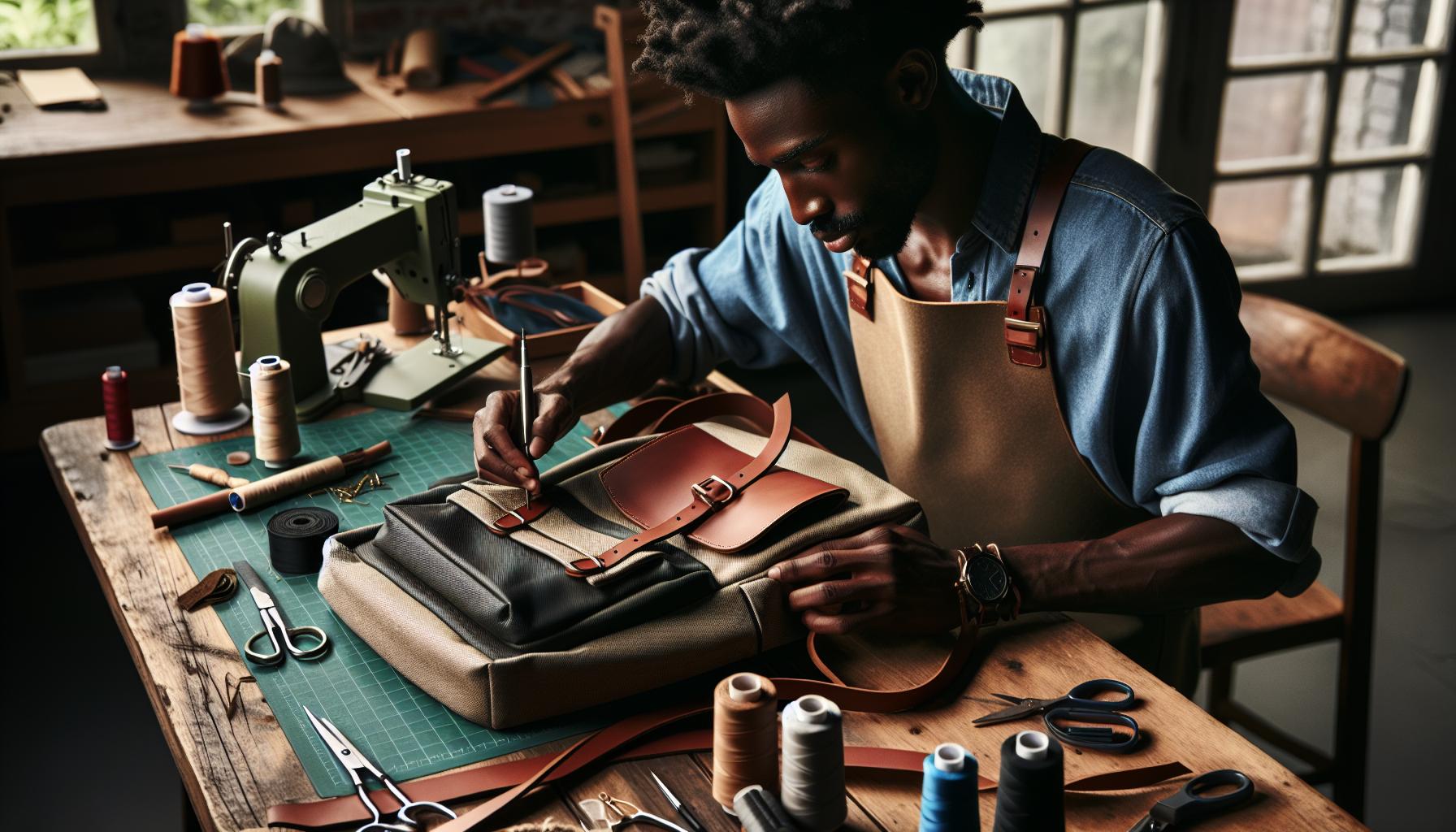
When crafting a military-style rucksack, the addition of unique features such as pockets and straps can elevate its functionality and personalize it to meet your specific needs. These elements not only increase the practicality of your backpack, making it easier to organize gear, but they also contribute to the overall aesthetic, allowing for a design that stands out. Think of pockets that can hold quick-access items like a first aid kit or snacks, and straps that enable you to securely attach additional gear, ensuring your pack can adjust to various situations.
Pockets: Organization is Key
Incorporating well-placed pockets into your rucksack design is essential for ease of use on the go. Consider adding:
- Front Pockets: Ideal for items you need to access quickly, like maps or snacks. Ensure they are deep enough to prevent items from falling out yet easily reachable without having to open the entire backpack.
- Side Mesh Pockets: Great for holding water bottles or other smaller items. Using elastic bands can help secure these items within the pockets, providing both convenience and stability during movement.
- Interior Pockets: For added organization inside the rucksack, consider including small zippered or Velcro pockets where you can safely store valuables like wallets or keys.
When designing pockets, ensure you use durable fabrics and reinforced stitching to withstand the wear and tear of outdoor use. Blend in military aesthetics, such as camo patterns or earthy tones, to maintain the rugged look.
Straps: Strength and Versatility
Straps are another pivotal feature when constructing your rucksack. They can enhance the overall functionality and comfort of your pack. Consider these elements:
- Adjustable Shoulder Straps: These allow for a customizable fit. Make sure they are padded to enhance comfort, especially when carrying heavier loads.
- Compression Straps: Located on the sides or front, these straps can help stabilize your pack load, preventing it from shifting while you move. They can minimize bulk and manage heavier items, making your backpack more streamlined.
- Chest and Hip Straps: Adding these can distribute weight more evenly across your body, enhancing comfort on long treks. A hip strap is particularly useful, as it shifts some weight from your shoulders to your hips, reducing fatigue.
Customization for Your Rucksack
Beyond functional requirements, don’t hesitate to add personality to your rucksack. Unique straps with contrasting colors or functional modifications like additional carabiner loops can enhance both usability and style. Items like molle webbing can also be incorporated, providing modular attachments for extra gear as needed.
Ultimately, the right combination of pockets and straps tailored to your preferences will ensure that your rucksack is not only a reflection of your personal style but a well-equipped partner for all your outdoor adventures.
How to Customize Your Rucksack for Comfort
When embarking on the journey to create your own military-style rucksack, comfort should be at the forefront of your design considerations. A well-fitted and comfortable backpack can make the difference between enjoying your outdoor adventures and feeling overwhelmed by discomfort. Crafting a rucksack that conforms to your body not only enhances your experience but also reduces fatigue during long treks.
One effective way to enhance comfort is by utilizing high-quality padding. For instance, incorporating padded shoulder straps can significantly alleviate shoulder strain, especially when carrying heavy loads. Look for materials like memory foam or breathable mesh to ensure the straps not only cushion but also provide ventilation. Additionally, applying padding to the back panel where the pack rests against your body can help distribute weight more evenly, further minimizing discomfort.
Equally important is the adjustability of your rucksack components. Allowing for customized fit options can transform your pack into a personal comfort zone. Adjustable shoulder straps, load-lifter straps, and a hip belt should all be included in your design. These features enable you to fine-tune the fit, ensuring that the weight is balanced and rests comfortably against your body. When the pack can be snugged against your torso, it prevents shifting during movement, which is particularly beneficial on uneven terrain.
Weight distribution is another crucial component of comfort in your military-style rucksack. A thoughtful internal layout will help keep heavier items close to your back and lighter items towards the front. Consider adding internal compartments or using MOLLE webbing systems to rearrange items in your pack according to weight. This strategic packing not only enhances comfort but also improves your center of gravity, allowing for easier maneuverability while hiking.
Lastly, don’t overlook the value of breathability in your materials. Opt for fabrics that allow air circulation to reduce moisture buildup, especially in the shoulder and back areas. Choosing mesh panels or moisture-wicking materials can help keep you cool and comfortable during vigorous activities.
By focusing on these aspects-padding, adjustability, weight distribution, and breathability-you can create a rucksack that not only meets your functional needs but also enhances your overall comfort during your outdoor excursions. Your DIY military-style rucksack can be a reliable companion, tailored specifically to your body and preferences.
Maintaining and Repairing Your Handmade Backpack
Taking the time to maintain and repair your handmade backpack not only prolongs its lifespan but also ensures it continues to meet the rigors of your adventures. Unlike mass-produced options, your DIY rucksack is a reflection of your craftsmanship, and a little TLC will keep it functioning optimally for years to come. Regular inspections and upkeep can prevent small issues from becoming major repairs, allowing you to enjoy peace of mind while exploring the great outdoors.
To maintain the integrity of your rucksack, establish a routine for checking the condition of the fabric, stitching, and hardware. After every significant outing, inspect for signs of wear or damage, such as frayed seams, broken zippers, or worn-out straps. Treat any minor issues immediately-for instance, a loose thread can be secured with a quick stitch, while a zipper that’s starting to stick might just need a little lubrication or adjustments. Keeping the rucksack clean is equally crucial; avoid saturating it with water or detergents, which can break down the fabric over time. Instead, wipe it down with a damp cloth and mild soap, and allow it to air dry properly.
If you encounter larger repair issues, it’s vital to have some basic sewing skills at hand. A simple sewing kit with heavy-duty needles, strong thread, and a fabric patch can be incredibly useful. For instance, if a strap tears away from the body of your rucksack, use a patch or heavy-duty fabric to reinforce the area and sew it back securely. This not only repairs but can enhance the durability of the rucksack. For waterproofing, consider applying a suitable treatment after cleaning, especially if your backpack has taken on moisture during your excursions.
Finally, remember to store your backpack correctly when it’s not in use. Avoid cramming it into tight spaces where it could lose shape or damage the frame. Instead, hang it in a cool, dry place, or store it in a manner that maintains its structural integrity. By following these maintenance practices, your handmade rucksack will continue to be your reliable companion, ready for whatever adventure awaits.
Creative Design Ideas for Military-Inspired Rucksacks
When creating a military-inspired rucksack, unleashing your creativity can elevate your design from functional to truly exceptional. By incorporating unique elements that reflect your personal style and the rugged ethos of military gear, you not only enhance its aesthetic appeal but also improve its utility for outdoor adventures. Here are some innovative ideas to consider for your next DIY project.
Incorporating Modular Features
One way to enhance functionality and customize your rucksack is by adding modular features. This approach allows you to adapt your backpack for different missions or outings. You can integrate PALS (Pouch Attachment Ladder System) webbing on the exterior, enabling you to attach various pouches for extra storage. Consider using Velcro for attaching patches or identification badges, giving it a personalized touch while maintaining a military aesthetic.
Experimenting with Fabrics and Patterns
Choosing the right fabric is crucial for durability and style. Consider using a mix of traditional military patterns like Multicam or Woodland Camo with bold, contrasting colors for pockets and straps. This not only creates a striking visual appeal but also ensures that you can easily locate essential items against a busy background. To improve water resistance, think about incorporating a waterproof liner or a waxed canvas exterior, combining practicality with rugged charm.
Adding Unique Compartments and Organization Tools
Organization can be key in military-style rucksacks, so designing unique compartments can greatly contribute to functionality. Think about incorporating an internal hydration reservoir sleeve or dedicated pockets for tools and gadgets. Use elastic bands or mesh to create pockets that expand when needed, giving you the flexibility to carry larger items without sacrificing space when they are not in use.
Functional Details to Consider
- Daisy chains or gear loops: Provide additional attachment points for gear, making it easier to carry items like sleeping bags or water bottles externally.
- Shock cord systems: Enable you to cinch down loads or quickly stow items without the need for zippers, enhancing accessibility.
Personalized Design Elements
Don’t shy away from expressing your personality through your rucksack design. Consider customizing buckles and zippers with colored paracord pulls or attaching patches that represent your interests or experiences. A unique label or emblem could also signify ownership and pride in your craft. Additionally, think about using engraved or branded hardware for an added professional touch, which can elevate the overall quality and look of your rucksack.
By intertwining these creative design ideas into your military-style rucksack, you not only build a sturdy and functional piece of gear but also create a work of art that reflects your unique style and adventure spirit. Whether hauling gear through rugged terrain or navigating urban settings, your custom rucksack will serve as a reliable companion, adapting to your evolving needs while showcasing your craftsmanship.
Exploring Different Closure Systems for Backpacks
When embarking on the journey of creating your own military-style rucksack, the closure system you choose plays a pivotal role in its overall functionality, accessibility, and security. Various closure systems cater to different uses, preferences, and desired aesthetics, and selecting the right one can elevate your backpack from basic to exceptional. Understanding the available options will empower you to customize your rucksack to meet your outdoor demands effectively.
The most common closure types include zippers, buckles, drawstrings, and Velcro, each offering unique advantages. Zippers provide a secure seal and easy access, making them ideal for compartments that require frequent use, such as hydration reservoirs or tool pockets. Choose heavy-duty zippers for added durability, especially for rucksacks that will face rugged conditions. Buckle systems, often seen in military gear, employ clips that can securely hold fabric together while allowing for quick release. This type is beneficial for top lids and flap closures, where speed and reliability are essential.
Drawstring closures offer versatility and expandability, allowing you to pack efficiently while accommodating varying load sizes. This system is particularly effective for the main compartment, as it enables you to cinch the bag tightly, securing your belongings while providing flexibility. Finally, Velcro closures are excellent for quick access and are often used in conjunction with other systems, allowing you to combine the speed of Velcro with the security of zippers or buckles.
When finalizing your design, consider how your closure choices affect the overall profile and functionality of your rucksack. For example, a hybrid approach that utilizes zippers for the main compartment and buckles for external pockets can enhance your pack’s usability while keeping it sleek and stylish. Whatever closure system you choose, ensure it complements your intended use-whether hiking, commuting, or traveling-so you can maximize both performance and personal flair in your DIY military-inspired backpack.
Best Practices for Packing Your DIY Rucksack
Packing a rucksack efficiently can significantly enhance your outdoor experience, ensuring you are well-equipped without being overloaded. One key tip is to distribute weight evenly throughout your backpack. By placing heavier items, such as water bottles and tools, closer to your back, you maintain better balance and reduce strain on your shoulders. Conversely, lighter items like clothing can go in the outer pockets or the top section, optimizing your load management.
Layering your gear can also make a huge difference. Start with a base layer by packing items you might need less frequently at the bottom-such as cooking gear or extra clothing. Next, add mid-layer essentials like food and snacks, which you may want accessible during breaks, followed by your top layer containing items you need most often, like a first aid kit and maps. Utilizing packing cubes or compression bags can help organize these layers further, allowing for easier access and reducing bulk.
Utilize All Available Space
It’s essential to take advantage of every inch of your rucksack. Outside pockets are perfect for storing items that you may need on the go, such as snacks, gloves, or a flashlight. Use the interior space wisely by filling smaller gaps with compact items, like quick-dry towels or first aid supplies. Additionally, consider strapping sleeping bags and mats to the outside of your rucksack, further optimizing internal space while keeping heavier items close to your center of gravity.
Remember, a well-packed rucksack enhances not just comfort but also accessibility. Practice adjusting your load and securing items properly. After all, the key to an enjoyable hike is not just what you pack, but how you pack it. Prioritizing organization and comfort in your packing strategy can make the difference between an arduous trek and a memorable adventure.
Understanding Military Backpack Standards and Specs
When constructing a DIY military-style rucksack, understanding the specific standards and specs of military backpacks is crucial for creating a durable and functional pack. Military backpacks are designed to meet rigorous demands, often including features that ensure they can withstand extreme conditions. For instance, materials used in these backpacks should provide a high degree of durability and weather resistance, such as nylon or Cordura fabrics, known for their tear strength and resistance to abrasions. These materials typically have a water-resistant coating, which is essential for keeping your gear dry in adverse weather.
Military specifications often dictate the dimensions of backpacks to allow for efficient packing and comfortable carrying during extended operations. Standard sizes often range from 30 to 80 liters, offering ample space for essential gear while maintaining a manageable weight. Furthermore, look for designs that incorporate reinforced stitching in high-stress areas, which provides added durability.
Load-Bearing Systems
Another key component in military backpack design is the load-bearing system. These systems must distribute weight evenly across the wearer’s shoulders and hips to minimize fatigue. Padded shoulder straps, an adjustable waist belt, and sternum straps are common features that facilitate a custom fit. When designing your rucksack, consider these elements to enhance comfort and functionality, particularly during long treks.
Modular Compatibility
Many military backpacks feature modular attachment points, such as MOLLE (Modular Lightweight Load-carrying Equipment) webbing, which allows for additional pouches or gear to be added as needed. Implementing this feature into your DIY rucksack can significantly expand its usability. You can easily customize storage options according to your activity, whether it’s a day hike or an extended expedition.
By understanding these standards and specifications, you can design a rucksack that not only meets your personal needs but also stands the test of time, much like those used by military personnel. Incorporating these principles into your DIY project ensures that your rucksack will be equipped to handle whatever adventures lie ahead.
Comparing DIY vs. Store-Bought Rucksacks
When considering a new rucksack for your adventures, the choice between a DIY military-style backpack and a store-bought option can significantly impact your experience. A compelling reason for crafting your own rucksack is the opportunity for complete customization. You can select the materials, features, and dimensions that best suit your needs-whether it’s a lightweight option for day hikes or a robust pack suitable for extended camping trips. This level of personalization can enhance functionality; for example, you can integrate modular attachments or additional pockets tailored to your specific gear, ensuring that your bag meets your unique requirements.
Store-bought rucksacks, while convenient, often come with limitations in design and fit. They cater to general preferences, which may not align with your ideal carrying experience. However, they provide a quick and accessible solution for those who may not have the skills or time to create a backpack from scratch. Store-bought packs may also bring brand reliability and warranties, often backed by extensive research and development. This can give peace of mind regarding durability and performance. Common features like built-in hydration systems or specialized compartments for electronics may also sway buyers toward these pre-designed options.
When weighing the pros and cons, consider the long-term investment of both options. DIY rucksacks, though potentially more time-consuming to create, can ultimately be cost-effective, particularly if you already own tools and materials. You can also ensure they are built exactly to your specifications, which may enhance performance in the field. On the other hand, if you’re looking for immediate solutions or need something ready-made with proven functionality, store-bought rucksacks offer a wide variety of brands to choose from, each catering to different outdoor activities.
In conclusion, whether you opt for a DIY approach or a store-bought rucksack ultimately depends on what you value most: customization and a personal touch or convenience and a track record of quality. Both paths offer valuable products tailored to different types of adventures, so aligning your choice with your specific needs and skill level is key to achieving the best backpacking experience.
Tips for Personalizing Your Rucksack Aesthetically
Crafting your own rucksack not only facilitates functionality but also offers a unique canvas for self-expression. Personalizing your rucksack aesthetically allows you to showcase your style while ensuring it stands out in a sea of standard gear. From fabric selections to decorative elements, there are several avenues to creatively enhance your military-style backpack.
One effective approach is to choose fabrics that not only serve as a sturdy base but also convey your personality. Consider using camo patterns, vibrant colors, or printed materials that reflect your interests. You can explore options like ripstop nylon for resilience or canvas for a classic look, which also allows for easier embellishment. Pairing contrasting colors or textures can create visual interest. For example, a rugged green canvas can be complemented with bright orange straps or pockets for striking contrast.
Adding unique features such as patches, badges, or decals can further personalize your rucksack. Not only do these elements provide character, but they also let you share your hobbies or affiliations. You might sew on a patch from your favorite outdoor brand or a badge that signifies a special achievement, like completing a hike or a military tour. For an even more custom look, consider fabric paint or stencils to create original designs directly on your bag.
Incorporating practical yet aesthetic components can also enhance your rucksack’s profile:
- Custom straps: Adjust straps in color or add decorative stitching that not only looks good but improves comfort.
- Unique closures: Swap standard buckles for innovative locks or clips that align with your style.
- Pockets and compartments: Design custom pockets with contrasting linings or elaborate closures to increase functionality while enhancing the overall appeal.
Ultimately, personalizing your rucksack shouldn’t just be about aesthetics; it should also consider practical use. Strive to ensure that any alterations enhance functionality without compromising the pack’s intended purpose. Whether you infuse vibrant colors or incorporate practical adornments, tailoring your rucksack can make it uniquely yours while catering to your outdoor adventures.
Q&A
Q: What materials are best for making a military-style rucksack?
A: The best materials for a military-style rucksack include durable canvas, Cordura nylon, and heavy-duty polyester. These materials are rugged, water-resistant, and can withstand heavy loads and rough use. For added strength, consider using ballistic nylon or reinforced stitching in high-stress areas.
Q: How can I ensure my DIY rucksack is comfortable to wear?
A: To ensure comfort, include padded shoulder straps and a support system, such as a sternum strap or lumbar support. Use adjustable straps for a customized fit and consider the weight distribution when packing. Refer to the section on “How to Customize Your Rucksack for Comfort” for more tips.
Q: What are some common mistakes to avoid when making a DIY rucksack?
A: Common mistakes include not pre-washing fabric, neglecting to reinforce stress points, or improperly measuring components. Always create a detailed plan before starting and refer to your guides on essential tools and sewing techniques to avoid pitfalls.
Q: Can I add MOLLE webbing to my DIY rucksack?
A: Yes, adding MOLLE webbing enhances functionality and allows for the attachment of extra gear. It’s ideal for military-style designs. Incorporate webbing where you need it most and ensure it’s securely stitched to handle additional weight.
Q: How do I choose the right hardware for my rucksack, like buckles and zippers?
A: Select durable, military-grade hardware such as YKK zippers and heavy-duty buckles. These components offer longevity and reliability. Ensure the size and type of hardware match your rucksack’s design and functionality needs.
Q: What functions should I consider when designing my military-style rucksack?
A: Consider adding features like hydration slots, multiple compartments, and quick-access pockets. Think about specific needs, such as camping gear or daily use, and refer to the section on adding unique features for ideas.
Q: How can I maintain and repair my DIY military-style rucksack?
A: Regularly inspect your rucksack for wear, especially at seams and stress points. Clean it with mild soap and water, air dry, and immediately repair any damage with patches or sewing to extend its lifespan. For detailed instructions, see the “Maintaining and Repairing Your Handmade Backpack” section.
Q: What is the best way to test my DIY rucksack’s durability?
A: To test durability, fill your rucksack with a weight close to its intended load and conduct a field test. Check for any tearing or hardware failure during use. Use the backpack in various conditions to see how it holds up under stress.
Future Outlook
Congratulations on crafting your own DIY military-style rucksack backpack! Not only have you gained a practical skill, but you’ve also created a versatile gear piece for your outdoor adventures. If you found this guide helpful, consider exploring our tips on essential camping gear or our comprehensive guide on Swiss Army knives for everyday carry solutions.
Ready to deepen your skills? Don’t miss out on our newsletter packed with exclusive DIY projects and expert tips that will elevate your gear game. If you have any questions or experiences to share, please leave a comment below-community insights are invaluable!
Keep pushing your limits and exploring the great outdoors with confidence. Your journey begins with this rucksack; imagine all the adventures it will accompany you on!