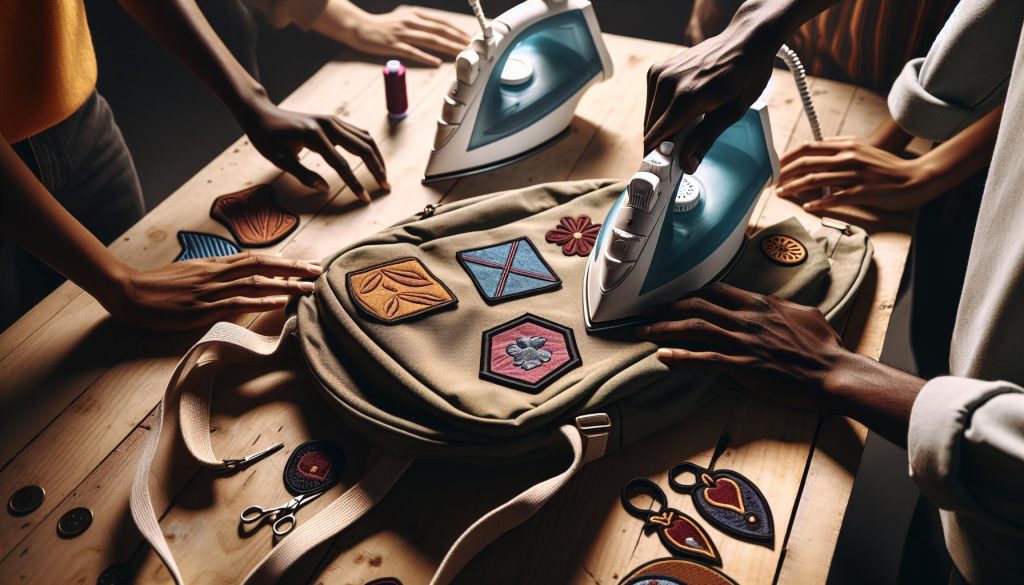
Did you know that customizing your backpack with iron-on patches can not only enhance its appearance but also reflect your personality? Whether you’re looking to cover up a scuff or make a fashion statement, mastering the art of applying patches can transform a standard bag into a unique piece that stands out. In this guide, we’ll dive into the essentials of heat application, sharing valuable tips and techniques to ensure your patches adhere flawlessly. With the right approach, you can confidently tackle any patching project, turning your backpack into a canvas for creativity. Ready to elevate your gear? Let’s get started on this practical journey to patching mastery!
Preparing Your Backpack for Patching

is essential for ensuring a successful and durable application of patches. Before you start, it’s crucial to survey the area where you plan to attach the patch. Look for a clean, flat surface free from obstructions, tears, or dirt. This will not only allow for better adhesion but also make sure that your patch looks good once applied.
Start by washing your backpack, if necessary, to remove any grime or oils that could interfere with the bonding process. Allow it to dry completely before proceeding. Next, consider the fabric of your backpack. Some materials, such as nylon or polyester, may require specific types of patches or application methods. Familiarize yourself with the recommended heat settings for these fabrics, as overheating can cause melting or damage.
When you have chosen your patch and cleaned your backpack, it’s beneficial to plan the placement of the patch visually. Lay the patch over the desired area without heat to see how it looks. If you’re satisfied with its position, mark the area lightly with chalk or fabric marker to ensure precise application once you begin ironing. This preparation sets the stage for a smooth heat application process, ensuring your patches will adhere well and withstand daily use.
Choosing the Right Patches for Your Backpack
can transform it from an ordinary accessory into a statement piece that reflects your personality or brand. With so many options available, it’s essential to consider both aesthetic and functional factors that will help you make the best choice. Think beyond just decorative elements; the right patch can also offer reinforcement to worn areas of your backpack, serving both style and utility.
When selecting patches, first evaluate the material of your backpack. Not all patches are created equal; some are specifically designed for certain fabrics. For instance, if your backpack is made of sturdy canvas, consider embroidered or woven patches for their durability. Conversely, if you’re working with a more delicate fabric like nylon, you might prefer heat-activated or iron-on patches that can be securely applied without the need for sewing. Additionally, patches come in various styles, including 3D embroidered, leather, and custom designs, which can greatly influence the overall look of your backpack.
Another important factor to consider is the purpose of the patch. Are you looking to showcase your favorite band, represent a sports team, or add a personal touch to your gear? If it’s for branding, ensure the patch is customizable to include logos or designs that align with your brand’s image. Websites like Ninja Patches offer a wide range of options, including bulk buying for teams or organizations, making it easy to find something that meets your needs.
In summary, putting thought into the type and style of patches you choose can enhance the longevity and aesthetic appeal of your backpack, making it truly yours. So as you prepare to personalize your gear, remember to prioritize materials that complement your backpack’s fabric and reflect your personal style or brand identity.
Essential Tools for Ironing on Patches
To successfully apply patches to your backpack using an iron, having the right tools is essential. The effectiveness of your patching process significantly relies on these items. First and foremost, a quality heat source is crucial; whether you choose a standard iron or a specialized heat press, ensure it has adjustable temperature settings. Most patches require a medium to high setting, but it’s always wise to check the patch instructions for specifics.
You’ll also need a stable and heat-resistant surface for your ironing. A sturdy ironing board works well, but you can also utilize a heat-resistant mat if you’re working outdoors or in a space without an ironing board. Additionally, protect your backpack and patch during the application by using a pressing cloth or parchment paper. This layer helps to distribute the heat evenly and prevents direct contact between the iron and the patch, which can lead to scorching or melting.
Here’s a quick list of :
- Iron or Heat Press: Must have adjustable heat settings.
- Ironing Board or Heat Resistant Surface: Provides stability and protection.
- Pressing Cloth (or Parchment Paper): Protects patch and fabric during application.
- Scissors: Useful for trimming patches if necessary.
- Measuring Tape or Ruler: Helps with placement for a symmetrical look.
- Marker or Fabric Chalk: Allows for marking placement points without damaging the fabric.
Having these tools on hand will not only enhance the overall outcome but also streamline your process. Proper preparation and organization make a significant difference, ensuring that your patches adhere securely and look fantastic on your backpack. So gather your tools, and get ready to showcase your individual style!
Step-by-Step Guide to Heat Application
Once you’re ready to apply your patches, it’s essential to follow a precise method that ensures a lasting bond and preserves the integrity of your backpack. The heat application process is straightforward but requires attention to detail to achieve the best results. Here’s a systematic approach that will guide you through this task efficiently.
Start by preheating your iron to the recommended temperature for the patch material. Many patches work optimally at medium heat, but always check the specific instructions provided with your patch. Place your backpack on a flat, heat-resistant surface, ensuring it is clean and wrinkle-free. Position the patch where you would like it to adhere, securing it in place with a small piece of fabric tape if necessary to prevent movement during the ironing process.
Next, cover the patch with a pressing cloth or parchment paper to protect both the patch and your backpack fabric from direct heat. This protection is vital, as it helps distribute the heat evenly and reduces the risk of damaging the patch or causing the fabric underneath to scorch. Press down firmly with the iron for about 10 to 20 seconds, keeping the iron still and applying even pressure. It’s crucial not to slide the iron around, as this can shift the patch and create misalignment.
After the initial pressing, carefully lift the iron and check the edges of the patch. If they don’t seem securely adhered, repeat the pressing process for an additional 10 to 15 seconds. Once you’re satisfied that the patch is well attached, allow it to cool completely before handling the backpack further. This cooling period helps solidify the bond between the patch and the fabric.
Finally, it’s worth noting that the effectiveness of heat application may vary depending on the fabric of your backpack. Some materials, like nylon or polyester, may require lower temperatures or different techniques. Always conduct a test on a hidden area if you’re uncertain about how the fabric will react to heat. With these steps, you can confidently apply patches to your backpack, transforming it into a personalized piece of gear that reflects your unique style.
Safety Precautions When Ironing Patches
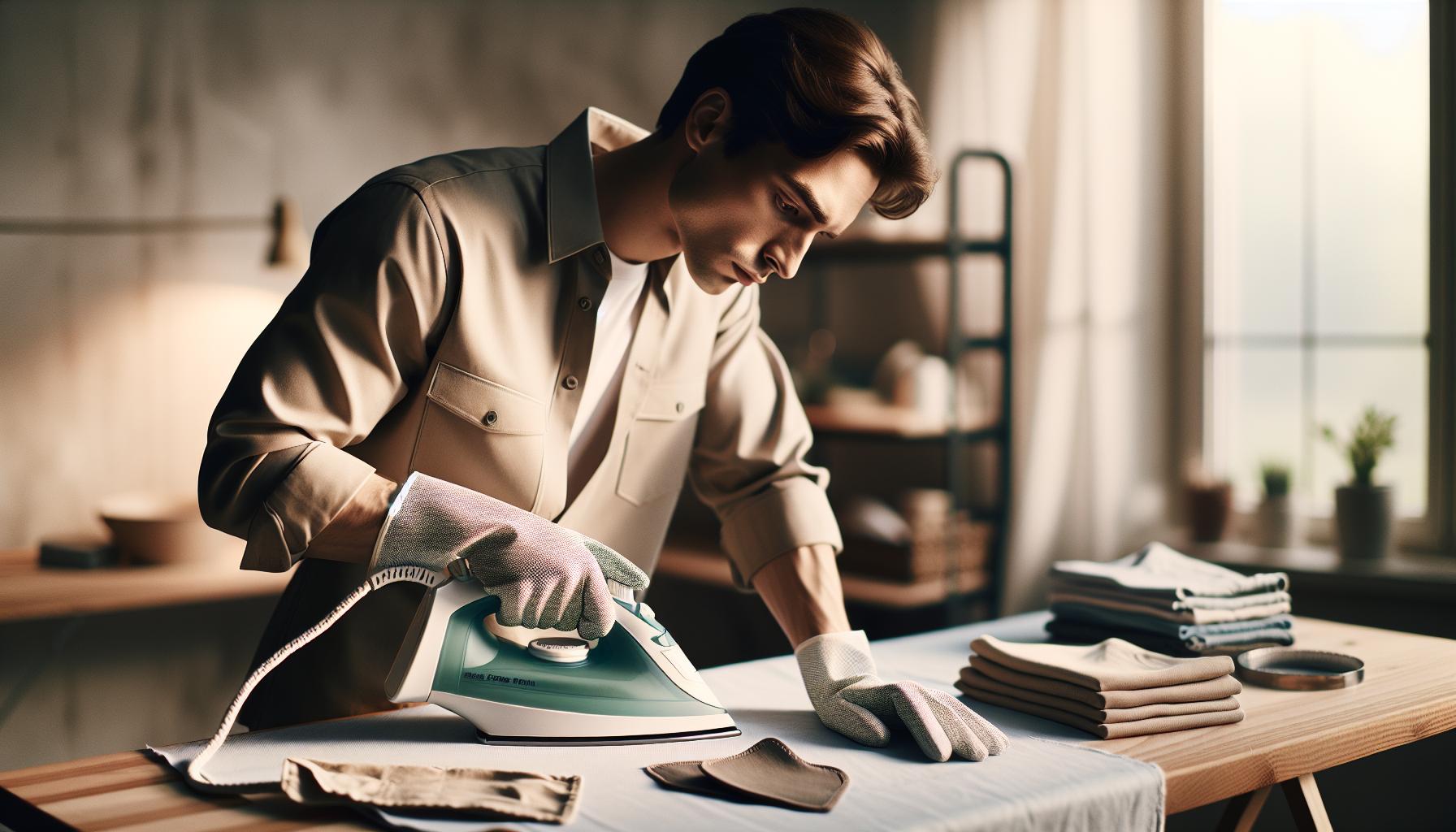
When applying patches to your backpack, safety should always be a top priority to ensure not only your wellbeing but also the integrity of your gear. It’s easy to get caught up in the excitement of customizing your backpack, but overlooking safety precautions can lead to burns, fabric damage, or even accidents. Here are some essential guidelines to keep your ironing process safe and efficient.
First and foremost, make sure your workspace is clutter-free and well-lit. This minimizes the risk of accidents while focusing on your tasks. Use a stable ironing board or a heat-resistant surface where you can easily control the iron without worrying about it tipping over. Always keep your working area a safe distance from crowded spaces, particularly if you have kids or pets around, as the iron can remain hot long after it’s been turned off.
Before starting the ironing process, check your iron’s temperature settings carefully. Not all fabrics and patches respond well to high heat, and using the wrong setting can lead to scorching or melting. A quick test on a less visible area of your backpack can help gauge how your material reacts to heat. Always cover the patch with a pressing cloth or parchment paper, as this acts as a barrier against direct heat, reducing the risk of burns to both the fabric and your skin.
Finally, be mindful of your own safety. Wear heat-resistant gloves if you have sensitive skin or are nervous about handling a hot iron. Make sure to have a water bottle nearby to extinguish any potential fabric flames if something goes awry. Additionally, ensure that the area is well-ventilated to avoid inhaling any fumes that may be released from heated synthetic fabrics. With these precautions, you can enjoy a safe and rewarding patch application experience.
Tips for Achieving a Strong Bond
Achieving a strong bond when ironing on patches can greatly enhance the durability and visual appeal of your backpack. One of the most crucial steps in this process is ensuring that both the patch and the fabric of your backpack are adequately prepared. Begin with a clean surface; any dirt or debris on the fabric can interfere with the adhesive. Use a lint roller or a soft brush to clear away any particles before positioning your patch. This simple act can make a significant difference in achieving a seamless application.
The choice of heat setting on your iron is equally important. For most fabric types, medium to high heat works best-but always consult the patch manufacturer’s instructions for specific recommendations. Remember to allow your iron sufficient time to heat up before you start ironing. The right temperature will activate the adhesive backing on the patch, ensuring it melts and adheres correctly to the fabric. It’s often helpful to perform a small test on a hidden area of the fabric to confirm that the heat does not damage your backpack’s material.
Another critical factor is timing. Pressing down on the iron for an adequate duration (usually 10-20 seconds) while applying firm pressure will ensure a strong bond forms. However, avoid moving the iron back and forth, which can disrupt the adhesive and cause uneven application. Instead, hold the iron in place, focusing on the edges of the patch where the fabric is most prone to lifting. For intricate patches, consider working in sections, applying heat gradually to ensure every part receives thorough attention.
Lastly, it’s crucial to let the patch cool down undisturbed after ironing. Cooling allows the adhesive to set properly before the patch is subjected to any stress or movement. Once cooled, inspect the edges of the patch. If you notice any lifting, you can reapply the iron briefly focusing on those areas. By following these guidelines, you’ll achieve a bond that not only looks professional but also withstands the wear and tear of everyday use.
Troubleshooting Common Ironing Issues
When ironing on patches, it’s not uncommon to encounter a few hiccups that can frustrate even the most experienced DIYers. Recognizing these common issues and knowing how to resolve them can make the difference between a successful patch application and a disappointing outcome. For instance, if you find that your patch is bubbling or lifting after you’ve applied heat, it might be due to excessive moisture trapped beneath the patch or too high of an iron temperature. To remedy this, try using a pressing cloth-this will protect the patch and fabric while allowing moisture to escape.
Another frequent issue is uneven adhesion, where certain parts of the patch adhere well while others lift. This can often occur due to insufficient pressure or movement of the iron during application. For a stronger bond, apply consistent pressure by pressing down firmly on the iron without shifting it around. If you notice edges of the patch starting to lift after the initial ironing, don’t panic. Simply reapply the iron, focusing on the lifted areas for additional heat and pressure.
It’s also essential to consider the materials involved. If your backpack has thick fabric or multiple layers, you might need to adjust your approach. In such cases, applying heat from the inside of the backpack, if possible, can help the adhesive penetrate better. For patches that aren’t adhering irrespective of your technique, it might be worth looking into a fabric glue as a backup option.
Ultimately, regular practice and patience will enhance your skills in patching. Keeping a troubleshooting mindset will prepare you for challenges as you work on personalizing your backpack, ensuring that your final result is not only functional but also a true reflection of your style.
Alternative Methods for Attaching Patches
When it comes to personalizing your backpack, using heat to apply patches is just one of many methods available. For those who might be hesitant about using an iron due to the risk of fabric damage or a lack of available heat-setting tools, there are several alternative techniques that can provide a secure and stylish attachment for your patches.
One popular method is sewing on the patches. This technique not only ensures that your patch is securely attached, but it also adds an element of craftsmanship that many enthusiasts appreciate. Using a needle and thread, you can sew around the edges of the patch, employing a simple whip stitch or a more decorative stitch for flair. Moreover, sewing allows for greater control over how tightly the patch is secured, making it less susceptible to wear and tear compared to other methods.
Another effective option is to use fabric glue. This method is particularly useful for patches that may be too thick or heavy for heat application or sewing. Fabric glue creates a strong bond when applied correctly, and it is often flexible enough to withstand the movement of the fabric without cracking. To apply, simply spread a thin, even layer of adhesive on the back of the patch and press it firmly onto the desired area of your backpack. Be sure to use a glue that is specifically designed for fabric, as this will ensure a durable hold and minimal chance of peeling over time.
For those who want a removable option, consider using iron-on adhesive sheets. These sheets can be cut to the shape of the patch and ironed onto the fabric of your backpack. Once the adhesive is set, you can peel away the backing and stick the patch on top. This allows for easy customization without committing to a permanent attachment method. It’s a great way to rotate patches based on your style or mood without damaging the underlying fabric.
Lastly, magnetic patches have made a splash in the backpack customization realm. They consist of a magnet embedded in the patch and a corresponding magnetic piece sewn or glued onto the backpack. This allows for effortless changes and minimizes wear on the fabric. The magnetic option is ideal for those who love to switch up their accessories frequently and want to avoid permanent marks or damage to their gear.
By exploring these various methods, you can find the best way to secure your patches based on your skill level, the materials involved, and your personal preferences. Each method offers unique benefits, allowing you to customize your backpack in a way that reflects your style and meets your practical needs.
Caring for Your Ironed-On Patches
To ensure the longevity and appearance of your ironed-on patches, proper care is essential. These little pieces of fabric not only enhance your backpack’s aesthetic but also bear the burden of everyday wear and tear. By adopting some simple maintenance habits, you can keep your patches looking vibrant and firmly attached, making your backpack a proud statement piece for years to come.
Start by being mindful during the washing process. It’s best to hand wash your backpack or use a gentle cycle if you decide to machine wash it. Always turn your backpack inside out to reduce friction and protect the patches from direct contact with other items or the washer drum, which can lead to peeling or fraying. When washing, opt for cold water and a mild detergent to minimize the risk of damaging both the fabric of your backpack and the patches.
Drying also plays a pivotal role in maintaining your patches. Avoid using a dryer as the heat can weaken the adhesive backing over time. Instead, let your backpack air dry away from direct sunlight, which can fade colors and weaken fabrics. If you must hang it, be sure to do so in a well-ventilated area to facilitate proper drying while protecting the patches.
For day-to-day care, periodically inspect your patches for signs of wear. If edges begin to lift or if any damage occurs, you can reinforce them with a quick application of a fabric-safe adhesive or a hot iron, taking care not to overheat the surrounding material. Consider applying a light coat of water-repellent spray designed for fabrics; this will provide an additional layer of protection against moisture, dirt, and oil, enhancing the durability of both your patches and backpack.
By following these steps and practicing vigilance with your backpack maintenance, you can preserve the vibrant look of your ironed-on patches while ensuring they remain securely in place, ready to accompany you on all your adventures.
Customizing Your Backpack with Patches
is not only a creative way to express your style, but it also helps in personalizing your gear for various adventures. Whether you’re aiming for a unique design or a functional approach to repairs, patches can transform a simple backpack into a reflection of your personality. By carefully selecting and applying patches, you can showcase your interests, commemorative events, or even your outdoor experiences, making your backpack a canvas for your life’s journey.
Start by considering the type of patches that resonate with you. From embroidered designs to fabric patches featuring symbols, logos, or quotes, the options are vast. Choose patches based on themes that matter to you-such as nature, travel, art, or favorite brands. Beyond aesthetics, think about positioning; patches can be clustered together for a bold statement or spaced out to create an organized look. Remember to balance colors and patterns for a cohesive design that enhances your backpack’s overall appearance.
Applying Your Patches
Before ironing on your patches, it’s crucial to clean the backpack’s surface thoroughly. Any dirt or oils can interfere with the adhesive and lead to peeling over time. Lay your backpack flat on a heat-resistant surface, then determine the placement of each patch without adhering them just yet. This allows you to experiment with layout and ensure that the design meets your satisfaction.
Once you’re ready to apply, use a heat source that is appropriate for the type of fabric. For example, cotton and denim are generally more heat-resistant than synthetic materials, which might require lower temperatures or a pressing cloth to avoid burning. A quick tip is to position a piece of parchment paper between the iron and the patch to protect both the patch and the backpack fabric from direct heat. When applying heat, press evenly and firmly for the recommended duration-typically around 10-15 seconds-allowing the glue to adhere properly.
Maintaining Your Customization
After you’ve applied your patches, it’s important to maintain their integrity. Regularly inspect them for signs of wear or lifting edges, especially after washing. If you notice any issues, a quick re-application of heat can often solve the problem. Additionally, be mindful of how you wash your backpack. Hand washing or using a gentle cycle while keeping the backpack inside out can prolong the life of your patches.
By , you not only enhance its visual appeal but also curate a personal story that travels with you. The care and attention you invest in choosing and applying patches will ensure they remain a vibrant and secure part of your outdoor gear for years to come.
Maintaining and Repairing Your Backpack’s Fabric
Investing in a durable backpack means being prepared to navigate the wear and tear of daily use, adventures, and the elements. To ensure your backpack remains a reliable companion for years to come, regular maintenance and timely repairs are essential. By being proactive, you not only extend the lifespan of your backpack but also maintain its functionality and appearance.
To care for the fabric of your backpack, begin with routine cleaning. Dirt and grime can accumulate, leading to fabric degradation and unwanted odors. Depending on the material, most backpacks can be spot-cleaned using mild soap and a damp cloth. For deeper cleaning, follow the manufacturer’s care instructions, typically involving a gentle cycle in the washing machine or hand washing in a bathtub. Always dry your backpack thoroughly; air drying is preferable to avoid damaging any adhesives or materials. For waterproof fabrics, ensure that you restore the DWR (Durable Water Repellent) treatment following cleaning to keep moisture at bay.
In addition to cleaning, inspect your backpack regularly for signs of fraying, tears, or weakening seams. If you notice any damage, address it immediately to prevent larger issues. A simple repair kit can go a long way, containing needle and thread for stitching, fabric patches for larger tears, and seam sealant for waterproofing. Use strong, weather-resistant thread if you need to sew fabrics together, and make sure to apply appropriate heat and pressure to any patches to ensure they adhere well.
Lastly, when it comes to maintaining the fabric’s integrity post-patching, consider storing your backpack in a cool, dry place. Avoid exposing it to direct sunlight for extended periods, as UV rays can cause fading and weakening of the fabric. By integrating these care practices into your routine, you can ensure that your backpack continues to serve you well, maintaining both its aesthetic value and functional longevity.
Maximizing Durability of Ironed Patches
To ensure that your patches withstand the rigors of everyday use, it’s crucial to maximize their durability through a combination of proper heat application and aftercare. Ironed patches can easily peel or fray, particularly with heavy bag use, so taking the right steps during the application process is key. One of the essential techniques involves ensuring that both the backpack fabric and the patch are clean and dry before you begin. Dust, dirt, or moisture can prevent the adhesive from making a strong bond, leading to premature wear or detachment.
When ironing on patches, it’s important to use the proper temperature setting on your iron based on your backpack’s fabric type. Higher temperatures are not always better; using too much heat can scorch certain materials, while too little may not activate the adhesive. Always use a protective cloth over the patch to distribute the heat evenly and protect both the fabric and the patch itself. For best results, press firmly for around 30 seconds, allowing the adhesive enough time to bond. For added durability, consider a second application of heat after letting the patch cool for a minute; this helps the adhesive settle more securely.
Post-Ironing Care
Once you’ve successfully applied your patch, caring for it is just as vital. Regularly inspect the patch and surrounding fabric for signs of wear. If you notice the edges lifting or fraying, a quick reapplication of heat can ameliorate the issue. Post-application, avoid subjecting the patch to heavy washes; instead, opt for spot cleaning when necessary. If washing is unavoidable, turn the backpack inside out, use a gentle cycle, and air dry to preserve the integrity of the patch.
Finally, to enhance the longevity of your ironed patches, consider using a thin layer of fabric glue around the edges after ironing. This additional adhesive provides a backup for stubborn patches that might be prone to lifting. By incorporating these practices, you can enjoy a backpack adorned with patches that not only express your personal style but also withstand the test of time.
Frequently asked questions
Q: What types of backpacks are best for iron-on patches?
A: Backpacks made from sturdy, heat-resistant materials like denim, canvas, or polyester are ideal for iron-on patches. Avoid thin fabrics that may melt or burn. For more on choosing the right patches, refer to the section on “Choosing the Right Patches for Your Backpack.”
Q: How long should I heat the iron on the patch?
A: Typically, you should heat the patch with the iron for about 20-30 seconds. Press firmly but avoid moving the iron around. Always check the patch instructions for specific duration depending on the material.
Q: Can I wash my backpack after applying iron-on patches?
A: Yes, but wait 24 hours after application to allow the adhesive to set fully. Turn the backpack inside out and use a gentle cycle to preserve the patches. Detailed care tips can be found in the “Caring for Your Ironed-On Patches” section.
Q: What if my iron-on patch won’t stick?
A: If the patch won’t adhere, it may be due to insufficient heat or incorrect fabric type. Reheat with more pressure or check for any fabric residue. Troubleshooting tips are discussed in “Troubleshooting Common Ironing Issues.”
Q: Are there specific safety tips when ironing on patches?
A: Yes, always use an ironing board, keep the iron moving, and avoid contact with skin. Use a pressing cloth to protect both the patch and the fabric. For comprehensive safety guidelines, check the “Safety Precautions When Ironing Patches” section.
Q: How do I remove an iron-on patch if I need to?
A: To remove an iron-on patch, apply heat with an iron to loosen the adhesive, then gently peel it off. Use a fabric-safe adhesive remover on any residue. More detailed instructions are available in “Alternative Methods for Attaching Patches.”
Q: How can I personalize my backpack with patches?
A: Personalizing a backpack can be done by arranging patches creatively and selecting patches that reflect your style or interests. Explore more ideas in the “Customizing Your Backpack with Patches” section.
Q: Will iron-on patches last long on a backpack?
A: Yes, iron-on patches can last a long time if applied correctly and cared for properly. Ensure the fabric is clean and the patch is securely adhered. Strategies for durability can be found in “Maximizing Durability of Ironed Patches.”
Key Takeaways
You’ve now mastered the art of ironing on patches to your backpack! By following our detailed guide, you can enhance your bag’s style while adding a personal touch. Remember, the right heat settings and techniques are essential for a durable application. If you have any lingering questions or need additional resources, check out our articles on gear restoration and everyday carry essentials to continue your journey.
Don’t forget to share your finished creations with us in the comments below! To stay updated on the latest tips and tricks for your outdoor gear and other crafting projects, consider signing up for our newsletter. Dive deeper with our guides on proper backpack maintenance and the best patches to use, ensuring your gear not only looks great but lasts long. Your adventure starts here-let’s explore more together!