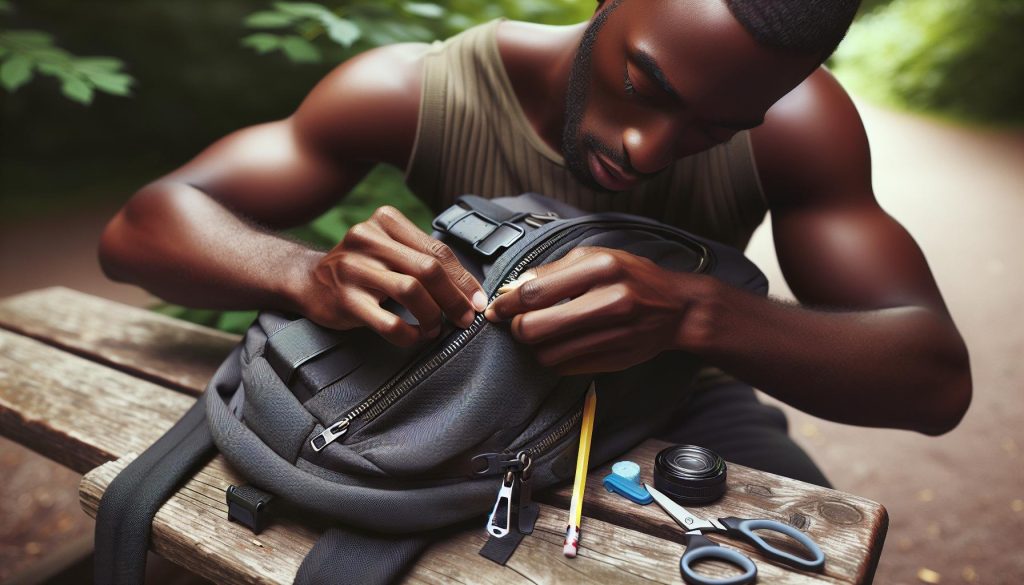
Have you ever found yourself wrestling with a stubborn backpack zipper, frustrated as your essential gear remains beyond reach? You’re not alone; this everyday annoyance has plagued both seasoned travelers and busy students alike. Fortunately, learning how to unstick your backpack zipper is not just a handy skill but a necessary one that can save you time and stress during an outdoor adventure or a simple day at school. In this guide, we’ll explore straightforward and effective techniques that will have your zipper gliding smoothly again. By mastering these methods, you’re not just fixing a zipper; you’re ensuring your backpack remains a reliable companion for all your daily journeys. Keep reading to discover tips that work every time!
Identifying the Reason for a Stuck Zipper
When encountering a stuck zipper on your backpack, the first step is to pinpoint the underlying cause. Many people assume that a zipper simply malfunctioned without realizing that several factors can lead to it getting stuck. Is your zipper jammed due to fabric caught in the teeth? Or perhaps dirt and grime have accumulated, hindering its smooth movement? Identifying the reason is crucial, as it dictates the approach you’ll take to resolve the issue effectively.
Common Reasons for a Stuck Zipper:
- Fabric Obstruction: The most common issue arises when fabric or other materials get caught in the zipper. This can happen with bulky seams or pockets that are not tucked away properly.
- Foreign Objects: Occasionally, small items like coins, threads, or debris can find their way into the zipper track, creating resistance.
- Dirt and Grime: A buildup of dirt, lint, or other debris in the zipper’s teeth can prevent it from moving smoothly.
- Misalignment: If the zipper is not aligned properly, it may snag or fail to engage correctly, leading to a jam.
- Wear and Tear: Over time, zippers can suffer from wear, causing the teeth to become damaged or misaligned.
A careful inspection is your best tool in identifying the reason for the jam. Look at the zipper closely; check if any fabric is ensnared in its path or if there are any visible obstructions. You might want to try gently pulling the zipper up and down to notice the areas of resistance. By diagnosing the problem early, you can save yourself from unnecessary repairs and ensure the longevity of your zipper. Staying aware of these potential pitfalls not only helps you address issues as they arise but also deepens your understanding of zipper mechanics, making you more adept in managing your gear.
Step-by-Step Guide to Fixing Your Zipper
To effectively tackle a stuck zipper on your backpack, a systematic approach can make a world of difference. First, ensure you have your backpack facing you and the stuck zipper fully visible. This will allow you to examine the situation closely, giving you a clearer view of the potential problem areas. Start by gently pulling the zipper up and down to identify where it becomes snagged or resistant. This initial assessment is critical; it helps you pinpoint whether the issue is due to fabric caught in the zipper, dirt accumulation, or misalignment.
Once you’ve found the trouble spot, follow these steps to unstick the zipper:
1. Remove Obstructions
If fabric is caught, gently maneuver the garment away from the zipper teeth. Use a pair of tweezers if necessary to avoid tearing the material. If you see small objects trapped in the zipper track, carefully take them out to free up the path.
2. Clean the Zipper
Dirt and grime can significantly impede zipper function. Apply a small amount of rubbing alcohol or vinegar on a cotton swab and gently clean the teeth, ensuring that any buildup is removed. For zippers that are particularly stubborn, consider using a soft brush to dislodge debris.
3. Realign the Zipper
Sometimes, the alignment of the zipper can cause it to misbehave. Check that both sides of the zipper are properly engaged. If they appear misaligned, gently pull the zipper pull up and down while guiding the sides into position.
4. Lubricate for Smooth Movement
After cleaning, adding a lubricant can help facilitate smoother movement. Use a zipper lubricant or a small amount of wax (like candle wax or beeswax) and run it along the zipper teeth, ensuring it penetrates the teeth. Be careful not to overapply, which can attract more dirt.
5. Test the Zipper
After addressing the obstruction and potentially lubricating the zipper, slowly test its movement. Pull the zipper up and down gently to see if it operates smoothly. If it still resists, reassess for any missed obstructions or consider repeating the cleaning and lubrication steps.
By following these systematic steps, you’ll empower yourself to successfully diagnose and fix zipper issues, ensuring your backpack remains functional for years to come. Remember, the key is patience and precision-rushing can lead to further damage or frustrations down the line. Each step plays a crucial role in restoring your zipper’s functionality, transforming a tricky situation into a straightforward repair.
Tools You Need for Zipper Repair
Having the right tools on hand can make all the difference when it comes to fixing a stuck zipper on your backpack. A well-equipped repair kit not only simplifies the process but also prepares you for various zipper-related challenges. Whether you’re dealing with a minor snag or a more complex malfunction, having a few essential tools ready can ensure you’re never left with a frustrating situation.
To start, you’ll need a reliable pair of tweezers. These are indispensable for removing any small fabric pieces or debris caught in the zipper teeth. Look for tweezers with a fine tip; this precision will help you navigate tight spaces without causing damage. A soft brush is also advisable-preferably with fine bristles-to help gently clean away dirt and grime buildup that could contribute to the zipper’s stubbornness.
Another essential item is lubricant. Zipper-specific lubricants are available, but in a pinch, household alternatives like candle wax or beeswax can work wonders. Applying a small amount to the zipper teeth after cleaning will help restore smooth movement. Finally, having a small can of rubbing alcohol or vinegar on hand can aid in effectively cleaning the zipper without introducing too much moisture, which can lead to rust over time.
In summary, by equipping yourself with these basic yet effective tools-tweezers, a soft brush, lubricant, and rubbing alcohol or vinegar-you’ll be well-prepared to tackle any zipper challenge that comes your way.
Preventing Future Zipper Issues
To ensure your backpack zipper functions smoothly and lasts for years to come, adopting preventive measures is essential. One of the primary reasons for zipper malfunctions is dirt and debris accumulation in the zipper teeth. Regular cleaning is vital; a quick wipe with a soft brush or cloth can keep the zipper free from small particles that might impede movement. Additionally, inspecting your zipper frequently will help catch any potential issues before they become serious problems. Look out for any threads or fabric caught in the zipper’s path and remove them promptly.
Applying a proper lubricant periodically will also aid in zippered gear maintenance. Zipper-specific lubricants are designed to facilitate smooth movement, but if those aren’t available, alternatives like beeswax or even a small amount of silicone grease can work wonders. Remember to wipe off excess lubricant to avoid attracting grime. Testing the functionality by gently working the zipper after lubrication ensures that it operates without sticking or snagging, giving you peace of mind while out and about.
Another effective strategy is to avoid overstuffing your backpack. Exceeding the intended capacity can strain the zipper, making it more prone to breakage or sticking. When packing, be mindful of the zipper’s limit and distribute items evenly to maintain its integrity. By adopting these simple yet effective practices, you can significantly reduce the likelihood of zipper-related issues, keeping your backpack in optimal condition for all your adventures.
Alternative Methods to Unstick a Zipper
When battling a stubborn zipper that just won’t budge, understanding alternative methods to free it can turn your frustration into a simple fix. Many common issues, such as fabric caught in the teeth or dirt buildup, can often be resolved with household items and a little creativity. Whether you’re on a camping trip or just trying to retrieve a favorite jacket, knowing how to unstick a zipper efficiently is crucial.
One popular approach is to use a lubricant. Applying a small amount of graphite powder, lip balm, or even soap can often provide the slickness needed to ease the zipper back into motion. Simply rub the lubricant along the tracks where the slider moves, guiding it gently while applying slight pressure. Be cautious with liquid lubricants; if you use too much, it could attract dirt and make the problem worse.
Another effective technique involves using a pair of pliers if the zipper is jammed due to a bent or misaligned slider. Carefully grip the slider and wiggle it back and forth. This method requires a gentle hand, as too much force can break the zipper entirely. If the fabric is caught, try to gently tug at the fabric while manipulating the slider. Patience is key here, as forcing the zipper can lead to more damage.
If typical DIY methods aren’t working, consider using a rubber band to create a better grip. Wrap the band around the zipper pull to add friction, which can sometimes help the pull to slide more freely. In situations where the zipper seems completely immovable, checking for any obstructions along the track is important. Often, a hidden thread or small debris will be the culprit, and removing this can lead to a quick resolution.
In the rare event these techniques do not yield results, it may be worth evaluating whether a professional repair is needed. Knowing when to step back and reassess can save you time and frustration, ensuring that your favorite gear remains in good working order for future adventures.
When to Replace Your Zipper
When a zipper shows persistent signs of failure, recognizing when it’s time for a replacement can save you from further frustration and potential gear damage. Zippers are essential components of backpacks, securing your belongings and keeping them safe from the elements. However, even the sturdiest zippers can wear out, malfunction, or sustain damage over time due to frequent use or environmental exposure.
Several telltale signs indicate that it may be time to replace your zipper. If the zipper slider is frequently getting stuck or if the teeth are misaligned and won’t engage properly, it could mean that the zipper’s integrity is compromised. Additionally, if there are signs of fraying on the zipper tape or if the zipper pull is broken or missing entirely, these indicate a point of no return. In such instances, no amount of DIY repair will restore the zipper’s function, and replacement becomes the most practical solution.
Here are a few situations that may warrant a zipper replacement:
- Persistent Jamming: If you’ve tried multiple methods to unstick the zipper and it continues to jam or break, it’s likely time for a new zipper.
- Physical Damage: Look for visible cracks, separations, or other signs of wear and tear on the zipper elements. If the slider is broken, sometimes a replacement slider or entire zipper is necessary.
- Difficulty in Alignment: If the zipper constantly fails to close due to misaligned teeth or warping in the tape, these structural issues can’t typically be fixed and indicate replacement.
- Frequent Usage Stress: Backpacks used for heavy loads or rugged activities may experience accelerated zipper wear. If your zipper is regularly under significant strain and has started to show wear, timely replacement can prevent future gear failure.
While replacing a zipper may seem daunting, it’s often manageable with the right tools and guidance. Consider whether you want to handle the replacement yourself or seek professional help. Many outdoor enthusiasts find that learning to replace zippers enhances their overall gear maintenance skills, allowing them to extend the life of their backpacks and other essential equipment. Remember, a reliable zipper is key to ensuring the effectiveness and longevity of your gear, so don’t hesitate to replace it when necessary. Your adventures depend on it!
Common Mistakes to Avoid During Repair
When attempting to repair a stuck zipper, it’s easy to make common mistakes that can exacerbate the situation rather than resolve it. One major pitfall is using excessive force when trying to pull the zipper. This can damage the teeth or even break the slider, transforming a minor issue into a costly repair. Instead, try to identify the root cause of the jam. If fabric or other debris is caught in the zipper, gently prying it away with a pair of tweezers may be more effective than yanking on the zipper.
Another frequent error is neglecting to clean the zipper before beginning repairs. Dirt, lint, or grime can contribute to sticking. Using a soft brush or a cloth dampened with a mild detergent can help remove obstructions that might impede movement. Once cleaned, applying a lubricant designed for zippers-such as silicone spray or a wax-based product-can help to smooth out the operation without causing buildup that can lead to future issues.
Many users also rush to replace the zipper or parts of it without thoroughly examining the mechanism. Often, a simple adjustment to the slider or a minor repair to the teeth can restore functionality. Check if the slider is misaligned; this can often be corrected by gently squeezing the slider with pliers. However, be cautious-too much pressure can lead to more damage.
Lastly, don’t underestimate the value of patience during repairs. Taking your time to assess the zipper condition, seeking a proper solution, and avoiding hasty actions will result in better long-term outcomes. Understanding each step of the repair process and avoiding these common pitfalls will not only save you time and money but also prolong the life of your backpack’s zipper.
Maintaining Your Backpack Zipper for Longevity
Ensuring the longevity of your backpack zipper is not just about fixing it when it gets stuck; it’s about maintaining the overall functionality and performance of your gear. A well-maintained zipper not only enhances your backpack’s usability but can also save you from unexpected repair costs and the hassle of replacements. Regular care can significantly extend the lifespan of your zipper, maintaining its smooth operation through numerous adventures.
Start by incorporating a regular cleaning routine into your gear maintenance. Grit and dirt are the biggest culprits behind zipper malfunctions. Every few months, take a soft brush or cloth and gently wipe the zipper track, ensuring it’s free from accumulated debris. A mixture of mild detergent and warm water can be effective for tougher grime. Remember to dry it thoroughly afterward, as moisture can lead to rust in metal parts or weaken fabric components.
Next, lubrication is essential for keeping your zipper operating smoothly. Using a lubricant designed specifically for zippers-like silicone spray or wax-based products-can help prevent sticking. A small amount applied along the zipper teeth can work wonders. Be careful not to overdo it, as excess lubricant can attract dirt, countering your cleaning efforts. If you frequently use your backpack in harsh environments, consider lubricating your zippers more often to combat the effects of dust and moisture.
When storing your backpack, avoid placing it in cramped spaces or under heavy items that can distort the zipper. Instead, hang it or lay it flat. This prevents undue pressure on the zipper teeth and slider, ensuring they maintain their alignment. If your backpack has multiple compartments, avoid overloading them, as this can stretch the zipper and lead to misalignment over time. Also, be mindful of the fabric or materials around the zipper when packing. Sharp edges or excessive force can easily snag and compromise the zipper’s integrity.
By developing a proactive maintenance routine-cleaning, lubricating, and storing your backpack properly-you enhance not only the zipper’s performance but also the overall longevity of your gear. Remember, quality backpacks are an investment, and taking care of the zippers is key to ensuring they serve you well for years to come.
Zipper Care Tips for Different Materials
Keeping your zippers in top condition can significantly enhance the longevity of your backpack, but it’s essential to tailor your care methods to the specific materials involved. Zippers come in various types, including those made of metal, plastic, and nylon, each requiring distinct care approaches to maintain their functionality and prevent sticking or damage.
Metal Zipper Care
Metal zippers, often found on high-end or rugged backpacks, are durable but can suffer from rust or corrosion. Regular cleaning is crucial. Use a soft, dry cloth to wipe down the zipper, and for tougher grime, a small amount of vinegar can help remove oxidation. After cleaning, apply a light coating of lubricant, such as silicone spray, to protect against moisture and ensure smooth operation. Be mindful not to use too much, as excess lubricant can attract dirt.
Plastic Zipper Care
Plastic zippers are typically lighter and resistant to corrosion but are prone to wear and tear. A gentle cleaning with mild soap and water will keep the zipper functioning well. Regular inspection for any signs of wear, especially on the teeth, is essential. If you notice any sticking, a wax-based lubricant can be applied to help the slider glide better. Avoid extreme heat, as it can warp plastic, leading to functional issues.
Nylon Zipper Care
Nylon zippers are commonly used in outdoor gear due to their lightweight and flexibility. Cleaning these zippers requires caution; use a damp cloth and a drop of mild detergent to avoid damaging the fabric. Nylon can stretch, so ensure the zipper is not overloaded. Regularly check the stops (the small pieces at the end of the zipper) to prevent them from coming loose, which could derail the zipper functionality.
By understanding the material-specific needs of your zipper, you’ll be better equipped to perform effective maintenance, ensuring smooth operation and longevity. Incorporating these care tips into your routine not only avoids sticky zippers but also prolongs the life of your entire backpack.
Troubleshooting Zipper Problems Across Brands
Experiencing a stuck zipper can be one of the most frustrating issues, especially when it hinders your access to the essentials packed in your backpack. Different brands may use varying designs and materials, which can lead to unique problems and solutions. Understanding these nuances can save you time and stress, enabling you to troubleshoot effectively regardless of the brand you’re dealing with.
When troubleshooting a zipper, start by carefully examining the slider and the teeth. If the slider feels loose or misaligned, try gently pinching it with pliers to make it fit the teeth better. This adjustment can often resolve the issue for brands like YKK, which is recognized for durable zippers. Always ensure no fabric is caught in the teeth, as this is a common culprit that can cause zippers to jam across various brands. If you spot any frayed threads, use scissors to trim them back and help the zipper operate smoothly.
Another key factor is lubrication, particularly if you’re dealing with older or rarely used zippers. The application of a dry lubricant, such as graphite or a specialized zipper lubricant, can allow the slider to glide more freely. For products from brands like Osprey or North Face, which may feature weatherproof zippers, it’s crucial to avoid overly greasy lubricants that could interfere with their water-resistant properties. Instead, utilize a silicone spray, which can protect without risking corrosion or attracting dirt.
It’s also helpful to refer to each brand’s specific care instructions. Some manufacturers provide detailed guidance on their websites, covering the best maintenance practices for their zipper designs. If issues persist, you may consider reaching out to customer support for tailored advice or purchasing replacement components if available.
By utilizing these tailored troubleshooting techniques, you can efficiently address zipper problems, ensuring your backpack remains a reliable companion for all your adventures. Regular upkeep and attention to detail not only prolong the lifespan of your zippers but also enhance your overall outdoor experience.
Expert Advice on Zipper Maintenance and Repair
Experiencing a stuck zipper can feel like a mini-crisis during an outdoor trip or daily commute, especially when you’re in a hurry. Fortunately, maintaining your zippers can prevent this inconvenience and prolong their lifespan. A few simple practices can ensure your zippers remain smooth and functional, enhancing your overall experience with your gear.
To keep zippers in optimal condition, regular maintenance is key. Start by cleaning the zipper track with a soft brush or a cloth to remove any dirt or debris that might be obstructing its movement. For zippers on backpacks, especially those exposed to the elements, inspect them regularly for any signs of fraying or wear. Addressing these issues early can prevent more significant problems down the line. Additionally, when closing zippers, avoid forcing them if they meet resistance; this often indicates an unseen issue, such as fabric caught in the mechanism.
Lubrication is another crucial aspect of zipper care. Applying a suitable lubricant periodically helps the slider move smoothly. A specialized zipper lubricant or dry silicone spray is best, especially for outdoor gear that may be weatherproof. Avoid heavy oils, as these can attract dirt and spoil the performance of water-resistant zippers. Simply apply a small amount along the zipper teeth and work the slider back and forth to distribute it evenly.
Understanding the material of your zipper is essential for proper care. Nylon zippers are typically more forgiving and can be cleaned with mild soap and water, while metal zippers may require more delicate handling. When dealing with zippers on technical gear like climbing or hiking backpacks, check the manufacturer’s recommendations for maintenance. If you’re unsure, don’t hesitate to contact customer support for specific advice.
By integrating these expert practices into your routine, you can maintain your zipper’s functionality and prevent frustrating moments caused by stuck zippers. Regular attention not only enhances performance but also protects your investment, allowing you to enjoy your outdoor adventures worry-free.
DIY vs. Professional Zipper Repair: What to Choose
When faced with a zipper issue, one of the most pressing questions is whether to tackle the repair yourself or seek professional help. Many outdoor enthusiasts and everyday users often find themselves pondering their skills against the cost and efficiency of professional services. Understanding both options can make the decision clearer, ensuring your gear is promptly and effectively repaired.
For those who enjoy DIY projects, repairing a zipper can be a satisfying challenge. Basic tools, like needle and thread, or even a zipper replacement kit, can often suffice for minor repairs such as replacing a slider or re-aligning the track. With resources readily available-from online tutorials to community forums-many users find that learning to fix their own zippers not only saves money but also enhances their confidence in maintaining their gear. Furthermore, tackling simple zipper issues can be done in a pinch, ensuring your backpack is ready for the next adventure without undue delay.
However, professional zipper repair services come with distinct advantages that can outweigh the DIY approach, especially in complex situations. If the zipper has completely failed, requiring a replacement of the entire mechanism, or if the fabric surrounding the zipper is damaged, seeking expert assistance can save time and prevent potential additional damage from amateur repairs. Professionals have access to specialized tools and materials, along with the experience to ensure a durable, high-quality service that can extend the lifespan of your backpack.
Ultimately, the decision boils down to the severity of the zipper issue at hand and your comfort level with DIY repairs. For small, manageable repairs, DIY solutions can be rewarding and cost-effective. However, for more serious complications, opting for professional repairs can offer peace of mind and guarantee that your gear remains functional and reliable for future adventures. Whether you choose to roll up your sleeves or seek out a skilled technician, understanding your options ensures you’re well-equipped to handle any zipper predicament.
FAQ
Q: How do I prevent my backpack zipper from getting stuck?
A: To prevent your backpack zipper from getting stuck, regularly clean the zipper teeth and avoid overloading the backpack. Additionally, applying a lubricant like zipper wax can help keep the mechanism running smoothly. For more tips, refer to the “Preventing Future Zipper Issues” section in the article.
Q: What household items can I use to fix a stuck zipper?
A: You can use common household items like soap, lip balm, or petroleum jelly to lubricate a stuck zipper. Apply a small amount to the zipper teeth, then gently work the slider to unstick it. Check the “Alternative Methods to Unstick a Zipper” section for detailed instructions.
Q: When should I replace my backpack zipper?
A: You should consider replacing your backpack zipper if it is beyond repair, has missing teeth, or if the slider is damaged and cannot be fixed. For guidance on assessing zipper conditions, check the “When to Replace Your Zipper” section in the article.
Q: Can I use my backpack while the zipper is stuck?
A: It’s not advisable to use a backpack with a stuck zipper, as it may cause further damage. Attempt to fix the zipper first. For troubleshooting steps, consult the “Troubleshooting Zipper Problems Across Brands” section for tailored advice.
Q: What should I do if the zipper pull breaks?
A: If your zipper pull breaks, you can replace it with a paperclip, keychain ring, or a customized zipper pull. For more replacement options, see the “Common Mistakes to Avoid During Repair” section for guidance on temporary fixes.
Q: How can I maintain my backpack zipper for longevity?
A: Maintaining your backpack zipper involves regular cleaning, lubrication, and avoiding excessive force when opening or closing. Check the “Maintaining Your Backpack Zipper for Longevity” section for thorough maintenance practices.
Q: Are there specific cleaning methods for different zipper materials?
A: Yes, cleaning methods can vary based on the zipper material. For example, metal zippers may require a soft brush, while plastic zippers can be cleaned with a damp cloth. The “Zipper Care Tips for Different Materials” section offers tailored advice for various zipper types.
Q: How can I troubleshoot problems specific to my backpack brand’s zipper?
A: To troubleshoot zipper issues specific to your backpack brand, check the manufacturer’s website for support or reviews. Consult the “Troubleshooting Zipper Problems Across Brands” section for insights tailored to popular brands, helping you identify common issues and solutions.
Future Outlook
Now that you know how to get your backpack zipper unstuck using these reliable methods, don’t let zipper issues hold you back! If you found this guide helpful, consider checking out our articles on maintaining your Swiss Army knife or tips for effective backpack packing-both essential for outdoor enthusiasts like you!
Remember, a smoothly functioning zipper is just a few steps away. Act now by bookmarking this page for quick reference, and feel free to share your success stories in the comments below. For even more practical tips and tricks, subscribe to our newsletter or explore our gear recommendations to ensure all your outdoor adventures are hassle-free. Keep exploring, and stay prepared for whatever comes your way!