
Did you know that a broken zipper can render your favorite backpack nearly useless, just when you need it most? Whether you’re heading on a day hike, rushing to class, or traveling the world, a reliable zipper is essential for keeping your belongings secure. In “How to Fix a Zipper on a Backpack: Quick Repair Tricks,” we’ll explore practical, easy-to-follow solutions to common zipper problems. You’ll learn how to troubleshoot issues from stuck sliders to misaligned teeth, so you can restore your backpack’s functionality without the need for a costly replacement. Let’s dive into the art of zipper repair and empower you to tackle these challenges with confidence, ensuring your gear is always ready for your next adventure.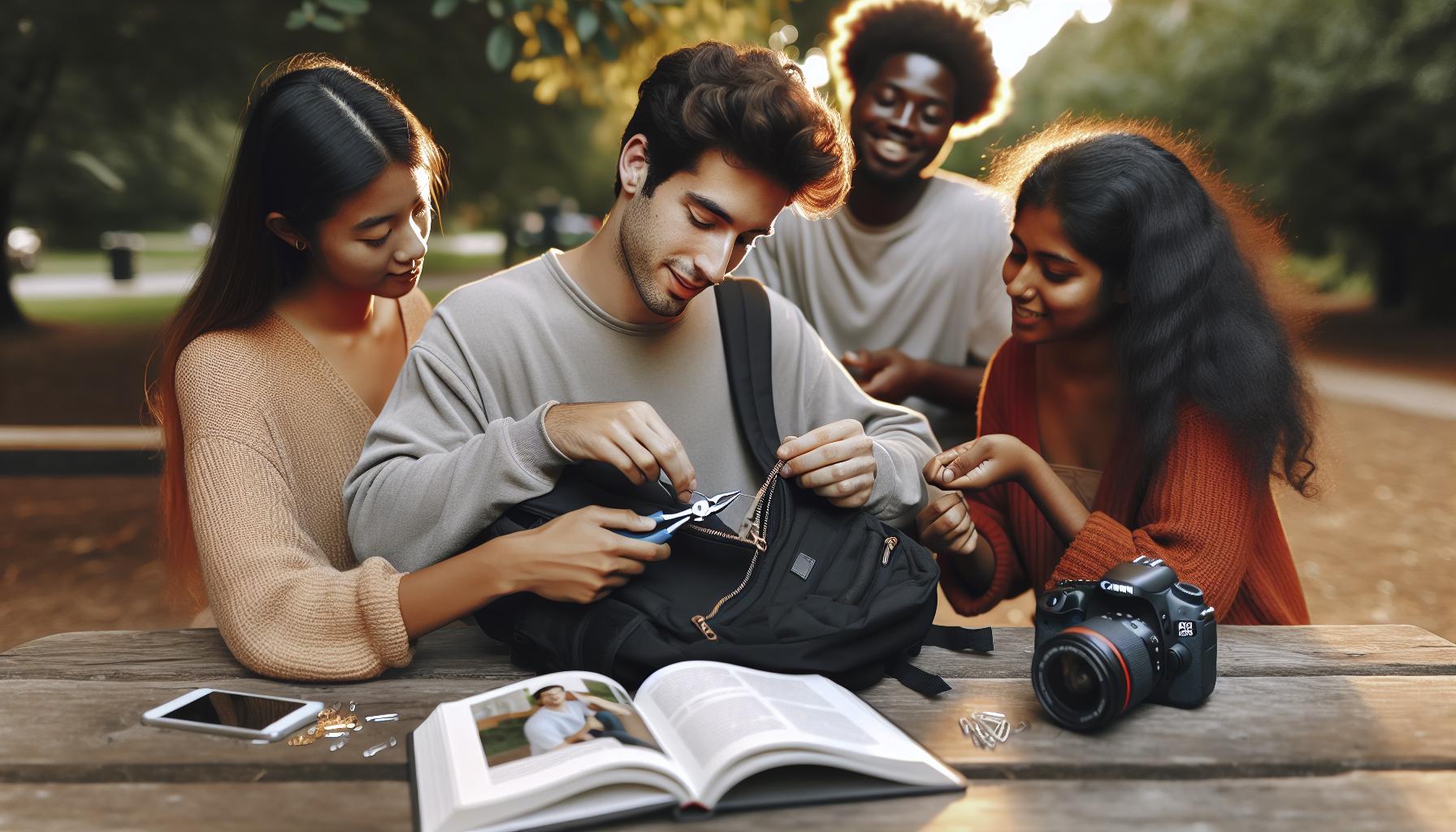
Common Zipper Problems on Backpacks
Zippers are essential for keeping your backpack secure and functional, yet they can be a source of frustration if they malfunction. Some of the most prevalent zipper issues faced by backpack users include stuck zippers, broken teeth, misalignment, and slider problems. A stuck zipper can occur from dirt or debris caught in the track, preventing smooth movement. It’s common for backpack zippers to misalign due to stress or excessive pulling, leading to difficulty in closing or opening. Broken teeth may seem severe, but they can sometimes be repaired if caught early.
Another common issue is the zipper slider becoming detached from the zipper teeth, which renders it unusable until properly fixed. In some cases, the slider may still move but fail to engage the teeth correctly, causing it to skip or not close fully. Recognizing these problems early on and understanding their nature can help you strategize effective repairs, ensuring your backpack remains reliable on all your adventures. By addressing issues promptly, you can extend the life of your backpack, saving both time and money in the long run.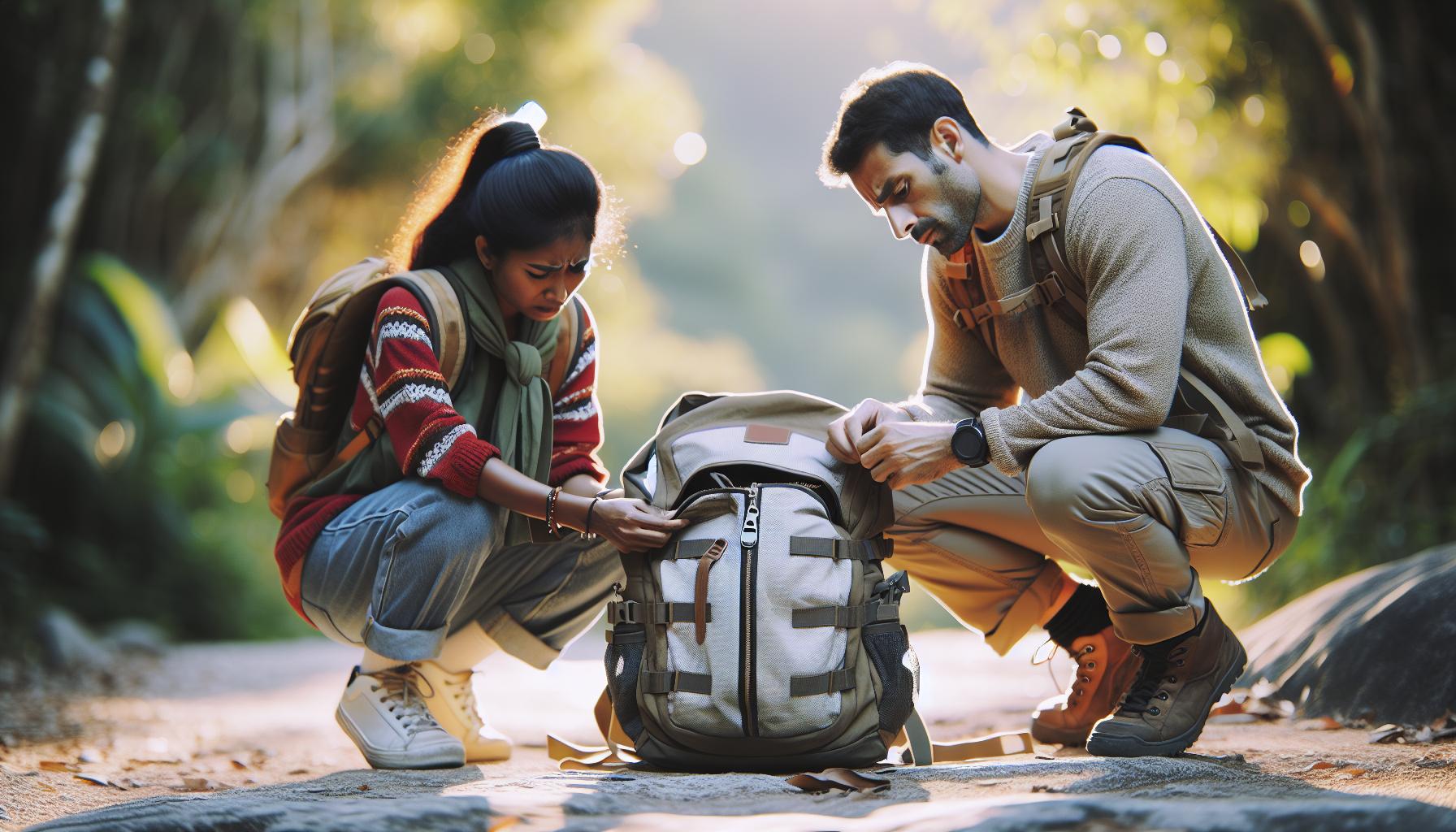
Essential Tools for Zipper Repair
When it comes to backpack repairs, having the right tools can make all the difference between a frustrating experience and a smooth fix. Whether you’re dealing with a stuck zipper or a broken slider, being equipped with essential tools enables you to troubleshoot and resolve zipper issues efficiently. Below are the indispensable tools for effective zipper repair that every backpack owner should consider having in their toolkit.
Key Tools for Zipper Repair
- Needle and Thread: A sturdy needle and heavy-duty thread are must-haves for any fabric repair. Choose a thread that matches the color of your backpack to keep repairs discreet.
- Replacement Zipper Slider: Keep a few spare sliders on hand. If the original slider breaks or becomes misaligned, replacing it is often the simplest solution.
- Scissors: A dependable pair of scissors is essential for cutting threads or trimming damaged fabric that could interfere with zipper function.
- Pliers: Flat-nose pliers can help you grip and manipulate small zipper components, especially useful when adjusting or replacing slides.
- Lubricant: A zipper-specific lubricant or even a bar of soap can reduce friction in stuck zippers, helping them glide more smoothly.
- Safety Pin: If you’re in a pinch, a safety pin can serve as a temporary zipper pull, allowing you to open or close the zipper until a more permanent fix can be made.
Equipping yourself with these tools not only prepares you for common zipper mishaps but also empowers you to perform essential maintenance. Understanding how to use each tool efficiently will save you time and frustration during repairs, ensuring that your backpack remains functional when you need it most. Regularly checking your gear for wear and tear can prevent issues before they arise, making these tools invaluable for both casual users and outdoor enthusiasts alike.
Step-by-Step Guide to Fixing Backpack Zippers
Fixing a malfunctioning zipper can transform a frustrating situation into a smooth experience, allowing you to keep using your trusty backpack. Whether you’re facing a stuck slider, misaligned teeth, or other common issues, following a straightforward step-by-step approach can help you tackle these problems effectively. Let’s explore how to get your backpack zipper back in working order with these practical and easy-to-follow steps.
Start by inspecting the zipper to identify the specific problem. If the slider is stuck, gently maneuver it back and forth, checking for debris or fabric that may be obstructing its movement. Lubricate the zipper with a product specifically designed for zippers or with a little soap to help ease any friction. If debris is found, use a small brush or compressed air to clean the zipper teeth. When addressing misaligned zipper teeth, you may need to replace the slider.
When replacing the slider, first unthread the zipper by pulling off the old slider. Properly note the orientation of the new slider before threading it onto the zipper chain. Make sure it is facing the correct direction, as an upside-down slider will not function properly. Slide it down the chain until it is in place, then test it to ensure that the zipper is functioning smoothly.
In cases where the zipper tape is worn out or damaged, you might need to repair or even replace the entire zipper. Use a seam ripper to carefully detach the existing zipper, then align a new zipper in its place and stitch it in securely, using a heavy-duty thread that matches your backpack’s fabric.
These actionable steps not only empower you to quickly resolve zipper malfunctions but also extend the life of your backpack, allowing you to stay prepared for adventures or everyday use without unnecessary interruptions. Embracing this DIY spirit can save you time and money, ensuring that your gear remains reliable no matter where your journey takes you.
Quick Fixes: When in a Hurry
When time is of the essence and you need a quick fix for a stubborn backpack zipper, several clever tricks can save the day. One common issue is when the zipper gets stuck due to fabric or debris caught in the teeth. In this case, try gently pulling the slider back while applying light pressure to the fabric around the zipper. If this alone doesn’t work, a simple application of lubricant-like lip balm, a bar of soap, or even petroleum jelly-can provide enough slip for the slider to glide smoothly again.
If you find that the zipper slider has come off entirely, don’t panic. You can often reassemble it in a flash. Carefully realign the zipper teeth, ensuring they are properly aligned. Then, with the slider in hand, gently press it back onto the zipper track, ensuring it’s facing the right direction. This quick maneuver can often restore functionality without needing a complete replacement.
For those moments when you’re caught in a hurry and lack zipper repair tools, a temporary solution is to use safety pins or paper clips to secure the zipper. This can keep your backpack closed long enough to get home or to a proper repair kit. Just make sure to handle these improvised fixes carefully to avoid any pinching or snagging.
If the zipper’s pull tab has broken, simply tie a small piece of string, a keyring, or even a sturdy paperclip to the slider as a makeshift pull. These quick fixes ensure that you can still operate your zipper without too much hassle, keeping your gear functional even in a pinch.
DIY Zipper Replacement: Is It Necessary?
Replacing a zipper on your backpack can often feel daunting, but sometimes it’s a necessary step to maintain your gear’s functionality. If your zipper has become irreparably damaged or has problems that quick fixes can’t solve, considering a DIY replacement may save you time and money in the long run. Knowing the limitations of repair techniques is crucial; while some issues are easily fixable, others might warrant a complete zipper swap.
Before diving into replacement, assess the extent of the damage. Zippers can fail for various reasons-like a broken pull tab, misaligned teeth, or a bent slider. If the zipper is simply stuck, applying a lubricant or adjusting the slider might be all you need. However, if you notice persistent issues like a missing tooth or a broken slider that cannot be realigned, a replacement is essential. Many outdoor enthusiasts have found that tackling a zipper replacement themselves saves not just money but also an old backpack that might still have a lot of life left.
The good news is that replacing a backpack zipper can be a straightforward process, especially with the right tools and materials. You’ll typically need a new zipper, a seam ripper, thread, a needle, and possibly some fabric glue or a sewing machine if you want a more durable finish. Start by carefully removing the old zipper with the seam ripper, taking care not to damage the surrounding fabric. Pin the new zipper in place, and then sew it securely to ensure it’s functioning correctly.
While it’s entirely possible to replace your zipper, it’s crucial to weigh the pros and cons. If your backpack is of high sentimental or monetary value, putting in the effort to replace the zipper can be well worth it. On the other hand, if you’re dealing with a more budget-friendly backpack that’s showing other signs of wear, it might be more practical to invest in a new pack altogether. Ultimately, the decision to replace the zipper should reflect both the condition of the backpack and your personal attachment to it.
Preventive Maintenance for Backpack Zippers
Keeping your backpack zippers in top condition not only prolongs the life of your gear but can also save you time and frustration during your travels or outdoor adventures. Just like you would maintain any other essential gear, establishing a routine for zipper care can prevent catastrophic failures when you need your pack the most.
A critical first step in preventive maintenance is to regularly clean your zippers. Dirt and debris can accumulate in the zipper tracks, leading to jams and misalignment. To clean your zippers, simply use a soft brush or toothbrush to remove any gunk from the teeth and the slider. Follow up with a damp cloth to wipe down the surrounding fabric, which helps eliminate any residual grime.
Lubricating your zippers is another essential aspect of maintenance. A drop of zipper lubricant or even a touch of silicone spray can significantly improve the function of your zippers, making them glide smoothly. Apply the lubricant directly to the teeth and work the zipper up and down several times to evenly distribute the lubricant. If you’re in a pinch, a small amount of lip balm or beeswax can serve as a temporary alternative, ensuring your zipper operates more smoothly.
Finally, be mindful of how you load your backpack. Overstuffing can strain the zipper and cause it to malfunction. When packing, ensure that the contents are distributed evenly and that nothing is bulging against the zipper. Regular checks for signs of wear-like frayed teeth or a loose slider-will keep minor issues from escalating into major problems. In sum, a little preventive care can make a big difference, keeping your backpack zippers working effectively for years to come.
When to Seek Professional Help
When you encounter persistent zipper issues that simple fixes can’t resolve, it’s time to consider professional help. This is particularly true for zippers on backpacks that are essential for your gear’s functionality and security. For instance, if your zipper is misaligned, frequently gets stuck, or has broken teeth, trying to force a repair can lead to further damage. Ignoring these problems might result in a complete failure, necessitating costly replacements or compromising your gear’s integrity.
Additionally, some zipper issues may require specialized tools or expertise that go beyond the average DIY methods. A professional can accurately assess the situation, determine if the zipper can be repaired or needs replacement, and execute the necessary repairs or replacements effectively. This is especially important for high-end or specialized backpacks where warranty or quality concerns might be at play.
It’s also crucial to seek professional assistance if the zipper is fused shut or if the slider is completely missing-or if the backpack itself has structural damage that could be exacerbated by continued use. You don’t want to make the problem worse; sometimes, having a skilled technician look at the issue is the most prudent course of action.
In summary, when minor fixes aren’t working, or the backpack is critical for your activities and depends on a fully operational zipper, reaching out to a professional is a wise decision. This ensures that you maintain the longevity of your gear and avoid unnecessary, more expensive repairs down the line.
Creative Hacks for Stubborn Zippers
When faced with a stubborn zipper, it can feel like a test of patience and ingenuity. Luckily, there are several creative hacks that can help you troubleshoot and either fix the issue or make it more manageable until a permanent repair can be made. From using common household items to employing surprising techniques, these hacks can save the day during your outdoor adventures or daily commutes.
One useful trick is to apply a lubricant to the zipper. If your zipper is sticky, a simple application of graphite pencil (just rub the tip along the teeth) or bar soap can create a smoother glide. For a more effective solution, you might try petroleum jelly or a silicone spray, which can diminish friction and help the zipper slide more easily. Just remember to apply sparingly and wipe away any excess to avoid attracting dirt.
Another impressive hack involves the use of a paper clip or a safety pin to create a makeshift zipper pull. If your zipper’s pull tab has broken off, simply attach a paper clip through the slider hole; this can provide a temporary solution that allows you to continue using your backpack. Alternatively, you can loop a string or thin ribbon through the slider for a more comfortable grip.
If you find that your zipper is misaligned and won’t close correctly, gently reposition the zipper head back onto the track by pulling it upward and then carefully pushing it back into place. Sometimes, zippers become jammed due to fabric caught in the slider. In such cases, running a pair of tweezers along the teeth carefully can help extract any trapped fabric, restoring smooth operation.
For those particularly stubborn zippers that just won’t budge, consider using heat as a last resort. A hairdryer can be effective, as warming the zipper slightly can expand the metal or plastic parts, allowing them to function more freely. Just be cautious not to overheat, as this can damage both the zipper and the fabric of the backpack.
These creative hacks not only provide immediate relief for stuck zippers but also empower you in managing minor repairs on the go. With a little ingenuity and the right approach, you can extend the life of your backpack’s zipper and keep your adventures uninterrupted.
Upgrading Your Backpack: Better Zippers Available
When it comes to zippers, not all are created equal. Upgrading the zippers on your backpack can significantly enhance its functionality and lifespan, especially if you’re an avid traveler, hiker, or daily commuter. Investing in high-quality zippers can make a noticeable difference-not just in performance but also in stress levels when dealing with a stubborn zipper. Premium zippers are often designed to withstand harsh conditions, resist wear and tear, and provide smoother action.
One robust option is the YKK zipper, known for its durability and reliability. YKK zippers are used in various brands because they maintain integrity under pressure-ideal for heavy-duty backpacks. Another noteworthy alternative is the Aquaguard zipper, which offers waterproof qualities, perfect for those who find themselves caught in unexpected rain showers or need to protect valuable equipment from moisture. The innovative design of these zippers minimizes the chances of snagging while maximizing efficiency when opening and closing.
When considering an upgrade, it’s essential to think about the type of activities you’ll be engaging in. For instance, if you frequently venture into rugged terrains, opting for heavier gauge zippers and reinforced stitching can provide better resilience. For urban settings, a sleek and lightweight zipper may be more appropriate, maintaining the backpack’s aesthetic while ensuring functionality.
Ultimately, switching to better-quality zippers isn’t just a matter of convenience; it can drastically affect the overall user experience. A smooth, reliable zipper can save you from the frustration of dealing with broken closures, ensuring that your essentials stay secure. By investing in premium zippers during your next backpack upgrade, you’re not only enhancing performance but also prolonging the life of your gear, giving you peace of mind for all your adventures ahead.
Zipper Repair vs. New Backpack: Cost Analysis
Deciding whether to repair a zipper on your backpack or invest in a new one requires careful consideration of both cost and practicality. While a dysfunctional zipper can be frustrating, understanding the financial implications of repair versus replacement can guide your decision.
Repairing a zipper generally incurs a lower immediate cost compared to purchasing a new backpack. For minor zipper issues like misalignments or stuck sliders, DIY solutions such as lubricant application or minor stitching can often solve the problem at a minimal cost-often just the price of a zipper repair kit or fabric glue. Professional repairs, if needed, typically range from $10 to $50 depending on the complexity of the issue and local labor rates. However, if the zipper is damaged beyond repair, you may need to replace it entirely, which can still be cheaper than buying a new backpack, especially for high-quality models.
On the other hand, purchasing a new backpack can lead to greater long-term value if your current backpack is showing signs of wear beyond just the zipper. Modern backpacks often feature improved materials and zippers, enhancing durability and functionality. For instance, if you frequently use your backpack for outdoor activities, investing in a new, robust backpack with high-quality zippers can save you money in the long run by reducing the likelihood of future repairs. Furthermore, if your backpack is a basic model or has outdated features, upgrading could provide benefits in terms of comfort and organization, making it a worthwhile investment.
In summary, while quick repairs can save money and extend the life of your current backpack, it’s essential to weigh the potential costs of ongoing repairs against the investment in a new backpack. Consider factors such as the quality of your existing backpack, how often you use it, and the extent of wear and tear it has sustained. Ultimately, ensuring you have reliable gear that meets your needs should be at the forefront of your decision-making process.
Faq
Q: How can I fix a stuck zipper on my backpack?
A: To fix a stuck zipper, start by lubricating the zipper with soap, lubricant, or graphite. Gently pull the zipper while wiggling it to loosen it. If fabric is caught, gently untangle it. This quick fix often resolves the issue without needing replacement.
Q: What tools do I need to repair a backpack zipper?
A: Essential tools for zipper repair include pliers to adjust the slider, needle and thread for stitching, and a lubricant like zipper wax or soap. These help address common zipper issues quickly and effectively.
Q: Why is my zipper separating from my backpack?
A: A zipper might separate due to a worn-out slider or misaligned teeth. To fix this, check the alignment, and if teeth are missing, consider replacing the slider or the entire zipper. Understanding the cause helps prevent future issues.
Q: Can I replace a zipper on my backpack at home?
A: Yes, replacing a zipper at home is feasible with sewing skills. Purchase a matching zipper, remove the old one, and sew in the new zipper using a strong thread. Refer to our DIY Zipper Replacement section for detailed guidance.
Q: How do I prevent my backpack zippers from breaking?
A: Regular maintenance is key to preventing zipper breakage. Clean the zippers regularly, lubricate them, and avoid overloading your backpack. Refer to the “Preventive Maintenance for Backpack Zippers” section for more tips.
Q: What should I do if my zipper pull breaks?
A: If your zipper pull breaks, you can use a paperclip, a keyring, or even a small piece of string as a temporary pull. For a permanent fix, replace the zipper pull with a new one, which can be found in most sewing kits.
Q: How can I fix a zipper that won’t close all the way?
A: To fix a zipper that won’t close, inspect the teeth for damage and ensure the slider is aligned. Clean the zipper with rubbing alcohol and lubricate it. If the issue persists, tightening the slider with pliers may help.
Q: When should I consider professional zipper repair services?
A: Consider professional repairs if the zipper is heavily damaged, like missing teeth or a broken mechanism, which may require specialized tools. For complex repairs, check our “When to Seek Professional Help” section to decide if it’s necessary.
The Way Forward
Now that you’ve mastered how to fix a zipper on your backpack with these quick repair tricks, don’t let a stuck zipper ruin your adventures! Remember, keeping your gear in top shape not only saves you time but also enhances your outdoor experience. If you’re eager to expand your skills further, check out our guides on Swiss Army knives and pocket knife maintenance for more handy tips.
Join our community by signing up for our newsletter for even more DIY solutions and gear recommendations! Have your own tips or questions? Drop a comment below; we’d love to hear from you! And don’t forget to explore related articles for a deeper dive into gear repair and outdoor maintenance techniques, ensuring you’re always prepared for your next journey.