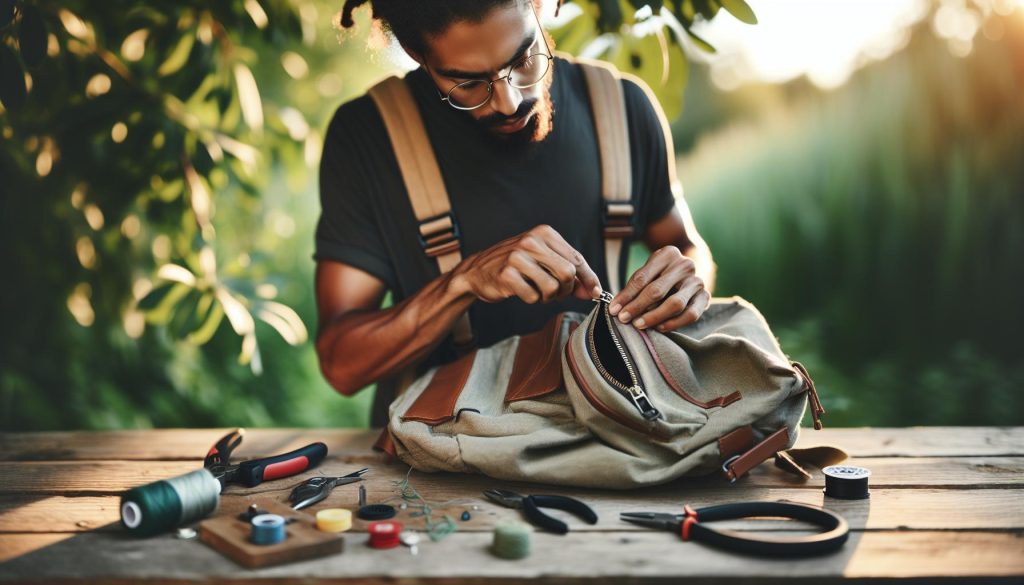
Have you ever found yourself in a situation where your backpack zipper just won’t budge? You’re not alone. A broken zipper can be incredibly frustrating, turning a practical backpack into a burden. Luckily, fixing a zipper is often easier than it seems, and understanding how to do it not only saves your gear but can also extend the life of your favorite bag. In this guide, we’ll explore fast and effective fixes that you can implement with minimal tools, perfect for everyone from weekend adventurers to daily commuters. So, whether you’re gearing up for a hike or just need your backpack ready for work, keep reading to discover how you can efficiently solve this common problem.
Understanding the Common Types of Backpack Zipper Breakages
Many backpack users may be surprised to learn that zippers are among the most vulnerable components of their favorite gear. Over time, factors such as wear and tear, environmental exposure, and even improper use can lead to common zipper issues that can hinder functionality. Understanding these types of breakages can equip backpack owners with the knowledge needed to tackle repairs effectively before they escalate into bigger problems.
Common Types of Backpack Zipper Breakages
- Stuck Zipper Sliders: One of the most frequent issues is a slider that refuses to move. This can be caused by dirt, lint, or fabric caught in the zipper teeth. In some cases, excessive pressure on the zipper due to overstuffing the backpack can also result in a stuck slider.
- Separated Zipper Teeth: This problem occurs when the interlocking teeth no longer align, leading to an open zipper. This can happen if the zipper is forcefully pulled while overloaded or if the zipper teeth become bent or damaged over time.
- Broken Zipper Pull: The zipper pull can snap, making it difficult to operate the zipper. This often occurs due to wear from regular use or the application of excessive force when pulling the zipper.
- Missing Teeth: If teeth are missing from the zipper chain, it will lead to an inability to secure the zipper properly. This problem can stem from misuse or manufacturing defects.
- Corroded Zippers: Exposure to moisture and saltwater can lead to corrosion, particularly in metal zippers. This results in sticky movement and can ultimately cause the zipper to fail altogether.
Recognizing these common zipper issues is the first step in maintaining the integrity of your backpack. Once identified, individual solutions can be applied to restore zipper function and prolong the life of your gear.
Essential Tools for Quick Zipper Repairs
When faced with a malfunctioning zipper on a backpack, having the right tools at your disposal can make all the difference in executing efficient repairs. You don’t need a fully equipped workshop to tackle common zipper issues; a few essential tools can streamline the process and empower you to fix problems on the spot, whether on a camping trip or during your daily commute.
Start with a basic sewing kit, which should include needles, thread, and scissors. The thread should match the fabric of your backpack as closely as possible. A small pair of pliers can also be invaluable for adjusting stubborn zipper pulls or manipulating sliders that have come loose. Furthermore, a zipper repair kit can be a game changer. These kits typically contain replacement sliders, pull tabs, and some basic instructions, making them handy for quick fixes.
Another helpful item is lubricant, such as wax or silicone spray, which can be applied to the zipper teeth to help glide the slider smoothly if you’re dealing with sticking zippers. If the problem stems from dirt accumulation, a simple toothbrush or a soft cleaning brush can act as a prodigious tool to clean debris from the zipper teeth. Lastly, always keep a safety pin handy; it can serve as a temporary zipper pull or aid in pulling a stuck slider until a proper repair is made.
Being prepared with these basic tools not only saves time but can also prevent a small zipper issue from becoming a major backpack malfunction. With the right items, you’ll be ready to tackle any zipper challenge that comes your way!
Step-by-Step Guide: Fixing Common Zipper Issues
When a zipper on your backpack fails, it doesn’t just inconvenience you; it can ruin your trip or daily routine. Thankfully, many common zipper problems can be resolved with a few straightforward techniques. Here’s how to tackle some of the most typical zipper issues, ensuring your backpack remains functional and reliable.
Addressing Stuck Zippers
If your zipper is stuck, begin by examining the area for any visible obstructions. Sometimes, fabric or thread may get caught in the zipper teeth. Use a soft toothbrush to gently remove debris. If the zipper remains stuck, apply a small amount of lubricant, like silicone spray or beeswax, to the teeth, and work the slider back and forth gently. Avoid forcing it, as this could cause further damage.
Repairing a Misaligned Zipper Track
Misalignment occurs when the zipper teeth are not interlocking correctly, often due to wear or heavy use. To fix this, first, ensure the slider is fully closed. Next, use a pair of pliers to carefully pinch the slider just enough to increase its grip on the teeth. Run it up and down the track a few times, checking for proper alignment after each attempt. If the zipper still doesn’t close properly, consider replacing the slider, which can be a simple fix with the right tools.
Replacing a Broken Zipper Pull
A broken pull tab can render a zipper difficult to operate. If this happens, you can easily replace it with a simple DIY solution. Use a keyring or a piece of string as a temporary pull. For a more permanent fix, attach a commercial zipper pull replacement. Simply locate the attachment point on the slider, remove any remnants of the old pull, and attach the new one securely.
Dealing with Missing Teeth
If your zipper is missing teeth, it’s important to replace the entire zipper or at least the section that contains the missing teeth. You can purchase a zipper repair kit that often includes a new slider and replacement teeth. Follow the kit’s instructions to remove the damaged section and attach the new teeth and slider, ensuring a snug fit.
By following these step-by-step solutions, you’ll find that you can quickly fix most common zipper issues on your backpack without needing professional help. Whether it’s a stuck zipper or a simple pull replacement, a little effort can save your gear and keep your adventures on track.
How to Replace a Damaged Zipper Slider
Replacing a damaged zipper slider can seem daunting, but with the right tools and a little patience, you can have your backpack back in action in no time. A faulty slider can prevent your zipper from opening or closing properly, turning an otherwise functional backpack into an unusable burden. Thankfully, swapping out a broken slider is a straightforward process that can extend the life of your gear.
To get started, gather a few essential tools: a replacement slider appropriate for your zipper type, a pair of pliers, and a small flathead screwdriver (if needed). First, open the zipper all the way to expose the slider fully. If the slider is stuck, gently pry it open with the screwdriver, being careful not to damage the fabric or teeth of the zipper. If the zipper is off-track or missing teeth, you might need to address those issues first before moving on to the slider replacement.
Next, remove the damaged slider by pinching the bottom of the zipper tape with pliers and gently pulling the slider off. Once removed, slide your new zipper slider onto the fabric tape, ensuring it’s aligned properly. Before you finish, test the new slider to check that it operates smoothly along the zipper track. If the replacement works well, pinch the base of the zipper tape again to secure the slider in place.
Additionally, consider using a drop of fabric glue or a sewing stitch to reinforce the area around the slider after installation, adding durability and preventing future issues. This simple repair can save you time and money while allowing you to continue using your backpack for all your adventures. With these easy steps, you can confidently tackle a damaged zipper slider and ensure your gear is always ready for action.
Repairing a Backpack Zipper Without a Sewing Machine
When the zipper on your backpack malfunctions, the prospect of fixing it without a sewing machine can seem daunting. However, many repairs can be tackled with a few household items and some know-how, empowering you to restore functionality to your gear quickly. Often, small malfunctions like a stuck zipper or a misaligned fabric can be resolved without the need for complex equipment.
To address a stubborn zipper that won’t budge, begin by inspecting the area for trapped fabric or debris. Sometimes, a simple tug or gentle wiggle can free the zipper track. If that doesn’t work, a quick application of lubrication, such as a pencil lead or bar soap on the zipper teeth, can ease movement without any sewing required. Just apply it directly to the affected area and work the zipper back and forth gently to distribute the lubricant along the track.
In cases where the zipper pull is broken, you can create a makeshift pull using a paperclip or a keyring. Simply attach it to the slider’s hole, allowing you to grip it comfortably. If the zipper teeth have separated on one side, you may need to pinch them back together by hand to realign them. Be careful to avoid excessive force, as this could damage the fabric or teeth further. For zippers that are off their track, try to coax them back into alignment with your fingers while applying a bit of pressure to guide the slider along.
For those who frequently venture out on adventures, consider packing a small repair kit that includes essentials like a mini screwdriver, pliers, and a variety of small clips or rings. With a little ingenuity and these basic supplies, you can tackle backpack zipper issues on-the-go, ensuring your gear remains reliable throughout your travels.
Pro Techniques for Reinforcing Zipper Durability
The durability of a backpack zipper can significantly impact the longevity of the entire bag, especially during rugged outdoor adventures or daily commutes. To fortify your zippers against wear and tear, consider employing several proactive techniques. One of the most effective methods is regular cleaning. Zippers can accumulate dirt and grit over time, which may lead to jamming. Use a soft brush or a cloth to gently clean around the zipper teeth, ensuring that no debris compromises its functionality.
Another essential technique is to correct the tension of the zipper slider. Over time, zippers can become loose, particularly on bags that see a lot of action. If the slider feels slack, you can use pliers to gently squeeze it to increase pressure on the zipper teeth, enhancing grip and performance. Be cautious not to over-tighten, as this could cause damage. A well-aligned and appropriately tensioned zipper slider is crucial for smooth operation.
Additionally, applying a zipper lubricant can create a protective barrier against rust or corrosion, particularly for metal zippers. Natural options like beeswax or paraffin can be effective, as they provide lubrication while being environmentally friendly. Apply the lubricant sparingly and work it into the teeth of the zipper to help it glide smoothly, especially in harsh weather conditions.
Lastly, reinforcing zipper seams is a game changer for longevity. Regularly inspect and sew any loose threads around the zipper area to prevent the fabric from pulling away and causing misalignment. For those planning extensive outdoor trips, consider incorporating zipper guards or additional fabric guards that can shield zippers from heavy abrasion. By implementing these techniques, you’ll not only enhance the durability of your zippers but also prolong the overall life of your backpack, ensuring that it can withstand the elements and your adventures alike.
Preventative Care: Keeping Your Backpack Zipper Healthy

Maintaining a healthy zipper is essential to prolonging the lifespan of your backpack, especially if you frequently venture outdoors or rely on it for daily commutes. A zipper that becomes stuck, misaligned, or fails can quickly turn your adventure into a frustrating experience. To ensure smooth operation and avoid common issues, implement a few straightforward preventative strategies that require minimal time and effort.
Regular Cleaning
Dirt and debris can accumulate on the zipper teeth, leading to jamming and other problems. A simple maintenance routine involves regularly cleaning the zipper with a soft brush or a damp cloth. Pay special attention to the area where the zipper meets the fabric, as this is often where dirt gathers most. By keeping your zipper clean, you prevent materials from interfering with its functionality.
Proper Lubrication
Applying a zipper lubricant is another vital step in keeping zippers functioning well. Natural options such as beeswax or paraffin are excellent choices, as they not only lubricate the zipper but also provide a protective barrier against moisture and corrosion. Apply a small amount to the teeth and run the zipper back and forth to distribute the lubricant evenly, ensuring smooth and effortless operation-especially in harsh conditions.
Adjustment and Tension
Over time, the slider on your backpack’s zipper may become loose, leading to ineffective closure. To address this, you can use pliers to gently squeeze the slider, increasing its grip on the zipper teeth. Be careful not to overdo this adjustment, as excessive force could cause damage. Keeping the slider properly tensioned ensures that the zipper closes securely and operates smoothly during use.
Periodic Inspections
Making a habit of inspecting your backpack’s zippers can catch minor issues before they escalate into more significant problems. Check for loose threads, bent teeth, or any signs of wear that could compromise the zipper’s integrity. If you find any loose threads around the zipper area, take a moment to reinforce them with a few stitches to prevent further damage. This proactive approach will save you time and money in the long run.
By following these simple precautions, you’ll help ensure your backpack’s zippers function optimally, enhancing your overall experience whether you’re hiking, traveling, or simply heading to work. A little effort in preventative care can go a long way in maintaining the reliability and durability of your gear.
When to Seek Professional Zipper Repair Services

It’s not uncommon for a backpack zipper to experience serious wear and tear, especially if you use it frequently for outdoor adventures or daily commutes. However, some issues may go beyond what DIY fixes can handle effectively. Knowing when to call in a professional can save you time and potentially extend the life of your backpack.
If you encounter a situation where the zipper teeth are misaligned or won’t engage despite your best attempts to realign them, it’s a sign that you might need expert help. A professional can reattach or replace damaged zipper teeth, ensuring that the zipper functions smoothly once again. Similarly, if the zipper slider has completely broken or become distorted, replacing it correctly requires specialized tools and skills that a tailoring service or a repair shop possesses.
In instances where the zipper pull is lost or broken, and simple replacements don’t seem to fit, it’s best to consult a professional. They can provide a range of pull options tailored to your zipper type, ensuring a durable and aesthetic solution. Additionally, if the fabric around the zipper is frayed or if you see significant damage to the stitching, bringing it to a professional will ensure that the repairs are made without compromising the structural integrity of the backpack.
Investing in professional repair services can often be worth it, especially for high-quality backpacks where you’d prefer to maintain their functionality and appearance over time. While DIY repairs can be a rewarding experience, not every zipper issue is a quick fix. In these cases, entrusting your backpack to a specialist can lead to a long-lasting solution that saves you the headache of repeated failures.
DIY Versus Professional Repairs: Weighing Your Options
Facing a broken zipper on your backpack can be an aggravating experience, especially when you’re relying on it for your daily commute or outdoor adventures. When it comes to repairs, a common dilemma arises: should you tackle it yourself or seek professional help? Understanding the pros and cons of both approaches can significantly impact not only the durability of your gear but also your overall expense and satisfaction in the long run.
For those who enjoy a hands-on experience, DIY repairs can be a fulfilling challenge. Armed with a few basic tools like pliers, scissors, and a replacement zipper slider, many users can resolve common issues such as misaligned teeth or a stuck slider surprisingly quickly. Additionally, DIY repairs can save money and time, particularly for minor issues that don’t require specialized skills. There’s a sense of empowerment in fixing something yourself, which can build confidence for tackling future gear maintenance tasks. However, it’s important to recognize your limitations; not every zipper problem can be rectified with simple fixes.
On the flip side, professional repairs offer a level of expertise that can be invaluable, particularly for high-quality or specialty backpacks. Professionals have access to specialized tools and materials, allowing them to address complex issues that may be beyond an amateur’s capability-such as completely aligning zipper teeth or replacing a broken slider with perfect precision. Additionally, entrusting a professional can prevent potential damage to your backpack that may occur from an inexperienced repair attempt. If your backpack is not just any ordinary bag but an investment piece, the cost of professional repairs could prove worth it, particularly if it promises to extend the life and functionality of your gear.
Ultimately, the choice between DIY and professional repairs boils down to the specific situation and your level of comfort with repair tasks. For quick fixes and minor complications, doing it yourself can be a rewarding option. However, when faced with more serious damage that could compromise the integrity of your backpack, seeking a professional’s help could ensure a long-lasting solution. Balancing these options with an understanding of the problem at hand will give you the best chance at keeping your backpack functional and ready for any adventure.
Top Brands Known for Durable Zippers

Choosing the right backpack can significantly impact your experience, especially when it comes to durability and reliability. Among the components that often determine longevity, the quality of zippers plays a critical role. Backpacks equipped with reliable zippers can withstand the rigors of daily use, ensuring your belongings remain secure. Recognizing can help you make informed decisions before purchasing a backpack.
One of the most recognized names in outdoor and travel gear is YKK. Renowned for their exceptional quality, YKK zippers are used by various manufacturers worldwide. Their zippers are built to last, utilizing high-quality materials and precision engineering to prevent issues like snagging and breakage. Whether in a rugged hiking backpack or an urban commuter bag, choosing YKK ensures a durable zipper that won’t fail you when you need it most.
Another prominent brand is AquaGuard, a specialized style of zipper made by YKK that features a water-resistant coating. Ideal for outdoor enthusiasts or those who frequently encounter wet conditions, AquaGuard zippers keep your gear safe from moisture. If you often find yourself hiking in rainy weather or commuting with unpredictable elements, look for backpacks featuring these zippers.
Coats is another brand that deserves special mention. With a history dating back to the 18th century, Coats produces zippers that prioritize strength and reliability. Their zippers often incorporate advanced materials that provide additional durability against wear and tear. If you’re looking for a backpack that combines functionality with endurance, consider those that utilize Coats zippers.
Lastly, Krebs Universal has made a name for itself in the niche of high-quality zippers. Their innovative designs often incorporate features such as self-repairing technology, which can be a game changer for users who expect to exert their gear in extreme environments. If you demand versatility and strength, gear that includes Krebs zippers should be on your radar.
When selecting a backpack for your adventures or daily commutes, pay close attention to the type of zippers used. Opting for brands known for durable zippers can save you time, money, and frustration in the long run-ensuring that your backpack remains functional and dependable for years to come.
Innovative Backpack Features to Avoid Zipper Problems
Backpack zippers can often be the first point of failure in your gear. Fortunately, innovative design features are increasingly incorporated into modern backpacks to mitigate these issues and enhance zipper longevity. By selecting bags equipped with these forward-thinking elements, you can significantly reduce the likelihood of zipper problems and enjoy a hassle-free experience.
One of the most beneficial features is the anti-snag zipper design. This innovation involves using larger zipper teeth and smoother zipper tracks, which minimizes friction and prevents sticking or snagging. Such zippers operate more fluidly, making them less likely to get caught on fabric or other materials, providing an effortless opening and closing experience, especially beneficial for those on the go.
Durability Enhancements
Backpacks now often integrate reinforced zipper stitching and higher gauge materials that enhance the durability of zippers. Stronger fabric around the zipper area can better withstand tearing and stretching, maintaining the integrity of the zipper even when under stress. Additionally, the use of water-resistant zippers, like those from YKK’s AquaGuard line, protects against moisture damage, which can weaken zipper functionality over time.
Smart Features
Another advancement includes self-repairing zippers. Some brands, like Krebs Universal, have developed zippers that can naturally realign after being forced apart, which is particularly useful in outdoor scenarios where zippers may be subjected to harsh conditions. Moreover, some backpacks now include zipper garages-design features that cover and protect the zipper when closed, preventing dirt and debris from entering the teeth and expanding their lifespan.
Preventative Design Choices
Choosing backpacks with a multiple zipper system can also enhance usability and reduce wear. For instance, having two zippers on a single compartment allows for easier access and minimizes strain on any single zipper. Look for brands that offer these advanced features when shopping for your next backpack, as they can be pivotal in prolonging the life of zippers and ensuring your gear remains dependable.
With these innovative features, you can not only choose a backpack that performs better but also one that helps you avoid the common frustrations associated with zipper functionality. Investing in quality components ensures that you can focus on your adventures rather than worrying about repairs.
Frequently asked questions
Q: How can I fix a stuck zipper on my backpack?
A: To fix a stuck zipper, apply a lubricant like zipper wax or soap to the teeth. Gently tug the zipper back and forth to work it free. If it remains stuck, inspect for any fabric caught in the slider and remove it carefully.
Q: What should I do if my zipper pull breaks?
A: If your zipper pull breaks, you can create a temporary fix by using a paperclip or safety pin as a makeshift pull. Alternatively, you can replace the pull by sewing on a new one, which can be found at craft stores.
Q: Why does my backpack zipper keep coming off track?
A: A backpack zipper can come off track due to worn teeth or a misaligned slider. Check for any damage to the teeth and realign the slider carefully by easing it back onto the track. If necessary, replace the slider entirely.
Q: Can I use pliers to fix a zipper slider?
A: Yes, pliers can help fix a zipper slider. If it’s loose, gently pinch the end of the slider with pliers to tighten it around the zipper teeth. Be careful not to crush the slider, which might cause further damage.
Q: How do I know when to replace my backpack zipper?
A: Replace your backpack zipper if it frequently gets stuck, the teeth are damaged, or if the slider is beyond repair. If adjustments and lubrications don’t resolve issues, a new zipper will ensure your backpack functions properly.
Q: Is there a way to waterproof my backpack zipper?
A: Yes, you can waterproof your backpack zipper by applying a silicone-based spray or wax specifically designed for zippers. This helps prevent water penetration and extends the zipper’s lifespan.
Q: What materials are best for backpack zippers?
A: Backpack zippers made from metal or high-quality nylon tend to be more durable. Look for brands known for reliable zipper quality, which can prevent issues over time.
Q: Can I fix a broken zipper without sewing skills?
A: Yes, you can fix a broken zipper without sewing. Use zipper repair kits available in stores, which typically include replacement sliders and pulls. Follow the instructions included for a straightforward repair.
For additional tips and techniques on repairing and maintaining your backpack zippers, explore our sections on essential tools and preventative care for zippers.
To Wrap It Up
Thanks for joining us in exploring quick fixes for that pesky broken zipper on your backpack! Remember, with just a few simple tools and some handy techniques, you can extend the life of your gear and avoid the hassle of replacing it. If you’re facing other doubts, check out our guides on maintaining Swiss Army knives and selecting the best pocket knives for your needs.
Don’t let a small problem stop your adventures-take action now! For further tips on outdoor gear maintenance and to stay updated, consider subscribing to our newsletter. Your next solution is just a click away! Share your thoughts or experiences in the comments below; we’d love to hear how your fixes turned out! Happy hiking, and remember to explore our other articles for more practical advice!