Your North Face backpack is not just a piece of gear; it’s your trusty companion for adventures, whether hiking through rugged trails or navigating daily commutes. However, with every journey, dirt, sweat, and grime can accumulate, diminishing its appeal and performance. Knowing how to clean your North Face backpack safely and effectively is crucial in preserving its longevity and functionality. In this guide, we’ll explore brand-safe methods to maintain your backpack’s pristine condition, ensuring it stays as reliable as the day you bought it. Get ready to dive into practical tips that will help you tackle stains and odors while maintaining the integrity of your gear. Let’s embark on this cleanliness journey together, so you can continue your adventures with a fresh and clean backpack!
Best Practices for Cleaning Your North Face Backpack
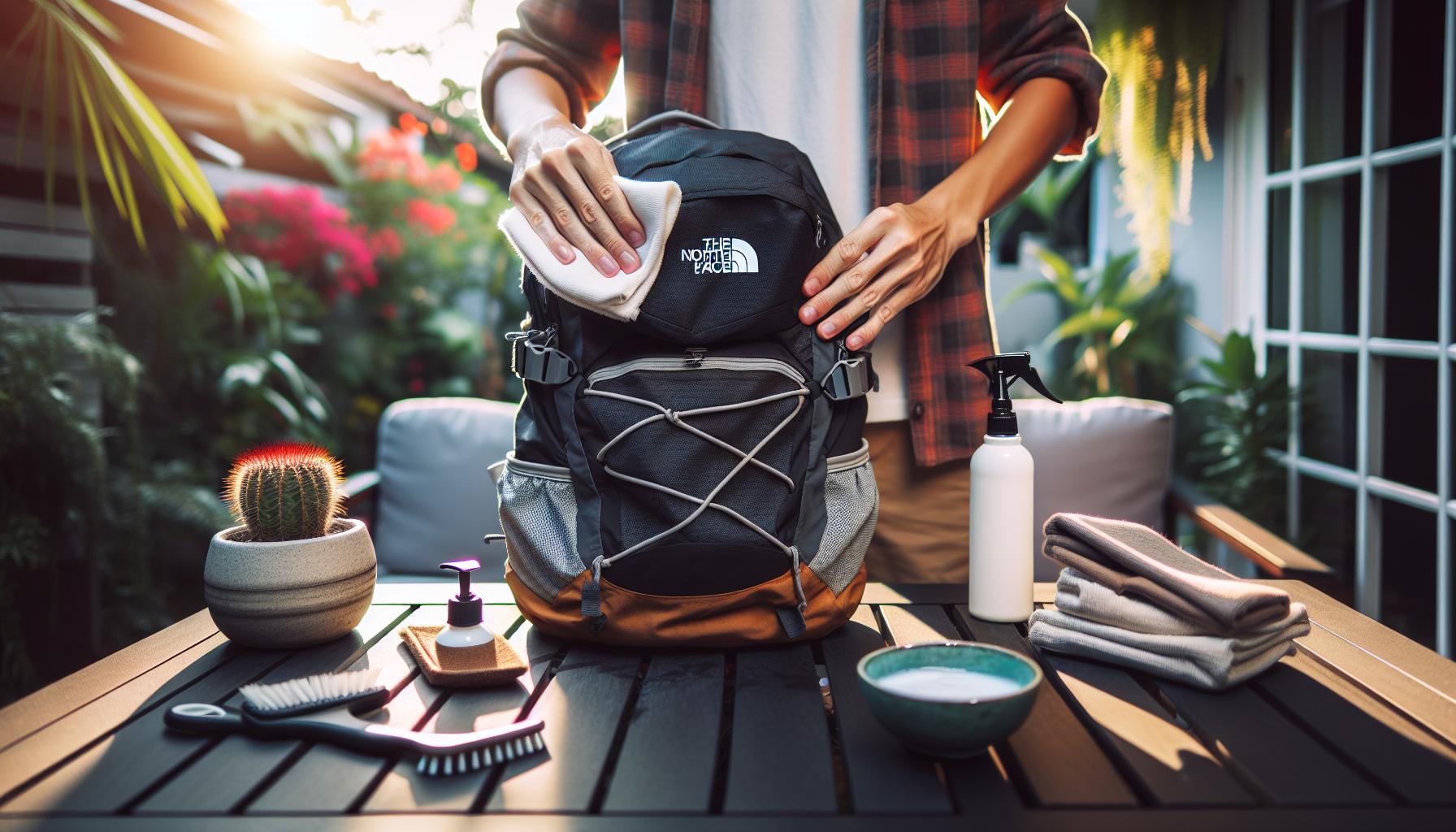
Maintaining your North Face backpack not only prolongs its lifespan but also ensures that it performs optimally for all your outdoor adventures. To keep your gear in top shape, consider these best practices for cleaning. Start by regularly checking for dirt, grime, or moisture after each use, especially if you’ve been hiking or camping in wet or muddy conditions. A quick inspection allows you to address any issues before they become entrenched.
When it comes to cleaning, always refer to the care label on your specific backpack, as different materials may require different cleaning methods. It’s usually best to avoid harsh detergents or bleach, as these can damage the fabric and waterproofing. Instead, use a gentle soap or specialized cleaner designed for outdoor gear. Make cleaning a routine part of your gear maintenance-monthly or after any significant use-so you can keep your backpack looking brand new.
Additionally, leverage your backpack’s features. Many North Face models come with removable frames or pockets, which can be individually cleaned. Take advantage of this by separating components to ensure a comprehensive clean. Finally, when drying your bag, avoid direct sunlight or high heat; instead, allow it to air dry in a shaded area. This prevents the material from fading and maintains the integrity of any waterproofing treatments. By adhering to these best practices, you’ll ensure your North Face backpack remains your trusted companion on all future adventures.
Essential Supplies for Backpack Care
To effectively care for your North Face backpack, having the right supplies can make all the difference in maintaining its condition and performance. Start by assembling a basic cleaning kit tailored specifically for outdoor gear. This kit not only simplifies the cleaning process but ensures that you’re using products that protect rather than degrade your backpack’s fabric and features.
A gentle soap designed for outdoor or technical fabrics is crucial. These specialized cleaners are formulated to lift dirt and grime without stripping away essential waterproofing treatments. For tougher stains, consider including a soft-bristle brush, which can gently scrub away any caked-on debris without damaging the material.
You’ll also need microfiber towels for drying. These towels are highly absorbent and gentle on fabrics, making them ideal for drying your backpack without leaving lint behind. If your backpack has removable components, such as a hip belt or hydration reservoir, include a mesh laundry bag for washing these parts in your machine, ensuring they don’t get tangled or damaged.
Lastly, to maintain its waterproof features, consider investing in a fabric waterproofing spray. This will help to restore the water-repellent finish on your backpack, keeping it ready for any unexpected downpours during your outdoor adventures. By having these essential supplies on hand, you can ensure that your North Face backpack remains in excellent condition for countless journeys to come.
Step-by-Step Cleaning Process

Maintaining the cleanliness of your North Face backpack not only enhances its appearance but also prolongs its lifespan and functionality. The cleaning process is straightforward and effective, allowing you to keep your gear ready for your adventures. Here’s how to tackle the cleaning step-by-step:
Start by removing any contents from your backpack. Check for small items that may have settled in pockets, as well as debris in all compartments. Next, unclasp any detachable features like straps or hip belts if they are removable; this will allow for a more thorough cleaning.
Step 1: Pre-Cleaning Assessment
Before diving into washing, inspect your backpack for any stubborn stains or accumulated dirt. Take a soft-bristle brush and gently scrub the exterior areas, focusing on mesh pockets and fabric surfaces. This initial dry brushing will help dislodge dirt that may not wash away easily.
Step 2: Washing
Prepare a cleaning solution using the gentle soap designed for outdoor fabrics. Fill a bathtub or a large basin with lukewarm water, then add the soap. Dip a microfiber towel or sponge into the soapy water and begin wiping down the inside and outside of your backpack, paying special attention to areas with stains or marks. Avoid using a washing machine unless the care instructions specifically allow it, as the agitation can damage the structure.
Step 3: Rinsing
Once you’ve cleaned your backpack thoroughly, it’s time to rinse. Use a handheld shower or a hose to gently rinse out the soapy water. Ensure that all soap residues are removed, as they can attract dirt if left behind. Shake off excess water but avoid wringing, as this can ruin the shape of your backpack.
Step 4: Drying
Drying is a crucial step that shouldn’t be overlooked. Lay your backpack flat on a clean, dry towel and allow it to air dry in a well-ventilated area, away from direct sunlight. This prevents the fabric and seals from degrading. If your backpack has a rubberized base or waterproof materials, avoid placing it directly on the ground to prevent picking up dirt and moisture during drying.
By following this step-by-step process, your North Face backpack can maintain its functionality and aesthetic appeal, making it ready for your next outdoor venture. Regular cleaning ensures it performs well and lasts longer, allowing you to enjoy countless journeys without worry.
Removing Stains from Your North Face Backpack
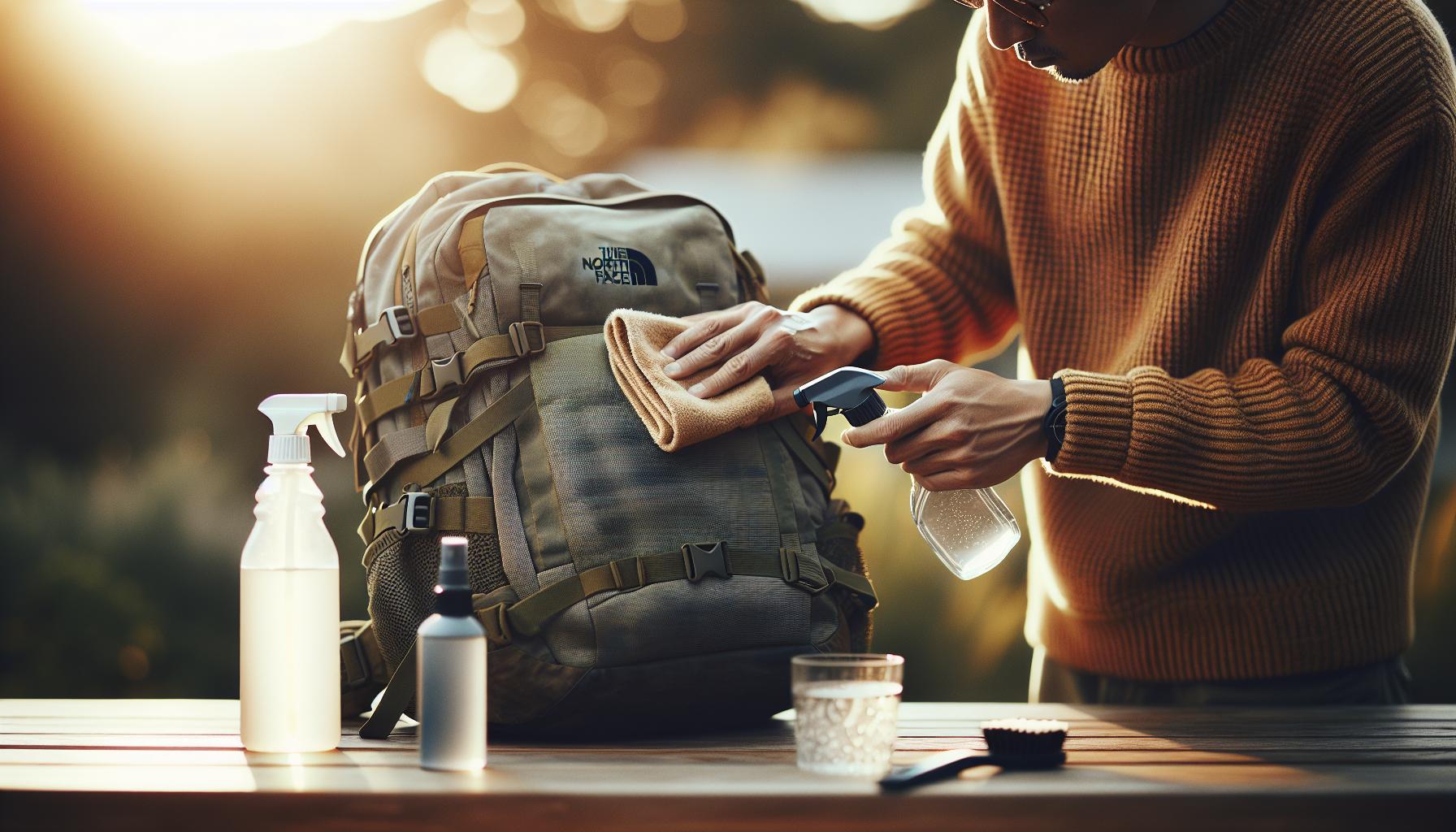
Stains on a North Face backpack can occur from dirt, food, or even accidental spills during your adventures. Addressing these stains promptly not only preserves your backpack’s appearance but also helps maintain its performance. Whether you’re dealing with muddy marks from a hiking trip or a grease spot from a picnic, knowing how to treat these blemishes can make all the difference.
Begin by identifying the type of stain you’re working with. For organic substances like food or drink spills, it’s best to treat them as soon as possible to prevent them from setting. Prepare a gentle, brand-safe cleaning solution by mixing cool water with a mild detergent specifically designed for outdoor gear. Next, use a clean, soft cloth or sponge to dab the mixture onto the stain. Be careful not to rub too harshly, as this could damage the fabric or push the stain deeper into the material.
For more stubborn stains, consider using a soft-bristle brush to gently scrub the affected area. This can be particularly effective for ground-in dirt or grime. Rinse the area thoroughly with cool water afterward to ensure that no soap residue remains. When dealing with tougher stains like ink or grease, you might have to make a paste with baking soda and water. Apply this paste directly to the stain and let it sit for about 30 minutes before rinsing it off.
Remember, it’s essential to perform a spot test in an inconspicuous area before applying any cleaning solution to the stained area, ensuring that it won’t alter the color or integrity of the fabric. Consistency in cleaning not only improves your pack’s appearance but also extends its life, keeping it adventure-ready for years to come.
Drying Techniques for Optimal Results

After you’ve invested time and effort into cleaning your North Face backpack, how you dry it plays a critical role in maintaining its integrity and longevity. Proper drying methods can prevent the growth of mold and mildew, which can damage the fabric and diminish its performance capabilities. Therefore, knowing the best techniques for drying your backpack is vital.
To start, always air dry your backpack whenever possible. Hang it upside down in a well-ventilated area, which allows gravity to help drain any trapped water from the compartments. Ensure that it is away from direct sunlight, as prolonged exposure can cause the colors to fade and weaken the fabric’s fibers. If it’s convenient, use a clothesline or a shower rod. Unzip all compartments and pockets, leaving them open to facilitate airflow inside.
For quicker drying, utilize towels to blot excess moisture. Lay your backpack flat on a clean towel and gently roll it, absorbing as much water as possible. This method helps prevent excess water from pooling, which can lead to mildew. Once you’ve blotted it, it’s advisable to hang the backpack to finish drying thoroughly.
Avoid using a drying machine or heater to speed up the drying process, as high heat can damage the materials and alter the backpack’s shape. Instead, be patient and allow natural airflow to complete the drying. Depending on the humidity and temperature, this may take several hours to a day. Regularly checking your backpack during this time will help ensure it’s drying evenly, enabling you to preserve both its aesthetics and functionality for future adventures.
How to Maintain Waterproof Features
To keep your North Face backpack performing at its best in wet conditions, maintaining its waterproof features is essential. Over time, the effectiveness of waterproof fabric treatments can diminish due to wear, washing, and exposure to elements. By following specific care techniques, you can restore and extend the life of your backpack’s waterproof characteristics, ensuring that you stay dry during your outdoor adventures.
One of the simplest yet most effective methods to maintain waterproofing is periodic reapplication of a durable water repellent (DWR) treatment. As you clean your backpack, check for any areas where water absorption seems to occur rather than bead off. A high-quality DWR spray can reinvigorate these areas. Simply spray it evenly on the dry backpack, focusing on seams and high-abrasion areas, and allow it to dry thoroughly to reactivate the treatment. Always opt for DWR products recommended by the manufacturer to ensure compatibility with the backpack’s materials.
In addition to reapplying DWR treatments, ensure you clean your backpack with care to avoid degrading its waterproof features. Use a gentle, non-abrasive cleaner specifically designed for technical fabrics when washing. Avoid fabric softeners, as they can leave residues that impede water repellency. After cleaning, rinse thoroughly to remove any soap, and always follow the drying guidelines to prevent heat exposure that could damage the waterproof coating.
Lastly, proper storage can help preserve the waterproof features of your backpack. Avoid leaving it in damp or humid environments for extended periods. When storing, keep it in a cool, dry place and ensure that it’s clean and dry to prevent mildew and degradation of the materials. By regularly reapplying DWR treatments, cleaning correctly, and storing wisely, you can keep your North Face backpack ready to withstand the elements.
Preventative Care: Keeping Your Backpack Fresh
To enhance the longevity of your North Face backpack, preventative care is key. Much like maintaining a vehicle, consistent and attentive upkeep can prevent wear and tear that leads to costly repairs or replacements. Regularly inspecting your backpack not only helps you catch small issues before they become significant problems, but it also ensures your gear remains functional and ready for your next adventure.
Begin by adopting a habit of checking the straps, buckles, and seams after each use. Look for signs of fraying, looseness, or cracks, which can compromise your backpack’s integrity. If you detect any wear, consider making small repairs like sewing loose threads or replacing damaged buckles. Keeping these components in good condition will extend the life of your backpack significantly.
Another crucial aspect to consider is the environment in which you store your backpack. Avoid leaving it in extreme temperatures, as both heat and cold can damage materials over time. Instead, store your backpack in a cool, dry place, and hang it up instead of stuffing it in a closet or under a pile of other gear. Doing so allows air to circulate and prevents mildew build-up. If you’re traveling, consider using a packing cube or compression sack to maintain its shape and protect it from scratches.
Using a protective spray or wax designed for outdoor gear can also create an additional barrier against the elements, ensuring that your backpack looks fresh and remains functional. Just remember to test any new products on a small, inconspicuous area before applying it to the entire surface. By implementing these simple practices, you’ll keep your North Face backpack looking sharp and ready for all your outdoor adventures.
Storing Your Backpack Properly
Storing your North Face backpack properly is crucial not only for maintaining its appearance but also for extending its lifespan. A well-stored backpack can remain functional and ready for your next outdoor adventure, minimizing wear and tear over time. One of the most important factors to consider is the environment in which you choose to store your backpack. Extreme temperatures, whether hot or cold, can lead to deterioration of materials, so it’s best to avoid storing it in places like attics or basements.
To create an optimal storage situation, consider the following tips:
- Hang it Up: Instead of cramming your backpack into a closet, hang it up in a cool, dry place. This method allows for air circulation, reducing the risk of mold and mildew which can develop in damp spaces.
- Use a Packing Cube: If you’re frequently on the go, invest in a packing cube or compression sack. These can help maintain the shape of your backpack and protect it from potential scratches while keeping it neat and tidy.
- Keep it Clean: Before storing your backpack, ensure it’s clean and dry. A quick inspection can save you from unpleasant surprises like lingering odors or stains that could set in over time.
When it comes to waterproof backpacks, consider additional measures. Using a protective spray designed for outdoor gear can create a barrier against moisture, further protecting your backpack’s integrity. Remember to test any new products on a small, inconspicuous area first to avoid damaging the fabric.
Finally, if you notice any minor damages, such as fraying straps or loose buckles, addressing them during storage can help prevent bigger issues in the future. Regular maintenance, including thoughtful storage practices, will ensure that your North Face backpack not only looks fresh but remains a reliable companion for all your adventures.
Travel Tips: Cleaning on the Go
When you’re out exploring the great outdoors or navigating the urban jungle, keeping your North Face backpack clean can be a challenging yet crucial task. Carrying around dirt, food particles, or moisture can not only affect the appearance of your pack but also its functionality. One of the keys to successful cleaning on the go is to be prepared with the right tools and strategies, so that a quick freshening up of your backpack can happen anytime, anywhere.
To start, consider stashing a few lightweight cleaning supplies in your backpack. A small microfiber cloth is perfect for wiping down surfaces and removing dust or grime. You might also add a compact, eco-friendly cleaner that’s safe for fabric, which can help eradicate stains without damaging your pack. A resealable plastic bag works well for storing these items, ensuring they remain accessible while preventing leaks.
Keep in mind that location matters. If you find yourself in a messy situation, like after a muddy hike or a picnic that turned messy, take a moment to assess your surroundings. Look for a source of water, such as a water fountain or a stream, where you can gently rinse off your pack. If you’re indoors, head to a restroom with a sink that can accommodate a quick clean-up. Use your cloth to dab and wipe areas that need attention, and aim for the lighter dirt spots first to help prevent any abrasive scrubbing that could damage the fabric.
Lastly, don’t forget about preventative measures. Using a water-repellent spray designed for outdoor gear right before your trip can help protect the surface of your backpack from dirt and moisture. By being proactive about care and carrying a small kit for cleaning, you’ll ensure that your North Face backpack remains in top shape, ready for your next adventure.
Signs It’s Time to Replace Your Backpack
When your North Face backpack begins to show signs of wear and tear, it can be difficult to determine whether it’s time to think about a replacement. Recognizing the indicators of a backpack that has outlived its usefulness is vital in ensuring that your adventures remain unimpeded by equipment failure. While durable and constructed for the rigors of travel, backpacks are not impervious to age and damage.
Start by examining the fabric and seams of your backpack. If you notice visible fraying, significant fading, or thin spots where the fabric feels compromised, it’s a clear signal that your backpack is losing its structural integrity. Likewise, inspect the zippers and buckles; if they are broken, malfunctioning, or consistently jamming, they can hinder your ability to access your gear efficiently. In essence, these elements are critical for functionality, and their failure can render your backpack less reliable than it should be.
Another critical aspect to consider is the comfort factor. If, over time, your backpack fails to distribute weight evenly or the straps have lost cushion and support, you may find yourself with an uncomfortable carry, leading to back strain or discomfort. A comfortable fit is essential for any hike or travel experience, and persistent discomfort is a good reason to consider upgrading your pack.
Lastly, water resistance is a crucial feature for outdoor gear. If you find your backpack no longer repels water and allows moisture to soak through, especially after trying various cleaning methods, it may be time to invest in a new one. The lack of waterproofing can damage your belongings and compromise your adventures, especially when trekking in unpredictable weather.
In summary, when the fabric begins to wear, functional elements like zippers fail, comfort diminishes, or waterproof features degrade, it’s a wise choice to start looking for a replacement. Recognizing these signs early can ensure that you remain prepared for your next adventure, equipped with a bag that won’t hold you back.
Eco-Friendly Cleaning Solutions to Consider
When it comes to keeping your North Face backpack in top condition, opting for eco-friendly cleaning solutions not only protects your gear but also benefits the environment. Many conventional cleaning products can contain harsh chemicals that may damage the fabric and waterproofing features of your backpack. Fortunately, there are numerous natural alternatives that effectively clean while being gentle on the fabric.
One of the most accessible eco-friendly options is a simple mixture of water and vinegar. This versatile solution possesses natural antibacterial qualities and helps eliminate odors. Mix equal parts of water and white vinegar in a spray bottle, apply it to the surface of your backpack, and gently scrub with a soft brush or cloth. Make sure to rinse thoroughly with clean water to remove any vinegar residue. For tougher stains, try adding a few drops of biodegradable liquid soap to the mixture.
Other effective natural cleaning ingredients include baking soda and lemon juice. Baking soda works wonders as a gentle abrasive and deodorizer. Create a paste with water and baking soda, then apply it to stained areas. Let it sit for a few minutes before scrubbing lightly and rinsing off. Lemon juice not only offers antibacterial properties but can also act as a natural stain remover and brightener. Apply lemon juice directly to blemishes, leave it for a short period, and rinse thoroughly.
Biodegradable Commercial Cleaners
If you prefer a commercial product, search for biodegradable and eco-friendly backpack cleaners. Many brands now offer environmentally conscious options that are designed specifically for outdoor gear. Look for cleaning products labeled as safe for both synthetic and natural fibers and ensure they are free from phosphates, artificial fragrances, and dyes. These products can simplify your cleaning process while ensuring the integrity of your backpack is maintained.
By choosing these eco-friendly cleaning solutions, not only do you prolong the life of your North Face backpack through responsible maintenance practices, but you also contribute to a healthier planet-making your outdoor adventures more sustainable.
Troubleshooting Common Cleaning Issues
Cleaning your North Face backpack should be a refreshing process, but sometimes unexpected issues arise that can leave you scratching your head. Whether you’re dealing with stubborn stains, lingering odors, or a seemingly ruined waterproof coating, knowing how to troubleshoot these common cleaning dilemmas can save you time and prevent frustration.
One of the most frequent challenges is the presence of tough stains, such as mud or ink. If a standard cleaning solution isn’t doing the trick, consider employing a targeted approach: create a paste using baking soda and water, apply it directly to the stain, and let it sit for 15-20 minutes before gently scrubbing with a soft brush. This method can enhance your stain removal efforts significantly. Additionally, if you notice your backpack still smells unpleasant after cleaning, try placing it in a well-ventilated area to air out, or use activated charcoal sachets inside the compartments to absorb any remaining odors.
Another common issue is the deterioration of the backpack’s waterproof features after multiple washes. If you find that water no longer beads up on the surface, it might be time to reapply a durable water repellent (DWR) treatment. After washing your backpack, spray the DWR on the exterior while the fabric is still damp, and then allow it to dry completely. This helps restore the performance of your backpack, making it fully capable of repelling moisture once more.
Lastly, if you encounter any fabric fraying or loose seams, it’s essential to address these before they worsen. For small frays, a simple fray check can suffice. If seams are coming undone, use a needle and thread to make quick repairs. This DIY approach not only extends the life of your backpack but maintains its structural integrity for all your adventures.
By arming yourself with these troubleshooting strategies, you can effectively tackle the common cleaning issues associated with your North Face backpack, ensuring it remains a reliable companion on all your journeys.
Faq
Q: How often should I clean my North Face backpack?
A: You should clean your North Face backpack every few months or whenever it appears dirty. Regular maintenance prevents build-up of dirt and grime, ensuring your backpack stays in good condition. Check the care instructions for specific recommendations based on usage.
Q: What cleaning solutions are safe for my North Face backpack?
A: Use mild soap or specialized fabric cleaners that are gentle on nylon and polyester materials. Avoid bleach and harsh chemicals, as they can damage the fabric and waterproof coatings. For eco-friendly options, consider using biodegradable detergents.
Q: Can I machine wash my North Face backpack?
A: While some models are machine washable, it’s best to check the label first. If allowed, place it in a laundry bag on a gentle cycle with cold water. Ensure that all zippers and straps are secured to prevent damage during washing.
Q: How can I refresh my North Face backpack without washing it?
A: To refresh your backpack, spot clean stains with a damp cloth and mild soap. Also, use a fabric spray to eliminate odors. Air it out by hanging it in a ventilated area to keep it smelling fresh.
Q: What should I do if my North Face backpack gets moldy?
A: If mold develops, use a solution of equal parts vinegar and water to spot clean the affected areas. Scrub gently with a soft brush, then rinse with water and allow it to dry completely in a well-ventilated area to prevent further growth.
Q: How can I protect the waterproof features of my North Face backpack?
A: To maintain waterproof features, regularly treat your backpack with a DWR (Durable Water Repellent) spray after washing. Always follow the manufacturer’s guidelines and allow the treatment to dry completely before use.
Q: Is it safe to tumble dry my North Face backpack?
A: No, it is not recommended to tumble dry your North Face backpack, as high heat can damage the fabric and structural integrity. Instead, air dry it flat or hang it in a shaded area to prevent fading.
Q: Are there specific storage tips for my North Face backpack after cleaning?
A: Store your North Face backpack in a cool, dry place, away from direct sunlight to prevent fading. Ensure it is completely dry before storing to avoid mold and odor buildup. Using a breathable storage bag can help maintain its shape.
Future Outlook
Now that you’ve learned the best brand-safe methods for cleaning your North Face backpack, it’s time to put this knowledge into action! Keeping your gear in top shape not only prolongs its life but also ensures optimal performance on your adventures. Don’t let dirt and grime hold you back-visit our comprehensive guides on maintaining everyday carry essentials or explore tips for safely storing your outdoor gear.
If you enjoyed this guide, consider subscribing to our newsletter for tips on everything from Swiss Army knives to pocket knives. Have any questions or additional tips to share? We’d love to hear from you in the comments below! Remember, a clean backpack means more hassle-free excursions, so take the first step today and rejuvenate your gear for the journeys ahead.