When venturing into bear country, one of the most crucial tools at your disposal is bear spray. Did you know that bear spray is proven to be one of the most effective deterrents in wildlife encounters? As outdoor enthusiasts, our safety and the well-being of wildlife must be paramount, making understanding how to carry bear spray an essential skill. Whether you’re hiking, camping, or backpacking, knowing how to properly transport and access this vital defense can significantly enhance your wilderness experience. In this guide, we’ll explore practical tips on how to carry bear spray on your backpack, ensuring it’s within easy reach when you need it most. Equip yourself with the knowledge to enjoy the great outdoors confidently, while minimizing risks in the wild. Let’s dive into the best practices for keeping your bear spray accessible and effective!
How Bear Spray Works: Understanding the Basics
Understanding how bear spray works is essential for anyone venturing into bear country. Bear spray is a type of deterrent designed to stop aggressive behavior from bears, giving you a crucial layer of safety while exploring the wilderness. When deployed, bear spray releases a high concentration of capsaicin, the active ingredient derived from hot peppers, into a fine mist. This irritant causes temporary blindness, difficulty breathing, and a severe burning sensation in the eyes, nose, and throat of the bear, which helps fend off an attack.
The effectiveness of bear spray lies not just in its composition but also in how it is used. A standard canister, typically equipped with a spray nozzle, can produce a cloud of spray that extends up to 30 feet, allowing you to maintain a safe distance from the bear. It’s vital to aim the spray at the bear’s face, as that is the most sensitive area. For optimal effectiveness, it should be used in situations where a bear approaches within 30 feet and displays aggressive behavior.
For best results, familiarize yourself with the spray canister before heading into the field. Practice removing it from your pack and aiming it in a controlled environment so that you can respond quickly in an actual encounter. It’s also important to note that bear spray should only be used as a last resort. Understanding bear behavior and maintaining a safe distance at all times can significantly reduce the chances of an encounter, ensuring both your safety and the well-being of the wildlife.
Essential Gear: Choosing the Right Bear Spray
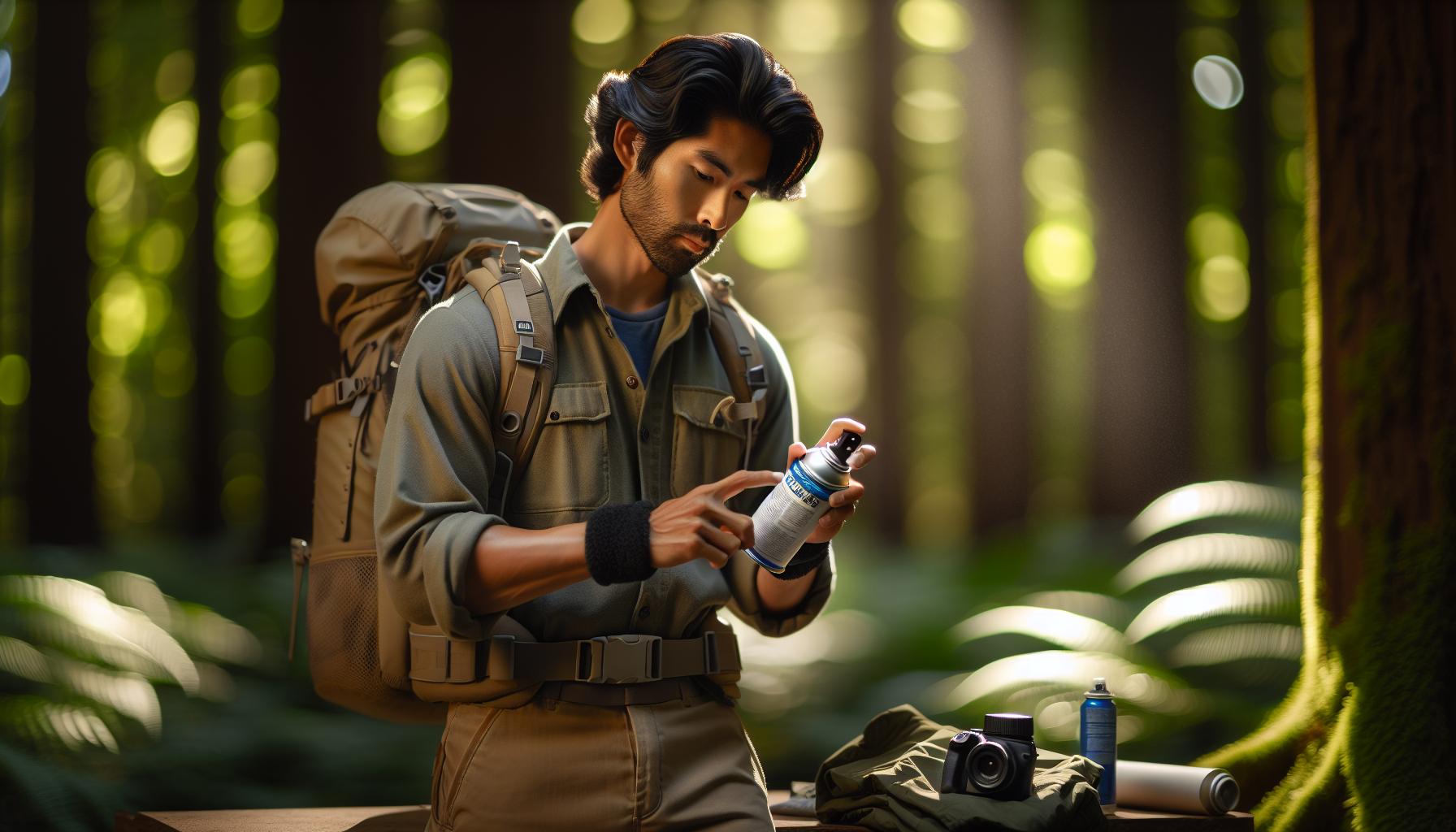
Choosing the right bear spray is not just a matter of picking any canister off the shelf; it’s about ensuring your safety during wilderness excursions in bear country. With a plethora of options available, understanding what to look for can make the difference between a life-threatening encounter and a safe trip. Bear spray should have a high concentration of the active ingredient capsaicin, typically ranging between 0.7% and 2%, and be EPA-approved for effectiveness. Brands that have earned a solid reputation, such as Counter Assault and Mace, have undergone rigorous testing, confirming their reliability in emergency situations.
When selecting bear spray, consider the canister size. It’s common to find options that range from 7.9 ounces to 10.2 ounces. While smaller canisters are lighter and easier to carry, larger options often provide more spray duration-typically around 7 to 9 seconds of continuous discharge-enhancing your chances of deterring an aggressive bear. A range of 30 feet in spray distance is typical, allowing for adequate space between you and the approaching bear, but it’s wise to practice your aim to ensure it can be effectively deployed in a high-stress situation.
Finally, think about the design of the nozzle. A spot-on, easy-to-activate mechanism is crucial for quick deployment. Some models even feature a safety latch to prevent accidental discharge, an essential feature for hikers, campers, or anyone concerned about handling equipment in a rugged environment. Choose a bear spray that fits securely in your backpack but is also easily accessible, enabling a quick response if needed. By taking these factors into account, you’ll be better prepared to select bear spray that meets your needs, enabling you to explore the wilderness with confidence and safety.
Proper Techniques: How to Use Bear Spray Effectively

When encountering a bear in the wild, having bear spray is one thing, but knowing how to use it effectively can mean the difference between a safe retreat and a dangerous encounter. Bear spray is a powerful deterrent designed to stop aggressive bears in their tracks, and using it properly involves both preparation and technique. The first step is to ensure that the canister is easily accessible while hiking-ideally, it should be positioned in a side pocket of your backpack, so you can reach it without fumbling at a critical moment.
When it’s time to use bear spray, hold the canister in your dominant hand, making sure you have a firm grip. Aim slightly downward, targeting the bear’s face, as the spray is most effective when it reaches the eyes and nose. The key is to create a large cloud of spray to obscure the bear’s vision and irritate its respiratory system. As you prepare to deploy the spray, ensure that your back is to an escape route; you want to avoid being cornered. In a calm yet assertive manner, aim the nozzle and press down to release a continuous spray, maintaining your aim until the bear either retreats or you have a safe distance to move away.
In the event the bear gets too close, consider using a two-handed grip on the canister for better stability and control. The recommended distance for deployment is typically around 30 feet, so time your action accordingly. Moreover, practicing the technique at a safe distance from others and in an open area can help build confidence. Familiarize yourself with the spray’s activation mechanism before your trip, ensuring you can operate it quickly when under pressure.
Remember, bear spray is intended for defensive use, not as a means to provoke or challenge wildlife. The spray’s active ingredient, capsaicin, which comes from hot peppers, is non-lethal but extremely effective at deterring aggression. By remaining calm, using bear spray correctly, and understanding when to deploy it, you enhance your safety and that of the wildlife you might encounter while enjoying the great outdoors.
Best Practices: Carrying Bear Spray in Your Backpack
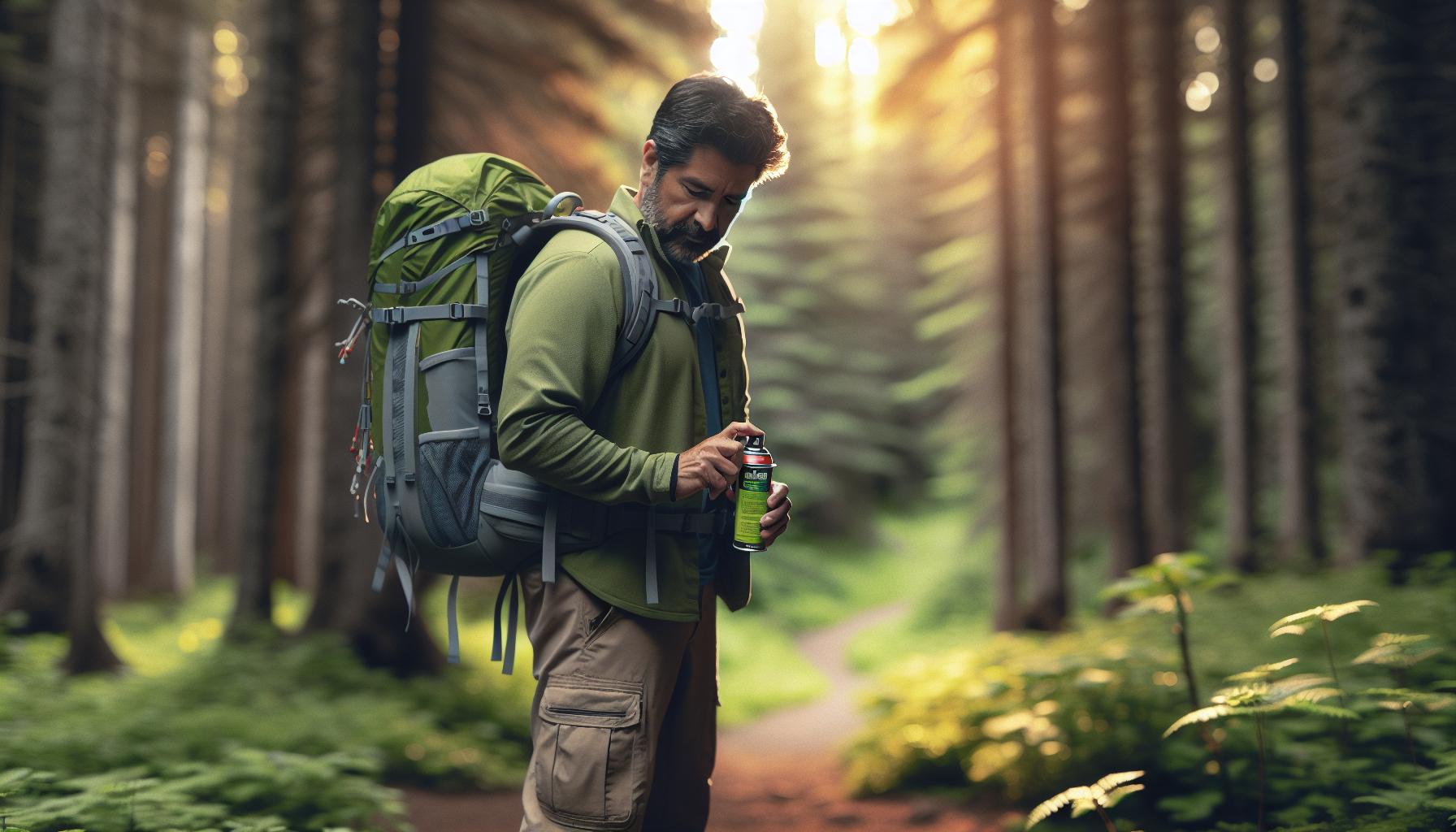
In the wilderness, your safety often hinges on your preparedness, and carrying bear spray correctly is crucial for effective emergency response. Bear spray is a powerful deterrent against aggressive bears, but its accessibility can make all the difference in a critical moment. When you hit the trail, it’s essential to strategically position your bear spray in a way that allows for swift retrieval while keeping it secure during your hike.
Placing your bear spray in an easily reachable location is the first step to ensure that you can act quickly if needed. Most outdoor gear experts recommend keeping the canister in an exterior side pocket of your backpack. This positioning allows for one-handed access, making it simple to grab without needing to unbuckle or dig through your pack when a surprise encounter occurs. Consider using a holster or a dedicated pouch designed for bear spray; many are equiped with Velcro or elastic straps that hold the canister securely yet allow instant removal.
Moreover, make it a habit to check the orientation of your bear spray canister. Ensure it is upright, as this aligns with its design for optimal spray dispersion. Additionally, familiarize yourself with any activation mechanisms well before you encounter a bear-this knowledge will build your confidence and enable you to respond effectively under pressure. Keeping the canister within sight, such as on the outside of your pack, can also serve as a visual reminder to check its condition and expiration date regularly.
Lastly, think about the overall load distribution in your backpack. While maximizing efficiency in carrying gear, prioritize critical safety items like bear spray. Striking a balance between comfort and accessibility is paramount for your outdoor adventures. Remember, every second counts during a bear encounter, and ensuring that your bear spray is both retrievable and operational will greatly enhance your chances of a safe resolution.
Placement Strategies: Accessing Bear Spray When Needed

In the heat of a sudden bear encounter, every second counts. The placement of your bear spray can be the difference between a safe retreat and a dangerous situation. To ensure you can quickly access your bear spray when you need it most, consider the following strategies for optimal placement.
First, prioritize accessibility by keeping your bear spray in an exterior pocket of your backpack. This allows for one-handed retrieval, facilitating a rapid response without the need to unzip compartments or remove your pack. Look for bags designed with dedicated bear spray pockets, often located on the sides or front for easy reach. Additionally, consider utilizing a bear spray holster, which can attach to your belt or the shoulder strap of your backpack, keeping your spray securely in place yet readily accessible.
Orientation Matters
It’s critical to ensure the canister is stored upright. This position not only aligns with the design for effective spray dispersion but also helps prevent any accidental discharge. Routinely check that the canister is upright and secure, especially before setting out on your hike. Familiarizing yourself with the canister’s activation mechanism in advance can also enhance your readiness. Know how to remove any safety tabs and use the spray, so you’re not fumbling in the moment of need.
Visibility is Key
Keeping your bear spray within sight also serves as a constant reminder to check its condition and expiration date. Strap it to the outside of your pack or position it in a way that it remains visible. This practice not only helps in ensuring its functionality but can also boost your confidence when facing wilderness environments.
Overall, whether it’s choosing a practical holster or securing it in an easily reachable pocket, strategic placement of your bear spray can greatly enhance your safety in the wilderness. Remember that preparedness is your best defense, and knowing that your bear spray is accessible can empower you to enjoy your outdoor adventures with peace of mind.
Legal Considerations: Bear Spray Carry Regulations
When venturing into bear country, understanding the legal ramifications of carrying bear spray is essential for responsible outdoor enthusiasts. Not only does this knowledge help ensure compliance with local laws, but it can also enhance your safety and peace of mind while exploring wilderness areas. Bear spray is considered a non-lethal deterrent, but regulations governing its possession and use can vary significantly from one state or region to another.
In many areas, particularly national parks and wilderness areas, carrying bear spray is encouraged and sometimes required. Regulations often specify the size and formulation of bear spray that is permissible, with many jurisdictions mandating that the spray must contain a minimum concentration of capsaicin, the active ingredient that effectively repels bears. It is crucial to familiarize yourself with these specifics before your trip. For example, some parks may dictate that bear spray must be approved by the Environmental Protection Agency (EPA), ensuring the product meets safety and efficacy standards.
Additionally, understanding how to legally use bear spray is equally important. Although bear spray is a defensive tool, using it irresponsibly could lead to legal consequences. For instance, using bear spray against a person, whether in camping situations or altercations, can result in severe legal repercussions, including charges of assault. Always reserve bear spray for its intended use-deterring aggressive wildlife-and ensure you are educated on its proper application techniques.
Lastly, state and local laws may dictate whether you can carry bear spray in certain areas and if it can be transported in vehicles. Paying close attention to these regulations will ensure your outdoor experience remains both enjoyable and lawful. Be sure to carry your bear spray in accordance with guidelines and reach out to local wilderness authorities if you have any doubts or questions regarding specific ranger district rules or park regulations. Engaging with these requirements not only enhances your safety but also contributes to the preservation of wildlife encounters for others in the great outdoors.
When to Use Bear Spray: Critical Situations Explained
When you’re out in bear country, knowing when to use bear spray can truly be a matter of safety. Encounters with bears can happen unexpectedly, and understanding critical situations where bear spray is necessary can empower you to act quickly and effectively. If a bear approaches you, whether it’s a curious juvenile or an aggressive adult, having bear spray readily accessible and knowing the proper moments to deploy it are crucial for a safe experience in the wild.
First, if you spot a bear in the distance, the best course of action is to remain calm and assess the situation. If the bear seems oblivious to your presence and is moving away, it’s best to quietly back away without making sudden movements or noise. However, if the bear approaches you or shows signs of stress-such as growling, snorting, or a stiff posture-it’s time to prepare for potential use of your bear spray.
In particular, bear spray is intended for defensive use when a bear comes within 30 feet (about 9 meters). At this distance, bears can charge quickly, so having your spray at the ready is essential. When ready to use, aim slightly downward toward the bear’s face to create a barrier of spray that the animal would have to cross to reach you. Spraying too late or directing the canister incorrectly can lessen its effectiveness. Remember to maintain a calm demeanor and avoid direct eye contact, as some bear species may interpret this as a challenge or threat.
Lastly, if you find yourself in a situation where a bear has made contact with your picnic or food supplies, and it becomes aggressive during feeding, this is another critical moment where bear spray should be deployed. The spray can deter the bear long enough for you to safely retreat to a secure area, like a vehicle or a designated camping site. In every instance, it’s vital to remember that bear spray is a last resort meant for deterring aggressive wildlife, and using it responsibly ensures your safety and that of the wildlife around you. Always gauge the bear’s behavior first; appropriate responses can often avert the need for spray altogether.
Safety Tips: Additional Wilderness Awareness for Bear Encounters
Encountering a bear in the wild can evoke a mix of excitement and fear, but understanding how to navigate these situations is crucial for your safety. Recognizing bear behavior is essential; bears are generally more scared of humans than we are of them. However, when camping or hiking in bear country, maintaining awareness and preparedness can make all the difference. To help minimize risks, here are some effective strategies to enhance your wilderness awareness and bear encounter readiness.
One of the most critical aspects of wilderness safety is to remain alert to your surroundings. This means being mindful of natural bear habitats, particularly during dawn and dusk when bears are most active. Use your senses; listen for unusual noises and look for signs of bear activity such as fresh tracks, droppings, or claw marks on trees. If you’re in a group, maintain chatter to alert bears to your presence, as they often avoid populated areas. Consider carrying a bear bell or using bear audio deterrents, which can help make your presence known in the wilderness.
Another fundamental safety practice is proper food storage. Bears are attracted to food and scent, so securing all food items is paramount. Use bear-resistant containers or hang food from a tree-ideally over 10 feet off the ground and 4 feet away from the tree trunk. Also, avoid cooking strong-smelling foods near your campsite and clean up food scraps promptly. It’s an important step in preventing unwanted bear visits.
Always carry bear spray properly and keep it within easy reach to ensure a quick response if an encounter occurs. Invest in a holster that can attach to your waist or backpack, allowing for quick access. Regularly practice your bear spray deployment technique to ensure you are prepared in a high-stress situation. Bear spray is designed to deter aggressive bears effectively, but being calm and knowing how to use it is key to its success.
Lastly, revisit the basics of bear safety by educating yourself on what to do in the event of an encounter. For instance, if a bear approaches, speak calmly to reassure it that you are human, avoid direct eye contact, and back away slowly. Running or sudden movements can trigger a bear’s chase instinct. Remember, understanding bear behavior and exhibiting cautious behavior yourself can significantly reduce the likelihood of a dangerous encounter. Stay informed, prepared, and respectful of wildlife, and you can enjoy the great outdoors safely.
By integrating these practices into your outdoor routine, you’ll not only be protecting yourself but also fostering a more harmonious coexistence with the wildlife around you. Keep these tips in mind, and enjoy your adventures with confidence!
Maintenance Guide: Keeping Your Bear Spray Ready
Keeping your bear spray in optimal condition is essential for your safety during outdoor adventures. Not only does this require regular checks, but it also encompasses proper storage, usage, and awareness of expiration dates. Bear spray can mean the difference between a safe retreat and a dangerous encounter, so understanding its maintenance is key to effective wilderness safety.
Start with routine inspections of your bear spray canister. Check for any signs of damage, such as dents, rust, or leaks, which could compromise the effectiveness of the spray. Ensure that the nozzle works smoothly and isn’t clogged. An easy way to test the nozzle is by giving it a gentle press without discharging the spray; this will help assess if it moves freely. It’s best to keep bear spray stored in a cool, dry place, away from direct sunlight or extreme temperatures, as heat can cause the canister to burst.
Moreover, being mindful of the expiration date is crucial. Most bear sprays have a shelf life of about three years. Check your canister for an expiration date or a manufacturing date, and plan to replace it when the time is up. As you prepare for each trip, consider doing a quick inventory of your gear, including checking the status of your bear spray. For long-distance hiking or camping trips, it’s wise to carry a spare canister if space and weight allow.
Finally, practice makes perfect. Familiarize yourself with the spray’s operation before you head out. Set aside time during your gear preparation to practice the deployment of your bear spray without actually discharging it. This ensures you know how to respond quickly in a stressful situation, maximizing your chances of effectively deterring a bear if such an encounter arises. By incorporating these maintenance tips into your outdoor gear routine, you ensure that your bear spray remains a reliable safety tool in the great outdoors.
Comparing Brands: Top Bear Sprays on the Market
When it comes to ensuring your safety in bear country, not all bear sprays are created equal. Choosing a high-quality product can make a significant difference in a critical moment. Factors such as spray distance, spray duration, and the proportion of active ingredients (usually capsaicin) are fundamental elements that set one brand apart from another. These differences can be critical when a bear encounters you in the wild, making the process of comparing brands essential for making an informed choice.
One of the leading brands in the bear spray market is Counter Assault, recognized for its impressive spray distance of up to 40 feet. This longer range allows you to deter a bear from a safer distance, which is crucial in a high-stakes encounter. Counter Assault is also known for its robust canister design, which includes a flip-top safety cap that prevents accidental discharge-a vital feature considering the intensity of using the spray in a panic.
Another popular choice is Bear Guard, which provides a lightweight alternative that still maintains effective spray distances of around 30 feet. This brand is favored for its ease of use and compact design, making it a great choice for backpackers and hikers who prioritize weight without sacrificing functionality. Additionally, Bear Guard’s canisters are designed with clear instructions, helping even inexperienced users deploy the spray effectively when needed.
For those seeking a backup option, Mace Brand Bear Spray has gained popularity for its reliability and ease of access under duress. With a spray duration of approximately 7 seconds, it gives users a firm advantage in a close encounter. Importantly, Mace Brand also incorporates a safety tab that provides extra assurance against accidental firing.
In conclusion, when exploring bear spray options, consider the specific needs of your outdoor activities. Whether you prioritize distance, weight, or ease of use, understanding the nuances between brands like Counter Assault, Bear Guard, and Mace Brand will help you choose the most effective bear spray for your adventures. Always remember that preparation is key; familiarize yourself with your chosen product and ensure it is easily accessible on your backpack to guarantee peace of mind while navigating through bear territory.
Preparing for Different Environments: Tailoring Your Gear
When venturing into the great outdoors, particularly in areas known for bear activity, it’s crucial to tailor your gear-including bear spray-to the specific environment you will encounter. Factors such as terrain, climate, and vegetation play a significant role in determining how and where to carry your bear spray effectively. Understanding these elements can enhance your readiness and responsiveness during an encounter.
For example, in dense forested areas, carrying bear spray in an easily accessible pocket on your backpack is essential. This allows for quick deployment without fumbling through layers of gear. Look for pockets that are not only easy to reach but also secure enough to prevent accidental discharge. In more open terrains like mountainous hikes, consider using a holster that clips onto your waist belt. This keeps the spray readily available without the bulkiness of larger gear, allowing you to maintain mobility.
Environmental Considerations
- Weather: Cold temperatures can affect the performance of bear spray, causing it to freeze. Ensure that your canister is insulated or placed in a part of your pack that stays relatively warm, like against your body or under clothing.
- Altitude: At higher altitudes, the air is thinner, which may affect the spray’s distance and dispersal. Make sure to test your bear spray before heading into such areas; know how far it can effectively reach, as it could be less than in lower elevations.
- Vegetation: If you’re in an area with thick brush, consider a model that offers a wider spray pattern. This can increase your chances of deterring a bear, even if it is not directly in front of you.
In summary, adapting your bear spray storage and accessibility based on your environment not only prepares you for unexpected encounters but also enhances your overall safety and confidence during outdoor adventures. Always take some time to familiarize yourself with your spray ahead of time, ensuring you know its range and operation, so that in a critical moment, you can act swiftly and effectively.
Frequently Asked Questions About Bear Spray
When it comes to exploring the great outdoors, bear spray is an essential tool for safety, yet many users still have questions about its proper use, effectiveness, and maintenance. Understanding these aspects can enhance your confidence and preparedness while in bear country.
One frequent inquiry revolves around the effectiveness of bear spray in deterring aggressive bears. Studies show that bear spray is highly effective, with success rates of over 90% in preventing injuries during bear encounters. The key lies in using it properly-aiming for the bear’s face and ensuring the wind is at your back allows the spray to create a barrier between you and the bear.
Another common question is about the legalities of carrying bear spray. In many U.S. states and Canadian provinces, bear spray is legal to carry, but regulations may vary. Always check local guidelines concerning its use and the specific restrictions that may apply in certain national parks or wildlife reserves.
Many also wonder about the shelf life and maintenance of bear spray. Most manufacturers suggest that bear spray has a shelf life of about three years, but it’s wise to check the expiration date on the canister before your trip. For proper maintenance, store the spray in a cool, dry place and avoid exposing it to extreme temperatures, as these can affect its performance. If the canister seems damaged or shows any signs of leakage, replace it immediately.
Lastly, new users often ask about the best practices for accessing bear spray quickly. Keeping your bear spray in an easily accessible pocket or a designated holster on your backpack ensures that you can reach it within seconds in an emergency. Familiarizing yourself with the spray’s operation prior to any outdoor excursion also aids in quick and effective deployment, should the need arise.
By addressing these frequently asked questions, you empower yourself with the knowledge needed for responsible outdoor adventure, ultimately enhancing your safety and enjoyment in bear territory.
Faq
Q: How should I store bear spray in my backpack?
A: Store bear spray upright in a side pocket or in a compartment that allows for easy access. Ensure the safety tab remains intact and avoid placing heavy items on top that could accidentally activate it. Refer to the “Best Practices: Carrying Bear Spray in Your Backpack” section for more tips.
Q: Is it safe to carry bear spray in the same pocket as my other gear?
A: It’s not advisable to carry bear spray in the same pocket as items like food or camping gear, as the spray can accidentally discharge. Keep it in a dedicated pocket, as discussed in “Placement Strategies: Accessing Bear Spray When Needed.”
Q: What are the key features to look for when choosing a bear spray?
A: Select bear spray with a minimum 0.7% capsaicin concentration and a range of at least 30 feet. Ensure it has a safety lock to prevent accidental discharge. Check “Essential Gear: Choosing the Right Bear Spray” for a detailed comparison.
Q: When should I replace my bear spray?
A: Replacement is necessary if the expiration date has passed, or if canisters show signs of damage, such as dents or rust. Regular maintenance checks are covered in the “Maintenance Guide: Keeping Your Bear Spray Ready.”
Q: Can I use bear spray in a backpacking trip outside bear territory?
A: Yes, carrying bear spray is advisable even in areas where bears are not common. It can deter other wildlife and provide peace of mind. For more specifics, see “Safety Tips: Additional Wilderness Awareness for Bear Encounters.”
Q: How do I quickly access bear spray if I encounter a bear?
A: Practice removing the bear spray from your backpack in a calm setting before a trip. Make sure to securely position it on the outside or in a side pocket for quick access. Insights on this can be found in “Placement Strategies: Accessing Bear Spray When Needed.”
Q: Is there a difference between bear spray and regular pepper spray?
A: Yes, bear spray is formulated to deter aggressive bears and is tested for effectiveness, typically having a much higher capsaicin concentration compared to standard pepper spray which can be ineffective against large animals. For a comprehensive comparison, refer to “Comparing Brands: Top Bear Sprays on the Market.”
Q: What should I do if my bear spray accidentally discharges?
A: Immediately move away from the area to avoid inhaling the spray. If it gets on your skin, wash with soap and water thoroughly. For more safety measures, check “When to Use Bear Spray: Critical Situations Explained.”
Final Thoughts
Now that you’re equipped with essential strategies for safely carrying bear spray on your backpack, prioritize your wilderness safety by taking action today. For a deeper dive into outdoor preparedness, check out our guides on selecting the right backpack and understanding the best tools for bear encounters-this knowledge can be life-saving when faced with unexpected situations.
Don’t forget to subscribe to our newsletter for more expert tips on outdoor gear and safety strategies, ensuring you are always prepared for your adventures. Have questions or insights? We’d love to hear from you in the comments below! Explore more of our content for all your outdoor gear needs, and remember, your safety should never take a backseat. Keep your outdoor experiences safe and enjoyable!