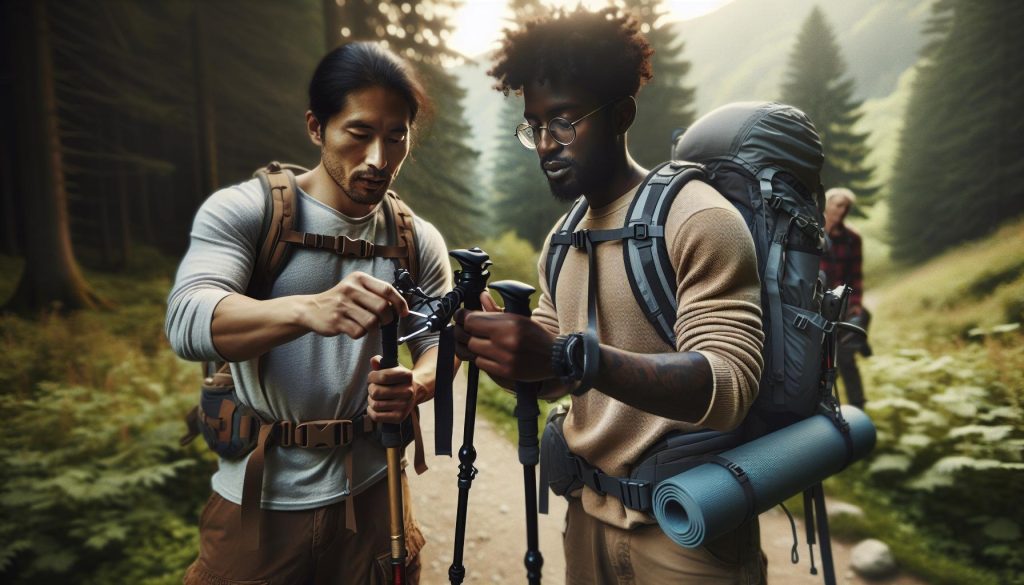
Hiking is a cherished outdoor activity that allows adventurers to connect with nature and experience breathtaking views. However, for both novice and seasoned hikers, properly securing hiking poles to a backpack is essential for safety and convenience on the trail. Using the right methods not only keeps your poles accessible but also ensures they don’t impede your movement. By mastering effective ways to attach hiking poles, you can navigate challenging terrains more comfortably, allowing you to focus on enjoying the journey ahead. Read on to discover secure techniques that enhance your outdoor experience, ensuring you’re well-prepared for any hike.
Choosing the Right Hiking Poles for Your Backpack
Selecting the right hiking poles is crucial for enhancing your outdoor experience, particularly when it comes to comfort and stability on various terrains. A well-chosen set of poles can alleviate stress on your joints, improve balance, and even help you maintain your rhythm during long treks. Before you make a decision, consider the average length, weight, and material of the poles, as these factors can significantly affect their usability and how well they integrate with your backpack.
When evaluating hiking poles, you’ll want to look closely at the length. Most poles are adjustable, accommodating a variety of heights and preferences. Generally, a pole length that is between 100-130 cm is sufficient for most users, but taller hikers might benefit from models that extend further. Given that you’re also considering how to attach these poles to your pack, opt for poles that have quick-release mechanisms; this feature ensures that the poles can be detached swiftly if you need them suddenly.
Material is another vital aspect to keep in mind. Aluminum poles tend to be heavier but are often more durable, making them suitable for rugged terrains. Conversely, carbon fiber poles are lightweight and easy to carry but can be more expensive and less resilient in extreme conditions. Think about your hiking style and the environments you frequent-if your adventures take you on rough trails, go for sturdier materials, while those who trek on well-maintained paths might prioritize lighter options for ease of transport.
In addition to length and material, pay attention to grip comfort and cork vs. foam handles. Grips that conform to your hand can make a substantial difference, particularly in wet conditions. Cork handles are known for their moisture-wicking properties and prevent slippage, while foam is less expensive but can absorb water and become soggy over time. Assess how each handle feels in your palm and choose one that will be comfortable throughout long hours of hiking.
In summary, selecting hiking poles involves more than just picking a trendy design. By considering length, material, and grip comfort alongside their integration with your backpack, you amplify their usefulness and ensure they enhance rather than diminish your hiking experience.
Essential Gear for Attaching Hiking Poles
Equipping yourself with the right gear for attaching hiking poles can make all the difference when hitting the trails. The right accessories not only secure your poles but also enhance your overall hiking experience, making it more comfortable and convenient. Start by ensuring your backpack is compatible with pole attachments. Many modern hiking backpacks come with designated straps or loops explicitly designed for this purpose. If yours doesn’t, consider purchasing compatible accessories such as pole carriers or adjuster straps that can clip onto your pack.
A practical choice for securing poles is to use compression straps. These are often included with backpacks but can also be found separately. They allow you to attach poles horizontally along the side of your pack, offering easy access when you need to transition quickly between hiking and climbing terrains. Ensure that these straps are of high quality to withstand heavy use and rough weather conditions. If your pack is equipped with daisy chains or gear loops, you can also run the poles through these loops to secure them tightly.
Investing in quick-release attachments can further simplify the process. These mechanisms allow you to attach and detach your hiking poles with ease, ensuring minimal interruption during your hike. Look for options that feature a simple snap or slide mechanism that allows you to secure the pole without fussing with complicated knots or ties. Some hiking poles also come with detachable baskets, which can be advantageous for specific terrains but can get in the way during transport. Remember to remove or adjust these as necessary depending on the hiking conditions.
Lastly, don’t overlook protective sleeves for your poles. When attaching them outside your backpack, protective sleeves help prevent scratches and damage to both your poles and backpack. They also keep the tips of the poles from puncturing your other gear. Choose a material that is durable yet lightweight, ensuring it won’t add unnecessary bulk. By taking these factors into account, you can ensure your hiking poles are securely attached, making your trekking experience as enjoyable and safe as possible.
Step-by-Step Guide to Securely Attaching Poles
To ensure a smooth hiking experience, securely attaching your hiking poles to your backpack is essential. By following a straightforward method, you can make transitions seamless and enhance your stability on the trail. Begin by familiarizing yourself with your backpack’s design, looking for any built-in attachment points like straps or loops specifically meant for this purpose. This will be the foundation of a strong attachment process.
First, if your backpack has adjustable compression straps on its sides, they are ideal for securing poles horizontally. Lay your poles parallel to your backpack and pull the compression straps over them, tightening them until the poles are snug against the pack. This method keeps your poles easily accessible while also maintaining a compact profile. If your pack features daisy chains or gear loops, you can loop the poles through them for added security, ensuring they won’t shift during your hike.
For those equipped with quick-release attachments, the process is further simplified. Snap the pole’s upper section into the quick-release system and adjust the securement to prevent any unintentional release. This allows for quick access when you need to use your poles, especially when traversing steep or uneven terrain. Always check that the poles are firmly secured before starting your hike, as a loose attachment can lead to shifting or even damage to the gear.
Lastly, consider the appropriate weather conditions. For example, in windy or rainy weather, utilizing protective sleeves can safeguard both your poles and backpack from scratches or moisture damage. This added layer also prevents the tips of the poles from causing punctures in your pack or other gear. By implementing these steps and tips, you’ll ensure that your hiking poles are properly, safely, and securely attached, enhancing your overall adventure on the trails.
Best Practices for Storing Hiking Poles on Backpacks
When it comes to hiking, efficient storage of your hiking poles can significantly influence your experience on the trail. An organized approach not only facilitates quick access but also enhances your overall stability while navigating various terrains. Understanding optimal storage methods can empower you to keep your poles securely attached without compromising your comfort or mobility.
One effective strategy is to utilize your backpack’s built-in features creatively. Look for dedicated pole attachment points, such as daisy chains, gear loops, or elastic straps. These elements provide excellent support for securing your poles in a horizontal position. For instance, if your backpack has side compression straps, harness these to hold your poles firmly against the bag. By anchoring the poles tightly, you minimize any potential swaying that can disrupt your movement. Always ensure the poles are snugly fitted to prevent them from getting caught or snagged during your hike.
Additionally, consider the order of your gear when packing. Place frequently used items on top and the hiking poles towards the sides or back, ensuring they are easy to reach without upheaving your entire pack. This thoughtful arrangement helps maintain balance, especially when hiking on uneven surfaces. Using pole sleeves or bags can further protect both your gear and the poles from scratches and weather elements. These protective covers not only extend the life of your equipment but also prevent puncturing other materials inside your pack.
Tips for Weather Considerations
Weather conditions can dramatically affect how you store your poles. In rainy environments, moisture-wicking covers can prevent rust and enhance the longevity of the pole material. Consider investing in lightweight, weather-resistant sleeves to shield the pole tips and other sensitive areas, ensuring they remain protected against water and dirt. Strong winds can also be a concern; securing the poles vertically while on the move might be advantageous in such conditions, allowing for quicker adjustments as needed.
By following these best practices for pole storage, you can elevate your hiking experience. Keeping your poles secure, organized, and accessible will help you enjoy the beauty of nature without the distractions of equipment mishaps. Being proactive and prepared leads to more confident decisions and enhances your overall adventure on the trail.
Common Mistakes to Avoid When Using Hiking Poles
Using hiking poles can significantly enhance your balance and stability on various terrains, but improper use can lead to frustration or even injury. One common mistake is failing to adjust the length of the poles according to the terrain. For uphill climbs, poles should generally be shorter to give you more support; conversely, when descending, they should be longer. Neglecting to make these adjustments can alter your center of gravity, making balance much more difficult when you need it the most.
Another frequent oversight involves the attachment method. Many hikers neglect to secure their poles correctly while on the pack, relying merely on a couple of straps. This often results in poles shifting or falling during the hike, which can be distracting and potentially dangerous. Ensure that your poles are anchored snugly against your backpack and that compression straps are utilized appropriately. A useful tip is to periodically check that your poles remain tightly secured throughout your hike, especially after challenging sections where the pack may have shifted.
Additionally, improper pole placement within the backpack can lead to misbalance. If the poles are too far to one side, they can throw off your load distribution, making it difficult to navigate uneven trails. Position your hiking poles near the center of your backpack, which helps maintain a good balance and allows for easier access when you need them.
Lastly, a common mistake is overlooking the condition of the poles themselves before your hike. Regularly inspect your poles for wear and tear, such as frayed straps or loose locking mechanisms. This simple pre-hike routine can save you from unforeseen issues that could hinder your journey or affect your safety on the trail. By being mindful of these common errors, you can ensure a more enjoyable and secure hiking experience.
Innovative Methods for Pole Attachment
The challenge of securely attaching hiking poles to your backpack is a common concern for outdoor enthusiasts. An innovative approach is not only about the physical attachment but also about enhancing accessibility, weight distribution, and stability while hiking. You can transform your hiking experience by employing creative techniques that align with your specific needs and routines.
One highly effective method is using external gear loops, which many modern backpacks come equipped with. These loops are designed to provide a quick-access solution, allowing you to attach your poles alongside the pack without fumbling through external pockets. By doing so, you also prevent pole tips, which can be sharp, from damaging the pack fabric or side pockets. To maximize the stability of poles attached via gear loops, consider wrapping them together with a lightweight compression strap to keep them organized and decrease movement during your hikes.
Another innovative method involves using elastic cord systems. These systems utilize bungee cords that can be easily attached to the side of your backpack, offering a flexible yet secure way to hold your poles. The elastic nature of bungee cords allows for an adaptive fit; as the poles shift or if your pack compresses or expands, the cord will accommodate those changes without compromising security. This method is especially useful for varied terrain where the motion of poles may fluctuate.
For those who are adept at DIY projects, you can create a custom attachment point on your backpack by sewing in additional straps or using Velcro. This allows for personalized placement-something existing design might not facilitate. You can ensure that your poles don’t interfere with your movement or backpack access. Moreover, consider employing a rotating clip system for faster access; such a setup allows you to easily detach the poles with one hand if needed quickly.
Finally, a creative use of compression straps can offer another innovative attachment solution. Instead of merely securing them flat against the pack, orienting poles diagonally, or crisscrossing them helps to stabilize them better during challenging ascents or descents. This configuration distributes the weight across the pack more evenly and retains quick access when you need to deploy the poles to assist in stability.
By integrating some of these innovative methods into your hiking gear management system, you can enhance your outdoor experience, keeping your hiking poles accessible and secure without compromising your comfort or safety.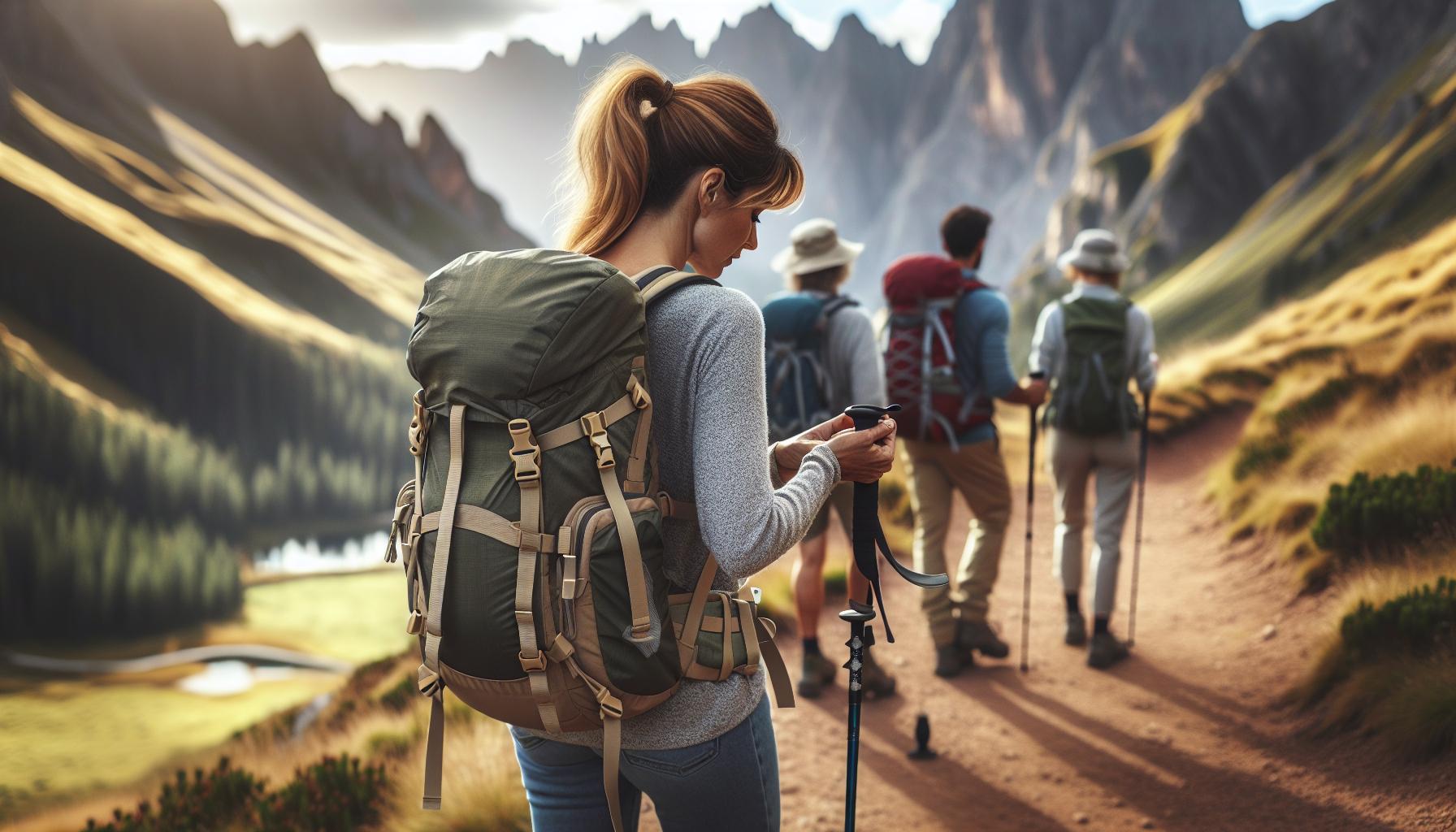
Adjusting Your Backpack for Optimal Pole Storage
When it comes to hiking, the arrangement of your gear can significantly impact your comfort and mobility. Properly not only enhances your hiking experience but also ensures that your poles are secure and quickly accessible when you need them. Understanding how to best utilize the features of your backpack can make a world of difference, especially during challenging terrain or sudden changes in the trail.
To start, ensure that your backpack has the right features for pole attachment. Look for external gear loops, which are ideal for keeping your poles readily accessible. It’s beneficial to store your hiking poles on the side of the backpack, allowing for easy retrieval without having to remove your pack. Adjust the placement of your poles in a way that balances the weight evenly-this not only prevents strain on your back but also keeps your center of gravity stable, which is crucial for navigating uneven terrain.
At times, you might need to adjust the compression straps of your backpack to accommodate your poles properly. Straps can help minimize excess movement by holding the poles securely in place. For instance, crisscrossing the poles or positioning them diagonally can enhance stability, particularly during steep ascents or descents. Remember to tighten these straps well; poles that bounce or swing can become a nuisance and even lead to accidents.
To further personalize your setup, consider how you pack your other gear. When you distribute your load efficiently, allowing for the poles to be stored securely alongside your load, it can significantly enhance comfort. Prioritize lighter items on top and distribute weight evenly from side to side. This holistic approach not only supports efficient pole storage but also improves overall backpack handling, allowing you to tackle the trails confidently and without fear of gear complications.
In conclusion, optimizing your backpack for pole storage involves an understanding of your gear and small adjustments that contribute significantly to comfort and efficiency. By utilizing your backpack’s features effectively, securing your poles with straps, and packing smartly, you set the stage for a fruitful and enjoyable hiking adventure.
Safety Tips for Hiking with Attached Poles
When you’re out on a trail, especially in challenging environments, hiking poles can be invaluable for stability and support. However, securing them properly to your backpack is not just a matter of convenience; it’s also essential for your safety. If not attached correctly, hiking poles can become cumbersome or even create hazards on the trail. To ensure you have a safe and enjoyable hiking experience, consider these critical safety tips.
One key practice is to regularly check the attachment points of your poles. Make sure they are secured tightly to your backpack using the designated straps or loops. Loose attachments can cause poles to swing or bounce, which not only disrupts your balance but can also hinder your ability to navigate through dense vegetation or rocky paths. Additionally, when securing your poles, position them so that they point downward rather than upward; this minimizes the risk of them snagging on branches or other obstacles.
Another important aspect to consider is your awareness of your surroundings. When hiking with attached poles, be mindful of low-hanging branches, narrow passages, or sometimes chaotic wildlife crossings. Keeping your poles at the sides of your backpack, rather than on top, can help avoid unexpected entanglements. Also, when approaching steep terrain, be prepared to adjust the position of your poles quickly for better leverage and support.
Finally, always practice good trail etiquette. If you’re hiking in a group or on a frequently traveled path, ensure that your poles do not encroach on the personal space of fellow hikers. This might mean adjusting the poles to fit snugly against your pack when passing others or letting poles hang slightly lower than usual to prevent any accidental contact. Shortening the length of your poles when attaching them can also help in tight spots, allowing for easier maneuverability.
By keeping your hiking poles securely attached and observing these practical safety tips, you can focus more on enjoying the beauty of nature while navigating trails with confidence and ease.
Alternative Carrying Techniques for Hiking Poles
When navigating the great outdoors, efficient carrying techniques for hiking poles can significantly enhance your hiking experience. While the traditional method of securing poles to the sides of your backpack is effective, exploring alternative carrying techniques can offer benefits tailored to specific trails and terrains. These methods can also improve your overall comfort, balance, and readiness as you encounter varying conditions.
One innovative technique involves the use of elastic cord systems or shock cord loops. By threading your poles through these flexible loops, you can create a snug fit that helps absorb any bouncing as you hike. This method not only keeps your poles securely in place but also allows for quick access when you need to deploy them on steep descents or uneven terrain. To implement this, simply attach several loops of elastic cord horizontally across the front or sides of your backpack, ensuring they’re spaced adequately for easy pole insertion and removal.
Another approach is utilizing the front straps of your backpack for a diagonal carry. Instead of positioning your poles vertically, lay them diagonally across the front of your pack. This technique can provide a lower center of gravity, especially when engaging in challenging climbs, ensuring your poles don’t obstruct your movement or visibility. Make sure to secure the poles with the loaded backpack straps for stability while distributing weight appropriately to prevent fatigue.
In addition to these methods, many hikers opt to use specialized pole carriers that are designed for storage while on the move. These carriers can attach to your backpack and feature adjustable straps or sleeves that hold poles in a more consolidated fashion. When choosing a pole carrier, look for features like quick-release buckles and weather-resistant materials to enhance convenience and durability.
Ultimately, the best carrying technique for your hiking poles will depend on your personal preference, the type of hike, and the specific features of your backpack. Being adaptable and trying different techniques will help you find the most comfortable and functional method, allowing you to focus on the stunning scenery ahead instead of your gear.
Comparative Review: Top Backpacks for Pole Attachment
When it comes to hiking, the choice of backpack can significantly impact your overall experience, particularly when you need to attach hiking poles. Not all backpacks provide the same level of functionality for pole attachment, which can affect accessibility and usability during your hike. Exploring different options can help you find the ideal balance between comfort and practicality.
One standout option is the Osprey Atmos AG series, known for its innovative Anti-Gravity suspension system that distributes weight evenly. This allows for easy attachment of hiking poles via the integrated stow-on-the-go system, making it simple to secure your poles without removing the pack. The side pockets are also designed to be deep and easy to access, perfect for holding poles when not in use.
Another excellent choice is the Deuter Futura Vario. This pack features external straps specifically intended for attaching trekking poles. The design allows you to quickly and securely store your poles while also ensuring they’re readily accessible when needed. Additionally, it offers adjustable back lengths and ventilation, making it a great option for long hikes.
For those looking for a lightweight option, consider the REI Co-op Flash 55, which also boasts a streamlined design for pole attachment. The pack includes pass-through straps that allow you to secure your poles diagonally or vertically as needed, providing versatility for different hiking conditions. With its minimal weight and functional layout, this backpack is ideal for ultralight hikers who don’t want to compromise on functionality.
In summary, selecting a backpack that accommodates hiking poles efficiently can enhance your hiking experience. Look for backpacks like the Osprey Atmos AG, Deuter Futura Vario, and REI Co-op Flash 55, all of which offer specialized features for secure pole attachment while maintaining comfort and usability. By prioritizing these qualities, you can focus more on the trails ahead and less on the logistics of your gear.
Choosing the Right Knot: Techniques for Secure Fastening
When venturing into the trails with hiking poles, the importance of securely fastening them cannot be overstated. A well-attached hiking pole not only lends balance and stability during your hike but also prevents unnecessary clutter and distraction as you navigate through the wilderness. Choosing the right knot for fastening your hiking poles to your backpack can make a significant difference in both safety and convenience.
One of the best techniques for attaching hiking poles is the Bowline Knot. This knot is excellent because it creates a fixed loop at the end of your rope, which you can easily slip around the pole. To tie a Bowline, create a small loop in the rope, bring the working end up through the loop, then around the standing part before bringing it back down through the loop. Pull tight to secure. This knot is favored for its strength and reliability-it won’t slip under load, which is especially useful on uneven terrain or when the poles are jostled during your hike.
Another useful knot is the Double Fisherman’s Knot, particularly if you want to connect two ropes together to create a longer line for securing multiple poles or larger items. This knot consists of two double overhand knots tied around each piece of rope, constructed in opposite directions. Its compact and strong profile ensures that your poles remain attached firmly to your backpack, even on steep climbs or descents.
Practical Tips for Knot Usage
- Practice Tying: Before your hike, practice tying these knots at home to ensure you can do it quickly and efficiently.
- Tie Extra Loops: Consider adding an extra loop in your knot for added security, especially if your hiking terrain is particularly rugged.
- Use Reflective Rope: If you often hike in low-light conditions, using reflective rope can enhance visibility and help you easily locate your poles at night.
By implementing these knot techniques, you enhance your overall hiking experience-ensuring that your hiking poles are secure and ready for use whenever you need them. A little practice with these knots can go a long way in making your adventures smoother and more enjoyable.
How Weather Conditions Affect Pole Attachment Choices
Weather conditions play a crucial role in how you choose to attach your hiking poles, influencing both your safety and convenience during a hike. For instance, if you’re trekking in rainy or wet conditions, it’s essential to ensure that your attachment method prevents moisture from weakening any knots or materials used. Wet ropes can become slippery and more prone to slipping loose, so opting for strong synthetic materials that resist water absorption could be beneficial. In these cases, utilizing a Bowline Knot is advantageous because of its reliability and ease of untying even after being subjected to moisture.
In addition to wet weather, windy conditions can also impact your pole attachment choices. Strong gusts can cause loose gear to sway or knock against your backpack, which could lead to disturbance and potential loss of balance while navigating uneven terrain. To counteract this, consider securing your poles tightly against your backpack using a combination of knots and straps. A solid attachment reduces the risk of poles flailing about and provides a more streamlined profile, which is particularly relevant for maintaining balance on narrow trails or during sudden weather shifts.
When planning for hikes in cold environments, think about how temperature affects your gear as well. Cold weather can cause certain materials, such as plastic or rubber, to become brittle, increasing the risk of breakage during attachment. In such scenarios, using metal clips or durable elastic bands for holding poles is recommended. Additionally, checking your attachment methods frequently while on the trail can help ensure nothing has loosened due to the temperature fluctuations.
Finally, always account for a sudden shift in weather, particularly in mountainous or variable climates. Weather can change rapidly, transforming your hiking experience. Preparing your attachment methods to allow for quick adjustments-like using clips instead of knots-enables easier modifications to your gear without extensive delays. This flexibility allows you to swiftly adapt your setup, ensuring that your hiking poles are securely attached regardless of the weather’s unpredictability.
Frequently asked questions
Q: How do I know if my hiking poles are securely attached to my backpack?
A: To ensure your hiking poles are securely attached, check if the straps are tightly fastened against the poles without looseness. Wiggle the poles gently; they shouldn’t shift. For more details, see the “Step-by-Step Guide to Securely Attaching Poles” in the article.
Q: What type of straps should I use for hiking poles?
A: Use durable, padded straps specifically designed for attaching hiking poles. They should feature adjustable clips or hooks to allow for a snug fit. For more information, check the “Essential Gear for Attaching Hiking Poles” section.
Q: Can I attach hiking poles vertically or horizontally to my backpack?
A: You can attach hiking poles both vertically and horizontally, depending on your backpack’s design and your comfort preference. Vertical attachment offers better balance, while horizontal can be easier for quick access. Refer to the “Best Practices for Storing Hiking Poles” for guidance.
Q: Are there special techniques to prevent hiking poles from falling off my backpack?
A: To prevent hiking poles from falling off, use a locking mechanism or safety strap and ensure all attachments are tightened. Regularly check the fit during your hike. More insights can be found in the “Common Mistakes to Avoid When Using Hiking Poles” section.
Q: What maintenance do hiking poles require when being stored on a backpack?
A: Regularly clean your hiking poles and inspect them for wear. Ensure that the grips and attachments are maintained for longevity. This topic is covered in the “Best Practices for Storing Hiking Poles on Backpacks” section.
Q: Is it safe to hike with poles attached to my backpack?
A: Yes, but it’s essential to ensure they are securely fastened to avoid distraction or hazard while hiking. Stay aware of your surroundings and adjust your backpack accordingly. Refer to “Safety Tips for Hiking with Attached Poles” for more information.
Q: How can I properly adjust my backpack to accommodate hiking poles?
A: Adjust your backpack’s straps to distribute weight evenly, keeping the poles snug against the pack without hindering movement. Ensure the poles’ tips are facing downward to prevent snagging. Check the “Adjusting Your Backpack for Optimal Pole Storage” section for detailed instructions.
Engage further with this comprehensive guide; for a complete understanding of pole attachment, explore each related section and enhance your hiking experience!
To Wrap It Up
Now that you’ve mastered the essential methods to attach hiking poles to your backpack securely, it’s time to gear up and hit the trails with confidence! Remember, properly securing your poles not only enhances your hiking experience but also ensures safety and ease on varied terrains. Don’t let uncertainty hold you back-equip yourself with the right knowledge and embark on your next adventure today!
For more insights on maximizing your hiking gear, check out our guide on Choosing the Right Hiking Backpack and tips on Hiking Essentials for Beginners. Make sure to subscribe to our newsletter for expert advice and new content tailored to elevate your outdoor experiences. Let us know your thoughts in the comments below, and share your hiking stories with our community! Your next journey awaits-let’s explore together!