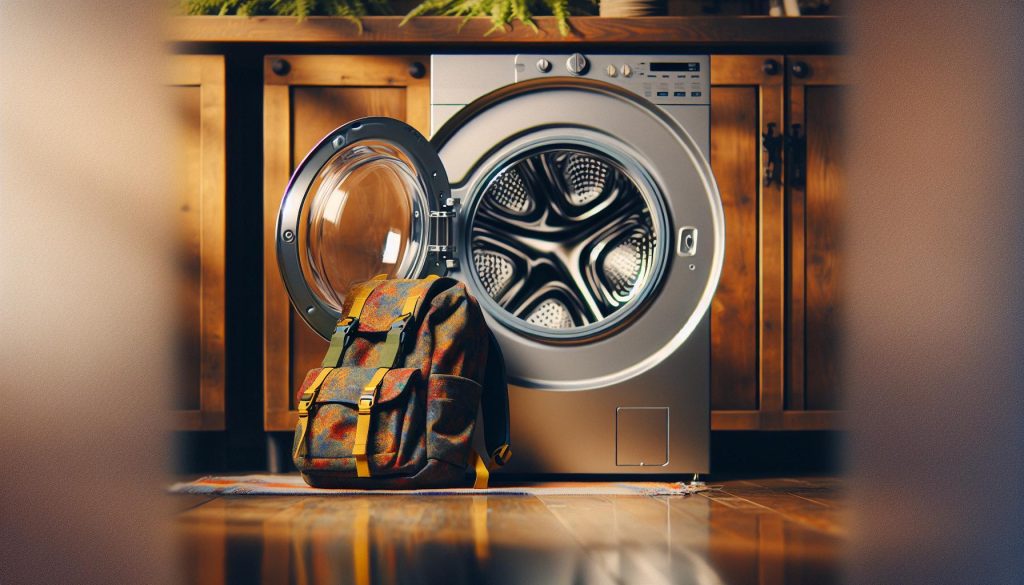
Backpacks are essential companions for students, travelers, and outdoor enthusiasts alike, often accumulating dirt and grime from everyday use. But can you wash a backpack in the washing machine? This common concern resonates with anyone looking to keep their gear fresh and hygienic. Knowing the right methods to clean your backpack can extend its lifespan, maintain its appearance, and ensure that your belongings are stored in a clean space. As we dive deeper into this topic, you’ll gain insights into the dos and don’ts of washing backpacks, whether machine washing is feasible, and tips for achieving the best results. Stay with us to discover how to care for your backpack the right way!
Can You Wash Different Types of Backpacks?

The answer largely depends on the materials and construction of the backpack in question. Not all backpacks are created equal; some are designed to withstand rigorous cleaning methods, while others may be more sensitive and require a gentler approach.
Types of Backpacks and Their Washability
- Fabric Backpacks: Most fabric backpacks made of canvas or nylon can be machine washed. They are generally durable and capable of withstanding a cycle in the washing machine. However, it’s always wise to check the label for specific cleaning instructions.
- Leather Backpacks: Leather should never be machine washed, as this can cause irreversible damage to the material. Instead, opt for spot cleaning using a damp cloth and mild leather cleaner, ensuring to avoid soaking the leather.
- Waterproof Backpacks: For waterproof backpacks, consider their construction. Many are coated with a water-repellent finish, and washing may compromise this protective layer. Hand washing is preferable; use a soft brush and mild soap, then rinse thoroughly without submerging.
- Hiking Backpacks: Hiking backpacks often come equipped with multiple pockets and hardware. Although the fabric may handle machine washing, it’s crucial to remove any detachable parts and hardware. Check if the manufacturer’s guidelines allow for machine washing.
- School Backpacks: School backpacks are typically made from sturdy, synthetic materials that are usually safe for machine washing. Remove all items, close zippers, and place the bag in a mesh laundry bag to protect it during the cycle.
Considerations Before Washing
Before tossing any backpack into the washing machine, always refer to the care label. If you’re unsure or if the backpack is particularly valuable or sentimental, consider testing a small, inconspicuous area or opting for manual cleaning methods to preserve the integrity of the backpack.
Understanding Washing Machine Risks for Backpacks

Washing a backpack in a machine might seem convenient, but the risks involved can lead to irreversible damage. While the idea of tossing your bag into the washer for a quick clean is tempting, various factors need to be considered to understand whether this method is actually safe. For instance, the construction and material of the backpack play crucial roles in determining its washability. A bag crafted from durable fabric like nylon or canvas may generally handle machine washing well, but softer materials or those with delicate embellishments can warp or tear easily.
One of the primary concerns is how the washing machine’s agitation can affect the structural integrity of the backpack. Items such as straps, zippers, and pockets often face undue stress during a wash cycle, potentially leading to fraying or complete dislodgment. For backpacks with intricate hardware or detachable parts, there’s a high likelihood of damage or loss if not removed prior to washing. Additionally, any waterproof coatings can degrade, reducing the bag’s ability to repel water after a wash. Therefore, while many bags can withstand a spin in the laundry, it’s essential to adhere closely to the manufacturer’s care instructions and perform a risk assessment based on the bag’s specific fabric and design.
Another aspect to consider is the potential for mold and mildew growth. A damp backpack tossed into a cramped washer risks not drying properly, especially if it’s packed tightly alongside other laundry. To mitigate this risk, it’s advisable to lean towards air drying – this protects not only the bag’s shape but also prevents any lingering moisture from creating an unhealthy environment within the bag’s compartments. Ultimately, understanding the washing machine risks for backpacks can save you from spending money on repairs or replacements, ensuring your gear remains functional and presentable for years to come.
Step-by-Step Guide to Washing a Backpack
Washing a backpack can feel like a daunting task, especially when it comes to preserving its shape, materials, and functionality. However, with the right approach, it can be done effectively and safely. Start by ensuring that your backpack is suitable for machine washing. Check the manufacturer’s label for specific instructions; if it lists “machine washable,” you’re in the clear. If you’re unsure, it’s best to err on the side of caution and opt for a hand wash.
Before diving into the wash, empty all compartments, removing any items, and checking for any debris such as sand or crumbs. Take a moment to inspect the backpack for any damages that may get worse during washing. If there are detachable straps, harnesses, or any hardware that can easily be removed, take them off-this will help prevent them from getting tangled or damaged. Next, give the exterior a quick wipe-down with a damp cloth to remove surface dirt. For stubborn stains, a mild detergent solution can be applied directly to the affected areas and scrubbed gently with a soft-bristled brush.
When you’re ready for the wash, place the backpack inside a pillowcase or mesh laundry bag to provide extra protection against snagging. Use a gentle cycle with cold water to minimize agitation, and a small amount of mild detergent to avoid residual buildup. After the cycle is complete, carefully remove the backpack and check again for any remaining dirt or stains; if needed, a quick hand wash in these areas can do the trick.
Finally, the drying process is crucial. Avoid using a dryer, as the heat can warp the materials and ruin the bag’s shape. Instead, gently reshape the backpack and lay it flat on a clean, dry towel or hang it upside down to air dry. Make sure it’s completely dry before storing it away to prevent mold and mildew growth. By following these steps, you can keep your backpack looking fresh and extend its lifespan, ensuring it remains your reliable companion for all your adventures.
Best Practices for Cleaning Backpack Fabric

Cleaning your backpack fabric is essential not just for aesthetics, but also for maintaining the integrity and longevity of the bag. Different materials, from nylon and polyester to canvas and leather, each require tailored care techniques that help keep the backpack looking new and functioning well. Failure to use appropriate cleaning methods can lead to fading, tearing, or even the breakdown of the fabric over time.
To effectively clean your backpack fabric, first, always check the care label for manufacturer recommendations. For fabric types like nylon or polyester that are generally machine washable, a few best practices can enhance the cleaning process. Start by flipping the bag inside out to expose dirt that hides in seams and pockets. Use a soft brush or cloth to remove any loose dirt and debris, paying special attention to corners and crevices where grime tends to accumulate. For deeper stains, mix a solution of mild detergent with lukewarm water and gently scrub the affected area with a soft cloth or sponge. Avoid harsh chemicals or bleach, as these can strip colors and damage fabric fibers.
When it comes to machine washing, safeguarding your backpack is key. Place your bag in a mesh laundry bag or pillowcase to shield it from snagging on other items and to minimize agitation. Always opt for a gentle cycle with cold water to avoid damaging the fabric. If your backpack has any special coatings, like water repellent finishes, consider hand washing to preserve these features. After washing, check for any stubborn spots that might need additional attention and address them with a hand wash if necessary.
Drying is equally important; avoid using a dryer which can warp the structure of the bag and degrade materials. Instead, reshape your backpack and allow it to air dry in a well-ventilated area, ideally flat or hanging upside down, to ensure moisture escapes thoroughly. Regular cleaning, especially after outdoor adventures or travel, prevents the buildup of grime and bacteria, allowing your backpack to serve you well for years to come. By adhering to these best practices, you can confidently maintain your backpack-in turn, enhancing your everyday carry experience.
How to Handle Backpack Hardware During Washing
When it comes to washing your backpack, special attention must be given to the hardware, such as zippers, buckles, and clips, which can easily be damaged in the wash. These elements can be the difference between a functional bag and a useless piece of gear. Neglecting them during cleaning can lead to malfunctioning parts or cosmetic issues that undermine your backpack’s performance.
To protect backpack hardware during washing, start by assessing each piece’s condition. Before the wash, thoroughly inspect all hardware for any signs of wear or buildup. A soft toothbrush or a cloth can be instrumental in removing dirt and debris from zippers and buckles. If you notice stubborn areas, consider a gentle scrubbing with a diluted vinegar solution, which can help dissolve grime without causing harm.
Now, to shield your backpack hardware during the washing process, utilize the following strategies:
- Secure Zippers: Make sure all zippers are fully closed to prevent them from catching or getting snagged. If any pulls are vulnerable, you might consider placing a small piece of tape over them for added protection.
- Remove Separately: If your backpack has detachable hardware, such as straps or pouches, remove them before washing. This isolates them from the wear and tear of the washing machine, ensuring they last longer.
- Use a Protective Bag: Place your backpack inside a mesh laundry bag. This not only protects the fabric but also reduces the chances of hardware getting caught on other items in the wash.
- Choose Gentle Settings: When washing, select a gentle cycle with cold water. This care method minimizes the agitation on hardware, preventing potential breaks or misalignments.
After washing, it’s crucial to thoroughly inspect the hardware. Pay special attention to zippers-make sure they’re functioning properly before using your backpack again. A bit of lubrication from zipper wax or silicone spray can help keep them sliding smoothly. For buckles and clips, ensure they are clean and properly aligned, checking for any stress marks or bends that could indicate weak points. By following these steps, you not only preserve the integrity and functionality of your backpack but also extend its life, ensuring it remains a reliable companion for all your adventures.
Air Drying vs. Machine Drying: Best Methods
When it comes to drying your freshly washed backpack, the method you choose can have a significant impact on its longevity and functionality. Though machine dryers may seem convenient, they can inflict damage on the fabric, hardware, or overall structure of your pack. Therefore, understanding the best approaches to air drying compared to machine drying is crucial for maintaining your backpack’s quality.
Air drying is often the safest and most effective option for backpacks of all types. By allowing the pack to dry naturally, you reduce the risk of shrinkage, fabric distortion, and damage to zippers or buckles. To air dry your backpack, follow these steps:
- Remove Excess Water: After washing, gently squeeze out excess water (don’t wring it out), ensuring not to distort the shape of your backpack.
- Choose the Right Area: Find a well-ventilated space or hang your backpack outside, away from direct sunlight to prevent fading and damage to materials.
- Positioning: Hang the backpack upside down or on a clothesline to encourage airflow inside the compartments, which helps prevent mildew buildup.
- Use a Fan: If drying indoors, consider placing a fan nearby to enhance airflow, speeding up the drying process while protecting its fabric.
While machine drying provides a quick solution, it poses risks such as high heat, which can deteriorate water-resistant coatings and warp structural elements. If you’re considering this route, opt for the lowest heat setting and the gentlest cycle, but be aware that even with these precautions, there is still potential for damage. Thus, it’s generally advisable to avoid machine drying unless absolutely necessary.
Ultimately, air drying your backpack ensures both durability and functionality, preserving it for countless adventures ahead. By taking the time to dry it correctly, you enhance not just the longevity of your gear but also its performance in the field.
Special Considerations for Waterproof Backpacks
When you invest in a waterproof backpack, it’s crucial to understand that cleaning is not just about removing dirt; it’s about maintaining that waterproof functionality. Using a washing machine can seem convenient, but doing so with a waterproof backpack can compromise its integrity if not approached with care. Most waterproof backpacks contain a water-resistant coating that can be damaged by the agitation and heat of a washing machine. Always check the manufacturer’s label for specific washing instructions.
To clean your waterproof backpack effectively, consider these steps:
- Spot Clean First: Instead of a full wash, start with a gentle spot clean using a damp cloth and a mild soap solution. This helps remove surface dirt without risking the waterproof layer.
- Hand Wash When Possible: If your backpack needs a deeper clean, hand washing is preferable. Fill a bathtub or sink with lukewarm water, add a suitable cleaner, and use a soft brush or cloth to scrub the fabric gently.
- Avoid Harsh Chemicals: Be wary of bleach or aggressive detergents that could degrade the waterproofing materials. Opt for products designed for outdoor gear if available.
- Reapply Waterproofing Agents: After cleaning, remember to restore the backpack’s waterproof properties. Use a spray-on water repellent or wash-in treatment designed for the material to refresh its protective layer.
Always air dry your waterproof backpack after cleaning. Hanging it out in a shaded, well-ventilated area is ideal-direct sunlight can degrade the materials over time. By taking these careful steps, you will help ensure that your waterproof backpack remains functional, protecting your gear from the elements for years to come.
Tips for Preventing Backpack Damage in Wash
Cleaning a backpack in the washing machine can be tempting due to its convenience, but improper techniques can lead to irreversible damage. To prevent your backpack from deteriorating during wash cycles, understanding a few essential practices is crucial. Not only will this help maintain its appearance, but it will also ensure its longevity and functionality.
First, always remove all items from your backpack. Things like pens, snacks, or sharp objects can not only damage the backpack’s fabric and zippers during washing but may also cause issues in your washing machine. Next, it’s wise to close all zippers and secure any straps or buckles to minimize snagging and tangling, which can lead to tears or distortion of the bag’s shape.
To provide extra protection, consider placing your backpack inside a laundry mesh bag. This simple addition can cushion your backpack against the machine’s drum and reduce the risk of damage. Additionally, choosing a gentle cycle with cold water is recommended, as hot water can weaken fabric fibers and cause colors to fade. For detergent, select a mild formula free of bleach and harsh chemicals to avoid degrading the materials.
Drying is another critical step. Instead of tossing your backpack into the dryer, actioning a line-dry method can greatly extend its life. Hang your backpack in a shaded, well-ventilated area to prevent mold, mildew, or fading from direct sunlight. Always remember to check the manufacturer’s care label, as specific instructions could differ significantly based on the materials and construction of your backpack.
By incorporating these preventative measures, you can help your backpack withstand the washing process while keeping it looking fresh and functioning effectively for your everyday adventures.
Cleaning Backpack Accessories and Compartments
Cleaning your backpack’s accessories and compartments is a key step that often gets overlooked. After all, it’s not just the exterior that needs attention; the interior pockets, compartments, and any bespoke accessories can harbor grime, crumbs, and odors that diminish your backpack’s freshness and functionality. Understanding how to effectively clean these areas will enhance your overall experience and extend the life of the bag.
Start by meticulously emptying every compartment of your backpack. Use a handheld vacuum or a lint roller to capture loose debris like pet hair, dust, or snack remnants. Pay particular attention to hidden pockets that often collect dirt over time. For textured surfaces or stubborn spots, a damp cloth along with a little mild detergent can be quite effective. Be sure to test any cleaning solution on an inconspicuous area first to ensure it won’t discolor or damage the fabric.
When it comes to accessories like detachable straps, pouches, or organizers, check if they are machine washable. Many removable components can be tossed into a laundry mesh bag, adhering to the same gentle cycle guidelines as the main bag. For accessories that can’t be machine washed, a warm, soapy cloth followed by a rinse cloth should suffice. Components like buckles and clasps may also need special attention; a soft brush can help eliminate dirt build-up, especially those with intricate designs.
Lastly, after cleaning, ensure everything is thoroughly dried before reassembling your backpack. This prevents any lingering moisture from fostering mold or unpleasant odors. Trusting these small but important practices will not only keep your backpack looking brand new but also make it a more pleasant and hygienic space for your belongings.
When to Opt for Professional Cleaning Services
For those facing the dilemma of whether to wash their backpack at home or seek professional services, it’s crucial to assess the condition and materials of the bag. Certain modular or high-end backpacks, particularly those with intricate designs or made from delicate fabrics, may not withstand the rigors of a washing machine. When uncertainty arises, consider opting for professional cleaning services. These experts utilize specialized techniques to ensure your backpack retains its shape, functionality, and aesthetic while removing persistent stains and odors.
If your backpack has significant damage, such as tears, weak seams, or missing hardware, getting it professionally serviced can extend its lifespan. They often have access to industry-grade cleaning agents and tools that can effectively treat stubborn stains without risking further damage. For example, many eco-friendly cleaning services use technologies designed to preserve water-repellent coatings and protect stitching, which can be vital for surviving in harsh conditions.
Moreover, if you find yourself often shuttling between outdoor adventures, and your backpack has become a magnet for dirt, mold, or unpleasant odors, a professional touch may be the perfect solution. Many cleaning services not only wash the fabric but also treat it with appropriate waterproofing sprays post-cleaning, effectively rejuvenating your gear for future excursions.
In summary, when considering whether to go for professional cleaning, reflect on the backpack’s material, the extent of dirt or damage, and your usage needs. This proactive approach ensures your backpack remains both functional and attractive for long-term use.
Maintaining Your Backpack: Post-Wash Care Tips
After washing your backpack, whether by hand or in the washing machine, the post-wash care is crucial to ensure it retains its shape, functionality, and appearance. Many people underestimate the importance of properly caring for their backpacks after cleaning, which can lead to wear and tear or even irreversible damage if not done correctly.
First and foremost, always air dry your backpack; avoid using a dryer as the heat can damage the material and warp the structure. To do this, turn the backpack inside out to expedite the drying process, particularly in areas where moisture could linger. Hang it up using the straps or place it on a clean, dry surface away from direct sunlight, which can fade colors and weaken materials over time. It’s essential to ensure all compartments are open to facilitate airflow, minimizing the risk of mold or bad odors.
Another vital aspect of post-wash maintenance is to check and reinforce the hardware. Inspect zippers, buckles, and any clips for potential damage. If your hardware is plastic, consider applying a small amount of lubricant like silicone spray to keep things operating smoothly. For metal hardware, ensure that no rust or corrosion has formed-if needed, you can clean these components with a cloth dampened in mild soap and water.
Lastly, once the backpack is thoroughly dry, it’s a good idea to treat it with a fabric protector or water-repellent spray designed specifically for your bag’s material. This protective layer helps guard against future stains and dirt, ensuring that your backpack stays in great condition ready for whatever adventure lies ahead. By taking these simple steps, you can significantly extend the life of your backpack, maintaining its aesthetics and functionality for years to come.
FAQ
Q: Can you wash a backpack in a washing machine?
A: Yes, many backpacks can be washed in a washing machine, but it’s essential to check the care label first. Use a gentle cycle and cold water, and consider placing the backpack in a mesh laundry bag to protect it.
Q: What materials are backpacks made from that can be machine-washed?
A: Backpacks made from nylon, polyester, or canvas are usually safe for machine washing. However, avoid washing those with leather portions or special coatings unless specified by the manufacturer.
Q: How should you prepare a backpack for machine washing?
A: Before washing, empty all pockets, remove detachable parts, and close zippers. Additionally, brush off any loose dirt or debris to prevent clogs in your washing machine.
Q: Are there risks to washing a backpack in a washing machine?
A: Yes, washing in a machine can cause wear and tear on zippers, straps, and the fabric. For sensitive or high-end backpacks, hand washing might be a safer alternative.
Q: Should I use detergent when washing a backpack?
A: Yes, use a mild detergent designed for delicates. Avoid fabric softeners, as they can leave a residue that affects the backpack’s water-resistance.
Q: What are alternatives to machine washing a backpack?
A: Alternatives include hand washing with mild soap and water or spot cleaning with a damp cloth for minor stains. These methods can help avoid damage from machine washing.
Q: Can a waterproof backpack be machine washed?
A: Generally, it’s not advisable to machine wash waterproof backpacks, as this can damage the waterproof coating. Spot cleaning is preferred to maintain their integrity.
Q: How often should you wash a backpack?
A: It’s best to wash your backpack every few months or when it appears dirty. Regular cleanings help maintain its condition and prevent odors.
To Conclude
If you’re wondering whether to wash your backpack in the washing machine, remember that while many backpacks are machine washable, always verify the care instructions before proceeding. This ensures longevity and maintains the integrity of your gear. For those looking to dive deeper, check out our guides on backpack maintenance and best washing practices to keep your gear in top shape. Don’t hesitate-cleaning your backpack now will enhance its life and performance!
Still have questions? Comment below or visit our gear comparison page for more tips on selecting the right backpack for your needs. Remember, for more valuable insights on maintaining your outdoor gear, subscribe to our newsletter and never miss an update! Your journey to a cleaner, better backpack starts here-take action today!