
Did you know that improper care of your backpack can significantly shorten its lifespan? Whether you’re a student, a hiker, or a busy parent, maintaining your backpack is essential for keeping it looking good and functioning well. One common question arises: Can you put a backpack in the dryer? While it may seem like a quick fix for drying damp gear after a rainy day, the answer isn’t straightforward. Different materials and components of a backpack come with unique care needs that can make or break its durability. In this guide, we’ll delve into practical safety tips and care instructions to ensure your backpack remains in top shape, all while addressing your concerns about effective cleaning methods. So, before you throw your backpack in the dryer, read on to find the best ways to maintain your essential gear and keep it ready for your next adventure.
Can You Really Put a Backpack in the Dryer?
Can you really toss your backpack in the dryer for a quick fix? While the idea might sound tempting, it’s essential to approach this practice with caution. The primary risk lies in the potential for damaging both the backpack and the dryer itself. Many backpacks contain materials like nylon or polyester that can warp or degrade when exposed to high heat. Additionally, metal components such as zippers, buckles, or internal frames can cause havoc inside your dryer, leading to both appliance damage and possible safety hazards.
Instead of using a dryer, consider air-drying your backpack to maintain its integrity. Hang it upside down in a well-ventilated area to allow water to drain and promote airflow. This method might take longer, but it preserves the shape and materials of your pack while preventing the risk of shrinkage or melting. For synthetic fabrics, you can also use a fan to expedite the drying process without resorting to heat.
If you encounter stubborn stains or odors that seem resistant to air-drying, spot cleaning with mild soap and water can often do the trick without the need for high-temperature drying methods. Always consult the care label on your backpack for specific washing recommendations, as different materials may have distinct needs. In short, while the dryer might seem like a quick solution, sticking to gentler, more traditional methods will ensure your backpack survives the test of time.
Understanding the Risks of Drying Backpacks
Can you really toss your backpack in the dryer for a quick fix? While the idea might sound tempting, it’s important to recognize the potential downsides to this practice. Many backpacks are made from materials like nylon and polyester that can warp, shrink, or even deteriorate when exposed to high heat. Unlike a simple cotton shirt, a backpack’s complex design and various components create a unique set of vulnerabilities. For instance, heat can warp the fabric, compromising its waterproof capabilities and overall durability.
Moreover, backpacks often incorporate metal parts such as zippers, buckles, and internal frames. These components can cause significant issues in the dryer, potentially damaging both the appliance and the bag itself. Imagine the disaster of a buckled strap getting caught in the dryer drum, leading to a repair bill or worse-dryer failure. The turbulence within the machine can also misalign or break these parts, which not only ruins your backpack but could pose a safety hazard if they break loose during the cycle.
To maintain the integrity of your gear, consider alternatives to drying in the dryer. Hang your backpack upside down in a well-ventilated area to allow moisture to escape gradually, which preserves its shape and structure. If you’re in a rush, using a fan can help speed up the air-drying process without resorting to heat. Spot cleaning with mild soap and water will address any stubborn stains without compromising the materials of your pack. Always refer to the care instructions specific to your backpack, as following these guidelines can greatly extend its life and performance.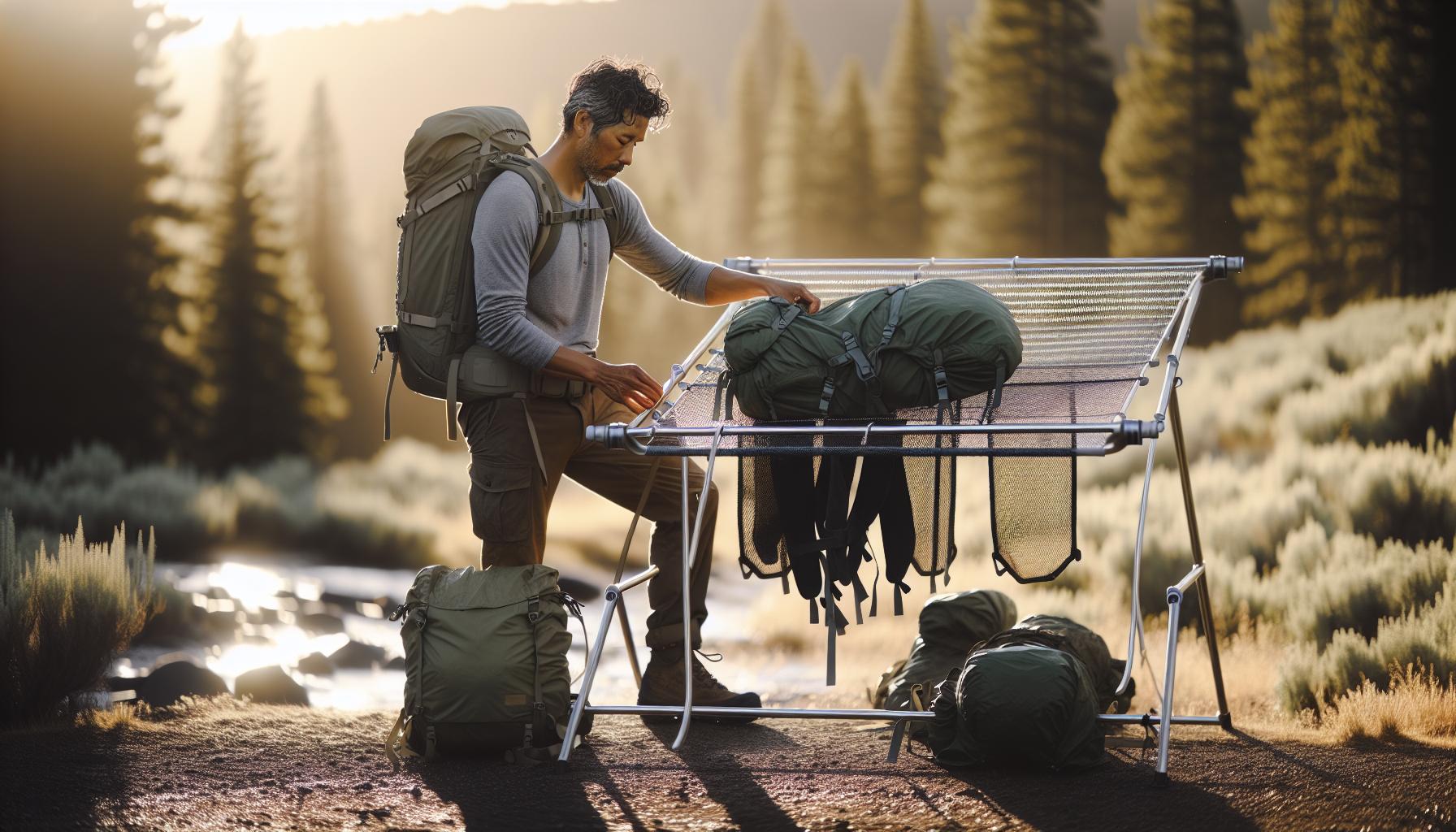
Best Materials for Backpack Drying Safety
When it comes to drying your backpack, the materials used in its construction play a crucial role in ensuring safety and longevity. Not all fabrics respond well to heat, which is why understanding the best materials for drying is essential. The ideal backpacks are constructed from high-quality materials known for their durability and resistance to moisture. Commonly used fabrics include nylon, polyester, and canvas, each possessing distinct characteristics that can impact their drying process.
Nylon, for instance, is a lightweight and water-resistant material that dries relatively quickly when air-dried. However, it’s prone to melting or warping when exposed to high temperatures, making it a candidate for heat damage if placed in a dryer. Polyester shares similar drying properties but is generally more resistant to stretching and shrinking. This means that while both materials may be safe for air drying, they are not suitable for machine drying.
Key Materials for Safe Drying:
- Nylon: Lightweight and water-resistant, but avoid high heat to prevent melting.
- Polyester: Durable and resistant to shrinkage, but should still be air-dried.
- Canvas: More breathable and typically heavy-duty, canvas backpacks can also be air dried without issue.
When selecting a backpack or considering care tips, it’s essential to check whether the manufacturer specifies drying instructions or puts recommendations for heat exposure on the care label. Fabrics that are reinforced or lined may have varying tolerances to heat, so understanding the specific construction of your pack can help in making informed decisions about care. A little extra caution during the drying process, such as opting for air drying or using low heat settings (if absolutely necessary and specified), will help maintain the integrity of your backpack for years to come.
Step-by-Step Guide to Safely Dry a Backpack
To ensure your backpack retains its shape, functionality, and aesthetic appeal, following a careful drying process is essential after washing. Here’s a step-by-step guide on how to safely dry a backpack without risking damage:
Begin by removing any contents from your backpack, such as loose items, pockets, and zippers. This not only helps in effectively cleaning and drying the backpack but also prevents any hidden items from being damaged in the process. After emptying it, inspect your backpack for any specific manufacturer’s care instructions-this guidance can vary based on materials and construction.
Next, gently shake the backpack to remove excess water. It’s crucial to avoid wringing or twisting the fabric, as this may warp the shape or damage the seams. Instead, place the backpack on a clean, dry towel. You can also press another towel against it to absorb extra moisture without adding strain on the fabric.
For the drying process, opt for air drying rather than using a dryer. Find a well-ventilated location away from direct sunlight, which can cause fading or weaken structural integrity. Hang the backpack upside down on a sturdy hook or lay it flat on a clean surface, ensuring all compartments are open for optimum airflow. You may also consider placing a fan nearby to enhance airflow and speed up the drying process.
Once dry, check for any signs of lingering moisture, especially in creases or pockets, and ensure it’s completely dry before storing or using your backpack. This will help prevent mildew growth and maintain the longevity of the materials. Following this method will not only keep your backpack looking its best but also extend its life, allowing it to serve you well during your adventures.
Alternative Methods to Dry Your Backpack
Drying a backpack properly is crucial to maintaining its shape and functionality, especially after a thorough wash. While air drying is the safest method, there are several alternative techniques to ensure your backpack dries effectively without compromising its material or structure.
One effective method is using a combination of ventilation and heat. After shaking off excess water, place your backpack in a well-ventilated area, but consider augmenting the process by placing it near a radiator or other gentle heat source-just be cautious not to expose it directly to heat that could damage the fabric. This can speed up drying while still being safe for the materials.
Another option is to use a hair dryer on a cool setting. If your backpack is particularly damp, you can carefully blow cool air into the compartments by loosening zippers and ensuring airflow enters all pockets. This technique can help target areas that retain moisture, especially in seams and creases, without the risk of overheating the backpack.
Additionally, if your backpack is small enough, you might use a washstand or a similar fixture to hang it upside down, allowing gravity to aid in the drainage of water. This method can be effective with durable materials and can speed up the drying process further as water will drip out rather than get trapped in creases.
Lastly, consider using a dehumidifier in the room where you are drying the backpack. This can significantly reduce moisture levels in the air, creating an optimal environment for drying. Combined with other methods, such as gentle heat or airflow, a dehumidifier can make a substantial difference in overall drying time.
By employing these alternative methods, you ensure your backpack is dried thoroughly and safely, extending its lifespan and maintaining its performance for your next adventure.
Signs Your Backpack Needs Washing
It’s easy to underestimate the need for regular backpack maintenance, but neglecting the signs that indicate it’s time for a wash can lead to unpleasant odors or even damage to your gear over time. Noticing the well-worn look of your backpack or picking up a faint smell can be your first clue that it’s time to give it a clean. Here are some key signs to watch for that suggest your backpack is due for a wash:
- Visible Stains: If you see dirt, mud, or food stains, it’s clear that your backpack has been through some adventures and could use a refresh.
- Odor: A musty or foul smell can accumulate from damp clothing inside, spills, or even food remnants. If your backpack smells less than fresh, it’s time to clean it.
- Launch of Mould or Mildew: If you notice any signs of mold or mildew, especially after a wet outing, immediate washing is necessary to prevent further damage.
- Wear and Tear: Regular checks for fraying seams or fabric can also indicate when cleaning is necessary, as dirt and grime can make wear more apparent and accelerate deterioration.
- Clogged Zippers and Compartment Debris: If your backpack compartments are full of debris or if zippers are hard to use due to grime buildup, it’s a good indicator it needs a wash.
Checking on these signs not only helps you maintain cleanliness but also extends the lifespan of your backpack. Regular cleaning can keep fabrics strong and functional while providing a healthier space for your belongings. Ultimately, a well-maintained backpack will serve you better on all your journeys, ensuring it’s not just a carrier but a trusty companion on your adventures.
How to Clean Different Backpack Types
Cleaning your backpack may seem straightforward, but the approach can vary significantly depending on the materials and construction of different backpack types. Understanding how to clean each type safely and effectively will not only maintain their aesthetic but also prolong their lifespan, ensuring you’re well-equipped for your next adventure.
For canvas and fabric backpacks, start by shaking out any loose debris and spot cleaning stains with a damp cloth and mild detergent. If a deeper clean is required, submerge the backpack in cold water mixed with a gentle soap. Use a soft brush to agitate any stubborn dirt, then rinse thoroughly in clean water. Air dry the backpack completely out of direct sunlight to prevent fading while reshaping the fabric as needed.
Nylon or polyester backpacks are commonly more durable and often water-resistant. For these materials, a simple wipe with a cloth or sponge soaked in soapy water is usually sufficient. If your nylon backpack has a removable liner, it can be safe to toss it in the washing machine on a gentle cycle. Ensure it’s placed in a laundry bag to avoid snagging and use cold water. After cleaning, keep it out of the dryer-air drying is best to maintain its shape and integrity.
Leather backpacks require a more delicate approach. Begin by brushing off any surface dirt with a soft cloth, followed by a damp cloth to clean the surface. For deeper cleaning, use a leather cleaner explicitly designed for the type of leather your bag is made from. Avoid soaking the leather; instead, apply products sparingly. After cleaning, don’t forget to apply a suitable conditioner to keep the leather supple and prevent cracking.
Key Considerations
When cleaning all types of backpacks, check for manufacturer care labels that often provide invaluable cleaning guidelines specific to your bag. Avoid using harsh chemicals or bleach, which can damage the materials. Always ensure that zippers and clasps are securely closed and compartments emptied before cleaning to prevent potential damage.
By tailoring your cleaning method to the specific materials of your backpack, you ensure it stays in excellent condition, allowing you to focus on your adventures rather than worrying about gear maintenance.
Common DIY Backpack Repairs After Washing
When a backpack comes out of the wash, it’s crucial to check for any signs of damage that might have occurred during the cleaning process or due to everyday wear and tear. Paying attention to these issues can not only extend the lifespan of your gear but also prevent expensive replacements in the future. You might be surprised to realize that minor repairs can be achieved quickly and cost-effectively with simple DIY methods.
One of the most common issues post-wash is damaged seams or threading. If you notice any frayed edges or loose threads, grab a needle and thread in a color that matches your backpack. Begin by reinforcing any loose stitches, making small, tight stitches to ensure durability. For stronger support, you can apply a fabric glue to the seam after sewing, which adds an extra layer of security against future fraying.
Zippers can also require attention, especially if they’ve become stiff or stuck after washing. Start by cleaning the zipper teeth with a soft brush or cloth to remove any dirt or debris. If it remains sluggish, apply a small amount of lubricant, like a silicone spray or beeswax, along the zipper track. This not only helps it glide smoothly but also protects it from rust and corrosion. In cases where the zipper pull has broken off, a simple replacement can be found in craft or outdoor stores; just be sure to properly attach it to avoid further hassle.
Additionally, if your backpack features padding or inserts that have become dislodged, take the time to readjust or replace these components. Openings in padding can lead to discomfort during use. For packs with removable pads, check if they can be washed separately or replaced if they show signs of excessive wear.
Lastly, consider applying a waterproofing spray after your backpack has dried. This treatment not only restores its water resistance but also protects the fabric from future stains and dirt accumulation. This simple step enhances the longevity and usability of your backpack, ensuring it remains reliable on all your adventures.
By adopting these quick repair techniques, not only can you keep your backpack in top-notch condition, but you also empower yourself with the handy skills needed to manage your gear effectively. Regular maintenance and attention to minor repairs can save you time-and money-down the line.
Proper Care Tips for Longevity of Your Backpack
To keep your backpack in prime condition and extend its lifespan, it’s essential to embrace a routine of proper care and maintenance. First, always check the manufacturer’s care instructions specific to your backpack model-this can provide crucial insights into how to clean and treat the materials used. Regular cleanings, whether by gently wiping down surfaces with a damp cloth or using a mild detergent for deeper washes, can prevent dirt and oils from building up, which can degrade both aesthetic and structural integrity over time.
When it comes to drying, air drying is your safest bet. Instead of risking damage from high dryer temperatures, which can warp materials or weaken seams, hang your backpack in a well-ventilated area away from direct sunlight to prevent fading. If your backpack has removable components, such as liners or straps, wash and dry these separately, as they may have different care needs.
Another vital aspect of care is the periodic inspection of zippers and seams. Ensure zippers glide smoothly and are free of debris; a stiff zipper can be revitalized with a small drop of lubricant along the tracks. For seams, always be on the lookout for any signs of wear and tear. Early intervention can be as simple as applying a needle and thread to reinforce weak points before they develop into bigger issues.
Lastly, consider investing in a waterproofing spray or treatment. This not only adds a protective layer against moisture and stains but can also restore the original water-resistant properties of your backpack. After applying this, store your backpack in a cool, dry place to avoid mold and mildew growth. By integrating these practices into your backpack care routine, you can ensure your gear is always ready for your next adventure while maximizing its longevity.
When to Seek Professional Backpack Cleaning
For many backpack owners, a common dilemma arises: when should they seek professional cleaning services instead of tackling the job at home? While routine maintenance and spot cleaning can often suffice, certain circumstances signal that it’s time to call in the experts. If your backpack has accumulated stubborn stains or unpleasant odors that regular washing fails to eliminate, a professional cleaning service can utilize specialized products and techniques to restore it to like-new condition. Moreover, intricate designs with pockets, zippers, and various materials can pose a challenge; professionals are skilled in handling these complexities without damaging the bag.
Another critical factor is the material composition of your backpack. High-end or sensitive fabrics, like leather or certain synthetic blends, often require delicate handling that only trained professionals can provide. If your backpack is crafted from these materials or features detailed embellishments, seeking professional help can protect your investment. Additionally, if your backpack has gone through an extreme environment-like a muddy hike or a beach excursion-it may carry not just dirt but possible allergens or bacteria. A professional cleaning can ensure that all contaminants are thoroughly removed.
Lastly, consider how frequently you use your backpack. If you rely on it daily-be it for school, work, or travel-giving it a professional clean at least once or twice a year can significantly extend its lifespan. This proactive approach not only maintains its appearance but can also ensure your gear remains functional and hygienic. Recognizing these signs and acting accordingly will help keep your backpack in optimal condition, ready for every adventure life throws your way.
Myths About Backpack Care and Maintenance
Many backpack owners hold onto a few common misconceptions about how to care for their gear, which can inadvertently lead to damage or a shorter lifespan. One of the biggest myths is that all backpacks can simply go into the dryer after washing. While the idea of tossing your backpack in for a quick spin may seem convenient, it can actually harm the materials, warp the structure, or damage the zippers and straps. Certain fabrics can shrink or become misshapen in high heat, so it’s crucial to check the care label and follow the manufacturer’s instructions.
Another prevalent myth is that any detergent is suitable for all backpack materials. In reality, harsh chemicals and heavy detergents can break down delicate fabrics and coatings, potentially leading to water resistance loss and fading colors. Instead, opt for a gentle detergent designed specifically for outdoor gear. Additionally, many people assume that a spot clean is sufficient for removing dirt and odors, which may work for light maintenance, but neglecting a more thorough washing can lead to the buildup of bacteria and grime that impacts both hygiene and pack longevity.
Lastly, some believe that any cleaning method, including bleach or high-temperature washing, is acceptable for cleaning backpacks. This could not be further from the truth. Bleach may damage fabric and weaken the fibers, making them more susceptible to tears and wear over time. Instead, use lukewarm water and avoid any high-heat settings. Embracing the truth about backpack care will not only preserve your investment but also ensure your gear remains functional and looking good for future adventures.
In summary, understanding these myths can greatly enhance your backpack maintenance routine. By treating your backpack with the appropriate care, you can extend its life and enhance your overall experience when using it. Always take the time to invest in proper care and maintenance, moving beyond these common misconceptions.
Eco-Friendly Backpack Care: What You Should Know
Maintaining the health of your backpack while being environmentally responsible is a practice every owner should embrace. One of the most significant impacts of misusing modern cleaning methods-like putting a backpack in the dryer-stems from not just potential damage to the gear but also the waste generated by disposing of non-repairable items and using resources unnecessarily. By following eco-friendly practices, you can significantly reduce your environmental footprint while extending the life of your favorite gear.
Begin with efficient washing practices. Instead of machine drying, allow your backpack to air-dry after washing. This not only protects the material but also conserves energy. When washing your backpack, consider using biodegradable detergents free of harsh chemicals that can harm both your backpack and local ecosystems. Additionally, washing your backpack less frequently and spot cleaning when possible can minimize water use and extend the interval between full washes.
When it comes to repairs, opting for simple DIY fixes is both cost-effective and eco-friendly. Patching small holes with fabric or using strong adhesive can often salvage a backpack that might otherwise end up in a landfill. For more significant damage, many outdoor shops offer repair services that support sustainability by rejuvenating your gear rather than replacing it.
Finally, consider the lifecycle of your backpack. Purchasing high-quality, durable products made from sustainable materials often results in less waste over time. Investing in brands that prioritize environmental responsibility-from the production of materials to the end of the product’s life-means you are not just taking care of your gear but also contributing to a larger movement towards sustainability in the outdoor industry. By adopting these eco-friendly practices, you can help preserve both your backpack and the planet for future adventures.
Q&A
Q: Can I put a nylon backpack in the dryer?
A: It is not recommended to put a nylon backpack in the dryer, as high heat can damage the fabric and warp any plastic components. Instead, it’s safer to air dry the backpack in a well-ventilated area. For more guidance, refer to our section on safe drying methods.
Q: What are the risks of drying a backpack in a dryer?
A: Drying a backpack in a dryer can lead to fabric damage, loss of shape, and potential melting of plastic parts. Additionally, it may void any warranties. Avoid these risks by following our recommended drying methods.
Q: How can I quickly dry a wet backpack without a dryer?
A: To quickly dry a wet backpack, shake out excess water, then hang it upside down in a well-ventilated space. Prop it open to ensure air circulation inside. For more detailed instructions, check our step-by-step guide on drying backpacks.
Q: What materials should I avoid when washing a backpack?
A: Avoid washing backpacks made from delicate materials like leather, suede, or those with non-washable elements (like glued compartments). These materials can get damaged in water. For specific material care, see our article on cleaning different backpack types.
Q: Is it safe to use a washing machine for backpack cleaning?
A: Yes, you can use a washing machine for cleaning most backpacks, but select a gentle cycle and cold water. Always follow the manufacturer’s care instructions and check for any removable parts. For deeper cleaning tips, refer to our section on cleaning methods.
Q: How do I know if my backpack is machine washable?
A: Check the care label inside your backpack for washing instructions. If it mentions machine washing, it’s suitable, but ensure all straps and compartments are secured. For further assistance, see our signs your backpack needs washing section.
Q: Can I dry my backpack with a fan?
A: Yes, using a fan to dry your backpack is a safe method. Position the fan to blow air into the backpack’s interior for effective drying. Ensure it’s set in a well-ventilated area. More drying tips are available in our alternative drying methods section.
Q: What should I do if my backpack shrinks in the wash?
A: If your backpack shrinks, try stretching it gently while it’s damp. Fill it with towels to help reshape it, or consider professional cleaning services for irreversible damage. For prevention, always follow our care tips for backpack longevity.
In Summary
Thank you for exploring our essential guide on whether you can safely put a backpack in the dryer. Remember, while drying your backpack may seem convenient, it’s crucial to consider the material and construction to avoid damaging it. Always prioritize the longevity of your gear for outdoor adventures. For more in-depth insights, check out our articles on backpack care and maintenance or explore the best backpacks for specific activities.
Don’t leave your questions unanswered! If you’re considering a new backpack, or have more related inquiries, join our newsletter for expert tips and the latest product reviews. Plus, share your thoughts in the comments below or connect with fellow outdoor enthusiasts. Your engagement helps us create valuable content that resonates with your needs. Keep your gear in top shape and explore further to ensure every adventure is a success!