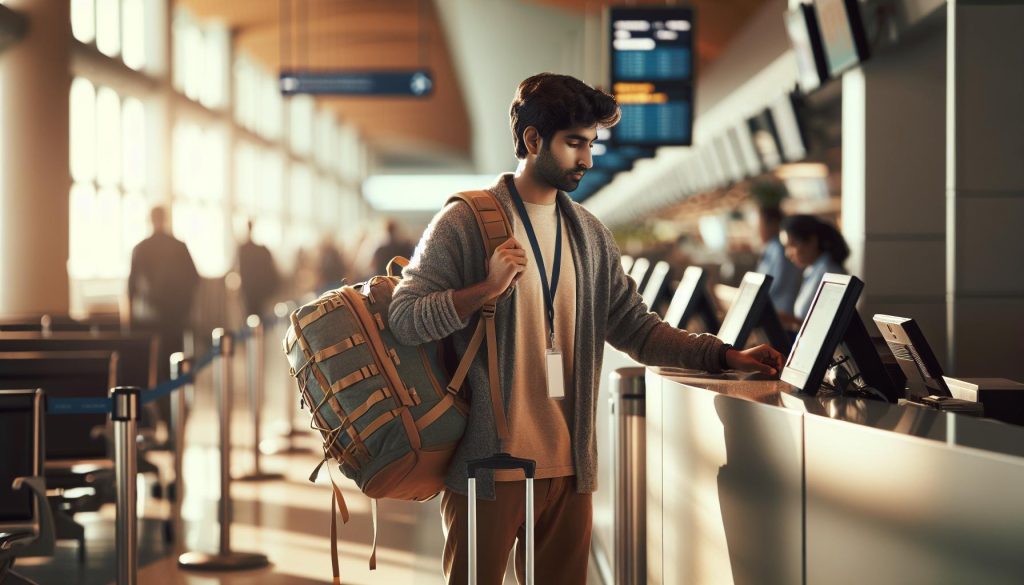
When it comes to air travel, packing smartly can save you time, money, and hassle. Did you know that most airlines allow you to bring a backpack on the plane as part of your carry-on luggage? This not only gives you easy access to essentials during your flight but also helps you avoid checked baggage fees. Understanding the rules and best practices for bringing a backpack on a plane is crucial for a stress-free travel experience. Whether you’re a frequent flyer or planning your first trip, knowing how to navigate airline policies can enhance your journey and ensure you’re well-prepared for your adventures. Let’s dive into the specifics of backpack travel on planes, from size limits to packing tips, so you can embark on your next trip with confidence and ease!
Can You Bring a Backpack on a Plane: Key Regulations Explained
Bringing a backpack on a plane is generally allowed, but navigating the various regulations is essential for a hassle-free flying experience. The key to understanding these regulations lies in recognizing that each airline may have slightly different policies regarding carry-on baggage. However, most airlines permit passengers to carry one personal item, which often includes a backpack, as long as it fits within the specified dimensions. Typically, the limits are around 18 x 14 x 8 inches, but it’s always best to verify specific size requirements with your chosen airline before departing.
When packing your backpack, consider what you truly need to access during your flight. Essential items like travel documents, electronic devices, medications, and a change of clothes should be placed at the top for easy reach. Moreover, be mindful of the weight-over-packed bags may not only exceed size limits but could also lead to excess baggage fees. An organized backpack will not only streamline your TSA screening process but also enhance your comfort throughout your journey.
Before heading to the airport, familiarize yourself with the security screening guidelines. Liquids must be in containers no larger than 3.4 ounces and packaged in a quart-sized bag. Additionally, any electronics larger than a cellphone may need to be removed from your backpack during security checks. Packing your backpack with these guidelines in mind can expedite the screening process and make your travel experience smoother.
In addressing any special items, such as sporting goods or tools, check with the airline to confirm that they can be transported in your backpack. Items like knives or blunt tools are frequently prohibited in carry-on luggage, requiring you to adjust your packing strategy accordingly. By staying informed and prepared, you can ensure that your backpack travel experience is both enjoyable and compliant with airline regulations.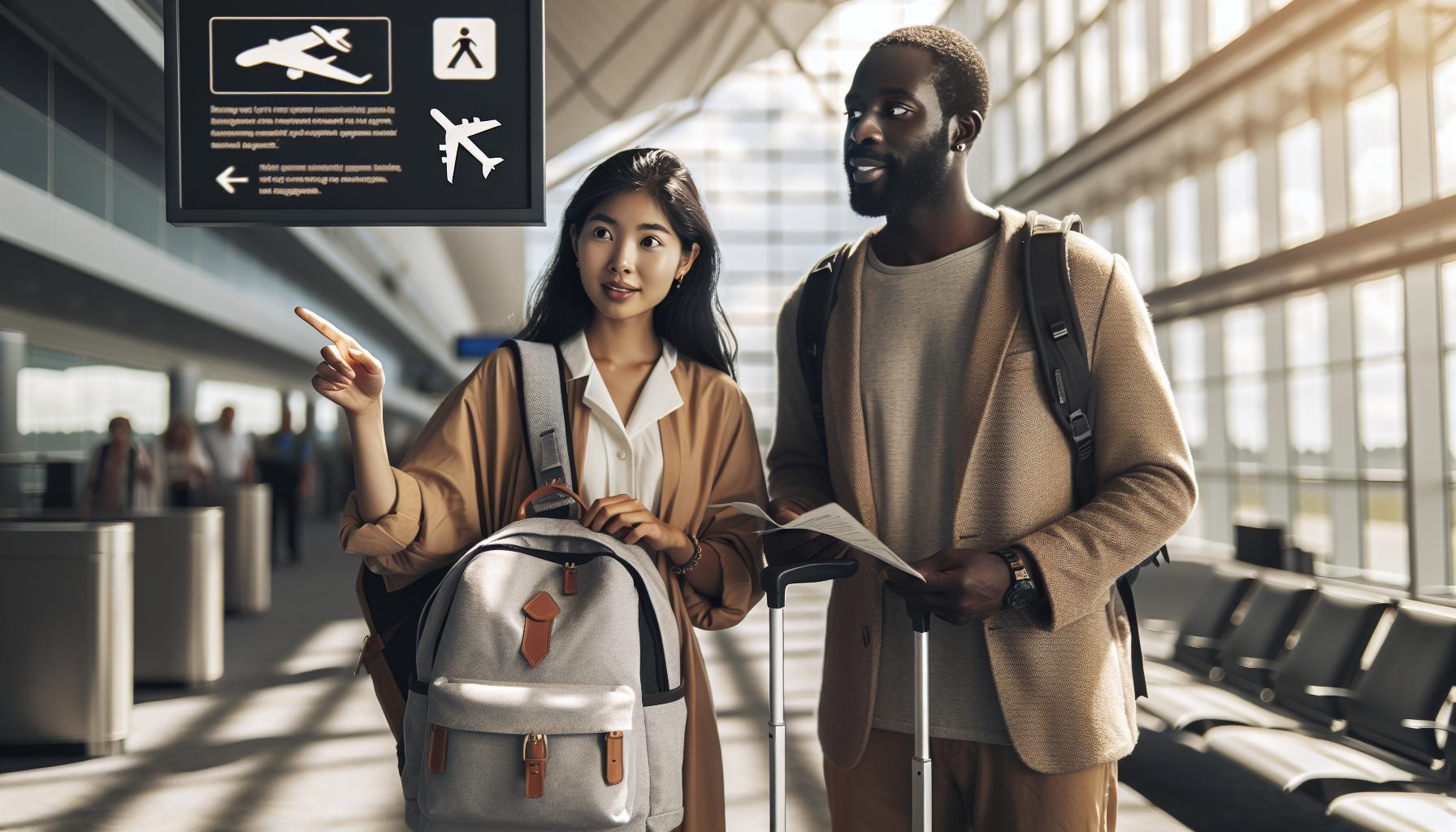
Understanding Carry-On Policies for Different Airlines
Navigating the diverse carry-on policies of different airlines is crucial for a smooth travel experience, especially when it comes to bringing a backpack on a plane. While many airlines allow you to carry a personal item, often categorized as a backpack, their specific requirements can vary significantly. For example, budget airlines may enforce stricter size and weight limitations compared to full-service carriers, making it essential to do your homework before you head to the airport.
Most major airlines permit a personal item that fits under the seat in front of you, which generally includes a backpack as long as it meets their size restrictions-commonly around 18 x 14 x 8 inches. However, these dimensions can differ, so it’s wise to check the airline’s website or contact customer service to confirm their exact guidelines. In addition to size, weight restrictions may apply, particularly if you’re flying on an aircraft with limited overhead bin space. Thus, packing strategically is necessary.
When preparing your backpack, consider the context of your journey. For instance, some airlines, like Delta and American Airlines, offer more lenient policies during peak seasons to accommodate increased passenger numbers, while others may not. Keeping an eye on these variations could save you from unpleasant surprises at the airport. Additionally, familiarize yourself with any specific allowances for items like laptops or cameras, as some airlines may ask you to remove larger electronics from your bag during security checks.
To ensure you have the best experience, it might be helpful to create a checklist of airline policies and pack your backpack accordingly. Use packing cubes to stay organized, enabling you to find essential items quickly while also adhering to size and weight restrictions. Equip yourself with this knowledge, and you’ll navigate the carry-on landscape with confidence, ensuring your travel remains both stress-free and enjoyable.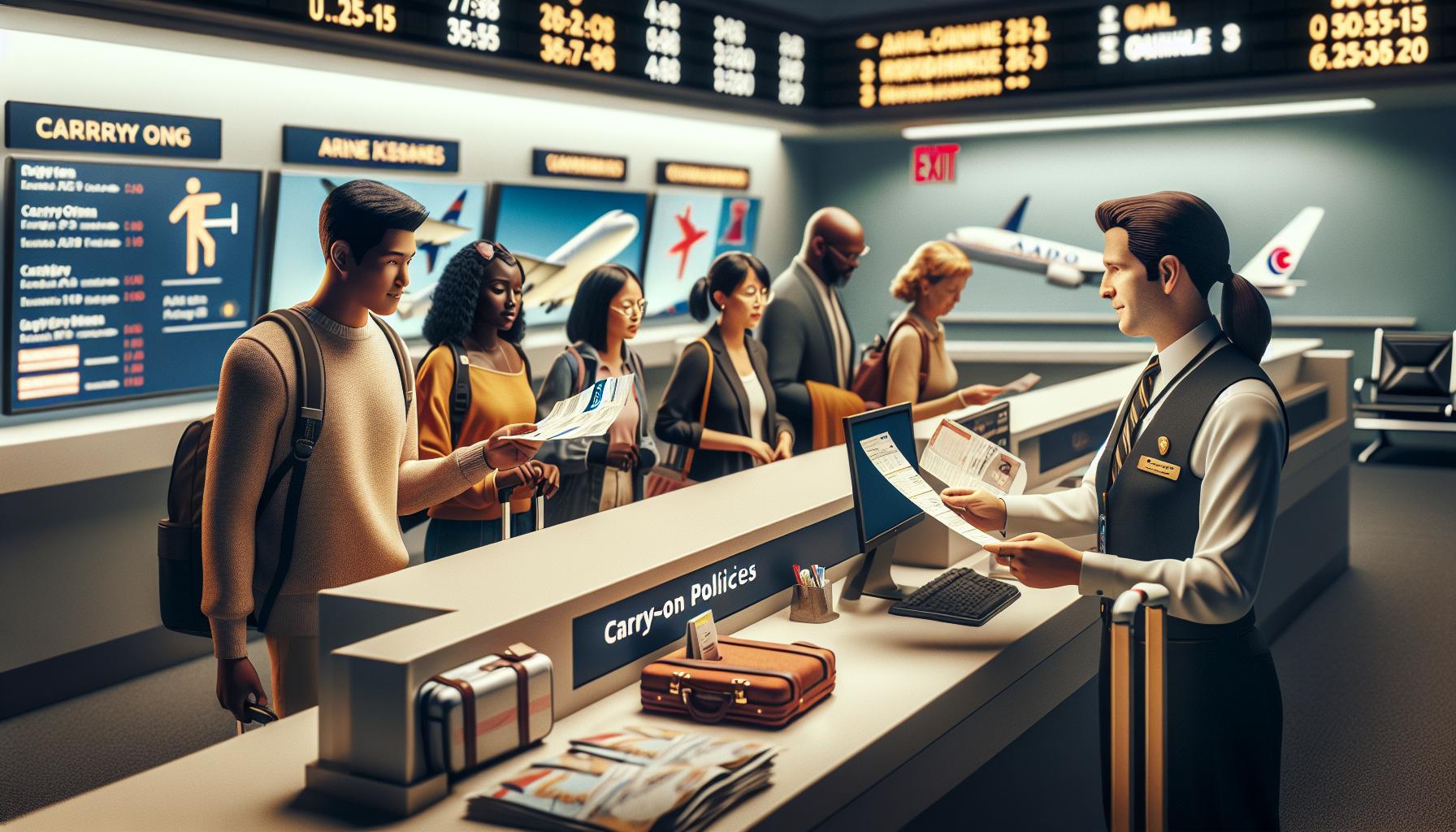
Size and Weight Restrictions: What You Need to Know
Most travelers may not realize that understanding the size and weight restrictions of carry-on luggage is vital for a hassle-free journey, especially when it comes to backpacks. Most airlines allow personal items such as backpacks to be stored under the seat. However, these items must adhere to specific size guidelines that vary by airline. Generally, the average dimensions for a personal item hover around 18 x 14 x 8 inches, but it’s essential to check the precise requirements for the airline you’re flying with.
- Budget Airlines: Many budget carriers have stricter size limitations, often allowing only small backpacks or purses. Overpacking could land you in a situation where you need to check your bag unexpectedly, incurring additional fees.
- Weight Matters: Some airlines also impose weight restrictions, particularly if overhead bin space is limited. A common limit is around 15-20 pounds. If your backpack is packed with heavy items like books or laptops, be prepared to adjust your load.
- Peak Travel Considerations: During busy travel seasons, airlines may adopt more flexible policies or keep them strict depending on demand. Always double-check nearer to your travel date.
To stay compliant, consider investing in a lightweight, compact backpack designed for travel, as these often balance size and weight, allowing for efficient packing. Use packing cubes or compression bags to maximize space and keep your items organized. Remember that, regardless of airline policies, having a well-packed bag not only helps in meeting restrictions but also ensures you have easy access to your essentials during the flight. Prioritize functionality by packing heavier items towards the bottom of your backpack to maintain balance and make it easier to carry during your travels.
Packing Smart: Essential Items for Your Backpack
Traveling with a backpack can be both practical and efficient, allowing you to keep your essentials close at hand while navigating busy airports. To make the most out of your carry-on, it’s crucial to pack smartly. Start by prioritizing items that enhance your comfort and convenience during the flight. Consider lightweight clothing layers that can adapt to fluctuating cabin temperatures, along with a compact travel blanket for extra warmth. Don’t forget to pack a reusable water bottle that you can fill up after passing through security-staying hydrated is key!
When packing your backpack, a well-organized layout can save you significant time and frustration. Utilize packing cubes to keep categories of items separate, making it easier to access what you need without rifling through your entire bag. Essentials like travel-sized toiletries, a portable phone charger, and snacks should be readily available in external pockets or the top compartment for quick access. Ensure that any electronics comply with TSA regulations, meaning they should be easily removable for inspection-having them in an easily accessible section of your backpack is beneficial.
Additionally, it’s wise to include items that promote your well-being while flying. Noise-canceling headphones can help drown out the ambient noise of the cabin, while travel-sized hygiene products like hand sanitizer or face masks can maintain cleanliness and comfort throughout the flight. Finally, don’t overlook the importance of keeping your identification and travel documents secure and easily retrievable, ideally in a specialized pocket or pouch to minimize the risk of misplacing them during your travels. By following these packing strategies, you can enjoy a stress-free flying experience while maximizing the utility of your backpack.
Security Screening: Tips for a Smooth Experience
Navigating security screening at airports can often feel like a complicated puzzle, especially when you’re carrying a backpack. To ensure a smooth experience, it helps to understand the process and prepare accordingly. Did you know that most delays during security checks are caused by unprepared travelers? By following a few easy tips, you can minimize hassles and get through security more efficiently.
First and foremost, familiarize yourself with the Transportation Security Administration (TSA) guidelines. These rules dictate what you can and cannot bring on a plane. For example, liquids, aerosols, gels, creams, and pastes in your backpack should be in containers of 3.4 ounces (100 milliliters) or less and packed in a single quart-sized bag. Make sure this bag is easy to access, as you’ll need to place it separately in a bin for screening. This simple organization can save you time and prevent unnecessary delays.
When it comes to electronics, such as laptops and tablets, you’ll need to remove them from your backpack and place them in a separate bin as well. To prepare for this, consider choosing a backpack with a dedicated laptop compartment, enabling quick access when needed. Additionally, keep your chargers and cables together in an external pocket. This setup not only keeps your tech organized but also speeds up the process when approaching the X-ray machine.
Lastly, be mindful of the items in your backpack that could raise flags during the screening process. Avoid packing sharp objects, or any prohibited items such as self-defense tools, as these can require further inspection or lead to having your bags flagged. Instead, focus on packing essentials like a reusable water bottle (which you should fill after passing through security), travel-sized hygiene items, and snacks that comply with TSA rules. Always remember to remain patient and courteous to the security personnel; a polite attitude can go a long way in easing any potential stress during your screening.
By being proactive and well-organized, you can breeze through airport security and enjoy a more relaxed start to your journey.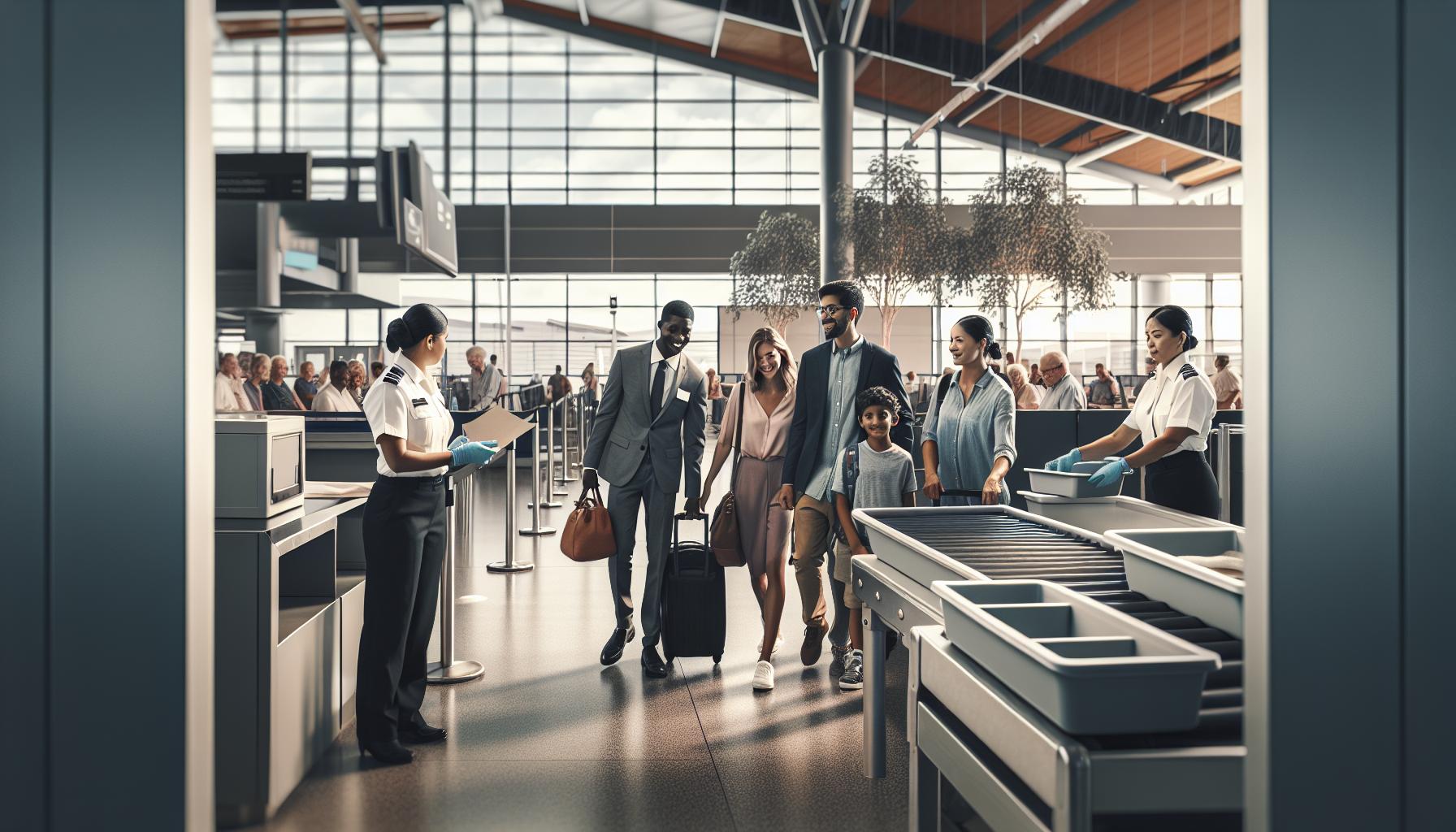
Airline-Specific Variations: Navigating the Rules
Airlines often have unique rules and policies regarding carry-on luggage, including backpacks, that can vary significantly from one carrier to another. For travelers, knowing these specifics can mean the difference between a smooth boarding experience and the frustration of unexpected fees or having to check your bag at the gate. While all airlines adhere to the TSA guidelines, they have latitude when it comes to their own restrictions.
Some airlines, particularly budget carriers like Spirit and Frontier, may impose stricter size limitations on backpacks, necessitating that the bag fits entirely within specified dimensions. For instance, a common allowance is a maximum dimension of 18 x 14 x 8 inches. In contrast, larger carriers such as Delta and American Airlines tend to offer more generous allowances, sometimes permitting bags up to 22 x 14 x 9 inches. It’s essential to check the specific airline’s website beforehand, as dimensions are rigorously enforced, and being over the limit can result in additional fees at the gate.
- Spirit Airlines: Limit of 18 x 14 x 8 inches; fees apply for larger carry-ons.
- Delta Airlines: Allow max dimensions of 22 x 14 x 9 inches; generally lenient with enforcement.
- Southwest Airlines: Similar to Delta, with a focus on accommodating larger backpacks without fees.
- Ryanair: Stricter dimensions of 16 x 8 x 10 inches, with strict enforcement.
Beyond size requirements, different airlines may also differ in how they handle personal items in addition to your backpack. Some allow for a personal item, such as a purse or laptop bag, that can fit under the seat in front of you. Others may not be as flexible and could classify your backpack as your only carry-on item. Furthermore, understanding the boarding processes-such as priority boarding options-can give you an edge, ensuring your bag fits in the overhead compartment instead of being gate-checked.
In summary, when preparing for air travel with a backpack, awareness of airline-specific variations in policies is crucial. By checking these details prior to your trip, you can ensure compliance, avoid unpleasant surprises, and enjoy a hassle-free journey.
Traveling with Special Items: Electronics and More
Traveling with electronics in your backpack can be both a necessity and a challenge. Modern air travel has seen a significant uptick in passengers carrying laptops, tablets, and other electronic devices, leading to specific regulations that travelers need to keep in mind. When packing your backpack, remember that most airlines and TSA guidelines require all electronic devices larger than a smartphone to be taken out of your bag during security screening. This means your laptop, tablet, and any larger gadgets should be placed in a separate bin for X-ray scanning.
It’s wise to pack these items toward the top of your backpack for easier access during the security process. Additionally, ensure your devices are fully charged, as TSA agents may ask you to power them on to verify their legitimacy. If they cannot turn on, this could result in further inspection or delays, so being proactive can streamline your travel experience.
Best Practices for Packing Electronics
- Use protective cases: Protect your devices from bumps and drops with padded sleeves or cases. This is especially important if you’re traveling internationally or on rough flights.
- Keep cords organized: Tangle-free packing goes a long way. Use cable organizers to prevent your cords from becoming a jumbled mess, which can save you time and frustration when you need to charge devices on the go.
- Consider a power bank: Many travelers forget to include a portable charger, which can be a lifesaver during long layovers or on flights without charging stations.
- Know the regulations: Familiarize yourself with airline rules for specific electronic devices, as some airlines may have restrictions regarding their use during flight or different charging policies.
When flying internationally, note that airlines and airports may have varying rules regarding electronics, especially regarding what can be used or charged during flights. Always check with your specific airline and the country’s regulations where you are traveling to avoid potential hassles. By adopting these practices, you can enhance your travel experience, ensuring that your electronics remain safe and accessible throughout your journey.
Common Mistakes: What to Avoid When Packing
When embarking on air travel, many travelers underestimate the importance of packing smartly and the common pitfalls that can complicate their journey. One of the most frequent mistakes is overpacking, which can lead to an excessively heavy backpack that not only strains your shoulders but can also exceed airline carry-on restrictions. Understanding the specific size and weight limits for your airline is critical; ensure your backpack fits comfortably in the sizer. If your bag is too bulky, not only will it be unwieldy, but you might also face additional fees or have to check the bag last minute.
Another common oversight involves forgetting to keep essential items easily accessible. Security protocols often require you to remove your laptop and larger devices from your backpack during the screening process. If these items are packed deep within, you’ll waste precious time fumbling through your bag, potentially slowing down the line. To address this, pack larger electronics in an easily reachable compartment, or even consider using a dedicated tech pouch for quick access. Additionally, ensure that all liquids or gels are within the allowed volume and are stored correctly to avoid delays at security-remember, this often means placing them in a resealable plastic bag.
Packing prohibited items is yet another frequent error that can lead to trouble at security checkpoints. Many travelers mistakenly believe specific everyday items-like multi-tools or certain types of pocket knives-are permissible in their carry-on. However, stringent regulations mean these items must be checked instead. Always double-check what items are allowed or prohibited; familiarize yourself with the TSA or relevant security authority’s guidelines well in advance of your trip.
Lastly, failing to prepare for potential in-flight needs can be troublesome. Many travelers neglect to include a small travel kit with essentials like medications, snacks, or sanitizing wipes. Having these items at hand can make your journey more comfortable and can help you tackle any minor inconveniences during your flight. Always think proactively about your travel needs to prevent unnecessary discomfort or hassle. By avoiding these common mistakes, you can ensure a smoother and more enjoyable travel experience.
Traveling Internationally: Additional Considerations
When traveling internationally with a backpack, it’s essential to navigate additional regulations and customs that may vary significantly from one country to another. Before you even pack your bag, familiarize yourself with the country’s specific laws regarding carry-on sizes, restricted items, and customs regulations. Some countries have stricter rules about the items allowed on planes, including specific bans on certain types of knives or tools that may not be prohibited in your home country. Websites such as the International Air Transport Association (IATA) provide up-to-date regulations that can help you stay informed.
When preparing for your international journey, consider the cultural norms and expectations of your destination. For example, while most western countries might be lenient about carrying small electronics, places with more stringent customs laws may require you to declare items such as drones or specific electronic devices. Additionally, certain countries may restrict the carrying of specific publications or items that can be considered offensive or inappropriate. Always check the local laws to prevent customs issues upon arrival.
Another vital consideration is currency and power adaptations. International travel often necessitates having the right currency and understanding local banking systems, which can be as simple as knowing where to find the nearest ATM or how to exchange money efficiently. As for electronics, different countries have various plug types and voltage standards. Invest in a universal power adapter to keep all your devices charged, as being without power in a foreign country can be frustrating and may impact your plans.
Additionally, keep crucial information safe and accessible while keeping your backpack secure during your travels. Utilize packing cubes or pouches within your backpack to categorize items efficiently. This can help not only with organization but also with security. For instance, having your essential documents (like your passport, travel insurance, and emergency contacts) in a dedicated, easily accessible pocket ensures you’re prepared in any situation. This proactive approach can alleviate stress, allowing you to focus more on enjoying your trip rather than worrying about your belongings.
Frequent Flyer Tips: Best Practices for Backpack Travel
Traveling with a backpack can be a liberating experience, especially for those who prefer a more spontaneous approach to their journeys. However, to ensure a smooth trip, it’s important to adopt best practices tailored for frequent flyers. First and foremost, invest in a quality backpack designed for air travel. Look for features such as multiple compartments, a padded laptop sleeve, and water-resistant materials to protect your belongings. This not only helps in keeping your essentials organized but also allows for quick access when going through security.
Planning ahead is key. Before arriving at the airport, familiarize yourself with the regulations regarding carry-on items, specific to the airline you’ll be flying with. Each airline has its own rules regarding the size and weight of carry-on baggage, which can affect whether your backpack will fit in the overhead compartment or need to be checked. To avoid last-minute surprises, measure your backpack and double-check the airline’s requirements so that you can confidently walk through the terminal without the fear of being flagged.
Additionally, packing efficiently will enhance your travel experience significantly. Use packing cubes or compression bags to keep items organized and maximize space within your backpack. Lay out your clothing and gear before packing to ensure you’re not overloading your bag. Remember that layering clothing can reduce the need to pack heavier items, allowing for more versatility while keeping your backpack within the required limits. Always keep essential documents-like your passport, boarding pass, and any medical necessities-in an easily accessible pocket, minimizing delays during security checks.
Finally, consider the security screening process as a critical part of your travel routine. Larger electronics should be stored in a designated compartment to make it easier to remove them for screening. If you pack those items thoughtfully, the process will be much quicker, reducing stress levels and allowing you more time to enjoy your travels. By adopting these practices, you can enhance your flying experience and make the most of your adventures with your trusty backpack.
Alternatives to Backpacks: Other Carry-On Options
Traveling by air often leads to the quintessential question: what to carry your essentials in? While backpacks are a popular choice for their versatility and comfort, there are several other viable options that cater to different needs and preferences. Choosing the right carry-on can enhance your travel experience, making it smoother and more organized.
One alternative is a duffel bag. These bags are spacious and flexible, making them great for those who need to pack a variety of items without being restricted to rigid compartments. Look for duffel bags with shoulder straps for easy carrying, especially when navigating through busy airports. They often have multiple pockets that can help keep your items organized while still allowing for easy access to essentials.
For tech-savvy travelers, a laptop messenger bag or a tech organizer can be an excellent choice. These bags are designed specifically for carrying electronics and often come with padded compartments for laptops, tablets, and power banks. They usually feature a sleek design that keeps you looking professional while providing quick access to your tech gear during security screenings. If you frequently travel with electronics, a dedicated tech bag can save you the hassle of rummaging through your carry-on for chargers or cables.
Another option is a roller bag or carry-on suitcase. Ideal for those who prefer not to carry weight on their backs or shoulders, roller bags allow for easy maneuvering through terminals. Look for models with spinner wheels for 360-degree movement, which can make navigating tight spaces much easier. Many roller bags also come with organizational features such as built-in dividers, making it simpler to separate clothes from electronics.
Lastly, a crossbody bag or a small tote can suffice for minimalists who prefer to pack light. These bags are perfect for day trips or short flights, allowing you to keep your essentials, such as your passport, boarding pass, and perhaps a book or water bottle, within easy reach. They can easily slide under the seat in front of you and are often seen as stylish alternatives to traditional carry-ons.
In summary, while backpacks certainly offer great benefits, these alternatives-duffel bags, messenger bags, roller bags, and crossbody bags-can fit your unique travel style and needs. Whatever you choose, make sure it complies with your airline’s carry-on policies to ensure a hassle-free travel experience.
Emerging Trends in Air Travel: New Rules You Should Know
As air travel evolves, new regulations are frequently introduced that can significantly impact how travelers pack and carry their belongings, especially backpacks. One notable trend has been the increasing focus on security and the safety of both passengers and crew. The rise in global awareness around issues like terrorism has led to stricter measures at airports, including enhanced screening procedures. For instance, travelers may notice that certain types of backpacks with hidden compartments or unauthorized protective gear could raise flags during security checks.
Additionally, the growing use of technology in air travel is shaping the rules surrounding carry-on items. Airlines are increasingly implementing mobile apps and digital boarding passes, simplifying the boarding process for passengers. This shift necessitates adjustments in how we manage our carry-on luggage. Travelers should consider utilizing backpacks with built-in compartments or dedicated pockets for electronic devices, which can streamline the process at security checkpoints. Furthermore, some airlines are now enforcing size regulations more rigorously to ensure that even smaller backpacks fit comfortably under seats or in overhead bins. It is advisable to check with your airline for specific dimensions before your travels.
Sustainability is another emerging trend influencing the travel landscape. Some airlines are encouraging passengers to minimize their carbon footprint by bringing on fewer personal items or transitioning to eco-friendly luggage options. This initiative invites travelers to rethink not just what they pack, but how they pack it. Choosing lighter materials and more versatile backpacks can lead to a more environmentally conscious travel experience while still accommodating everything you need for your journey.
In summary, staying informed about these emerging trends can enhance your travel experience. By adapting to changes in airport security protocols, taking advantage of new technology, and considering environmentally friendly practices, you can navigate air travel more smoothly and with greater peace of mind.
Faq
Q: Can I bring a backpack as a personal item on a plane?
A: Yes, most airlines allow a backpack as a personal item in addition to a carry-on bag. It should fit under the seat in front of you. Always check the specific airline’s policy for dimensions and restrictions.
Q: What should I not pack in my backpack for a flight?
A: Avoid packing items prohibited by TSA, such as sharp objects, liquids over 3.4 ounces, and flammable materials. For a comprehensive list of prohibited items, refer to the TSA website.
Q: How do I maximize space in my backpack when flying?
A: To maximize space, roll your clothes instead of folding them, use packing cubes, and fill every available pocket. Prioritizing essential items can also help reduce bulkiness.
Q: Are there size restrictions for backpacks on flights?
A: Yes, most airlines have size restrictions for backpacks. Typically, the maximum dimensions for a carry-on bag range from 22″ x 14″ x 9″ to 24″ x 16″ x 10″. Always verify with your airline before you travel.
Q: What is the best way to secure valuables in my backpack during a flight?
A: Store valuables like passports, electronics, and money in inner pockets or a dedicated pouch within your backpack. Consider using a lock or security strap for added safety when resting your bag.
Q: Can I bring a backpack with a laptop on a plane?
A: Yes, you can bring a laptop in your backpack. However, you’ll likely need to remove it during security screening. Make sure to place it in an easily accessible area of your bag for quick access.
Q: How do I prepare my backpack for airport security?
A: Pack your backpack with easy access in mind. Store liquids, gels, and electronics in designated pockets so they can be removed quickly during screening. Familiarize yourself with TSA rules for a smoother process.
Q: Is it better to check my backpack or carry it on?
A: Carrying your backpack on is generally better if you want to avoid baggage fees and ensure your belongings are with you. However, if you have heavy or oversized items, checking may be necessary.
Key Takeaways
Now that you’re equipped with essential insights on traveling with a backpack, don’t let uncertainty hold you back from your next adventure. Remember, understanding airline policies on carry-ons is key to a smooth journey, and knowing what to pack can make all the difference. If you still have questions about maximizing your packing efficiency or exploring the right gear for your trip, be sure to check out our detailed guides on travel essentials and packing tips.
Join our community by signing up for our newsletter to receive the latest travel tips and gear reviews straight to your inbox. Don’t forget to share your experiences and insights in the comments below-we love hearing from fellow travelers! Explore more articles on backpack options, travel safety tips, and gear comparisons to enhance every trip you take. Keep your wanderlust alive!