When planning your next trip, packing your essentials efficiently can make all the difference. Many travelers wonder about the TSA regulations around carrying both a backpack and a duffel bag on board a flight. Understanding these rules can enhance your travel experience, ensuring you maximize your carry-on without running into hassle at security. Whether you’re a seasoned globetrotter or setting off on your first adventure, knowing what you can bring helps you pack smarter, keep your belongings organized, and comply with airline guidelines. Continue reading to discover how to navigate the TSA rules effectively, so you can travel with confidence and ease.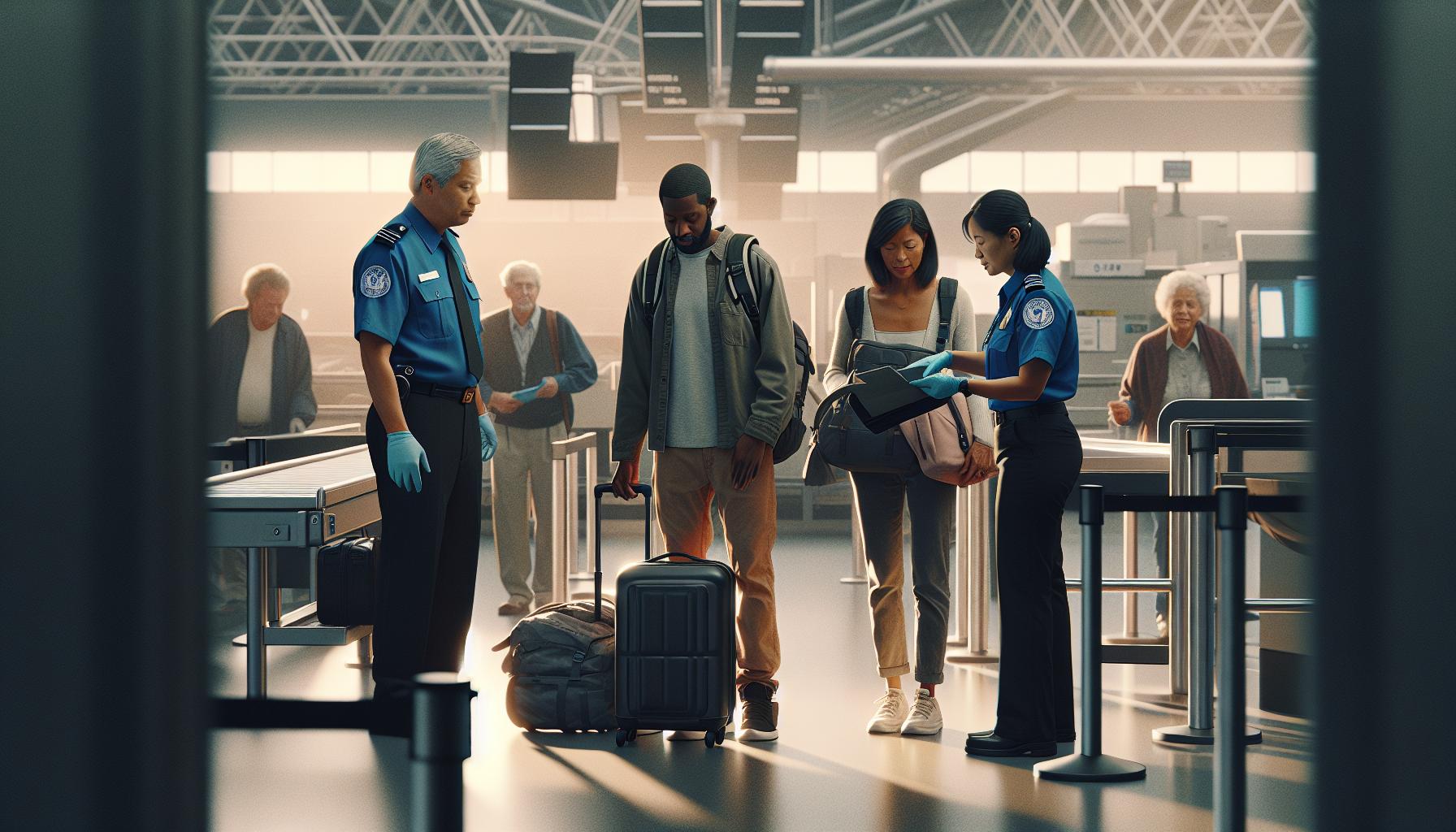
Can I Bring Both a Backpack and a Duffel Bag on a Plane?
Packing efficiently for air travel can often feel like a puzzle, especially when it comes to determining which bags you can bring on board. Fortunately, many travelers wonder if they can bring both a backpack and a duffel bag on a plane, and the answer typically lies in understanding the airline’s specific policies regarding carry-on baggage. Most airlines allow passengers to bring one carry-on bag plus one personal item, which could range from a backpack, a duffel bag, or a handbag, depending on what fits their size requirements.
When considering both a backpack and a duffel bag, it’s essential to check the size limits set by your airline. Most airlines have restrictions, typically around 22 x 14 x 9 inches for carry-on bags, but this can vary significantly. Airlines like Southwest or Delta offer flexible options, often permitting two items as long as the combined size fits within the carry-on limits. Therefore, if your backpack and duffel bag collectively meet the size regulations and can be stored in the overhead bin or under the seat, you should be in the clear to board with both.
Additionally, think about the practicality of carrying both bags. A backpack is great for keeping essential items accessible, while a duffel can hold bulkier clothing or gear. However, make sure to distribute weight evenly to prevent discomfort while navigating through the airport. Some travelers find it beneficial to use a backpack as their personal item, filled with valuables and items they want quick access to during the flight, while the duffel serves as the primary carry-on. By planning your packing strategy accordingly, you can maximize the benefits of bringing both types of bags without facing surprise fees or complications during boarding.
Remember, when in doubt, always check your airline’s website or contact customer service for the most accurate and updated policies. This proactive step not only saves time but also ensures a smoother journey as you embark on your travels.
Understanding TSA Carry-On Rules
Understanding the rules around carry-on luggage can significantly ease your travel experience, particularly when considering bags like backpacks and duffel bags. The Transportation Security Administration (TSA) has established guidelines that are crucial for travelers to know, especially regarding the dimensions, quantity, and contents allowed in carry-on luggage.
Most airlines align with TSA standards by permitting one carry-on bag and one personal item per passenger. A backpack typically falls under the category of a personal item, while a duffel bag often qualifies as a carry-on. But it’s essential to remember that the dimensions for carry-on bags commonly hover around 22 x 14 x 9 inches. Checking your airline’s specific rules is paramount since size restrictions and definitions of personal items can vary. For illustration, while a duffel bag could potentially serve as a personal item if it’s on the smaller side, larger models may only be classified as carry-on luggage.
When you arrive at the airport, the way you pack can also influence your efficiency at the TSA screening process. Ensure that your backpack includes easily accessible items such as travel documents, electronics, and medication, as these may need to be removed for screening. Meanwhile, your duffel can accommodate heavier clothing or gear, thus keeping your backpack lighter and easier to maneuver. Distributing weight wisely not only optimizes space but also reduces fatigue as you navigate terminals.
In summary, to successfully bring both a backpack and a duffel bag aboard an aircraft, confirm their sizes align with airline rules and plan your packing strategy. This approach allows you to make the most of your travel without running into complications at security checks. Always prioritize checking your airline’s guidelines, as practices can differ widely, ensuring a smooth journey from start to finish.
Limitations on Backpack and Duffel Bag Sizes
Travelers often find themselves needing the flexibility to carry multiple bags, yet size restrictions can complicate their plans. When considering a backpack alongside a duffel bag, understanding the limitations on their sizes is crucial for an uneventful boarding experience. Most airlines adhere to standardized dimensions for carry-on luggage, with specifications commonly capping at around 22 x 14 x 9 inches for carry-ons. This means that any bag exceeding these measurements may need to be checked, resulting in added costs and inconveniences.
Backpacks can typically serve as your personal item, provided they are compact enough to fit under the seat in front of you. Conversely, duffel bags, depending on their size, often qualify as carry-on luggage if they adhere to the dimensions mentioned above. For travelers hoping to maximize their carry-on allowance, it’s essential to choose a backpack that is both lightweight and capable of comfortably accommodating essentials. For example, a slim-profile backpack can efficiently house items such as your laptop and travel documents, while a more spacious duffel bag can manage heavier items like clothing and shoes.
When selecting your bags, also consider the layering of items. Pack heavier items at the bottom of your duffel, which keeps the weight distributed evenly and makes for easier lifting into overhead bins. It’s also wise to check your airline’s bag policy before you travel, as different carriers may have varied definitions of a personal item versus a carry-on. Moreover, knowing the limitations on size not only helps you pack better but also streamlines the security screening process once you reach the airport.
Remember, even if you choose a backpack and a duffel bag that meet size restrictions, efficient packing will enhance your travel experience. Avoid overstuffing either bag and prioritize essential items that you may need quick access to during the flight. By being mindful of these guidelines, you can confidently navigate airport regulations and enjoy a hassle-free journey.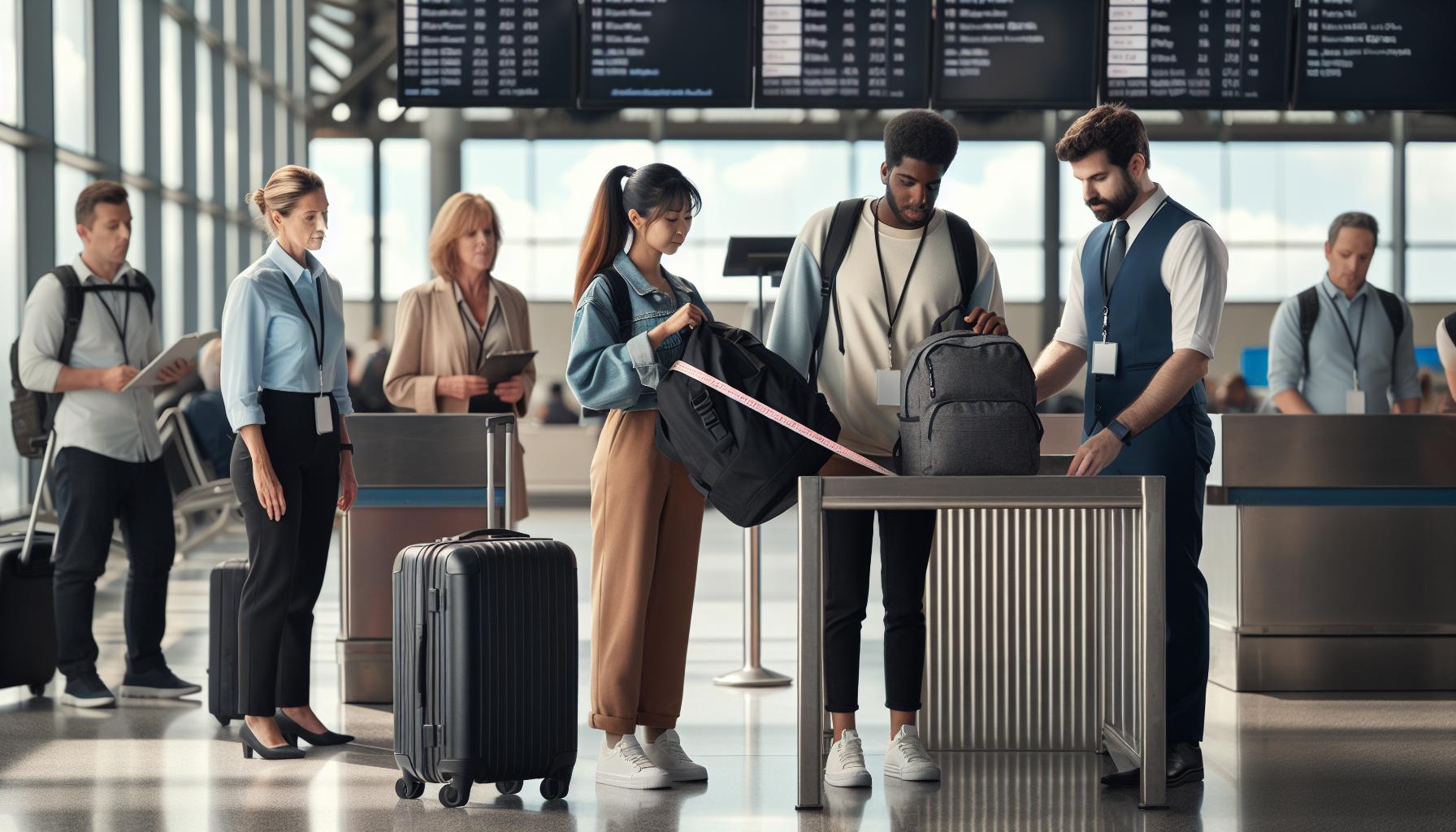
Navigating Personal Item Policies for Airlines
Understanding the nuances of airline personal item policies can make a significant difference in your travel experience, especially if you plan to bring both a backpack and a duffel bag on board. Many airlines allow passengers to carry one larger item, such as a duffel bag, along with a smaller personal item, typically considered a laptop bag, briefcase, or a compact backpack. However, it’s crucial to familiarize yourself with the specific guidelines set by your airline, as policies can vary widely.
To begin, let’s clarify what qualifies as a personal item. Generally, a personal item must be small enough to fit under the seat in front of you. Most airlines specify dimensions for personal items, usually not exceeding 18 x 14 x 8 inches. A slim, lightweight backpack can often meet these requirements while providing ample space for essentials like travel documents, a tablet, or snacks. In contrast, a duffel bag typically functions as a carry-on, provided it adheres to the airline’s carry-on size restrictions, which commonly cap at around 22 x 14 x 9 inches. Making thoughtful choices about which bag to use for which purpose can ensure compliance and avoid unexpected fees.
When packing, it’s advantageous to layer items according to your needs. To facilitate quick access in-flight, keep essentials in your backpack while placing bulkier items like clothes in the duffel bag. This strategy not only optimizes available space but also streamlines the boarding process, allowing you to focus on getting settled quickly. Moreover, be mindful of your airline’s policies regarding weight limits for carry-ons, as exceeding these can lead to additional charges.
Finally, it’s wise to double-check your airline’s website for any updates or changes to their baggage policies before traveling. Being informed and prepared will enhance your overall travel experience, allowing you to navigate the airport with confidence and ease. By understanding how to effectively utilize both a backpack and a duffel bag, you’ll be well-equipped for a successful journey.
Choosing the Right Combination for Your Travel Needs
When planning your travel, the combination of a backpack and a duffel bag can be a winning strategy, offering both convenience and functionality. Many travelers find that the flexible nature of a duffel bag pairs well with the easy accessibility of a backpack, allowing for a smoother journey, especially through security checkpoints and boarding gates. By thoughtfully selecting the right bags, you can tailor your travel experience to meet your specific needs, making it more enjoyable and efficient.
Choosing the right combination begins with understanding the intended use of each bag. A backpack is typically better suited for items you may need to access frequently-think travel documents, electronics, snacks, or a light jacket. Ensure your backpack meets airline guidelines for personal items, allowing it to fit easily under the seat. On the other hand, opt for a duffel bag that maximizes storage space for bulkier items like clothing, toiletries, and perhaps even a pair of shoes. When selecting your duffel, check its dimensions against your airline’s carry-on size restrictions to avoid potential issues at the gate.
An effective approach is to consider a layering strategy for packing. Place heavier items at the bottom of your duffel, and use packing cubes or compression bags for organization. This not only maximizes space but also promotes quick access to essentials in your backpack. For example, when waiting at the airport or during the flight, having your most-needed items at your fingertips can greatly enhance your comfort and convenience. Additionally, ensure that any liquids or sharp objects comply with TSA requirements to facilitate a smooth security screening process.
To further optimize your travel efficiency, it’s essential to evaluate your destination and trip duration. If you’re heading out for a week-long adventure, a larger duffel might be necessary, while short trips could be well-served by a smaller duffel paired with a medium-sized backpack. Ultimately, by choosing the right combination that balances storage capacity, accessibility, and compliance with airline rules, you set the stage for a hassle-free travel experience.
Packing Tips for Efficient Use of Space
Packing efficiently is key to maximizing space when you travel with both a backpack and a duffel bag. The primary goal is to ensure that every inch of both bags is utilized effectively while still allowing you easy access to your essential items. One popular method for achieving this is the use of packing cubes. These lightweight storage solutions help compartmentalize your clothing and gear, making it easier to find what you need without digging through your entire bag. By folding and stacking your items neatly inside these cubes, you create a more organized packing strategy that fits snugly in your duffel bag.
Another effective technique is to roll your clothing instead of folding it. Rolling minimizes wrinkles and allows for a more compact packing style, which can significantly increase the amount of clothing you can fit into any travel bag. Combine this rolling method with the packing cubes for an organized and visually accessible layout, which is crucial when you may need to pull out an item quickly before a flight.
Make the most of available pockets in both your backpack and duffel. Keep your backpack packed with items you’ll need access to during the flight, such as a water bottle, snacks, a book, or electronics. Meanwhile, your duffel can hold bulkier items that aren’t needed until you reach your destination. For maximum efficiency, consider placing heavier items on the bottom of your duffel to keep it balanced, which can make it easier to carry and prevent strain on your shoulders when lifting your backpack.
For even more optimization, categorize your items based on usage frequency. Place frequently used items in your backpack or in easy-to-reach compartments of your duffel, while stowing away less essential items deeper in the bag. This strategic approach not only organizes your belongings better but also saves time when you need to grab something urgently at the airport or during your travels. Remember to always check TSA guidelines for item restrictions, especially concerning liquids and sharp objects, to ensure a smooth security experience.
Common Mistakes When Traveling with Multiple Bags
Traveling with multiple bags can be both a convenience and a challenge, especially when you need to navigate TSA rules and airline policies. One common mistake that many travelers make is underestimating the importance of understanding the specific limitations associated with each type of bag. For example, while you may assume that a backpack and a duffel bag count as personal and carry-on items, airlines often have differing definitions of what constitutes an allowable personal item. It’s crucial to check each airline’s policy before you pack to avoid any surprises at the gate.
Another frequent error is overpacking. Travelers often fill both bags to the brim, mistakenly thinking they will easily maneuver them through security and boarding. Overpacked bags can lead to frustrations, such as being forced to check a bag unexpectedly or struggling to handle both bags in crowded spaces. Instead, aim for a minimalist approach, focusing on essentials to ensure you can comfortably carry both bags without compromising on important items.
Additionally, many travelers fail to optimize the packing of their bags. Keeping frequently used items, like travel documents or electronics, buried at the bottom of a duffel can waste precious time and create unnecessary stress. Instead, designate pockets or compartments in your backpack for these essentials, allowing for quick access during security checks or while on the plane.
Lastly, not being aware of TSA security procedures can lead to delays or complications. Items in both your backpack and duffel must comply with TSA guidelines, particularly regarding liquid restrictions and prohibited items. Inform yourself about these regulations in advance to ensure that everything you bring on board is permitted, making your travel experience smoother and more enjoyable. By avoiding these common pitfalls, you can enhance your travel efficiency and arrive at your destination with ease.
Security Screening: What You Need to Know
Navigating through security screening can feel like a maze for travelers carrying both a backpack and a duffel bag. Understanding what you can bring and how to prepare for the screening process is crucial to ensure a smooth experience at the airport. One important thing to remember is that both your backpack and duffel bag will be screened separately, which means you’ll need to organize their contents to facilitate the process. Items like laptops and liquids must be easily accessible since they typically need to be removed from your bags during screening.
Key TSA Guidelines
When preparing for security, it’s helpful to know the guidelines set forth by the TSA regarding what items can be carried in each type of bag. Common restrictions include:
- Liquids: Bring only travel-sized containers of liquids, gels, or aerosols (3.4 ounces or less), and place them in a single quart-sized clear plastic bag.
- Electronics: Larger electronics, like laptops and tablets, need to be removed from your bags and placed in separate bins during screening.
- Prohibited Items: Familiarize yourself with the full list of prohibited items, which can be checked on the TSA’s What Can I Bring? page.
By efficiently packing your backpack and duffel bag with these considerations in mind, you can streamline the process, minimizing the risk of delays or complications.
Strategies for Smooth Screening
To further enhance your experience at security checkpoints with two bags, consider adopting a strategy that focuses on organization. For instance, use packing cubes or separate sections within your backpack for quick access to documents, electronics, and liquids. This way, when you reach the conveyor belt, you can swiftly separate your items without scrambling to find what you need. Additionally, keeping your boarding pass and ID ready will help to expedite your passage through the security checkpoint.
When you arrive at the security screening area, pay attention to the flow of movement in the line. Being aware of the layout can help you position your bags for quicker access to remove items as needed. Finally, understanding that each airport may have slight variations in procedures can prepare you for any additional requests from TSA officers, ensuring an efficient screening process regardless of your travel location.
Tips for Smooth Boarding with Two Bags
Navigating the boarding process with both a backpack and a duffel bag can be a breeze if you approach it with a strategic mindset. First, consider the layout of your bags. A well-organized setup not only speeds up the boarding process but also ensures that you have quick access to essential items like your boarding pass, ID, and any electronics that may need to be extracted during security checks. For instance, place your smaller, frequently used items in your backpack for easy access while your duffel can hold larger items or those you won’t need until you’re settled in your seat.
When it comes to the boarding process itself, timing is crucial. As the boarding announcement is made, ensure that you are positioned near the front of your designated boarding group. This allows you to board early and find space for both bags in the overhead bins or under your seat. While larger items like duffel bags typically go in the overhead bin, a backpack can often be stowed beneath the seat in front of you, making it simple to grab during the flight as needed.
It’s also wise to keep the weight distribution in mind. If your duffel is significantly heavier, consider how you will carry both bags comfortably while maneuvering through the aisles. Using a backpack with padded straps can help alleviate some of the strain on your shoulders, while a duffel bag with both a shoulder strap and handles allows for versatile carrying options. Ultimately, the key to a smooth boarding experience lies in preparation, organization, and sensible packing to ensure that both bags meet airline regulations and fit comfortably in the aircraft’s limited space.
Alternatives to Backpacks and Duffel Bags for Travel
When it comes to finding , there are a plethora of options designed to cater to various needs and preferences, ensuring you can stay organized and comfortable while adhering to TSA guidelines. One popular alternative is the rolling suitcase, which offers the advantage of portability with added capacity. With a rolling suitcase, you can easily navigate through bustling airport terminals without straining your back or shoulders. Look for lightweight options with spinner wheels for smooth maneuverability, and remember to check each airline’s size regulations to ensure compliance.
Another functional option is the travel tote bag, which combines style with practicality. These bags generally have a larger capacity than a standard handbag and often feature multiple compartments for better organization. A travel tote can hold essentials such as a laptop, snacks, and a change of clothes, making it an excellent companion for day trips or short flights. To maximize its usage, choose a tote made from durable, water-resistant material that can withstand the rigors of travel.
If you’re heading on an outdoor adventure or a longer trip, consider a weekender bag. A weekender is typically larger than a standard duffel but still compact enough to meet carry-on requirements. These bags are designed to be stylish yet functional, and many come with additional features such as detachable shoulder straps and multiple pockets for quick access to essentials. Weekenders are perfect for those who need to pack various items from clothing to gear but prefer to travel light.
For those invested in environmentally friendly travel, options such as upcycled or eco-friendly bags have gained popularity. Brands focusing on sustainability often offer unique designs made from recycled materials or ethically sourced fabrics. Not only do these bags serve a practical purpose, but they also contribute to a more sustainable travel experience.
As you evaluate these alternatives, consider your travel style and destination to choose the most suitable option. Each of these alternatives can provide added versatility, allowing you to travel comfortably while staying within the airline regulations.
Travel Strategies for Managing Multiple Luggage Types
When traveling with multiple pieces of luggage like a backpack and a duffel bag, strategic planning can make your journey smoother and more enjoyable. First and foremost, understanding the specific regulations of the airline you’re flying with is crucial, as policies can vary significantly between carriers and may affect how you combine bags. Generally, most airlines allow one carry-on bag and one personal item, which can usually be a smaller backpack or a larger tote. Make sure to check the dimensions and weight limits, as exceeding them can lead to additional fees or inconvenience.
Incorporating efficient packing strategies can also aid in managing multiple bags. Prioritize packing essential items and distributing weight evenly across both bags to ensure comfort while navigating through the airport. Consider using packing cubes or compression bags to maximize space and keep items organized, allowing for quicker access when needed. Lightweight bags can also reduce strain when carrying both bags, making it easier to maneuver your way through security lines and boarding gates.
Using a system of prioritization can streamline your travel experience. Place heavier items such as shoes and toiletries in your duffel bag, which you can check if necessary or stow in overhead compartments, while lighter, frequently-needed items like electronics, travel documents, and snacks should be kept in the backpack that stays at your feet. This approach not only keeps your essentials close at hand but also aligns with TSA regulations regarding the types of items allowed in your carry-on.
Lastly, refining your boarding strategy can further enhance your travel experience. When it’s time to board, position yourself near the front of the line if possible. This allows you to find suitable overhead space for your duffel bag without the rush, and conveniently place your smaller backpack under the seat in front of you. Keeping this separation will make it easier to access items throughout the flight and make your disembarkation more efficient. With these tactics, managing multiple luggage types can be a hassle-free experience, allowing you to travel with confidence and style.
Maximizing Convenience While Complying with TSA Guidelines
When navigating the complexities of air travel, ensuring that your carry-on items comply with TSA guidelines can significantly enhance your overall experience. The Transportation Security Administration (TSA) has specific rules about what you can bring on board, and understanding these regulations not only prevents delays but also makes the security screening process smoother. One fundamental detail to remember is that you are typically allowed one carry-on bag and one personal item, which can include either a backpack or a duffel bag. However, the key lies in packing efficiently and smartly while adhering to TSA regulations.
To maximize convenience while following TSA rules, it’s vital to plan your packing strategically. Keep essential items easily accessible; for instance, travel documents, medications, and electronics should be pack in your personal item-like a smaller backpack or tote-since these are often needed during the security check. When packing liquids, remember the TSA’s 3-1-1 rule: containers must be 3.4 ounces (100 milliliters) or smaller, aggregated in a single quart-sized bag, thus minimizing the hassle during screening.
Another critical point is the security screening process, where your bags will be scanned. Consider using packing cubes to separate your items within your bags. This not only keeps things organized but also allows TSA officers to identify prohibited items quickly if they arise during inspection. When choosing between a duffel bag and a backpack, think about which type provides easier access and comfort based on your travel plans. For instance, a backpack typically leaves your hands free, making it simpler to navigate through crowded terminals.
Finally, if you’re checking your duffel bag due to weight considerations while keeping a smaller backpack, make sure the backpack contains all immediate essentials for your flight, including enough entertainment for the journey. By adhering to TSA guidelines and packing with intention, you’ll ensure a seamless travel experience that allows you to focus on the joys of your trip rather than the logistics of your luggage.
FAQ
Q: Can I take both a backpack and a duffel bag on a plane?
A: Yes, you can typically take both a backpack and a duffel bag, but it’s important to check your airline’s specific policies regarding carry-on and personal items. Most airlines allow one carry-on and one personal item, which can often include a backpack or a duffel bag.
Q: What are the size limits for a backpack and a duffel bag on airplanes?
A: Size limits vary by airline, but standard maximum dimensions for carry-on luggage are usually around 22 x 14 x 9 inches. Ensure both your backpack and duffel bag fit within these guidelines to avoid extra fees.
Q: Do I need to check a bag if I bring two carry-on items?
A: Not necessarily. If both items (a backpack and a duffel bag) meet airline size requirements for carry-ons, you can take them on board. However, if they exceed allowed dimensions, you may need to check one of the bags.
Q: Can I use a duffel bag as a personal item if it fits under the seat?
A: Yes, if your duffel bag fits under the seat in front of you, it can usually be considered a personal item. Always verify with your airline to confirm their specific rules regarding personal items.
Q: How do I pack efficiently when traveling with a backpack and a duffel bag?
A: To pack efficiently, use packing cubes, roll your clothes to save space, and place heavier items at the bottom of your duffel bag. This maximizes capacity and aids in organization [[2]].
Q: What should I avoid packing in my backpack and duffel bag for air travel?
A: Avoid packing prohibited items like sharp objects, flammable materials, and liquids over 3.4 ounces in your carry-on bags. Always check the TSA’s list of prohibited items for safe packing [[1]].
Q: How can I manage my bags neatly during boarding with a backpack and duffel bag?
A: To manage your bags effectively, load your duffel bag first into the overhead compartment, followed by your backpack. This order allows for easier access to your essentials while minimizing disruption to fellow passengers.
Q: What do I do if my backpack and duffel bag don’t fit in the carry-on space?
A: If your bags do not fit in the carry-on space, you may need to check one of them or reorganize your items to better fit airline regulations. Consider removing non-essential items to lighten your load [[3]].
Final Thoughts
As you prepare for your next flight, remember that understanding TSA rules about backpacks and duffel bags can streamline your travel experience. Recall that the key is to check your airline’s specific baggage policies alongside current TSA regulations to avoid any travel hassles. Don’t let confusion derail your next adventure-act now by ensuring you’re fully equipped with the right information.
For deeper insights, explore our articles on TSA baggage rules and tips for successful airport navigation to ensure a smooth journey. If you have lingering questions, engage with our community below or sign up for our newsletter for the latest travel tips. With knowledge as your ally, you can travel confidently and enjoy every moment of your trip!