As you plan your European adventure, packing the right gear can make all the difference. Did you know that many museums across Europe have specific rules regarding backpacks? Understanding these guidelines is essential not just for compliance, but also to enhance your overall experience. In this Travel Smart Guide, we’ll explore whether backpacks are allowed in European museums, highlighting essential tips and practical advice to ensure your visits are smooth and enjoyable. Discover how to navigate these regulations while maximizing your time with art and history, ensuring your travels remain stress-free and memorable. Whether you’re a history buff, an art lover, or a casual traveler, knowing the ins and outs of museum policies will help you plan better and enjoy every moment of your journey.
Are Backpacks Allowed in European Museums? A Comprehensive Overview
In the heart of Europe, where art and history intertwine at every corner, the experience of visiting museums can sometimes be complicated by a common question: Are backpacks allowed? The policies regarding backpacks vary significantly across different museums, often driven by security measures aimed at protecting invaluable collections. Some institutions may request that backpacks be stored in lockers, while others allow them but enforce size restrictions. Ultimately, understanding these guidelines can enhance your visit and mitigate any potential inconveniences.
Many major European museums, such as the Louvre in Paris or the British Museum in London, have specific rules regarding bags. For example, some only permit small backpacks that can comfortably fit under a seat or in designated areas, while larger bags must be checked in at coat checks or left at designated lockers. This is primarily rooted in concerns about safety and ensuring that visitors can navigate crowded spaces without risk to others or to the artifacts on display. It’s wise to check individual museum websites or contact them directly for their specific policies ahead of your visit.
When planning your museum trip, consider alternatives to a traditional backpack that can make your visit more comfortable and hassle-free. A crossbody bag, a waist pack, or a compact tote can offer enough space for your essentials without the bulk. Additionally, travel pouches can be ideal for holding smaller items securely while allowing you to keep your hands free. Remember to always pack light; this isn’t just about comfort, but also about complying with rules that could unexpectedly hinder your experience.
Navigating museum policies efficiently requires foresight. If you’re traveling with larger backpacks or bulky items, plan to arrive early to accommodate any necessary storage time. Many museums offer lockers, but they may be limited in number or size, especially during peak tourist seasons, so arrive prepared. Additionally, familiarizing yourself with each museum’s security measures can help streamline your entry-expect to go through bag checks or metal detectors. By being mindful of your belongings and the specific rules at each location, you can enjoy your visit without unnecessary stress.
Understanding Museum Policies on Backpacks
Navigating the policies around backpacks in European museums can be daunting, especially with the varying regulations across different institutions. Understanding these guidelines is crucial for a seamless museum experience, where art and history beckon without the hindrance of cumbersome baggage. Generally, museums implement these rules not only for security but also to maintain the integrity of the exhibits. For instance, large backpacks can obstruct pathways, pose potential damage risks to priceless artifacts, and create challenges during crowded conditions.
Most museums enforce a range of policies regarding backpack sizes and types. Typically, small backpacks that can be easily handled-often those that fit under chairs or in designated areas-are allowed. Conversely, larger bags may require storage in coat checks or lockers, which can sometimes be limited, especially during peak tourist seasons. Before visiting, it’s prudent to check the official websites of the museums or contact them directly for the most current and specific policy details. Visitors should be prepared for security measures, as many institutions conduct bag checks or use metal detectors to enhance safety.
When selecting a backpack for your museum visit, consider options that align with the museum’s regulations while accommodating your essentials. Ideal choices are lightweight, compact designs that don’t compromise on capacity. In addition, some museums might provide specific storage solutions, such as lockers or secure bag drops, so make note of this when planning your visit. A thoughtful approach to packing can greatly enhance your experience, allowing you to focus on enjoying the exhibitions without unnecessary stress related to your belongings.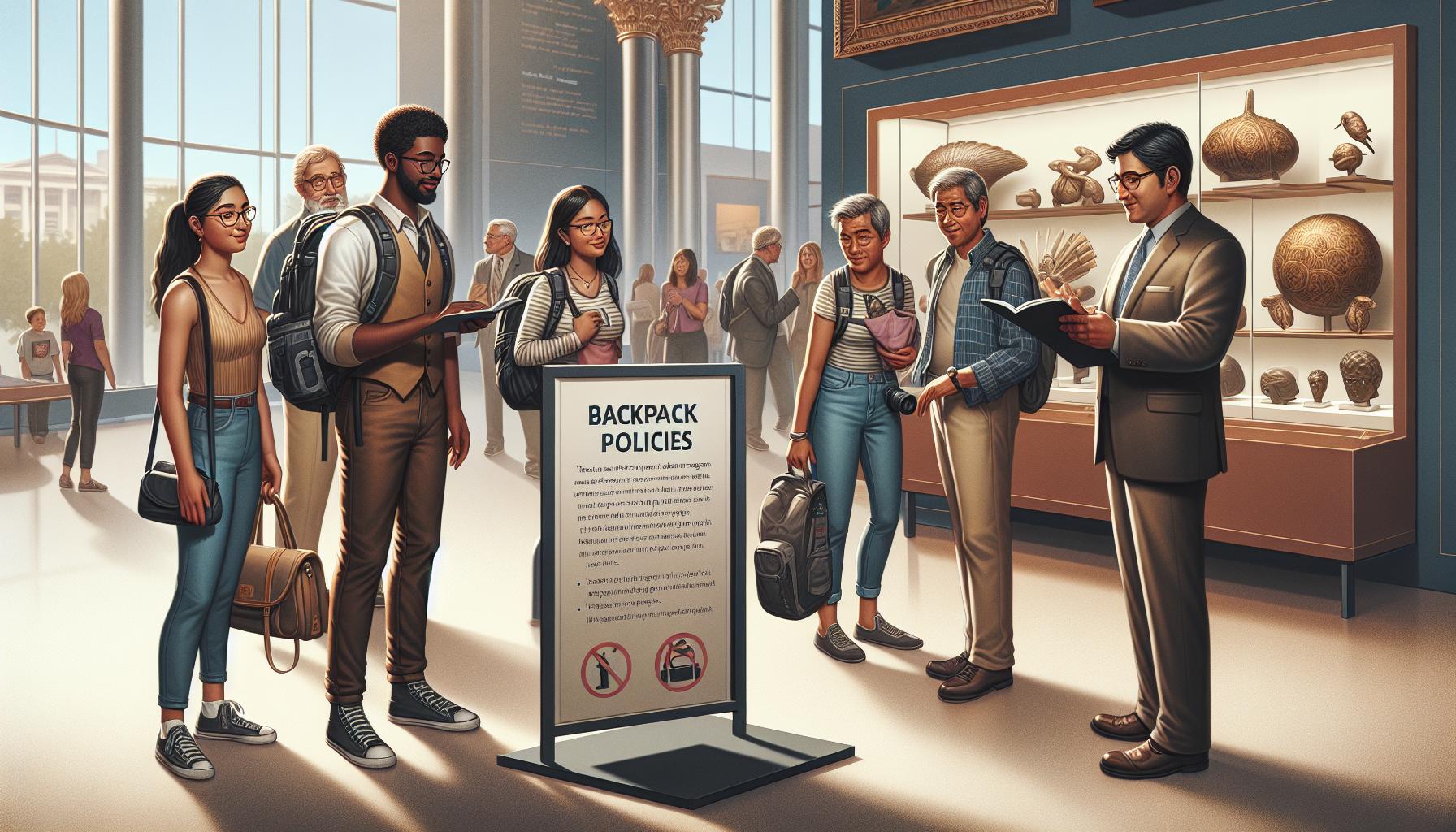
Europe’s Major Museums: Rules on Bags
Many travelers find themselves grappling with the rules around bags and backpacks in Europe’s renowned museums. A common misconception is that all backpacks are prohibited, but the reality is more nuanced. Countries may have specific regulations, and even individual museums can enforce varying policies. Understanding these nuances can significantly enhance your museum experience, allowing you to enjoy the art and history without excessive baggage weighing you down.
In general, large backpacks are discouraged in many prominent institutions. For example, the Louvre in Paris and the British Museum in London have clear guidelines that restrict bulky bags. Visitors are typically asked to store larger items in lockers or coat checks. On the other hand, smaller backpacks or daypacks that can fit under a chair or in designated areas are often permitted, provided they do not obstruct paths or pose risks to the exhibits. It’s essential to check each museum’s website for updated policies before your visit, as well as during peak tourist seasons when regulations might be more strictly enforced.
Another aspect to consider is the design of your bag. Opting for a compact, lightweight backpack can make it easier to navigate crowded galleries. Many visitors have found success bringing messenger bags or slim crossbody bags that meet museum requirements while still holding essential items like water bottles, snacks, and cameras. Noteworthy is that while some museums provide specific storage facilities, such as lockers, these can be limited, especially during busy times. Therefore, planning ahead to understand each museum’s specific rules and facilities can save you time and stress on the day of your visit.
Being mindful of local cultural attitudes towards personal belongings can also influence how you pack for your museum excursions. In some cities, carrying minimal items is the norm, reflecting a more casual approach to daily travel. On the contrary, busy urban areas may require extra caution and consideration for your belongings in crowded environments. In such cases, travel-friendly choices that prioritize safety and convenience-like hidden pockets or anti-theft designs-can enhance your museum-going experience while adhering to regulations.
Alternatives to Backpacks: What to Bring Instead
When visiting European museums, opting for alternatives to backpacks not only adheres to strict policies but also enhances your overall experience. Many museums impose size restrictions on bags for safety and preservation reasons, making it essential to consider what you carry. Instead of struggling with bulky gear, a thoughtful approach to your bag choices can make navigating museum spaces much simpler and enjoyable.
One popular option is the crossbody bag. These bags are compact yet provide adequate space for essentials like water bottles, snacks, and a camera. Look for models with adjustable straps and interior organization features, allowing for easy access to your items while keeping your hands free. Another excellent alternative is the messenger bag, which can be slung over one shoulder and usually has enough room for small books, sketchpads, or tablets without being cumbersome. These bags typically come in various styles and materials, so you can choose a model that matches both your aesthetic and practical needs.
Additionally, consider using a fanny pack or a small waist bag. These options have made a comeback in recent years and offer a secure way to carry essentials without being intrusive. They can comfortably fit close to your body, minimizing the risk of snagging on museum displays or other visitors. Moreover, with hidden compartments, they also provide an extra layer of security for your belongings, which is a valuable feature in the bustling environments of popular tourist attractions.
For those who prefer not to carry any bags at all, wearing clothing with plenty of pockets is another effective strategy. Many travel-friendly outfits come with deep pockets designed to hold various items securely, from your phone to travel documents. This method not only keeps your hands free but also allows you to comply with museum policies effortlessly. Regardless of the option you choose, planning ahead and ensuring your belongings are easily accessible will significantly enhance your museum experience.
Travel Safety Tips for Museum Visits
When exploring the art and history housed in Europe’s renowned museums, ensuring your personal safety and the security of your belongings is paramount. With millions of visitors flocking to these cultural treasures, the combination of crowded spaces and valuable exhibits can create a perfect setting for potential mishaps. Therefore, being proactive and prepared can enhance your experience and safeguard your valuables.
One of the simplest yet effective measures is to travel light. By minimizing what you carry, you reduce the risk of theft and make navigating through crowded galleries much easier. Consider using bags that adhere to museum policies, such as stylish crossbody or messenger bags, which not only comply with size restrictions but also keep your essentials close without being cumbersome. When packing, prioritize essentials like your phone, wallet, and a small water bottle-everything can be tucked away neatly, minimizing bulk.
Furthermore, remain vigilant about your surroundings. It’s advisable to keep your bag closed and close to your body, particularly in busy areas. Pay attention to where you set your belongings down, and choose places that are secure. Use zippers and hidden pockets for valuables to deter potential pickpockets, especially in cafés or during busy exhibitions. Preemptively engaging with museum staff about any safety concerns can also be beneficial, as they are familiar with the venue and can provide localized assistance or safety tips.
Lastly, prepare for the unexpected. Familiarize yourself with each museum’s emergency procedures, such as exits and first-aid stations, often displayed near the entrance or ticketing area. In case of a lost item, know the protocol for reporting it, and remember that many museums have lost and found services. Keeping a digital copy of important documents, like your ID and travel insurance information, can provide peace of mind during your visit. This way, you can focus on the enriching experiences that await within the museum walls, rather than worrying about your belongings.
Dealing with Backpack Restrictions: Practical Advice
Navigating the backpack restrictions of European museums can be a daunting task for travelers eager to explore the rich cultural offerings these institutions provide. Many well-known museums enforce strict regulations concerning bags, prioritizing the safety of their exhibits and the comfort of visitors. To make your experience hassle-free, consider these practical tips for aligning your travel gear with museum policies.
First, always check the specific rules of the museum you plan to visit before heading out. Most museums publish their bag policies on their official websites. Typically, large backpacks are discouraged or even prohibited, while smaller bags or handbags might be permitted. If you find that a backpack is not allowed, opt for a crossbody bag or a small tote that meets size restrictions. These alternatives are not only compliant but also provide easy access to your essentials without compromising your comfort.
Additionally, if you’ve arrived with a backpack and need to address the restrictions, many museums offer secure storage options. Look for lockers or cloakrooms where you can store your larger items for a nominal fee. This way, you can enjoy your visit unencumbered by bulky bags. As a general rule, plan your museum itinerary to drop off your backpack as soon as you arrive, ensuring you can immerse yourself in the art without additional weight on your shoulders.
It’s also wise to pack strategically for museum visits. Limit your personal items to the essentials: a small wallet, a phone, and perhaps a lightweight reusable water bottle. This approach keeps your carry light and compliant, helping you glide through security checks without delays. Arriving prepared with items that fit your body closely-like a fanny pack or a slim backpack, if allowed-will help you navigate crowded exhibits more comfortably.
By taking these precautions and adapting your packing habits to museums’ policies, you can enhance both your comfort and enjoyment while safeguarding the artworks you’ve come to appreciate. With a little planning, the constraints imposed by backpack restrictions can become a non-issue that allows you to fully focus on the immersive experience of exploring Europe’s finest museums.
Best Practices for Storing Your Belongings
When visiting European museums, understanding how to securely store your belongings is essential. Not only do many institutions enforce restrictions on the size and type of bags allowed inside, but proper storage can also enhance your overall experience and peace of mind. Embracing effective strategies helps visitors navigate these requirements while keeping their valuables safe and accessible.
First and foremost, familiarize yourself with your chosen museum’s storage options, which are often detailed on their official websites. Many museums provide dedicated cloakrooms or lockers where you can safely store larger items or backpacks for a small fee. It is advisable to arrive early, especially during peak tourist seasons, as these facilities may fill up quickly. Utilize this opportunity to drop off any unnecessary items right away, allowing you to explore the exhibits unencumbered.
When considering what to bring, opt for a compact and functional bag that aligns with museum policies. Think of a small crossbody bag or a stylish tote that can securely hold your essentials, such as your smartphone, wallet, and a reusable water bottle. This approach not only complies with bag restrictions but also minimizes the risk of losing items or struggling with cumbersome backpacks in crowded spaces. Additionally, consider using slim packing organizers within these smaller bags to keep your items organized and easily accessible.
If you find yourself with a bulky backpack despite the museum’s restrictions, explore nearby cafes or visitor centers that may offer storage services. Keeping your personal belongings in secure locations allows you to avoid the stress of constantly worrying about your gear while you immerse yourself in the culture and art around you. At the same time, always ensure that any items left in storage are clearly tagged and kept secure to prevent mix-ups.
By implementing these , you can focus on enjoying the art and history that European museums offer. Remember, being prepared with the right gear and storage strategies enhances not just your comfort but also your overall museum experience, ensuring you arrive home with memories rather than worries.
Unique Museum Security Measures You Should Know
Many European museums have implemented unique security measures that can significantly impact your visit. Understanding these protocols can help you navigate the experience more smoothly and enhance your overall enjoyment of the exhibits. For instance, some high-profile museums employ advanced surveillance systems, including both video monitoring and motion detectors, to ensure the safety of invaluable collections. This focus on security often leads to stringent bag policies, which are designed to minimize risks. As a result, it’s common to find that large backpacks or bags exceeding specific dimensions may be prohibited entirely.
In addition to regular checks, certain museums have incorporated technology in the security process. For example, automated screening machines that resemble airport security scanners are now used to quickly inspect backpacks and bags at entry points. These setups allow for rapid examination, reducing wait times but also ensuring items like loose change, water bottles, and potentially hazardous materials are identified before entry. Many museums advise visitors to allow for extra time at the entrance to accommodate these checks effectively.
Moreover, each museum may have distinctive rules regarding permitted items. Some institutions allow a small number of personal items, while others may enforce a “no bags” policy altogether. As a practical tip, visitors should check the museum’s website in advance to confirm current regulations. Many museums offer tips for compliance, including recommendations for packing light and using transparent bags where necessary.
An excellent way to prepare for your visit is to bring a foldable, lightweight bag to hold your essentials, which can then be tucked away if not needed. This strategy not only complies with security measures but also spares you the hassle of dealing with larger bags that may slow you down. Ultimately, being well-informed about these unique museum security measures enables you to focus on the enriching experiences awaiting you inside.
Cultural Differences: Pack Light or Not?
Traveling through Europe’s rich tapestry of art and culture can often prompt the question: should you pack light or are larger bags acceptable? This decision can vary widely based on cultural norms and museum policies across the continent. Visitors frequently discover that the approach to personal belongings, particularly backpacks, differs not only from museum to museum but also from country to country.
In nations with high tourist footfalls, such as France and Italy, many major museums enforce strict bag policies aimed at protecting priceless artifacts. For instance, the Louvre in Paris has a comprehensive no-backpack policy inside its galleries. This contrasts with museums in Scandinavian countries, where bag restrictions tend to be less stringent, often allowing visitors to carry small backpacks, provided they adhere to size limitations. Understanding these cultural nuances helps prepare you for a smoother museum experience.
As a rule of thumb, packing light tends to not only align with most European museums’ security measures but also enhances your mobility. Here are some practical tips for what to consider bringing when visiting museums:
- Compact Essentials: A small crossbody bag or waist pack can hold your wallet, phone, and camera without being cumbersome.
- Layered Clothing: Consider wearing layers that can be easily adjusted as you move from outside to indoor environments without needing to carry extras.
- Reusable Water Bottle: Many museums have places to fill up water bottles, keeping you hydrated without the bulk of multiple drink containers.
In Europe, the notion of travelling light aligns well with local customs. Utilizing public transportation is common here, and navigating narrow streets or crowded metro stations is best done without the hindrance of bulky backpacks. Additionally, blending in with the local fashion, which often favors sleek silhouettes over clunky items, can enrich your travel experience. Ultimately, packing light not only respects cultural differences but also simplifies your adventure as you absorb the unparalleled beauty and history Europe has to offer.
Handling Large Backpacks in Crowded Areas
Navigating crowded areas with a large backpack can be a daunting experience, particularly when visiting popular European museums that draw throngs of visitors. Achieving both convenience and courtesy in such environments is essential-not just for your own safety but also for the comfort of fellow museum-goers. Being mindful of your backpack’s size and how you carry it can significantly enhance your experience and that of those around you.
When entering a crowded museum space, consider the following practical tips to handle your large backpack effectively:
- Wear it correctly: If you’re in a situation where carrying your backpack is allowed, ensure it is snug against your back. Adjust the straps so it doesn’t sway while you walk, which can help prevent accidental bumping into people or artwork.
- Utilize the front carry method: For larger bags, try switching to a front carry position. This not only allows you to keep a closer eye on your belongings, but also reduces the space your bag takes up, making it easier to navigate through tight areas or around exhibits.
- Consider using a packing cube: If you must carry larger items, packing cubes can help you compress your belongings, making your backpack more manageable. With a more organized backpack, retrieving items on the go becomes simpler and quicker.
Understanding that many museums may require you to store your bag at a designated area, plan accordingly by arriving early. This ensures you have ample time to drop off your backpack before you immerse yourself in the galleries. Keep in mind that even if a museum allows backpacks, managing them properly is crucial during peak hours; thus, you might still be better off opting for a smaller bag to avoid the hassle entirely.
Being considerate while handling larger backpacks in busy environments not only contributes to a smoother visit for you but also promotes a respectful experience for others. Adopting these guidelines can transform what might otherwise be a cumbersome aspect of exploring galleries into an effortless part of your cultural journey in Europe.
Case Studies: Experiences from Travelers in Europe
Traveling through Europe offers a treasure trove of cultural experiences, but it can also present specific challenges regarding the use of backpacks in museums. Numerous travelers have navigated these environments, each with their unique perspectives on the best practices for managing their bags while exploring Europe’s renowned art and history.
One traveler recounted his visit to the Louvre in Paris, where he encountered a strict no-backpack policy. He opted for a compact crossbody bag instead, which not only met the museum’s requirements but also allowed him easy access to essentials like his camera and wallet. He highlighted that this smaller bag made it easier to move around the crowded galleries, emphasizing that a lighter load could enhance the enjoyment of the artworks without the distraction of a cumbersome backpack.
Another family visiting the Uffizi Gallery in Florence learned the importance of early arrival as well. They arrived with their backpacks, only to discover on-site that storage facilities were limited and required a small fee. By choosing to arrive early and store their bags, they were able to enjoy their time without the burden of carrying extra gear, organizing their visit ahead of time around the museum’s policies. This proactive approach not only saved them from added stress but also allowed them to maximize their time inside the gallery.
In contrast, a couple visiting Spain’s Prado Museum shared a different experience. They had brought along a slightly larger backpack equipped with a hydration system, unaware of the museum’s strict regulations. Upon arrival, they were asked to either store their backpack in lockers or carry only personal items like their phone and wallet. They noted that despite the inconvenience, the decision to travel light once they made it inside contributed to a more pleasant viewing experience, highlighting the ability to fully engage with the art on display without the distraction of their larger bag.
These anecdotes underscore the diversity of experiences regarding museum policies in Europe. Whether through adapting to bag restrictions by packing lighter or strategically planning their visit, travelers have found that being aware of specific museum regulations can lead to a more enjoyable and stress-free experience while absorbing the cultural richness surrounding them. Observing these guidelines not only ensures compliance but also enhances the overall adventure within the realms of art and history.
What You Need to Know About Security Checks
Many visitors to European museums are surprised by the thoroughness of security checks upon entry. In the age of heightened security measures, understanding what to expect can help streamline your museum experience. Most large museums will require guests to pass through metal detectors and have their bags scanned, akin to the process at an airport. Therefore, it’s crucial to arrive prepared and know how to navigate these security protocols effectively.
When you approach a museum, it’s wise to minimize the belongings you carry. This can significantly reduce the time spent in line. Consider using a small, easily accessible bag for essentials like your wallet, phone, and camera. Avoid bringing large backpacks unless absolutely necessary, as many museums have strict limitations on bag size, and you may find yourself needing to check them at a storage location or carrying minimal items only. It’s common for museums to designate specific areas for storing items that exceed size limits or are deemed cumbersome, which may come with a nominal fee.
Be aware that items considered prohibited can vary between museums. Generally, items like outside food and drink, large umbrellas, and photography equipment with a tripod are not allowed. Before your visit, check each museum’s website for their specific rules. This kind of preparation can prevent delays and ensure compliance, allowing for a smoother experience during your trip. Moreover, familiarize yourself with the museum’s layout before arriving. Knowing where the entry points and security checkpoints are can save time, especially during peak travel seasons.
Lastly, consider how to handle any valuables you might be carrying. Use non-descript bags and keep valuable items close and secure. This could mean wearing pants with pockets or opting for bags that can be worn crossbody to minimize vulnerability. By being mindful of security protocols and planning ahead, you can navigate European museums with confidence and make the most of your artistic journey.
Frequently asked questions
Q: Are there any European museums that allow backpacks?
A: Some European museums allow small backpacks or bags. However, most major museums have specific guidelines prohibiting large backpacks for security reasons. Always check the museum’s official website or contact them before your visit for the most accurate information.
Q: What should I carry in my bag when visiting European museums?
A: When visiting European museums, carry essentials like a small wallet, a water bottle, and a light jacket. It’s advisable to use a crossbody bag or a small backpack to comply with museum regulations. Check out our section on “Alternatives to Backpacks” for more ideas.
Q: How do I store my belongings if backpacks are not allowed in museums?
A: Many museums offer lockers or coat check services for storing backpacks and large bags. Arrive early to secure storage space, especially in busy museums. Refer to the “Best Practices for Storing Your Belongings” section for detailed tips on this topic.
Q: Are there special security measures for backpacks in European museums?
A: Yes, European museums often implement strict security measures, including bag checks. Backpacks may require thorough inspection or could be denied entry altogether. Familiarize yourself with each museum’s security guidelines before your visit for a smoother experience.
Q: What are the best travel tips for visiting museums in Europe?
A: Plan your visit during less crowded times, book tickets in advance, and understand each museum’s bag policies. This preparation can enhance your experience and reduce wait times. Our article offers valuable “Travel Safety Tips” to ensure a hassle-free visit.
Q: Can I bring food or drinks in European museums?
A: Most European museums do not permit food and drinks inside to protect the exhibits. Some may have designated areas for eating or drinking. Always check specific museum policies to avoid any inconveniences during your visit.
Q: What can I find in museum shops if backpacks are not allowed?
A: Museum shops offer a variety of items such as souvenirs, books, and art replicas. If you have limited storage, consider visiting the shop after your museum tour so you can safely carry your purchases. Check our “Handling Large Backpacks in Crowded Areas” section for related tips.
Q: Are there any museums that provide bags for visitors?
A: Some museums offer reusable bags or tote bags for visitors when backpacks are not allowed. These bags can be used to carry small personal items. Always inquire at the entrance for available options and check our detailed museum policies outlined in the article.
Future Outlook
As you plan your museum visits across Europe, remember that understanding the policies on backpacks can enhance your experience and ease your travel. If you found this guide helpful, explore our detailed articles on packing tips and maximizing your museum visits to ensure you’re fully prepared. Don’t miss our expert advice on travel essentials and tips for navigating various cultural sites.
Ready to dive deeper? Subscribe to our newsletter for exclusive insights and updates on the best travel practices, or check out our comprehensive gear reviews to ensure you have the best equipment for your adventures. Have questions or suggestions? We love hearing from you-share your thoughts in the comments below! Your journey to smarter travel starts here-let’s explore together!