Are you intrigued by the sleek design and unique utility of a karambit? Making a paper karambit can be a fun and rewarding DIY project, combining creativity with crafting skills. Not only does this activity provide an excellent way to improve your hand-eye coordination and precision, but it also offers a glimpse into the historical significance of this iconic tool, originally used in self-defense and agriculture. As you explore this easy tutorial, you’ll discover step-by-step instructions that cater to both beginners and seasoned crafters. By the end, you’ll not only have a striking paper model but also gain insights into the practicality and artistry of knife-making. Dive in, and let your imagination guide you as you create your own paper karambit!
How to Choose the Right Paper for Your Karambit
Choosing the ideal paper for crafting a paper karambit is crucial to ensuring that your creation not only looks good but also has the structural integrity needed for display or practice. The different types of paper available can significantly affect the final outcome of your project. One essential aspect to consider is the weight of the paper; a medium weight paper (around 60-80 lb cover stock) provides a balance between sturdiness and ease of manipulation. Heavier paper like cardstock offers durability and sturdiness but can be more challenging to cut and fold accurately.
Another important factor to consider is the finish of the paper. Smooth papers are preferable for detailed designs and sharp lines, while textured papers can add an intriguing visual element but may be harder to work with when precision is key. Additionally, colored or patterned paper can enhance your karambit’s appearance, allowing for creative expression, but make sure the colors don’t obscure your design details.
If you plan to paint or apply ink, opt for paper that can handle some moisture without warping, such as bristol board. Finally, consider sourcing paper from recycled materials to promote sustainability in your crafting. By paying attention to these details, you can select the appropriate paper that enhances both the look and feel of your paper karambit, ultimately making your crafting experience more fulfilling.
Essential Tools for Crafting a Paper Karambit
Crafting a paper karambit can be a rewarding project that combines creativity and precision. To ensure a successful build, it’s essential to equip yourself with the right tools, each playing a pivotal role in bringing your design to life. Here’s a rundown of the tools you’ll need to make the process smoother and more efficient.
First and foremost, having a sharp pair of scissors or a craft knife is vital for clean cuts. A precision craft knife can be especially useful for intricate details and tight curves, allowing for a level of accuracy that scissors might not achieve. Additionally, you might want to invest in a cutting mat to protect your working surface and to help make straight cuts without damaging the underlying material.
A reliable ruler and a pencil are indispensable when it comes to measuring and marking your paper. The ruler will help you achieve straight edges and uniform measurements, while a pencil allows you to make adjustments easily before committing to a cut. For folding, bone folders are great for scoring lines and making crisp folds, ensuring that your karambit retains its shape and structure effectively.
Lastly, don’t overlook the importance of an adhesive. Whether you choose glue sticks, double-sided tape, or liquid glue, the right adhesive will help secure your layers as you build your paper karambit. Consider using a quick-drying glue to speed up your crafting process, particularly for larger pieces.
Equipped with these tools, you’re set to embark on the creative journey of crafting your unique paper karambit, blending art and functionality in an enjoyable DIY experience.
Step-by-Step Instructions for Cutting and Folding
Creating a paper karambit offers an exciting opportunity to explore your artistic side while honing your precision crafting skills. The key to achieving a well-crafted paper karambit lies in the cutting and folding techniques employed during the process. Here’s a practical guide to ensure your steps flow smoothly for the best results.
Begin by laying out your materials on a flat, clean workspace. Use your ruler to measure and mark the dimensions of your karambit on the paper. Typically, the blade’s length and width will dictate the overall size, so referring to a template can be highly beneficial. Once you’ve marked the outline, take your sharp scissors or craft knife and carefully cut along the lines, ensuring smooth, steady movements to avoid fraying.
Folding Techniques
With the blade cut out, it’s time to focus on folding. Begin with the blade, using a bone folder or the edge of your ruler to score the lines where you plan to fold. This technique will help create sharp, defined edges, adding to the authenticity of your karambit. Pay attention to the grip area as you fold; typically, this part should have a slight curving effect to mimic the ergonomics of a real karambit.
Make sure to apply adhesive strategically, particularly at the seams and joints, where the overlapping layers will create the necessary stability. Hold each segment firmly for a few moments to ensure that the glue sets properly before moving on to the next step. This step is crucial in adding durability to your piece, allowing it to withstand handling even if just for display purposes.
Lastly, evaluate your work. If you notice any uneven edges or folds, take a moment to trim or adjust as necessary. A refined touch will enhance the overall appearance of your paper karambit, making it a stunning representation of this unique blade design. Embrace the process, and enjoy the satisfaction of transforming flat paper into something extraordinary!
Common Mistakes to Avoid When Making Your Karambit
When crafting a paper karambit, avoiding common pitfalls can make the difference between a successful project and a frustrating experience. One prevalent mistake is neglecting to plan the size and proportions accurately. Many crafters dive straight in with their cutting tools, only to realize later that the dimensions do not match their intended design. To prevent this, take the time to create or find a reliable template and measure everything twice before cutting. This attention to detail at the outset will save you from wasting materials and effort.
Another frequent error lies in the cutting process. Rushing through cuts can lead to jagged edges or uneven lines, significantly detracting from the final look of your karambit. Utilize sharp scissors or a craft knife for more precise cutting and make sure you are cutting on a stable surface to maintain control. If you encounter areas that are especially intricate, consider using a smaller blade for detailed work. This intentionality in your cutting method will contribute to a cleaner and more professional finish.
Folding and assembling the pieces can also be tricky. Many beginners fail to score their fold lines, which results in weak bends and creases. Using a bone folder or the edge of a ruler to score where you will fold not only ensures sharp, clean lines but also reinforces the structure of the karambit. Additionally, be careful not to overload glue at joints, which can lead to messy overflow and misalignment-keep glue application minimal and precise.
Finally, another mistake is not allowing time for the glue to set properly. Rushing the assembly process can cause pieces to shift or remain unsecured, compromising the overall durability and look of your paper creation. Take the extra time to hold joints in place until the adhesive cures, ensuring that your paper karambit is both robust and visually appealing. By being mindful of these common mistakes, you can enhance your crafting experience and achieve a remarkable end result.
Creative Designs to Personalize Your Paper Karambit
There’s something uniquely satisfying about personalizing your paper karambit, allowing your creativity to shine while crafting a piece that reflects your style. By integrating various design elements, you can transform a basic model into a one-of-a-kind masterpiece. Utilize color, texture, and embellishments to make your paper karambit stand out and leave a lasting impression.
One effective way to personalize your karambit is through coloring techniques. You can use colored markers, paint, or even colored paper for different components. Consider experimenting with gradients or patterns-like camouflage or tribal designs-to give your karambit a compelling visual appeal. For those who prefer a classic look, metallic or matte finishes can elevate your piece, creating a more realistic blade appearance.
Additionally, embellishments such as stickers, decals, or even intricate drawings add depth and character to your creation. Accessories like ribbons or small charms can be attached to the handle for a more dynamic appearance. If you’re feeling adventurous, try layering different materials but ensure they’re manageable and compatible with paper, maximizing durability without sacrificing style.
Another aspect to consider is the overall shape of the karambit. While traditional designs are attractive, try modifying the blade or handle shape for a more personalized touch. You can even incorporate elements from your favorite themes, be it nature-inspired motifs, geometric patterns, or the aesthetics of your favorite games or films. Remember, the key to personalizing your paper karambit lies in your unique vision-let your imagination guide your craftsmanship!
Techniques for Strengthening Your Paper Karambit
Creating a paper karambit can be a fun and artistic endeavor, but one of the primary concerns for many crafters is ensuring that the finished piece maintains structural integrity and durability. While paper inherently lacks the strength of traditional materials, there are several effective techniques to enhance the robustness of your paper karambit, allowing it to withstand handling and use.
Start by selecting a high-quality paper, such as cardstock, which provides a sturdier base for your model. The thickness not only contributes to the strength but also helps hold its shape better during cutting and folding. For added structural support, consider reinforcing the joints and folds with glue or tape. Using a strong adhesive can help the construction last longer, especially at crucial points where pieces connect, such as the handle or blade junctions.
Layering for Durability
Another technique to strengthen your karambit is layering. By combining multiple layers of paper, you can create a thicker and sturdier blade. For instance, after cutting your shapes, glue them together, ensuring the edges align perfectly. This method not only increases thickness but can also add interesting textures if you use different types of paper (e.g., smooth for some parts, textured for others).
Lastly, consider coating your finished karambit with a protective layer. Applying a clear sealant or lamination can enhance its durability against moisture and wear, allowing your creation to last longer. This is particularly useful if you plan to display your karambit outside or in areas with varying humidity. Depending on your aesthetic goals, this glossy finish can also elevate the visual appeal by giving your model a polished look. By utilizing these techniques, you can ensure that your paper karambit remains a beautiful and functional representation of your crafting skills.
Displaying and Showcasing Your Finished Karambit
Displaying your finished paper karambit not only celebrates your crafting prowess but also turns your creation into a stunning piece of decor. With the right display techniques, you can show off the intricate details of your design while ensuring it remains protected and maintains its integrity over time. Consider the following strategies to effectively showcase your karambit.
One elegant option is to use a shadow box frame. This allows you to feature your karambit in a three-dimensional way, giving it the depth and context it deserves. You can decorate the background of the shadow box with themed elements like images of martial arts or nature to enhance its visual impact. Additionally, keep the box in a well-lit area to highlight the textures and colors of your paper model, creating eye-catching reflections and shadows.
Another practical approach is to place your karambit on a display stand. You can easily craft a custom stand using a piece of wood or acrylic, shaped to cradle the karambit’s handle securely while allowing the blade to angle outward. This not only keeps the model accessible for admiration but also minimizes the risk of damage from falls or accidental touches. The stand can be painted or decorated to complement the overall aesthetic of your creation, providing a cohesive look.
Don’t overlook the benefits of digital showcasing. Take high-quality photographs of your paper karambit from various angles and share them on social media platforms or crafting forums. Engaging with the crafting community online can be a source of inspiration and feedback, while also providing an avenue for others to appreciate your artistry. Tagging your creation with relevant hashtags can help reach like-minded enthusiasts and showcase your talent to a broader audience.
By implementing these display techniques, not only do you celebrate your craftsmanship, but you also protect and elevate the status of your paper karambit, transforming it into a piece of art that captures attention and admiration.
The History and Significance of the Karambit
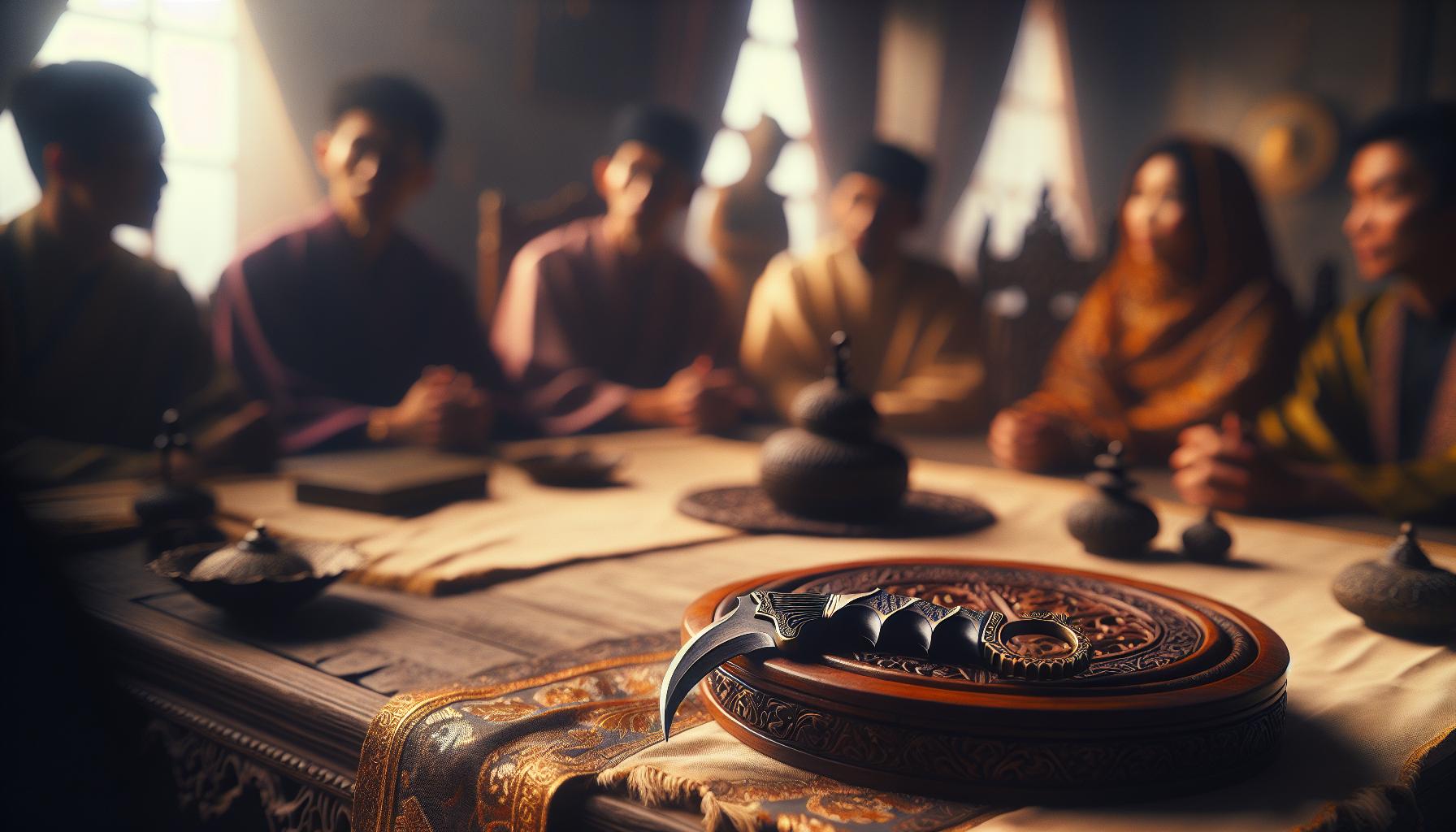
The karambit, a distinctive curved knife originating from Southeast Asia, carries a rich history that intertwines martial arts and practical utility. Initially crafted for agricultural purposes, its design was tailored for tasks such as harvesting crops. Over time, it evolved into a weapon, renowned for its effectiveness in close combat. The unique shape allows for a variety of techniques, emphasizing slashing motions rather than stabbing. This versatility has made the karambit a favored choice among martial artists, particularly in Filipino martial arts and self-defense training.
In many cultures, the significance of the karambit is not just functional but also symbolic. It represents agility and precision. The traditional grip, often seen in its various uses, highlights its historical roots as a tool of survival and combat. For those interested in creating a paper version of this iconic weapon, understanding its historical context can enrich the crafting process. It’s not merely about replicating a shape; it’s about appreciating the legacy that the karambit embodies. Crafting a paper karambit can serve as an homage to its cultural heritage, allowing enthusiasts to engage with the art form creatively.
Moreover, the karambit’s significance extends to modern culture, where it appears in various forms of media, including video games and movies, enhancing its mystique and allure. Many creators aspire to design iterations that pay tribute to its unique form and function. As you explore crafting your own paper version, consider the traditional elements of the karambit as inspiration. Incorporating aspects like intricate patterns or color schemes that reflect its cultural significance can elevate your project.
As you delve into your paper karambit creation, reflect on these historical highlights. Such considerations not only enhance the crafting experience but also foster appreciation for the artistry and functionality that the karambit represents across generations.
Alternative Materials for Enhanced Durability
While crafting a paper karambit may seem straightforward, selecting the right materials can significantly enhance the durability and overall quality of your creation. Instead of sticking with standard paper, consider alternatives that offer better strength and longevity, especially if you aim to display your karambit or use it as a prop.
Cardstock and Specialty Papers: One excellent choice is cardstock, which comes in various weights and finishes. This material provides substantial sturdiness compared to regular paper, allowing your karambit to maintain its shape and resist bending. Specialty papers, such as watercolor or mixed media paper, can also be utilized for their unique textures and patterns, making your project stand out visually.
Laminating for Longevity: For an added layer of protection, consider laminating your paper karambit. Lamination not only shields against wear and tear but also enhances the aesthetic appeal, giving it a glossy finish that mimics a real blade. This is particularly beneficial if you intend to showcase your work; a laminated piece will remain vibrant and intact over time.
Enhanced Techniques for Durability
- Reinforcement: Use additional layers or back with a thin piece of plastic or lightweight wood for structural integrity.
- Sealants: Applying a clear spray sealant can provide extra durability, especially useful for protecting against moisture.
- Careful Handling: Always handle your creation with care to prevent any accidental damage, regardless of the materials used.
Choosing the right materials not only improves durability but also elevates your crafting experience. Whether you opt for sturdy cardstock, explore the benefits of lamination, or apply reinforcement techniques, these choices will help you create a paper karambit that can withstand the test of time while showcasing your craftsmanship.
Inspiration from Real Karambits: Styles and Variations
The rich diversity of real karambits provides endless inspiration for your paper crafting project. Originating from Southeast Asia, particularly Indonesia, the karambit has evolved into various styles that exhibit both functional and aesthetic qualities. Each design has its unique characteristics, making it an exciting challenge to replicate and personalize these forms in paper. Whether you’re seeking to celebrate the historical significance or create a striking piece for display, exploring these variations will enhance your crafting experience.
One famous style is the traditional Bugis karambit, known for its gracefully curved blade and intricate handle designs. This variant often showcases stunning wood inlays or carvings, elements that you can mimic with decorative paper or by hand-drawing elaborate patterns on your paper karambit. Another striking example is the modern tactical karambit, which combines functionality with a rugged aesthetic. These designs typically feature a more aggressive look with pronounced serrations. Incorporating bold colors or military-inspired designs in your paper creation can impart a similar toughness while keeping it visually distinct.
Additionally, don’t overlook the commercial adaptations, such as those seen in popular media, which often feature stylized versions of karambits. Designs from video games or animated series can provide a contemporary twist. Consider vibrant color schemes, unique patterns, or thematic designs related to specific characters that resonate with you. These inspirations not only make the crafting process enjoyable but also allow you to express your individuality through your paper craft.
To channel your creativity effectively, study various karambit forms and notice their details-blade length, curvature, and handle style. Collect images or sketches, and gradually incorporate elements you admire into your paper design. By combining traditional features with your artistic flair, your paper karambit can stand out as a tribute to this fascinating tool’s rich heritage while showcasing your craftsmanship.
How to Share Your Paper Karambit Creations Online

Sharing your paper karambit creations online is an excellent way to connect with fellow crafting enthusiasts, showcase your skills, and gain inspiration from others. In today’s digital age, social media platforms are ideal for displaying your unique designs and engaging with a vibrant community. Whether through Instagram, Reddit, or dedicated crafting forums, there are numerous avenues to share your work.
Start by taking high-quality photos of your paper karambit from different angles. Good lighting is essential, so consider photographing your creations in natural light to highlight the details. Use a neutral background that won’t distract from the design, allowing the colors and shapes to stand out. When you post, include thoughtful captions that describe your inspiration and the techniques you employed. This context not only enriches your presentation but also helps others understand the story behind your creation.
Engage with the Community
After sharing your artwork, engage with the community by responding to comments and questions. Participate in crafting groups where you can share tips, ask for feedback, and collaborate on new projects. Joining challenges or contests can also motivate you to try new styles and techniques while drawing attention to your work. Platforms like Pinterest or crafting-specific apps can serve as great tools for discovering new trends and gaining followers who share your passion.
Utilize Hashtags and Tags
To broaden the reach of your posts, use relevant hashtags and tags that relate to paper crafting and karambits. Popular tags like #PaperCraft, #KarambitDesign, and #DIYProjects can help new admirers discover your work. Make sure to follow similar accounts and engage with their content, as mutual support within the community often leads to increased visibility.
In conclusion, sharing your paper karambit creations online not only showcases your talent but also fosters a sense of community and inspiration. So grab your camera, share your paperwork passion, and connect with fellow enthusiasts around the globe!
Frequently Asked Questions
Q: What type of paper is best for making a paper karambit?
A: The best paper for making a paper karambit is thick and sturdy, such as cardstock or construction paper. These materials provide durability and support for detailed designs. For more tips, refer to the section on choosing the right paper in the main article.
Q: How can I decorate my paper karambit?
A: You can decorate your paper karambit by using markers, colored pencils, or stickers. Consider incorporating designs that reflect your style, such as tribal patterns or favorite colors. Check out the creative designs section in the article for inspiration.
Q: Are there any special folding techniques for creating a paper karambit?
A: Yes, special folding techniques can enhance the appearance of your paper karambit. Techniques like valley folds and mountain folds can create more defined edges. For detailed instructions, visit the step-by-step folding section in your guide.
Q: What should I do if my paper karambit feels weak?
A: If your paper karambit feels weak, reinforce it by applying additional layers of paper or coating it with clear tape for extra support. This technique is discussed in the techniques for strengthening section of the article.
Q: Can I use other materials instead of paper for my karambit project?
A: Yes, alternative materials like lightweight plastic sheets or cardboard can enhance durability and performance. Refer to the alternative materials section in the article for more options and their benefits.
Q: How do I showcase my finished paper karambit?
A: You can showcase your finished paper karambit by displaying it in a shadow box or hanging it on a wall mount. For more ideas on displaying your work, check the showcasing section in the main article.
Q: What common mistakes should I avoid when making a paper karambit?
A: Common mistakes include using the wrong paper thickness, not following folding instructions accurately, and rushing the assembly. To avoid these pitfalls, refer to the common mistakes section for guidance.
Q: How can I share my paper karambit creations online?
A: You can share your paper karambit creations online by posting photos on social media platforms like Instagram or Pinterest. Use relevant hashtags to attract viewers. More sharing tips can be found in the sharing section of the article.
Closing Remarks
Congratulations on completing your paper karambit! Now that you’ve embraced this creative DIY project, don’t forget to share your experience in the comments below. We’d love to see your unique designs and hear any tips you have for other makers. If you enjoyed this tutorial, explore our related guides on crafting different types of knives or dive into our collection of everyday carry gear for practical tips on tool maintenance and selection.
To keep your skills sharp and stay updated with our latest projects, consider subscribing to our newsletter. You won’t want to miss out on future tutorials and expert advice tailored just for DIY enthusiasts like you. Remember, the world of crafting is vast-so whether you’re interested in learning more about Swiss Army knives or mastering other paper crafts, your journey has just begun! Join us again for more engaging projects and resources that will inspire your next creation.