Choosing the right backpack size can significantly impact your daily adventures, whether you’re commuting to work, hiking a scenic trail, or just running errands. Did you know that a 20L backpack is typically ideal for day trips and short outings, while a 30L option provides extra space for longer excursions? Understanding the nuances between these sizes not only enhances your comfort but also helps you carry everything you need efficiently. This guide will help you assess your needs, preferences, and activities to determine which option best suits your lifestyle. Dive in to explore the key features and functionalities of 20L and 30L backpacks, and make an informed decision that ensures your gear is just right for any journey!
When to Choose a 20L Backpack for Daily Use
Selecting the right size backpack for daily use can transform your routine, whether you’re commuting to work, heading to class, or just running errands. A 20L backpack strikes a perfect balance between portability and capability, offering enough space for your essentials without unnecessary bulk. For instance, the dimensions of a 20L pack make it easy to navigate crowded trains or city streets while still allowing room for daily necessities such as a laptop, books, a water bottle, and even a light jacket.
When considering a 20L backpack, think about your daily activities and how you use your gear. If you often find yourself needing gear for quick outings or short hikes, this size accommodates those items without overwhelming you with extra space. Additionally, a 20L backpack is typically lighter and more comfortable for long periods of wear, making it an ideal companion for casual biking or walking.
Another benefit of opting for a 20L backpack is its versatility. Many modern designs come equipped with convenient organizational features like multiple compartments, pockets for water bottles, and even padded sections for electronics. This can help you stay organized on busy days and make it easy to access what you need without rummaging through a larger pack. For students or professionals, a stylish 20L backpack can also blend seamlessly into daily attire, making it suitable for both casual and formal environments.
In summary, a 20L backpack is an excellent choice for those focused on daily use, providing ample space for essential items while remaining lightweight and functional. Its compact design and versatile features ensure it meets the needs of a variety of lifestyles, making it a practical investment for everyday life.
When to Choose a 30L Backpack for Extended Adventures
For those who embrace weekends of exploration, a 30L backpack serves as an ideal companion for extended adventures. This size strikes a perfect balance between carrying sufficient gear and maintaining comfort during long outings. Whether you’re planning a day hike in the mountains, a spontaneous road trip, or a camping expedition, a 30L backpack offers the capacity to accommodate your essentials without compromising on mobility.
A 30L backpack typically provides enough space for a wider range of items, allowing you to include camping gear, extra clothing layers, food supplies, and hydration systems. It’s common for outdoor enthusiasts to take advantage of this capacity to pack essentials such as a compact first-aid kit, cooking supplies, or even a small tent. For example, during a day hike, packing a lightweight sleeping bag or a portable stove could make your experience more enjoyable and less cumbersome by preparing for unexpected situations.
For travelers, a 30L backpack can transition smoothly from a daypack to a versatile travel companion. As airlines increasingly impose strict carry-on limits, this size allows for the inclusion of important travel items without the hassle of checking luggage. You can stow a laptop or tablet, chargers, and personal items securely while still having room for a change of clothes if you’re on the go.
When choosing a 30L backpack, features such as adjustability and support become crucial. Look for designs that include padded straps, hip belts, and breathable materials, which help distribute weight evenly across your body, making long days on the move much more bearable. Additionally, organizational features such as multiple compartments and external attachment points can help you keep your gear organized and accessible, ensuring you’re ready for whatever adventures lie ahead.
In conclusion, if your plans involve longer outings, a 30L backpack is a smart choice. Its size not only enhances your preparation but also enriches your outdoor experiences, allowing you to carry everything you need without feeling overloaded. Whether you’re hiking a rugged trail or exploring a new city, having the right backpack can make all the difference.
Comparing 20L and 30L Backpacks: Key Differences
When choosing between a 20L and a 30L backpack, understanding the key differences between these two sizes can significantly impact your outdoor experience and daily usability. A 20L backpack is typically designed for minimalist carry, making it ideal for short excursions and daily use, while a 30L backpack provides ample space for more extensive adventures, accommodating additional gear and supplies.
One of the most noticeable differences lies in capacity and organization. The 20L backpack is well-suited for carrying essentials like water bottles, snacks, a light jacket, and personal items, making it perfect for day hikes or commutes. It often features a streamlined design that promotes ease of movement and lightness, which is advantageous for city dwellers or those on short nature walks. In contrast, the 30L backpack offers increased volume, enabling you to pack more substantial items such as a first-aid kit, extra clothing, and even cooking gear for a weekend camping trip. This larger size often includes additional compartments and pockets that help organize your belongings efficiently, essential for those who appreciate easy access to their gear.
Another critical factor to consider is comfort and support. For extended wear, the 30L option usually incorporates features like padded shoulder straps, adjustable hip belts, and enhanced back support. This design helps distribute weight more evenly, making longer treks or daily carry more comfortable. A 20L backpack, while often lighter, may not offer the same level of support, which can become an issue during prolonged use or when carrying the bag for lengthy distances.
Ultimately, selecting between a 20L and a 30L backpack comes down to your intended activities and personal preferences. If you often find yourself only needing the essentials or prefer a more lightweight feel, a 20L backpack is likely the right choice. However, if you anticipate longer adventures where you might need extra gear, moving to a 30L backpack can provide the versatility and capacity necessary to enhance your overall experience. By carefully evaluating your needs against these key differences, you can make a more informed decision that perfectly suits your lifestyle and outdoor ambitions.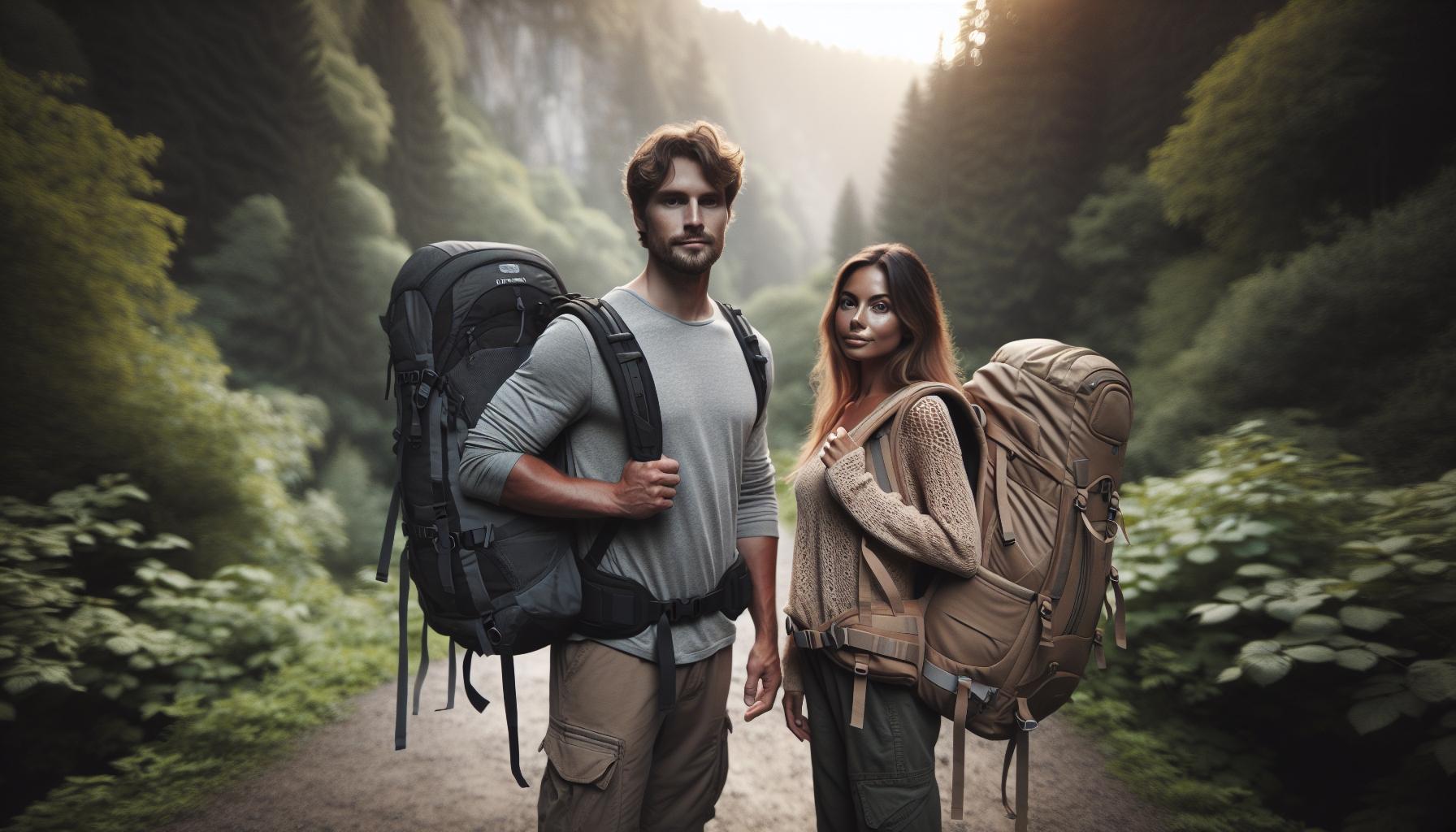
Understanding Capacity Limits: How Much Can You Pack?
Understanding the capacity limits of your backpack is crucial for optimizing your packing strategy and ensuring you have everything you need for your adventures. Both 20L and 30L backpacks provide distinct advantages depending on your intended use, but knowing exactly how much you can pack into these sizes can help you make informed decisions.
A 20L backpack excels in minimalist packing, making it ideal for short outings or daily commutes. You can comfortably fit the following essentials:
- Water bottle: Often up to 1 liter
- Snacks: A small meal or several energy bars
- Light clothing: A lightweight jacket or an extra shirt
- Essentials: Personal items like keys, wallet, and phone
In contrast, the 30L backpack offers significantly more space, allowing for a wider array of items, particularly beneficial for day hikes or weekend trips:
- Change of clothes: Including extra layers for varying weather conditions
- First-aid kit: A compact yet comprehensive kit for emergencies
- Food supplies: A proper meal, cooking gear, and reusable containers
- Camping gear: Items like a lightweight sleeping bag or a portable cooking stove
Ultimately, how much you can pack also depends on the backpack’s design and organization features. A well-structured backpack with compartments and pockets can help maximize the use of space efficiently, reducing the likelihood of items shifting around during transit. Selecting the right size based on your packing habits ensures you bring what you need without the discomfort of overloading. Always remember: effective packing is not just about the volume but also about how well you can access your items during your trip.
Popular Activities for 20L vs 30L Backpacks
For many outdoor enthusiasts and daily commuters alike, the choice between a 20L and a 30L backpack often hinges on the specific activities planned. Understanding the popular use cases for each size can lead to more informed decisions and enhanced experiences.
A 20L backpack is perfect for activities that require minimal gear. It’s light and unobtrusive, making it ideal for urban environments, short hikes, or casual day trips. Consider using a 20L pack for:
- Daily Commuting: Easily fits a laptop, notebook, and lunch without being bulky.
- Short Hikes: Ample space for water, snacks, and a light jacket.
- Gym Visits: Carries workout clothes, shoes, and essential toiletries.
In contrast, the 30L backpack shines in settings where additional gear is necessary. Its expanded capacity makes it suitable for more adventurous outings. Activities that benefit from a 30L pack include:
- Weekend Camping Trips: Room for sleeping bags, cooking gear, and extra clothing layers.
- Day Long Hikes: Adequate space for food, hydration systems, and emergency supplies.
- Traveling: Can accommodate clothes for short trips, plus souvenirs.
Ultimately, understanding the activities your backpack will facilitate is key to selecting the right size. The versatility of both sizes allows them to complement a variety of lifestyles, so consider your specific needs carefully to enhance your enjoyment and efficiency.
Choosing the Right Features for Your Backpack Size
Selecting the right features in your backpack can drastically enhance its usability and comfort, whether you opt for a 20L or a 30L model. Understanding the purpose behind your choice is crucial in this decision-making process. Each size caters to different needs and activities, meaning the features that might excel in one would not be as effective in the other.
For a 20L backpack, prioritize lightweight materials and streamlined designs. Look for features like lightweight straps, a simple closure system, and compartments that keep essentials organized without adding excess bulk. A hydration reservoir sleeve can also be beneficial for urban users or day hikers who need quick access to water. Multiple pocket options can enhance organization, allowing space for items like a laptop, snacks, or a compact first aid kit. A sternum strap can provide extra stability when carrying your daily essentials, making your commute smoother.
In contrast, a 30L backpack often requires features that cater to longer trips and higher capacity needs. Opt for sturdier materials that withstand wear and tear, especially if you plan on hiking or camping. Padded shoulder straps and a hip belt can help distribute weight evenly, making it easier to carry heavier loads. Consider model designs with adjustable sections or expandable compartments that allow for variability in packing. External attachment points, such as daisy chains or gear loops, can be incredibly useful for carrying additional items like trekking poles or sleeping bags. A rain cover can also be a smart addition, providing extra protection for your gear in unpredictable weather.
Finally, regardless of size, accessibility and convenience remain key considerations. Look for features such as side pockets for water bottles, easy-to-reach zippered pockets for quick access to valuables, and sternum or waist straps for added support during extended wear. By aligning the specific features of your backpack with your intended use, you can enhance your experience, whether you’re commuting through the city or venturing into the great outdoors.
Comfort and Fit: The Importance of Sizing Your Backpack
Selecting the right backpack size is not just about capacity; it profoundly impacts comfort and usability during your adventures, whether you’re commuting in the city or trekking through rough terrains. A well-fitted backpack enhances your experience by minimizing discomfort and strain, allowing you to focus on your activities rather than adjusting, shifting, or managing pain. Proper sizing ensures weight distribution aligns with your anatomy, significantly influencing how much you can carry and how long you can comfortably do so.
For 20L backpacks, focus on lightweight designs that snugly fit your back while allowing you to move freely. When choosing a 20L model, consider how it sits on your torso, as this size is primarily intended for day trips or urban environments. Straps should rest comfortably on your shoulders without digging in, and an adjustable sternum strap can enhance stability. To test for fit, try on the backpack with some weight-your essential items-to gauge how it feels during movement. Key features like padded back panels can improve comfort for shorter loads, but it’s vital not to overload this size, as it can lead to poor posture or fatigue.
On the other hand, with 30L backpacks, you’re looking at a more substantial load and longer durations of wear. These packs generally have features that adjust for a custom fit, ensuring the weight is supported by your hips and not just your shoulders. Look for models with a hip belt that wraps comfortably around your waist, redistributing weight and preventing shoulder strain during those extended adventures. Additionally, back panels with ventilation can further improve comfort on warmer days, reducing sweat and allowing for airflow. Before embarking on a longer trek, pack your fill and wear the backpack for an extended time-this trial can help spot any pressure points or areas needing adjustment before the actual excursion.
Ultimately, comfort and fit hinge on individual body types and intended use; tailoring your choice based on these factors will ensure you have the most enjoyable and effective use of your backpack, regardless of size. Prioritize trying multiple styles, as some may better suit your frame, making all the difference between an enjoyable day out and an exhausting ordeal.
Material and Durability Considerations for Backpack Selection
When selecting a backpack, the materials and durability of your choice play a critical role in determining its longevity and performance. High-quality materials not only enhance a backpack’s lifespan but also its ability to withstand various environmental conditions. It’s essential to understand different fabric types, their functionalities, and how they align with your intended usage.
Most backpacks are constructed from synthetic materials, with nylon and polyester being the most popular choices. Nylon is known for its exceptional durability and resistance to wear and tear. For instance, a 420D nylon fabric is robust enough for rugged outdoor adventures, while lighter alternatives like 210D are suitable for casual daily use. On the other hand, polyester, while slightly less durable than nylon, excels in UV resistance, making it an ideal choice for backpacks that will frequently be exposed to sunlight. For both material types, look for ripstop patterns that enhance tear resistance, which is particularly beneficial in environments where abrasions are common.
In addition to the outer material, consider the waterproof capabilities of a backpack. If you’re planning extended hikes or outdoor trips, opt for water-resistant or waterproof options featuring coatings like DWR (Durable Water Repellent). These can help keep your gear dry during unexpected rain showers and wet conditions. However, remember that waterproof bags typically sacrifice breathability, so if you’re engaging in activities where sweat is a concern, a breathable mesh back panel can balance moisture management while protecting against the elements.
When it comes to zippers, buckles, and other hardware, look for high-quality brands known for their durability. For example, YKK zippers are a trusted standard in outdoor gear and represent a commitment to quality. Reinforced stitching, especially in areas that bear most of the load, can also add years to your backpack’s life.
Ultimately, the choice of material should align with your specific activities and environmental challenges. Understanding the properties of various fabrics and components allows you to make informed decisions for both everyday use and extended adventures. This informed selection empowers you to choose a backpack that not only meets but exceeds your expectations in performance and durability.
Cost Analysis: Is a 20L or 30L Backpack a Better Investment?
When weighing the cost of a 20L versus a 30L backpack, it’s crucial to consider not only the initial purchase price but also how each size aligns with your lifestyle and usage needs. A 20L backpack often comes at a lower price point and is typically designed for daily tasks such as commuting, hiking short trails, or running errands. These packs usually range from $40 to $100, making them an appealing choice for those who seek a functional pack for light use. On the other hand, 30L backpacks may cost between $80 and $200 due to their larger size and additional features like improved support, durability, and organization compartments, making them suitable for day hikes, travel, or extended outings.
Investing in a higher capacity backpack can be advantageous if you frequently engage in activities requiring extra gear. The increased storage means you won’t need to carry extra bags, which can simplify your outings and enhance comfort. For instance, if you’re often on the go-whether it’s a long hike, a busy day at work, or a weekend camping trip-having a 30L model could serve you better by accommodating everything from snacks to extra clothing or gear without feeling overpacked or constrained. Furthermore, many 30L backpacks are equipped with more advanced features such as hydration reservoirs, extra padding, or specialized compartments, enhancing their overall utility.
However, if your intended use is primarily for short errands or compact day trips, the 20L backpack provides adequate space and retains a lightweight design, making it easier to carry for long durations. Additionally, a 20L pack often boasts simplicity and streamlined designs, appealing to those who prefer a minimalist approach. Assessing how you envision utilizing your backpack is essential in determining which size offers the better investment for your specific needs.
In summary, while the upfront costs may initially direct you toward one size or the other, consider the long-term value based on your activities, frequency of use, and the backpack’s functional features. This thoughtful approach can lead to a more satisfying purchase that serves you well for years to come, effectively justifying the cost based on your lifestyle.
User Reviews: Experiences with 20L and 30L Backpacks
User reviews often provide a wealth of knowledge and insights that can significantly influence your choice between a 20L and a 30L backpack. Many users emphasize the importance of matching the backpack size with their specific activities and needs, offering real-world examples that highlight the practical implications of size selection.
For instance, a frequent commuter shared that their 20L backpack is perfect for daily use, fitting all essentials like a laptop, lunch, and a water bottle without feeling bulky. This user appreciated the lightweight design, noting, “I can carry it all day without any discomfort, making my commute much more enjoyable.” Similarly, another review pointed out the ease of maneuverability in crowded urban settings, showcasing how a smaller backpack can enhance daily life without sacrificing convenience.
Conversely, outdoor enthusiasts often lean towards the 30L size for extended adventures. One hiker noted that the additional space allowed them to pack not only food and water but also gear for unexpected weather, stating, “Having that extra capacity saved my trip when the forecast changed.” Another user highlighted the organizational benefits of a 30L backpack, appreciating the multiple compartments designed for better gear management. They remarked, “I love being able to find my snacks without digging through a jumbled mess!”
Additionally, price considerations play a role in user experiences. Buyers of 20L backpacks often praise their affordability and functionality for short outings, while 30L backpack owners frequently discuss how the investment pays off with enhanced features and durability. As one user reflected, “I spent a bit more on my 30L, but it’s worth every penny for the adventures it supports.”
In summary, the experiences shared by users of both 20L and 30L backpacks highlight the essential connection between size, functionality, and personal lifestyle. By considering these insights, potential buyers can make an informed decision that aligns closely with their activities, helping them to choose a backpack that best suits their needs.
Packing Tips and Tricks for Effective Use
When packing your backpack, knowing how to maximize space and organize your gear can make a significant difference in your overall experience, whether you’re on a daily commute with a 20L pack or embarking on an adventure with a 30L. One of the best packing tips is to utilize a layering system. Start by placing heavier items, like water bottles or gear, at the bottom to create a solid base. This center of gravity helps in maintaining balance and comfort as you carry your backpack. For daily use, consider packing your laptop against your back for added support, while in a 30L, place bulkier items, such as tents or sleeping bags, on the bottom.
Organization is key to effective packing. Both sizes benefit from packing cubes or pouches to categorize your items. For a 20L, you might use smaller cubes for items like chargers, snacks, and personal care products. In a 30L, larger cubes can hold clothing and cooking gear. Using a system where each cube has a specific function can save you time rummaging through your bag. For instance, designating a cube for tech items and another for clothing can prevent cross-contamination of dirt and moisture.
Moreover, make use of all the pockets your backpack offers. Side pockets are ideal for water bottles or umbrellas, while front pockets can hold quick-access items you might need frequently, such as a phone, keys, or snacks during a hike. Organizing your essentials into designated areas not only speeds up access but also keeps everything tidy.
Lastly, consider weight distribution. If you’re packing for a longer trek or even a busy day, regularly check the weight of your backpack. A good rule of thumb is to keep the pack under 20% of your body weight to avoid strain and fatigue. If your 30L pack feels heavy, reassess what you’re bringing-eliminate non-essentials and take advantage of multi-use items. By following these practical packing tips, you can ensure your backpack is not only functional but also comfortable for any activity at hand.
Maintenance and Care for Your Backpack: Size Matters
Keeping your backpack in top-notch condition is essential for ensuring its longevity and performance, regardless of whether you’re using a 20L backpack for daily errands or a 30L for extended adventures. The size of your backpack can significantly impact the maintenance approach you take. Larger packs often accumulate dirt and wear more quickly due to their extensive use in various environments, while smaller packs may require careful management of contents to avoid damaging the fabric or zippers.
For a 20L backpack, routine care is relatively straightforward. Maintain its clean exterior by regularly wiping it down with a damp cloth, especially after city commutes or trips to the gym. To clean the interior, empty all compartments and use a soft brush or vacuum to remove debris. Periodically, you might opt to wash it in cold water with a mild detergent-investing in a wash bag or using a gentle cycle can protect both the backpack and your washing machine. Remember to air dry it away from direct sunlight to prevent fading and damage to materials.
On the other hand, maintenance for a 30L backpack is arguably more complex. This size usually withstands more significant adventures, which means it often encounters varied climates, potential spills, and heavier loads. Check for wear and tear regularly; inspect seams, straps, and zippers for signs of distress. When cleaning, consider using a hose to rinse off mud and dirt if you’ve been in the great outdoors. For deeper cleaning, remove all contents and follow the same washing precautions as with the 20L, but ensure you thoroughly dry the pack to avoid mold and mildew.
In summary, no matter the size, consistent care for your backpack enhances its durability and performance. By understanding the particular maintenance needs based on the backpack size, you can ensure it remains a reliable companion for all your daily and adventure-related activities. Plus, implementing these maintenance routines will not only help preserve your gear but also provide you with peace of mind as you tackle your next excursion.
Faq
Q: What activities are best suited for a 20L backpack?
A: A 20L backpack is ideal for daily use such as commuting, gym visits, or short hikes. It typically fits essentials like a water bottle, snacks, and a light jacket, making it a great option for activities where minimal gear is needed.
Q: How much can a 30L backpack hold compared to a 20L?
A: A 30L backpack offers approximately 50% more space than a 20L, making it suitable for weekend trips or day-long outings. You can carry additional clothing, food, gear, and even a small camping stove, which is advantageous for extended adventures.
Q: Why should I consider the material of the backpack?
A: The material affects durability, weight, and water resistance. For daily use, lighter materials may suffice, while heavier, more durable fabrics are better for rugged environments. Refer to the “Material and Durability Considerations” section for more guidance.
Q: When is a 30L backpack overkill for a short outing?
A: A 30L backpack can be overkill for short outings like a quick hike or errands. If you only need essentials, a 20L bag is more efficient, reducing weight and making it less cumbersome to carry.
Q: How do I choose the right fit for my backpack size?
A: To ensure a proper fit, try on the backpack with weight. Adjust the straps and hip belt so the load sits evenly. Comfort is key; refer to the “Comfort and Fit” section for detailed fitting tips.
Q: Can I use a 20L backpack for travel?
A: Yes, a 20L backpack can be used for travel, especially for overnight trips or as carry-on luggage. Just remember to pack light and prioritize essential items to stay organized.
Q: What features should I prioritize in a 20L or 30L backpack?
A: Consider hydration options, pocket layout, and comfort features like padded straps and back panels. Each size has unique needs; visit the “Choosing the Right Features” section for more insights.
Q: How do I maintain my backpack for long-term use?
A: Cleaning your backpack regularly and storing it properly prolongs its lifespan. Avoid leaving it damp or crammed in tight spaces. Refer to “Maintenance and Care for Your Backpack” for detailed instructions.
Concluding Remarks
Choosing the right backpack size is essential for maximizing your comfort and productivity during your adventures. Whether you opt for the 20L or 30L capacity, understanding your needs will enhance your experience, be it day hikes, commutes, or travel. If you’re still unsure which size suits you best, explore our detailed product reviews and comparison articles to make an informed decision.
Ready to take the next step? Don’t miss out on our guide on the best backpacks for everyday carry and outdoor excursions. Sign up for our newsletter to stay updated on new insights, tips, and exclusive offers tailored to your gear journey. Share your thoughts or experiences in the comments below-your feedback could help fellow users! Equip yourself today, and let’s make every adventure memorable with the perfect backpack by your side.