Choosing the right size backpack for your kindergartner is crucial for their comfort and development. A well-fitted backpack not only makes it easier for young children to carry their essentials but also promotes good posture and prevents injuries. With 2025 marking a significant leap in educational tools and styles, parents face a dizzying array of options. You might wonder: How do I balance functionality, style, and size while ensuring my little one’s safety and ease? This guide will illuminate the key factors to consider, helping you make an informed decision that meets your child’s needs-both during their exciting school journey and in day-to-day activities. Read on to discover expert tips and advice tailored for parents navigating the world of children’s backpacks.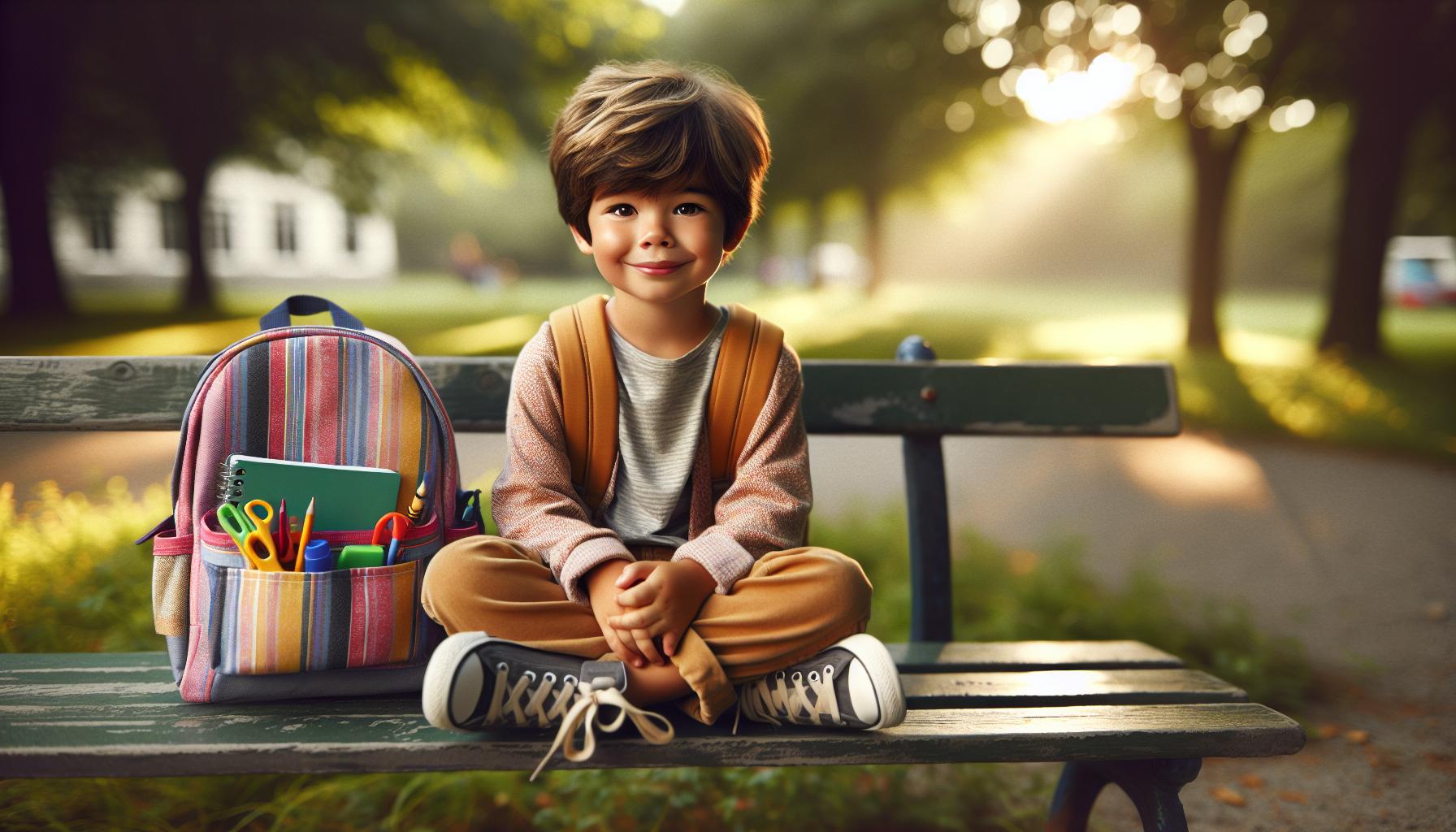
Choosing the Right Backpack Size for Kindergarten
Choosing the right size backpack for kindergarten can significantly impact your child’s comfort and ease while navigating their first school experiences. A well-fitted backpack not only helps children carry their supplies comfortably but also promotes good posture and reduces the risk of strain. When selecting a backpack, consider that it should ideally sit comfortably on your child’s back, covering the lower back and not extending too far below the waist.
A typical kindergarten backpack should generally range from 12 to 16 inches in height. For younger, smaller children, a backpack closer to 12 inches may be more appropriate, while those who are taller or older can opt for sizes approaching 16 inches. The width and depth should be proportional; a backpack that’s too bulky can be overwhelming, while one that’s too small may not accommodate necessary items like lunch boxes and homework folders. Aim for a pack that is lightweight when empty; this ensures that your child isn’t burdened by the weight of the bag itself.
To further enhance comfort, look for adjustable padded shoulder straps and a padded back panel. These features not only provide better support but also allow for adjustment as your child grows. It’s also beneficial to involve your child in the selection process; having them try on different options can ensure they feel confident and excited about using their new backpack. Ultimately, the right size and fit will support their daily journeys to and from school, making for a more enjoyable experience overall.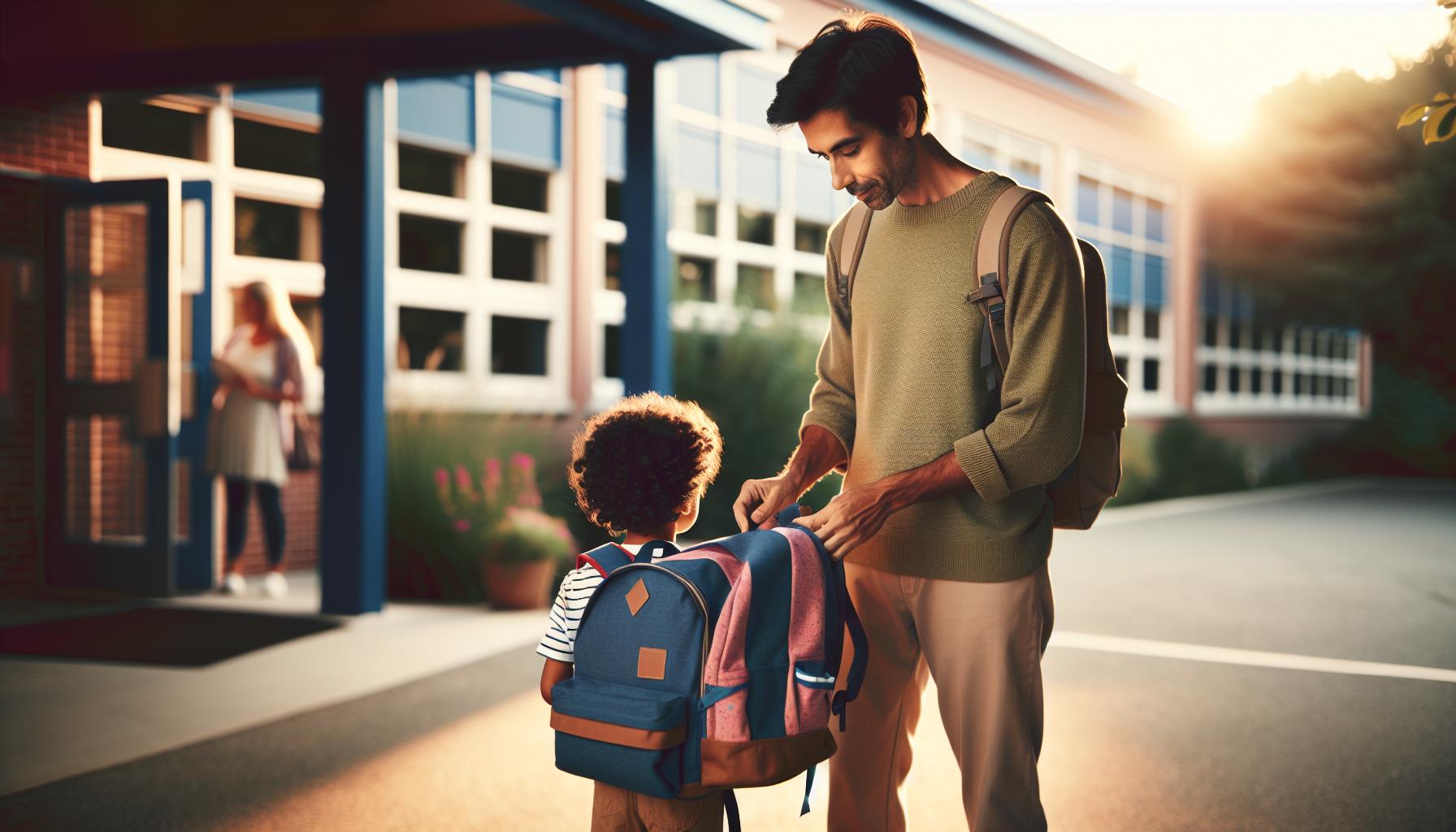
Essential Features to Look for in Kindergarten Backpacks
When selecting a backpack for kindergarten, it’s essential to focus on features that enhance comfort, safety, and usability for young children. A well-designed backpack will not only make carrying school supplies easier but also contribute to a positive school experience.
Comfort and Fit
Comfort is paramount, so look for backpacks with padded shoulder straps that are adjustable to fit your child’s frame. These straps help distribute the weight evenly, reducing the risk of strain on young shoulders. Additionally, a padded back panel can provide extra comfort, allowing for prolonged wear without discomfort. Remember, a child’s backpack should not exceed 15% of their body weight, ensuring they can carry it comfortably without feeling overwhelmed.
Safety Features
Safety elements are also crucial in kindergarten backpacks. Reflective materials can enhance visibility when children are walking to and from school, especially in low-light conditions. Furthermore, consider backpacks with safety buckles or clips. These features can help prevent accidental opening and ensure contents remain securely stored.
Organization and Accessibility
Young children benefit from easy access to their belongings, so a good backpack should have multiple compartments to help them stay organized. Look for a main compartment large enough for books and folders, alongside additional pockets for smaller items like lunch boxes and stationery. A quick-access front pocket is ideal for storing frequently needed items, making them easy to grab when needed.
Durability and Materials
Kindergarten can be tough on backpacks, making durability a key consideration. Choose materials that are both strong and lightweight, such as high-quality nylon or polyester. Water-resistant fabrics can also be a wise choice, protecting contents from unexpected spills or rain. Reinforced stitching and sturdy zippers contribute to a longer-lasting backpack, ensuring it can withstand daily use throughout the school year.
By keeping these features in mind, you can select a kindergarten backpack that meets your child’s needs and makes their transition into school life smoother and more enjoyable.
Top Backpack Brands for Kindergarteners in 2025
Choosing the right backpack for kindergarten is as much about style as it is about functionality. As we step into 2025, several brands stand out for their exceptional quality, innovative designs, and kid-friendly features that cater specifically to the needs of young learners. Here’s a look at the top backpack brands that parents can consider for their little ones this year.
1. State Bags
State Bags have become a favorite among parents due to their commitment to sustainability and social impact. Each backpack sold helps fund a backpack giveaway for children in need. Their designs combine durability with bright colors and fun patterns, appealing to kids while providing enough structure for books and supplies.
2. L.L. Bean
Known for their rugged outdoor gear, L.L. Bean’s kids’ backpacks are made to withstand daily wear and tear. They feature water-resistant materials and reinforced stitching, ensuring they last through the school year. Their backpacks often come with adjustable straps and padded backs, ideal for young children, making them both practical and comfortable.
3. Skip Hop
Skip Hop’s backpacks are designed with playful aesthetics in mind, featuring animal shapes and vibrant colors that cater to younger kids. These backpacks are lightweight and come with easy-to-grip zippers, perfect for little hands. Their designs often include side pockets for water bottles and small compartments for snacks or lunch boxes.
4. JanSport
A well-known name in backpacks, JanSport offers a range of styles suitable for kindergarteners. Their backpacks are durable, spacious, and often come in fun colors and prints that kids love. JanSport also emphasizes comfort, featuring padded shoulder straps and back panels.
5. Pottery Barn Kids
Pottery Barn Kids offers customizable backpacks that allow children to add their names or initials, making them feel special and unique. These backpacks are known for their classic designs and sturdy construction. Additionally, they often include multiple compartments for efficient organization, perfect for little students managing their school supplies.
In choosing a backpack for your kindergarten child, consider not just the aesthetics but also durability, comfort, and the ability to organize their items effectively. With a range of styles and features available from these top brands, you can find the perfect fit that makes heading to school a delightful experience for your little one.
Backpack Weight Guidelines for Young Children
When it comes to selecting the perfect backpack for your young learner, keeping an eye on weight is crucial. Young children are still developing, and carrying a heavy backpack can lead to discomfort and even long-term posture issues. As a rule of thumb, the weight of the loaded backpack should not exceed 10-15% of your child’s body weight. For instance, a child weighing 50 pounds should carry a backpack weighing no more than 5-7.5 pounds.
To ensure your little one can comfortably carry their gear, consider the following practical tips:
- Choose Lightweight Materials: Look for backpacks made from lightweight fabrics. This reduces the overall weight without compromising durability.
- Assess the Contents: Regularly check what’s inside the backpack. Remove unnecessary items to keep the weight manageable. Encourage your child to carry just the essentials.
- Even Weight Distribution: Backpacks with padded straps and back panels help distribute weight evenly, reducing strain on your child’s shoulders.
- Use Compartments Wisely: Organizing items in compartments can help place heavier items close to the back, which aids in balanced weight distribution.
- Monitor Growth: As your child grows, continually assess their capacity to carry weight comfortably. Adjust the size and weight of the backpack accordingly.
By keeping these guidelines in mind, you can help ensure that carrying a backpack will be a manageable part of your child’s school experience, setting them up for success both academically and physically.
Tips for Packing a Backpack for Kindergarten Success
Packing a backpack effectively is crucial for helping kindergarteners navigate their new school environment with ease and confidence. A well-packed backpack not only ensures that kids have everything they need for their day but also fosters a sense of responsibility and organization from an early age. By following a few simple strategies, parents can equip their children for academic success while promoting healthy habits.
First, start with a packing checklist. Develop a routine where your child helps to compile a list of essentials that need to be taken to school each day. This might include items like a water bottle, snacks, a lunchbox, homework assignments, and any necessary school supplies like pencils or crayons. Encourage your child to participate in this process to instill a sense of ownership over their belongings.
Next, consider the prioritization of items. Heavier items, such as books or lunchboxes, should be packed towards the back of the backpack, closer to your child’s body. This positioning helps maintain balance and reduces strain on the shoulders, which is particularly important for young children who are still developing their physical endurance. Similarly, smaller items can fill the front pockets, allowing for easier access to essentials throughout the day.
Another key tip is to utilize compartments and organization. Many backpacks come with multiple pockets and compartments designed for organizing various items. Teach your child how to use these spaces effectively so they can quickly find what they need without rummaging through the entire backpack. A simple system, such as designating a pocket for items that need to be returned home or for school papers, can streamline the packing process and improve their daily routine.
Finally, establish a nightly routine for unpacking and repacking the backpack. Before bed, have your child take out items that need to be replenished, like snacks or supplies. This creates a habit of staying organized and prepares them for the following day. Encourage them to evaluate whether they truly need each item they pack, fostering decision-making skills that will benefit them well beyond kindergarten.
By implementing these tips, you can help ensure that your child approaches each school day both prepared and excited, setting a positive tone for their educational journey.
How to Encourage Kids to Carry Their Own Backpack
Encouraging young children to carry their own backpacks can be a rewarding experience that fosters independence and a sense of responsibility. As kids prepare for kindergarten, equipping them with the ability to manage their own belongings sets the stage for a successful school year. To make this transition smooth, start by selecting a backpack that fits properly. A well-sized backpack should rest comfortably on their back, ideally between the waist and shoulders, and should not weigh more than 10-15% of their body weight. This balance helps prevent injury and makes carrying it less cumbersome, ultimately building their confidence.
One effective approach is to incorporate fun and empowering activities into the process. Set aside time to allow your child to choose their backpack. Involve them in selecting one that resonates with their interests-be it a favorite character or a specific color. This sense of ownership will ignite their excitement about using it. Additionally, you can turn packing into a game. Introduce a “packing party” where they get to decide what essentials to include, reinforcing their autonomy while also teaching them about the importance of being prepared.
Once the backpack is chosen, teach them the proper way to wear it. Show them how to adjust the straps for a comfortable fit and how to utilize both shoulder straps for better weight distribution. Encourage them to carry only what is necessary for their day at school. You can create a checklist of items to pack, emphasizing lightweight contributions like a snack and a water bottle. Reinforcing the idea that they are responsible for their own things-like helping to unpack at home-will promote accountability.
Lastly, building a routine can make a significant difference. Establish a predictable schedule for checking and packing their backpack each night, linking it to fun activities like storytime or a bedtime routine. With consistent practice, your child will gain confidence and feel a sense of pride in being able to carry their own backpack. Preparing your child for this small yet significant step can make a big impact on their overall school experience.
Safety Considerations for Kindergarten Backpacks
Choosing a safe and suitable backpack for kindergarten is crucial, as it not only affects your child’s ease of carrying their belongings but also ensures their overall well-being. With young children, particular attention must be paid to several safety considerations to minimize the risk of injury while promoting a positive school experience.
First and foremost, the size and fit of the backpack should cater to your child’s stature. A well-fitted backpack should not exceed the child’s shoulders and should comfortably sit just above the waist. This prevents the straps from digging into their shoulders and helps distribute the weight evenly. Opting for backpacks with padded shoulder straps increases comfort and reduces the strain on delicate shoulders.
Additionally, examine the weight guidelines; backpacks should ideally weigh no more than 10-15% of your child’s body weight. This is vital for preventing back pain and posture issues. Parents can teach children to carry only the essentials, which not only promotes responsibility but also enhances safety by preventing overloading.
Material and Design: Selecting a backpack made of durable materials is equally important. Look for designs that incorporate reflective elements or bright colors to enhance visibility, especially if your child walks or rides a bus to school. Investing in a bag with secured zippers and sturdy closures will not only protect against spills but also ensure that items remain safely tucked away during travel.
Furthermore, encourage proper backpack carrying habits. Teach your child to use both shoulder straps rather than slinging the bag over one shoulder, which can lead to imbalance and potential injury. Reinforcing these safety practices early on will help cultivate responsible habits that your child can carry into later years.
In conclusion, prioritizing safety in selection and use of kindergarten backpacks will ultimately lead to a more enjoyable school experience for your child. By focusing on the right size, weight, durable materials, and proper carrying techniques, you can promote their comfort and well-being throughout their early education journey.
Durability and Materials: What to Choose
When it comes to selecting a backpack for kindergarten, the materials used in its construction can make a significant difference not only in durability but also in overall usability and comfort. Understanding which materials provide the best protection against wear and tear, as well as exposure to elements, is essential for a backpack that can withstand the adventures of young children.
Look for backpacks made of high-denier nylon or polyester, as these materials are typically both lightweight and highly durable. They can endure the rough and tumble of daily use, whether it be getting tossed around in the classroom or dragged across the playground. Additionally, choosing a backpack with water-resistant or waterproof features can help protect the contents from unexpected spills or rainy days.
Another vital aspect is the quality of the zippers and seams. Invest in backpacks that have reinforced stitching and sturdy zippers. This ensures that the bag remains intact despite constant use and minimizes the chances of breaking or fraying seams. Reflective materials on the backpack can enhance visibility during low-light conditions, providing an added safety measure for young children who may walk to school or wait for the bus.
In terms of weight, prioritize backpacks that strike a balance between durability and lightness. A heavy backpack can discourage kids from carrying it and may compromise their posture. Therefore, opt for materials that offer high durability without adding unnecessary weight. Lastly, consider backpacks that are easy to clean, as little accidents are inevitable in the life of a kindergarten student. Machine-washable or wipeable materials can save parents time and effort in maintaining the backpack’s appearance.
Choosing the right materials and construction for a kindergarten backpack can significantly enhance your child’s everyday school experience-ensuring that they not only look good but also have gear that functions well in various conditions.
Price Range: Budget-Friendly Options vs. Premium Brands
When it comes to selecting a backpack for kindergarten, cost is often a significant factor for parents. Fortunately, options in both budget-friendly and premium segments cater to varying needs and preferences. The key is to understand what you are getting for your investment. While it may be tempting to choose the cheapest available option, quality and durability can make a world of difference in a child’s school experience.
Budget-friendly backpacks typically range from $20 to $50. These options are often sufficient for light use and can handle the basic needs of a kindergartener. Many retailers offer affordable yet stylish designs, making them appealing to young children. However, before making a purchase, consider the backpack’s features and materials. Look for models that use sturdy fabrics and come with functional adjustments, as these will likely last through the school year. While it may not be the most extravagant choice, a good budget backpack should adequately accommodate books and supplies, plus a few personal items.
On the other end of the spectrum, premium backpacks usually cost between $60 and $100 or more, often featuring advanced materials and superior craftsmanship. Brands in this category tend to emphasize ergonomics, offering padded straps and back panels that can be crucial for keeping young bodies comfortable during long school days. Additionally, premium options may provide elements like reinforced seams, water resistance, and better organizational compartments, making packing and unpacking smoother for little ones. Investing in a higher-end backpack can pay off in terms of durability and usability, potentially lasting multiple school years and beyond.
Ultimately, the choice between a budget-friendly or premium backpack boils down to individual needs and circumstances. If you anticipate heavy use and want a pack that promotes good posture while carrying, a premium option might be worthwhile. Conversely, if your child is likely to outgrow their interests or needs quickly, starting with an economical model might be the wiser financial decision. Whichever you choose, ensure that the backpack not only meets practical criteria but also reflects your child’s personality, making them excited to carry it to school each day.
Backpack Organization: Compartments and Storage Solutions
When it comes to helping young children navigate their school day, effective backpack organization is key. A well-organized backpack not only makes it easier for kids to find their supplies but also teaches them valuable skills in responsibility and time management. For parents looking to set their kindergartener up for success, understanding the types of compartments and storage solutions available can make a significant difference.
One of the most important features to look for in a kindergarten backpack is an assortment of pockets and compartments. Many backpacks now come with designated sections for items such as water bottles, lunch boxes, and school supplies. A main compartment is essential for holding larger items like textbooks or a tablet, while front pockets work well for smaller essentials, such as crayons or snacks. Mesh or zippered pockets are ideal for keeping items like pencils or a small notebook secure and easily accessible.
In addition to traditional compartments, some innovative backpacks feature organizational dividers that help keep everything in its place. For instance, a backpack with an internal sleeve specifically designed for a tablet can help parents rest assured that devices are protected. Likewise, backpacks with side mesh pockets can be perfect for carrying a water bottle-ensuring easy hydration throughout the school day. Additionally, consider options with a name tag slot to help easily identify your child’s backpack among others, reducing the chance of mix-ups.
Ultimately, the goal is to empower kids to pack and unpack their backpacks independently. Using simple organization techniques, such as color-coding boxes or labeling compartments, can foster a sense of ownership over their belongings. Establish a routine together for packing the backpack each night so that your kindergartener understands where everything belongs. With the right combination of compartments and an organized approach, packing for kindergarten can become a fun and manageable task, allowing your child to thrive in their new educational environment.
Comparing Backpack Styles: Rolling vs. Traditional
When it comes to equipping your kindergartener for school, the choice between a rolling backpack and a traditional backpack can significantly impact their daily experience. Each style has distinct advantages and drawbacks, making it essential for parents to consider their child’s unique needs, school environment, and personal preferences.
Traditional backpacks are often favored for their lightweight design and ease of use in up and down movements, like walking and running. Many children feel a sense of independence carrying their own backpack, which can encourage responsibility for their belongings. These backpacks typically have padded shoulder straps, providing comfort for small shoulders, and come in various vibrant designs and prints that appeal to young kids. However, it’s important to ensure that the backpack is not overloaded, as excessive weight can lead to discomfort or musculoskeletal issues over time.
On the other hand, rolling backpacks offer a practical solution for heavier loads. Designed with wheels and a retractable handle, these backpacks allow children to easily pull their belongings along without straining their backs. This can be particularly beneficial for kindergartners who may be required to carry larger items like blanket sets for nap time or art supplies for school projects. However, rolling backpacks can be cumbersome in smaller spaces, such as crowded classrooms or on stairways, and they may not be as exciting to carry for children who enjoy the adventure of hauling their own gear.
Ultimately, the choice between rolling and traditional backpacks will depend on various factors such as your child’s size, the weight of their school supplies, and their personal preferences. Consider having your child try both styles to see which one they gravitate towards. Adding to the fun, involving them in picking out colors or patterns they love can foster excitement about using their new backpack, making it a positive part of their school experience.
Preparing for the School Year: A Parent’s Checklist
As the new school year approaches, preparing for your kindergartener’s transition can feel both exciting and overwhelming. A well-organized checklist can ease some of this burden, ensuring that nothing critical is overlooked while also making the process engaging for your child. Here’s a handy guide to help streamline this preparation phase.
Start with the essentials by ensuring your child has the right backpack size. Aim for a backpack that is proportionate to their height and weight-ideally, one that weighs no more than 10-20% of their body weight when full. Next, equip them with necessary school supplies, including crayons, markers, notebooks, and a lunchbox. It’s crucial to label all items to foster a sense of ownership and prevent loss.
Checklist Items for Kindergarten Preparation
- Backpack: Choose a lightweight, appropriately-sized backpack with padded straps.
- School Supplies: Gather essential items such as crayons, markers, scissors, glue sticks, and notebooks.
- Lunch and Snacks: Include a reusable lunchbox and healthy snacks; consider your child’s preferences and dietary restrictions.
- Clothing: Ensure comfortable clothing suitable for school activities; practice putting on and taking off shoes.
- Personal Hygiene Kit: Assemble a small kit with hand sanitizer, tissues, and a spare face mask if required.
- Emergency Contacts: Prepare a list of emergency contacts, including parents, caregivers, and doctors.
- Practice Routine: Establish a morning and evening routine leading up to the first day of school to help your child adjust.
Don’t forget to involve your child in this process! Letting them choose their backpack, lunchbox, and even some school supplies can significantly boost their excitement and sense of responsibility. This also presents a valuable opportunity to discuss expectations and what they might encounter in school, helping to alleviate any anxiety they may feel about the year ahead.
By taking these steps, you can create a concrete plan for a fun and successful start to the school year, setting the foundation for your child’s educational journey. Engaging with your little one throughout this preparation not only makes it a bonding experience but also empowers them as they embark on this new adventure.
Q&A
Q: What is the ideal backpack size for kindergarten?
A: The ideal backpack size for kindergarten typically ranges from 12 to 15 inches in height. This size ensures that it can hold essential items like lunch boxes and school supplies without being too heavy or cumbersome for young children.
Q: How do I know if a backpack fits my kindergartner correctly?
A: A backpack should fit snugly against your child’s back and not exceed their waistline. When wearing it, the straps should be adjusted so that the backpack remains comfortable and stable, without sagging or causing discomfort.
Q: Are there specific features to look for in backpacks for kindergarteners?
A: Yes, look for padded shoulder straps, a padded back panel, lightweight materials, and multiple compartments for organization. These features enhance comfort and safety, supporting your child’s needs in the classroom.
Q: When should I start shopping for a kindergarten backpack?
A: It’s best to shop for a kindergarten backpack at least a month before school starts. This allows time to compare options and ensure your child has a comfortable and appropriately sized backpack ready for the new school year.
Q: Can my kindergartner carry a rolling backpack instead?
A: Yes, rolling backpacks can be a suitable option for kindergarteners, especially if they carry heavier items. However, ensure the backpack is easy to maneuver and doesn’t tip over. Incorporating one with a comfortable handle is essential for young children.
Q: What materials are best for kindergarten backpacks?
A: Look for backpacks made from durable, waterproof materials like nylon or polyester. These materials withstand wear and tear, while also protecting school supplies from moisture and spills during everyday use.
Q: How much weight should a kindergarten backpack weigh?
A: A kindergarten backpack should ideally weigh no more than 10-15% of your child’s body weight to prevent strain on their back. Be mindful to pack only necessary items to keep it light and manageable.
Q: Are there any safety tips for carrying a backpack for kindergarten kids?
A: Always encourage your child to use both straps when wearing their backpack to distribute weight evenly. Additionally, ensure that the backpack does not block their vision while walking, enhancing safety during their commute to school.
In Retrospect
Choosing the right size backpack for your kindergartner is crucial for their comfort and readiness for school. As you prepare for this exciting transition, remember that a well-fitted backpack not only organizes their supplies but also enhances their daily experience. Don’t wait too long-browse options now; supplies can fly off the shelves as the school year approaches!
If you’re still unsure about specific brands or styles, check out our guides on the best backpacks [[1]]and must-have school supplies [[2]]. For outdoor adventures and durable options, explore our recommendations on outdoor backpacks [[3]]. We’re here to assist you every step of the way, so feel free to share your thoughts or questions in the comments below! Stay informed and equipped by signing up for our newsletter, and ensure your child is ready for a successful school year ahead.