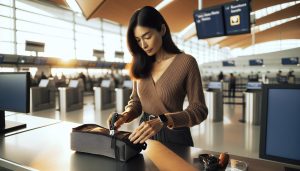
When packing for air travel, finding the right backpack size that fits under your airplane seat can mean the difference between a stress-free journey and a chaotic boarding experience. Did you know that many airlines have specific guidelines on personal item dimensions? Understanding these restrictions not only helps you avoid extra fees but also ensures that you maximize comfort during your flight. Whether you’re a frequent flyer or preparing for your first trip, choosing the right backpack can significantly enhance your travel experience. Join us as we explore the optimal dimensions for a carry-on backpack that fits comfortably beneath your seat, as well as tips for organizing your essentials. Let’s help you travel smarter and keep your gear accessible, so you arrive refreshed and ready to explore your destination.
What is the Standard Under-Seat Backpack Size?
The ideal size for a backpack that fits comfortably under an airplane seat typically ranges around 18 to 22 inches in height and 14 to 18 inches in width. However, these dimensions can vary based on individual airline policies. A crucial point to remember is that airlines often enforce strict size limits for personal items that fit under the seat, which may be slightly smaller than the overhead bin dimensions. This variability underscores the importance of checking with your specific airline before you travel.
When selecting a backpack, consider not only the external dimensions but also the internal organization. A well-structured backpack with multiple compartments can help maximize your packing efficiency. Prioritize lightweight materials to avoid adding unnecessary bulk, as most airlines have a weight limit for carry-on items too. For optimal travel convenience, aim for a backpack that includes side pockets for water bottles, a padded laptop sleeve, and easily accessible outer pockets for essentials like boarding passes and snacks.
Choosing a model designed specifically for travel can be beneficial. Many travel-focused backpacks feature adjustable straps and ergonomic designs, ensuring comfort during long waits or transfers. Also, backpacks with stowable straps are advantageous-they can be tucked away to prevent snagging or damage in crowded spaces. This thoughtful design will not only meet airline requirements but also enhance your travel experience, making it smoother and more enjoyable.
Airline Policies for Personal Items and Backpacks
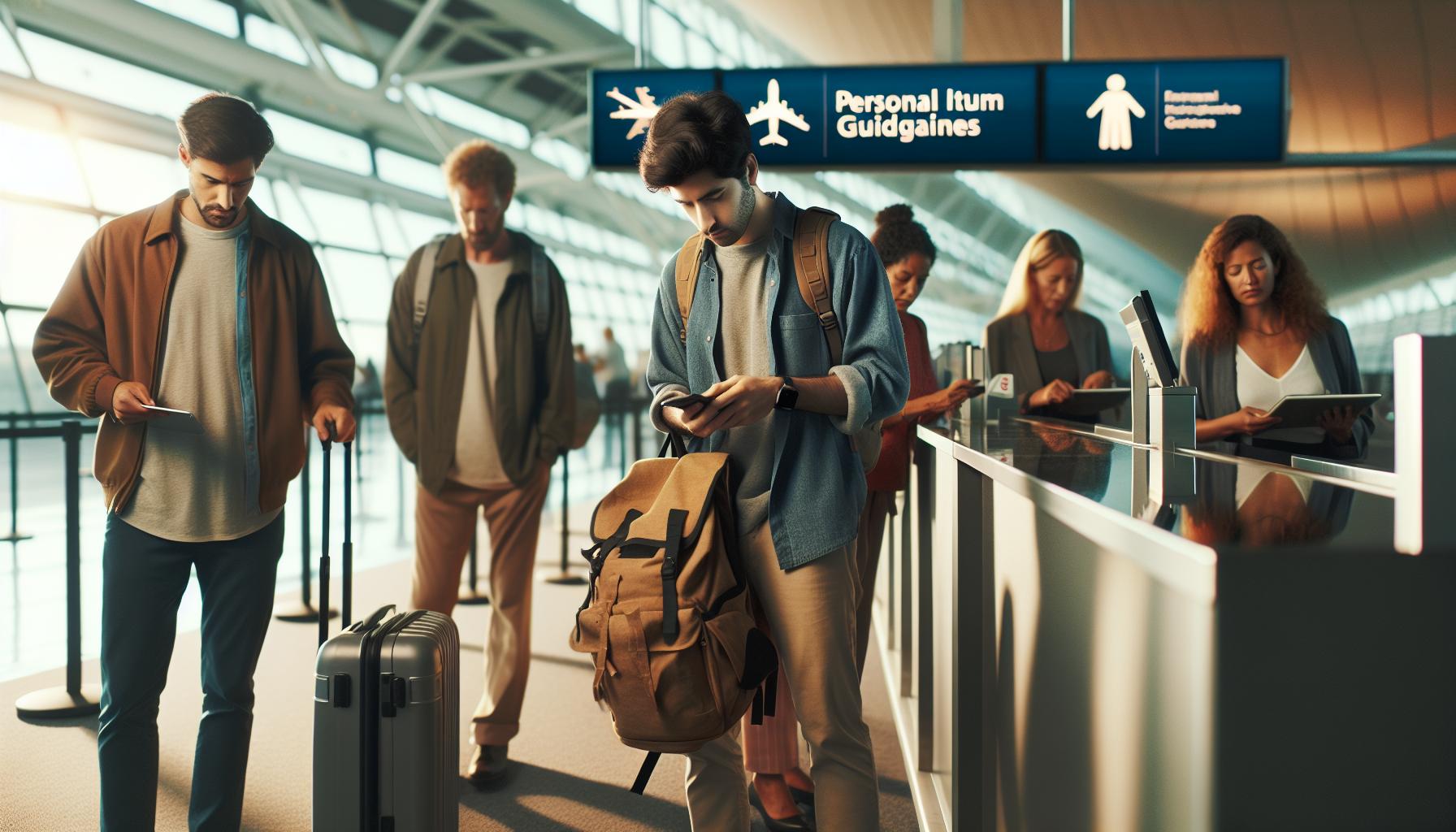
Traveling by air means navigating a complex landscape of airline policies, especially when it comes to personal items like backpacks. Each airline has its own regulations regarding the dimensions and allowances for what constitutes a personal item that can be stored under the seat in front of you. Typically, airlines permit personal items measuring anywhere from 16 to 18 inches in height, 12 to 14 inches in width, and around 8 inches in depth. However, these figures can vary significantly by airline, with some being stricter than others.
When preparing for a flight, it’s essential to review the specific guidelines associated with your airline. Many airlines have adopted a “first-come, first-served” policy where passengers with smaller personal items may find it easier to find adequate space under their seats. In some cases, airlines may measure your bag at the gate, so it’s wise to ensure your backpack adheres closely to the stipulated dimensions. Carrying an oversized bag can lead to unnecessary delays and additional fees, which can quickly sour the travel experience.
To make the best use of the limited space provided, consider choosing stylish yet practical backpack designs that align with airline regulations. An ideal under-seat backpack not only fits snugly under the seat but also provides sufficient organization for travel essentials. Features such as easy-to-reach pockets for travel documents, electronic devices, and personal items can enhance convenience. Furthermore, opting for a lightweight bag can significantly assist in complying with weight restrictions, as many airlines enforce a maximum carry-on weight.
Finally, it can be beneficial to familiarize yourself with the nuances of different airlines’ policies, especially if you frequently travel for work or leisure. By understanding these aspects ahead of time, you can select the perfect backpack that keeps you organized while ensuring a smooth check-in and boarding process. Seeking out recommendations from seasoned travelers or consulting online reviews can also provide insight into the best options available, further enhancing your travel experience.
Best Backpack Styles for Under-Seat Travel
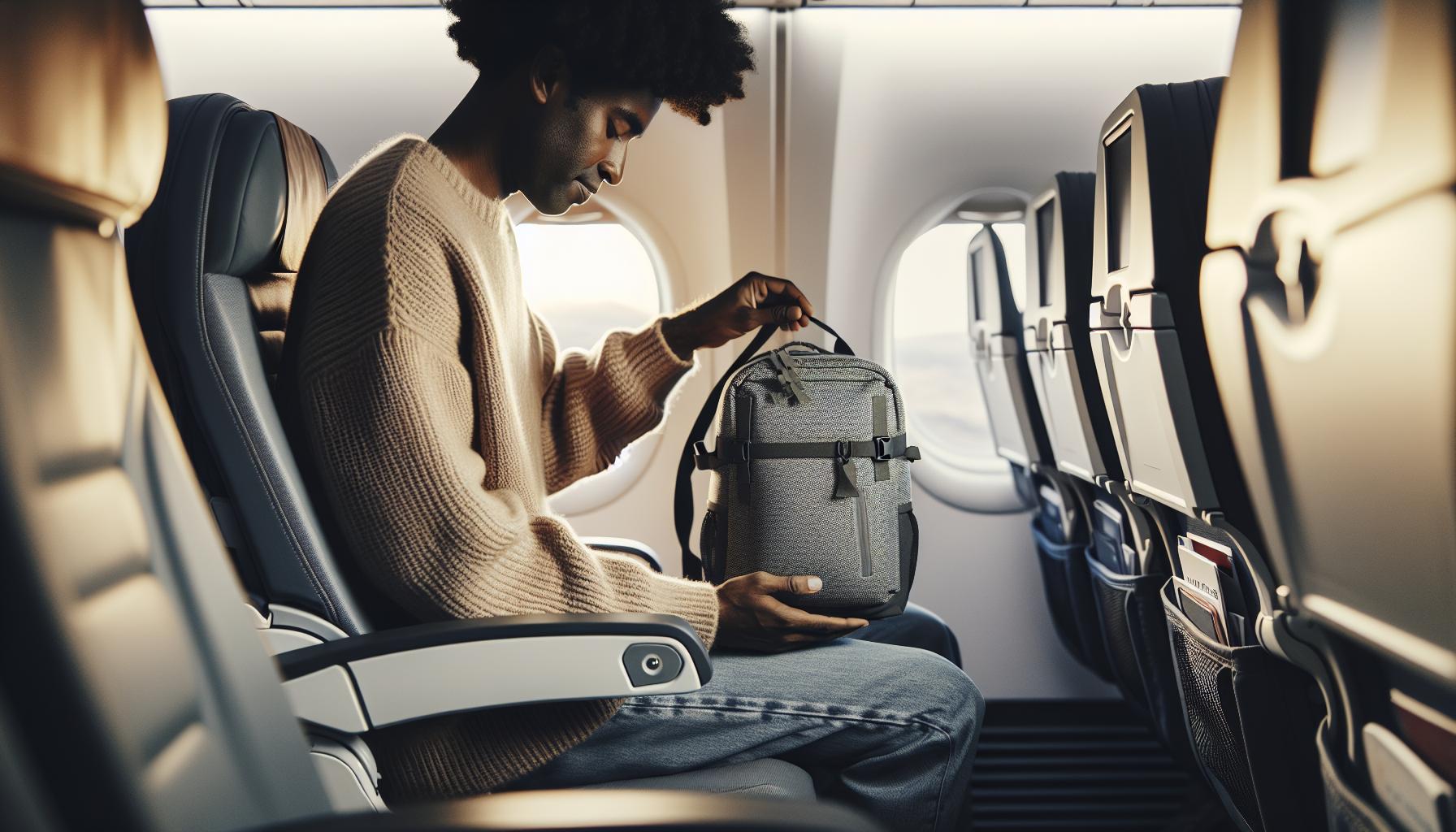
Choosing the right backpack for under-seat travel can significantly enhance your flying experience, providing both convenience and functionality without compromising on style. As you navigate through crowded terminals and cramped airplane aisles, a sleek and compact option becomes essential. Here are some of the best backpack styles suited for under-seat travel that ensure you stay organized and fashionable during your journey.
Daypacks
Daypacks are versatile and lightweight, typically ranging from 15 to 25 liters. They are designed with a streamlined profile, making them easy to stow under the seat. With multiple compartments and pockets, daypacks allow you to keep your essentials organized-be it your laptop, snacks, or travel documents. Look for features like external water bottle pockets and front stash pockets for added convenience. Brands like Osprey and Patagonia offer daypacks with ergonomic designs that prioritize comfort, making them perfect companions for short trips or day excursions.
Weekender Bags
For travelers who prefer a slightly larger capacity while still maintaining an under-seat fit, weekender bags are an excellent choice. These bags typically combine the functionality of a backpack with the spaciousness of a duffel. Made from durable materials with padded straps, they can accommodate a change of clothes, toiletries, and even your laptop with ease. Choose models with a “hideaway” backpack strap feature for when you want to transition from shoulder carry to backpack style, giving you flexibility based on your travel needs. Brands such as Herschel and The North Face have stylish options that balance form and function beautifully.
Travel Backpacks with Wheels
While traditional backpacks are great, travel backpacks with wheels can offer an added layer of convenience, particularly for longer trips or when navigating through large airports. These units typically include padded shoulder straps and a retractable handle, allowing you to choose how you wish to carry them. A compact design that meets airline dimensions can still provide plenty of storage with well-structured compartments for belongings. Osprey’s Transporter series and the CabinZero range are excellent examples of hybrid designs that cater to diverse travel scenarios while adhering to size restrictions.
Urban Backpacks
Urban backpacks stand out for their stylish aesthetics combined with practicality. Designed for the modern traveler, these bags often feature sleek lines and tech-friendly pockets. With dedicated compartments for laptops, tablets, and chargers, urban backpacks support your tech needs while ensuring everything fits smoothly under the airplane seat. Check out brands like Fjällräven and Incase for sleek solutions that won’t just look good but also provide top-notch functionality during your travels.
Ultimately, the best style of backpack for under-seat travel will depend on your individual needs, preferences, and travel habits. By selecting a backpack tailored to your travel style, you can maximize space and efficiency, creating a smoother journey from check-in to landing.
How to Choose a Backpack for Air Travel
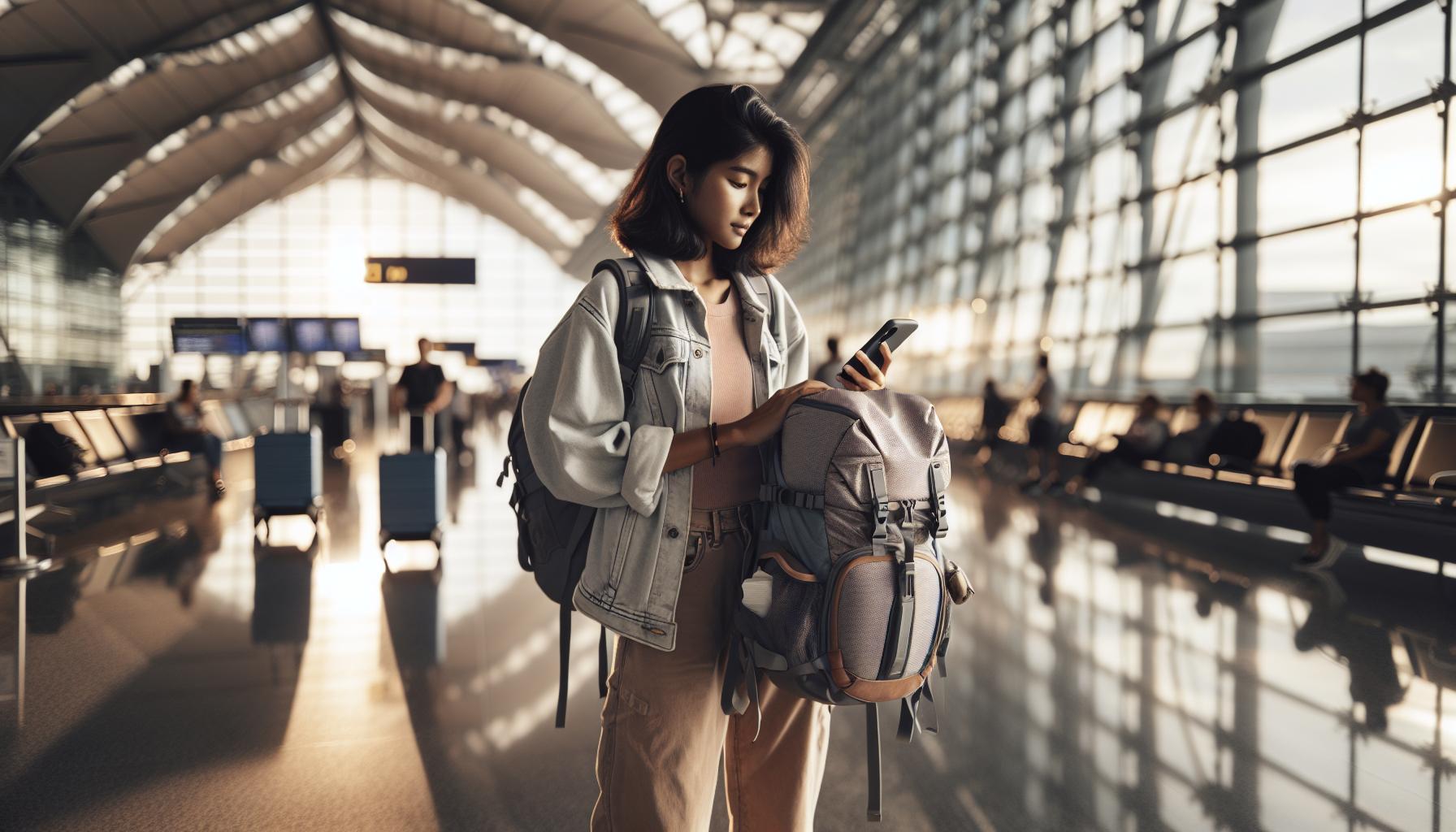
To select the ideal backpack for air travel, understanding your personal needs and the specific requirements of airlines is critical. Many travelers find that a well-chosen backpack not only fits comfortably under the seat in front of them but also enhances their overall travel experience by keeping essentials organized and easily accessible. Look for a backpack that meets the general size restrictions of most airlines, which usually range from 15 to 18 inches in height, 10 to 12 inches in width, and 6 to 8 inches in depth. This size allows for enough storage without being cumbersome in confined spaces.
When evaluating potential backpacks, consider functionality and layout. A good travel backpack should feature multiple compartments to efficiently arrange your items-like your laptop, chargers, and snacks-so they don’t become jumbled during transit. Modularity can also be beneficial; choose a backpack that offers interchangeable compartments or that can mesh well with packing cubes for optimized organization. Additionally, look for exterior pockets for items that you need quick access to, such as boarding passes and water bottles.
Comfort should not be understated. Look for padded shoulder straps and a breathable back panel to ease the burden of carrying the backpack through terminals or during layovers. An adjustable sternum strap can also help distribute weight more evenly, especially when the backpack is packed with heavier items. Consider the material; durable, water-resistant fabric will help protect your belongings against unexpected weather changes, while reinforced stitching and high-quality zippers ensure longevity.
Lastly, aesthetics matter too; modern travelers prefer options that are stylish yet functional. Focusing on brands that offer a balance of design and practicality-like Osprey, The North Face, and Patagonia-can lead you to a backpack that isn’t just a travel necessity but also a fashion accessory. A visually appealing backpack is more than just nice to look at; it can boost your confidence and enhance your travel experience, making each journey a little bit smoother.
Essential Features of Travel-Friendly Backpacks

Traveling by air can be stressful, especially when it comes to managing your belongings in confined spaces. Selecting a backpack that fits comfortably under the airplane seat is paramount, but equally important are the essential features that enhance your travel experience. Travel-friendly backpacks should not only meet size requirements but also provide convenience, comfort, and functionality.
One critical aspect to consider is organization. A well-designed travel backpack should feature multiple compartments, allowing you to separate your laptop, accessories, clothing, and personal items efficiently. Look for padded laptop sleeves that protect your tech, external pockets for quick access items like tickets or snacks, and mesh pockets to secure smaller essentials. This thoughtful layout will save you from rummaging through your bag during security checks or when you need something in-flight.
Another vital feature is comfort. Long hours spent in an airport or on a plane can lead to fatigue, so padded shoulder straps and a breathable back panel are essential for distribution of weight and reducing strain. Additionally, adjustable straps are a plus, enabling you to find the perfect fit regardless of how heavy your pack may be. Some backpacks even offer chest or waist straps for added support, which can significantly alleviate discomfort during travel.
Durability should not be overlooked. Opt for backpacks made of high-quality, water-resistant materials that can withstand the rigors of travel. Reinforced stitching and reliable zippers will ensure they stand up to frequent use. Consider brands known for their robust construction, as investing in a high-quality backpack can save you from the hassle and expense of frequent replacements.
Lastly, aesthetics play a role in your travel experience. A stylish backpack can make a statement while also being functional. Whether you prefer vibrant colors or classic designs, many brands today focus on delivering both practicality and style, allowing you to travel confidently. The right backpack not only serves a practical purpose but can also enhance your overall travel experience, making it an essential complement to your journey.
Packing Tips for Your Under-Seat Backpack
Packing efficiently for your air travel can significantly enhance your flying experience, especially when it comes to keeping everything you need close at hand within your under-seat backpack. To maximize space and ensure quick access to essentials, it’s important to adopt a systematic approach to packing.
First, prioritize your items by importance. Pack the most frequently used items, like your boarding pass, a water bottle, and snacks, in easily accessible outer pockets. Consider using packing cubes or zippered pouches to separate different categories of items, such as electronics, personal care, and travel documents. This not only helps maintain organization but also speeds up security checks and in-flight access.
Next, utilize every available space within your backpack. Roll your clothing instead of folding it to save space and reduce wrinkles. For tech gear, place items like charges and headphones in designated compartments or side pockets to keep the main compartment clear for larger items, like a light jacket or a book. Avoid overpacking-most airlines allow for a personal item fitting under the seat, generally around 18-20 inches in height, so ensure your pack meets those dimensions while still allowing room for flexibility.
Lastly, keep in mind the weight distribution of your backpack. Heavier items should be closer to your back to maintain balance and reduce strain when you’re walking through the airport. If your backpack has adjustable straps, make sure they are properly fitted to suit your body for maximum comfort during your travels. Remember that a well-organized backpack can make your journey not only smoother but also more enjoyable, giving you peace of mind as you navigate through airports and settle in during flights.
Top Brands for Compact Travel Backpacks
When it comes to compact travel backpacks that fit seamlessly under an airplane seat, several brands stand out for their design, functionality, and reputation. Choosing the right brand can greatly enhance your travel experience, ensuring that your essentials are organized, accessible, and ready for takeoff.
One of the most recognized names in travel gear is Osprey. Known for their ergonomic designs and efficient packing systems, Osprey backpacks typically feature multiple compartments and easy access pockets that make it effortless to find what you need during your flight. Their Osprey Daylite Plus, for example, is a versatile option that offers a sleek design and sufficient space to accommodate travel necessities while being compact enough for airline requirements.
Patagonia is another esteemed brand, celebrated not only for its high-quality gear but also for its commitment to environmental sustainability. The Patagonia Black Hole Mini Messenger Bag is ideal for under-seat travel. It combines durability with an array of smart organizational features, providing travelers with a reliable companion that holds up against the rigors of transit.
For those who prioritize minimalism, Hynes Eagle offers compact bags designed for smart packing without excess bulk. Their Travel Backpack 40L is perfect for under-seat storage and features a U-shaped opening for easy access to the main compartment. With a thoughtful design that includes multiple pockets, this backpack caters well to travelers who prefer to stay organized with ease.
Lastly, North Face has a long-standing reputation in the outdoor gear market and offers a variety of travel backpacks. Their North Face Borealis Backpack is a popular choice among travelers due to its supportive straps and ample organizational options. It’s equally suitable for daily use or as a personal item on flights, striking the perfect balance between style and function.
In conclusion, while many brands offer excellent options for compact travel backpacks suitable for under-seat storage, Osprey, Patagonia, Hynes Eagle, and North Face each provide unique benefits that cater to a variety of travel needs. Whether you favor design, sustainability, minimalism, or versatility, these brands have something to offer every traveler looking for the perfect under-seat companion.
Real User Reviews: Best Under-Seat Backpacks
Finding the right backpack for air travel can significantly enhance your journey, especially when it comes to fitting under an airplane seat. User reviews provide invaluable insights into how different packs perform in real situations, so let’s dive into what travelers are saying about their experiences with some of the best under-seat options.
Many users of the Osprey Daylite Plus rave about its organization and comfort. One frequent traveler noted, “I love how many pockets this bag has! I can easily store my laptop, snacks, and even a book without feeling like I’m digging through a bottomless pit.” Its sleek design not only fits perfectly under the seat but also allows for quick access to essentials during flights. The lightweight frame and padding also help to ease the burden on long trips, making it a popular choice for both weekend travelers and backpackers alike.
The Patagonia Black Hole Mini Messenger Bag has garnered praise for its durability and eco-friendly materials. A user mentioned, “I’m impressed by how well it holds up against the wear of travel. Plus, I feel good knowing I’m using a sustainable product.” Its compact size and weather-resistant fabric make it a reliable companion, especially for travelers facing unpredictable weather conditions. The bag balances style with function, allowing it to transition seamlessly from the airport to everyday use.
Hynes Eagle’s Travel Backpack 40L is frequently highlighted by minimalist travelers. One reviewer noted, “This bag is so convenient! It’s surprisingly spacious for its size, and the U-shaped opening makes packing and unpacking a breeze.” Users appreciate its thoughtful design that maximizes space without added bulk. The numerous compartments cater to organized packing, ensuring that your items are easily accessible and neatly stored throughout your journey.
Lastly, the North Face Borealis Backpack is a hit with users who value versatility. A frequent flyer remarked, “I use this backpack not just for flights but also for daily commuting. It’s ideal for holding my laptop and personal items without feeling cumbersome.” Its supportive straps and ample pockets facilitate a comfortable carry, making it suitable for various travel situations from business trips to casual getaways.
In summary, real user reviews highlight that the right under-seat backpack can transform your travel experience. The Osprey Daylite Plus, Patagonia Black Hole Mini, Hynes Eagle Travel Backpack, and North Face Borealis each bring unique features that cater to different travel preferences and needs. Whether it’s organization, durability, or versatility, these packs have received commendations from travelers who understand the importance of functionality while flying.
Maximizing Space: Packing Techniques and Strategies
Packing efficiently for air travel can significantly enhance your experience, especially when you need to fit everything under an airplane seat. Mastering space management in your backpack is crucial, as limited cabin space can be a challenge. This section focuses on techniques to maximize the available area while keeping your essentials at your fingertips.
Start by employing an organized packing strategy. Utilize packing cubes to segment your belongings by type (clothing, electronics, toiletries). This not only keeps items tidy but also allows for easy access without rummaging through your backpack. Another effective method is the roll method; rolling clothes instead of folding them reduces wrinkles and can save space, enabling you to fit more into your under-seat backpack.
Utilize Every Compartment
Most travel backpacks come with multiple compartments and pockets; make the most of these. Store frequently used items-such as travel documents, snacks, or a paperback-within easy-to-reach side pockets or the top compartment. This organization avoids clutter and provides quick access during the flight. For example, many users suggest keeping your charger and headphones handy in an exterior pocket to pull them out without disturbing your packed items.
Strategic Layering
Layering your items strategically can also optimize space usage. Begin by placing heavier items-like books or a laptop-at the bottom of your backpack to create a stable foundation. Then, add softer, lighter items, such as clothing or a jacket, on top. This arrangement not only maximizes space but also helps maintain the backpack’s balance when navigating airport terminals.
Ultimately, thoughtful packing techniques and effective use of your backpack’s features not only help you fit more into your under-seat space but also ensure a more pleasant travel experience. Adapting these strategies can make a significant difference, transforming how you prepare for your next adventure.
Common Mistakes to Avoid with Travel Backpacks
Optimizing your packing for air travel can greatly improve your flying experience, but many travelers make common mistakes that can lead to a frustrating journey. One of the easiest pitfalls to avoid is exceeding the size limits set by airlines for personal items. Most under-seat backpacks must fit within specific dimensions, typically around 18 x 14 x 8 inches (varies by carrier), so it’s crucial to measure your bag before heading to the airport. A bag that’s just a bit too large could mean lost time at the gate, as you may need to check it in or repack in a hurry.
Another frequent mistake is overpacking. It’s tempting to bring along just a few extra items “just in case,” but this can quickly lead to an overcrowded backpack that is difficult to manage. Prioritize essentials and consider versatile clothing that can serve multiple purposes. Aim to keep it light to ensure you can easily fit it under the seat while still having enough room for your feet. Pack efficiently by using smaller, compressible packing cubes or zip bags to use space wisely.
Additionally, not utilizing the compartments and pockets of your backpack can be a missed opportunity. Most travel backpacks are designed with several pockets, which can help in keeping your items organized and accessible. Storing travel documents, devices, and snacks in easily reachable pockets can make your experience smoother and prevent unnecessary rummaging during the flight. By taking advantage of every available compartment, you can avoid clutter and streamline your boarding process.
Lastly, neglecting to consider your personal comfort can also hinder your experience. If the backpack is too heavy or not adjusted correctly on your back, it can cause physical strain before you even board your flight. Invest in a well-structured bag that provides proper support, and learn how to adjust the straps for an even distribution of weight. Ensuring that your backpack is comfortable not only enhances your travel experience but also prepares you for navigating through busy terminals efficiently.
Alternatives to Traditional Backpacks for Air Travel
Exploring can significantly enhance your journey, especially when navigating crowded terminals or fitting into under-seat spaces. Options such as tote bags, duffel bags, and messenger bags can serve as excellent substitutes, each offering unique advantages while adhering to airline size restrictions.
Tote bags stand out for their versatility and easy access. They often come with wide openings, making it simple to reach for essentials without rummaging through a packed backpack. Look for designs with sturdier straps that can be comfortably carried on your shoulder or in your hand. Additionally, many totes feature internal pockets, which can help organize your items, from travel documents to electronics.
DuFFel Bags
Duffel bags also make a compelling choice for air travelers seeking flexibility and space. Modern duffels often have padded crossbody or shoulder straps for comfortable carrying while being spacious enough to accommodate clothing, toiletries, or additional gear necessary for your trip. When selecting a duffel, opt for a compact size suitable for under-seat storage, typically around 20 x 10 x 10 inches, which can still comply with most airlines’ personal item policies.
Messenger Bags
Messenger bags are another practical alternative, offering an urban, stylish flair while being functionally designed for travelers on the go. These bags usually have a single strap that can be adjusted for a comfortable fit across your body. Look for ones with organizational sections for quick access to your laptop or tablet, making them ideal for business trips or quick getaways where you need to transition between different settings.
Each of these alternatives presents practical options for travelers who want to stay organized and stylish while adhering to size regulations. By opting for a bag that fits comfortably under the seat yet meets your personal style and packing needs, you can transform your travel experience from stressful to seamless.
Travel Accessories to Enhance Your Backpack Experience
To elevate your travel experience and make the most of your under-seat backpack, consider integrating a selection of versatile travel accessories that cater to your needs. Not only do these accessories enhance functionality, but they can also transform your packed bag into a more organized and efficient travel companion. A well-chosen accessory can save you time and frustration, ensuring that everything you need is at your fingertips when you need it.
One essential accessory is a packing cube, which keeps your clothing and other items neatly organized within your backpack. Packing cubes allow you to separate items, making it easy to find what you need without emptying your entire bag. Choose lightweight, compressible options that help you save space while keeping everything streamlined. Compression sacks are another excellent choice, particularly for bulkier items like jackets or sweaters. They not only maximize the available space but also protect your clothing from wrinkles and dirt.
In addition to organizational tools, consider a portable charging bank, an invaluable companion for travelers who rely heavily on their devices. With countless apps and digital boarding passes, battery life can quickly dwindle. A compact power bank ensures your phone, tablet, or e-reader stays charged throughout your journey, alleviating the stress of scrambling for an outlet in busy airports. Look for power banks with multiple charging ports and fast-charge capabilities for those times when you’re short on battery and time.
Lastly, travel-sized toiletries and a toiletry bag can enhance your experience significantly. Opt for a zippered pouch that fits conveniently in your backpack, containing all your must-have personal care items in compliant sizes for air travel. By keeping your toiletries organized and easily reachable, you can quickly freshen up during layovers or upon arrival.
Investing in these travel accessories will not only improve the packing efficiency of your under-seat backpack but also contribute to a more enjoyable, hassle-free travel experience.
Q&A
Q: What is the maximum size for a backpack to fit under an airplane seat?
A: The maximum size for a backpack to fit under an airplane seat is typically around 18 x 14 x 8 inches (45 x 35 x 20 cm). However, this can vary by airline, so it’s important to check specific airline guidelines before packing.
Q: How can I measure my backpack to ensure it fits under the airplane seat?
A: To measure your backpack, use a measuring tape to check its height, width, and depth. Ensure all three dimensions, when combined with the packed items, do not exceed the airline’s under-seat dimensions for a smooth boarding experience.
Q: What types of backpacks are best suited for under-seat travel?
A: Compact, soft-sided backpacks are best for under-seat travel as they can easily adjust to available space. Look for designs with flexible straps and a slim profile to maximize fit and comfort during the flight.
Q: Are there certain airlines that allow larger bags under the seat?
A: Yes, some airlines have more lenient policies regarding under-seat dimensions. Airlines like Southwest and JetBlue may permit slightly larger bags, so always verify individual airline guidelines before traveling.
Q: Can I use a duffel bag as an under-seat backpack?
A: Yes, a duffel bag can serve as an under-seat bag if its dimensions comply with the airline’s requirements. Choose a soft, collapsible design for easy fitting and enhanced flexibility under the seat.
Q: What are some packing tips for maximizing space in an under-seat backpack?
A: To maximize space in your under-seat backpack, roll clothing instead of folding, utilize packing cubes, and prioritize essential items. Additionally, keep heavier items at the bottom for better balance during travel.
Q: What is the difference between a personal item and a carry-on backpack?
A: A personal item is generally smaller than a carry-on bag and must fit under the seat in front of you. In contrast, a carry-on backpack goes in the overhead bin and usually has larger size restrictions. Always check specific airline policies when packing.
Q: How do I choose the right backpack for air travel?
A: When selecting a travel backpack, consider size, weight, comfort, and features. Look for adjustable straps, multiple compartments for organization, and durable materials. Additionally, ensure it meets airline size requirements for under-seat storage for hassle-free travel.
Closing Remarks
As you prepare for your next trip, remember that knowing the right backpack size can make your travel experience much smoother. The insights shared in “What Size Backpack Fits Under Airplane Seat: Travel Guide” empower you to choose wisely, ensuring you have a comfortable and compliant carry-on. Don’t let confusion hold you back-take action now by checking the dimensions of your bags and making those necessary adjustments.
For further exploration, dive into our related articles on travel-friendly backpacks and packing essentials to maximize your journey. Have questions or tips of your own? We’d love to hear from you in the comments! And don’t forget to sign up for our newsletter for more travel insights and gear recommendations. To create your ultimate travel toolkit and stay prepared for any adventure, explore our other guides today. Safe travels!