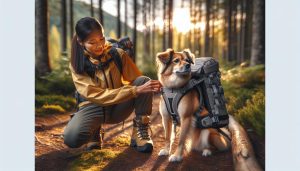
Packing a trekking backpack effectively is crucial for any outdoor adventure, as proper weight distribution can significantly affect your comfort and mobility on the trail. Did you know that an unbalanced pack can lead to fatigue, back pain, and even injuries? Whether you’re a seasoned trekker or a beginner looking to enjoy a weekend getaway, understanding how to organize your gear is essential. In this guide, we’ll explore practical tips to help you distribute weight strategically, ensuring that every hike is not only enjoyable but also safe. By optimizing how you pack, you’ll enhance your overall trekking experience and feel more prepared to tackle varied terrains with confidence. Let’s dive into the art of packing your trekking backpack!
How Weight Distribution Affects Your Backpacking Experience
Striking the right balance in weight distribution can transform your backpacking adventure from a burdensome slog to a pleasant trek. Proper weight distribution ensures that your pack sits comfortably, reduces fatigue, and helps maintain your balance on uneven terrain. By keeping heavier items close to your back and lighter items towards the front and bottom, you enhance stability and prevent strain on your shoulders and back. This foundational knowledge is crucial for both new and seasoned backpackers looking to elevate their outdoor experience.
When packing, prioritize organization by placing heavier gear, like your tent or food supply, within close proximity to your back. This placement minimizes the leverage effect of weight pulling you backward, allowing for more natural movement while climbing or navigating tricky trails. In contrast, lighter items such as sleeping bags and clothing can be stowed lower in the pack and away from your body. Not only does this strategy optimize your center of gravity, but it also ensures that heavier items are easily accessible when needed without the fiddliness of unpacking the entire bag.
To further enhance your experience, consider using compression sacks or packing cubes. These tools help manage bulk and contribute to efficient weight distribution by keeping smaller items contained and organized. Additionally, regularly reassessing the load as you traverse varies terrain can help you make real-time adjustments for comfort and efficiency. Remember, a well-packed backpack can make all the difference, transforming your outdoor journey into an enjoyable exploration of nature rather than a struggle against your gear.
Essential Gear to Bring on Your Trek
When you’re gearing up for a trek, the right equipment can mean the difference between a rewarding adventure and a taxing one. Choosing essential gear not only ensures that you are prepared for various conditions but also plays a crucial role in maintaining a balanced and comfortable load. Below are the must-have items that should find a place in your backpack to create an optimal trekking experience.
Backpack
A sturdy, well-fitted backpack is foundational. Look for one that offers adjustable straps and a hip belt to help utilize your lower body strength when carrying heavy loads. Aim for a pack that offers a capacity suitable for your trip duration; 50-70 liters is common for multi-day hikes. Consider a design that allows for external attachment points for easy access to frequently used items.
Shelter and Sleeping System
Your shelter impacts both weight and space in your backpack. Opt for a lightweight tent or a hammock system if you anticipate trees. Pair this with a compact sleeping bag and pad. A down-filled sleeping bag can provide warmth without adding excessive weight. Position these items close to your back for better weight distribution.
Cooking and Food Supplies
Choose a lightweight stove and pot that cater to your cooking needs. A simple camp stove paired with a single pot can handle most meals. Don’t forget food that is high in calories and easy to prepare, such as freeze-dried meals or energy bars. Store these near the top of your pack for quick access during breaks.
Clothing and Personal Gear
Pack moisture-wicking clothes that can handle temperature changes. Include layers like a lightweight jacket, thermal base layers, and a reliable rain shell. Accessories like a hat, buff, and gloves can be lifesavers. Store your clothing in waterproof bags to keep them dry and organized, and pack them towards the bottom of your bag to ensure heavier items remain close to your back.
Tools and First Aid
A multi-tool or small knife can be useful for various tasks, from food prep to minor repairs. A well-stocked first aid kit is essential for handling any minor injuries. Keep these items easily accessible; a side pocket or the top compartment of your pack works well for this purpose.
Preparing for a trek involves thoughtful consideration of the gear you bring along. By balancing functionality with weight distribution, you ensure that each item adds value to your adventure, making your experience more enjoyable and safe.
Maximizing Space: How to Pack Efficiently
Packing efficiently can mean the difference between a delightful trek and a miserable slog, especially when you’re contending with rugged terrain or unpredictable weather. Understanding how to maximize space in your backpack not only enhances your comfort but also allows you to carry everything you need without overloading yourself. One of the best practices is to consider the weight and shape of your gear to ensure an effective packing strategy.
Start by laying out all your gear and categorizing items based on importance and frequency of use. Place heavier items, like your cooking equipment and food supplies, close to your back. This central positioning keeps the pack balanced and prevents strain on your shoulders. For lighter items such as clothing or sleeping gear, utilize the top or the outer pockets of your backpack.
Utilizing Space Wisely
One effective way to maximize packing space is to fill voids and gaps within your backpack. Roll your clothing tightly to create compact bundles, and stuff smaller items like socks or first aid kits into the spaces between larger objects. Packing cubes can be incredibly useful here as they allow for organization while preventing your gear from shifting during your hike. Consider nesting smaller items inside larger ones when it makes sense-e.g., placing a dry bag or inflatable pillow inside your sleeping bag.
Another strategy is to assess your gear for multifunctionality. Look for items that can serve more than one purpose, such as a cooking pot that doubles as a bowl or a shirt that can function as both a headscarf and a sunshade. This approach not only saves space but also cuts down on the overall weight you have to carry. Additionally, choose a compressible backpack that expands into larger bags when necessary, which can provide flexibility for varying lengths of trips.
Finally, always keep in mind the way the weight is distributed while packing. A linear design, with heavier gear centered and lighter weight items balanced around it, will lead to a more comfortable trek. Don’t overlook the adjustment of your backpack’s straps and hip belt to further optimize load distribution. With these packing tips, you’ll not only maximize space in your backpack but also ensure that your trekking experience is as enjoyable as possible.
Strategies for Balancing Your Load
In backpacking, achieving the right balance in your load can transform your experience from laborious to liberating. Proper weight distribution is not just about comfort; it can significantly affect your stamina and control over rugged terrains. When you distribute weight wisely, you’re less likely to experience fatigue, muscle strain, or loss of balance. Imagine carrying a backpack where the weight feels naturally integrated into your movements rather than dangling awkwardly off your shoulders-this is the essence of effective load balancing.
To start, prioritize the placement of your heaviest gear. Always aim to position heavy items, such as cooking equipment and food, closest to your back and centered. This positioning minimizes the leverage effect on your body and reduces the strain on your shoulders. A fundamental rule is to keep this heavy center of gravity as close to your spine as possible; this will help maintain an upright posture and distribute your weight evenly, allowing for easier movement and improved stability. Additionally, try to layer your gear from heaviest at the bottom to lightest on top, which allows for better gravity alignment and a more stable center of mass.
Another key strategy involves organizing your gear for quick access while maintaining balance. Place frequently used items-such as snacks, first aid kits, or maps-in outer pockets or at the top of your pack. This placement not only keeps them accessible but also reduces the need to dig deep into your bag, disrupting the carefully organized weight distribution. For added efficiency, think about using small zippered pouches for groups of items; this way, you can pull out a pouch without disturbing the entire hierarchy of your pack’s load.
Lastly, don’t underestimate the importance of your hip belt and shoulder straps. Adjusting these correctly will make a significant difference in how the weight feels. A well-fitted hip belt can take much of the load off your shoulders, enabling you to walk more comfortably for extended periods. Furthermore, remember to periodically reassess and redistribute your load during longer hikes, especially as you consume food and water. Small adjustments can prevent discomfort and maintain your body’s alignment, making your journey much more enjoyable.
Incorporating these strategies will not only help you balance your load effectively but also enhance your overall trekking efficiency, ensuring you can focus on the beauty of your surroundings rather than the burden of your backpack.
Organizing Your Backpack for Accessibility
When you’re out on the trail, the last thing you want is to struggle with accessing your gear. Learning how to organize your backpack for maximum accessibility is crucial for efficiency and comfort. Imagine needing to grab a quick snack or locate your first aid kit but having to wrestle through layers of equipment to find it. Not only does this disrupt your flow, but it can also lead to frustration during your hike. Here are some actionable tips to ensure you keep your gear organized and accessible while minimizing disruptions.
Start by designating specific areas of your backpack for frequently used items. For instance, keep your snacks, water bottle, and map in easy-to-reach pockets. If your backpack has side pockets, utilize them for water bottles; this way, you can hydrate without having to dig deep into your pack. Items like your first aid kit, headlamp, or multi-tool should be placed in pockets or compartments that are immediately accessible. Use the top section of your backpack for these essentials, ensuring you can grab what you need quickly.
Utilizing small zippered pouches can also streamline your access. Group similar items together-consider a pouch for cooking utensils, another for toiletries, and yet another for tech gadgets. By color coding or labeling these pouches, you can swiftly locate the items you need without rifling through your entire backpack. This tactic is especially beneficial during a break when you want to set up your camp quickly without the hassle.
Moreover, organizing along the vertical space of your backpack can enhance both balance and access. Always place heavier items closer to your back to maintain a low center of gravity while utilizing the upper sections for lighter, frequently used gear. This strategy not only helps in weight distribution but also makes it easier to reach items without having to alter your setup significantly. During your hike, don’t forget to periodically reassess your pack’s organization; as you consume items, your gear can shift, so being proactive about your accessibility will keep you prepared for whatever the trail throws your way.
By implementing these strategies, you can make sure your organization enhances not only your efficiency on the trail but also your enjoyment of the great outdoors. Keeping your gear accessible means more time admiring the views and less time wrestling with your backpack.
Choosing the Right Backpack for Your Needs
Choosing the right backpack is crucial to a successful backpacking experience, as it can significantly influence your comfort and overall enjoyment on the trail. A well-fitted backpack tailored to your specific needs enhances weight distribution, reduces fatigue, and provides easy access to gear. When selecting a backpack, consider the type of trekking you’ll be doing, the duration of your trips, and the gear you’ll need to carry.
First, determine the capacity you require. Backpacks are typically categorized by volume, often measured in liters. For day hikes, a backpack in the range of 20-30 liters should suffice, whereas weekend trips may require 40-70 liters, and longer treks might necessitate 70 liters or more. It’s important to remember that a larger pack isn’t always better; a pack that is too big can encourage you to carry unnecessary weight, straying from the principles of efficient packing and weight distribution.
Fit and adjustability are key features to watch for. Look for a backpack that offers adjustable straps and a comfortable hip belt, which transfer the load from your shoulders to your hips. This adjustment not only enhances weight distribution but also minimizes strain on your back. Make sure to try it on with some weight before making a purchase; the pack should feel snug without restricting movement. A good rule of thumb is to ensure that the shoulder straps are padded and that they fit you well, not digging into your skin or creating pressure points.
Another important factor is the design and features of the backpack. Opt for a model that includes multiple compartments and pockets, allowing for organized storage and easy access to your gear. Consider features such as hydration reservoir sleeves, side pockets for water bottles, and top lids that can double as a day pack for shorter excursions. A rain cover or water-resistant fabric can also offer peace of mind when trekking through unpredictable weather.
Lastly, don’t forget to consider your budget, but remember that investing in a quality backpack can enhance your trekking experience. While there are affordable options available, a reputable brand usually offers better durability and design features that cater to backpackers. Take the time to research user reviews and recommendations to find a backpack that aligns not just with your wallet, but also with your individual needs and terrain preferences.
Tips for Packing Heavy Items Smartly
Packing heavy items in your trekking backpack effectively can dramatically enhance your comfort on the trail and improve your overall hiking experience. Balancing the weight of these items reduces fatigue and allows for easier maneuverability, particularly on uneven terrain. For optimal weight distribution, it’s essential to place the heaviest gear close to your back and at the center of your pack. This positioning lowers your center of gravity, which can prevent toppling and maintain stability, especially when navigating challenging pathways.
When you’re ready to pack, categorize your heavy items-think of gear like your tent, food supplies, or cooking equipment. Consider these strategies:
- Center-of-Gravity Placement: Place the heaviest items such as water and food near your back and close to your hips. This alignment helps distribute weight efficiently and allows for better balance.
- Utilize Compression Straps: Most decent backpacks come equipped with these straps. Use them to secure heavy items in place and to minimize shifting during movement, which can lead to discomfort or back strain.
- Layering Technique: Consider layering your heavier items with lighter ones above them. For instance, after placing heavier items at the bottom, fill in with your sleeping bag and then lighter clothing or gear on top. This creates a solid base and helps prevent the pack’s contents from shifting.
Another essential tip for packing heavy items smartly is to ensure accessibility to crucial items without completely unpacking. Keep frequently used items like snacks, a water filter, or a first-aid kit in side pockets or at the top of your pack. Planning your packing layout in advance ensures that you won’t have to wrestle with your backpack when you need something urgently, keeping your trek enjoyable and efficient. By combining thoughtful packing strategies with an understanding of weight distribution, you’ll feel significantly more capable and comfortable on your adventures.
Adjusting Straps for Optimal Comfort
To ensure a comfortable backpacking experience, adjusting your backpack’s straps is crucial. Fit plays a significant role in how the weight of your pack affects your body. An ill-fitted pack can lead to unnecessary strain on your back and shoulders, transforming an enjoyable trek into a painful ordeal. Properly adjusting your straps can alleviate tension on the shoulders, distribute weight evenly, and maintain stability on uneven terrains.
Start with the shoulder straps. The shoulder straps should be snug but not overly tight; they should hold the weight close to your back. If they are too loose, the pack may sway and pull you off balance. Conversely, overly tight straps can cause chafing and restrict circulation. Aim for a fit that allows you to wiggle your fingers underneath the straps while still feeling firm against your shoulders.
Next, address the load-lifter straps, usually located at the top of the shoulders. These should pull the top of your backpack closer to your body, effectively transferring some of the weight to your hips. A good rule of thumb is to have them angled between 30 to 45 degrees. If the pack feels too forward-leaning, adjust these straps to prop the pack back, enhancing your center of gravity and leading to better balance.
Lastly, don’t overlook the hip belt. It should sit comfortably on your hips, ideally distributing about 70% of the pack’s weight through your hips rather than your shoulders. Tightening the hip belt can help reduce strain on your upper body, while a snug fit also keeps your pack stable during movement. Adjusting the length of the hip belt can further personalize the fit to your body, ensuring that you are not overloaded in either direction.
Finally, test the adjustments by taking a few steps with your pack on. Move around and see how it feels. If you start feeling pressure points or discomfort, take a moment to readjust before heading out on your adventure. A well-fitted backpack can make all the difference in enjoying the great outdoors.
The Role of Packing Cubes in Weight Distribution
During a trekking adventure, the way you pack can significantly influence your comfort and performance on the trail. Packing cubes offer a unique solution not just for organization but also for achieving optimal weight distribution in your backpack. These lightweight compartments allow you to sort your gear into manageable sections, making it easier to access what you need while ensuring that the weight is balanced effectively.
By utilizing packing cubes, you can separate heavy items-like food and cooking gear-from lighter essentials, helping to keep your pack’s center of gravity aligned with your body. This strategic placement reduces the strain on your shoulders and back, as the weight is distributed evenly across your frame. For example, placing your heaviest packing cube at the base of your backpack helps maintain stability, while lighter items can be stacked on top, creating a well-balanced load.
When selecting packing cubes, consider materials with a bit of structure to them, which can help maintain their shape and compress under weight. Organizing clothes in one cube, sleeping gear in another, and cooking items in a third not only maximizes your space but also keeps everything accessible. This level of organization means less time rummaging through your pack for that elusive item and more time enjoying the beauty of nature.
Moreover, using packing cubes allows for quick adjustments on the go if you find your weight distribution isn’t quite right. If you start feeling discomfort, you can simply shift the arrangement within your cubes or swap them around to better suit your body’s needs. Whether it’s a weekend trek or a longer expedition, packing cubes serve as an essential tool for maintaining comfort and efficiency on the trail. Embracing this simple yet effective packing strategy can transform your outdoor experience, making it more enjoyable and less burdensome.
Common Packing Mistakes to Avoid
When venturing into the wilderness, it’s easy to forget that the way you pack your backpack can make or break your experience. One of the most common packing mistakes is placing heavy items at the top of your backpack. This not only raises your center of gravity but also places undue strain on your shoulders, making it harder to maintain balance on uneven terrain. Instead, aim to pack heavier items, such as your sleeping bag, at the base of your backpack. This foundational approach provides stability and helps you maintain an even load, enhancing your overall comfort on the trail.
Another frequent error is overpacking. It can be tempting to bring every possible item “just in case,” but this can lead to a bulky and unwieldy backpack. To avoid this, take a realistic inventory of your needs based on the length and nature of your trek. Create a checklist of essential items and stick to it, prioritizing lightweight gear and multi-use tools. This not only reduces your pack weight but also enhances your mobility and enjoyment during the hike.
Additionally, failing to secure items properly is a mistake that can lead to disorganization and frustration. Loose items bumping around inside your pack are not only cumbersome but can also lead to unnecessary noise and difficulty in locating what you need. Use packing cubes or stuff sacks to keep similar items together, and ensure everything is cinched down tightly. Not only does this help in distributing weight evenly, but it also allows for quicker access to your gear when needed.
Lastly, neglecting to adjust your pack’s straps and harness correctly can lead to discomfort and back pain. Before hitting the trail, take the time to ensure your shoulder straps, hip belt, and load-lifters are adjusted for your body shape and size. Properly adjusted straps help distribute weight evenly across your hips and shoulders, reducing the risk of strain. For instance, the hip belt should carry about 70% of your pack’s weight, freeing your shoulders from undue burden and allowing for smoother and more efficient movement on the trail. By avoiding these common packing pitfalls, you’ll enhance both your comfort and efficiency, ensuring a more enjoyable backpacking experience.
Maintaining Your Backpack: Care Tips
Your backpack is your lifeline on the trail, and keeping it in tip-top shape will ensure your adventures are enjoyable and hassle-free. One often-overlooked aspect of backpack maintenance is cleaning. After a trek, especially in muddy or rainy conditions, it’s critical to clean your backpack to prevent dirt and bacteria from settling in. Begin by emptying all pockets and compartments. Shake out any debris and examine for stains or smells. Use a soft brush to remove caked-on dirt, then wash it with a mild soap detergent and warm water. Many packs are machine washable, but always check the manufacturer’s instructions.
Additionally, regularly inspecting your backpack for wear and tear is vital for its longevity. Check the seams, zippers, and straps for fraying or damage, which can worsen over time. If you spot any issues, address them promptly-most can be repaired with needle and thread or simple patches. A little maintenance can go a long way in preventing more significant problems that could leave you stranded or uncomfortable on your trip.
Lastly, proper storage after your adventures can significantly extend the life of your backpack. Rather than cramming it in a tight space, hang it up or store it in a cool, dry place to avoid mildew and deformation. Consider using packing cubes or compression bags to maximize your storage efficiency while also keeping your gear organized for your next outing. By following these care tips, your backpack not only remains functional but can also be a trustworthy companion for many more miles ahead.
Preparing for Different Environments: Packing Tips
When stepping into the great outdoors, the environment you plan to explore plays a crucial role in the items you’ll pack and how you pack them. Whether you’re traversing rocky mountains, lush forests, or arid deserts, each terrain presents unique challenges and requirements that can impact your comfort and safety. Thus, it’s vital to tailor your packing strategy to the specific environment of your trek.
One effective way to prepare for varying environments is to conduct thorough research about the weather patterns, wildlife, and terrain of your intended destination. For instance, if you’re heading to colder climates, prioritize thermal layers, waterproof outerwear, and extra insulation to keep you warm. In contrast, a trip through a hot, sunny desert might require lightweight clothing, ample hydration, and sun protection such as hats and sunscreen. Additionally, consider the terrain: rocky trails necessitate sturdy footwear with good ankle support, whereas softer ground may allow for lighter shoes.
- Layers Matter: Use a layering system to regulate body temperature. Start with moisture-wicking base layers, add insulating mid-layers, and finish with waterproof shells.
- Hydration and Nutrition: Different environments may demand different hydration strategies. For desert hikes, prioritize water sources or portable filtration systems. For cooler regions, hydration packs can freeze; opt for insulated bottles instead.
- Navigation Tools: Always carry navigation aids suited for your environment. In remote areas, a physical map and compass might be essential, as GPS devices can fail in dense forests or canyons.
Reflecting on the fundamental aspects of weight distribution, be sure to pack heavier items closer to your back for better balance, especially on uneven terrains. This adjustment not only enhances stability but also minimizes strain on your body, allowing you to navigate challenging landscapes more efficiently. Moreover, packing cubes can be invaluable: they help keep your gear organized and can also distribute weight more evenly throughout your backpack.
Ultimately, customizing your pack for the specific demands of your environment will lead to a more enjoyable and safer outdoor experience. Every detail, from your clothing choices to gear placement, contributes to your overall adventure. The better you prepare, the more you can focus on the awe of the journey ahead.
FAQ
Q: How do I balance the weight in my trekking backpack?
A: To balance your trekking backpack, place heavier items close to your back and near the center of the pack. Distribute lighter items in compartments further away or at the top to maintain stability and enhance comfort during your hike.
Q: What are the best strategies for packing a trekking backpack for a multi-day hike?
A: For a multi-day hike, utilize compression bags for clothing, maximize vertical space, and create a hierarchy by packing daily essentials on top. Keep heavy gear close to the back and distribute weight evenly for better balance and comfort.
Q: Why is weight distribution important in backpacking?
A: Weight distribution is crucial because it affects your balance, posture, and overall comfort. Properly balanced backpacks reduce strain on muscles and joints, allowing for easier navigation and less fatigue on long treks.
Q: How can I utilize packing cubes for weight distribution?
A: Packing cubes help organize gear by size and weight, making it easier to access items. Use smaller cubes for heavier items and larger cubes for lighter ones, enhancing your backpack’s weight distribution and accessibility.
Q: What mistakes should I avoid when packing my trekking backpack?
A: Common packing mistakes include overloading the pack, failing to balance weight, and not utilizing space effectively. Always pack heavier items close to your back and keep frequently used gear easily accessible to improve your backpacking experience.
Q: When should I adjust my backpack straps during a hike?
A: Adjust your backpack straps at the start and throughout your hike if you notice discomfort or imbalance. Proper strap adjustments help maintain weight distribution, ensuring that the pack sits comfortably and reduces strain on your shoulders and hips.
Q: Where should I place my sleeping bag when packing a trekking backpack?
A: Your sleeping bag should be packed at the bottom of your backpack or attached to the outside in a compression sack. This placement helps create a low center of gravity, improving balance while keeping it accessible for quick setup at camp.
Q: How does the type of backpack impact weight distribution?
A: The type of backpack impacts weight distribution significantly; a well-fitted pack with multiple compartments allows for better weight distribution. Look for adjustable straps and hip-belts to shift weight from your shoulders to your hips, enhancing overall comfort on the trail.
Insights and Conclusions
Now that you’re equipped with essential weight distribution tips for packing your trekking backpack effectively, it’s time to put those strategies into action! Properly packing your gear can make a world of difference in your hiking experience, enhancing comfort and performance on the trail. If you have lingering questions or want to dive deeper into related topics, check out our guides on choosing the best hiking backpacks and maintaining your outdoor gear for long-lasting use.
Feeling inspired? Don’t forget to sign up for our newsletter for regular updates, tips, and exclusive offers that cater to outdoor enthusiasts like you. Your next adventure is just around the corner-explore more insights on how to select the right hiking tools and keep your equipment in peak condition for any journey. Engage with us in the comments below; we’d love to hear about your packing methods or any challenges you face on the trail! Happy trekking!