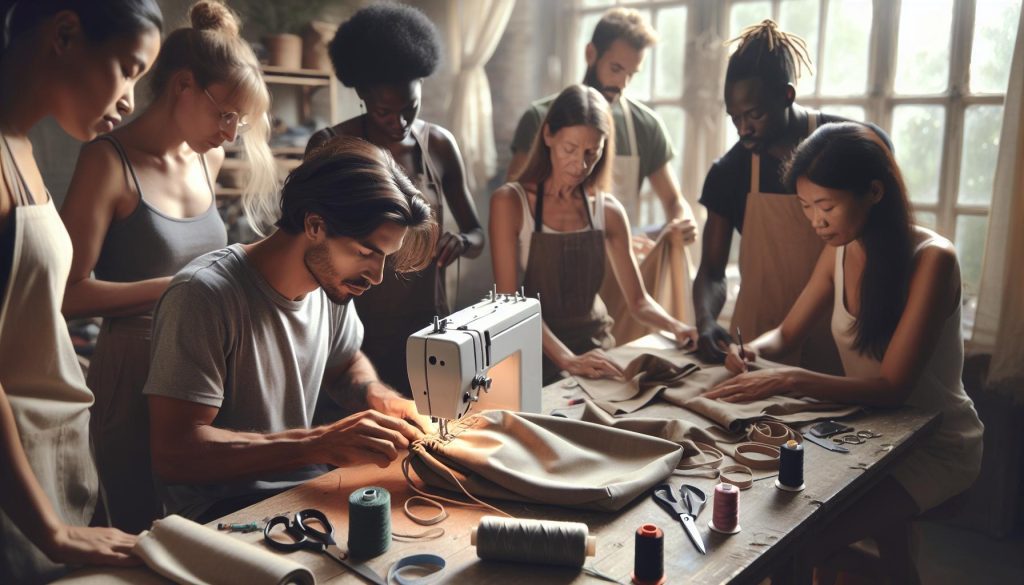
In today’s fast-paced world, a reliable, stylish, and functional bag is essential for carrying everyday essentials, whether you’re heading to the gym, school, or a day out. A drawstring backpack combines convenience and versatility, making it a popular choice for on-the-go lifestyles. This DIY guide will empower you to create your own personalized drawstring backpack, allowing you to choose colors and patterns that reflect your style, while also being an easy-to-make project that requires minimal sewing skills. Imagine crafting a unique backpack that’s not only practical but also an expression of your creativity. Dive into this step-by-step guide to discover how simple materials and a few basic techniques can help you bring your design vision to life, transforming your carry game while saving money. Ready to embark on this fun and fulfilling project? Let’s get started!
Choosing the Right Materials for Your Backpack
When embarking on the journey to create your own drawstring backpack, selecting the right materials is crucial to ensure durability, practicality, and aesthetics. A well-chosen fabric enhances both functionality and style, making it essential to consider factors such as weight, water resistance, and design suitability. You’ll want to start with a fabric that can withstand daily wear and tear, especially if you plan on using your backpack for outdoor activities.
For the body of the backpack, consider materials like ripstop nylon or canvas, which offer strength and resistance against abrasions. Ripstop nylon is particularly beneficial for its lightweight properties while retaining durability and water resistance, making it ideal for hiking or active use. Alternatively, cotton canvas provides a sturdy, vintage style and is easy to work with if you’re sewing by hand. Here are a few materials to keep in mind:
- Ripstop Nylon: Lightweight, water-resistant, and tear-resistant.
- Cotton Canvas: Strong and durable but heavier; great for a casual look.
- Denim: Offers durability and versatility; great for a trendy design.
- Polyester: Affordable and comes in various colors; good for vibrant options.
In addition to the main fabric, your choice of cord material is essential for the drawstring. Look for durable paracord or cotton cord, as these materials provide strength and comfort against the shoulders. If you want to add a personal touch, you might consider incorporating decorative elements like patches or fabric paint to reflect your personality and style, further enhancing the unique appearance of your backpack.
Ultimately, selecting the right materials not only contributes to the backpack’s overall durability but also speaks to your personal style, allowing you to create a functional accessory that suits your needs and preferences.
Essential Tools for DIY Drawstring Backpack
To create a drawstring backpack that is both functional and stylish, you’ll need the right set of tools. Having the appropriate equipment not only simplifies the construction process but also ensures that your finished product will be durable and well-made. Whether you are a beginner or an experienced crafter, knowing what tools to gather can save you time and effort.
First and foremost, every DIYer needs a sewing machine. A machine will not only speed up your stitching but also provide a more consistent finish compared to hand sewing. If you opt for hand sewing, a sturdy needle designed for thicker fabrics is essential. Additionally, don’t forget the importance of high-quality thread; a polyester thread is typically recommended for its strength and resistance to fraying.
Next on the list is a rotary cutter or fabric scissors. A rotary cutter makes it easy to cut through multiple layers of fabric with precision and speed, while sharp fabric scissors are equally important for detailed work. If your design includes pockets or any intricate shapes, a pair of pinking shears can help prevent fraying along the edges.
Other Essential Tools
To keep your work organized and efficient, consider these tools:
- Measuring Tape: Accurate measurements are crucial for ensuring your backpack fits the intended dimensions.
- Fabric Clips: These hold your fabric layers in place without damaging them, especially helpful with thicker materials.
- Iron: Pressing seams and fabric helps achieve a professional finish.
- Safety Pins: Useful for temporarily securing pieces before sewing them together.
- Seam Ripper: A handy tool for correcting mistakes without damaging your fabric.
Furthermore, if you are looking to personalize your backpack, consider tools for decorations such as fabric paint or embroidery kits. These tools allow you to add unique touches that reflect your style.
Finally, ensure you have a clean workspace equipped with a cutting mat, which protects your surfaces from cuts and provides a clear area for measuring and assembling your materials. With these tools in hand, you will be well-prepared to embark on your DIY drawstring backpack project confidently.
Step-by-Step Instructions for Construction

To successfully construct a drawstring backpack, following a clear and detailed process can make all the difference in the quality and functionality of your finished product. This step-by-step guide ensures you can navigate the construction with confidence, transforming your chosen materials into a beautiful, practical bag.
Start by preparing your fabric. Pre-wash and iron it to eliminate shrinkage and any wrinkles. Next, lay out your fabric on a clean, flat surface. If you are using heavier materials, a rotary cutter can help you make accurate cuts. Cut your fabric into two equal rectangles; a standard size is approximately 15 inches wide by 18 inches tall, though you can adjust this based on your needs. Additionally, cut a long strip of fabric (about 2-3 inches wide) for the drawstring casing.
Now, take one of the rectangles and create the bottom seam for the bag. Fold the bottom edge up by half an inch, press, and sew along the edge with a straight stitch to prevent fraying. Move to the top of the rectangle. Fold down about 1 inch for the drawstring casing and iron it flat, then fold it down again (another 2-3 inches) to create a pocket for the drawstring. Pin this in place to make sewing easier.
Once the seams are secure, it’s time to assemble. Place the two fabric rectangles together, right sides facing in. Sew along the sides and bottom, leaving the top open for the casing. After all, seams are stitched, trim any excess fabric and use a zigzag stitch along the edges to prevent fraying. Turn the bag inside out and push out the corners for a clean finish.
To complete the drawstring casing, topstitch close to the folded edge at the top of the bag, leaving an opening on both sides to thread the drawstring. Use a safety pin or a bodkin to help guide the drawstring through the casing. Finally, pull evenly to make the bag close, ensuring that your construction is complete.
By following these steps, you can create a functional and stylish drawstring backpack that showcases your creativity and serves your daily needs. Don’t forget to personalize your design through fabric choices or decorations, making your backpack uniquely yours.
Personalizing Your Drawstring Backpack Design
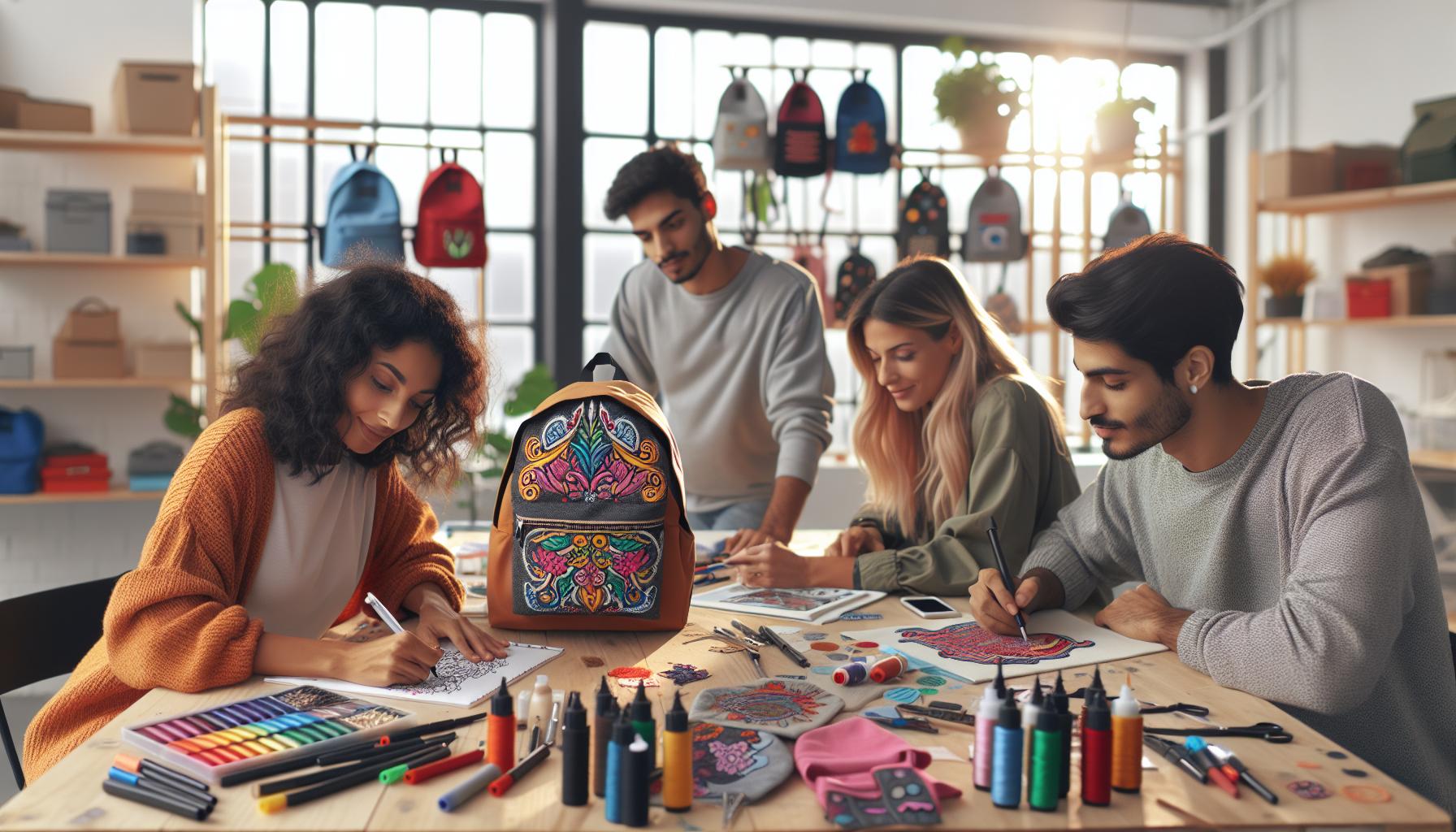
Personalizing your drawstring backpack is a thrilling opportunity to infuse your style and creativity into a project that’s as functional as it is unique. Whether you’re aiming for a bold statement or a subtle touch of flair, customization transforms a simple bag into a personal accessory that reflects your identity. Here are some innovative ideas to help you make your drawstring backpack truly yours.
One of the easiest ways to personalize your backpack is through fabric selection. Choose weather-resistant or themed fabric that resonates with your lifestyle. For instance, if you love outdoor activities, consider using durable canvas with a fun print, like camping motifs or nature scenes. Alternatively, if you prefer an urban style, opt for sleek black or denim fabric with colorful accents. Don’t shy away from mixing materials; combining cotton with faux leather can create an eye-catching contrast.
Embellishing your backpack is another effective way to showcase your creativity. You can use fabric paint, patches, or even iron-on transfers to add graphics, text, or patterns that are meaningful to you. For example, a favorite quote handwritten in bold letters can inspire you every time you use the backpack. Additionally, consider adding embroidery. Simple stitches around the edges or your initials can add a personal touch that elevates the overall look of the bag.
Adding accessories can also enhance the aesthetic and functionality of your backpack. Incorporate keychains, buttons, or charms for a playful vibe. Beads or decorative tassels can dangle from the drawstring for a bit of movement. For those who carry essential items, think about including additional pockets or compartments on the exterior. This not only boosts functionality but also serves as a canvas for more decorations by using different fabrics or colors.
Lastly, don’t forget about sustainability when personalizing your backpack. Incorporating eco-friendly materials like organic cotton or recycled fabrics not only contributes to the environment but also gives your backpack a unique story. Seek out second-hand fabrics for an unexpected twist, or even upcycle clothing that holds sentimental value.
Experiment with these ideas to create a backpack that stands out and meets your personal needs, ultimately transforming your DIY project into a piece of art that you’ll be proud to carry wherever you go.
Tips for Perfecting Stitching and Finishing
Mastering the art of stitching and finishing can transform your DIY drawstring backpack from a simple project into a meticulously crafted piece that not only functions well but also impresses onlookers. Ensuring that your seams are strong and visually appealing requires a few key techniques and tools. One crucial aspect to consider is the type of sewing machine and the needle you use; a universal needle works well for most fabrics, but if you’re working with thicker materials like canvas, a heavy-duty needle is advisable.
When it comes to stitching, always use the right type of thread. Polyester thread is a great choice because of its strength and durability, making your seams less likely to fray over time. Additionally, opting for a slightly longer stitch length-around 2.5-3 mm-can give your backpack a professional finish while also allowing for some flexibility during use. Before you begin sewing the final seams, it’s beneficial to run a basting stitch along the edges of your fabric. This helps keep layers together and prevents shifting, which can lead to uneven seams.
Attention to detail when finishing is just as important as the stitching itself. Consider using French seams if you’re working with lighter fabrics; they encase raw edges and prevent fraying, giving your backpack a clean interior. For heavier materials, a zigzag stitch along raw edges will suffice. Furthermore, don’t overlook the importance of pressing your seams as you go. A warm iron can help flatten seams and provide a neat appearance, ensuring that your bag looks polished and well-constructed.
Finally, remember that quality control is essential. Always check your work as you go by examining seams for any puckering or unevenness and make adjustments as necessary. A small amount of extra care during the construction process will lead to a well-finished backpack that you’ll be proud to carry. With these tips, you’ll enhance both the strength and aesthetic appeal of your drawstring backpack while honing your sewing skills.
Common Mistakes to Avoid in DIY Projects
When embarking on a DIY project like creating a drawstring backpack, it’s easy to get caught up in the excitement and overlook critical steps. Many beginners make avoidable mistakes that can affect the final product’s functionality and aesthetic appeal. Knowing these pitfalls in advance can save you time, material, and frustration.
One common error is underestimating the importance of taking accurate measurements. Skipping this step often leads to ill-fitting components that don’t work well together. Always double-check your fabric dimensions and ensure you have ample seam allowances, especially when working with thick materials. Alongside measurements, it is crucial to understand your fabric choices. Some fabrics behave differently when cut or sewn; for instance, slippery materials may shift, resulting in uneven seams.
Another frequent misstep involves neglecting the pre-washing of fabrics. Washing can help remove any sizing or chemicals that could impact sewing or fabric stability. Additionally, not preparing your materials may lead to shrinkage after you’ve constructed the backpack, distorting the shape and ruining your hard work.
An often-overlooked area is thread choice and stitching tension. Using the wrong type of thread can weaken seams; it’s best to opt for polyester for durability. Moreover, improper tension settings on your sewing machine can create puckering or looser stitches, which don’t provide adequate strength. Always test stitches on a scrap piece before beginning the final assembly to ensure you achieve the desired result.
By steering clear of these common mistakes-taking careful measurements, pre-washing fabrics, selecting the right thread, and adjusting machine settings-you’ll enhance the quality of your drawstring backpack and set the stage for a successful and enjoyable DIY experience. Happy crafting!
Creative Ideas for Drawstring Backpack Uses
Creating a drawstring backpack opens up a world of versatility and creativity, allowing you to tailor it for various activities and purposes. Whether you’re heading to the gym, going on a hike, or just need a stylish bag for everyday use, the options are abundant. These backpacks are not only practical but can also reflect your personal style.
One of the most popular uses for a drawstring backpack is as a gym bag. Their lightweight design and easy access make them perfect for carrying workout gear, water bottles, and even post-workout snacks. Adding interior pockets can help keep smaller items like keys, earbuds, and gym memberships organized, so you can focus more on your fitness and less on rummaging through your bag.
For students, a drawstring backpack can be an excellent alternative to traditional backpacks. Lightweight and customizable, they can be made in school colors or with fun prints that express personality. Ideal for stashing books, notebooks, and school supplies, these bags are easy to toss in a larger bag when not in use. You can also add features like a reinforced bottom for added durability.
Consider the outdoors! Drawstring backpacks are great for hiking or day trips. Their open design allows for quick access to items like snacks, water bottles, and maps. By making it from weather-resistant or water-repellant fabric, you can ensure that your belongings stay dry if you encounter unexpected weather. Adding reflective strips or bright colors can enhance safety during low-light conditions.
Additionally, think of crafting one specifically for traveling. Use it to carry a change of clothes, snacks, or travel documents, making it easier to access important items during transit. Lightweight and foldable, these bags can fit easily into a suitcase, ensuring you have an extra bag ready for souvenirs or as a day bag at your destination.
Incorporating unique features into your drawstring backpack maximizes its utility. Adding compartments for specialized items-like a padded pocket for a tablet, a key holder, or an insulated section for keeping drinks cool-can turn a simple bag into a multifunctional one tailored to various activities. The possibilities are nearly endless, and with creativity, a DIY drawstring backpack can suit any need while showcasing your style.
How to Care for and Maintain Your Backpack
To extend the lifespan of your drawstring backpack and keep it looking fresh, a few simple care and maintenance practices can go a long way. Regular cleaning and proper storage are essential whether your backpack is made from durable canvas, synthetic materials, or even eco-friendly fabrics. Think of it as keeping a reliable friend in top shape so they can always be ready for your next adventure.
Cleaning Your Backpack
Start by emptying your backpack completely and giving it a good shake to remove any crumbs or debris trapped in the corners. For most fabrics, a gentle spot clean with warm, soapy water is effective. Use a soft cloth or sponge and avoid abrasive materials that could damage the fabric. If your backpack has tough stains, pre-treat those areas with a stain remover before washing. For machine-washable materials, make sure to follow the care label instructions-typically, it’s best to use a gentle cycle with cold water.
Drying and Storing
After washing, allow your backpack to air dry completely before storing it away. Avoid direct sunlight, which can fade colors and weaken fabric fibers. When storing, keep it in a cool, dry place, and consider using a bag or a protective cover to prevent dust accumulation. If your drawstring backpack is more structured, emptying it and maintaining its shape with crumpled paper or fabric can prevent unwanted creases.
Regular Inspections and Repairs
Additionally, regularly inspect your backpack for signs of wear, especially around seams and drawstrings. If you notice any loose stitches or frayed edges, take the time to repair them promptly to avoid further damage. A simple needle and thread can make quick work of minor issues, reinforcing weak areas before they become significant problems.
By implementing these straightforward maintenance tips, you not only ensure your drawstring backpack remains functional but also extend its aesthetic appeal for years to come. Treating your backpack well enhances your daily carry experience while preserving the effort and creativity you put into making it.
Exploring Advanced Techniques and Customizations
The world of DIY drawstring backpacks offers a canvas for creativity and personalization that is both satisfying and practical. As you dive into advanced techniques and customizations, the possibilities extend far beyond basic constructions. Whether you want to enhance functionality, elevate aesthetics, or uniquely express your style, these insights will fuel your imagination.
To start, consider the incorporation of reinforced stitching techniques, such as the zigzag stitch or double-stitching. These methods not only increase durability but also add an appealing finish to your seams. When using fabric that may experience wear, such as canvas or neoprene, this reinforcement ensures that your drawstring bag withstands the rigors of daily use. Incorporate various stitch patterns or contrasting thread colors to create eye-catching designs that set your backpack apart.
Adding custom features can significantly enhance both the utility and style of your backpack. Explore the potential of internal and external pockets for organization. For instance, a front zippered pocket is perfect for quick-access items like keys or a phone, while an internal pocket can securely hold wallets or smaller gadgets. You can also experiment with adjustable straps or a crossbody option, allowing users to wear the backpack in multiple ways. Such customizations not only improve functionality but add a personalized touch to the overall design.
In terms of aesthetic customizations, think about using fabric paints or iron-on patches to showcase your style. A simple stencil can transform a plain fabric into a vibrant work of art, while patches can embody your interests or travels. For those seeking uniqueness, try dyeing techniques such as ombre or tie-dye, which can bring life to a solid color bag. If you’re inclined toward eco-friendly practices, consider upcycling materials-old jeans or leftover fabric remnants can breathe new life into your project.
Finally, integrate practical elements like reflective strips for safety if you plan to use the backpack for outdoor ventures or cycling. These small but effective enhancements ensure that your backpack not only stands out in terms of style but also meets the practical needs of an active lifestyle. By embracing these advanced techniques and customizations, you create a drawstring backpack that is uniquely yours, merging functionality and personal expression seamlessly.
Inspiration: Unique Drawstring Backpack Styles
Creating a unique drawstring backpack is an opportunity to express your personal style while maintaining functionality. With an array of styles to choose from, your backpack can reflect not just your taste but also your lifestyle needs and activities. Whether you’re gearing up for a day at the beach, a hiking adventure, or simply heading to class, the design of your backpack can play a significant role in your overall experience.
Playful Patterns and Prints
One way to instantly elevate your backpack’s style is by selecting eye-catching fabrics. Consider using fabric with bold prints or patterns, such as:
- Floral prints for a fresh, summery vibe.
- Geometric designs for a modern, minimalist appeal.
- Animal motifs that add a fun, whimsical touch.
Mixing and matching different fabrics can also create a patchwork effect that stands out. This approach not only makes your backpack unique but also enables you to utilize leftover fabric from previous projects.
Functional Yet Fashionable
While looking stylish is essential, practicality is key. Incorporating functional design elements can enhance your backpack’s usability. Consider these ideas:
- Add a front zippered pocket for easy access to essentials like your phone or keys.
- Include side mesh pockets for water bottles or snacks, perfect for outdoor excursions.
- Experiment with adjustable straps that not only provide comfort but also allow for crossbody wear.
These features can help make your drawstring backpack a daily essential, merging style with function seamlessly.
Dye Techniques and Custom Embellishments
For those wanting to add a creative twist, dive into dyeing techniques such as tie-dye or ombre, which provide an artistic flair to solid fabrics. Additionally, customizing your backpack with embellishments like:
- Fabric paint to create your designs.
- Embroidered patches that can reflect your hobbies or inspirations.
- Sequins or beads for a touch of sparkle.
Each embellishment not only tells a story but also adds a unique personal touch that sets your backpack apart from the rest.
Eco-Friendly Inspirations
As sustainability becomes increasingly important, opting for eco-friendly materials can influence your style choices. Consider using:
- Recycled fabrics or upcycled materials from old bags or clothes.
- Organic cotton for a softer, sustainable option.
- Bamboo-based fabrics as a renewable and biodegradable alternative.
These choices not only contribute to a better environment but also allow you to showcase a thoughtful approach to fashion.
By tapping into these unique styles and ideas, you’ll transform your drawstring backpack into a true reflection of who you are, all while ensuring it remains practical for everyday use and adventures alike.
Adding Extra Features: Pockets and Straps
Whether you’re heading to the gym, a hiking trail, or just running errands, the right features in your drawstring backpack can transform it from a simple bag into a highly functional companion. By thoughtfully incorporating extra pockets and adjustable straps, you can enhance both the practicality and comfort of your design.
Adding pockets is a game-changer for organization. Consider including a variety of pocket styles to cater to different needs. A front zippered pocket provides quick access to small essentials, such as your phone, keys, or wallet. Side mesh pockets are perfect for holding water bottles or snacks, making them accessible when you’re on the go. For those who like to stay organized, inner pockets with secure closures can also keep items like your tools or crafting supplies safe and tidy. This layered approach not only improves your bag’s functionality but also encourages a more streamlined experience.
Adjustable straps are equally crucial for a comfortable fit. They allow you to customize the length to suit your body shape and personal preference, which is especially important when carrying heavier loads. Consider using wider straps, which distribute weight more evenly across your shoulders, reducing fatigue during long outings. Adding padding to the straps can enhance comfort, making your backpack easier to wear for extended periods. If you have specific activities in mind, such as biking or hiking, designing your straps to allow crossbody wear can improve stability and ease of movement.
Lastly, think about incorporating design elements that not only increase functionality but also add a personal touch. For example, decorative webbing can hold carabiners for attaching gear, while contrasting colors can make certain elements pop. By combining practical features with aesthetic choices, you create a drawstring backpack that is both visually appealing and equipped to handle your daily adventures seamlessly.
Choosing Eco-Friendly Fabrics for Your Backpack
When creating a drawstring backpack, considering the environmental impact of your fabric choice can enhance not only the sustainability of your project but also its durability and performance. Eco-friendly fabrics are often made from renewable resources, recycled materials, or organic fibers, reducing your ecological footprint while still providing strong performance for everyday use.
There are several excellent options for sustainable materials. Bamboo fabric, for instance, is biodegradable and naturally antibacterial, making it a great choice for a backpack that may be exposed to moisture or odors. Organic cotton is another popular option, cultivated without harmful pesticides and fertilizers, and it typically has a lower impact on soil health and biodiversity. Additionally, recycled polyester, often derived from plastic bottles, provides a robust and water-resistant option that diverts waste from landfills.
Incorporating these materials not only helps the environment but can also add unique characteristics to your backpack. For example, using waxed canvas made from organic cotton can make for a stylish and water-repellent exterior, while hemp fabric boasts incredible tensile strength and durability. When selecting fabrics, consider their weight and texture; lightweight options may be preferable for a daypack, while sturdier materials could be better suited for heavier loads or frequent outdoor use.
Lastly, always check the certifications of the fabrics you intend to use. Look for labels such as GOTS (Global Organic Textile Standard) for organic materials or the Oeko-Tex Standard 100, which ensures the fabric is free from harmful substances. By prioritizing eco-friendly fabrics, you’ll not only create a functional and stylish drawstring backpack but also contribute positively to the environment.
Q&A
Q: What type of fabric is best for making a drawstring backpack?
A: The best fabric for a drawstring backpack is durable yet lightweight material, such as canvas, nylon, or cotton. These fabrics withstand wear and tear while being easy to carry. For a more eco-friendly option, consider organic cotton or recycled polyester.
Q: How long does it take to make a drawstring backpack?
A: Typically, making a drawstring backpack takes about 1 to 2 hours, depending on your experience level and the complexity of your design. Allow extra time for personalizing and ensuring safe, neat stitching.
Q: Can I make a drawstring backpack without a sewing machine?
A: Yes, you can make a drawstring backpack by hand-sewing. While it may take longer and require more effort, hand-stitching allows for more precise work, particularly if you are new to sewing. Refer to the “Tips for Perfecting Stitching and Finishing” section in the guide for techniques.
Q: How do I choose drawstring closure materials?
A: Choose sturdy materials like cotton or nylon cord for adjustable drawstrings. Also, select strong eyelets or fabric loops to support the closure. The durability of these components ensures the backpack functions effectively over time.
Q: What are some common mistakes when making a drawstring backpack?
A: Common mistakes include incorrect measurements, neglecting to reinforce the drawstring openings, and using weak stitching types. Reviewing the “Common Mistakes to Avoid in DIY Projects” section can provide insights to prevent these errors.
Q: What can I use to decorate my drawstring backpack?
A: You can decorate your drawstring backpack using fabric paint, patches, embroidery, or iron-on decals. For personalized flair, consider customizing with your name or favorite designs, as mentioned in the “Personalizing Your Drawstring Backpack Design” section.
Q: How can I make a waterproof drawstring backpack?
A: To make a waterproof drawstring backpack, use waterproof fabric like tarpaulin or apply a water-resistant coating to the material. Additionally, ensure seams are sealed or use waterproof stitching techniques for maximum protection against moisture.
Q: Are there different styles of drawstring backpacks I can make?
A: Yes, drawstring backpacks come in various styles, including gym bags, beach totes, and even more structured designs with pockets. The “Inspiration: Unique Drawstring Backpack Styles” section has examples to spark your creativity.
To Wrap It Up
Now that you’ve mastered the art of making your own drawstring backpack, why not take it a step further? Explore our other DIY guides to discover more creative projects, whether it’s customizing other bags, or tackling stylish home decor that showcases your newfound sewing skills. Remember, the joy of DIY is about personal expression and creating something uniquely yours!
Feeling inspired? Share your creations with us in the comments below and don’t forget to subscribe to our newsletter for tips on the latest DIY trends and exclusive content. Need additional materials? Check out our recommended resources for high-quality fabrics and tools that can elevate your projects. Your next crafting adventure awaits-join the community and continue crafting today!