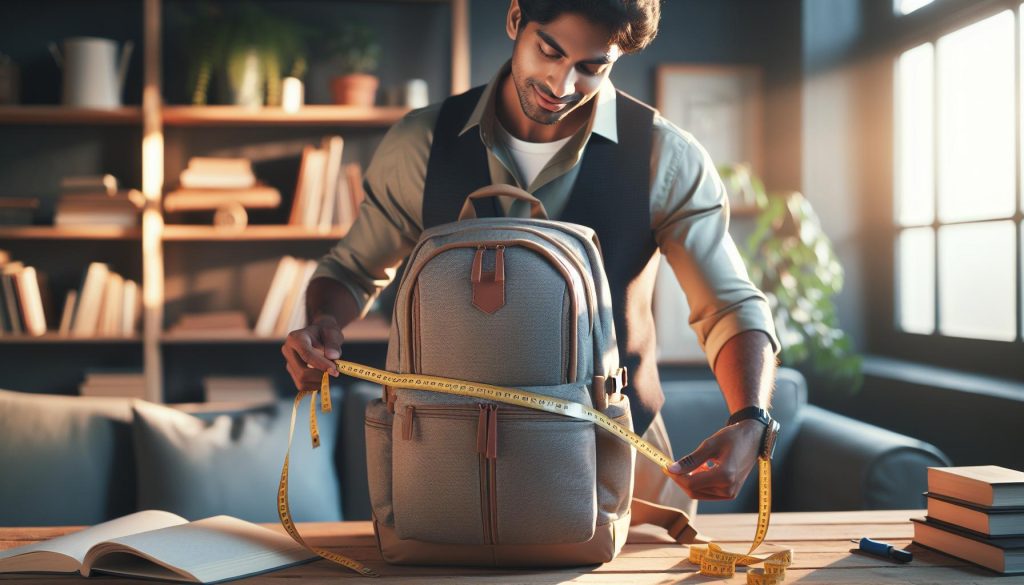
Choosing the right backpack size can make a significant difference in your comfort and efficiency, whether you’re heading to school, trekking through nature, or commuting to work. Did you know that an improperly sized backpack can lead to back pain and discomfort? Understanding how to measure your backpack not only helps you select the perfect fit but also ensures you carry your essentials without unnecessary strain. In this guide, we’ll break down simple measurement techniques and tips, allowing you to confidently choose a backpack tailored to your needs. Ready to find your ideal backpack size? Let’s dive in!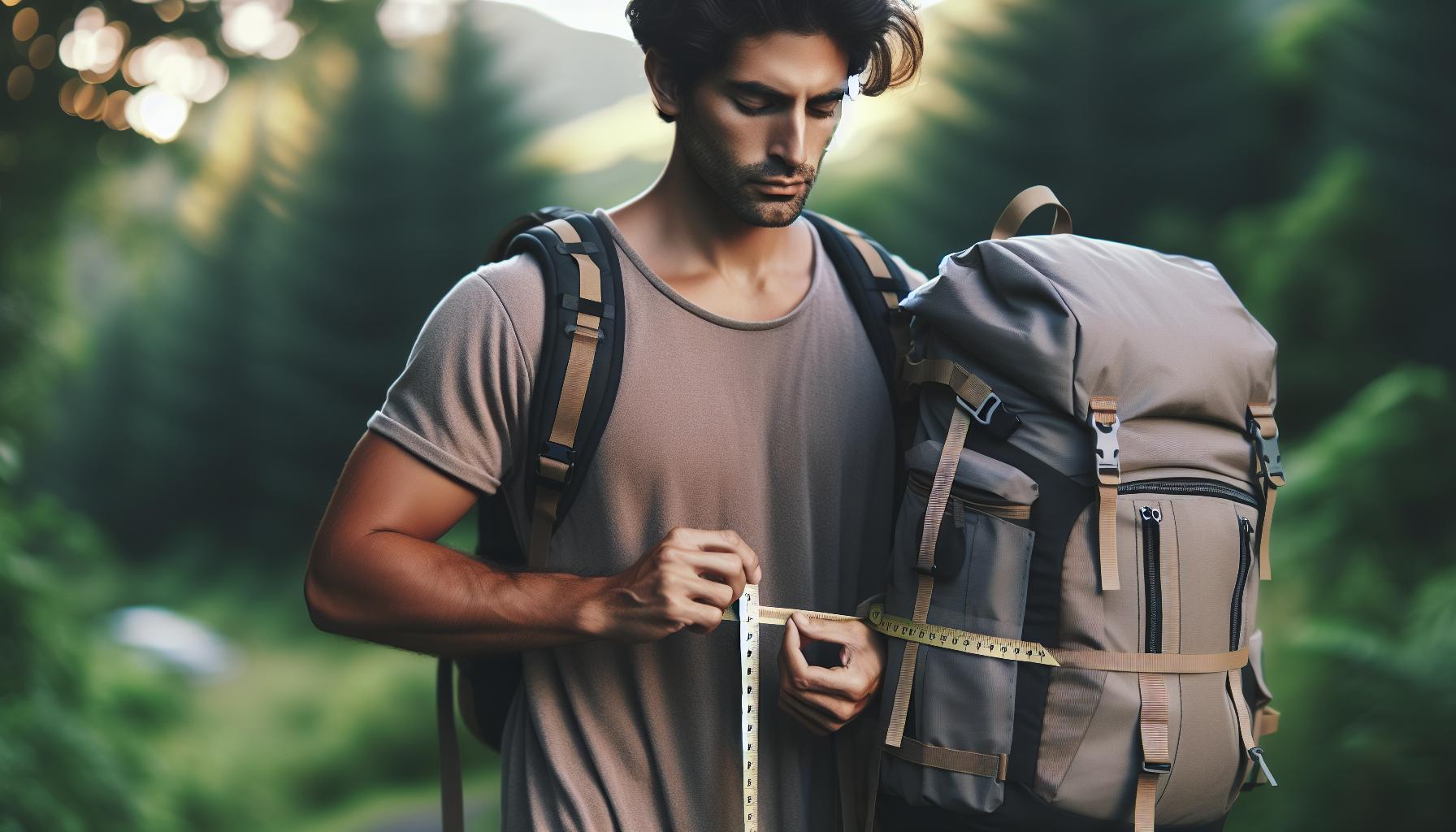
Understanding Your Backpack’s Size: The Importance of Measurement
Understanding the size of your backpack is crucial, whether it’s for a day hike, a lengthy journey, or your daily commute. A well-fitted backpack can mean the difference between comfort and discomfort during your adventures. Many backpack-related injuries stem from improper sizing and loading, leading to strained muscles and back pain. Thus, taking the time to measure correctly and choose the right size not only enhances your experience but also promotes better posture and overall health.
When measuring for your backpack, consider several key dimensions. Start with your torso length, which is the distance from the base of your neck to your lower back. This measurement helps ensure the backpack sits comfortably on your back. Additionally, the waist size is important for properly fitting hip belts, especially for larger packs designed for extended trips. Don’t forget pack volume – expressed in liters – which indicates how much gear your backpack can hold. Understanding these dimensions can guide you to a pack that fits snugly and securely, reducing the risk of shifting and discomfort when on the move.
Remember, the type of activities you plan to undertake with your backpack will also inform size selection. For example, a daypack for short hikes will differ in size from a multi-day backpacking pack. Each type is designed with varying internal structures and volumes catered to specific activities. Lastly, consider the materials used in construction; they can impact both the bulk of the bag and your comfort level, ensuring you make a well-rounded choice tailored to your needs.
Ultimately, the success of your backpack choice relies on proper measurement and understanding your individual requirements. Before sealing the deal on your new gear, take the time to try on various options and observe how they feel with added weight. This approach ensures you end up with a reliable companion for all your journeys ahead.
Key Dimensions: What to Measure for Your Backpack
The proper fit of your backpack is not just a matter of comfort; it’s crucial for your physical well-being during any adventure. In fact, an ill-fitted backpack can lead to unnecessary strain, pain, and fatigue. To ensure that your backpack works in harmony with your body, it’s essential to focus on a few key dimensions that will guide your choice effectively.
One of the first things you need to measure is your torso length, which is the distance from the base of your neck (where your spine meets your neck) to the top of your hip bones. This measurement ensures that the main body of the backpack aligns with your center of gravity for balanced weight distribution. Additionally, take note of your waist size, which is critical for larger packs equipped with hip belts. A snug fit at your hips helps transfer the load from your shoulders to your hips, significantly reducing strain on your back.
Next, consider the pack volume, usually expressed in liters. This figure indicates the total capacity of the backpack and directly impacts how much gear you can comfortably carry. While small daypacks range from 15 to 30 liters, larger backpacks for multiple days may hold anywhere from 50 to 100 liters. Understanding your volume needs based on your planned activities can help prevent overpacking or underpacking.
Lastly, don’t neglect to factor in adjustability. Many backpacks feature adjustable straps, padded hip belts, and torso length settings that can accommodate various body types. When possible, it’s best to try on the backpack with weight inside to assess comfort. Once you have your measurements and preferences in line, you’re ready to find a backpack that provides the right balance of comfort, support, and capacity for your needs.
Types of Backpacks: Finding the Right Fit for Your Needs
Finding the right backpack involves understanding the diverse types available and how each fits different needs. An informed choice can enhance your comfort and efficiency, whether you’re on a casual day hike, commuting to work, or traveling across the globe. The selection essentially boils down to recognizing the purpose your backpack needs to serve, thus guiding you to the ideal style and size suitable for the task at hand.
Common Types of Backpacks
- Daypacks: These smaller backpacks are perfect for short trips, hikes, or daily commutes. Typically ranging from 15 to 30 liters, they offer enough space for essentials without being cumbersome.
- Backpacking Packs: Designed for longer excursions, these packs usually range from 50 to 100 liters to accommodate multiple days’ worth of gear. They often come equipped with additional support features like hip belts and adjustable torso lengths to enhance comfort.
- Hydration Packs: Ideal for physically intense activities, these compact packs include a built-in hydration system, ensuring easy access to water while on the move.
- Technical Packs: These are tailored for specific activities like climbing or skiing, featuring specialized compartments for gear and tools necessary for those sports.
- Casual or Lifestyle Backpacks: These stylish options are designed for everyday use, often combining practical storage with fashion-forward designs.
The challenges you might encounter when selecting a backpack can often be mitigated through understanding its construction and specifics. For instance, a well-designed backpack should have a load distribution system, incorporating padded straps and an ergonomic frame, which minimizes pressure on your shoulders. Always consider how the backpack’s volume aligns with your intended use; for travel, additional room might be beneficial, while for daily commutes, a more streamlined design is preferable. Furthermore, many backpacks today also come with various organizational features such as compartments for electronics, pockets for water bottles, and even padded sections for laptops, allowing you to make the most of your space.
Ultimately, taking the time to match the right type of backpack to your pursuits will not only improve your carrying experience but also contribute to your overall enjoyment of the journey. Choosing wisely helps ensure that whether you’re setting out for a quick errand or a multi-day trek, your gear is organized, accessible, and easy to carry.
How to Measure Your Torso Length for Optimal Fit
To find a backpack that fits perfectly, measuring your torso length is a crucial step. An improperly fitted pack can lead to discomfort and fatigue, especially on long hikes or trips. By understanding how to measure your torso accurately, you ensure that your backpack is aligned with your body’s structure, which enhances load distribution and ensures better support.
Start by preparing your measuring tools: a flexible measuring tape works best. Stand upright with your back against a wall, and find the prominent bone at the base of your neck-this is your C7 vertebra. Measure the distance from this point down to the top of your hip bones, which are often referred to as the iliac crest. This method helps identify your torso length, which is vital for selecting a backpack with the appropriate size range. Typically, torso lengths fall within the categories of small, medium, and large, so consult specific brand sizing charts to find the corresponding backpack sizes that match your measurement.
Testing the fit of your pack is just as important as the measurement itself. Once you secure your backpack, the weight should rest comfortably on your hips, freeing your shoulders from the burden. Ensure the shoulder straps are snug against your body but not overly tight-this provides support without cutting into your skin. Additionally, the pack’s center of gravity should align with your body, which is essential for maintaining balance during movement. Experiment with adjustments to the straps and load until you find the most comfortable position.
In summary, measuring your torso and understanding how to fit your backpack can significantly enhance your outdoor experience. A well-fitted backpack promotes comfort and efficiency, minimizing strain and allowing you to focus on the adventure ahead. Whether you’re trekking through the mountains or commuting through the city, taking the time to get this right will pay off immensely in terms of comfort and ease of use.
Pack Volume: What Does It Mean and Why It Matters?
Understanding the volume of a backpack is crucial for selecting the right one for your needs, whether you’re planning a day hike, a weekend camping trip, or daily urban commutes. Backpack volume is typically measured in liters and indicates the total capacity of the pack-essentially how much gear you can comfortably carry. This figure not only helps you choose the right size but also impacts how you organize and distribute your load effectively, which is vital for comfort and efficiency.
When evaluating pack volume, it’s important to match the capacity with your intended activities. For instance, a day pack usually ranges from 20 to 30 liters, sufficient for essentials like water, snacks, and a light jacket. On the other hand, a weekend backpack should typically offer between 50 to 70 liters, allowing room for sleeping gear, cooking supplies, and clothing. If you’re planning multi-day hikes, you’ll want to look for larger packs, generally 70 liters and above, which can accommodate all you need for longer excursions.
Why Volume Matters
Choosing a backpack with the appropriate volume affects not just how much you can carry, but how comfortable and manageable your load will be. Overloading a small pack can lead to discomfort and strain, causing fatigue and diminishing your overall hiking experience. Conversely, using an oversized pack for minimal gear can lead to poor weight distribution and increased movement, making it difficult to navigate challenging terrains. To prevent these issues, determine your packing needs based on your trip duration and the items you’ll need, then select a backpack that meets those specifications.
Here are some practical tips for assessing and selecting the right pack volume:
- Assess Your Gear: Before purchasing, list the items you plan to carry. This will help you judge if a backpack meets your volume requirements.
- Think About Seasonal Needs: Your packing needs can vary by season; layering for winter trips requires more space than lighter summer gear.
- Consider Additional Features: Some backpacks come with external pockets, attachments for tents, or hydration reservoirs, allowing you to carry more without increasing overall volume.
Evaluating the pack volume is a key step toward ensuring that your chosen backpack will serve you well on your adventures. By understanding your specific needs and matching them with the right volume, you ensure a more enjoyable and efficient experience, allowing you to focus on making memories rather than managing your gear.
Adjusting Backpack Straps for Comfort and Support
A well-fitted backpack can make or break your outdoor experience, as improper strap adjustments can lead to discomfort and fatigue. Ensuring that the straps are correctly configured is vital for distributing weight evenly across your body, which not only enhances comfort but also minimizes the risk of injury. When it comes to adjusting your backpack straps, remember that the goal is to achieve a snug fit without compromising mobility.
To start with, the shoulder straps should rest comfortably on your shoulders without digging in or constricting movement. To adjust them, loosen the straps fully, slip the pack on, and pull the straps to tighten them until the pack feels secure. Aim for a fit where the top of the pack sits close to your shoulders, not soaring too high or sagging down your back. Once the shoulder straps are snug, you shouldn’t feel any pressure points, as this could lead to discomfort over long distances.
Next, look at the load lifter straps, which connect the top of the shoulder straps to the backpack’s body. These should be adjusted so that there is an angle of about 45 degrees between the strap and the backpack’s back panel. This adjustment helps shift the weight of the pack onto your hips, relieving tension on your shoulders and back. Lastly, don’t forget about the hip belt. Properly adjusting the hip belt to sit over your hip bones allows more weight to be distributed to your hips rather than your shoulders, which can significantly reduce fatigue during extensive treks.
Regular adjustments may be necessary as you add or remove items from your pack throughout your adventure. Always take the time to re-evaluate and fine-tune your strap settings, especially before embarking on a demanding hike. Remember, a well-adjusted backpack not only enhances your overall experience but also allows you to focus more on enjoying the journey ahead rather than any physical discomfort.
Common Mistakes in Backpack Sizing to Avoid
Sizing a backpack is not just about choosing a bag that looks appealing; it’s about ensuring a comfortable and functional fit for your unique body type and carrying needs. One of the most common mistakes people make is assuming that all backpacks are universal. This misconception can lead to issues ranging from discomfort during use to potential injuries over long hiking trips. It’s crucial to take the time to understand the specific dimensions and design features of a pack to avoid pitfalls.
Another frequent error is neglecting to measure torso length accurately. Many manufacturers provide recommendations based on torso length, yet users often rely solely on their height. This shortcut can lead to selecting a backpack that is either too long or too short, impacting weight distribution and comfort. A correctly sized pack should align with the natural curve of your back, ensuring that the weight rests on your hips rather than straining your shoulders. Always use a measuring tape to find the distance from the seventh cervical vertebra (the prominent bone at the base of your neck) down to the top of your iliac crest (the top of your hip bones) when determining torso length.
Additionally, failing to account for pack volume is a misstep that can significantly affect your experience. Pack volume is often misunderstood as merely the size of the backpack, but it also reflects how much gear you can carry comfortably without overloading the pack. Beginners frequently choose a larger pack thinking they will need the extra space for gear, only to find themselves carrying unnecessary items, leading to a heavier load and an unwieldy experience. Instead, focus on your typical load and choose a backpack that accommodates your essentials without encouraging overpacking.
Lastly, one shouldn’t overlook the fit adjustments that enhance comfort. Many users buy a backpack based solely on the size but fail to adjust it properly once it’s on. This oversight can lead to sore shoulders and an unstable load. Straps should be adjusted for a snug fit, and the hip belt should rest comfortably on the hips to ensure even weight distribution. Regularly checking and adjusting the fit as you load your pack will not only increase comfort but will also enhance your overall performance on whichever adventure you embark on. By avoiding these common sizing mistakes, you can ensure that your backpack is as supportive and functional as possible.
Choosing the Right Backpack for Different Activities
When it comes to finding the perfect backpack, understanding its intended use is just as crucial as getting the size right. The right backpack can significantly enhance your experience during various activities, whether it’s a casual day trip, a rigorous hike, or daily commuting. Each type of activity demands specific features, capacities, and fits, ensuring you don’t end up with a pack that doesn’t meet your needs.
For daily commuters or students, daypacks are the best choice. These packs typically range from 15 to 30 liters in volume, spacious enough for a laptop, school supplies, and snacks. Look for features like padded compartments for electronics, water bottle pockets, and comfortable straps for ease of wear throughout the day. Remember, a lighter load is key for these responsibilities, so opt for a pack that allows you to organize essentials without overloading.
If you’re planning an overnight hike or a weekend camping trip, a backpacking pack with a capacity between 40 to 70 liters is ideal. These backpacks are designed to carry heavier loads efficiently, often featuring a sturdy frame and multiple adjustment points to ensure a snug fit. Be sure to select a pack with ample pockets for gear organization and that can carry your sleeping bag, tent, and food securely. Choosing an adjustable torso length backpack can enhance your comfort on long treks by ensuring the pack sits properly on your body.
For long-distance trekkers or serious hikers, technical packs are essential. These typically come with specialized features for specific environments, such as hydration reservoirs, gear loops for technical climbing, and rain covers. Packs range from 50 to over 100 liters, depending on the duration and gear needed for the journey. Make sure to look for features like ventilation panels to keep cool during climbs and adjustable hip belts to help with weight distribution.
In addition to knowing the type of activities you’ll be doing, consider the climate and terrain. If you’ll be facing wet conditions, a waterproof or water-resistant pack will be indispensable. For hot climates, a pack with breathable mesh harnesses and back panels can help you stay comfortable when temperatures soar.
Ultimately, when choosing a backpack, balance the size and function for your specific activity. By carefully assessing your needs and matching them with the right backpack, you’ll be better equipped for any adventure you undertake.
Consulting Size Charts: How to Interpret Them Correctly
When selecting a backpack, consulting size charts is essential for ensuring a proper fit that enhances your comfort and usability during outdoor adventures. Size charts, usually offered by manufacturers, provide key measurements that correlate with backpack dimensions, torso lengths, and volume capacities. Understanding these charts can significantly impact your overall experience, ensuring that you choose a bag suited to your needs, whether you’re hiking a mountainous trail or commuting to school.
To make the most out of size charts, start by familiarizing yourself with the main measurements made available, such as torso length, hip belt size, and pack volume. Torso length is particularly important as it dictates how the backpack sits on your back. Many brands detail how to measure your torso appropriately, often suggesting you have someone assist you while you stand straight. Additionally, identify your waist measurement for hip belts, as a properly fitted hip belt can help distribute weight more evenly, relieving strain on your back and shoulders during extended use.
Using Size Charts Effectively
While examining the size chart for a specific backpack, pay attention to the guidelines and recommendations provided. Often you will find ranges (e.g., Small, Medium, Large) accompanied by specific measurements. Here’s a quick way to interpret this data:
- Torso Length: Measure from the base of your neck to the top of your hip bones. Compare this measurement with the size chart to determine your fit.
- Hip Belt Measurement: Wrap a measuring tape around the part of your waist where you plan to wear the belt. This ensures the pack fits snugly at the right location.
- Volume Capacity: Understand how much gear you usually carry and select a pack that meets these needs while allowing for some extra space.
If you find yourself in between sizes, it’s often best to size up as backpacks tend to have more adjustment features to accommodate various body types. This is especially true for models with adjustable harness systems, making it simpler to find that perfect fit.
When in doubt, consider reaching out to customer service for guidance or researching user reviews. Often, real-world feedback can provide insights beyond what size charts indicate. Ultimately, selecting a backpack that fits well not only enhances comfort but also boosts your confidence in the gear you carry on your adventures.
The Role of Materials in Backpack Size and Comfort
Carrying the right backpack can significantly enhance your outdoor experience, and one of the most overlooked factors is the material from which the backpack is made. Different materials can affect not only the weight and durability of the backpack but also its comfort and usability in varying conditions. For instance, a lightweight material like ripstop nylon might be ideal for a day hike, offering easy portability, while a heavier, more robust fabric like Cordura is better suited for rugged terrain, providing increased resistance to wear and tear.
The choice of material plays a critical role in how the backpack molds to your body. Materials with a bit of stretch can enhance comfort by allowing for a snug fit against your back, especially when packed tightly. Additionally, moisture-wicking materials help in keeping your back dry, reducing friction and the potential for chafing during extended use. Some models also use padded mesh fabrics for increased breathability and comfort, particularly important during hot weather or high-intensity activities.
It’s also essential to consider the construction of the backpack. Reinforced stitching and high-quality zippers can add significantly to the durability of your gear. Look for backpacks with weather-resistant coatings or waterproof materials if you anticipate using them in wet conditions. For example, a coated polyester backpack can prevent water from seeping in, keeping your belongings safe and dry. Additionally, backpacks that feature multiple compartments with varying material densities can help distribute weight more effectively and provide better organization for your gear.
By understanding the implications of different materials and constructions, you can make a more informed choice. Always test the backpack in-store, ensuring that the material feels comfortable against your skin and that the construction supports both the load you plan to carry and your activity requirements. Remember, the right material not only contributes to the overall size and fit of your backpack but also enhances your comfort and performance on your adventures.
Tips for Testing Your Backpack Fit and Adjustments
When it comes to finding the perfect fit for your backpack, testing is a crucial part of the process that can significantly enhance your comfort and performance. Many people overlook this step, but taking the time to properly evaluate how a backpack feels can avoid discomfort during long hikes or daily commutes. Generally, the right fit means that the backpack should hug your back, distribute weight evenly, and not obstruct your movement.
Start by putting on the backpack with a realistic load-mimic the weight you plan to carry, whether it’s textbooks, gear for hiking, or equipment for travel. With the backpack strapped on, take a moment to adjust it. Pay attention to the following aspects:
- Torso Length: Make sure the backpack sits comfortably against your back, making contact at the lower back without digging into your shoulder blades. If it feels too high or too low, adjust the straps as needed.
- Weight Distribution: The weight should rest close to your body. If the load shifts excessively when you move, it may be too large or improperly adjusted.
- Strap Comfort: Check the shoulder straps. They should be snug but not overly tight, allowing for a full range of motion without pinching.
- Hip Belt Usage: If the backpack has a hip belt, make sure it fits snugly around your hips, helping to transfer weight from your shoulders to your hips.
When adjusting the straps, take into account your activities. A tighter fit is often needed for more rigorous activities, while a looser fit may be sufficient for casual use. After adjustments are made, walk around a bit. Check for areas where the backpack might rub or cause irritation-these discomforts can become exacerbated during longer outings.
Finally, it’s wise to check alignment. Your hips and shoulders should not be pulled out of balance, and the backpack shouldn’t pull you backward or forward as you move. If you notice that you are constantly adjusting while walking, it’s a sign that the fit isn’t quite right.
In essence, a properly fitting backpack not only enhances your daily activities but can also prevent injuries and fatigue. Testing your fit in-store, if possible, or at home with your planned load will ensure you select a pack that supports your adventure, whether it’s a hike through mountainous terrain or a day in the city. Always remember to trust your instincts about comfort-if it feels off in the store, it likely won’t improve with time.
Upgrading Your Gear: When to Consider a New Backpack
When choosing the right gear for your adventures, knowing when to upgrade your backpack is essential for optimizing comfort and utility. An outdated or ill-fitting backpack can truly hinder your experiences, whether you’re tackling rugged trails or navigating urban landscapes. If you’ve noticed signs that your current pack isn’t serving you as it once did, or if your activities have evolved, it might be time to consider a replacement.
One key indicator is wear and tear. Check for frayed straps, broken zippers, or compromised seams. A sturdy pack should maintain its integrity over time, but daily use can lead to significant degradation, especially if it’s subjected to harsh weather or heavy loads. If the backpack no longer holds weight securely or allows for comfortable movement, it’s a clear signal that an upgrade is necessary.
Additionally, pay attention to changes in your outdoor activity. Perhaps you’ve transitioned from day hikes to multi-day backpacking trips or shifted from urban commuting to outdoor adventures. Each of these scenarios demands different features and sizes. A larger pack with more compartments might be necessary if you’re carrying specialized gear or personal items for extended durations. Assess your needs based on your pursuits to ensure that your new bag adapts to your lifestyle.
Finally, the fit and comfort of your current backpack should never be overlooked. If you regularly experience discomfort, pain, or fatigue while wearing your backpack, these are urgent prompts for reassessment. Upgrading to a newer design that includes ergonomic adjustments, better suspension systems, or even lighter materials can make a significant difference in your overall experience. Remember, the right backpack is not just about size; it’s about how it complements your body and what you’re carrying, enhancing your functionality while minimizing strain.
FAQ
Q: How do I find the right size backpack for hiking?
A: To find the right size backpack for hiking, measure your torso length and choose a pack volume that suits the length of your hike. Generally, use a pack between 50 to 70 liters for multi-day hikes. For detailed guidance, refer to the section on measuring your torso length in the article.
Q: What measurements should I take to determine my backpack size?
A: Start by measuring your torso length from the base of your neck to the top of your hip bones. Also consider your waist and hip measurements for a more accurate backpack fit. This ensures comfort and proper weight distribution during use.
Q: How do I know if my backpack fits properly?
A: A properly fitting backpack should sit snugly against your back without gaps. Your shoulder straps should not dig into your shoulders, and your hip belt should rest comfortably on your hips. Check the adjustment tips in the article for more details on ensuring a good fit.
Q: Why is it important to measure my backpack size?
A: Measuring your backpack size is crucial for ensuring comfort and support. An improperly sized pack can lead to discomfort, back pain, and reduced stability while carrying it. Refer to the “Understanding Your Backpack’s Size” section for more insights into the importance of measurement.
Q: Can I use a backpack size chart to find my fit?
A: Yes, size charts can guide you in selecting the right backpack based on your measurements. Look for charts provided by manufacturers that correlate torso length and waist circumference with appropriate pack sizes. This can simplify your shopping process.
Q: What is the difference between pack capacity and dimensions?
A: Pack capacity measures the volume of the backpack, typically in liters, while dimensions refer to the physical size (height, width, depth) of the pack. Both factors are vital for selecting a backpack suited to your needs. Consult the section on pack volume for a deeper understanding.
Q: How should I adjust my backpack for better comfort?
A: For improved comfort, adjust the shoulder straps to distribute weight evenly and tighten the hip belt to secure the load. Make sure to perform adjustments while wearing the backpack to find the best fit. Tips on adjustments can be found in the article.
Q: When should I consider upgrading my backpack?
A: Consider upgrading your backpack if it no longer fits well, shows signs of wear, or doesn’t meet your current activity needs. New technology in materials and design can enhance comfort and functionality. Check the “Upgrading Your Gear” section for further guidance.
In Conclusion
Thank you for exploring our comprehensive guide on finding the perfect backpack size! Now that you have a better understanding of how to measure and choose the right fit, it’s time to take action. Whether you’re gearing up for travel, hiking, or everyday errands, selecting the right size ensures comfort and functionality.
If you found this guide helpful, check out our articles on packing tips and essential tools for outdoor adventures to further enhance your journey. Don’t forget to subscribe to our newsletter for updates on the latest gear guides and expert advice that keeps you prepared for anything life throws your way.
Still unsure about your backpack selection? Feel free to leave a comment with your questions, and our community will be happy to assist you. Remember, finding the right backpack is just the beginning of your adventure; explore your options and gear up for success!